ANIMALIA / CHORDATA / REPTILIA / SQUAMATA / COLUBRIDAE / DIPSADOBOA / AULICA
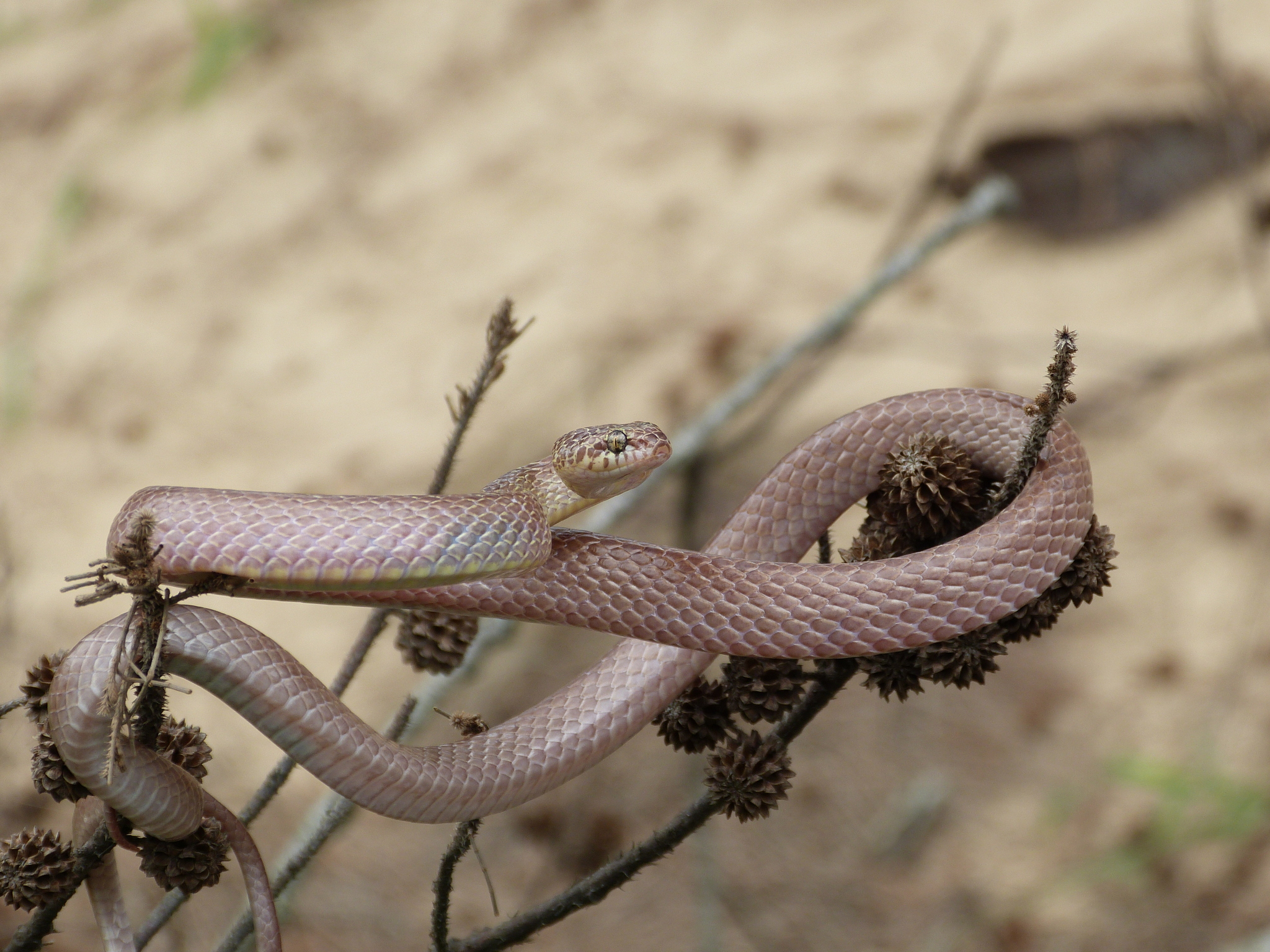
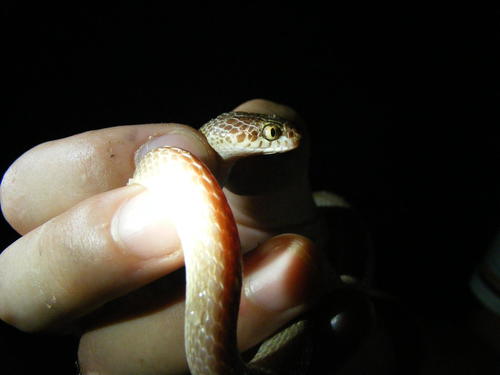
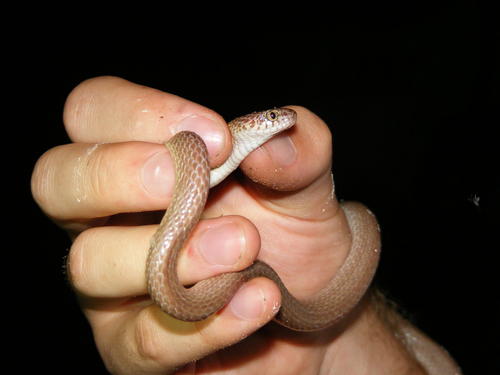
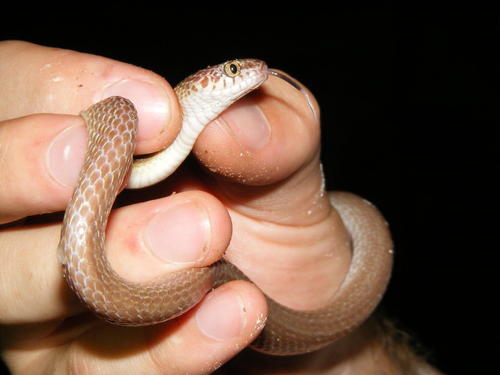
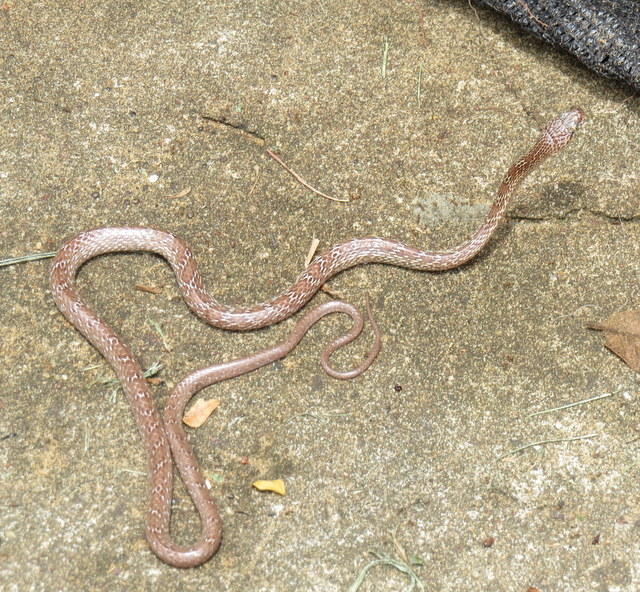
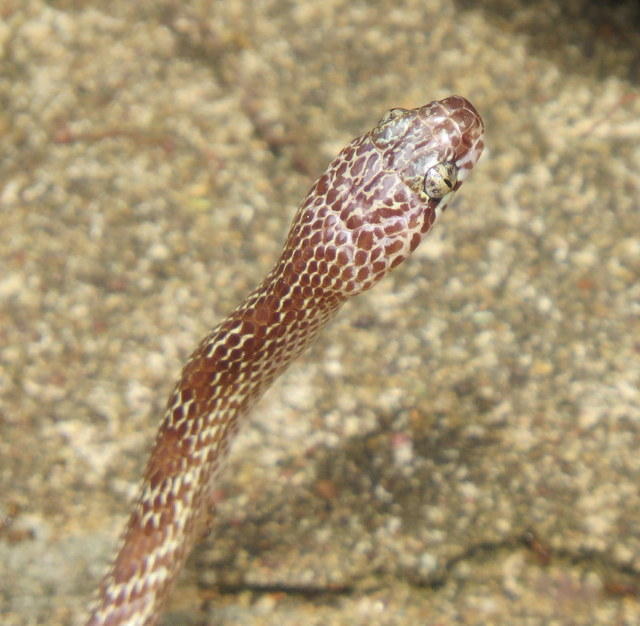
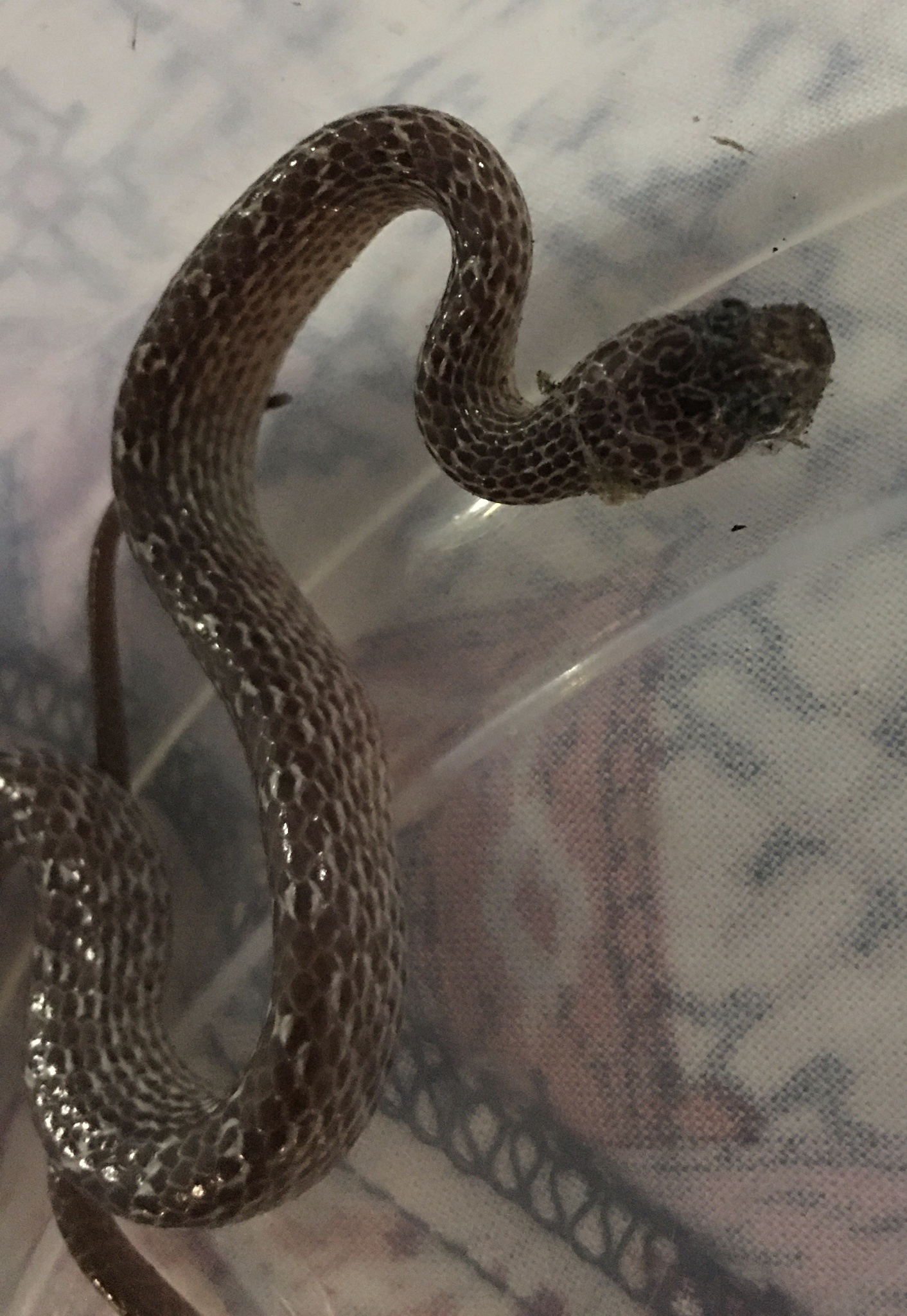
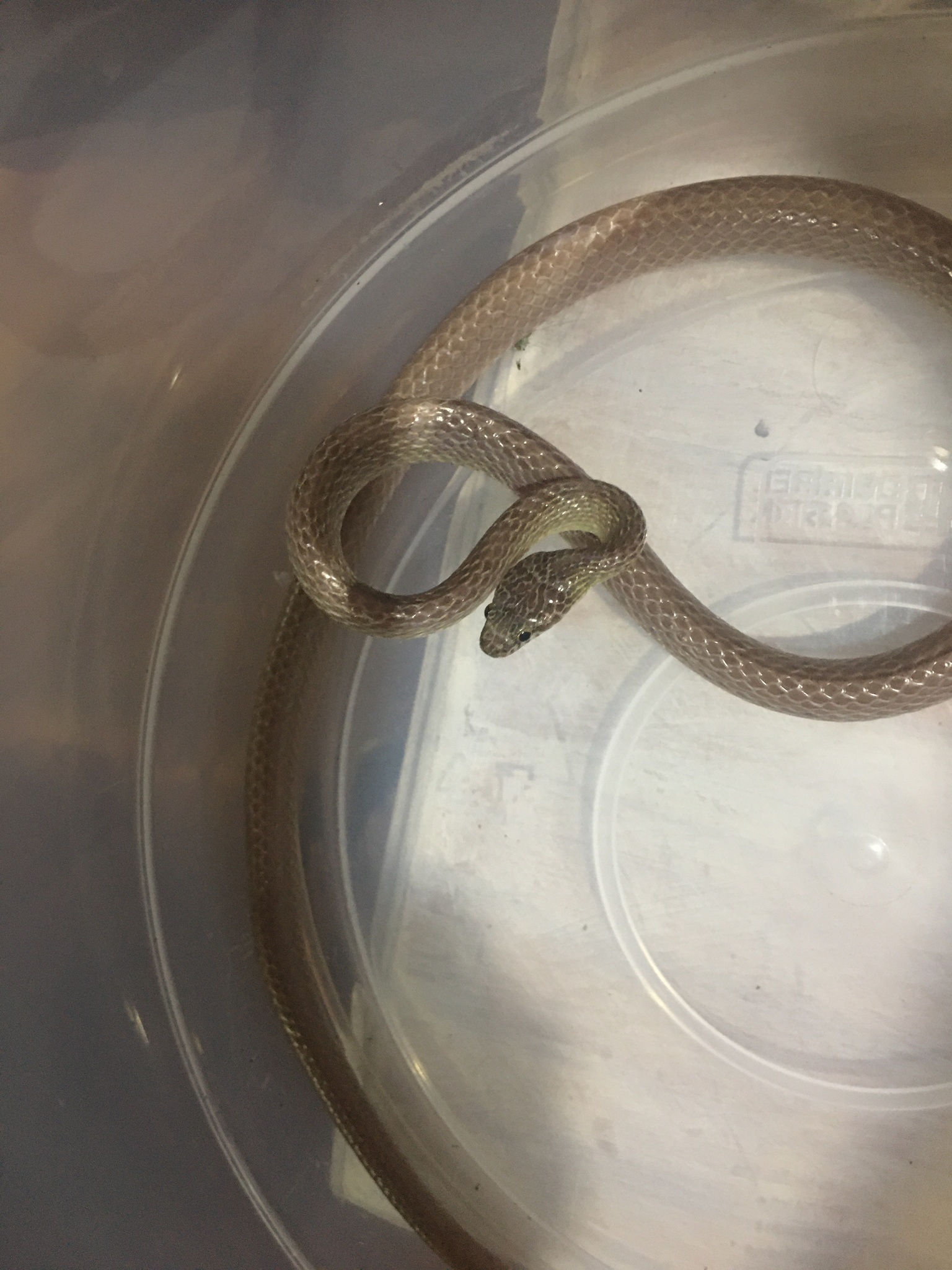
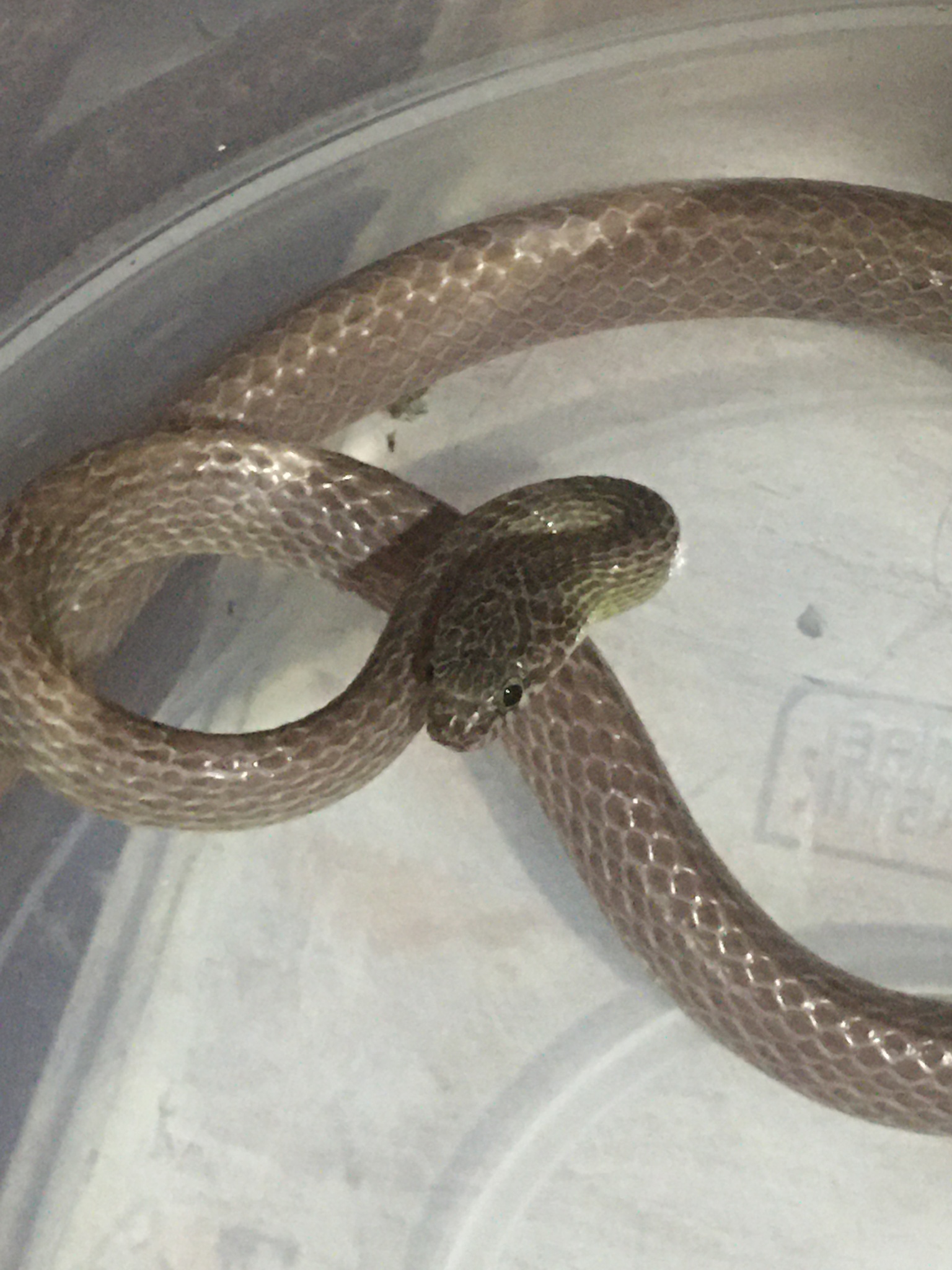
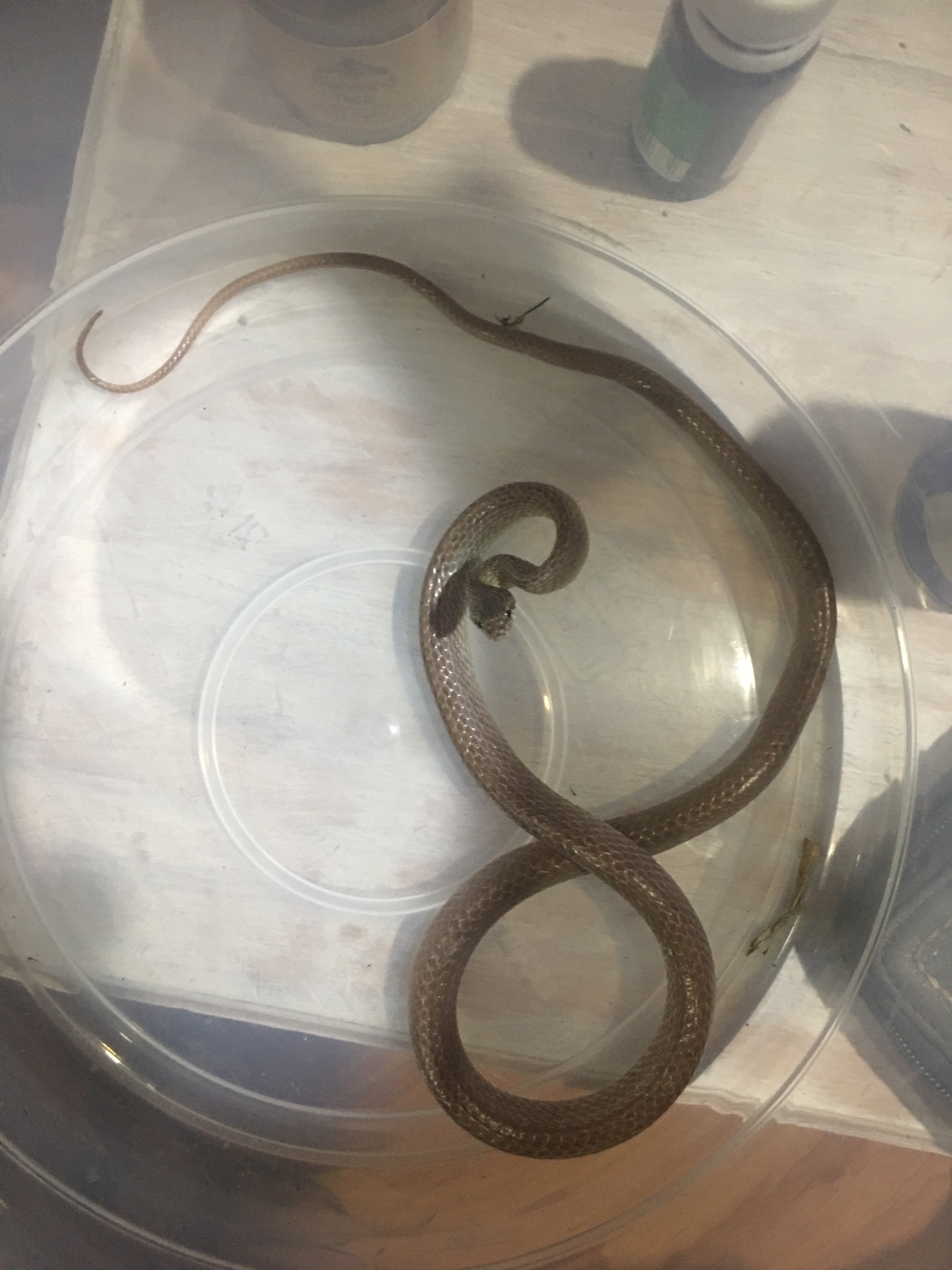
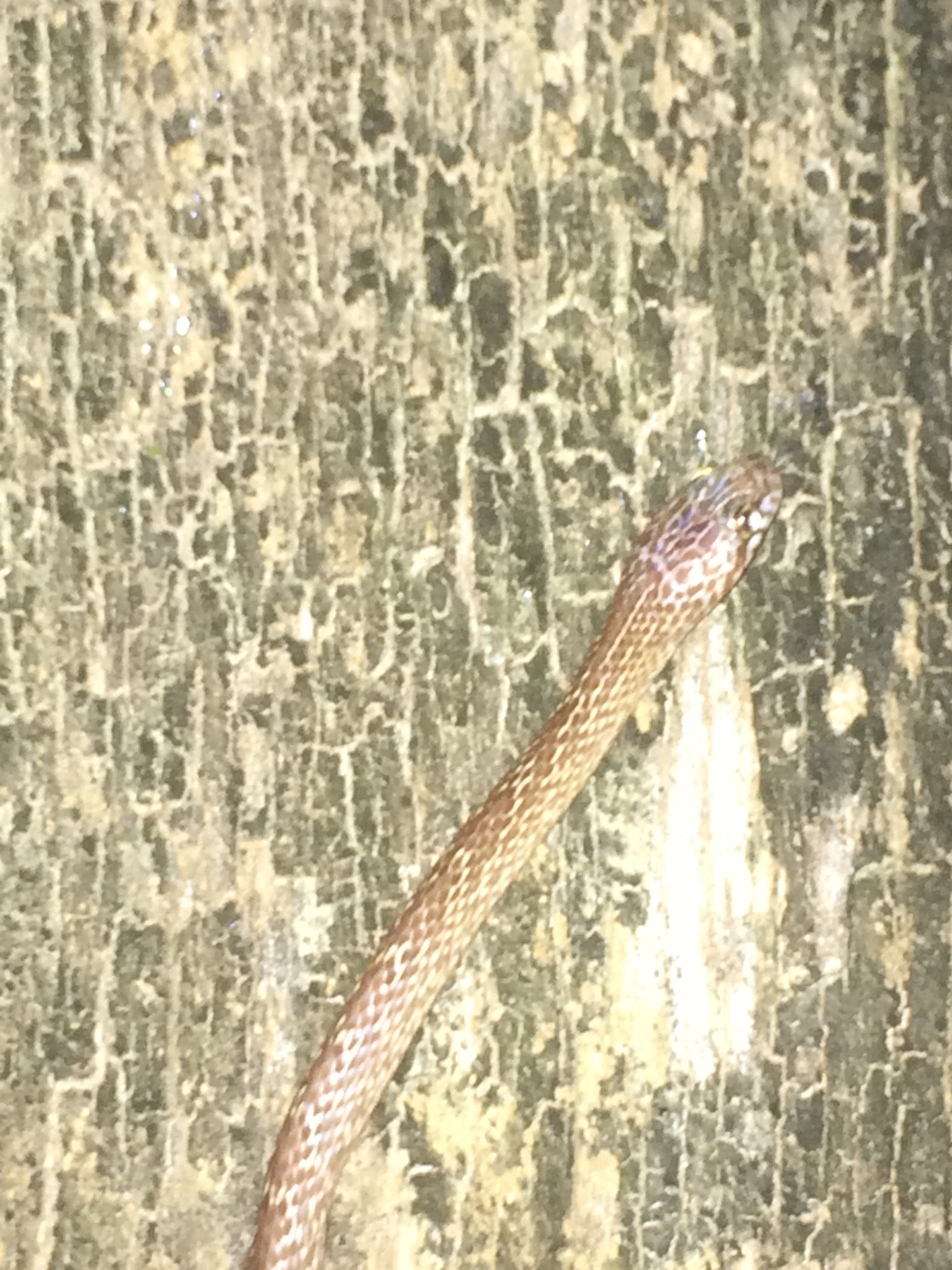
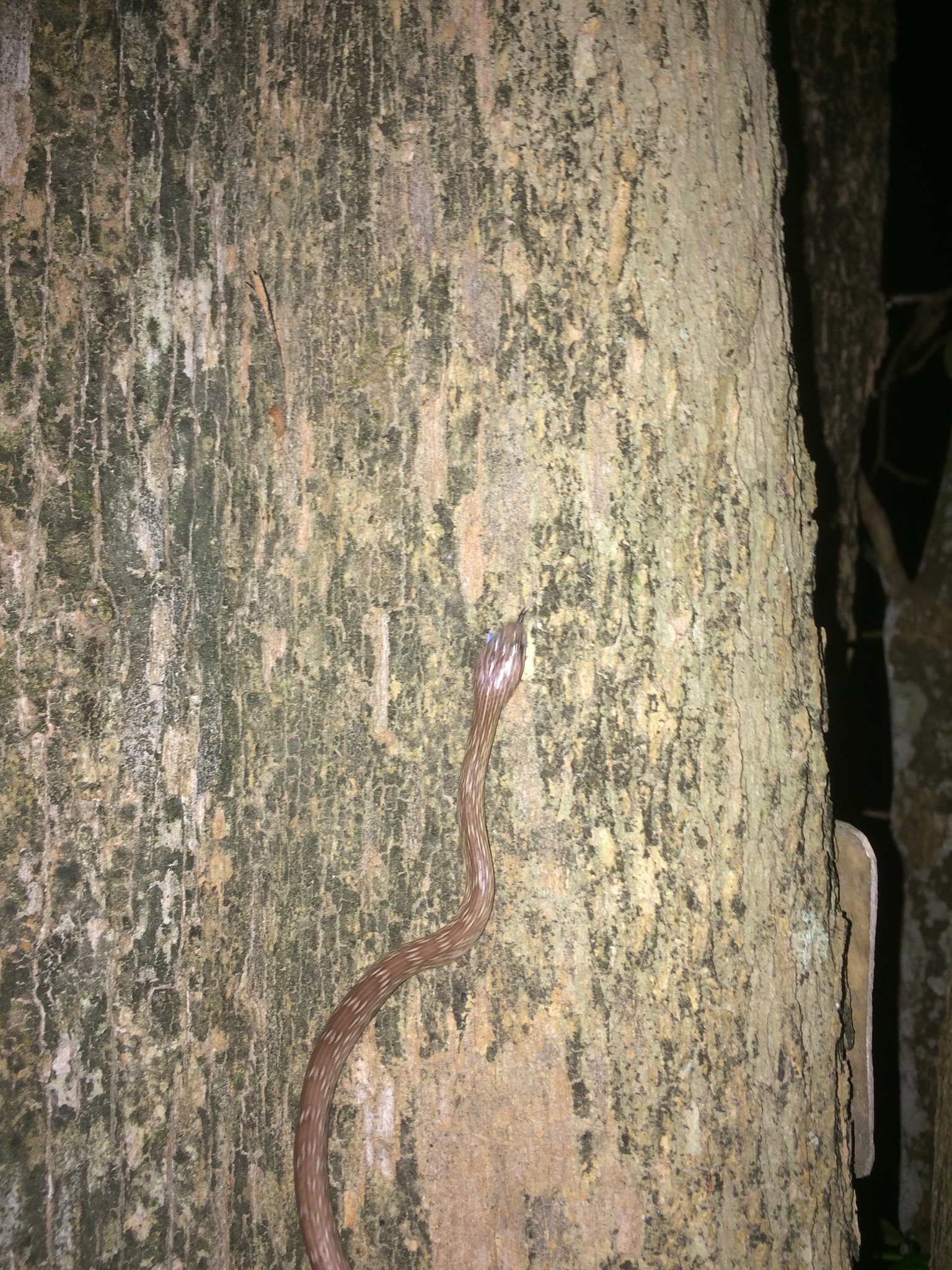
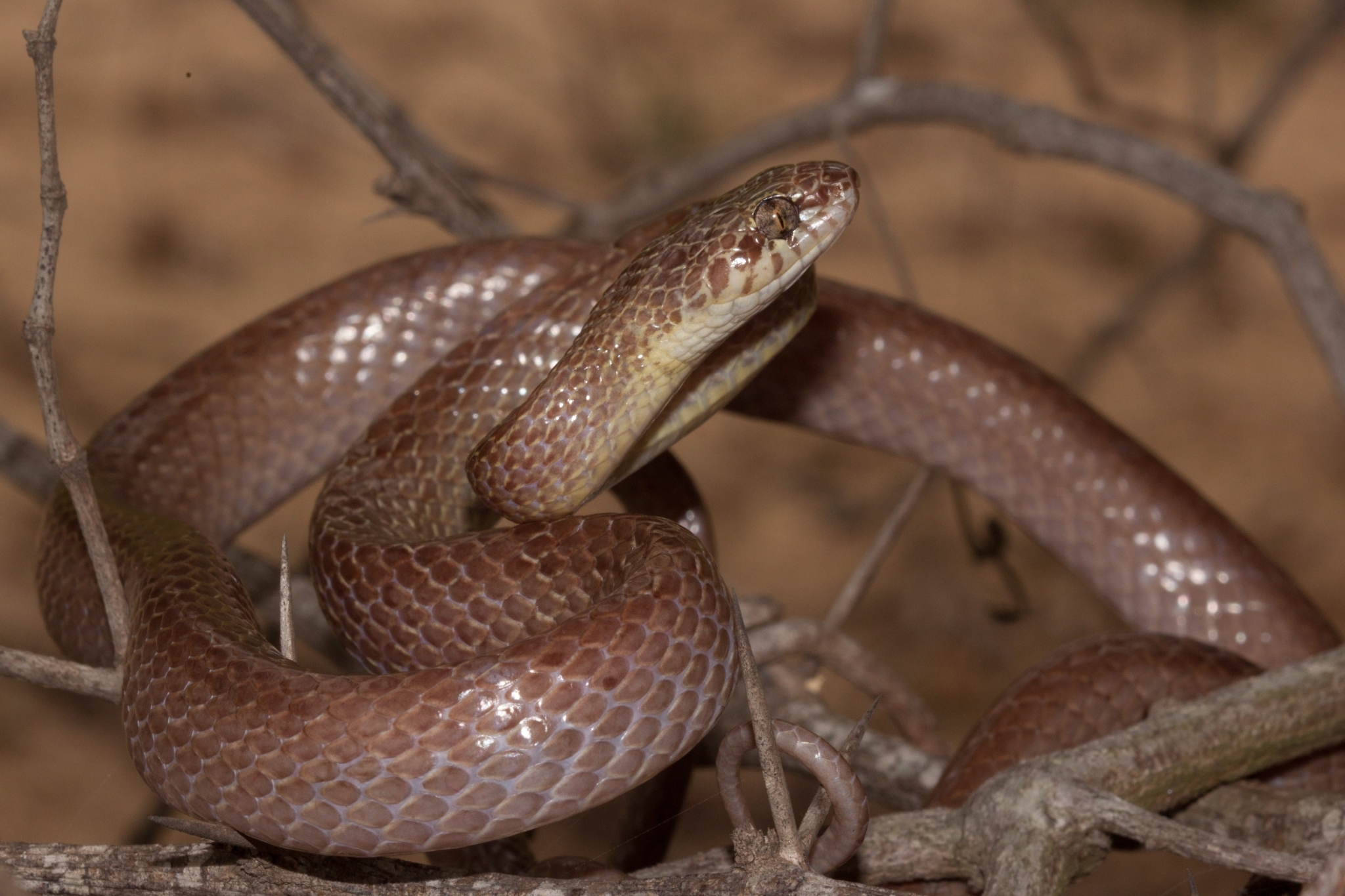
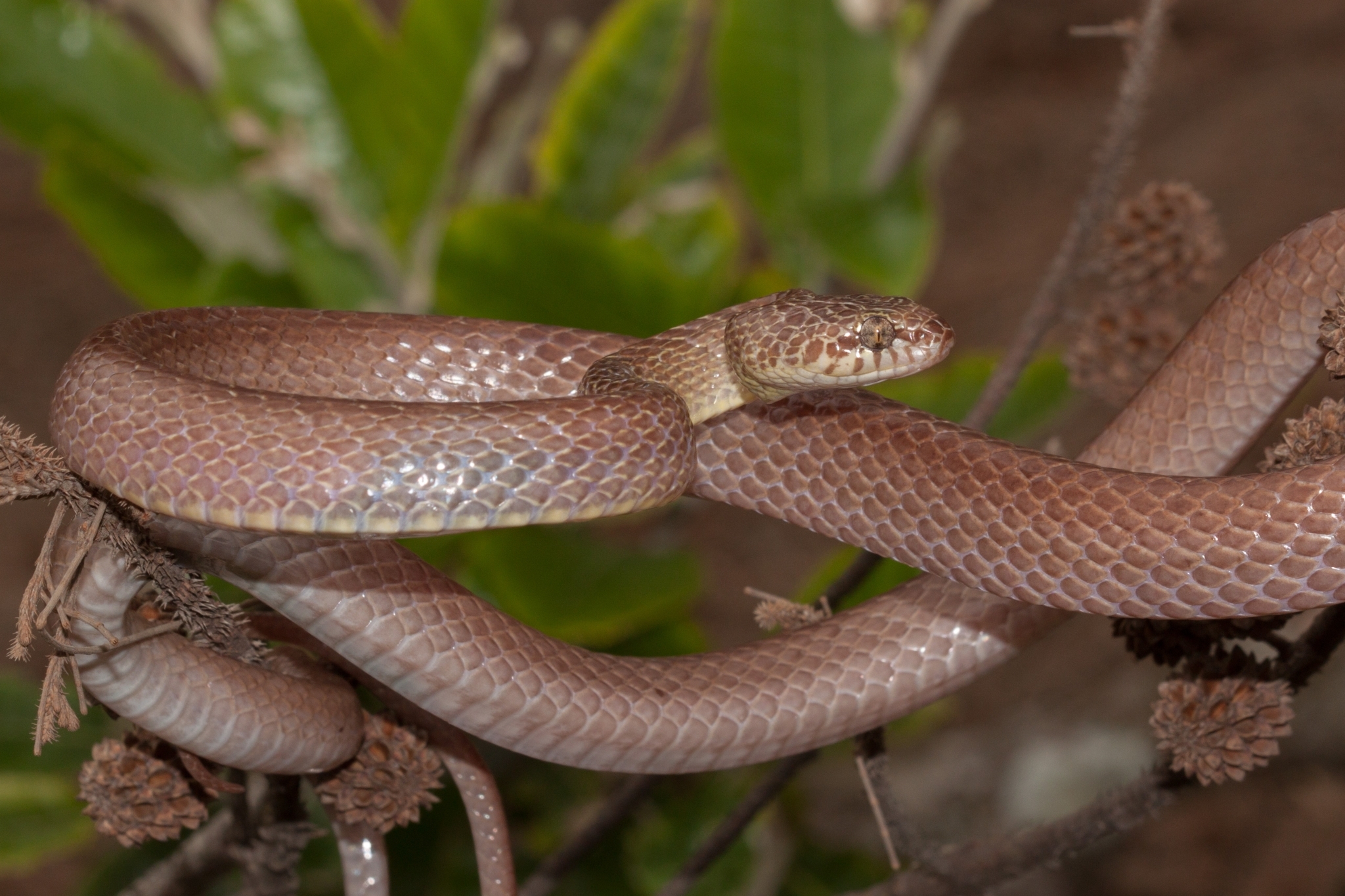
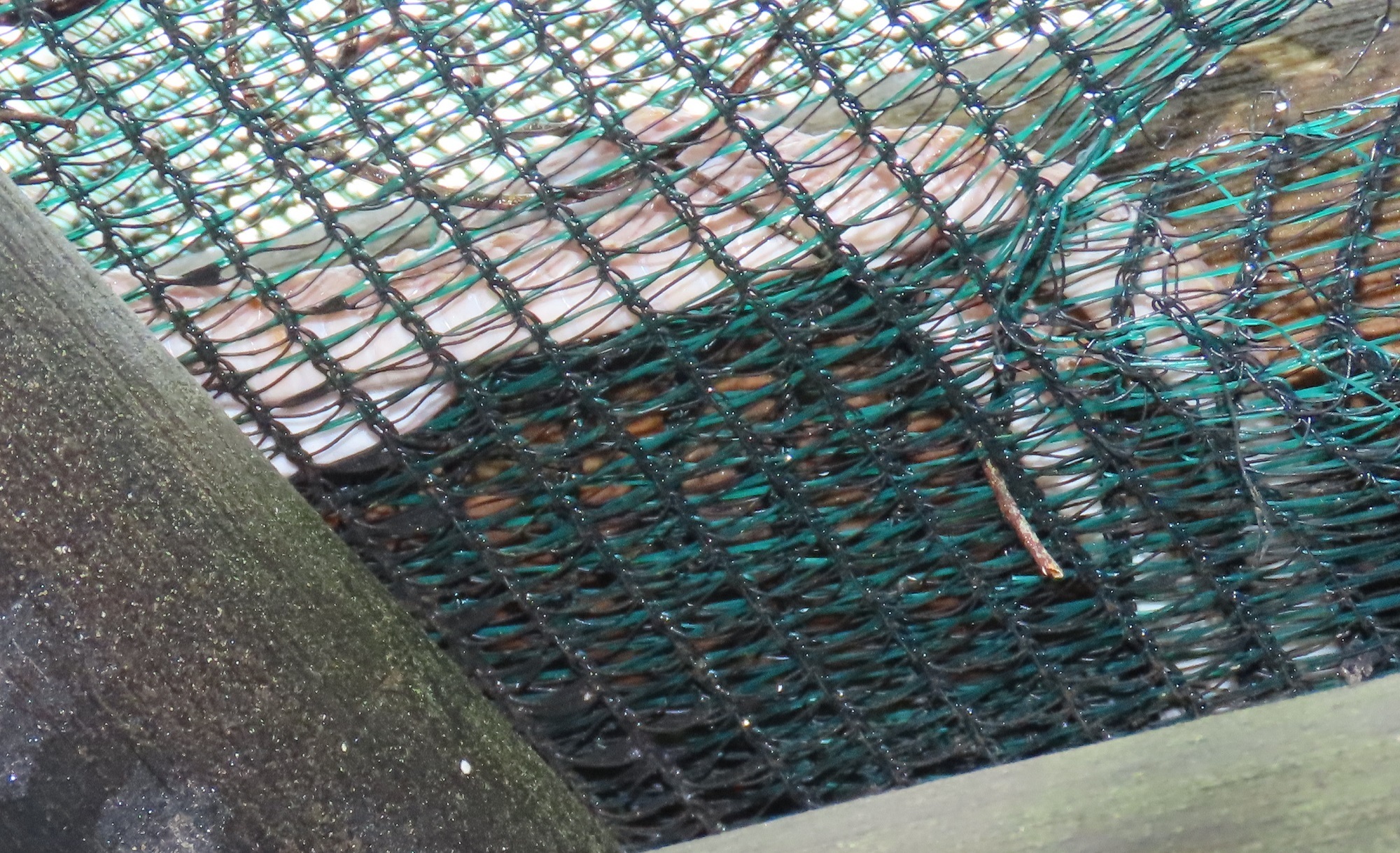
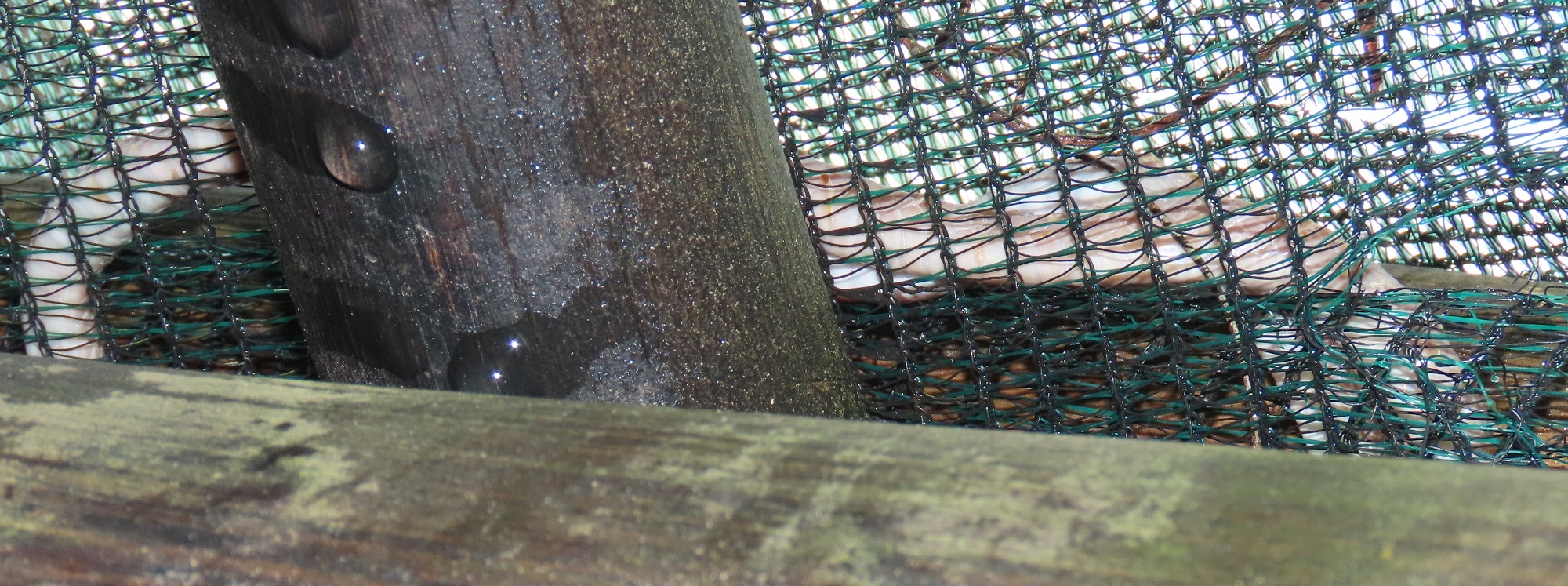
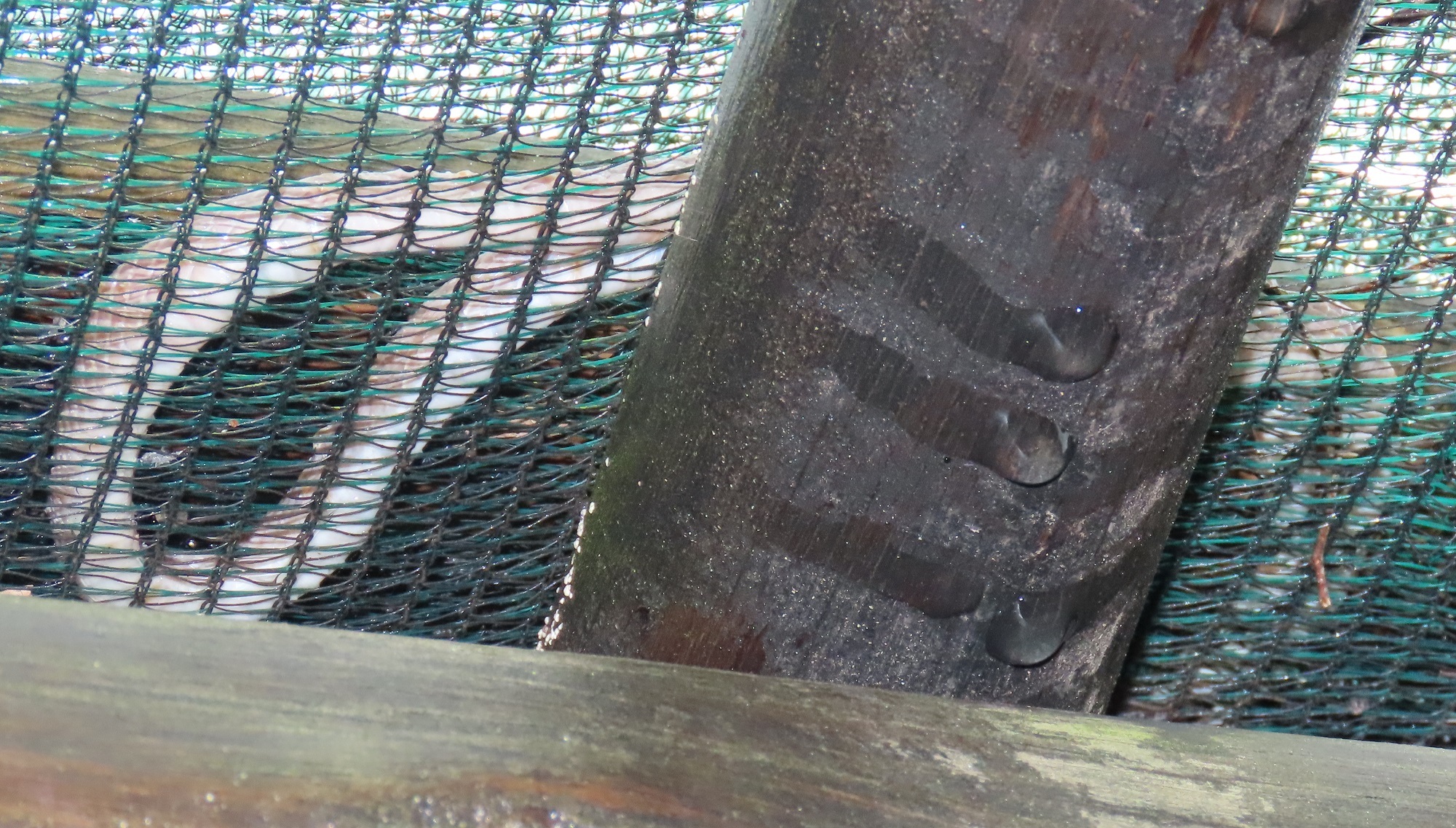
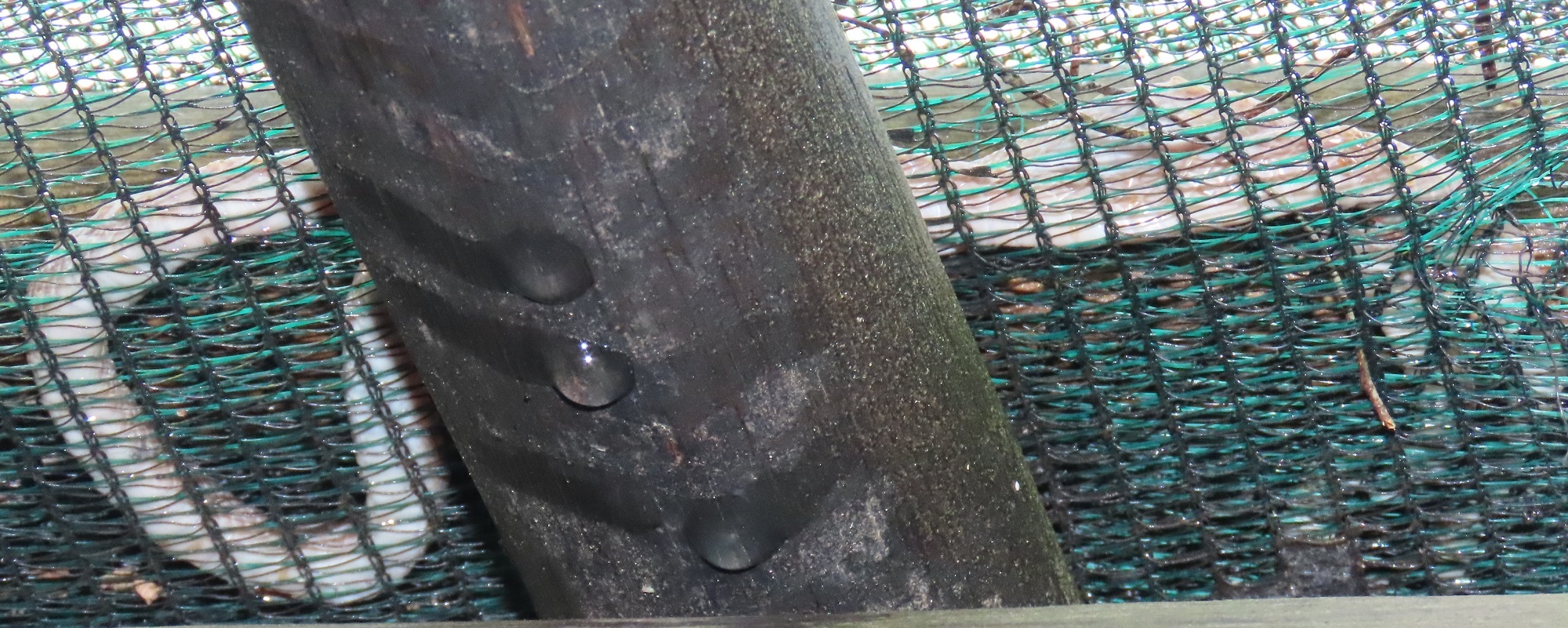
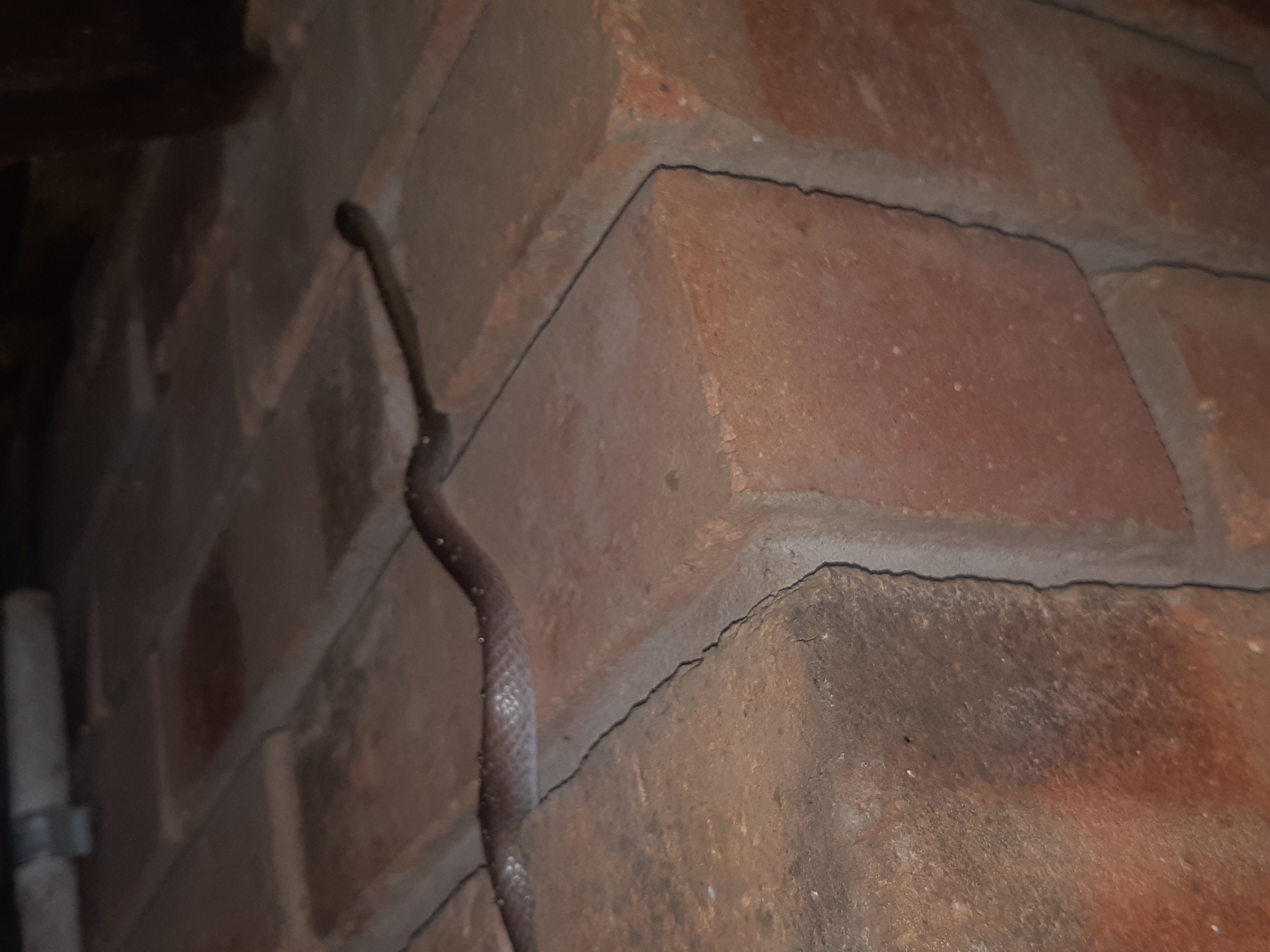
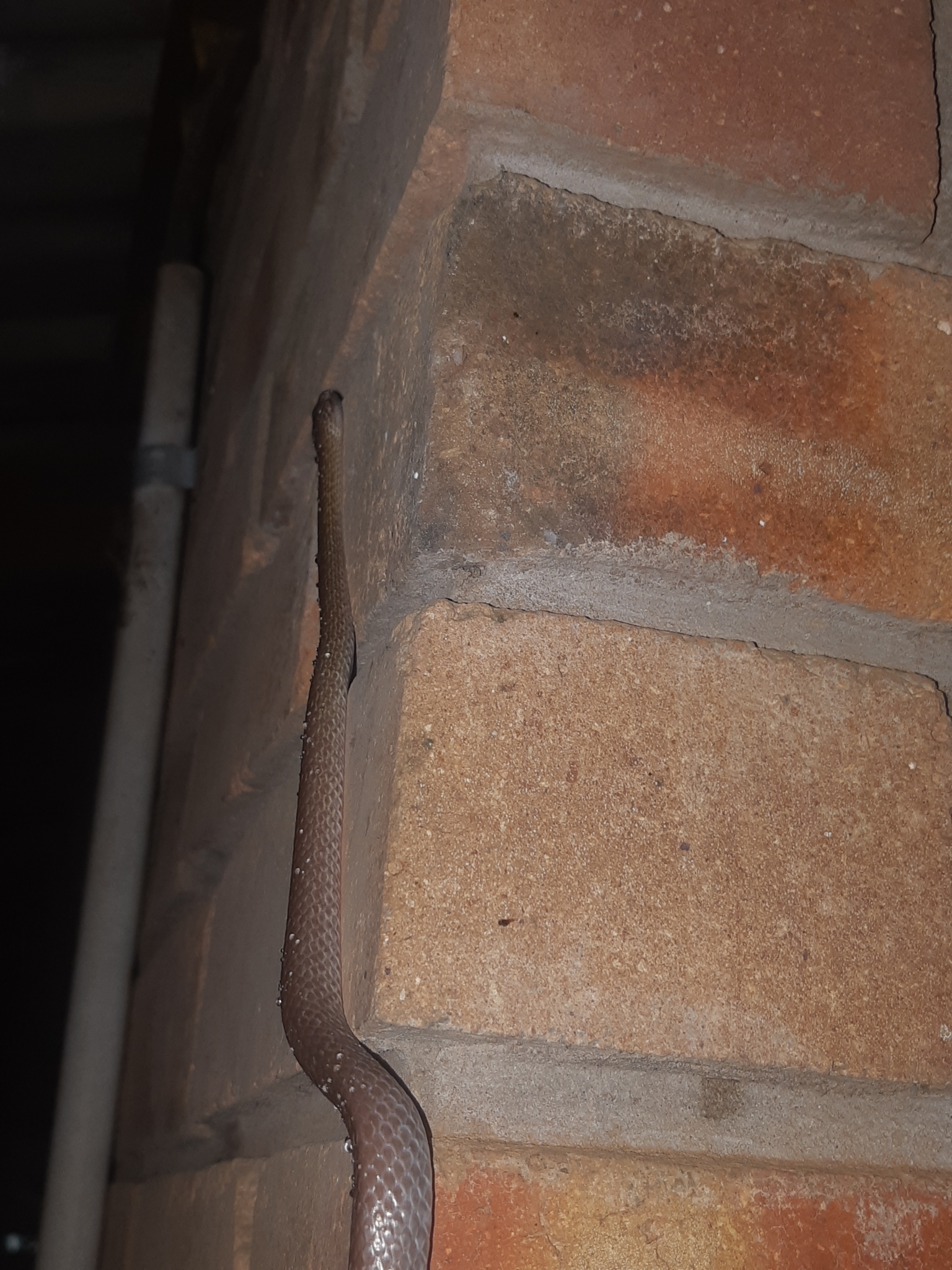
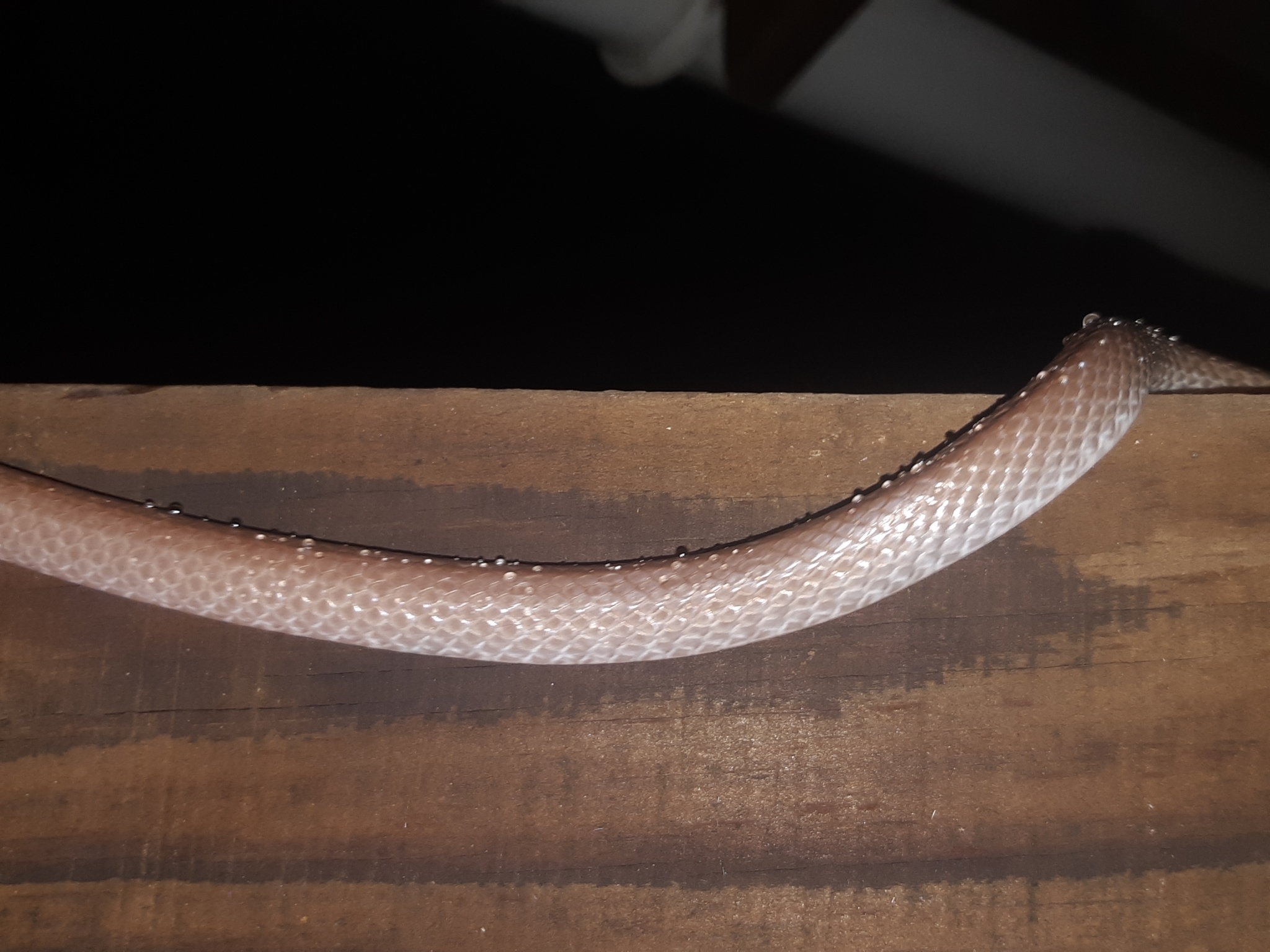
Rasmussen (1989) re-described this species as follows: Lepidosis. Rostral 1.7-2.3 times as broad as deep, in broad contact with the internasals; frontal 1.3-1.8 times as long as broad, 1.0-1.6 times as long as its distance from end of snout, and 0.9-1.3 times as long as the suture between the parietals; loreal in contact with eye below a single preocular; 2 preoculars may rarely be present either excluding loreal from entering eye or flanking loreal which enters eye between them; postoculars 2, rarely 3; temporals usually in 3 rows (rarely 2)-(for variation, see table 1); supralabials usually 8, third to fifth usually entering eye (for variation, see table 1); infralabials usually 10, first five usually in contact with the anterior chin-shields (for variation, see table 1); chin-shield in 2-3 pairs followed by 1-4 transverse rows of gulars, sometimes arranged more or less in pairs, and by 0-2 preventrals. Dorsal scales smooth with single (or rarely double) apical pits. Dorsal scale row reduction formula (body) of the type is as follows: 17 (-v(113))/1 16(3+4(116))/(3+4(116)) 14 p+p(124)13 giving the standard count 17-17-13 shared by all specimens. The reduction formula of the type is unusual. The reduction to 13 rows is achieved within the interval of VS no. 97-112 in other females, and within the interval of VS no. 98-112 in males. Ventrals angulate 172-190 in males, 167-189 in females; anal entire (divided in a single specimen); subcaudals 75-97 divided (some rarely undivided) in males and 74- 86 in females, tail ending in an elongated, rounded scale. Dentition: Maxillary teeth 12-16 + II + 1: palatine teeth 10-13. Dimensions. Total length of type (female) 33 cm. Largest male (TMP 64517) 81 cm and largest female (FMNH 206254) 83 cm; smallest specimen (TMP 52296) with umbilical scar 18 cm (all measurements to nearest centimeter). Hemipenes: In situ the organs extend to subcaudal scute no. 6-10; sulcus undivided; proximal portion of organ with relatively large, recurved spines; in everted condition, sulcus of left hemipenis is flanked by two rows of enlarged spines on the medial side and a single row at the lateral side, in the right penis the rows are arranged vice versa; on distal half of organ spines decrease in size and merge into deep calyces with denticulate edges; the very tip of the hemipenis is covered with deep papilate calyce Internal morphology: Tongue sheath extending to ventral scute (VS) no. 10-14 (5.6- 8.0 % VS) in males and to VS no. 10-13(5.4-7.8% VS) in females. Tip of heart extending to VS no. 36-42 (19.8-22.9% VS) in males and to VS no. 33-39 (19.1-21.8% VS) in females. Trachea extending to heart tip or up to two ventrals posterior to heart. Left lung totally absent (Rasmussen, 1979) or vestigal, up to 2 ventrals long. Anterior end of liver situated at VS no. 45-56 (25.6-29.8% VS) in males and to VS no. 42-51 (24.3-28.9% VS) in females. Absolute distance (VS) heart tip to anterior end of liver 9-17 and 8-13, males and females, respectively. Right kidney longer or just as long as left one; absolute length (right/left) 17-24/14- 21 (9.4-13.3/8.0-11.7% VS) in males and 14-21/13-20 (8.1-11.9/7.1-11.3% VS) in females. Anterior tip of kidneys situated at VS no. 142-161/149-167 (81.0-84.7/84.1- 87.9% VS) in males and at VS no. 137-159/145-165 (81.9-86.4/84.7-88.8% VS) in females. Posterior end of kidney situated at VS no. 162-180/166-183 (91.6-96.3/94.9- 96.8% VS) in males and at VS no. 156-177/160-180 (92.4-96.0/95.1-97.2% VS) in females. Absolute distance (VS) posterior end right kidney to anal scale 9-17 and 8-13, males and females, respectively. Anal gland extending to caudal scute (CS) no. 7-9 in both sexes. In a single juvenile female the gland extends to CS 6 only. Coloration (preserved condition): Juveniles and semiadults pale-brown to brown above with 38-57 whitish, dark-edged, regular or broken-up diagonal cross-bands from nape to base of tail; anteriorly the bands are distinct and usually encircle more than a third of the dorsal scale rows; lower flanks marbled with white and brown; underside body white to cream, usually with scattered lateral spots and sometimes with median ones also; underside tail pale with varying degree of brown pigmentation; head with more or less symmetrical markings above; on each side of head a distinct brown stripe extends from the nostril through the eye to or almost to the angle of the mouth (in the former case it is usually interrupted at least once); upper labials usually pigmented along their vertical sutures; tongue white (Broadley, 1983). In adults the brown pigment gradually impinges on the white cross-bands from behind and the snake grows more or less uniformly brown; in the largest specimens no trace is left of the cross-bands at the body and only a fine white vermiculation persists on the head; the brown pigment also impinges more intensively on the underside of the tail and on the posterior part of the belly.
The information below was extracted from Rasmussen (1989): An east and southeast African forest species of Dipsadoboa which has the following char- acter combination: dorsals in 17-17-13 rows; ventrals 172-190 in males and 167-189 in females; anal entire-divided in a single specimen; subcaudals 75-97 in males and 74-86 in females; 12-16 + II + I maxillary teeth; juveniles and semiadults brownish with a characteristic pattern of 38-57 light, dark-edged cross-bands starting just behind head and usually encircling more than a third of the dorsal scale rows; light cross-bands disappear from behind with increasing size-ending up with almost uniform brown specimens; tongue white; anal glands extend to caudal scute no. 7-9
Type locality: Zambezi River. Holotype: BMNH 1946.1.8.33
No notable issues.
Eswatini, Malawi, Mozambique, South Africa, Zimbabwe
This species occurs from northeastern KwaZulu-Natal province through Eswatini and eastern Mpumalanga province into eastern Limpopo province, and northwards to central Mozambique and southern Malawi (Rasmussen, 1989).
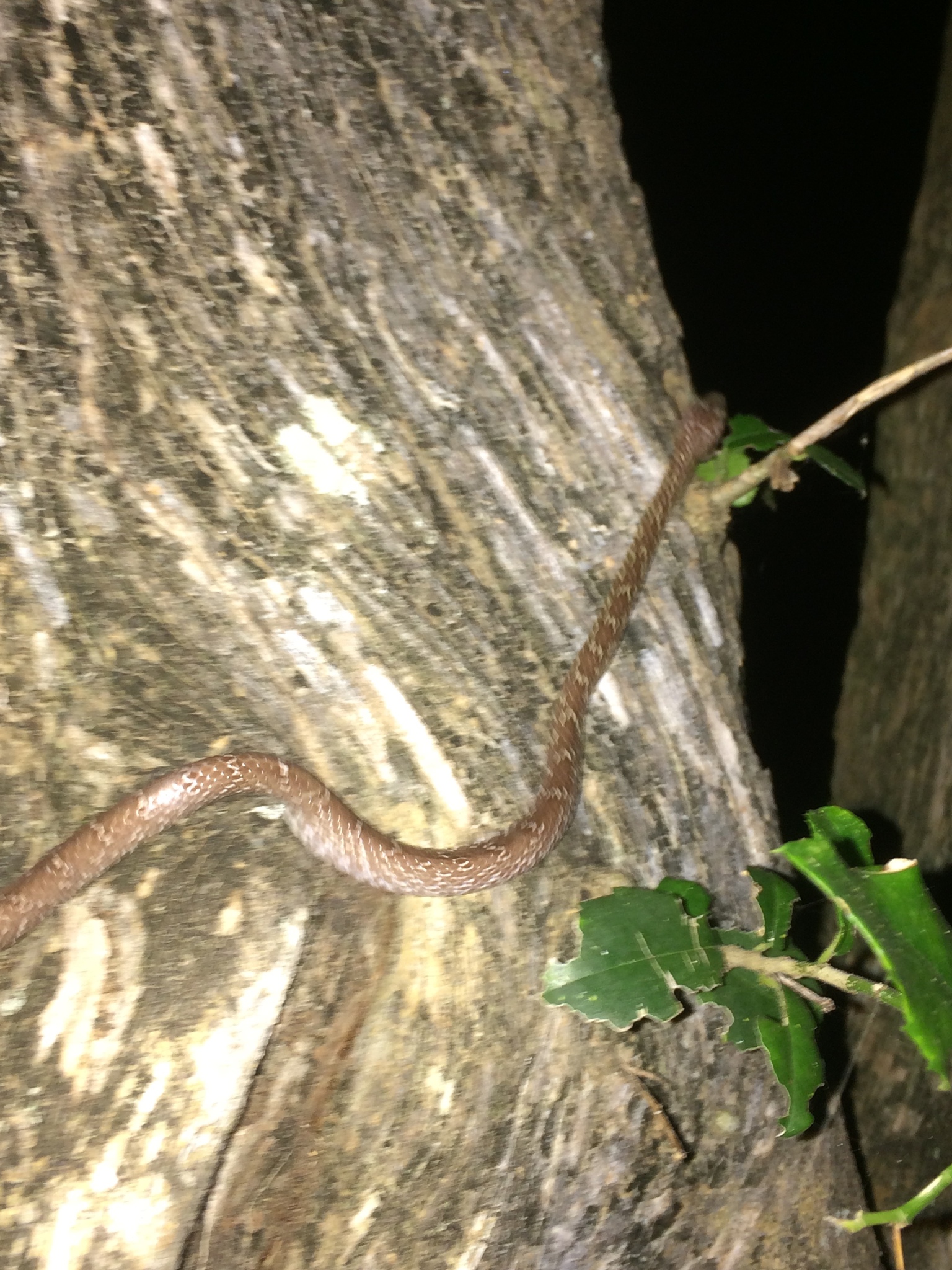
Snakes have long backbones with many articulated ribs that are used for locomotion (Branch, 1998). Engaging the muscles attached to these rib bones allows snakes move in a typical slither fashion, but it also enables them to swim and climb. They use an undulating, side-to-side movement ('S' pattern or serpentine).
Carnivore - Anurophagy (frog-eating)
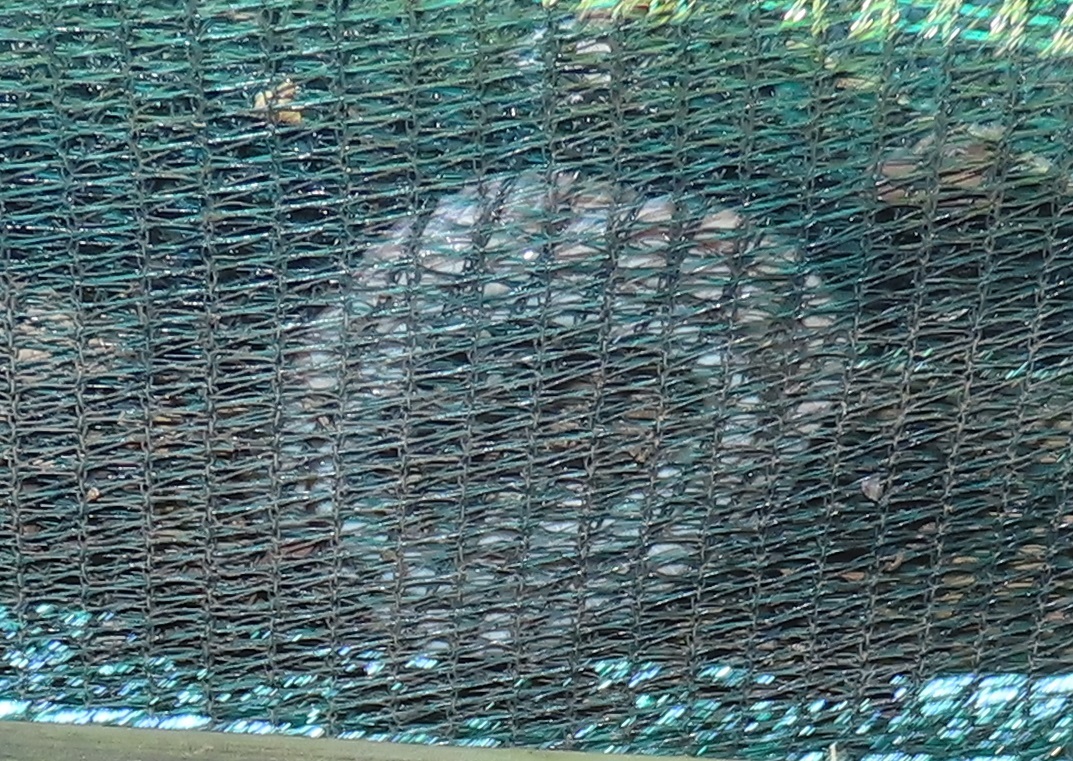
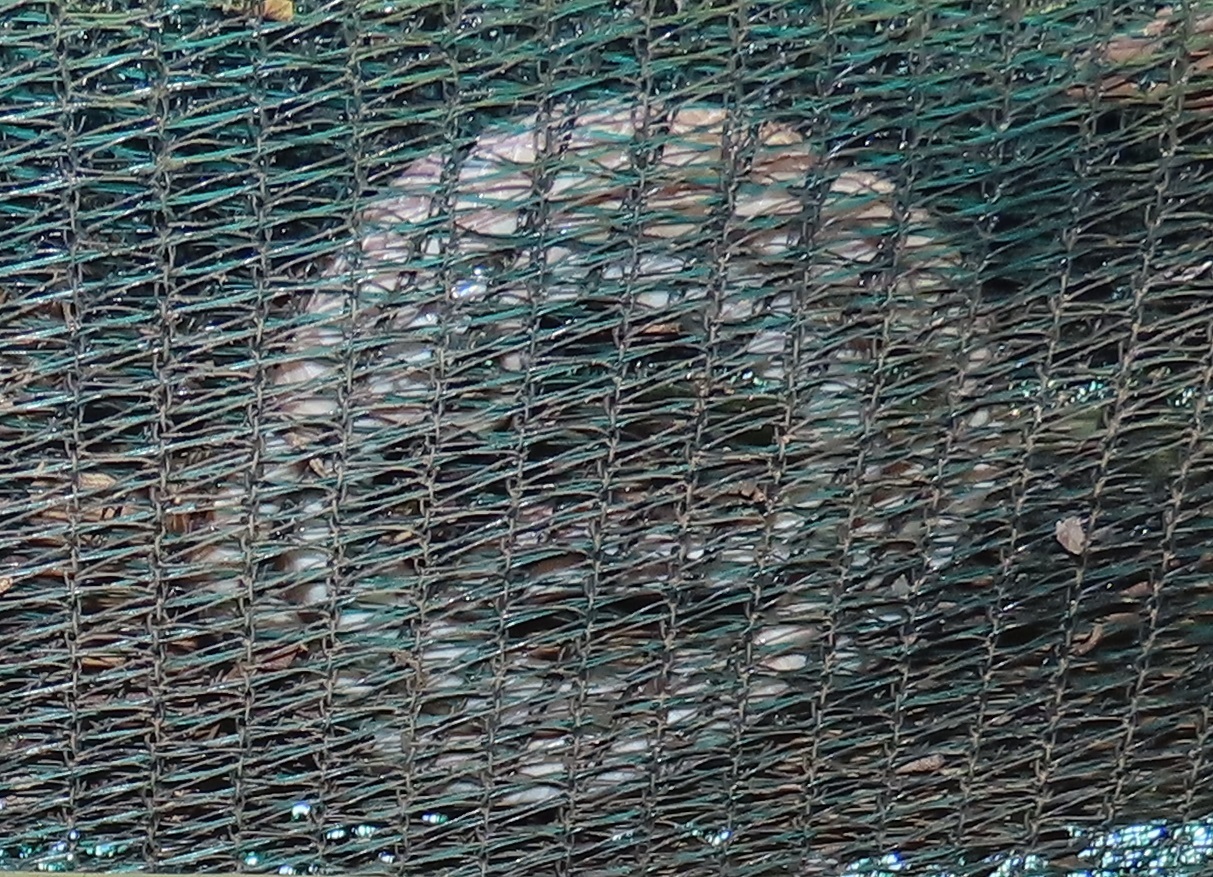
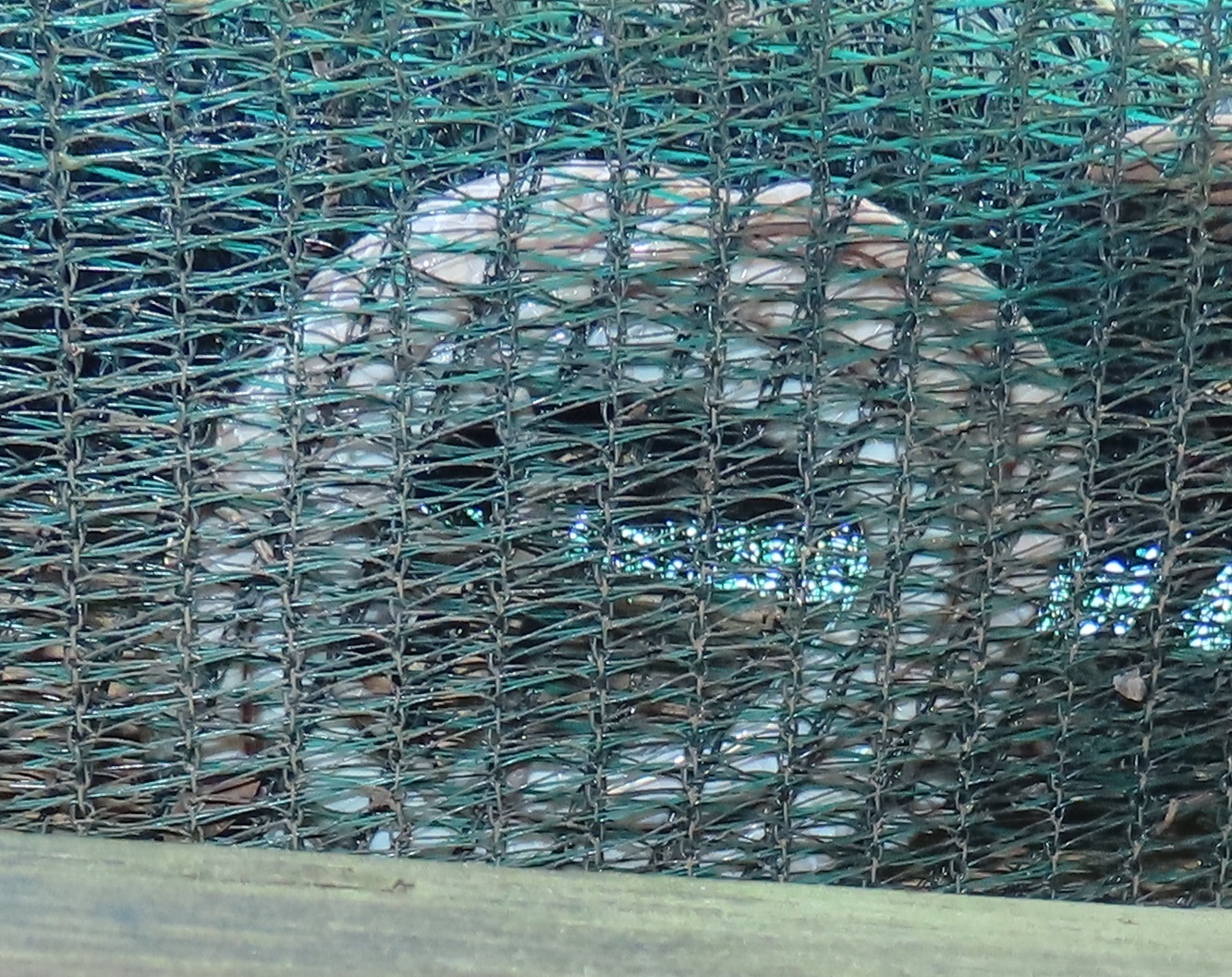
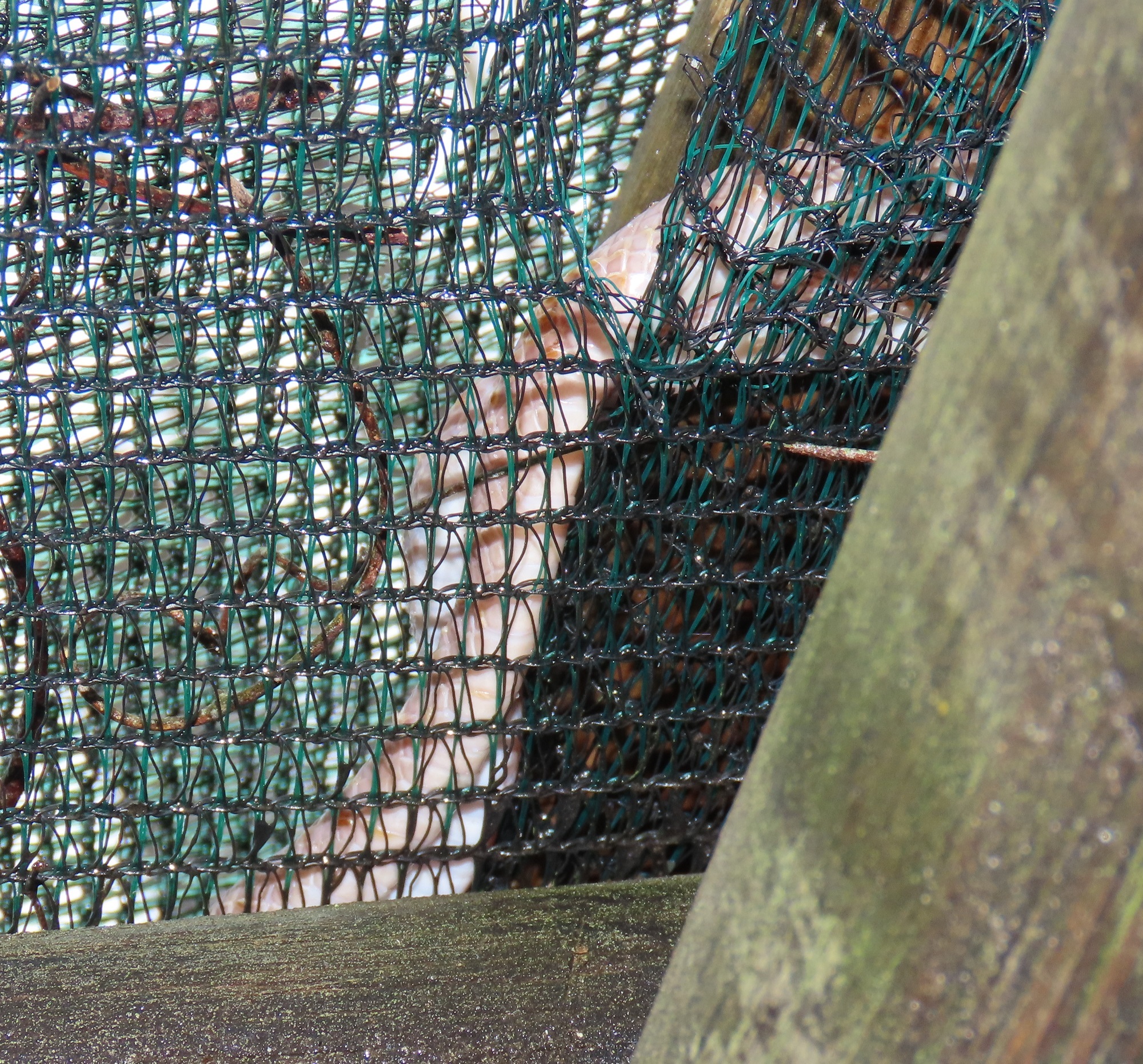
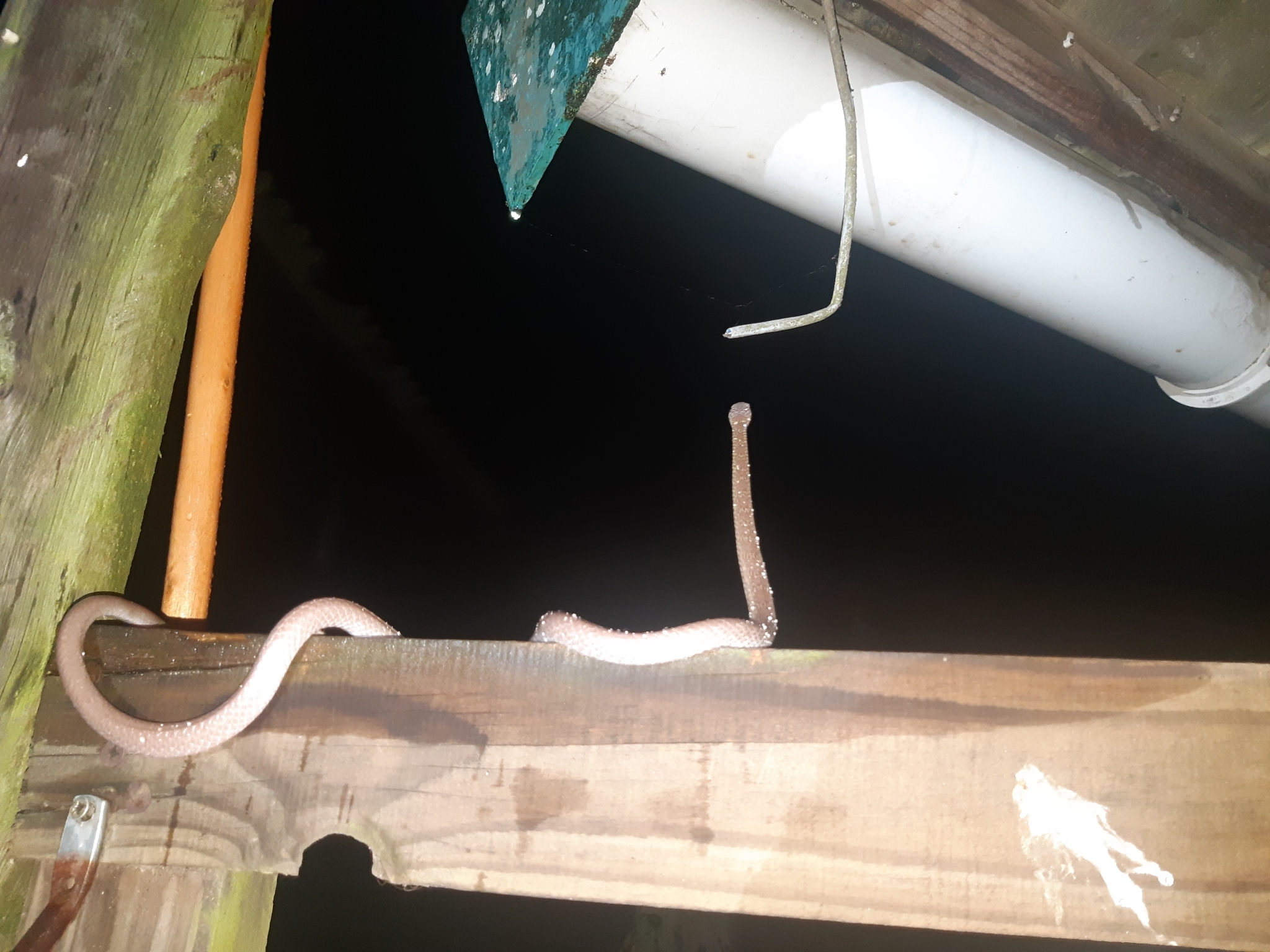
The Marbled Tree Snake comes out at dusk to feed on tree frogs and geckos, but it will also consume toads, skinks, and even rodents (Branch, 1998).
This snake is oviparous, with females laying 7 or 8 small eggs in midsummer (Branch, 1998).
When disturbed, this species assumes an open-coiled position with the head lifted. Although it is not dangerous, it bites readily (Branch, 1998).
Savanna, Forest
This map contains point-based occurrences at different locations
Occurrence in African countries and South African provinces. Residence status indicates if a taxon is indigenous, endemic, or alien in a specific region. This data is based on specimen records and literature.
FSA
SA
BOT
NAM
ESW
LES
WC
EC
NC
FS
GA
KZN
LP
MP
NW
Absent
Indigenous
Endemic
Naturalised
Invasive
Names and Sources
Dipsadoboa aulica ((Günther, 1864))
Dipsadoboa aulica
Author: Rasmussen, 1989
Dipsadoboa aulica
Author: Broadley & Howell, 1991
Dipsadoboa aulica
Author: Mattison, 2007
| Common Name | Language |
|---|---|
| Marbled Tree Snake | En |
| Marmerslang | En |
| Marble Tree Snake | En |
Classification
KINGDOM Animalia
PHYLUM Chordata
CLASS Reptilia
ORDER Squamata
FAMILY Colubridae
GENUS Dipsadoboa
SPECIES aulica
No results found for Dipsadoboa aulica (Günther, 1864)
No data.
20 results for Dipsadoboa aulica (Günther, 1864)
This map contains point-based occurrences at different locations
1998
BOOK
Field Guide to Snakes and Other Reptiles of Southern AfricaBranch, B.. 1998. Field Guide to Snakes and Other Reptiles of Southern Africa. Cape Town. Struik Publishers.
1989
JOURNAL ARTICLE
On the taxonomic status of Dipsadoboa aulica aulica GÜNTHER and D. aulica flavida BROADLEY & STEVENS, with tthe description of a new subspecies of D. flavida BROADLEY & STEVENS (Boiginae, Serpentes).Rasmussen, J.. 1989. On the taxonomic status of Dipsadoboa aulica aulica GÜNTHER and D. aulica flavida BROADLEY & STEVENS, with tthe description of a new subspecies of D. flavida BROADLEY & STEVENS (Boiginae, Serpentes). Vol. 10 pp.35-62.
2023
BOOK
Conservation status of the reptiles of South Africa, Eswatini and LesothoTolley, K., Burger, M., Alexander, G., Pietersen, D., Conradie, W., Weeber, J.. 2023. Conservation status of the reptiles of South Africa, Eswatini and Lesotho Vol. Suricata 10. Pretoria. South African National Biodiversity Institute.
1971
BOOK
A review of Chamaetortus aulicus Günther: With the Description of a new subspecies from Malawi (Serpentes: Colubridae)Broadley, D., Stevens, A.. 1971. A review of Chamaetortus aulicus Günther: With the Description of a new subspecies from Malawi (Serpentes: Colubridae). National Museums of Rhodesia.
Status and criteria
LC
Assessor(s)
Johan Marais
Reviewer(s)
Krystal Tolley