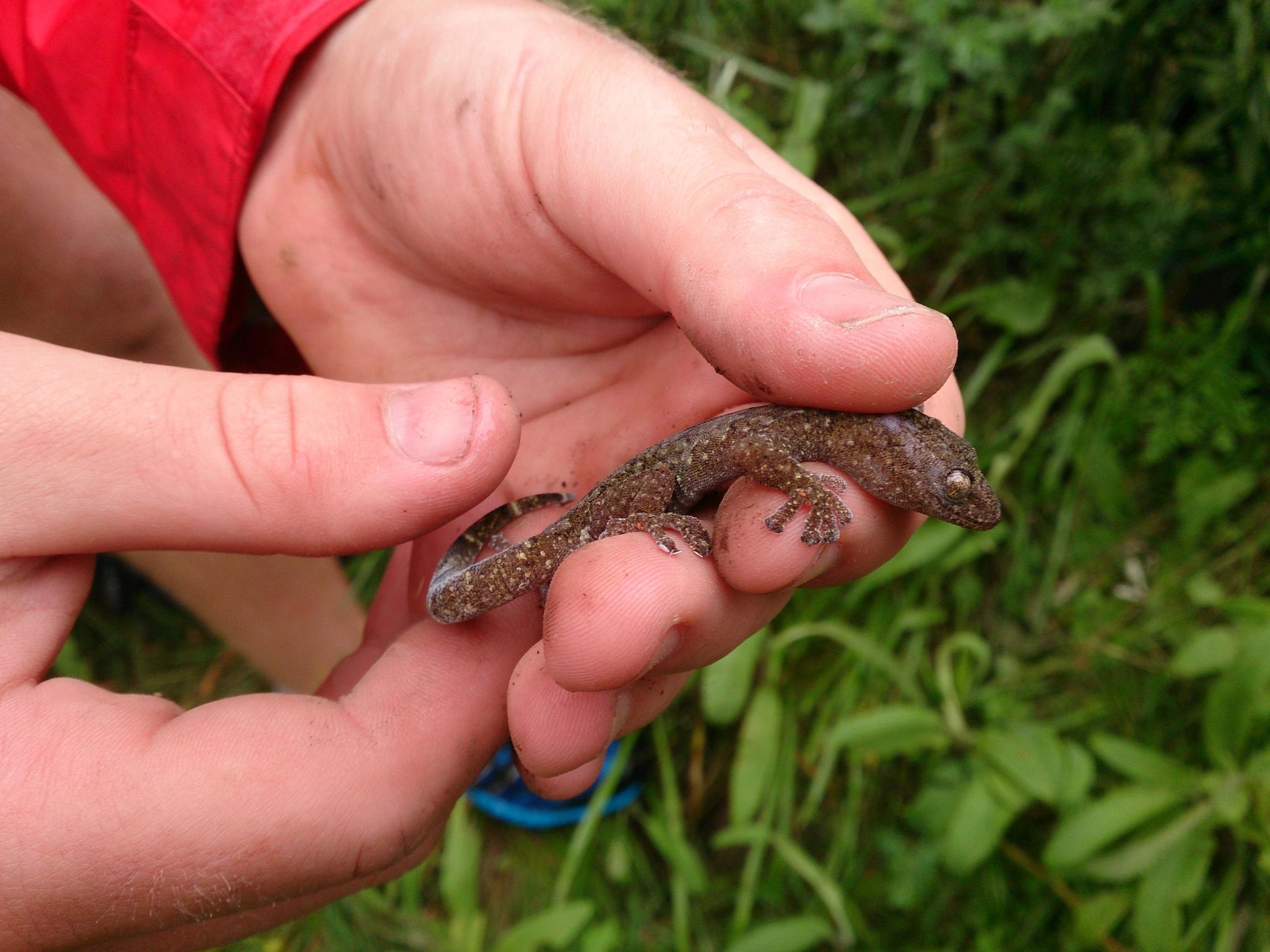
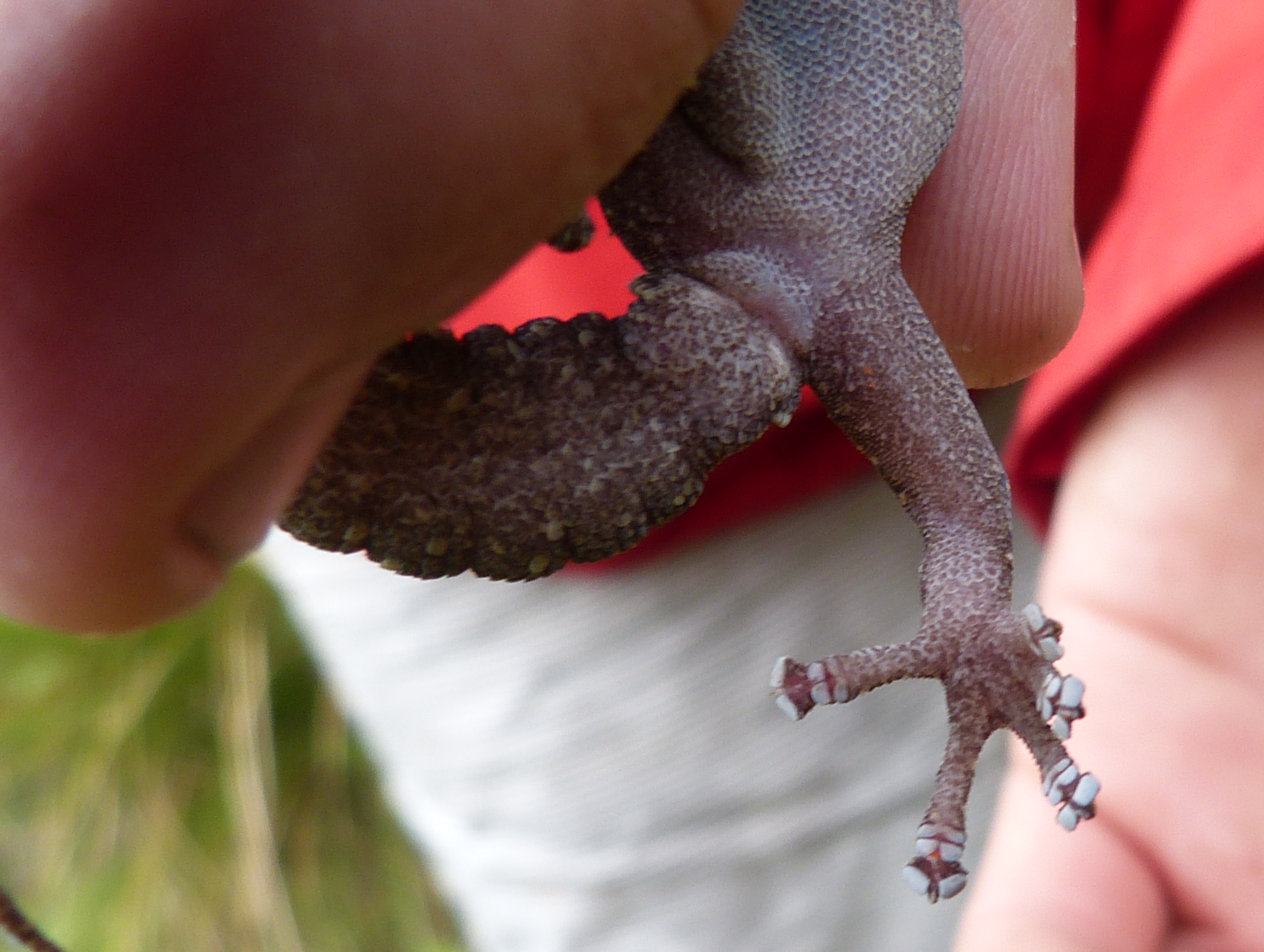
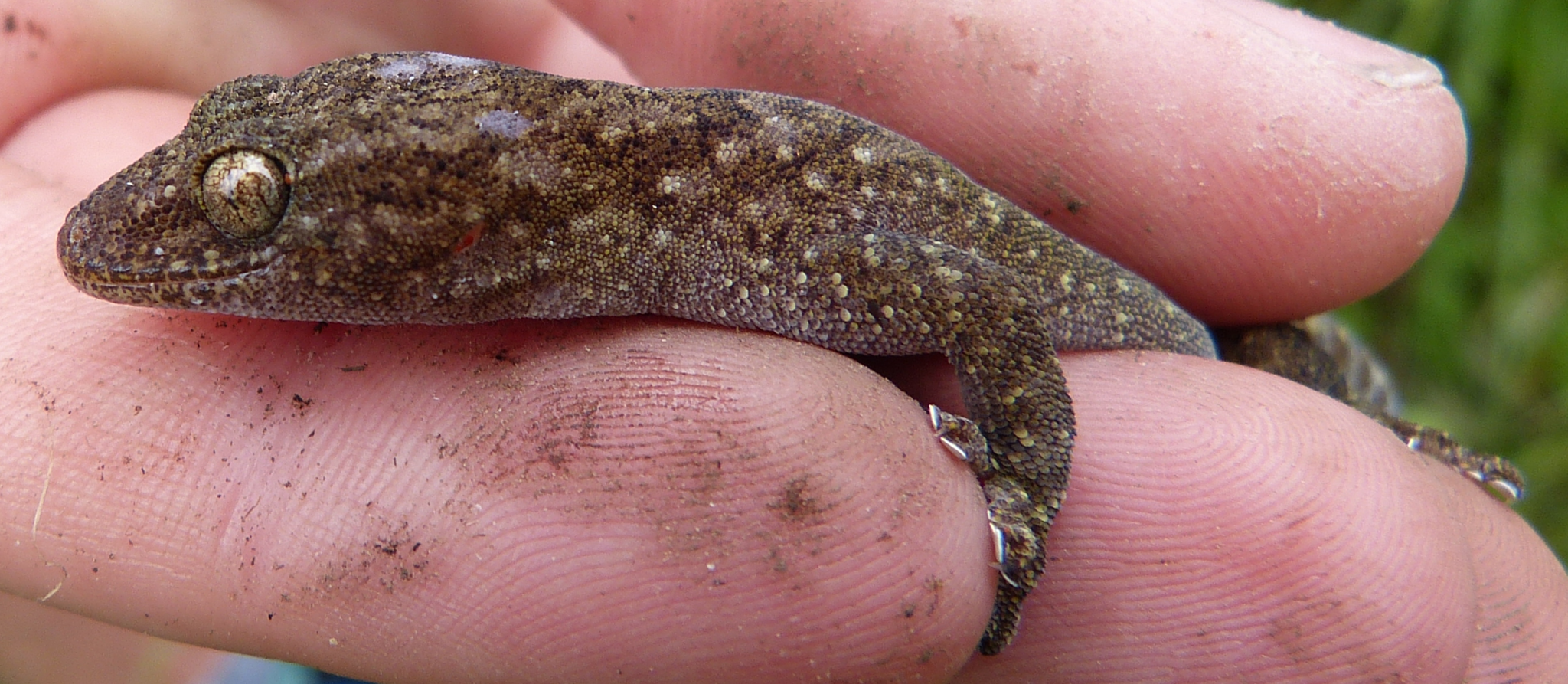
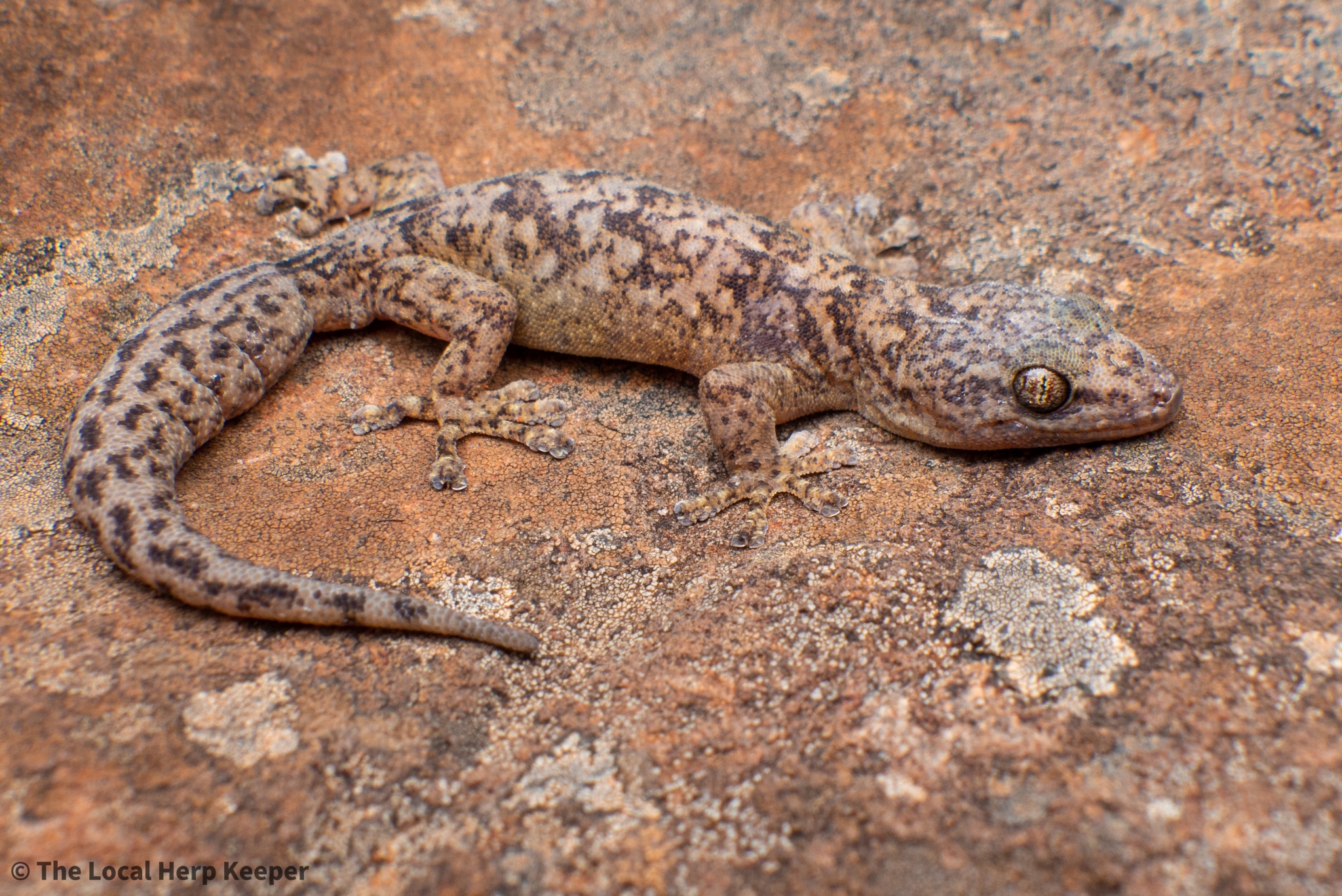
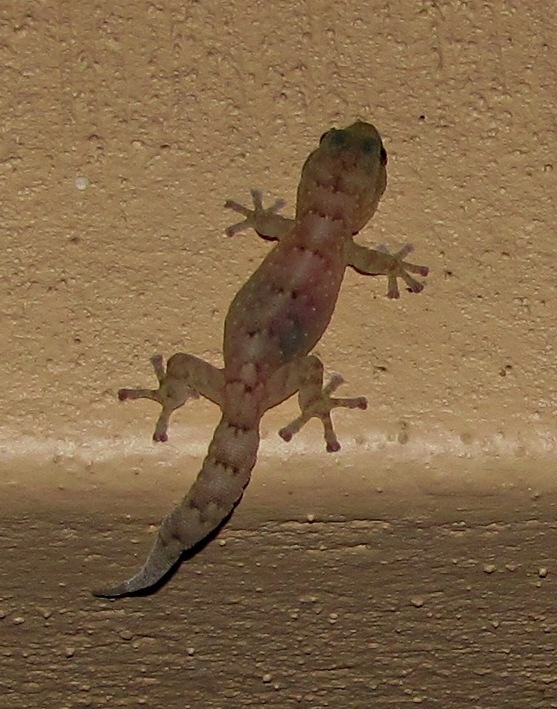
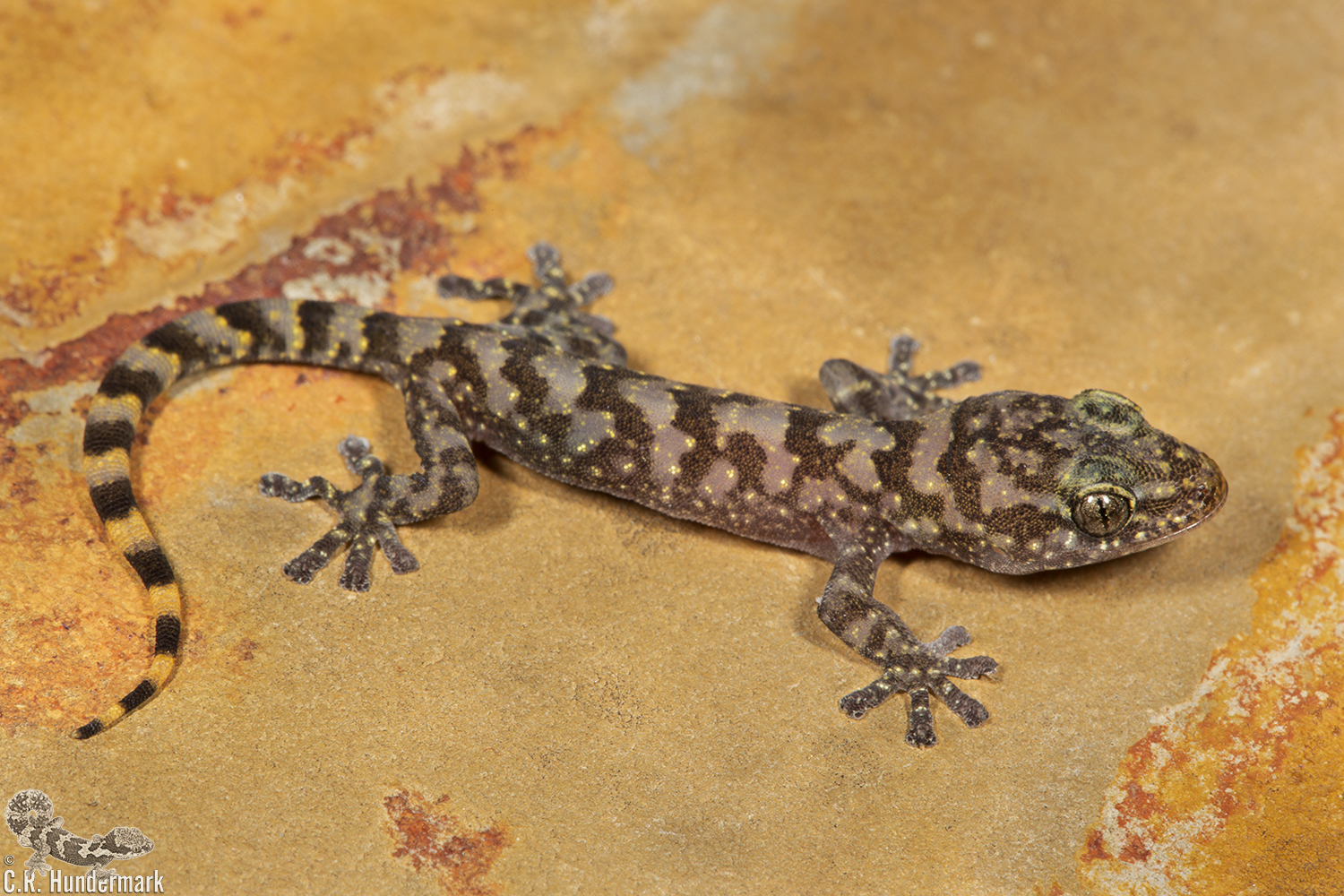
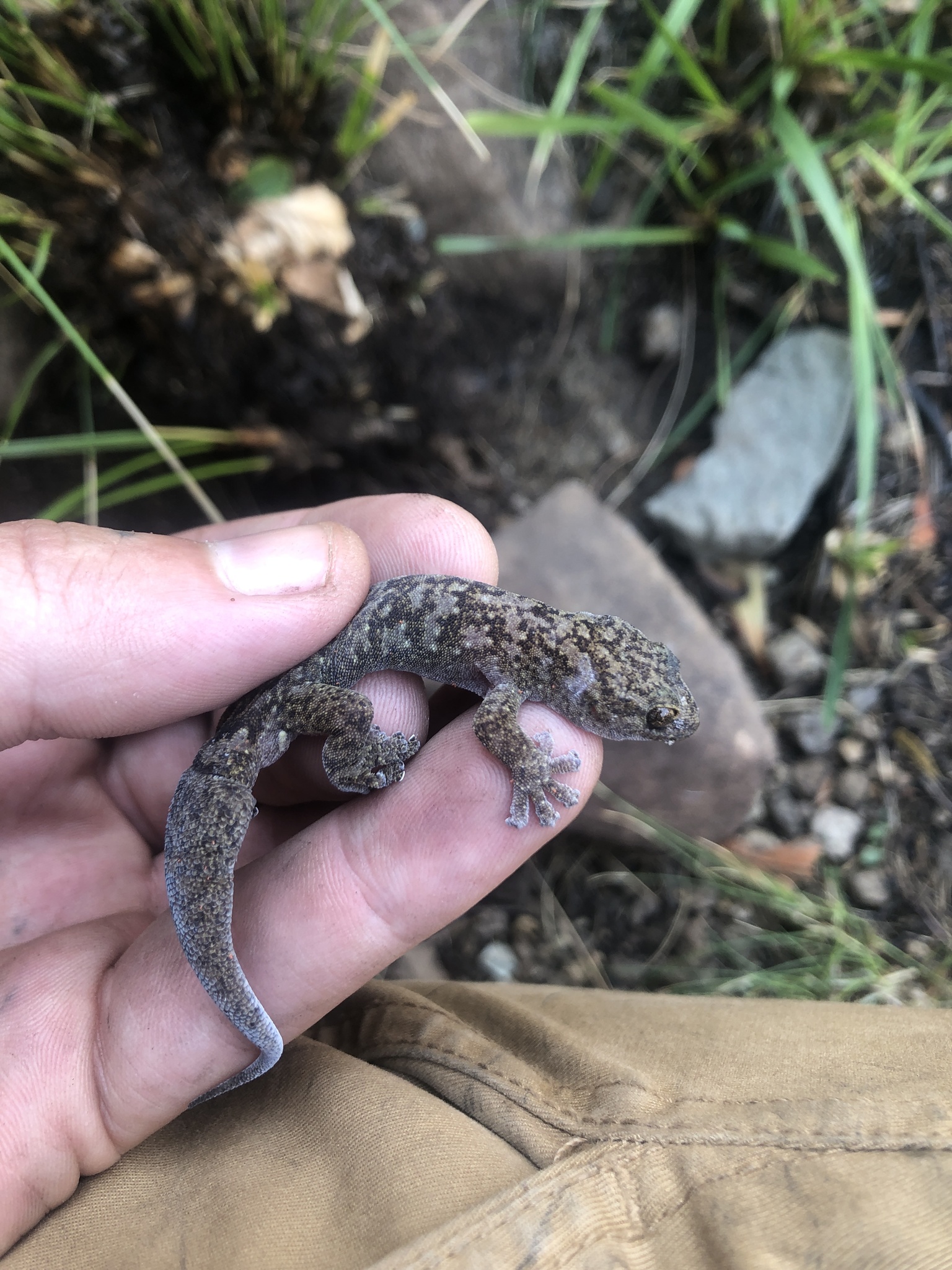
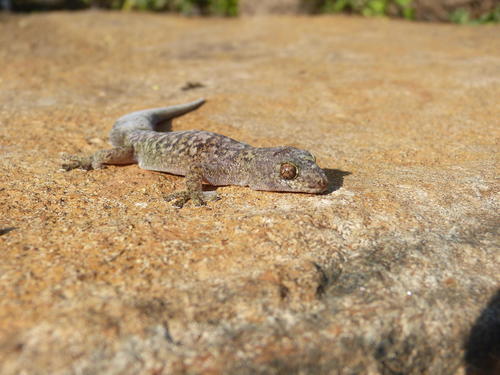
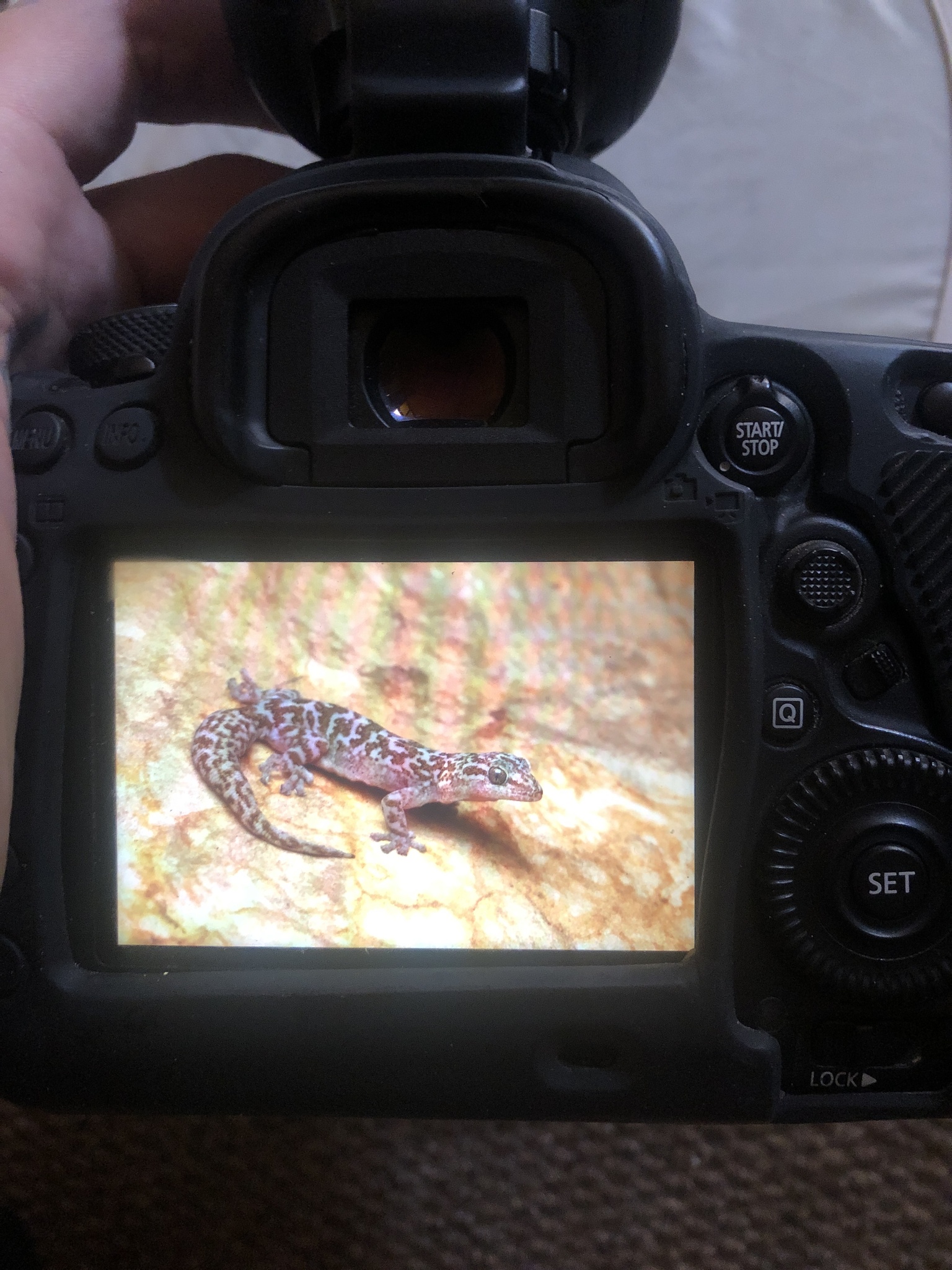
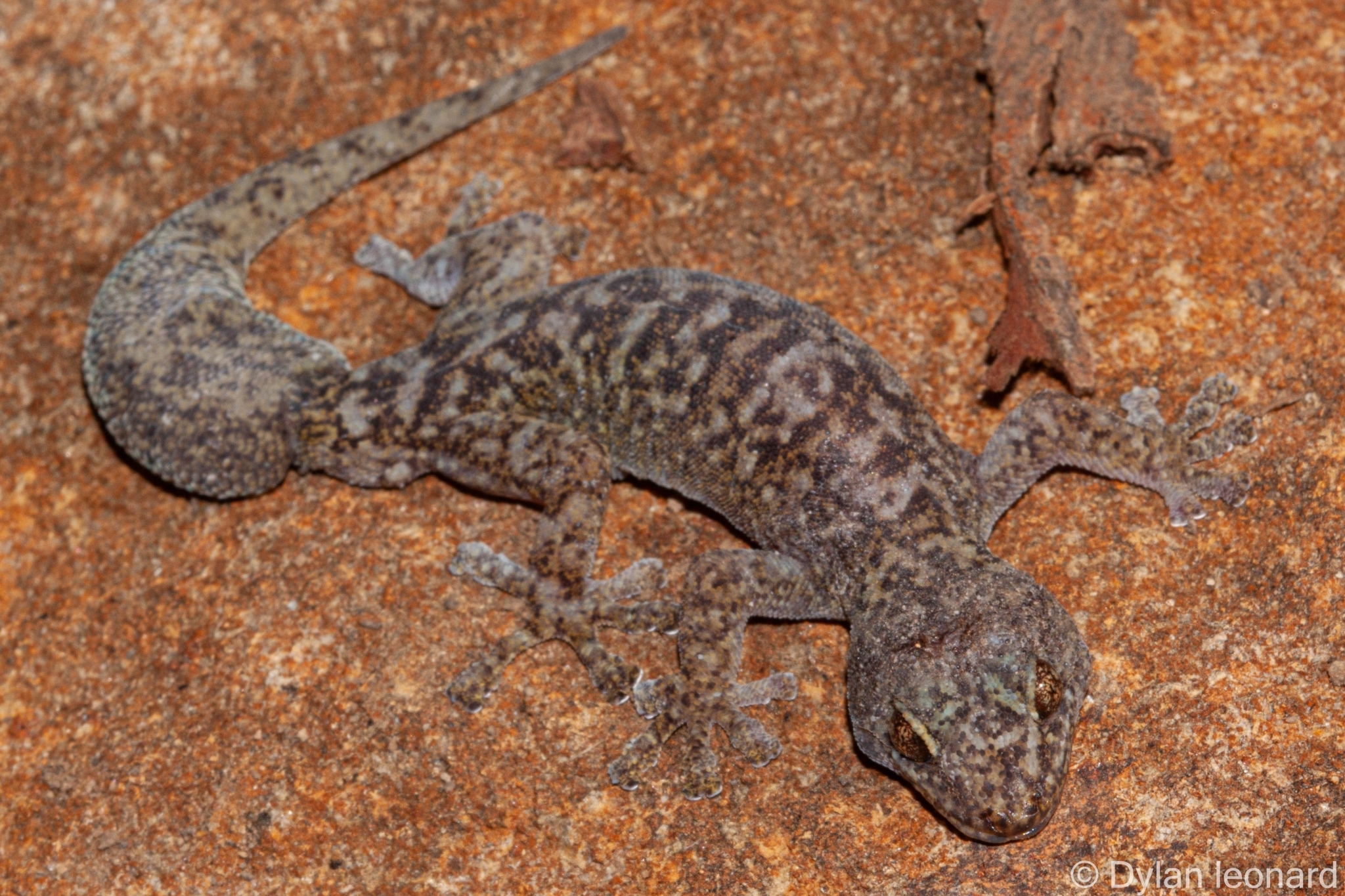
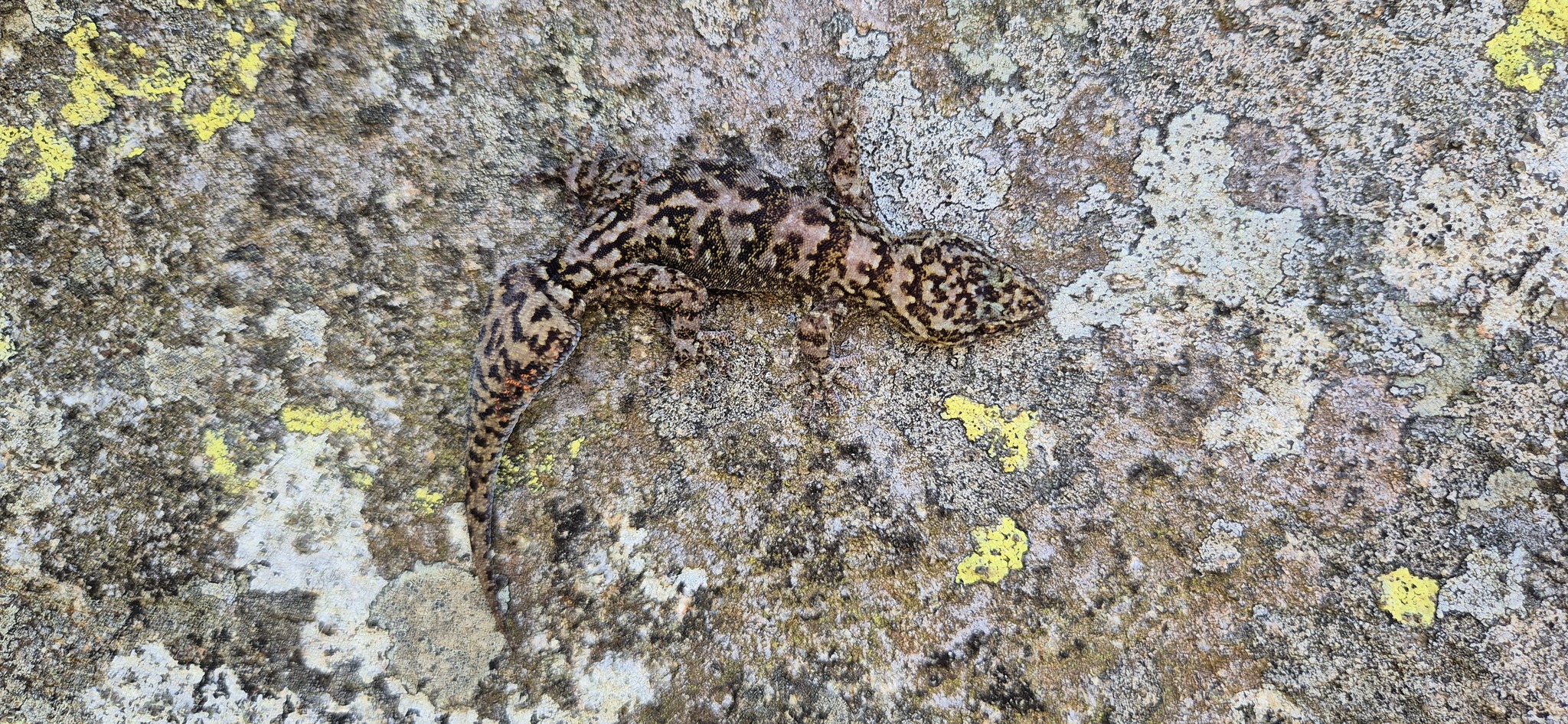
Loveridge (1947) re-described this species as follows: Snout as long as the distance between the eye and the ear-opening. Ventrals subimbricate; preanal pores of males forming a slightly curved series; proximal pair of scansors beneath digital expansion followed by a series of transversely dilated shields; tail slightly depressed, verticillate, covered with smooth scales. Color: Above, pale brown to brownish gray, the loreal region darker but without definite streak; back with irregular, undulating, dark brown mottling or crossbars, of which there are 7-8 on the body and 5 on the tail; tail with black transverse spots and whitish annuli on its distal half. Size. Total length of type female (Brit. Mus.), 118 (56 + 62) mm., and unsexed cotype of amatolica (Albany Mus.), 100+ (54 + 46+) mm., tail partly reproduced.
No separate diagnostic description was provided. Refer to the morphological description.
Type locality: Summit of Drakensberg Range, Natal. Type: BMNH 1946.8.23.62 (and possibly additional specimens).
This information was extracted from Tolley et al. (2023): The A. nivaria species complex requires revision as at least two cryptic species within A. nivaria have been proposed (Makhubo et al., 2015). There is a possible zone of sympatry between A. nivaria and A. pondolia in the foothills of the Drakensberg that might be due to misidentified specimens. Records from the western Drakensberg (Free State province) that were previously assigned to this taxon (Branch 1998) were shown to be more closely related to A. halli and might represent a cryptic species (Makhubo et al., 2015).
South Africa
Afroedura nivaria is distributed in the Drakensberg of KwaZulu-Natal and Free State provinces, South Africa (De Waal, 1978; Bates, 1996; Bourquin, 2004). It may also occur in Lesotho, although it has not yet been recorded from there (Tolley et al., 2023).
This species has adhesive toe pads, which allow them to stick onto even smooth surfaces, making them extremely good climbers (Branch, 1998). They also have strong legs, allowing for very rapid movements if necessary.
Carnivore - Insectivore (insect-eating)
This species feeds on beetles and grasshoppers (Branch, 1998).
This species is oviparous, laying two eggs in January-March. Communal sites have been found with the weathered remains of 16 layers of old eggshells (Branch, 1998).
No data.
Grassland.
This map contains point-based occurrences at different locations
Occurrence in African countries and South African provinces. Residence status indicates if a taxon is indigenous, endemic, or alien in a specific region. This data is based on specimen records and literature.
FSA
SA
BOT
NAM
ESW
LES
WC
EC
NC
FS
GA
KZN
LP
MP
NW
Absent
Indigenous
Endemic
Naturalised
Invasive
Names and Sources
| Common Name | Language |
|---|---|
| Drakensberg Flat Gecko | En |
| Drakensberg Rock Gecko | En |
| Drakensberg Flat Gecko | En |
No results found for Afroedura nivaria (Boulenger, 1894)
No data.
20 results for Afroedura nivaria (Boulenger, 1894)
This map contains point-based occurrences at different locations
1894
BOOK
Exhibition of, and remarks upon, a specimen of a new gecko from South Africa (Oedura nivaria)Boulenger, G.. 1894. Exhibition of, and remarks upon, a specimen of a new gecko from South Africa (Oedura nivaria). London. pp.608.
1947
JOURNAL ARTICLE
Revision of the African lizards of the family GekkondiaeLoveridge, A.. 1947. Revision of the African lizards of the family Gekkondiae Vol. 98 pp.1-469.
1998
BOOK
Field Guide to Snakes and Other Reptiles of Southern AfricaBranch, B.. 1998. Field Guide to Snakes and Other Reptiles of Southern Africa. Cape Town. Struik Publishers.
2004
JOURNAL ARTICLE
Reptiles (Reptilia) in KwaZulu- Natal: 1 – diversity and distributionBorquin, O.. 2004. Reptiles (Reptilia) in KwaZulu- Natal: 1 – diversity and distribution Vol. 29 pp.57-103.
2023
BOOK
Conservation status of the reptiles of South Africa, Eswatini and LesothoTolley, K., Burger, M., Alexander, G., Pietersen, D., Conradie, W., Weeber, J.. 2023. Conservation status of the reptiles of South Africa, Eswatini and Lesotho Vol. Suricata 10. Pretoria. South African National Biodiversity Institute.
1978
JOURNAL ARTICLE
The Squamata (Reptilia) of the Orange Free State, South AfricaDe Waal, S.. 1978. The Squamata (Reptilia) of the Orange Free State, South Africa Vol. 11 pp.1-160.
1996
JOURNAL ARTICLE
New reptile distribution records for the Free State of South AfricaBates, M.. 1996. New reptile distribution records for the Free State of South Africa Vol. 12(1) pp.1-47.
2015
JOURNAL ARTICLE
Molecular phylogeny of the Afroedura nivaria (Reptilia: Gekkonidae) species complex in South Africa provides insight on cryptic speciationTolley, K., Bates, M., Makhubo, B.. 2015. Molecular phylogeny of the Afroedura nivaria (Reptilia: Gekkonidae) species complex in South Africa provides insight on cryptic speciation Vol. 82 pp.31-42.
Status and criteria
LC
Assessor(s)
Michael Bates
Contributors
Bryan Maritz
Josh Weeber
Reviewer(s)
Bryan Maritz