
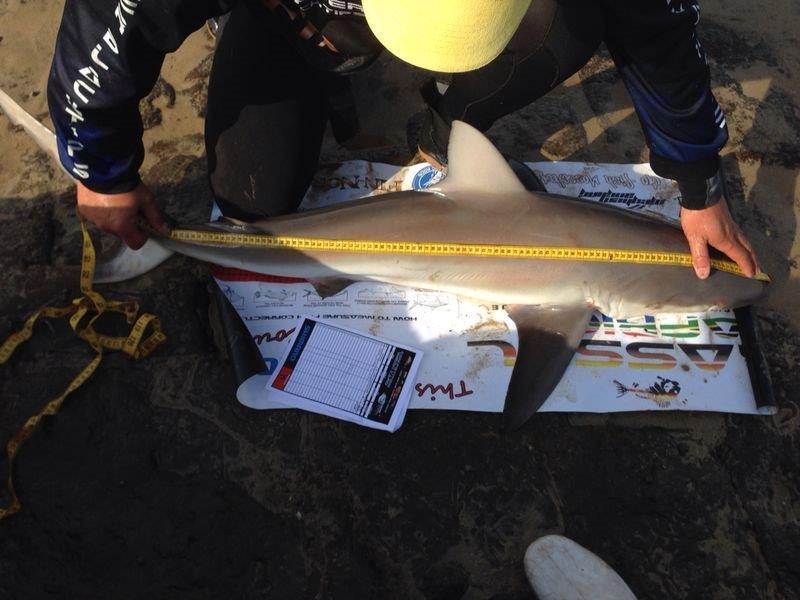
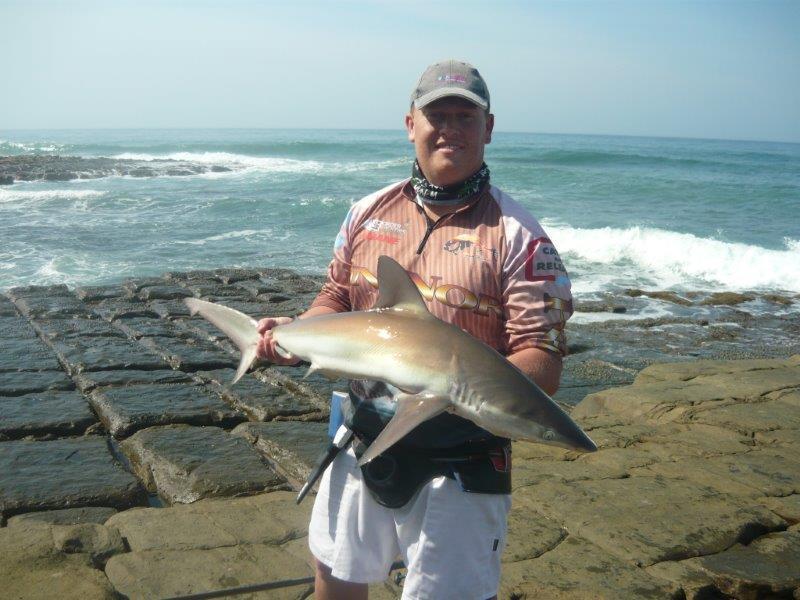
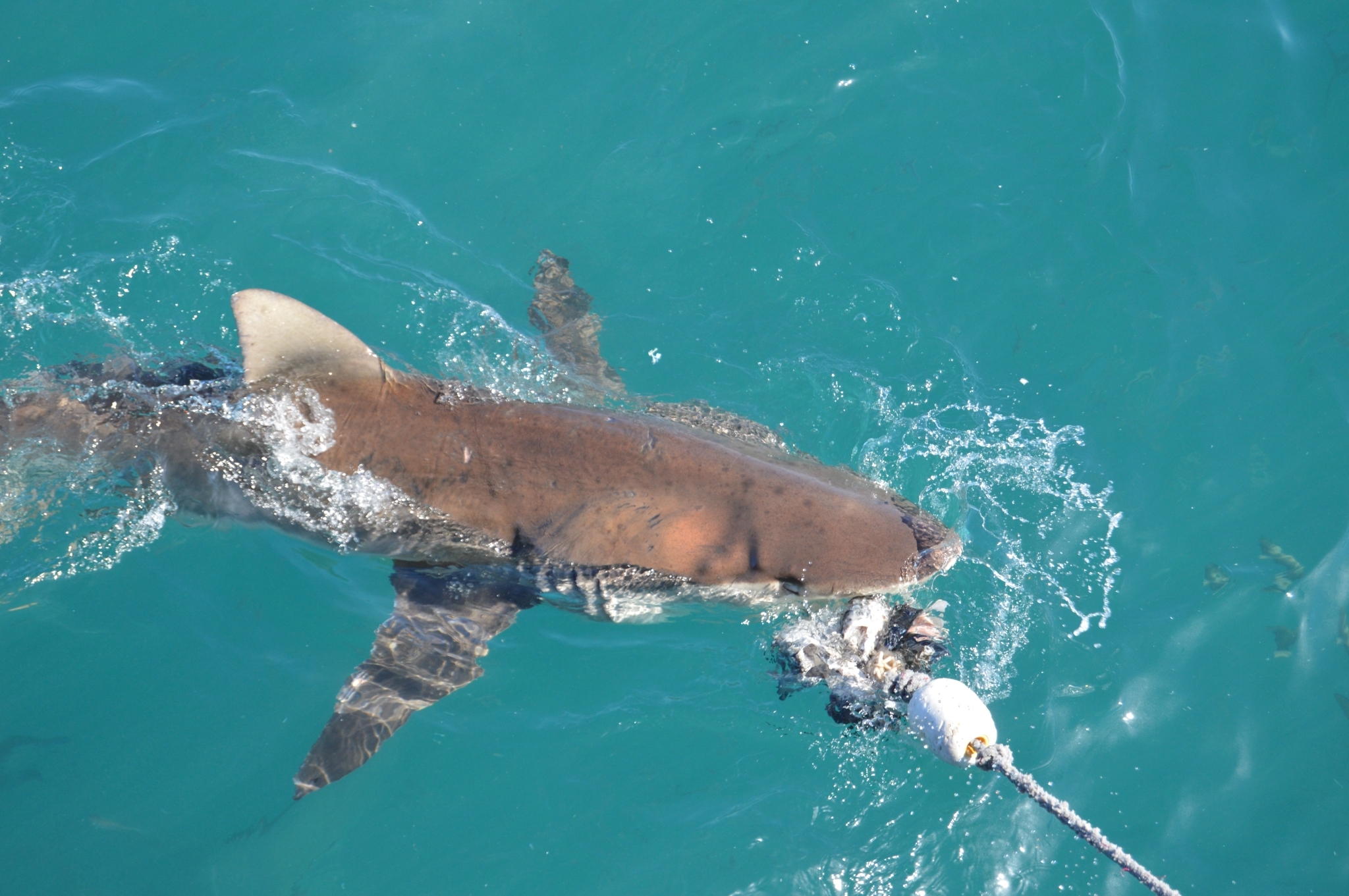
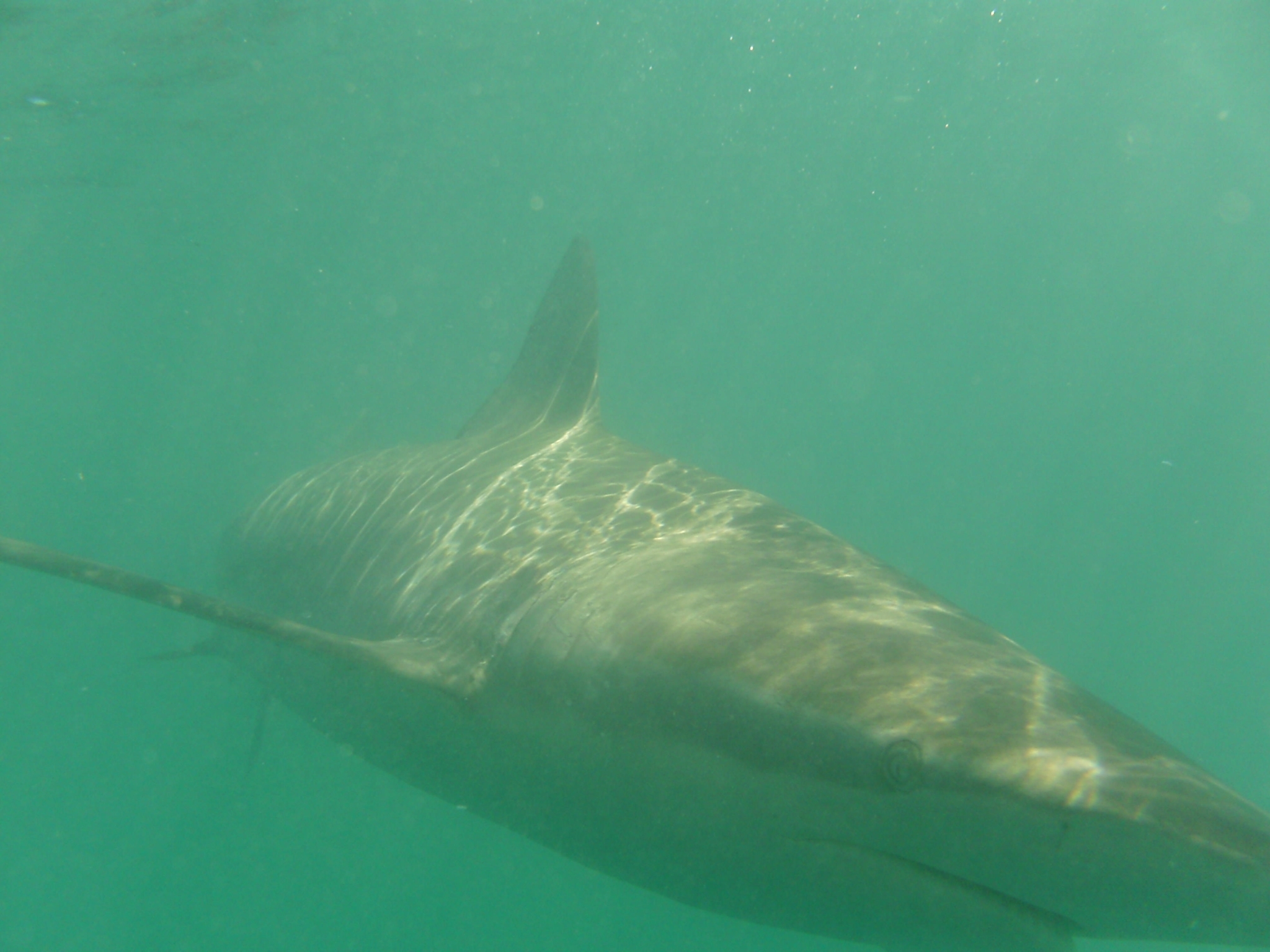
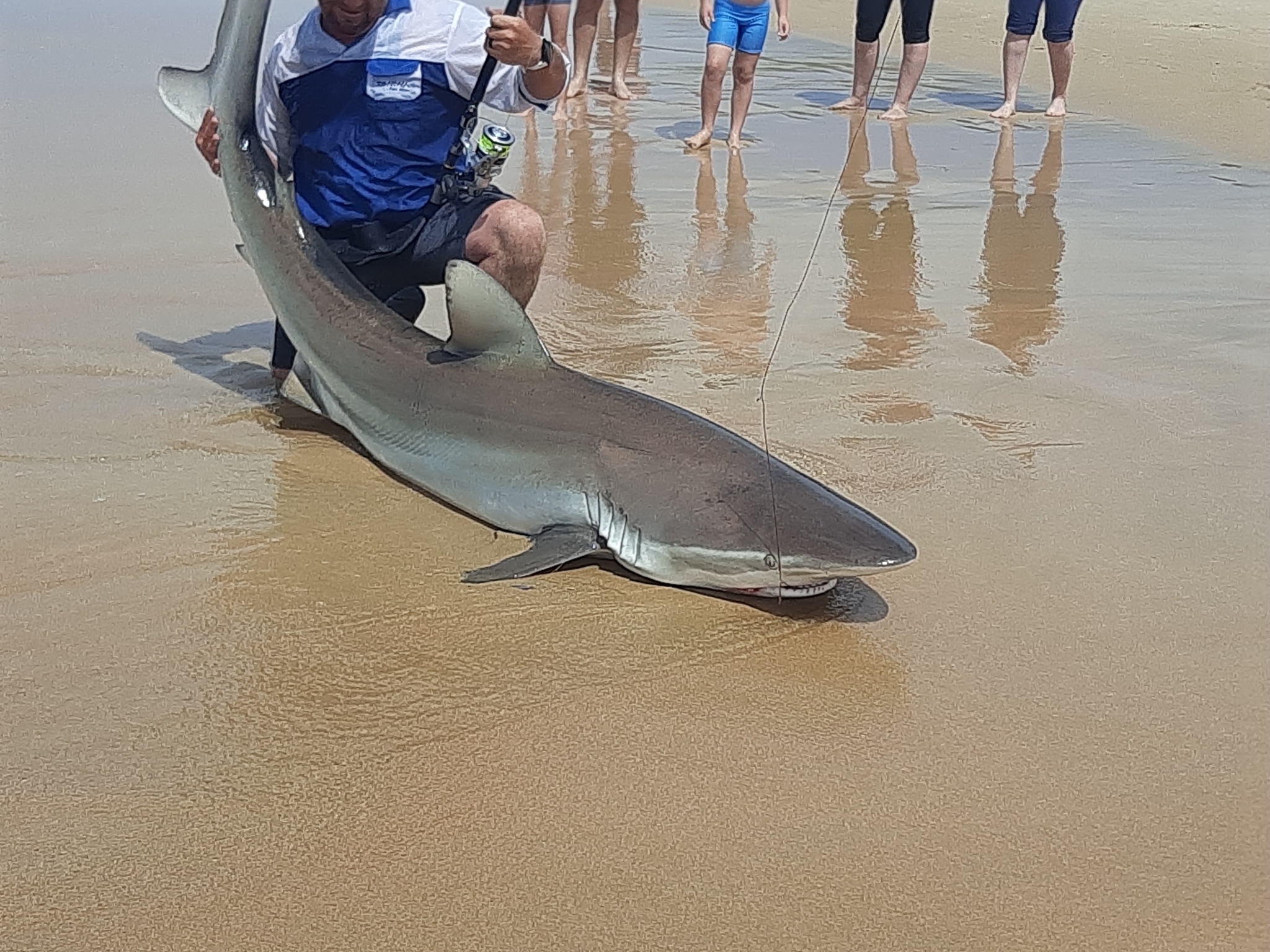
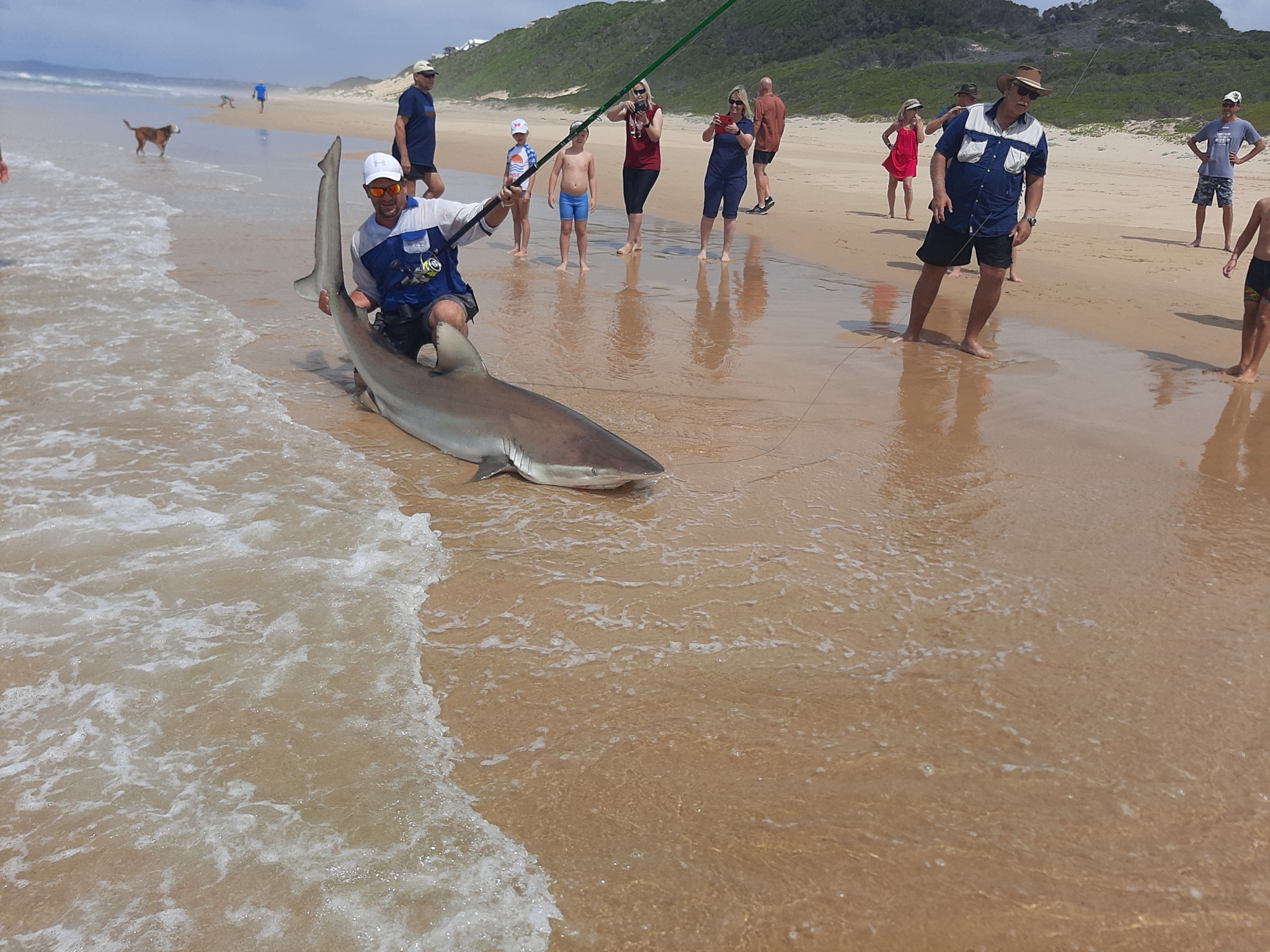
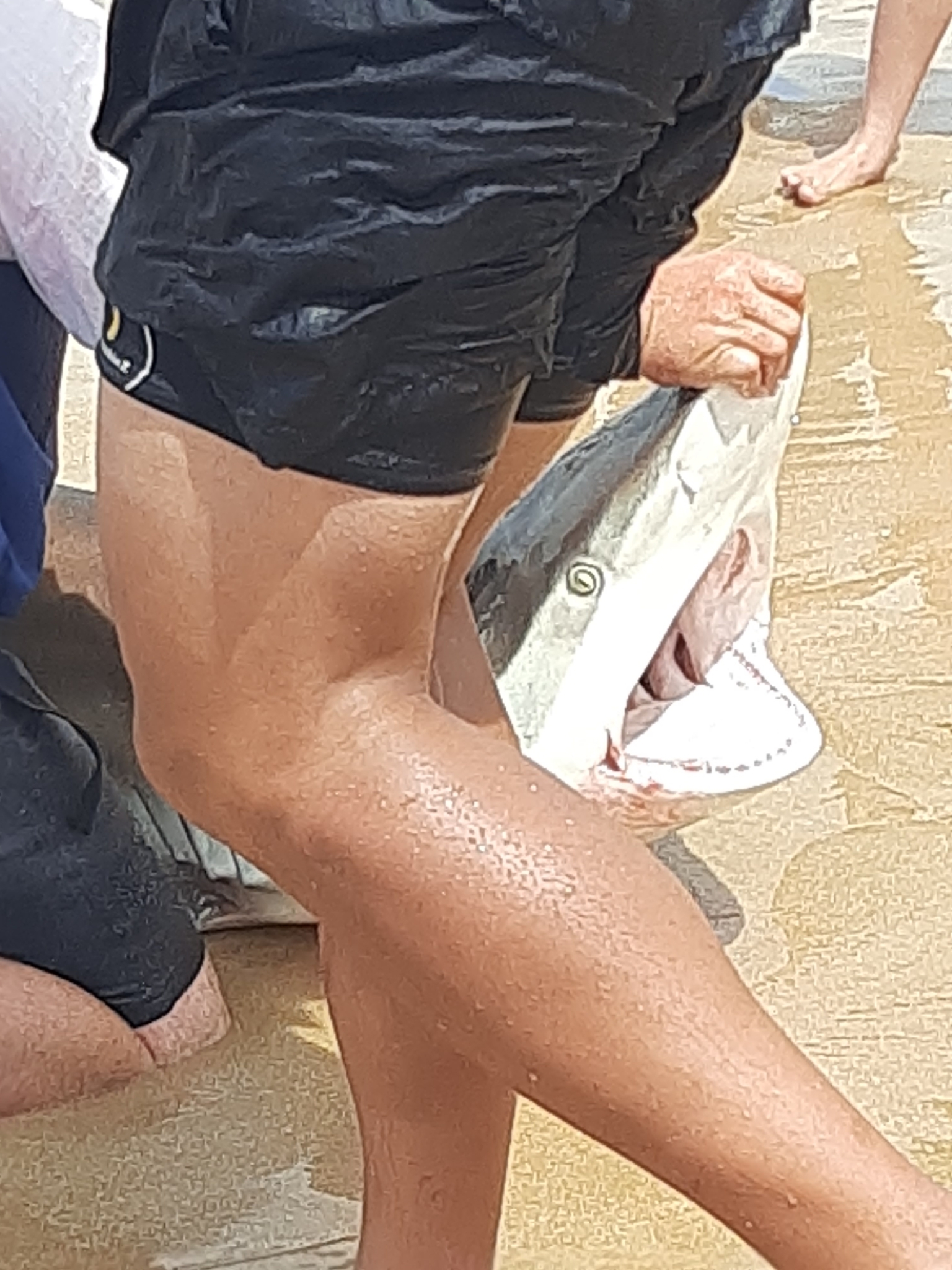
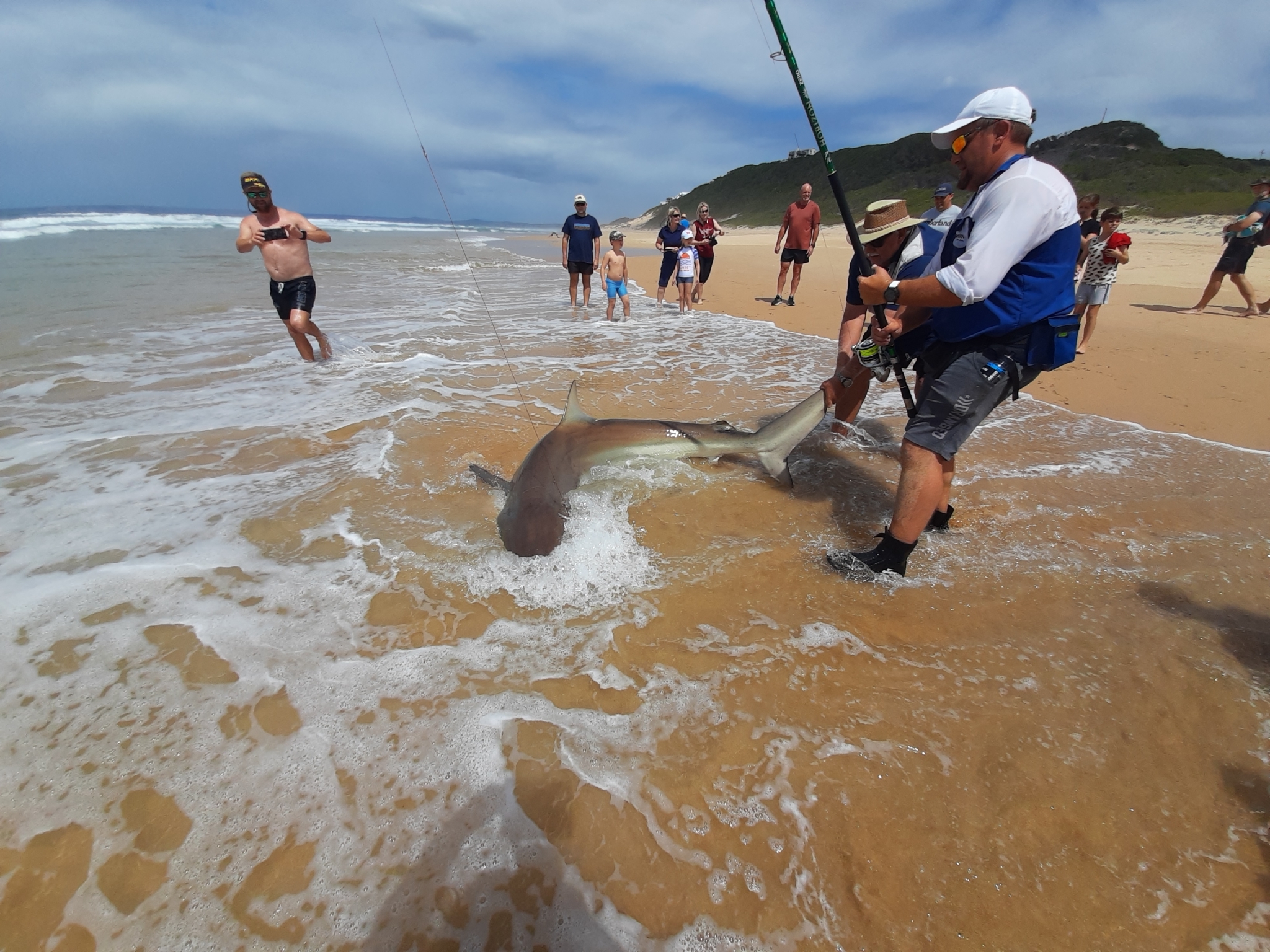
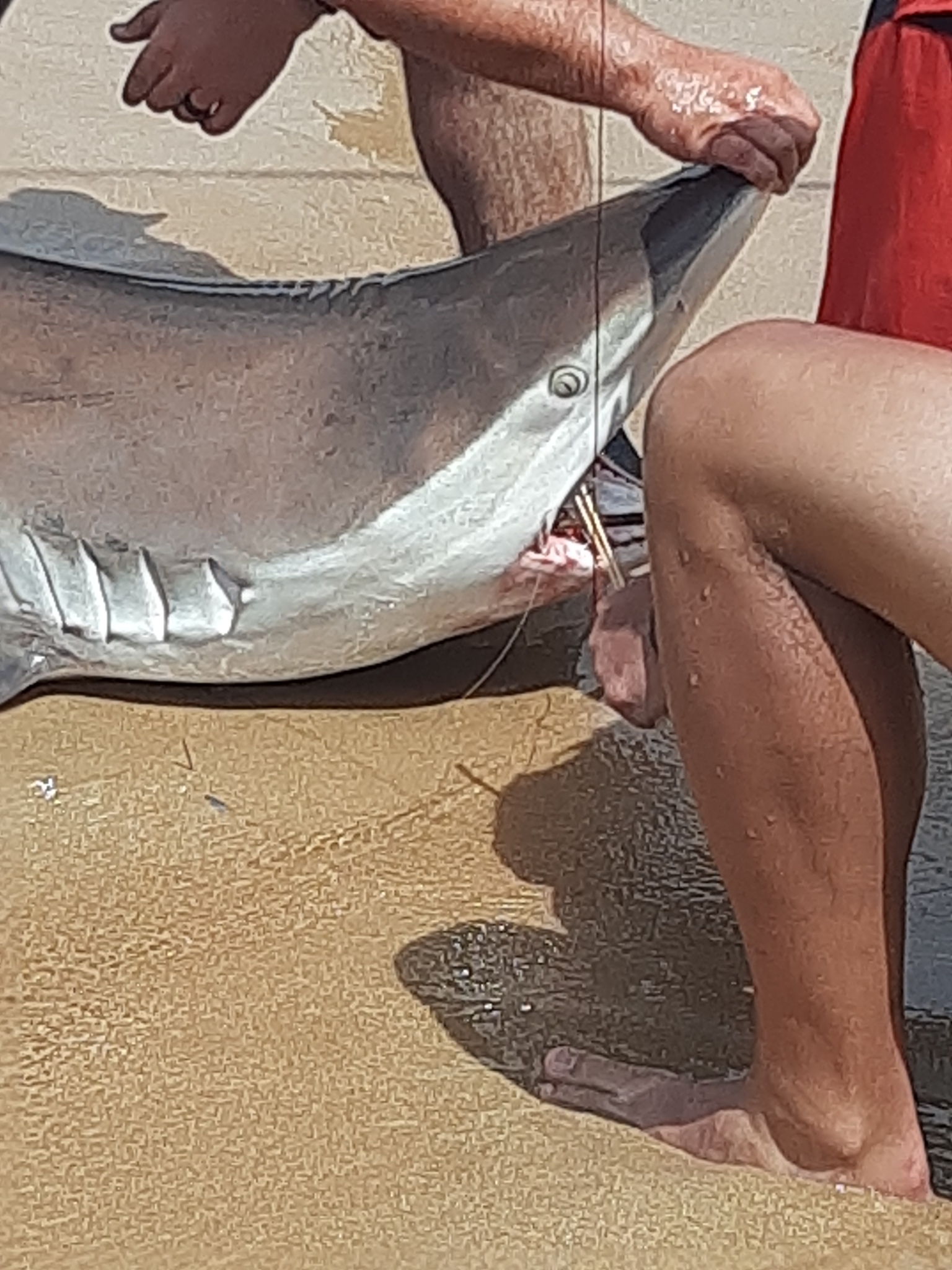
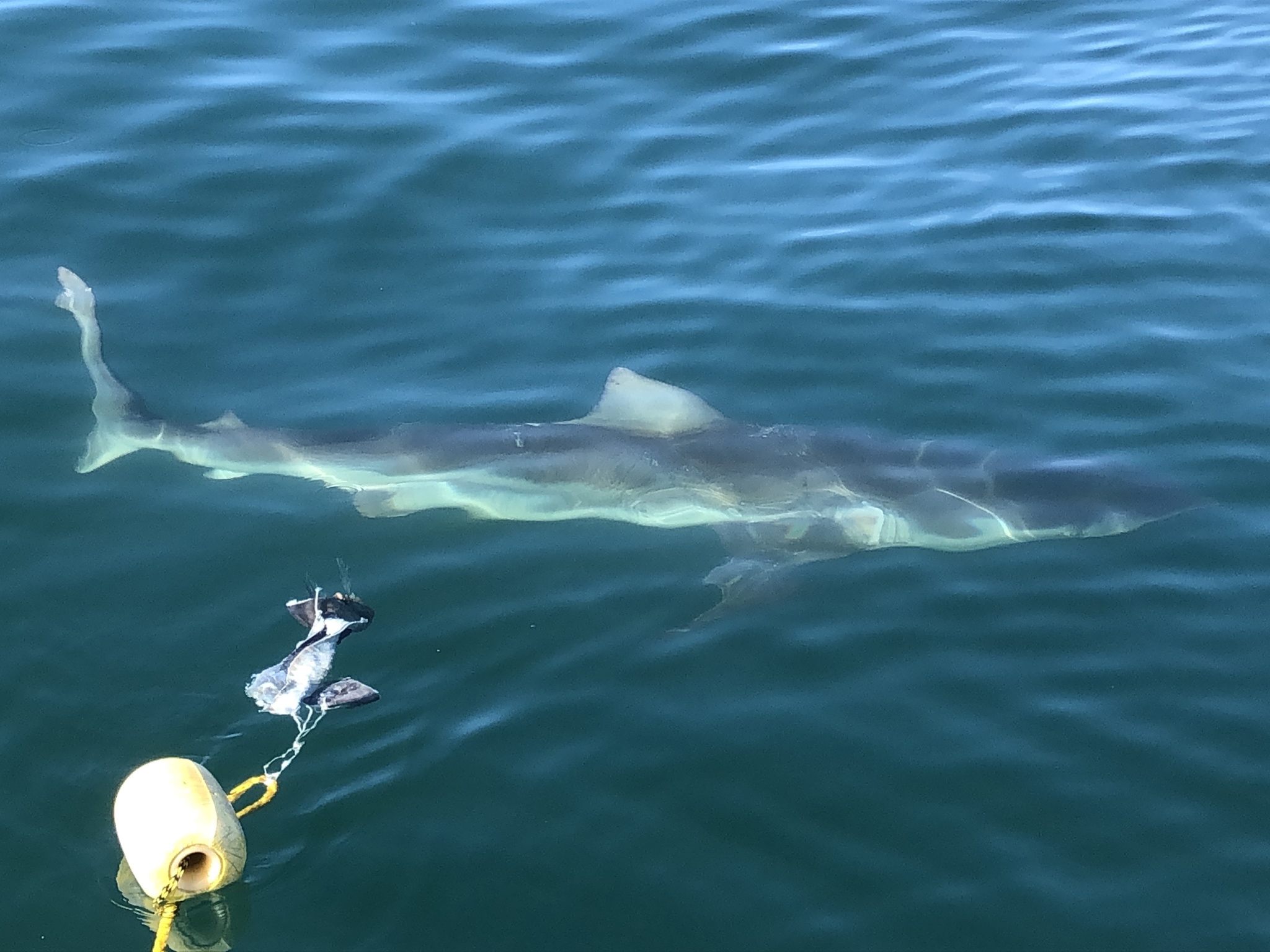
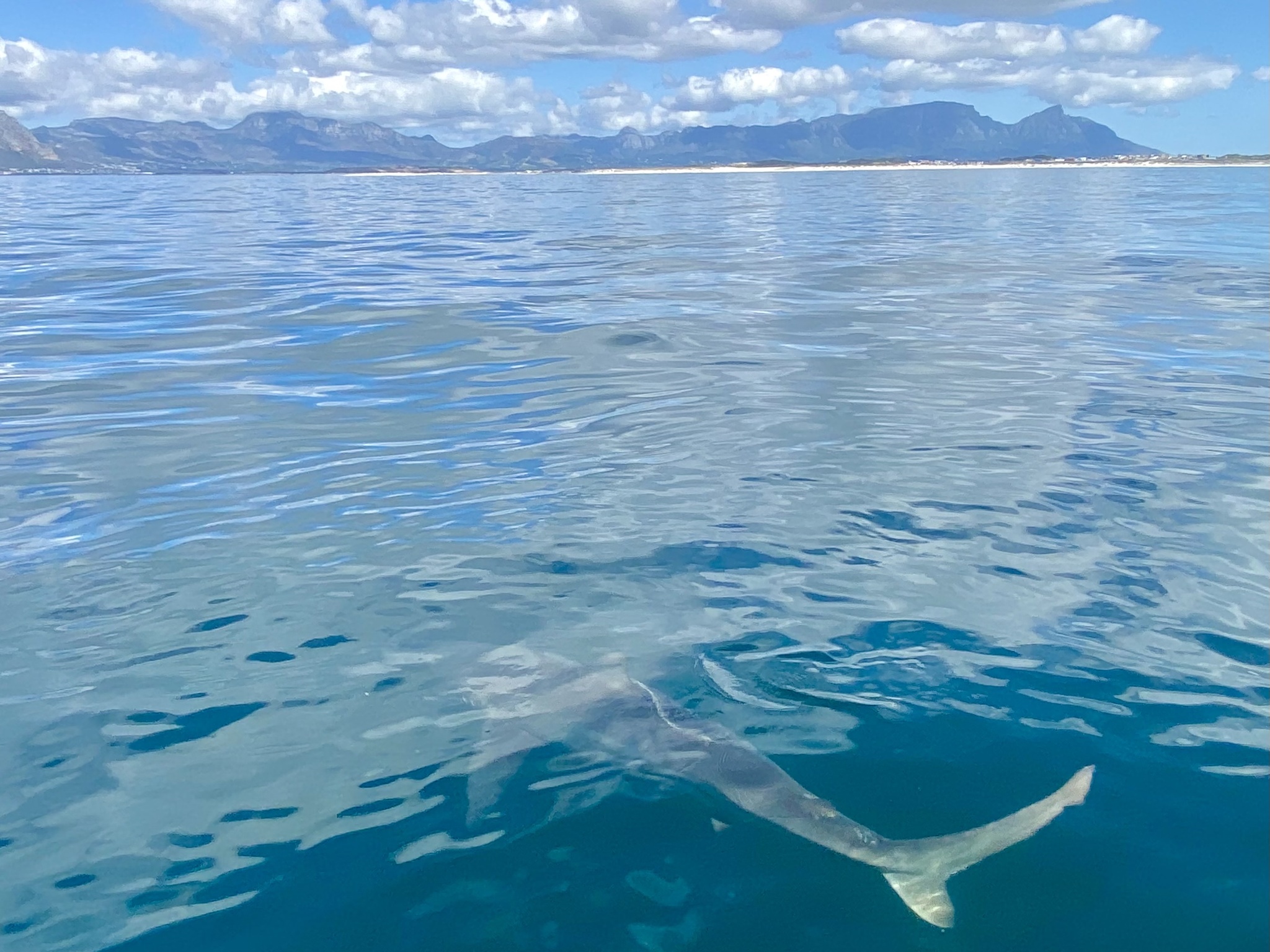
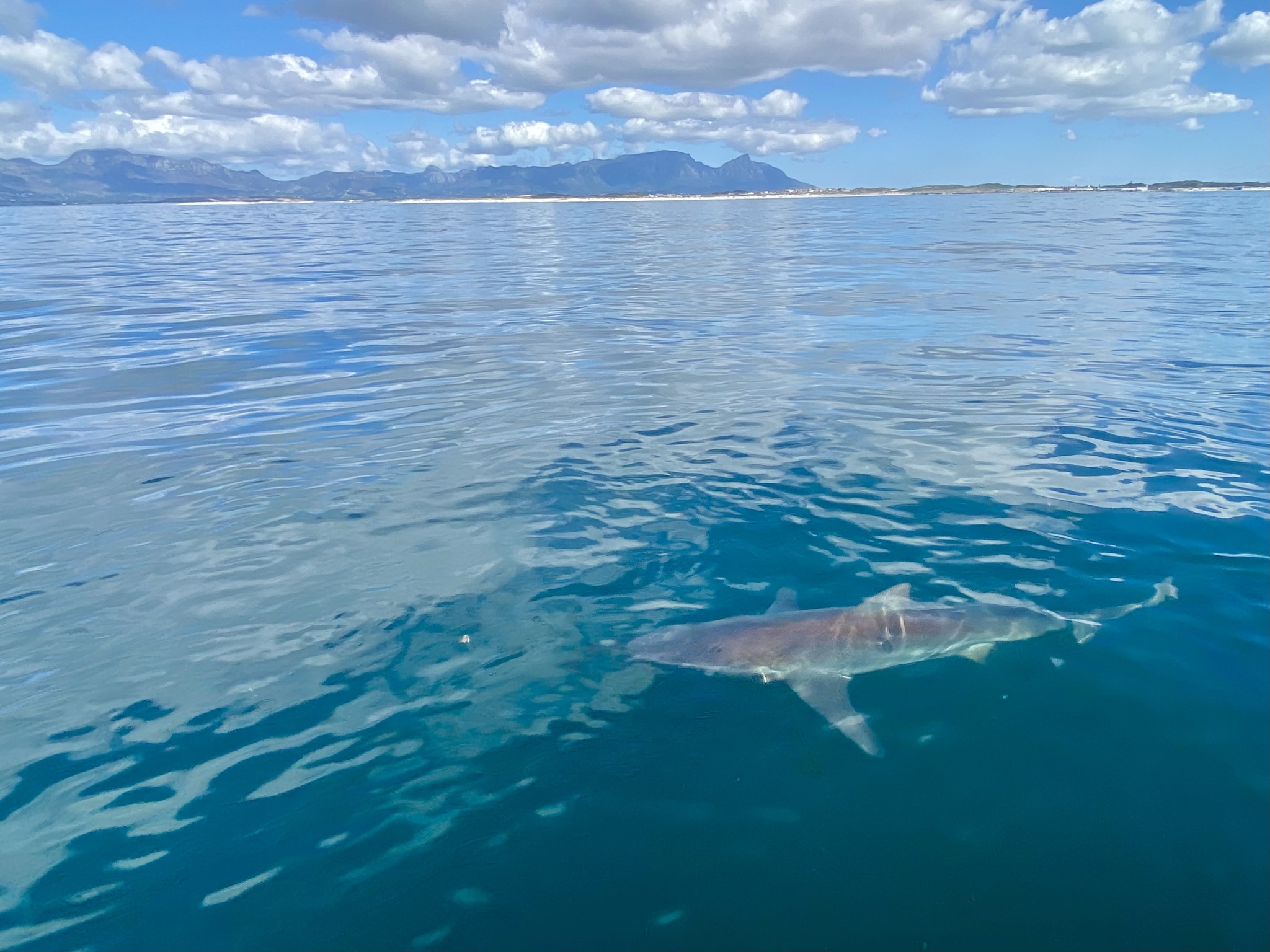
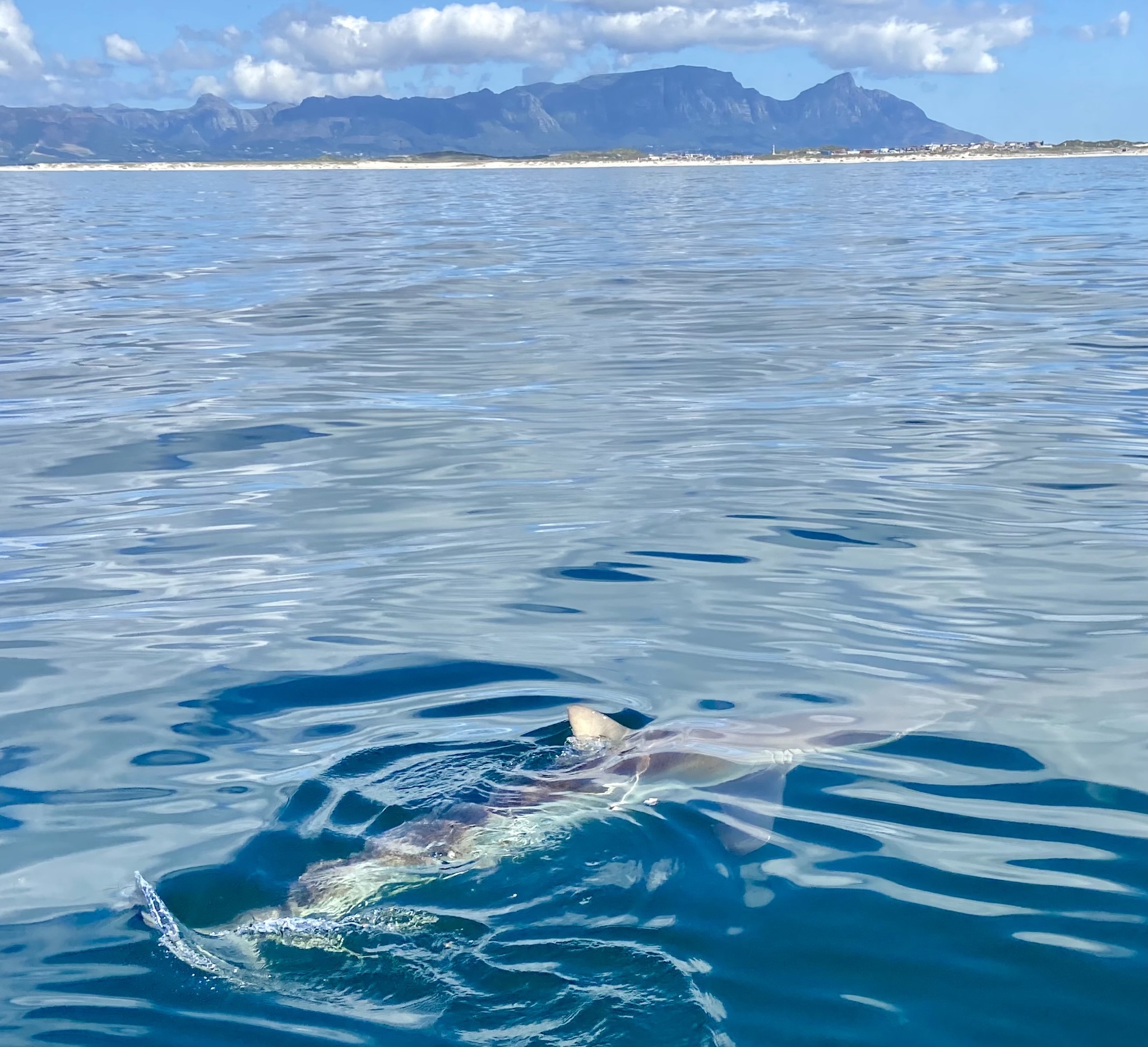
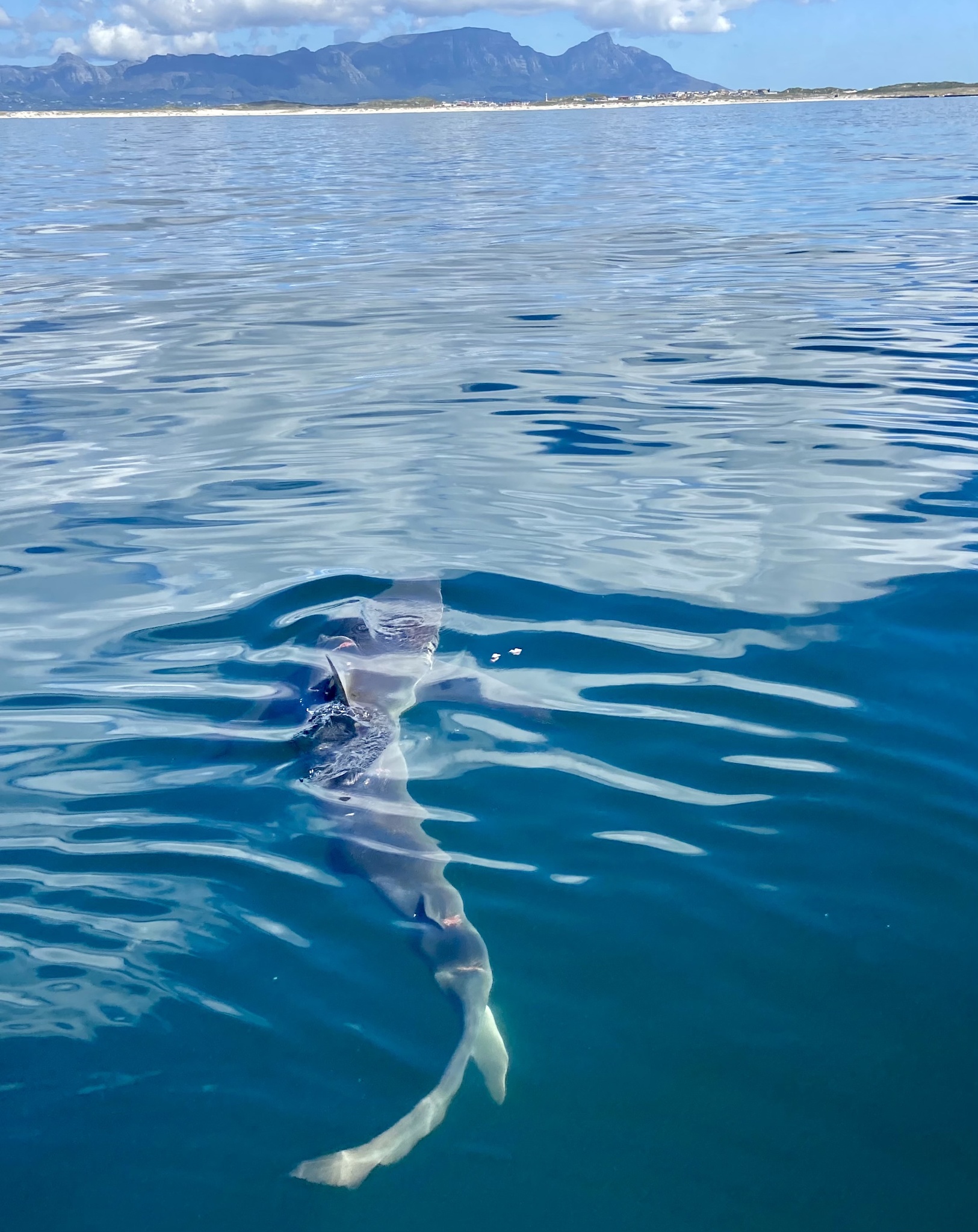
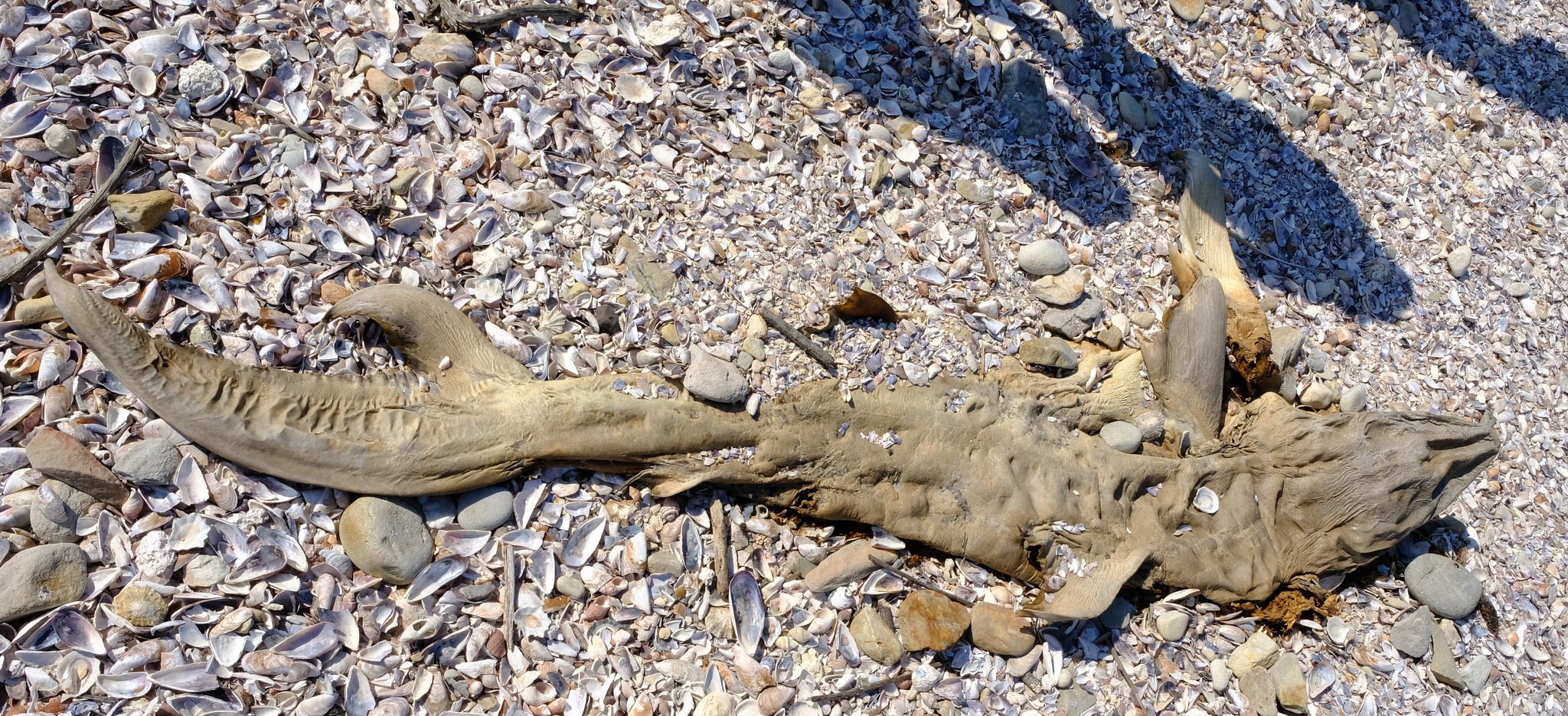
Bronze whalers are dark brownish grey or bronzy with plain fins, the pectoral fins may have slightly dusky tips. The first dorsal originated over the inner edge of the pectoral fin. The second dorsal is 1/3rd of the height of the first dorsal and has its origin over the anal fin origin. There is no interdorsal ridge and the distance between the two dorsal fins is double the first dorsal fin height. The upper teeth have narrow oblique cusps and minute serrations and there are 15 on each side of the jaw (Heemstra and Heemstra 2004).
Widespread cosmopolitan species found in south-western Atlantic from southern Brazil to northern Argentina (Lucifora et al. 2005), eastern Atlantic including the north-western and southwestern coast of Africa (Walter and Ebert 1991) and in the Mediterranean (Compagno 1984). Indian Ocean off south-eastern SA (Cliff and Dudley 1992) and off Western Australia (Last and Stevens 2009). Also found in the Pacific Ocean off areas such as southern Australia, New Zealand, Japan, southern California, Baja California and off Peru (Garrick 1982).
Namibia to Kwa-Zulu Natal.
It is thought that this species is migratory however this is not known for certain. They appear in KZN waters in winter during the annual "sardine run" (Bass et al. 1973, Cliff and Dudley 1992). Of the 8605 copper sharks tagged in SA and NAM waters only 267 (3.1%) have been recaptured (ORI Tagging Project, unpubl. data). Mean and maximum distance travelled was 161 and 1790km respectively, suggesting that this species is probably migratory but exact movement patterns are as yet unclear.
Adults are active predators that feed on teleosts (Cliff and Dudley 1992) although this data is mainly from adults caught during the sardine run) and juveniles take small shoaling fish especially from the families Clupeidae and Carangidae and inshore chokka squid Loligo (Smale 1991).
Bronze whalers practice placental viviparity (Bass et al. 1973, Smale 1991). They mate after Jun/Jul (Cliff and Dudley 1992) and parturition is from Jun-Feb in SA waters (Smale 1991, Cliff and Dudley 1992) south of KZN in the cooler waters of the Eastern and Western Cape (Smale 1991, Cliff and Dudley 1992).They reach an age at 50% maturity at 20.3 years (males) and 22.6 years (females)( KZN, 2006. Based on Dudley and Simpfendorfer’s (2006) median length at 50% maturity and Walter and Ebert's (1991) growth curve. They reach a length at 50% maturity at 181cm PCL (males) and 191cm PCL (females) in KZN (Dudley and Simpfendorfer 2006).
Inshore, Offshore (>30m)
This map contains point-based occurrences at different locations
Occurrence in African countries and South African provinces. Residence status indicates if a taxon is indigenous, endemic, or alien in a specific region. This data is based on specimen records and literature.
FSA
SA
BOT
NAM
ESW
LES
WC
EC
NC
FS
GA
KZN
LP
MP
NW
Absent
Indigenous
Endemic
Naturalised
Invasive
Click on images to enlarge
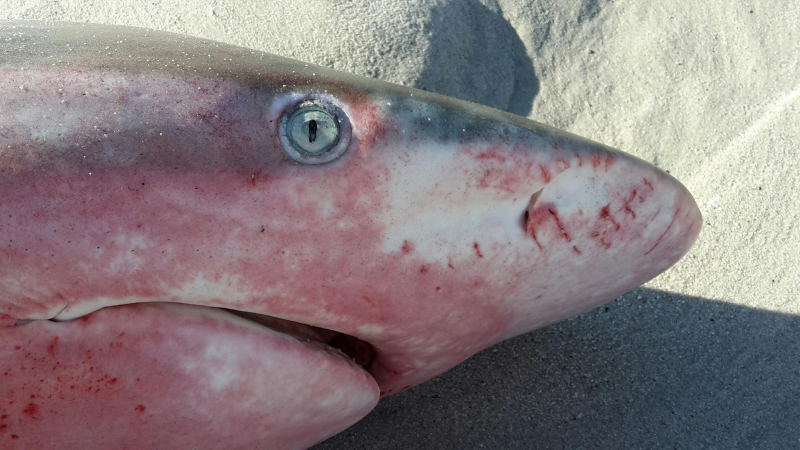
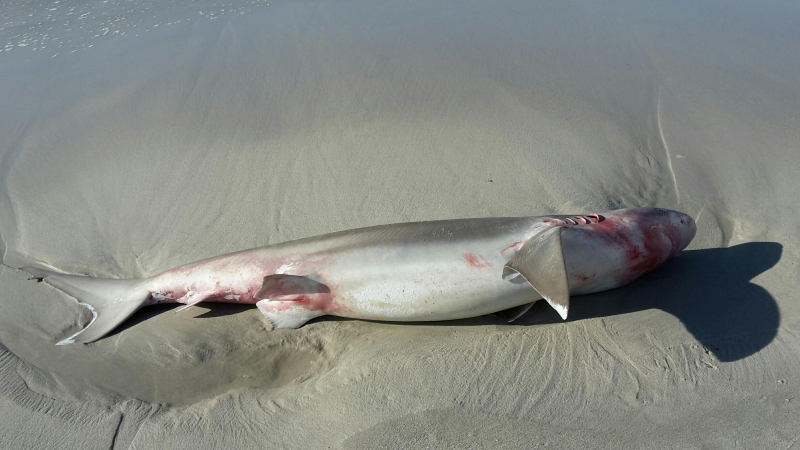
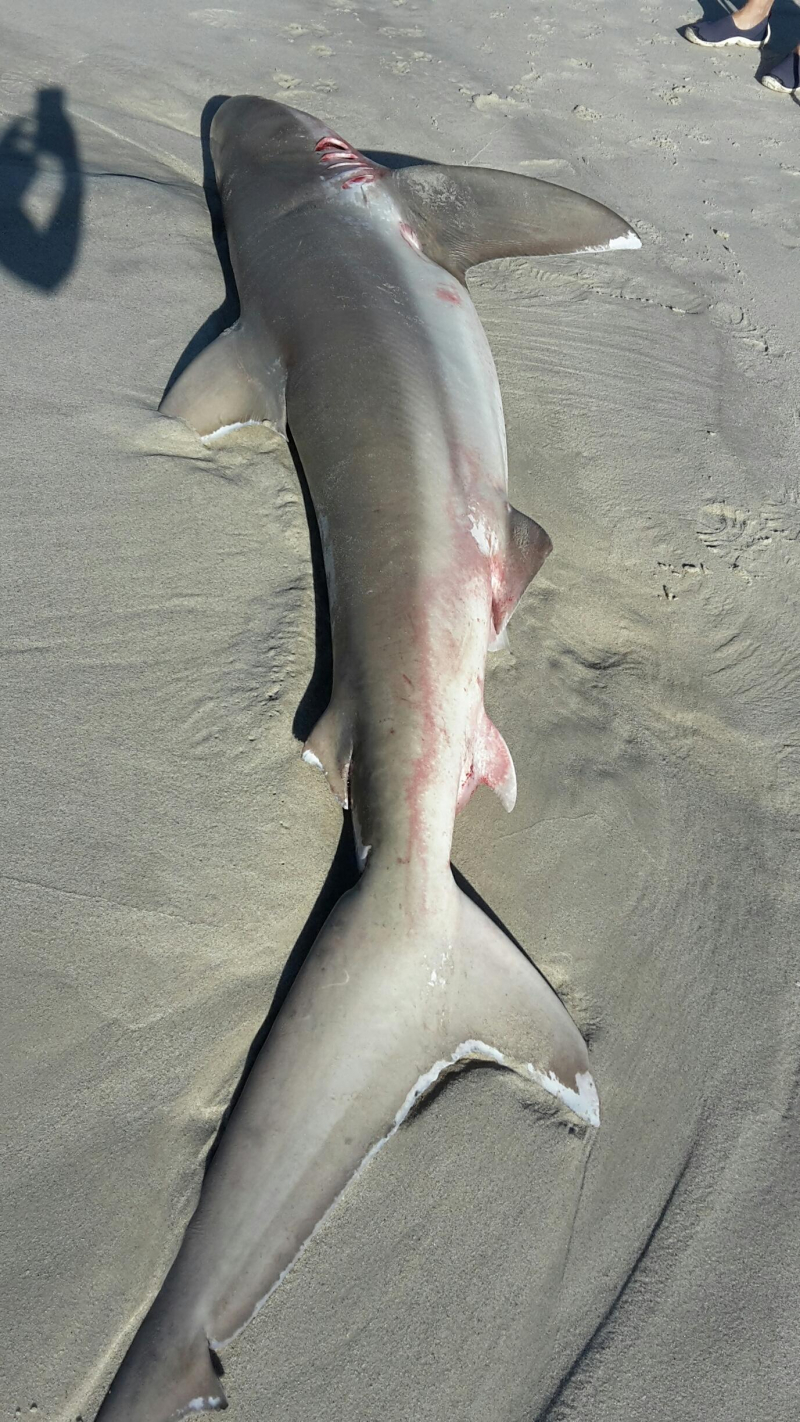
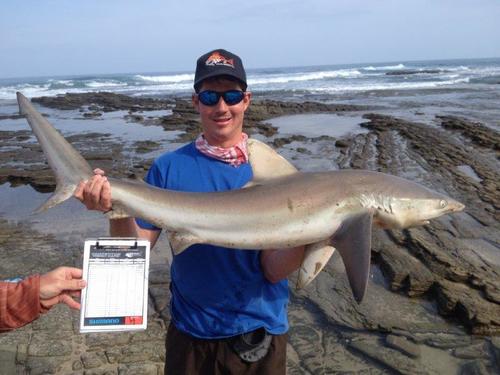
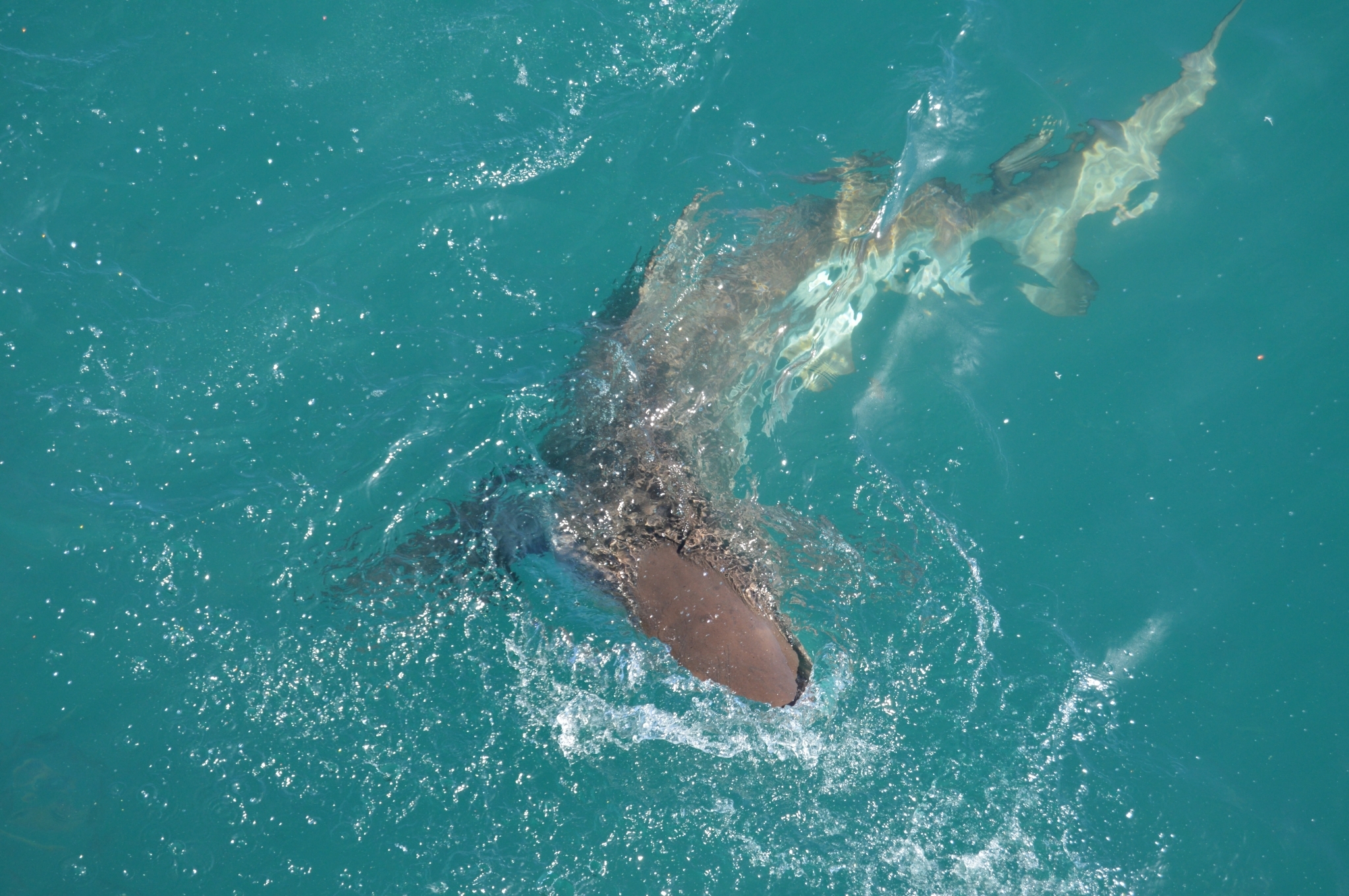
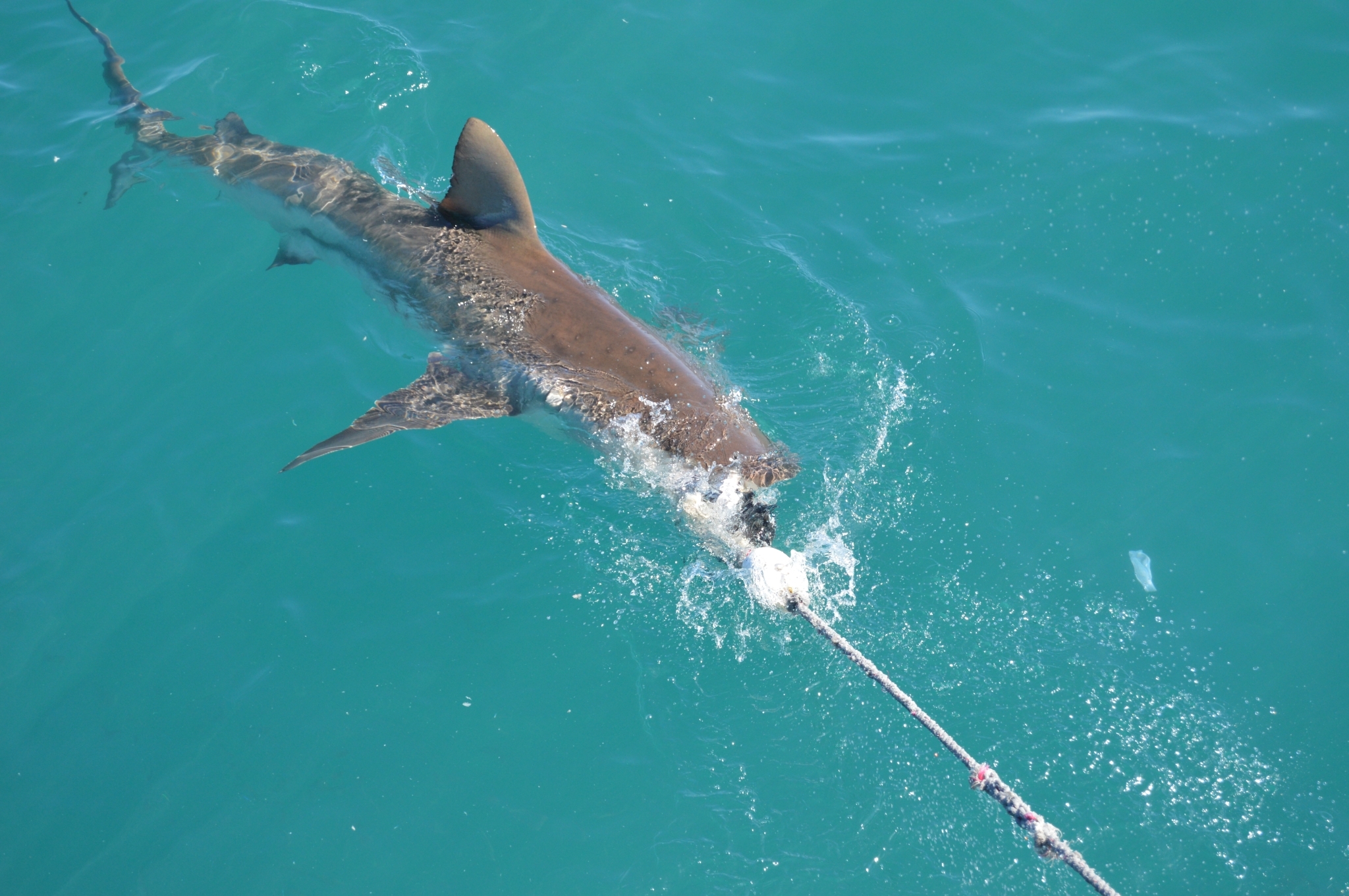
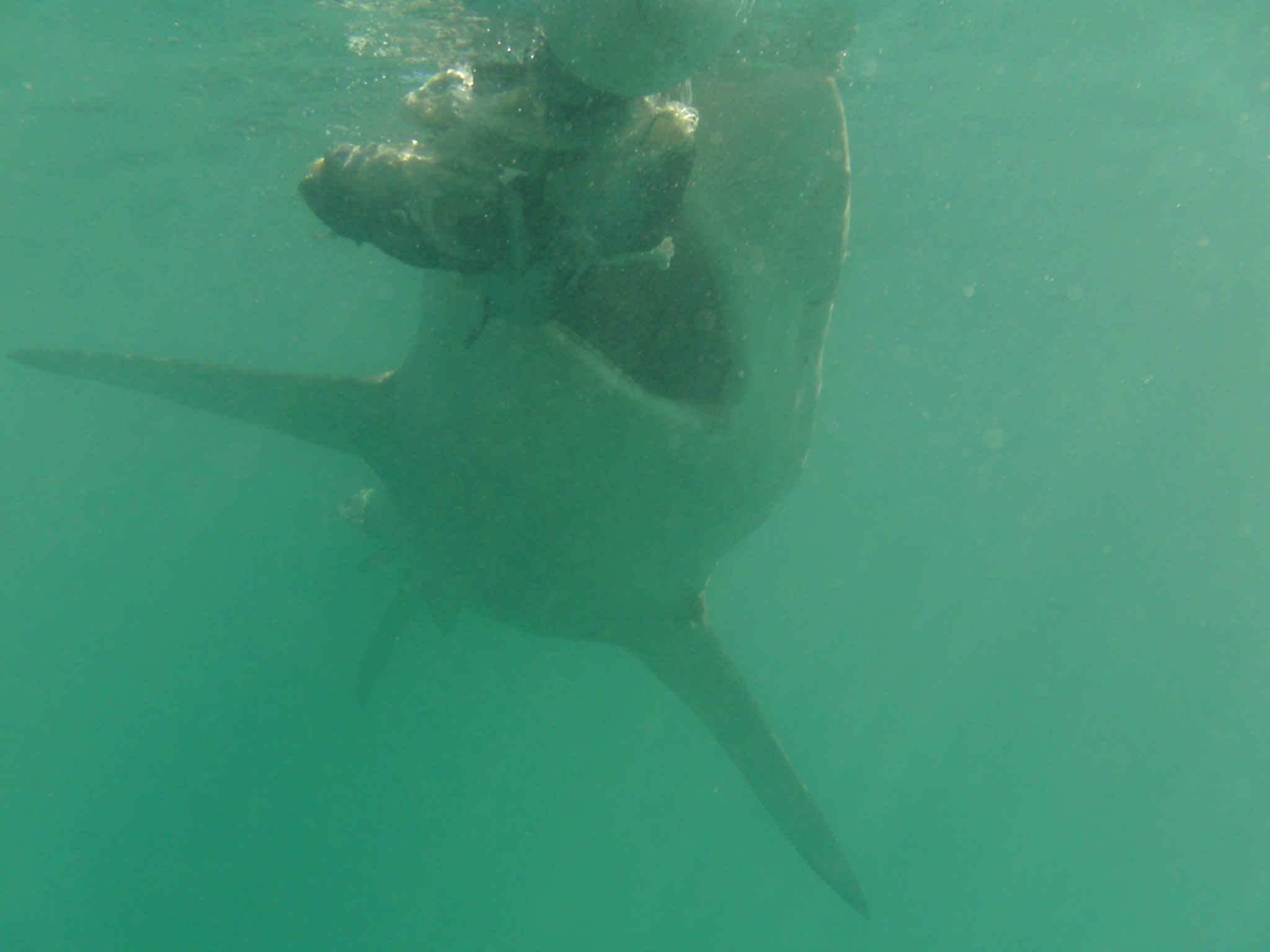
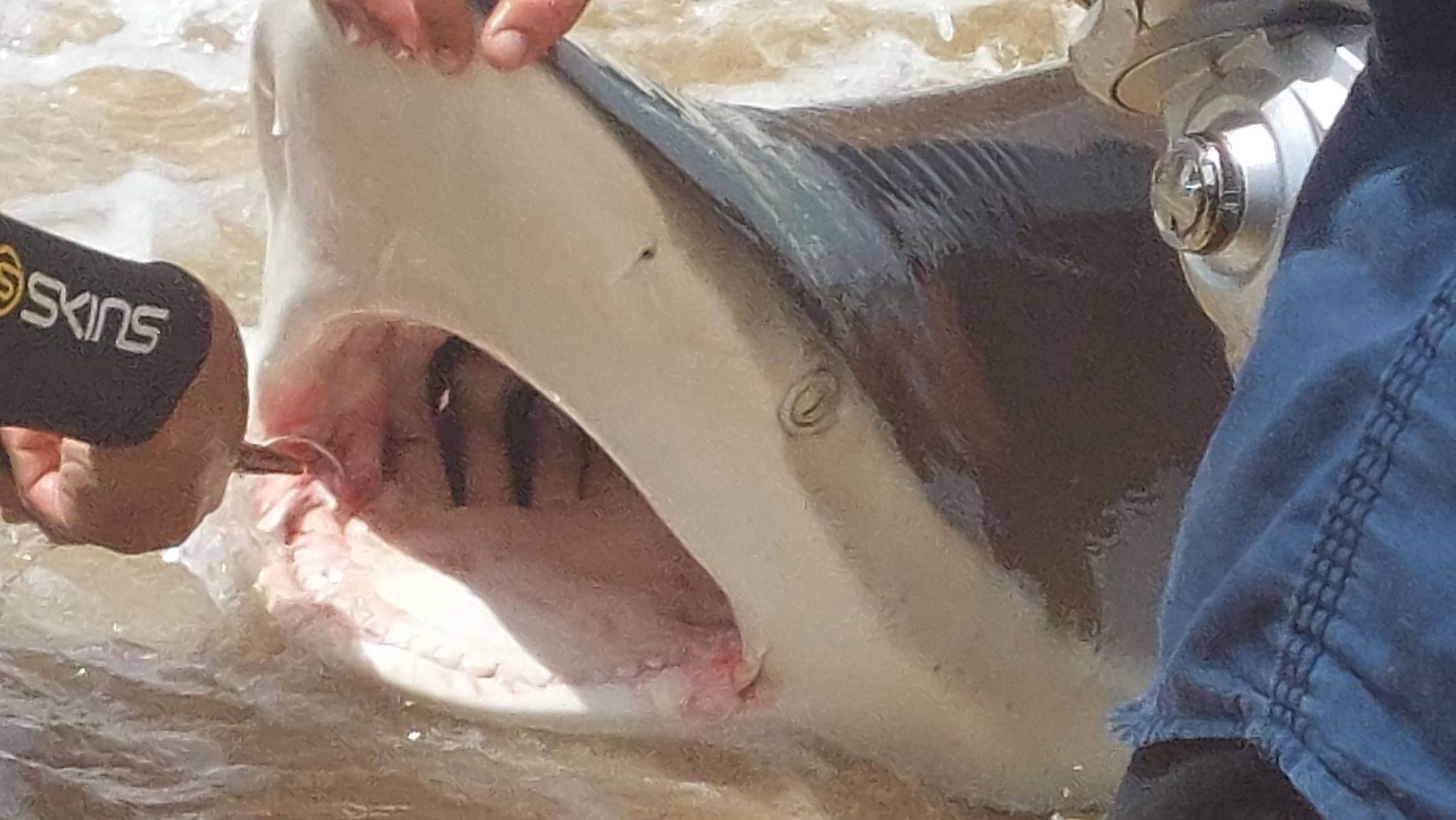
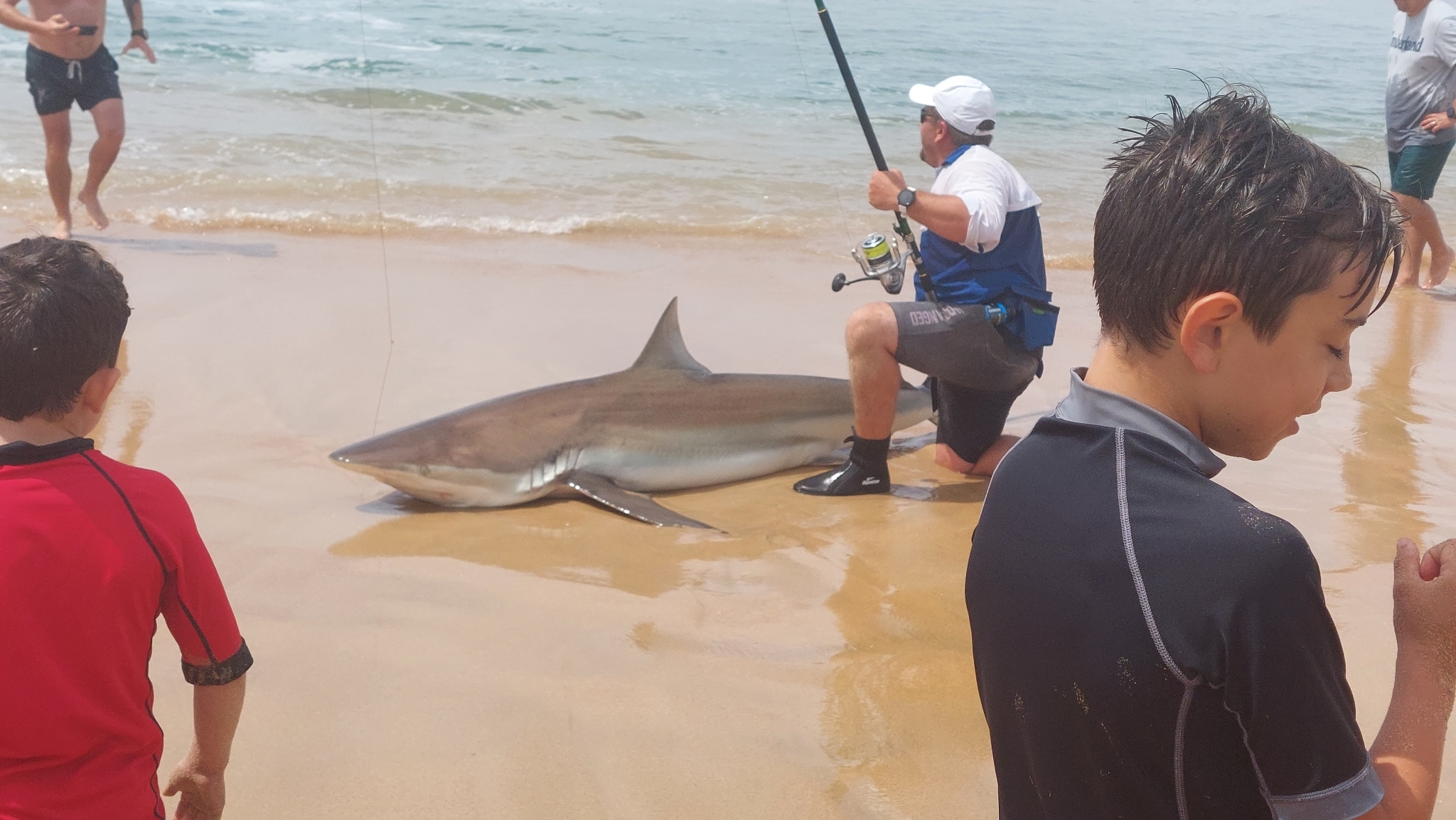
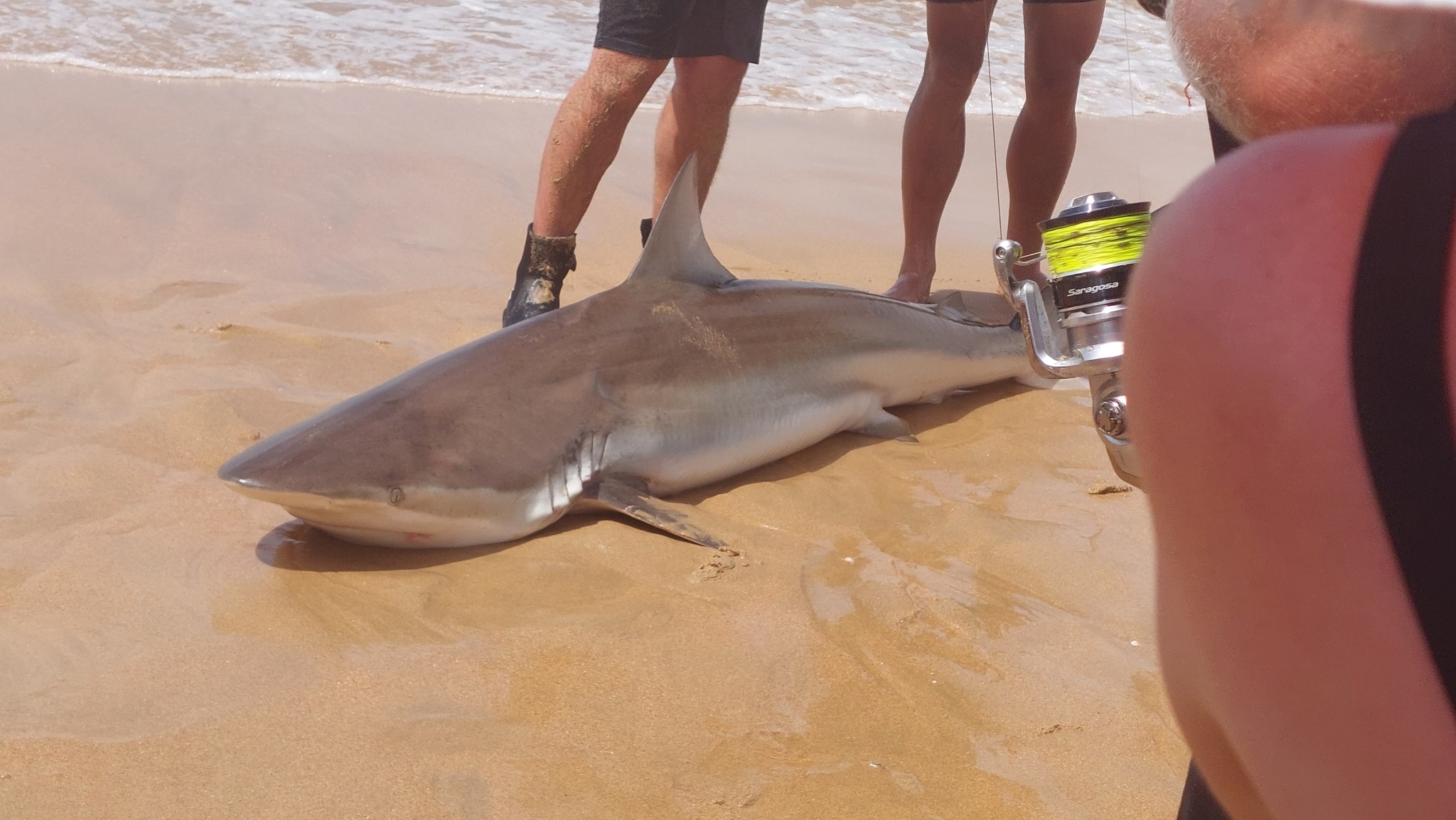
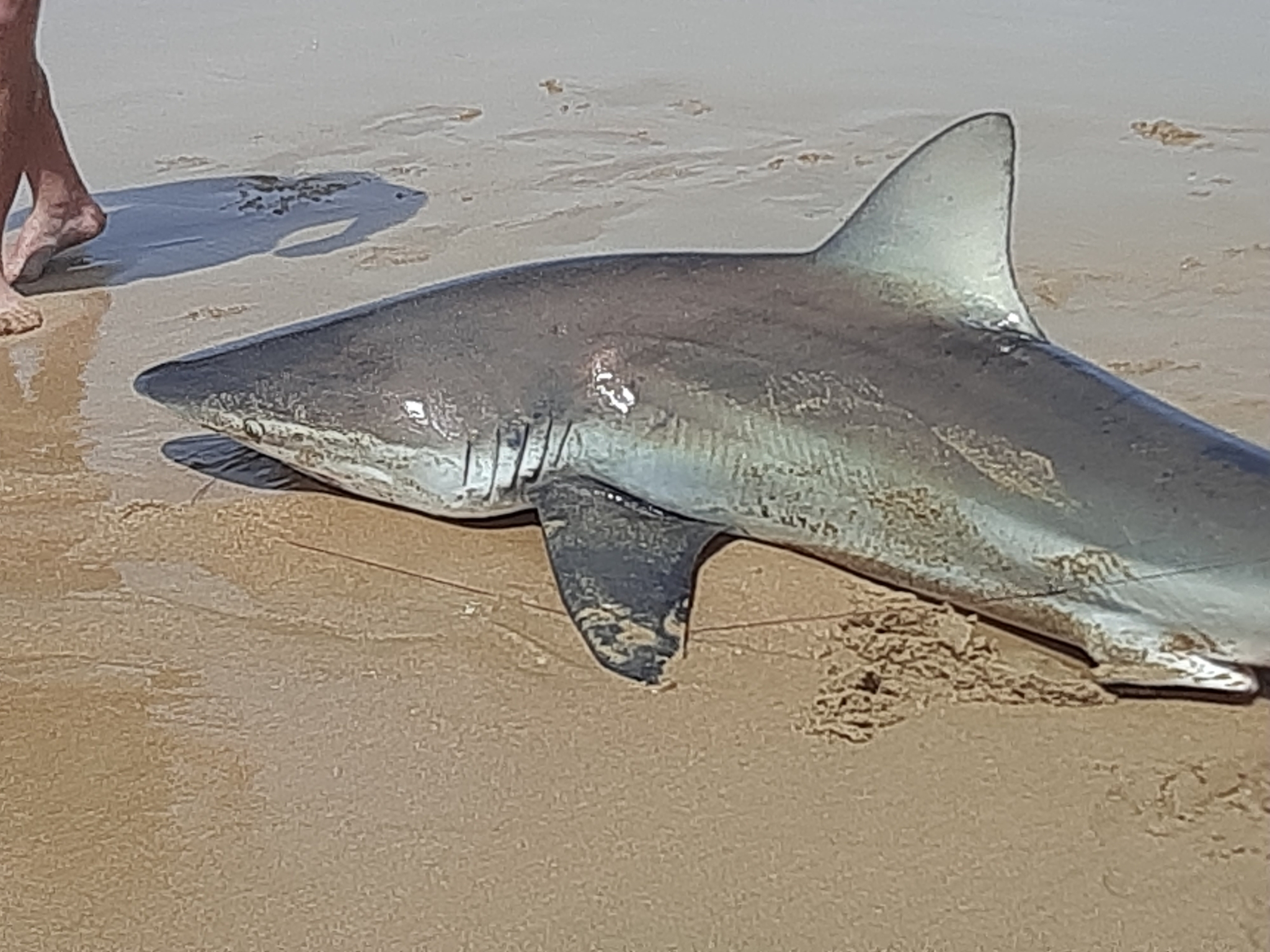
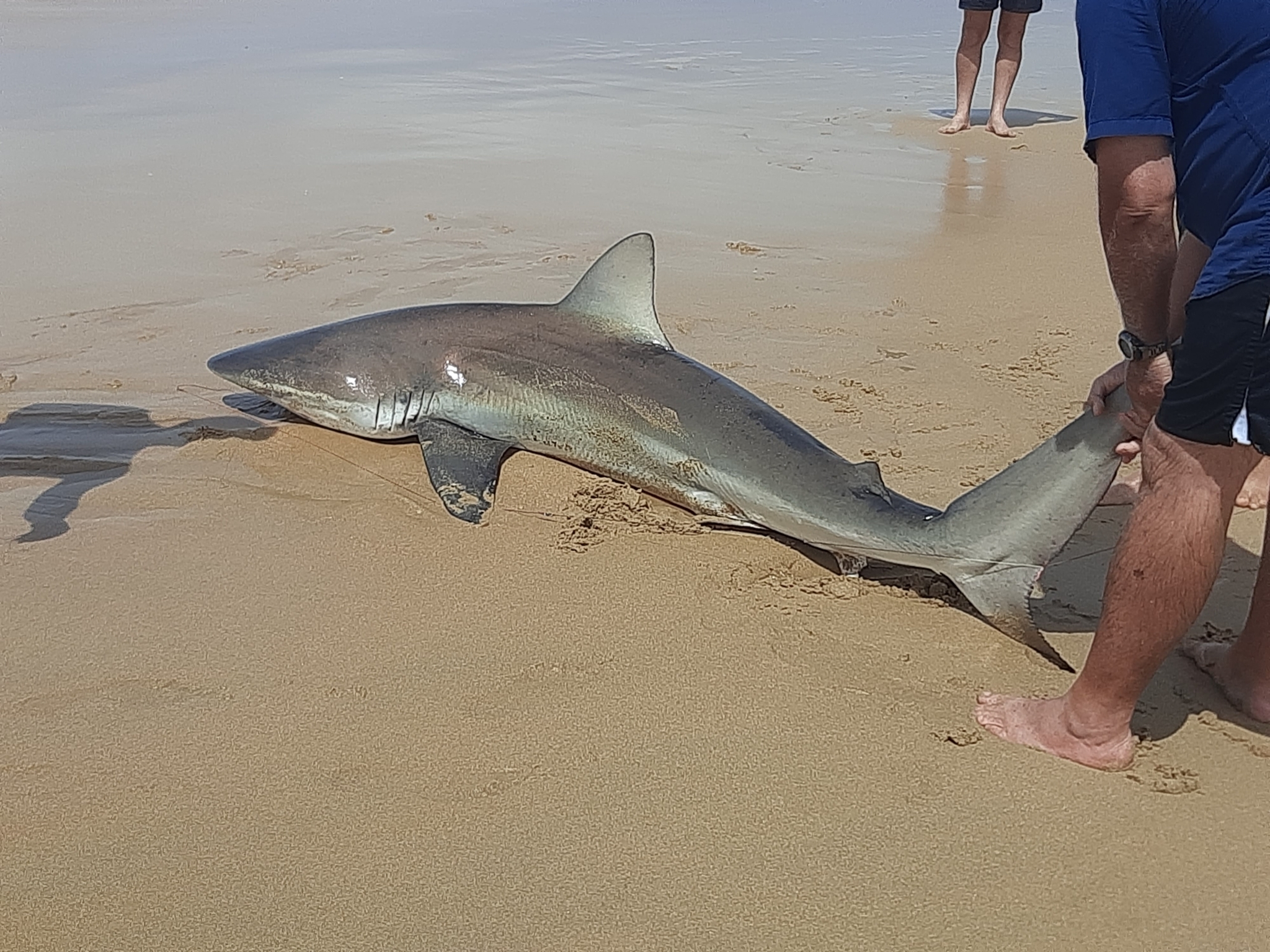
Carcharhinus brachyurus (Günther, 1870)
| Kingdom | animalia |
|---|---|
| Phylum | chordata |
| Class | elasmobranchii |
| Order | carcharhiniformes |
| Family | carcharhinidae |
| Genus | carcharhinus |
| Species | brachyurus |
| Date | Place | Data Resource | Link |
|---|---|---|---|
| 2017-10-11 | Western Cape | iNaturalist | View |
| 2014-09-13 | Eastern Cape | iNaturalist | View |
| 2014-09-13 | Eastern Cape | iNaturalist | View |
| 2014-09-13 | Eastern Cape | iNaturalist | View |
| 2019-09-06 | Western Cape | iNaturalist | View |
| 2022-01-01 | Western Cape | iNaturalist | View |
| 2022-01-01 | Western Cape | iNaturalist | View |
| 2022-04-30 | Western Cape | iNaturalist | View |
| 2022-12-28 | Western Cape | iNaturalist | View |
| 2019-08-24 | Western Cape | iNaturalist | View |
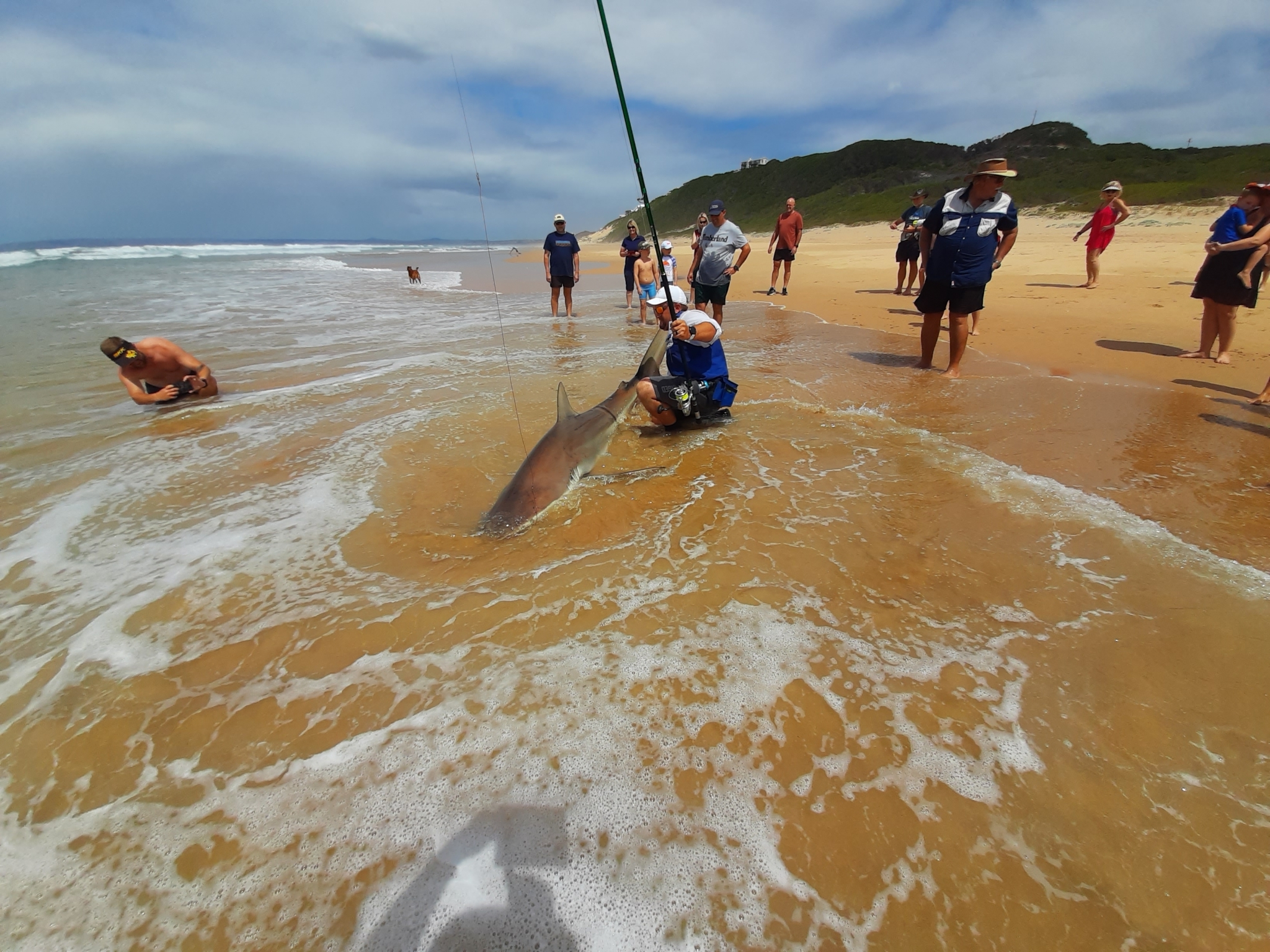
Targeted by competitive shore anglers but mostly released alive (Pradervand and Govender 2003, Pradervand 2004, Pradervand et al. 2007). Juveniles sometimes caught and kept by commercial ski-boat fishermen depending on market availability. Adult copper sharks are captured in the protective shark nets in KZN (Cliff and Dudley 1992). Occasionally caught by pelagic tuna and swordfish directed longlines (Petersen et al. 2009). Also taken in the demersal shark longlining fishery, midwater trawls, inshore and offshore demersal trawls and pilchard purse seines as a bycatch, but there is some uncertainty regarding identification (C. da Silva, DAFF, pers. comm.). Is one of several species taken by beach seine nets in the WC (Lamberth 2006).