
ANIMALIA / ARTHROPODA / INSECTA / ORTHOPTERA / PAMPHAGIDAE / LOBOSCELIANA / CINERASCENS
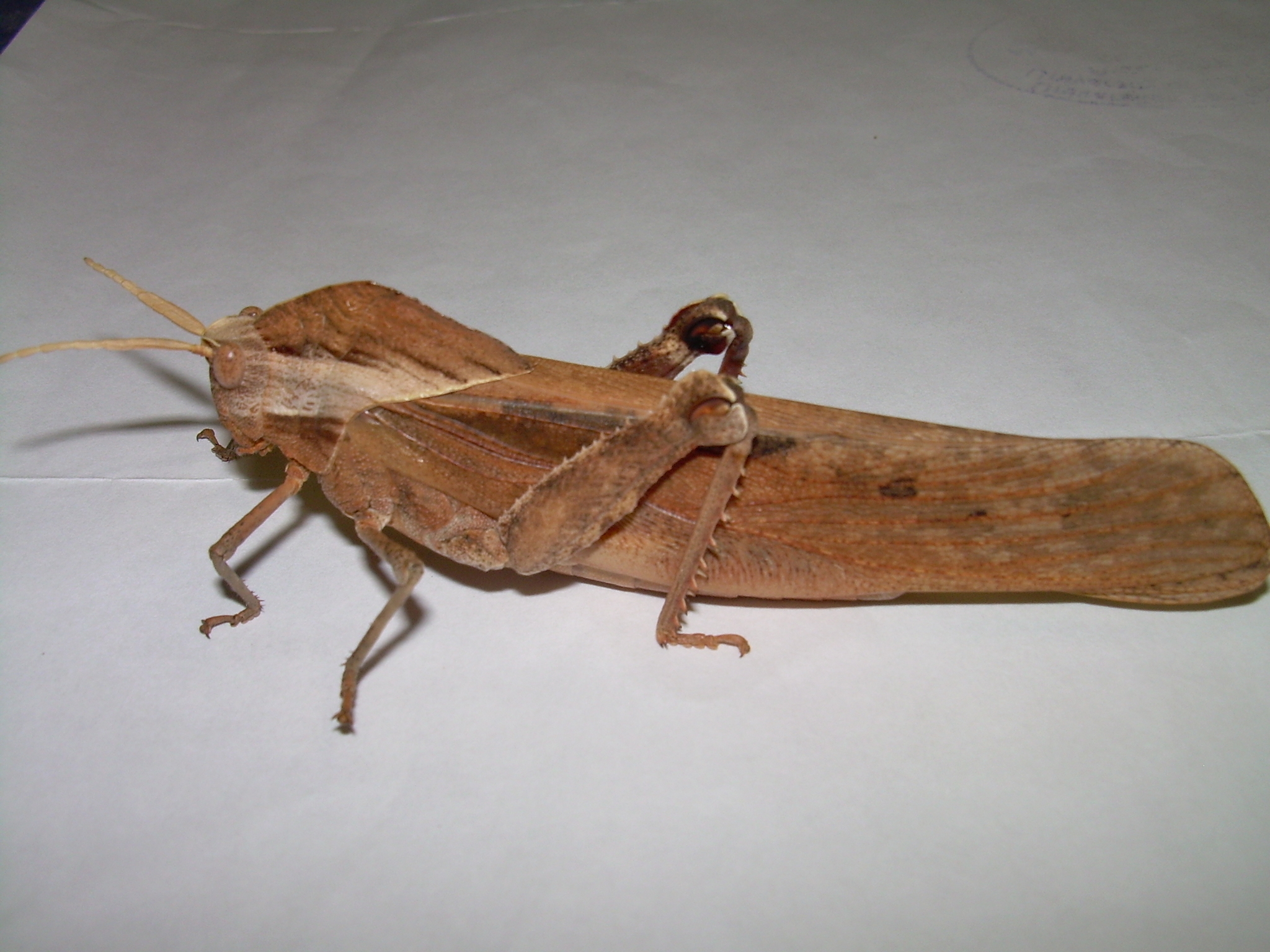
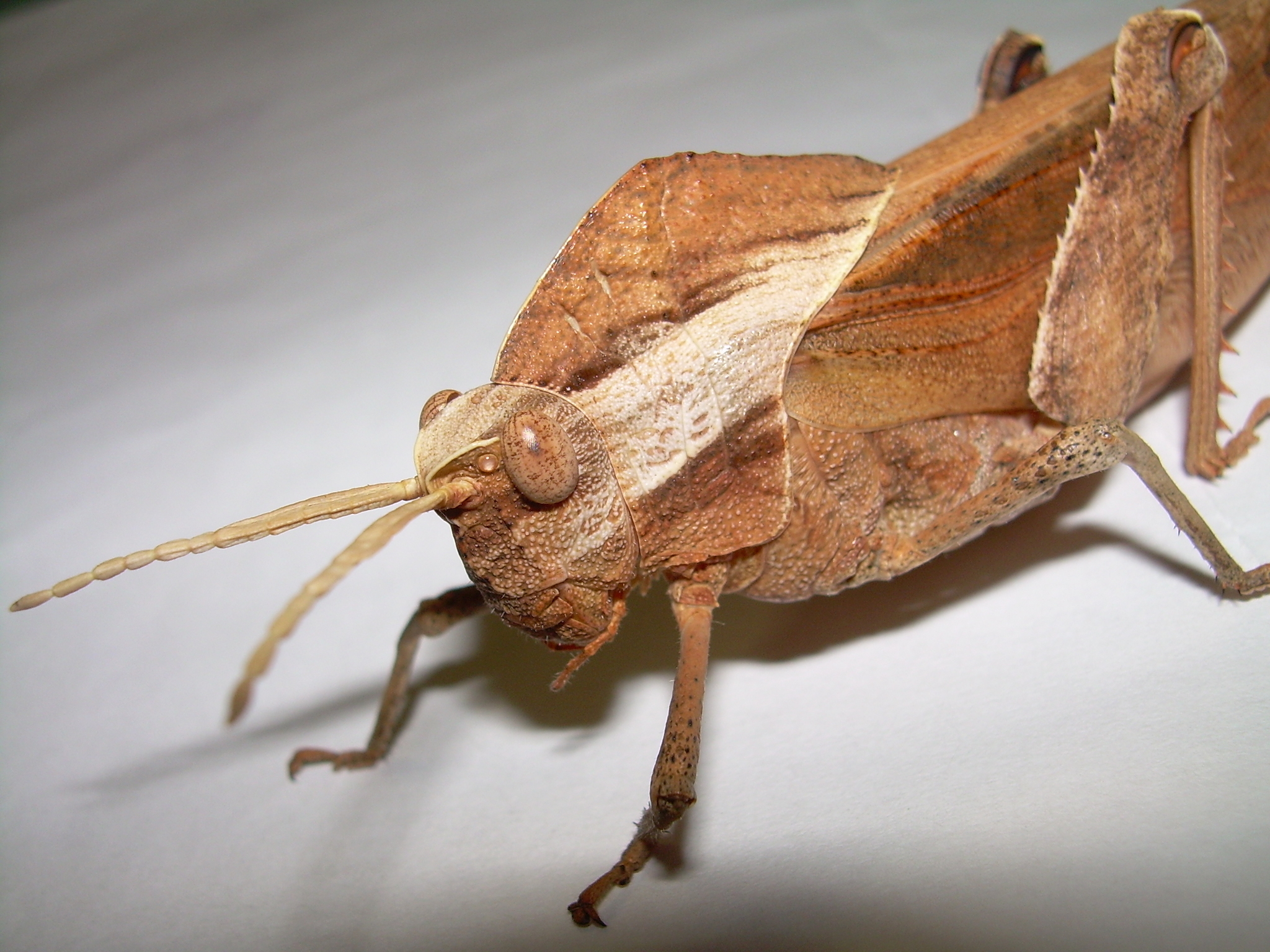
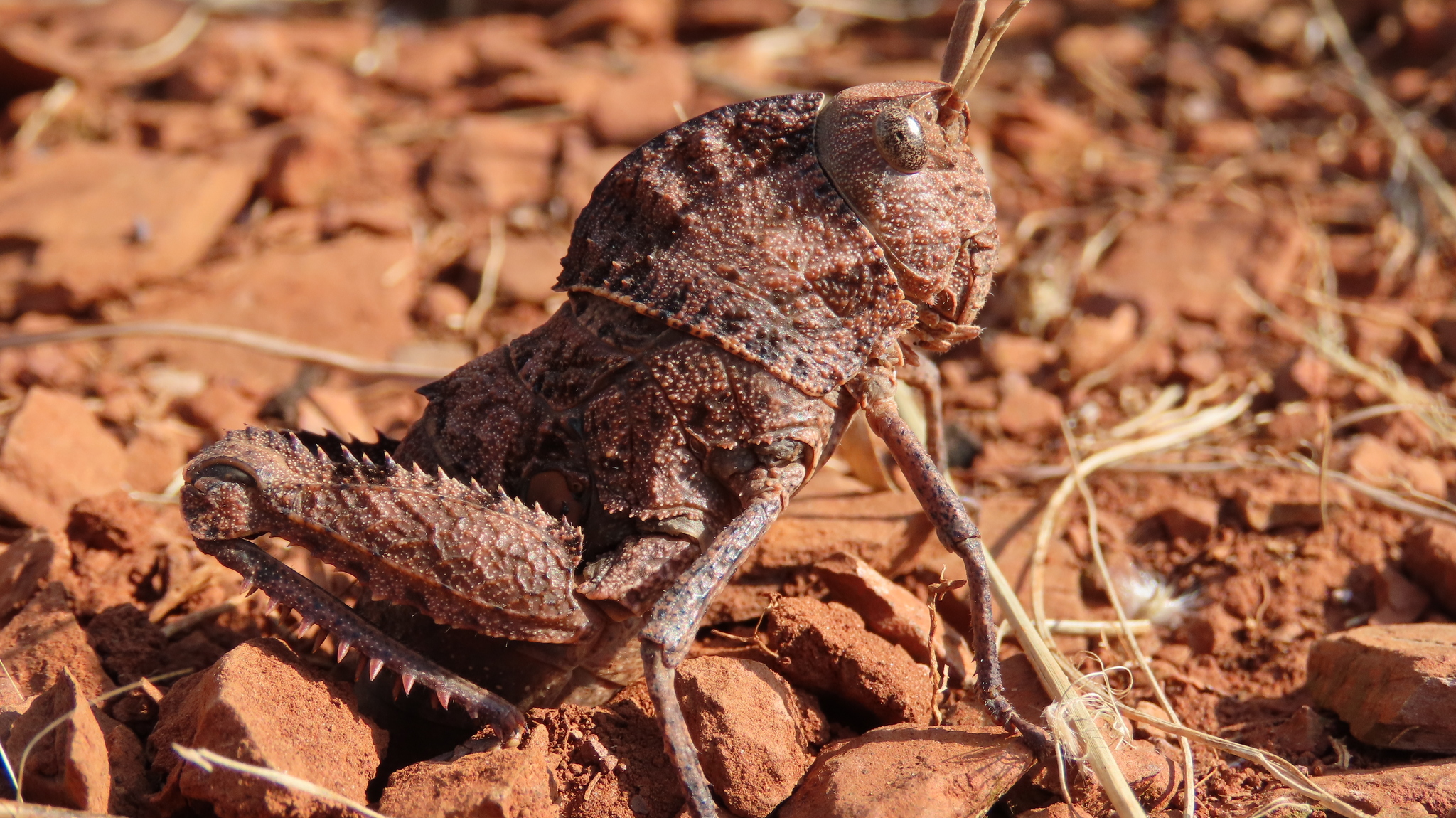
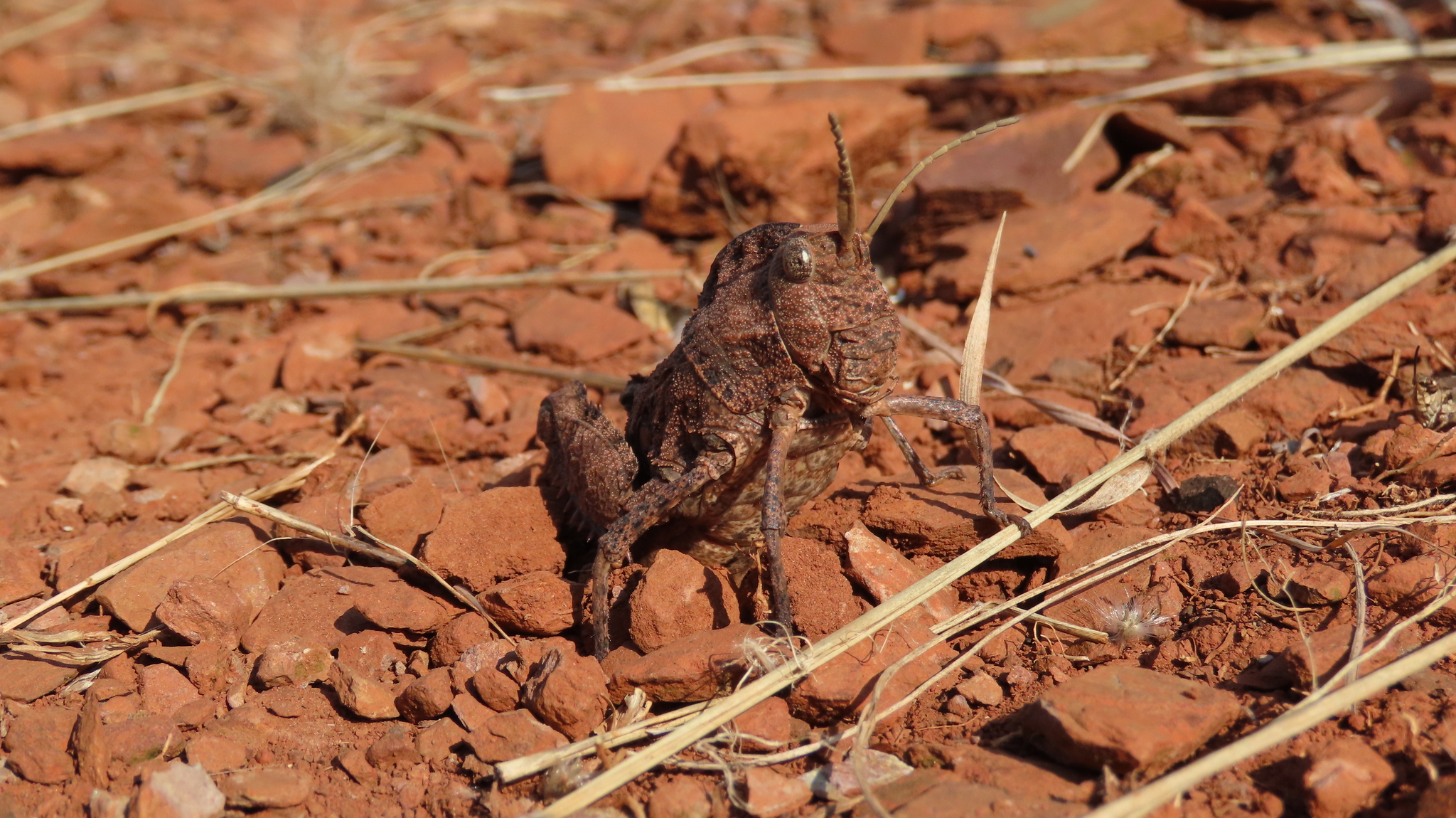
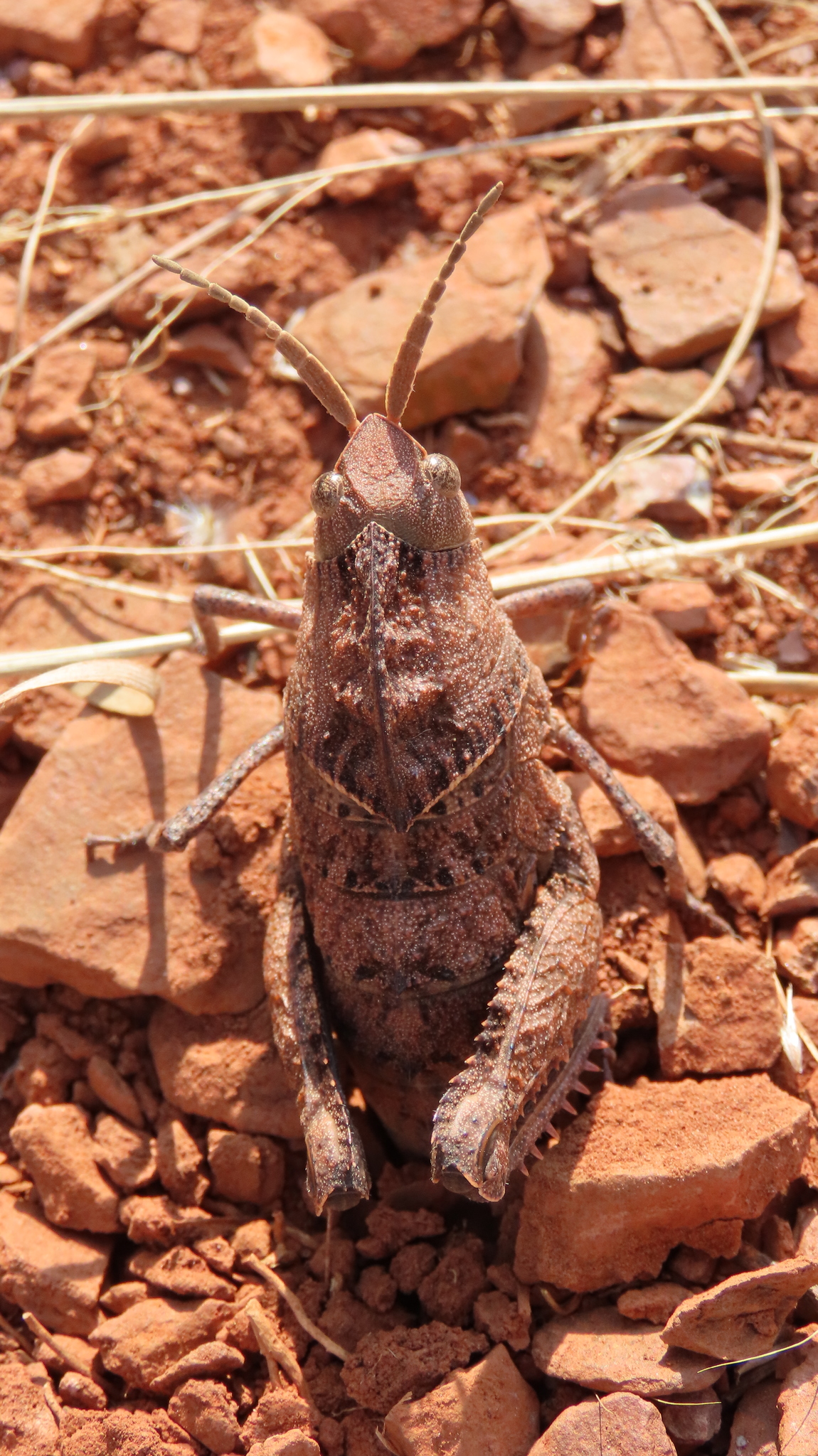
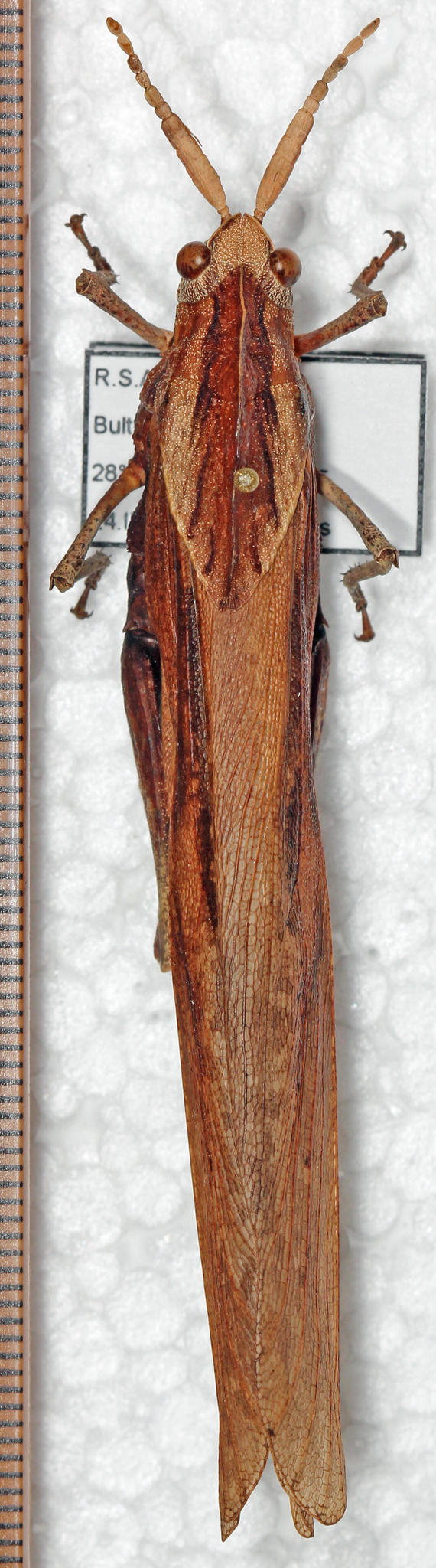
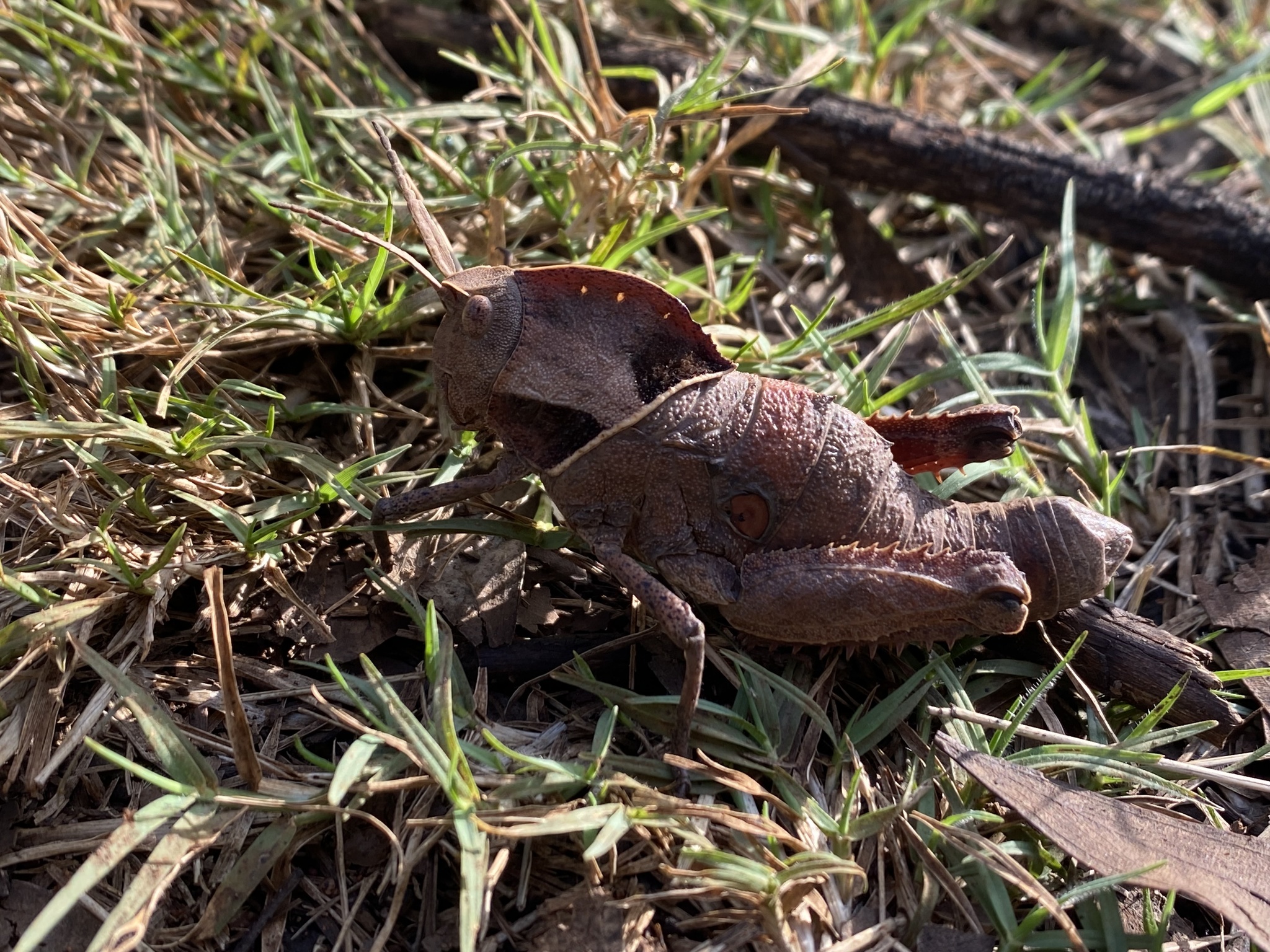
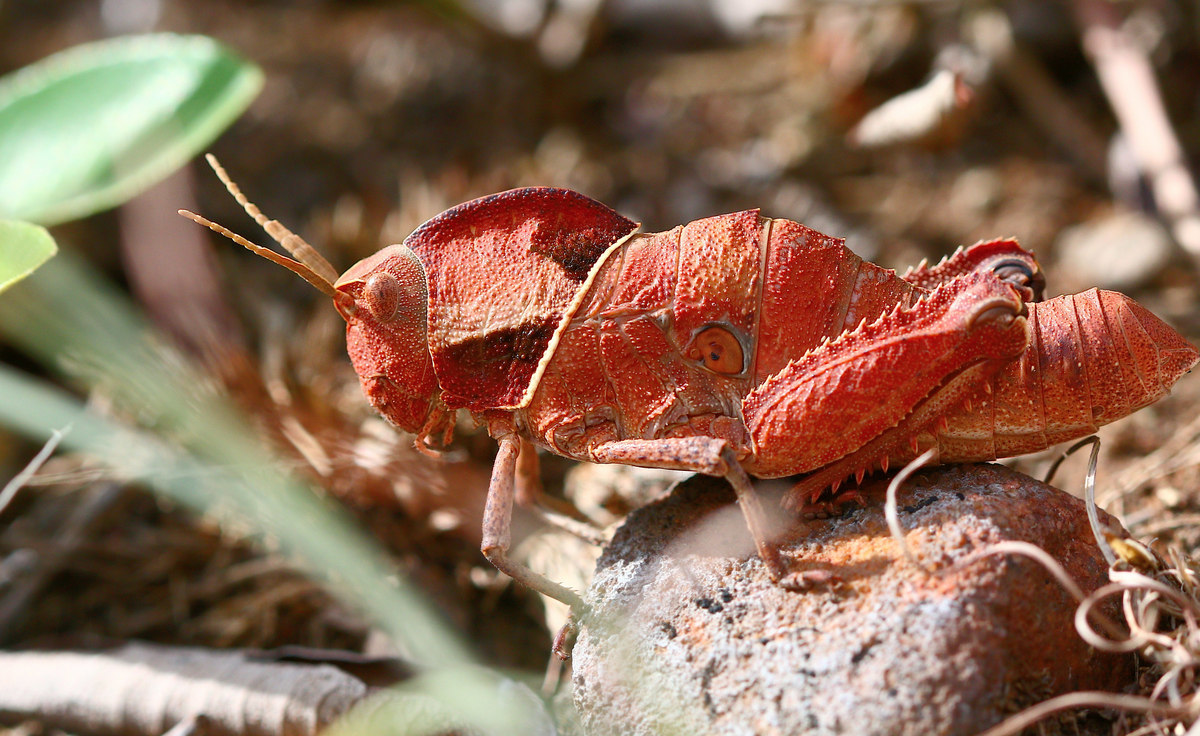
The description of this species is unknown, however, Massa (2020) gave a description of the genus of this species as follows: The antenna with a four-segmented flagellum and two medial segments strongly expanded margins of hind femur with a straight upper margin and strongly serrated lateral expansions of the apical valves of the penis. The distinction from Xiphoceriana is not always clear.
Material examined: 10 specimens. South Africa (2♂), South Africa, Pretoria 1924, H.H. Curson (1♂, 3♀); South Africa, Natal Mar. 1925 (2♀); South Africa, Zululand (KZN), Umfolozi 1922, H.H. Curson (1♀); Zambia, Mazabuka 25 Sept. 1929 (1♂) (Museum di Zoologia dell’Università La Sapienza, Rome (Italy)) (Massa, 2020).
The distribution of L. cinerascens covers South Africa, Mozambique, Zimbabwe and Zambia (Massa, 2020).
South Africa, Pretoria; KwaZulu-Natal Province, Umfolozi; Zambia, Mazabuka (Massa, 2020).
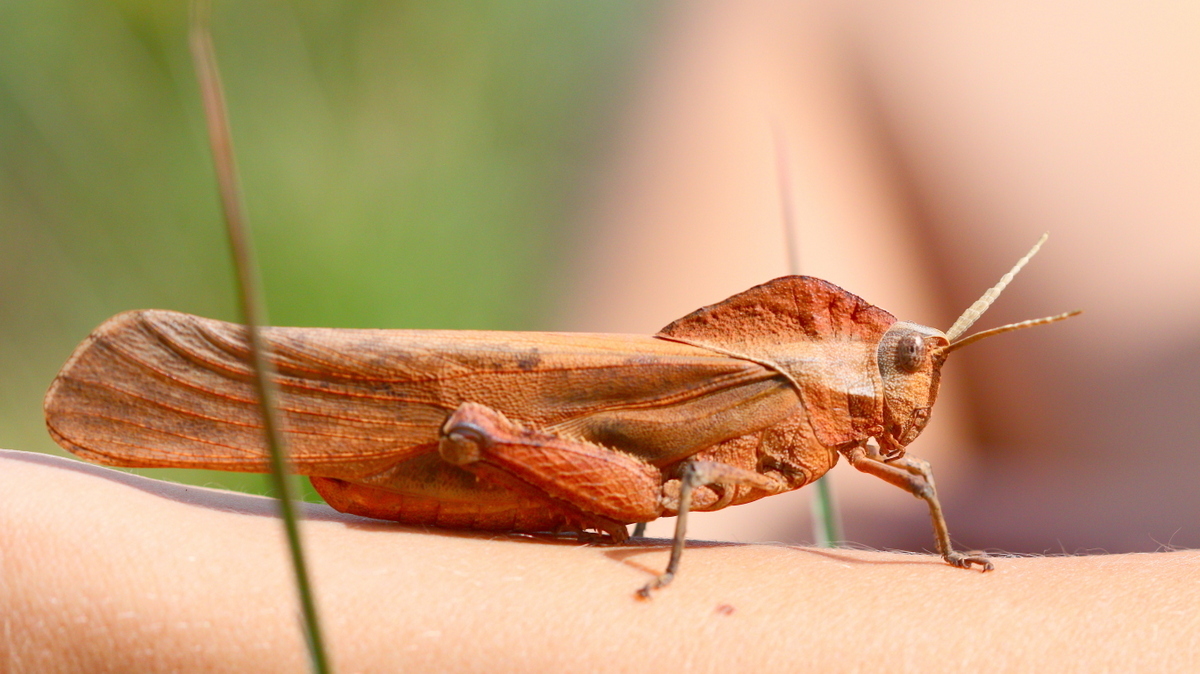
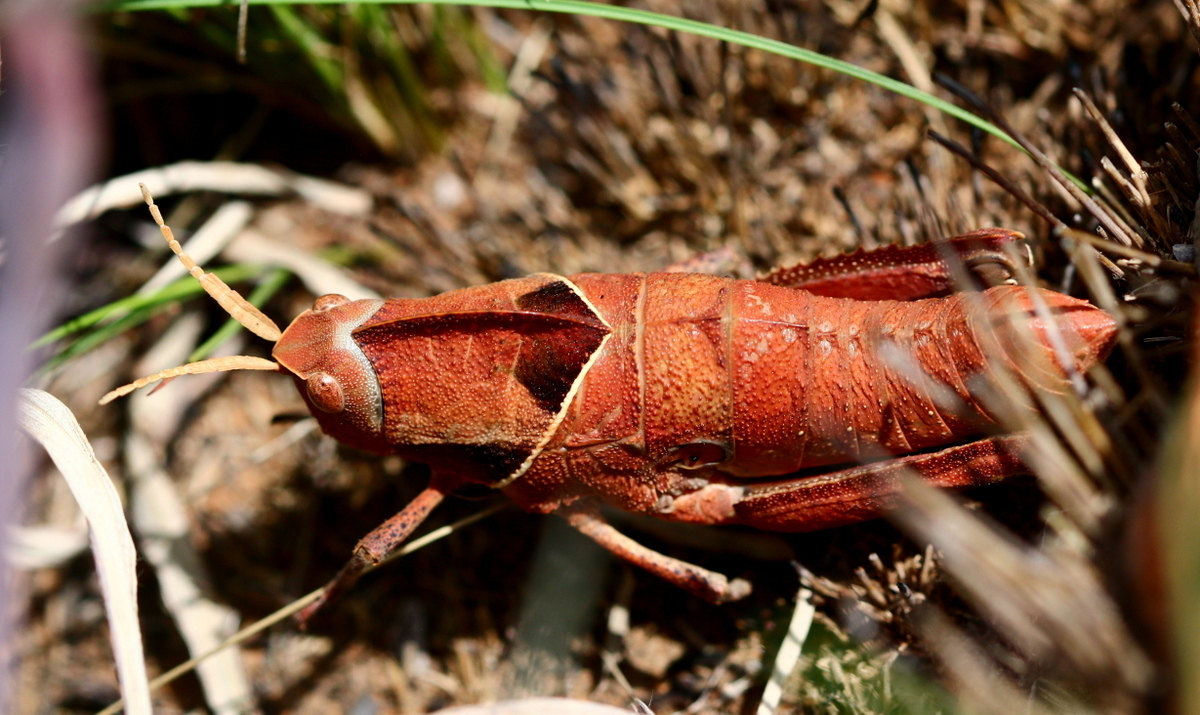
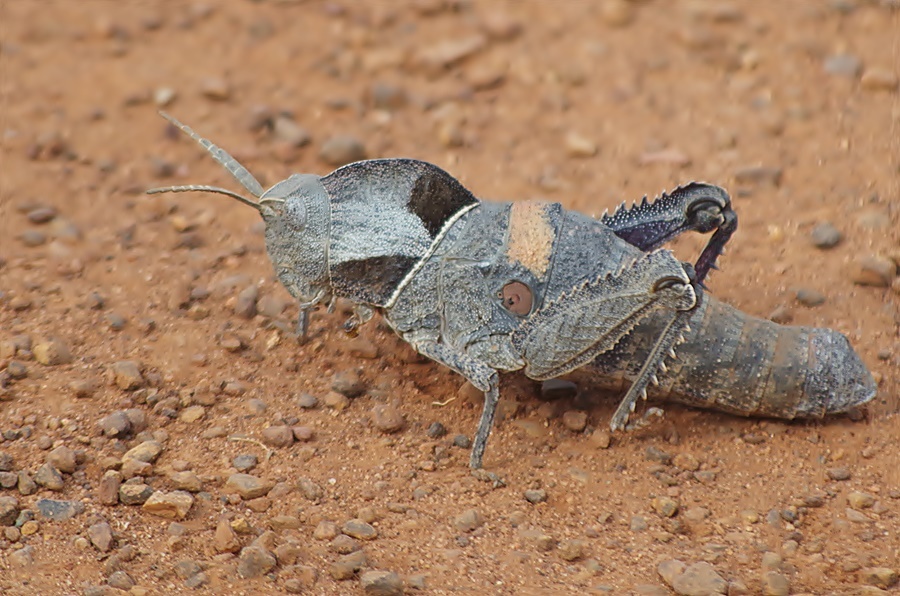
Grasshoppers usually move by walking or jumping, but most adults fly, often exposing brightly coloured hindwings. Their adaptations include the forewings (called tergima) which are thickened and with numerous veins; the hindwings also contain many veins but are membranous, fan-like, and folded when in repose. Most Orthoptera display hind legs enlarged and adapted for jumping (Gibb & Oseto, 2006).
Herbivore - Graminivore (grass-eating)
Orthoptera have well-developed mandibles and their mouth parts are adapted for chewing. They are mainly herbivorous, favouring a range of grasses and often consuming more even than antelope and cattle (up to 130 kg of grass yearly per hectare) (Gibb & Oseto, 2006; Picker et al., 2012).
Females in Orthopterans have an egg-laying tube which is short and usually concealed, as are the male genitalia, and the abdomen in males always turns up at the end. Eggs are laid in groups in soil and mixed with a frothy substance that hardens to form the egg pod (Picker et al., 2012).
Unknown
Unknown
This map contains point-based occurrences at different locations
Occurrence in African countries and South African provinces. Residence status indicates if a taxon is indigenous, endemic, or alien in a specific region. This data is based on specimen records and literature.
FSA
SA
BOT
NAM
ESW
LES
WC
EC
NC
FS
GA
KZN
LP
MP
NW
Absent
Indigenous
Endemic
Naturalised
Invasive
Names and Sources
No known common names.
Classification
KINGDOM Animalia
PHYLUM Arthropoda
CLASS Insecta
ORDER Orthoptera
FAMILY Pamphagidae
GENUS Lobosceliana
SPECIES cinerascens
No results found for Lobosceliana cinerascens (Stål, 1873)
Unknown
16 results for Lobosceliana cinerascens (Stål, 1873)
Year
This map contains point-based occurrences at different locations
1873
JOURNAL ARTICLE
Recensio Orthopterorum. Revue Critique des Orthoptères Décrits par Linné, de Geer et Thunberg.Stal, C. 1873. Recensio Orthopterorum. Revue Critique des Orthoptères Décrits par Linné, de Geer et Thunberg. Vol. 1:23.
2020
JOURNAL ARTICLE
Remarks on some interesting African Pamphagidae and Acrididae (Insecta: Orthoptera: Acridoidea)Massa, Bruno. 2020. Remarks on some interesting African Pamphagidae and Acrididae (Insecta: Orthoptera: Acridoidea) Vol. 4751 pp.29–54.
2006
BOOK
Arthropod collection and identification laboratory and field techniquesGibb, Timothy, Oseto, Christian. 2006. Arthropod collection and identification laboratory and field techniques. Academic Press.
2012
BOOK
Field Guide to Insects of South AfricaPicker, M., Griffiths, C., Weaving, A.. 2012. Field Guide to Insects of South Africa. Cape Town, South Africa. Struik pp.444.


