
PLANTAE / PHANEROGAMAE / ANTHOPHYTA / CARYOPHYLLALES / AIZOACEAE / RUSCHIOIDEAE / RUSCHIEAE / DIPLOSOMA / RETROVERSUM

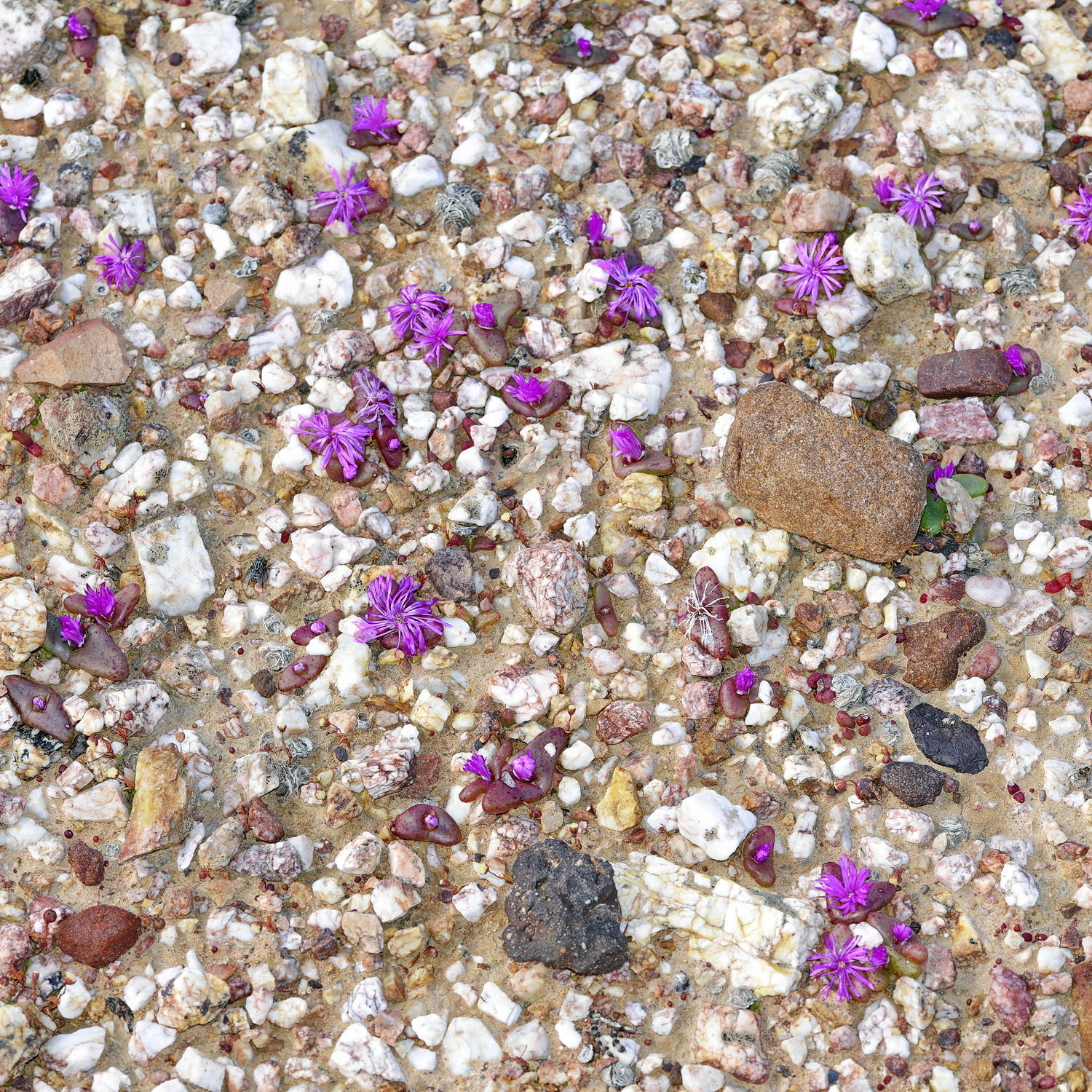
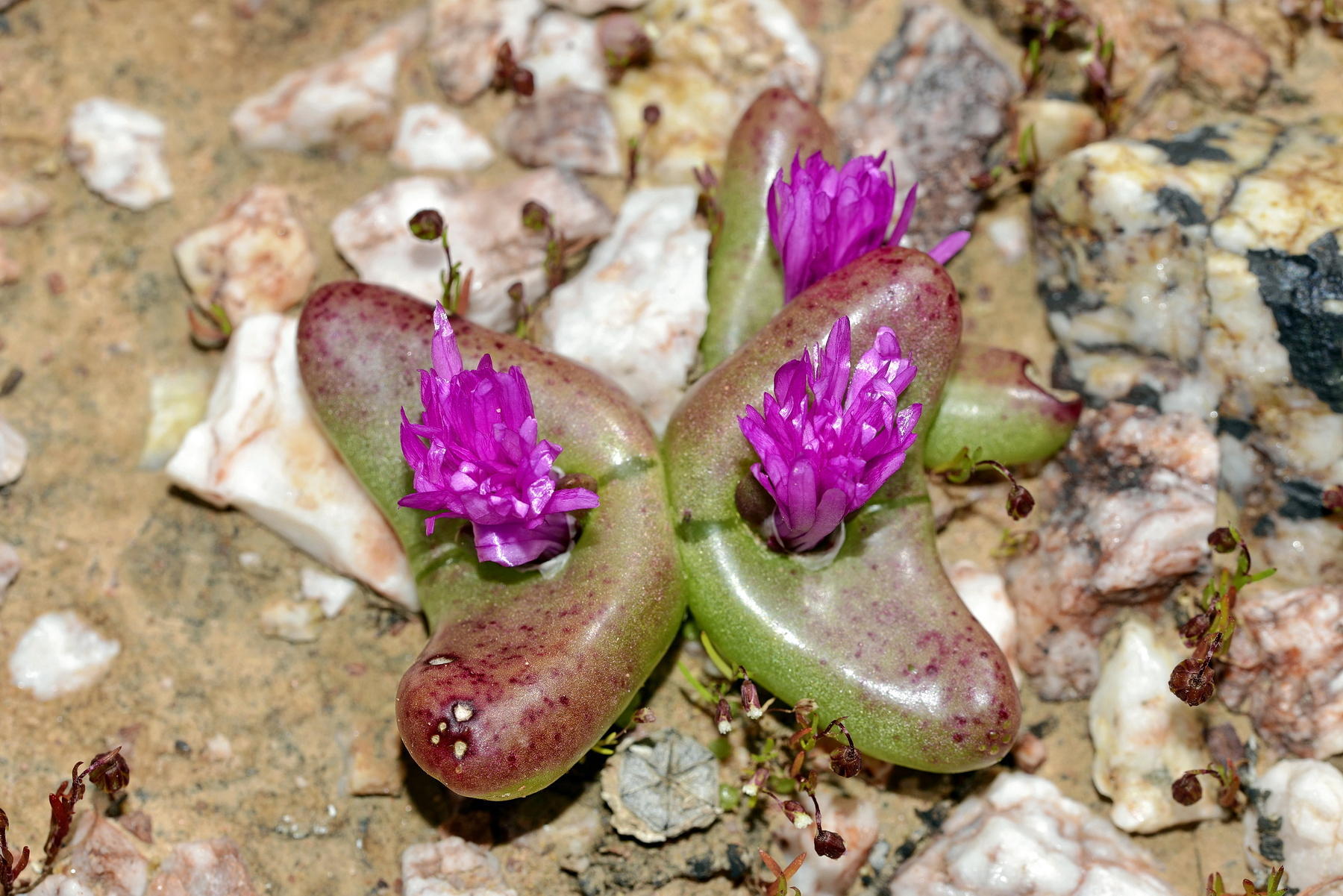
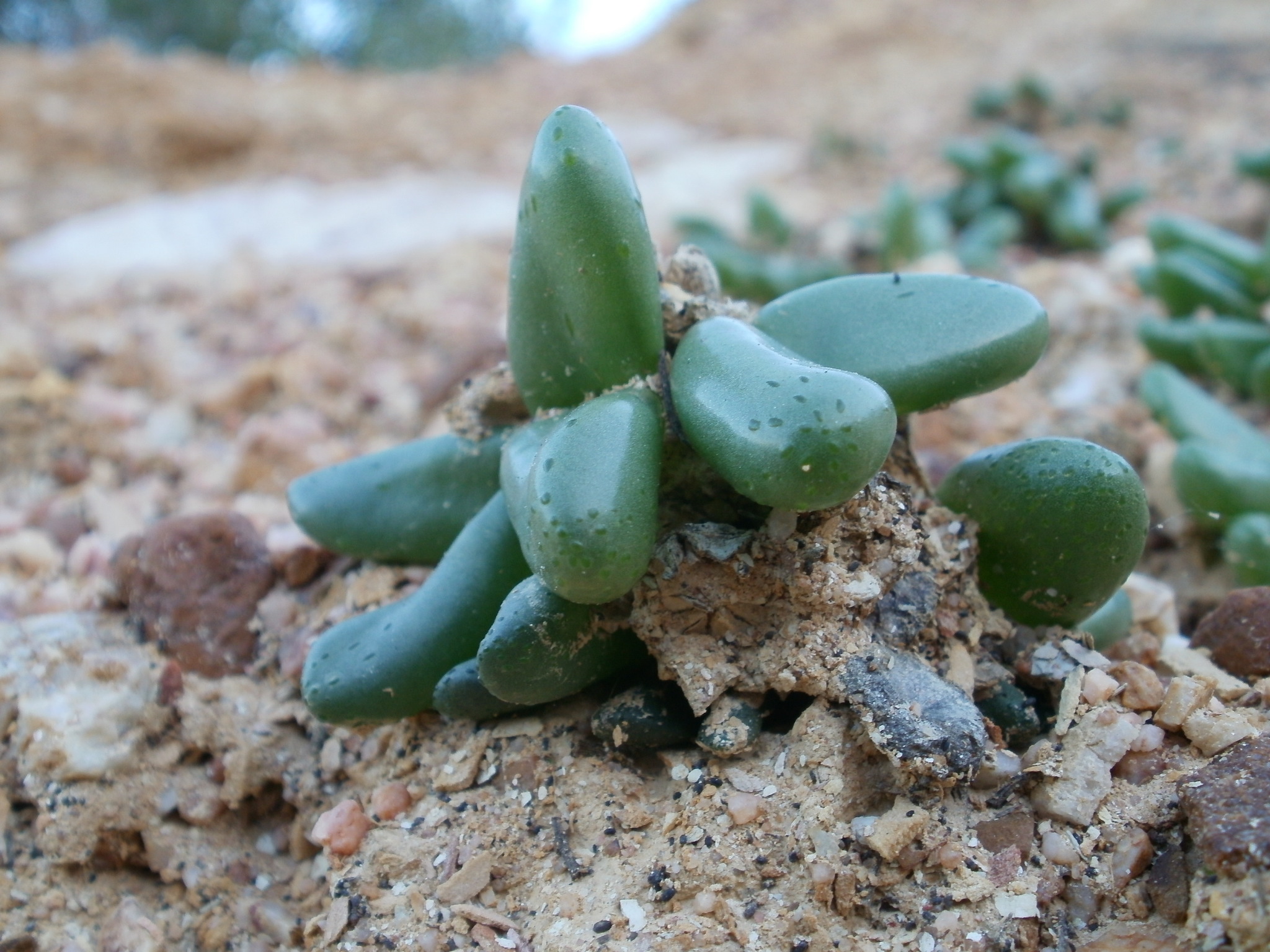
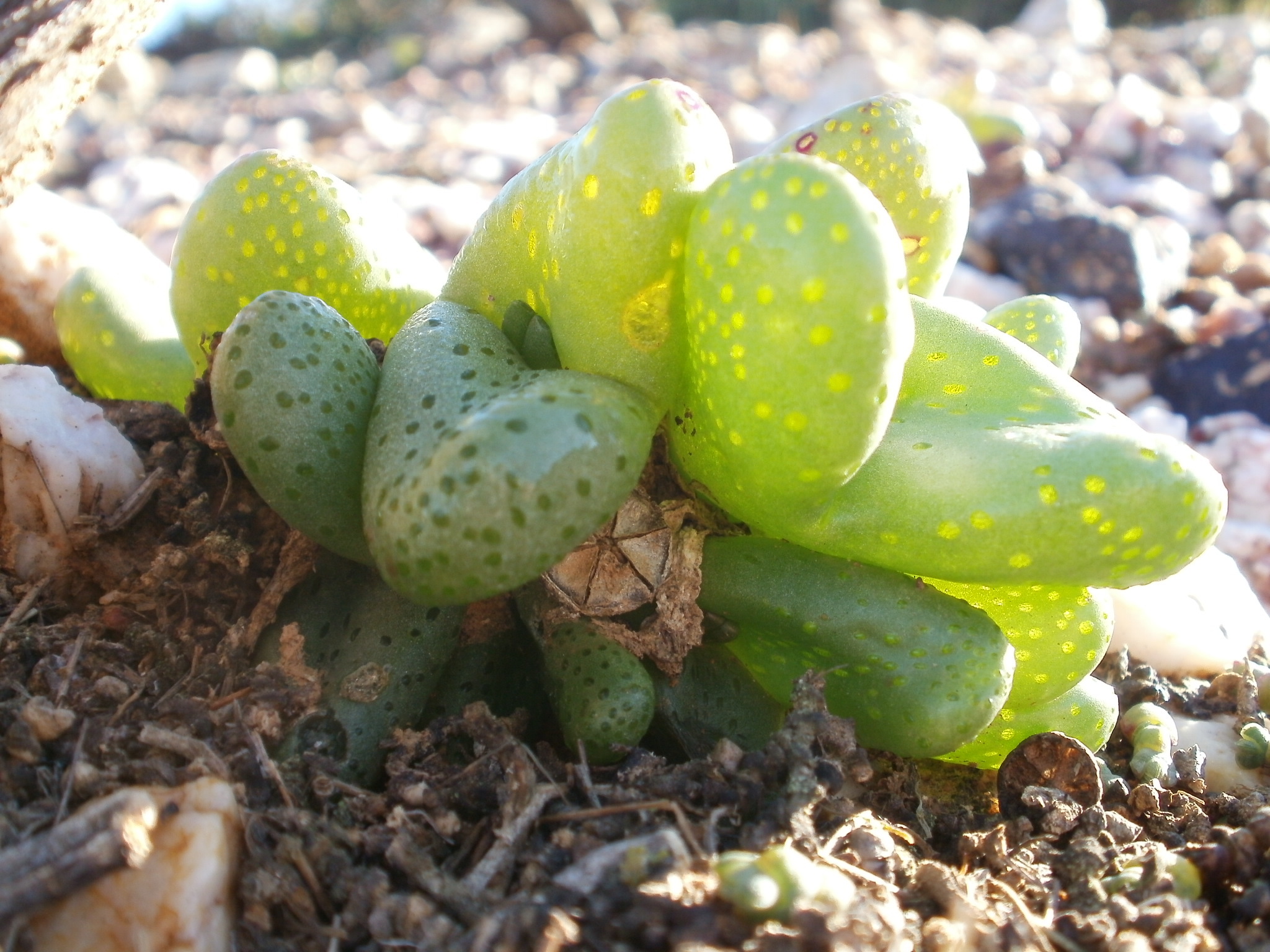
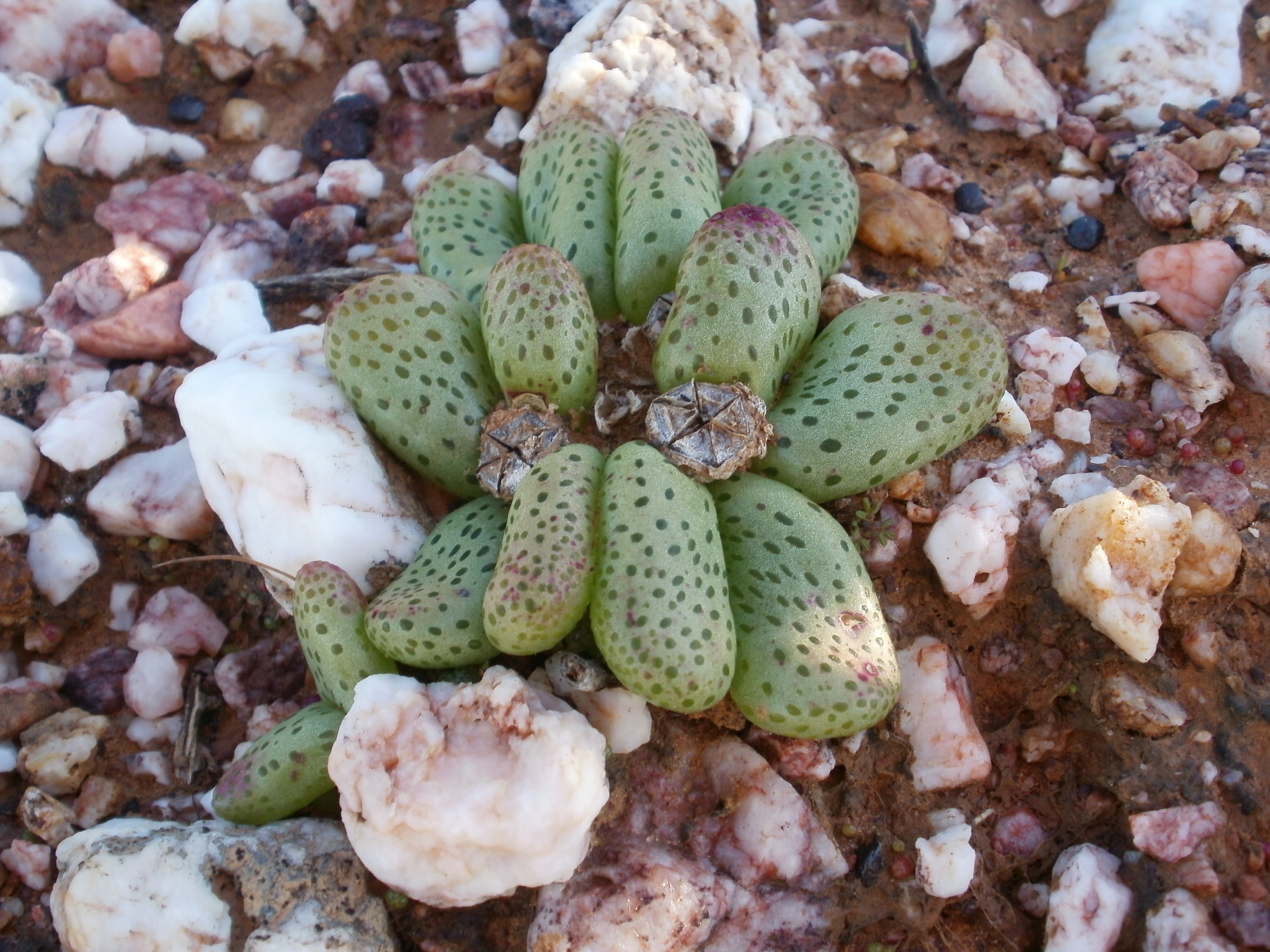
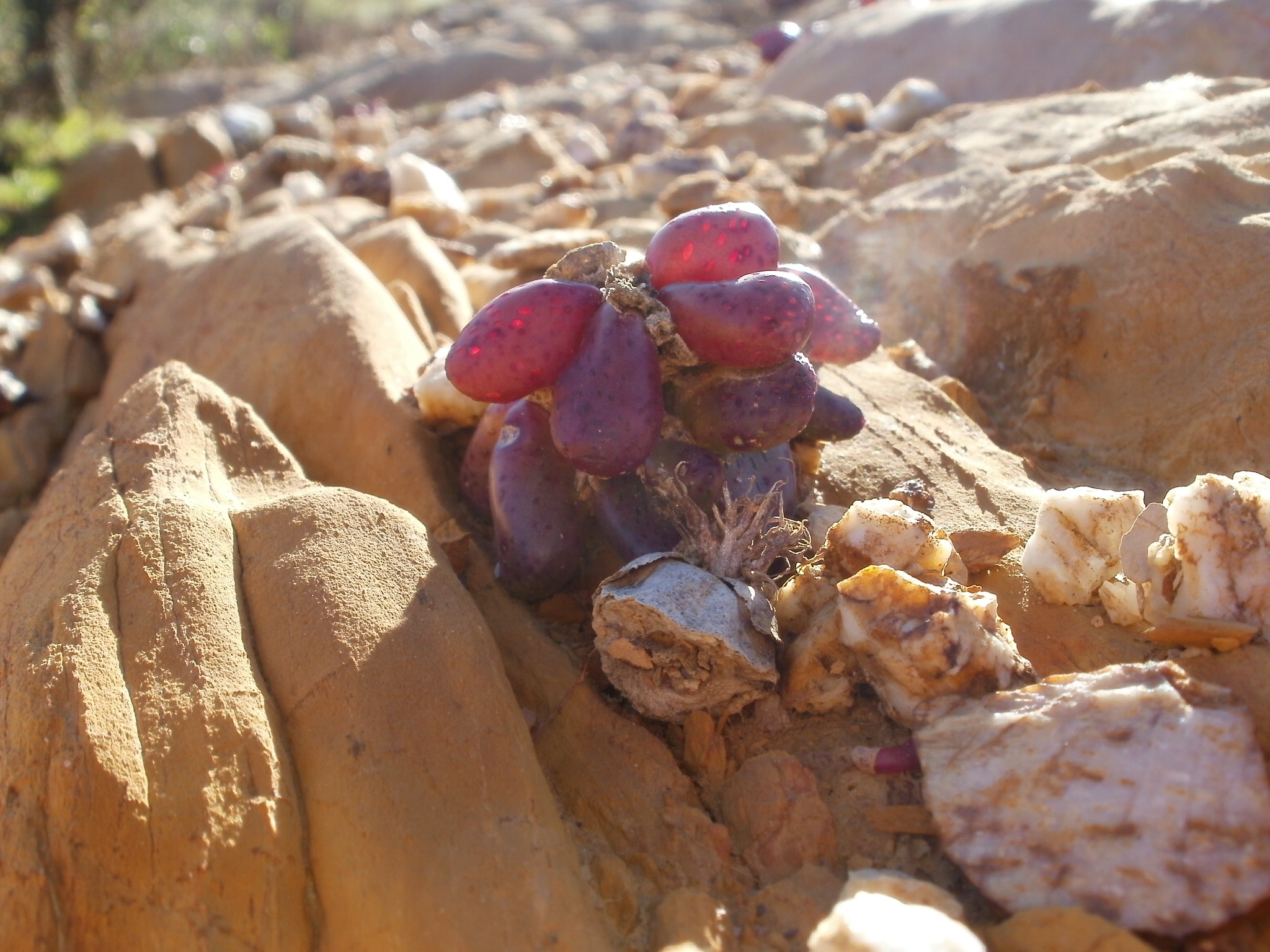
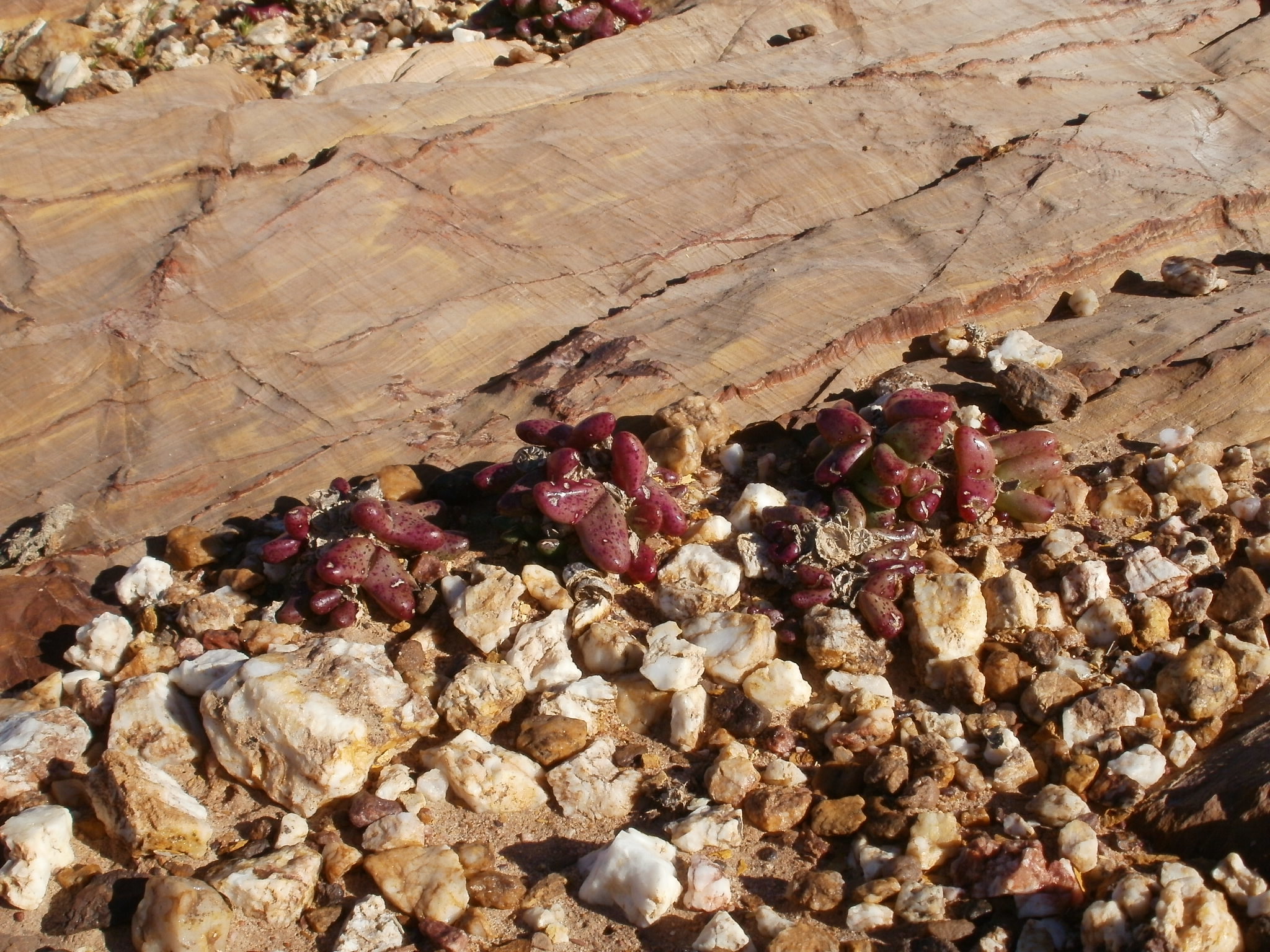
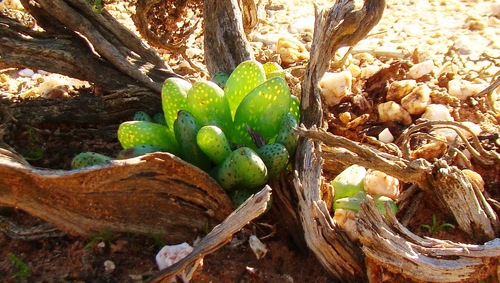
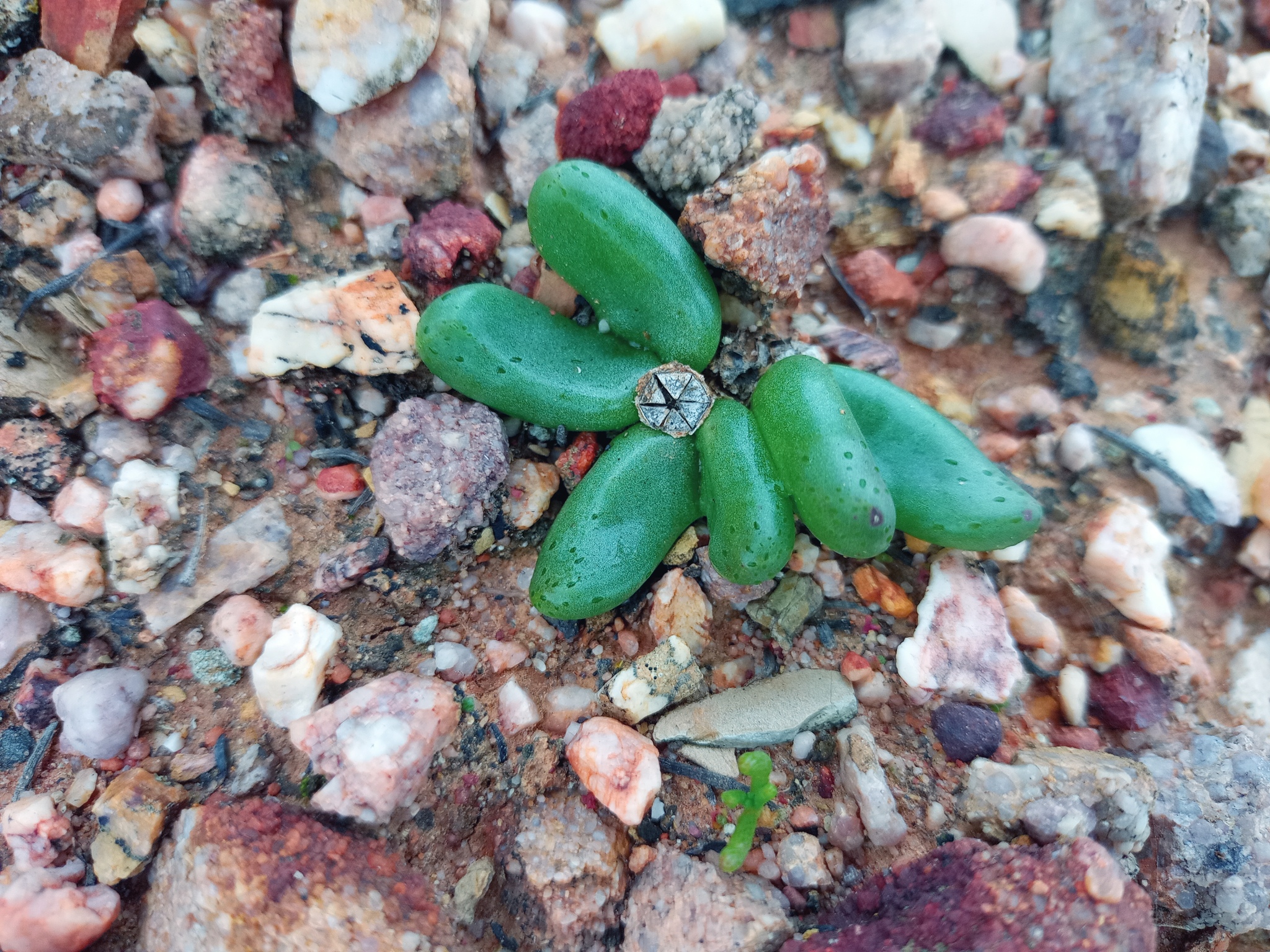
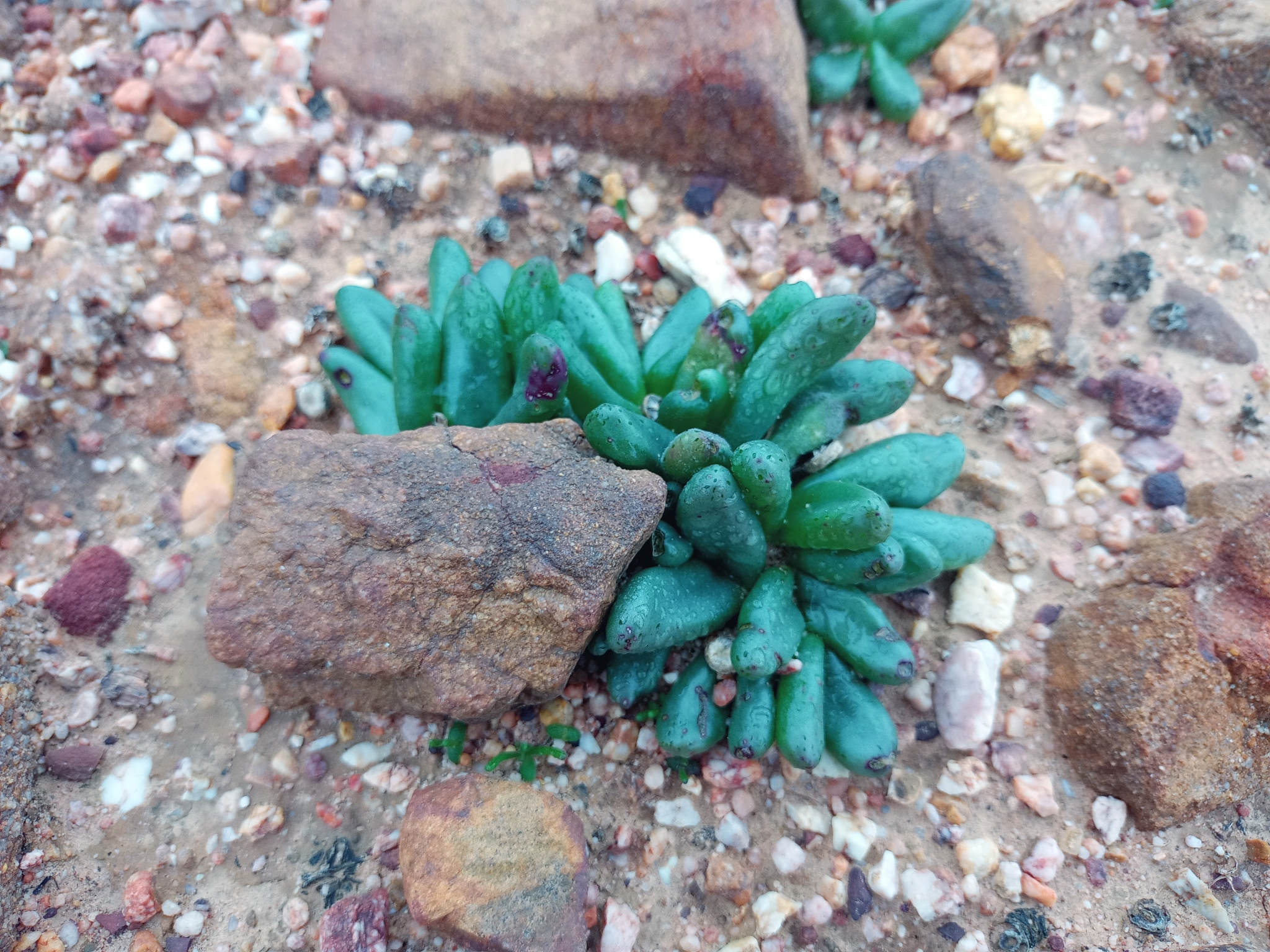
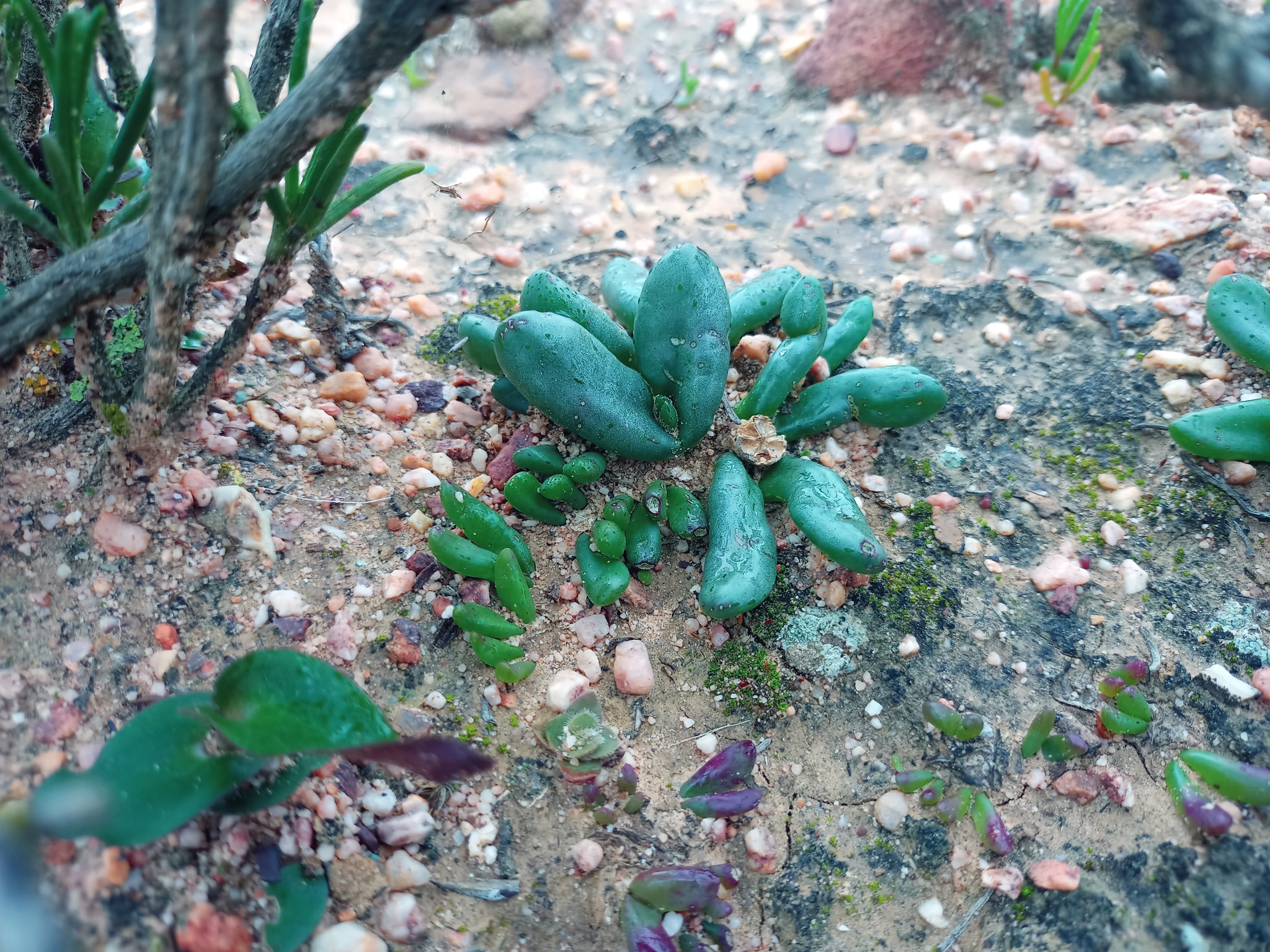
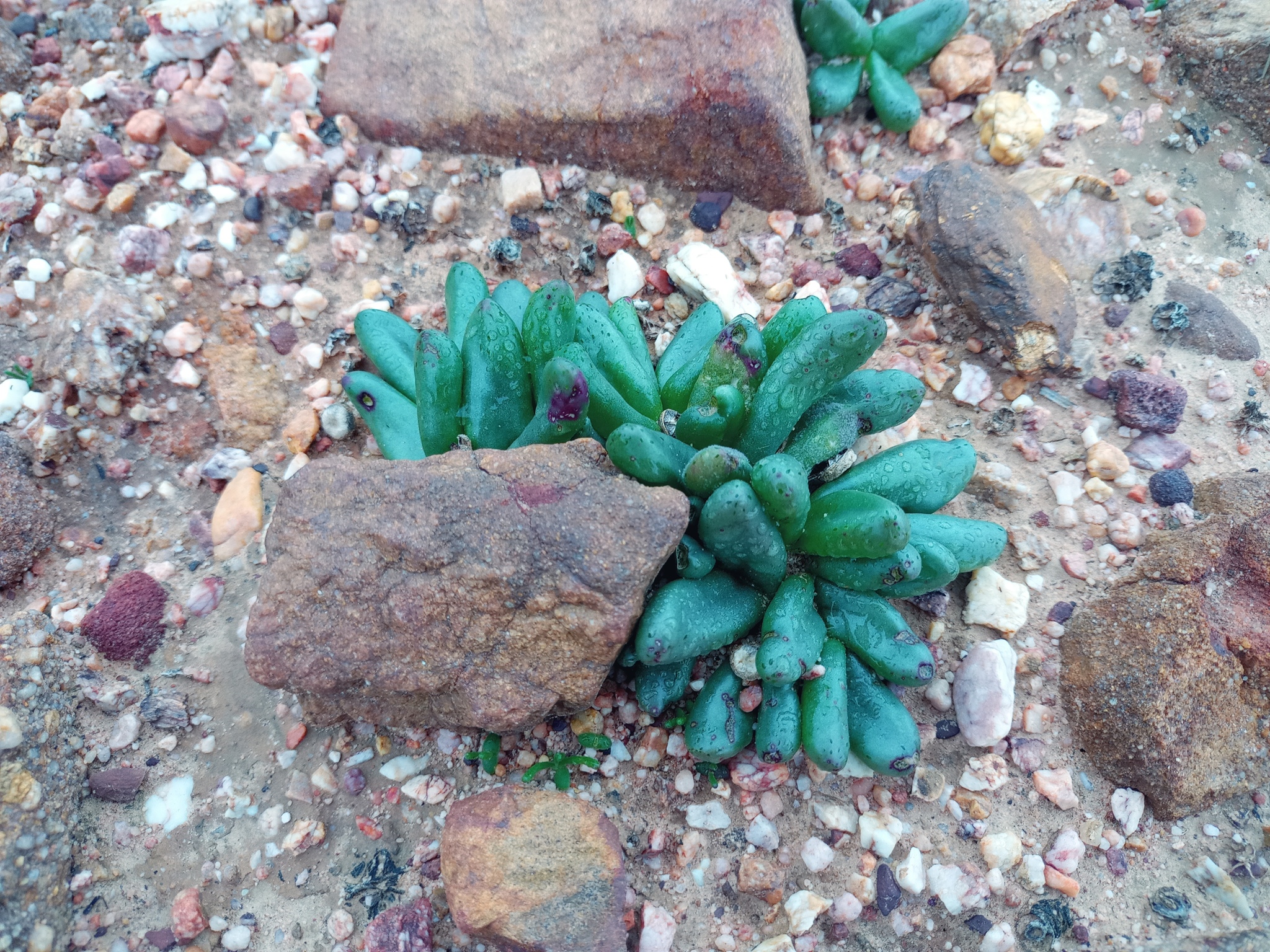
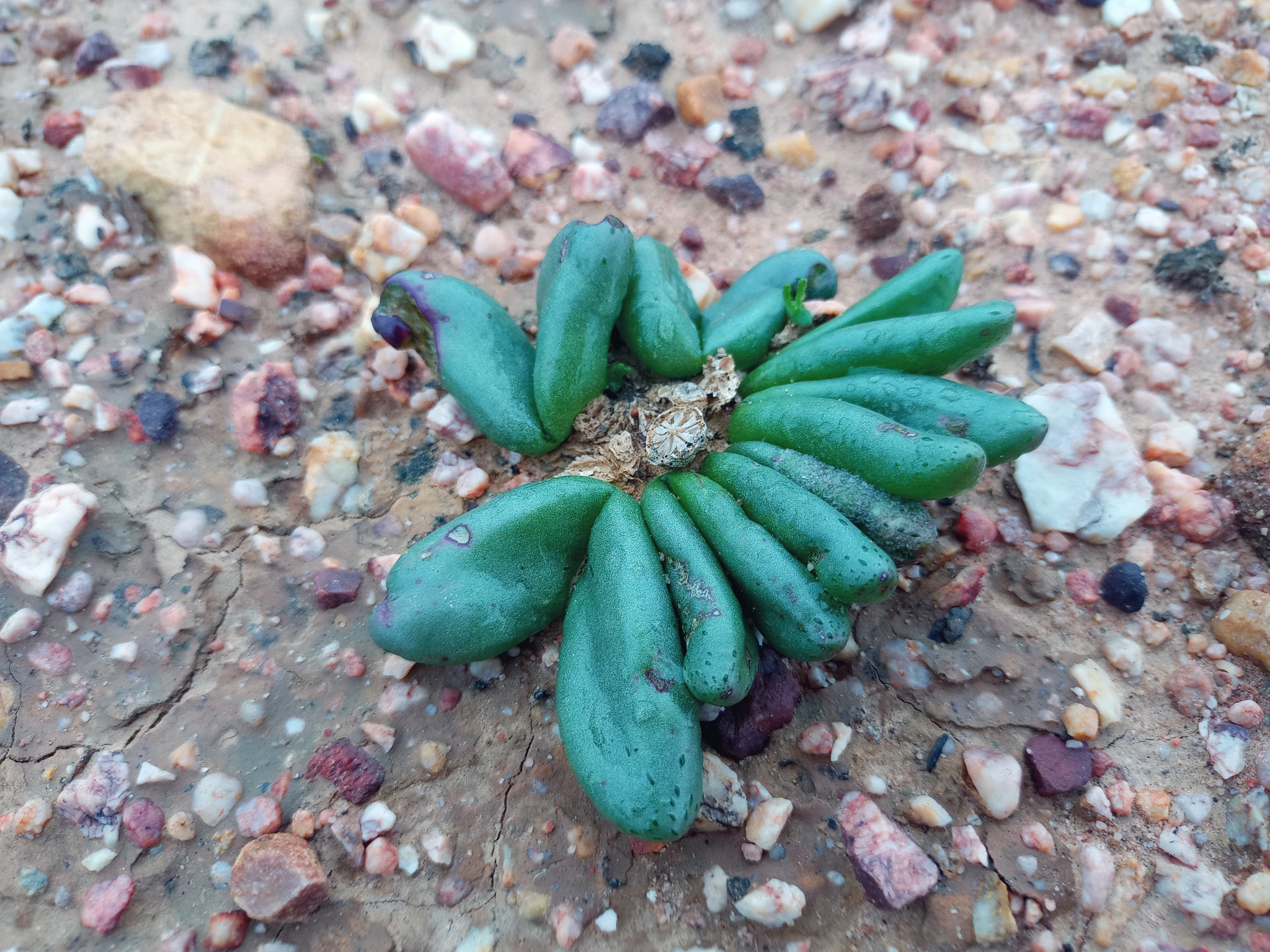
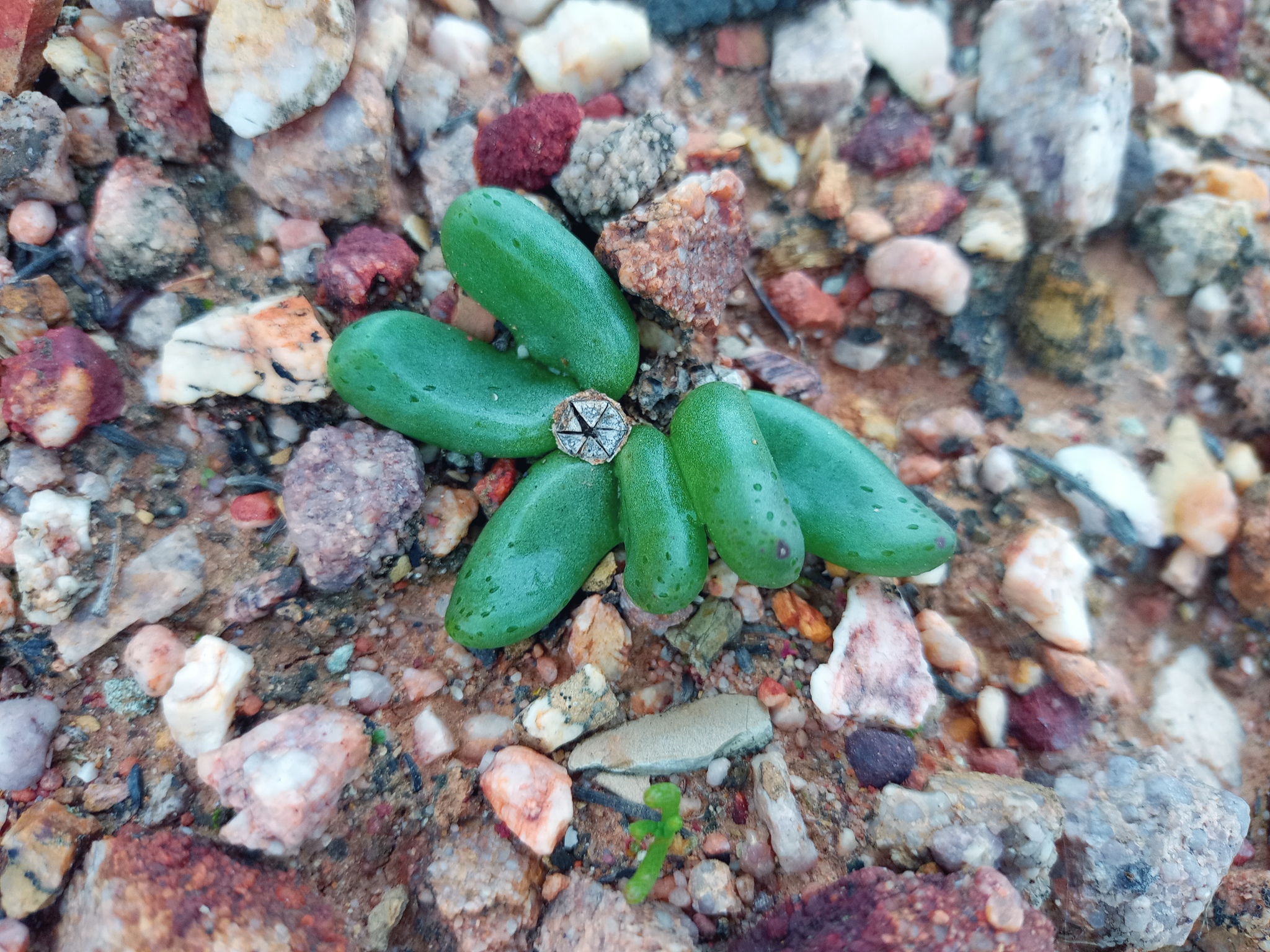
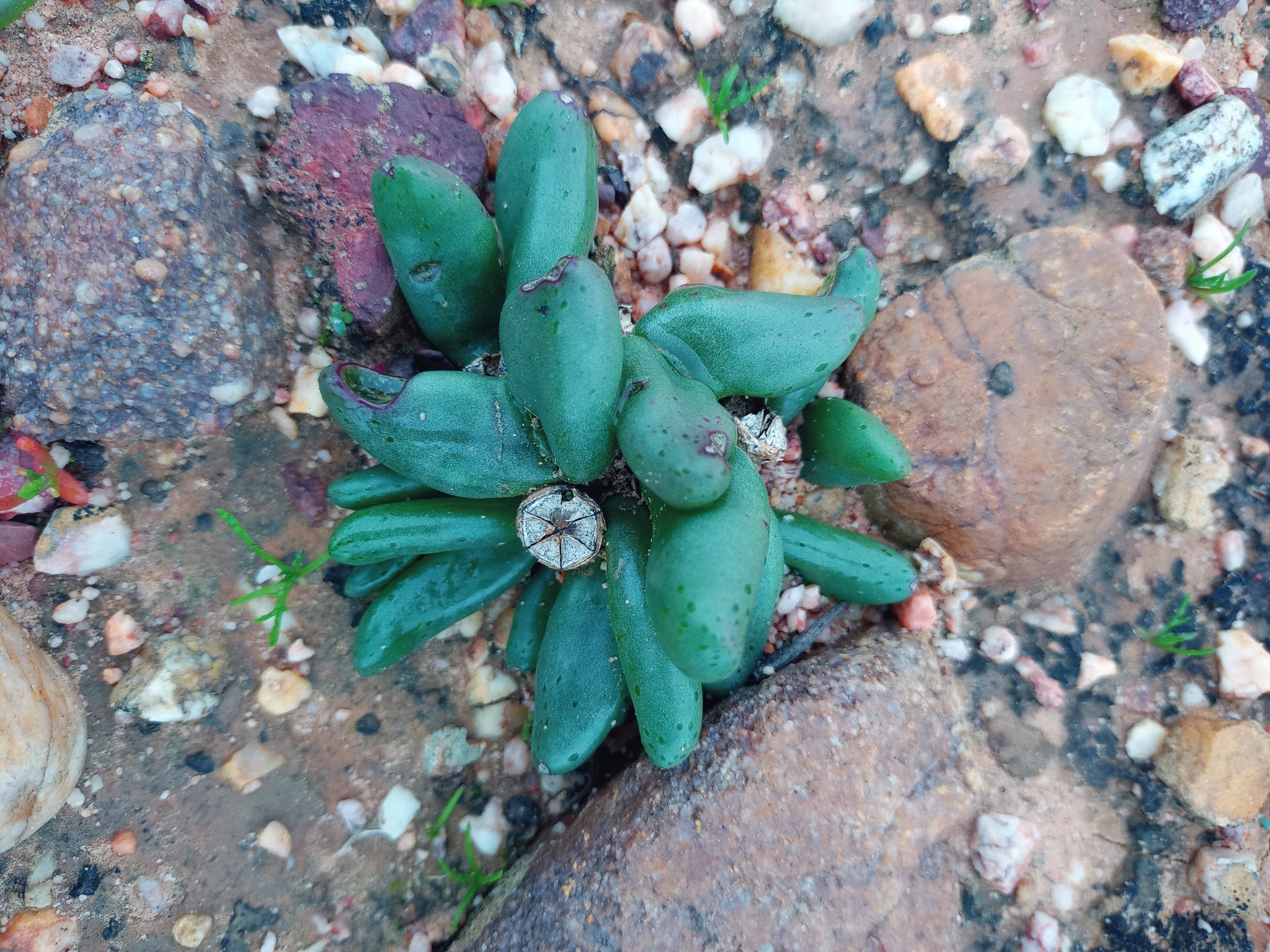
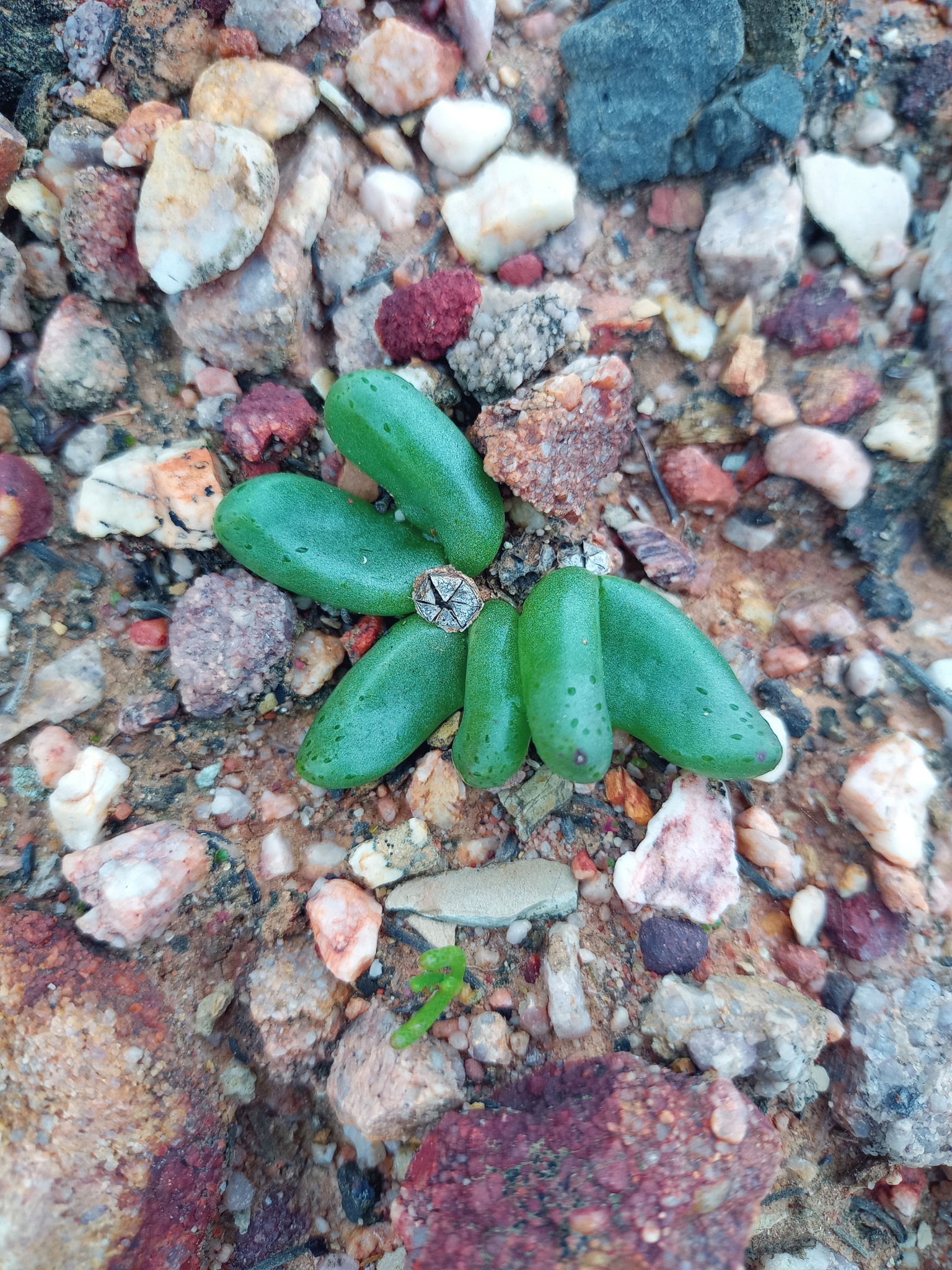
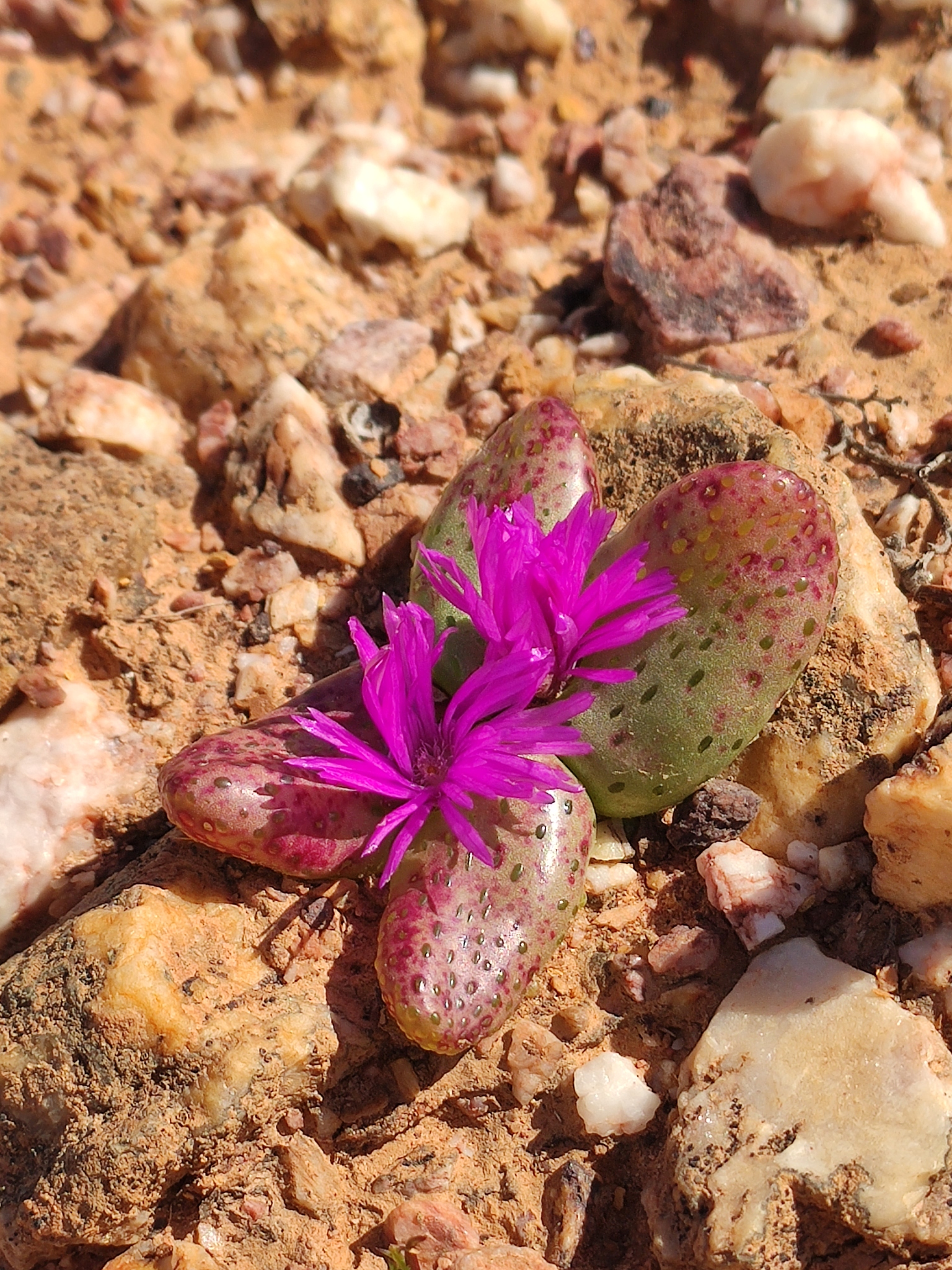
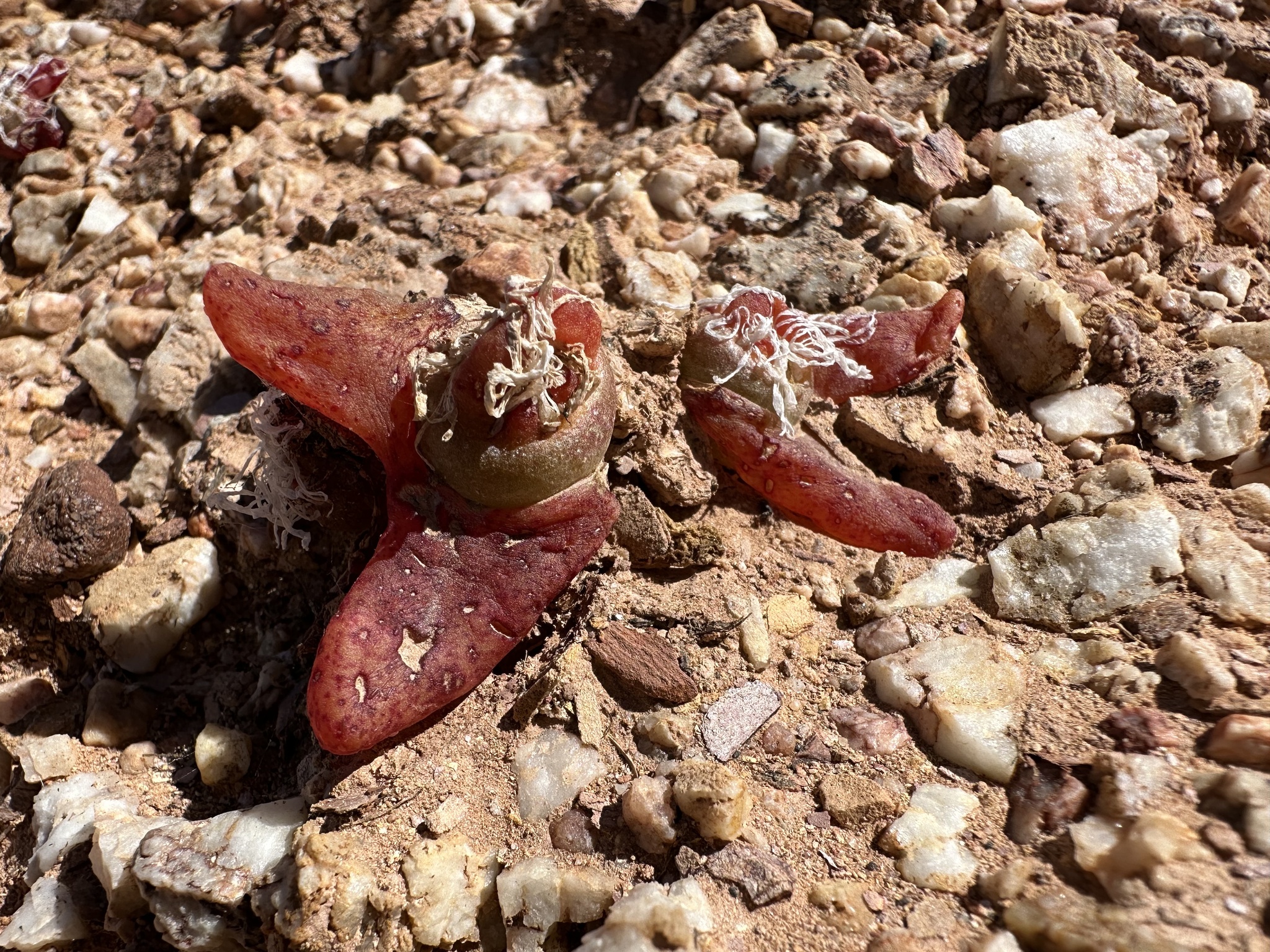
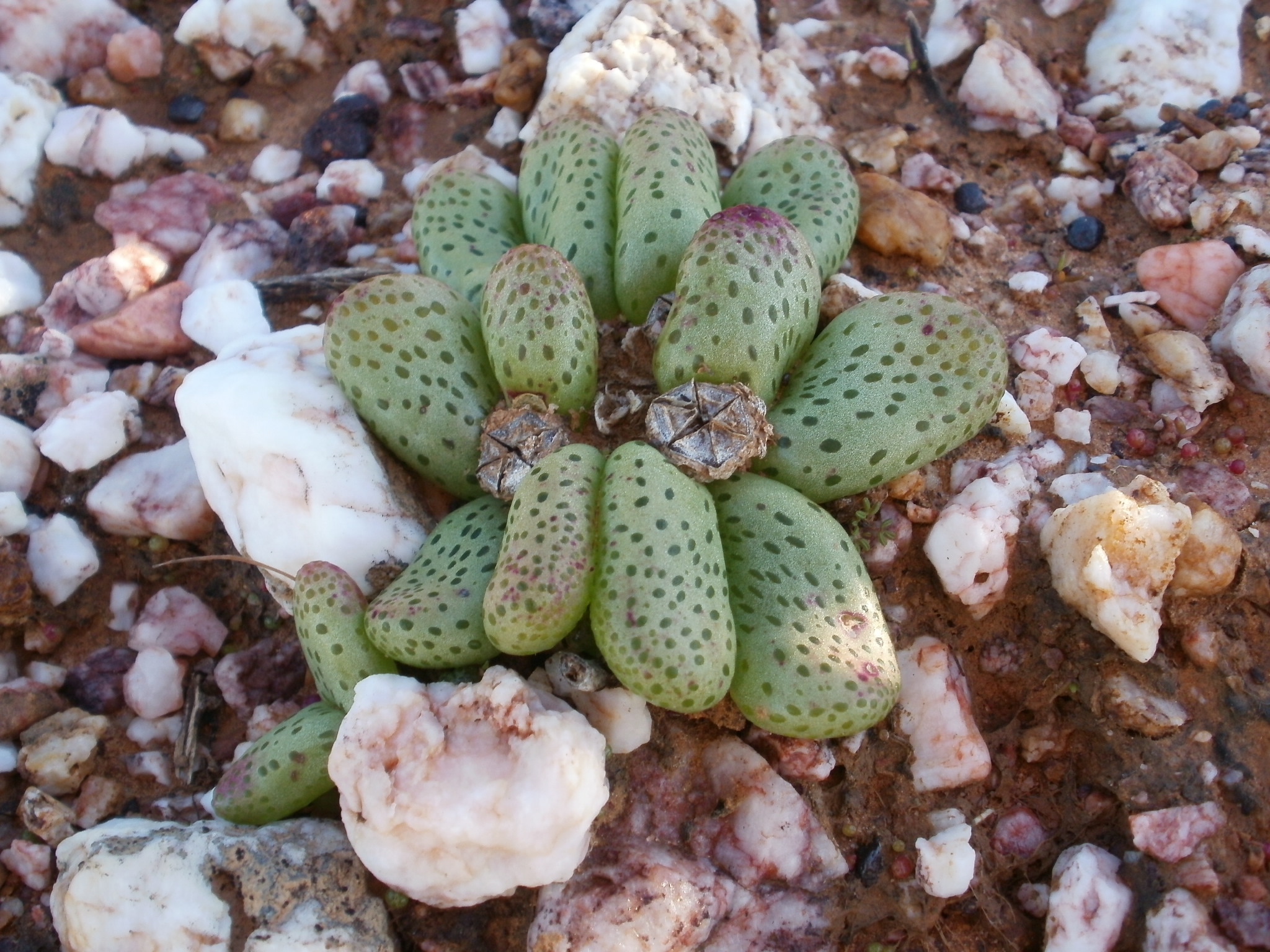
Tufted, stemless, deciduous perennial to 3 cm, with fibrous roots. Leaves paired, to 25 mm long, fused basally or up to half way on one side, soft, pulpy, with some hyaline dots. Flowers solitary, purplish, ±18 mm diam. Fruits 6- or 7-locular, without a tubercle. From: Klak, C. 2012. Aizoaceae: Diplosoma Schwantes. In: J Manning & P Goldblatt (eds), Plants of the Greater Cape Floristic Region 1: The Core Cape flora. Strelitzia 29: 275-275. South African National Biodiversity Institute, Pretoria. [CC BY]
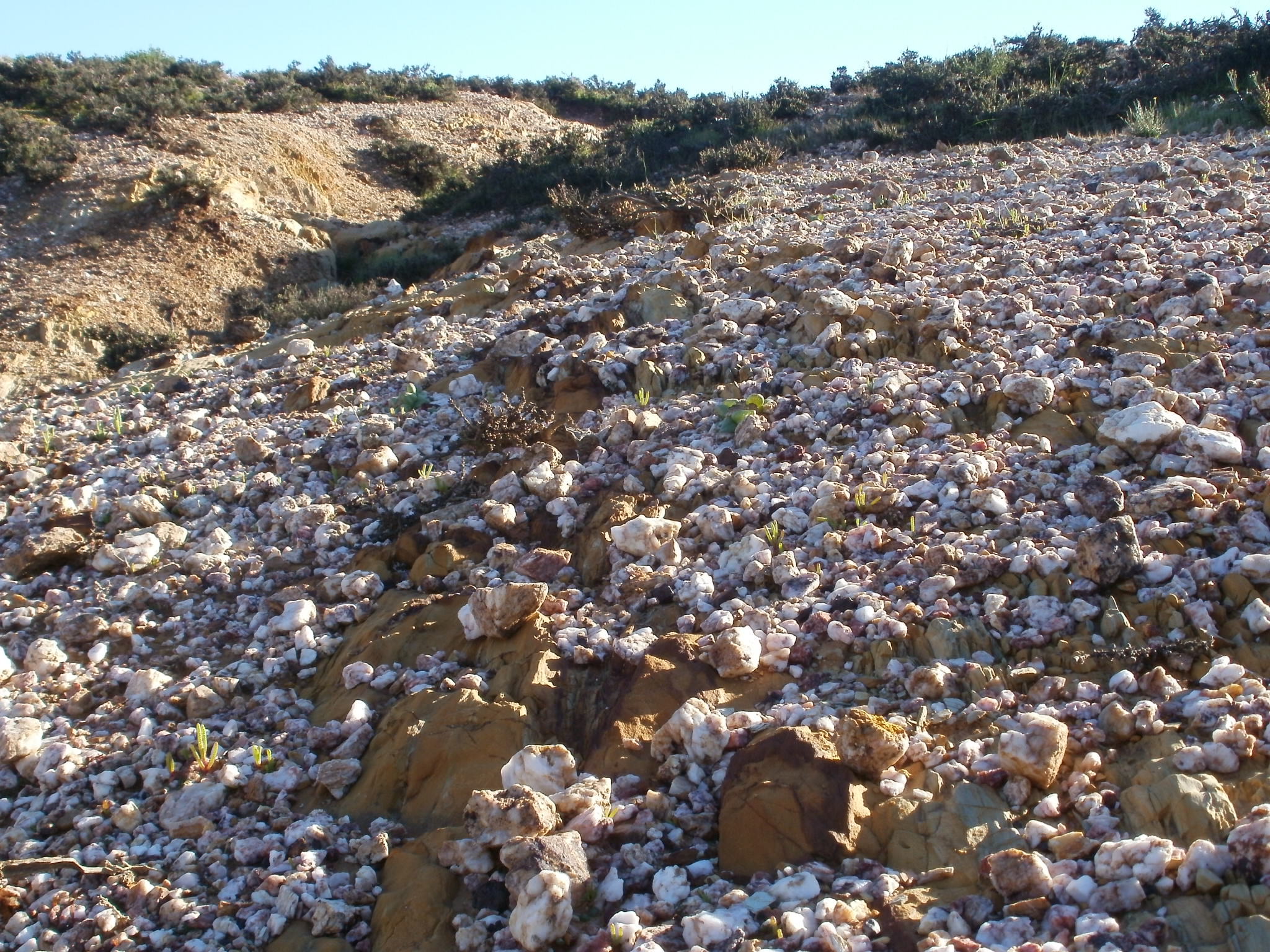
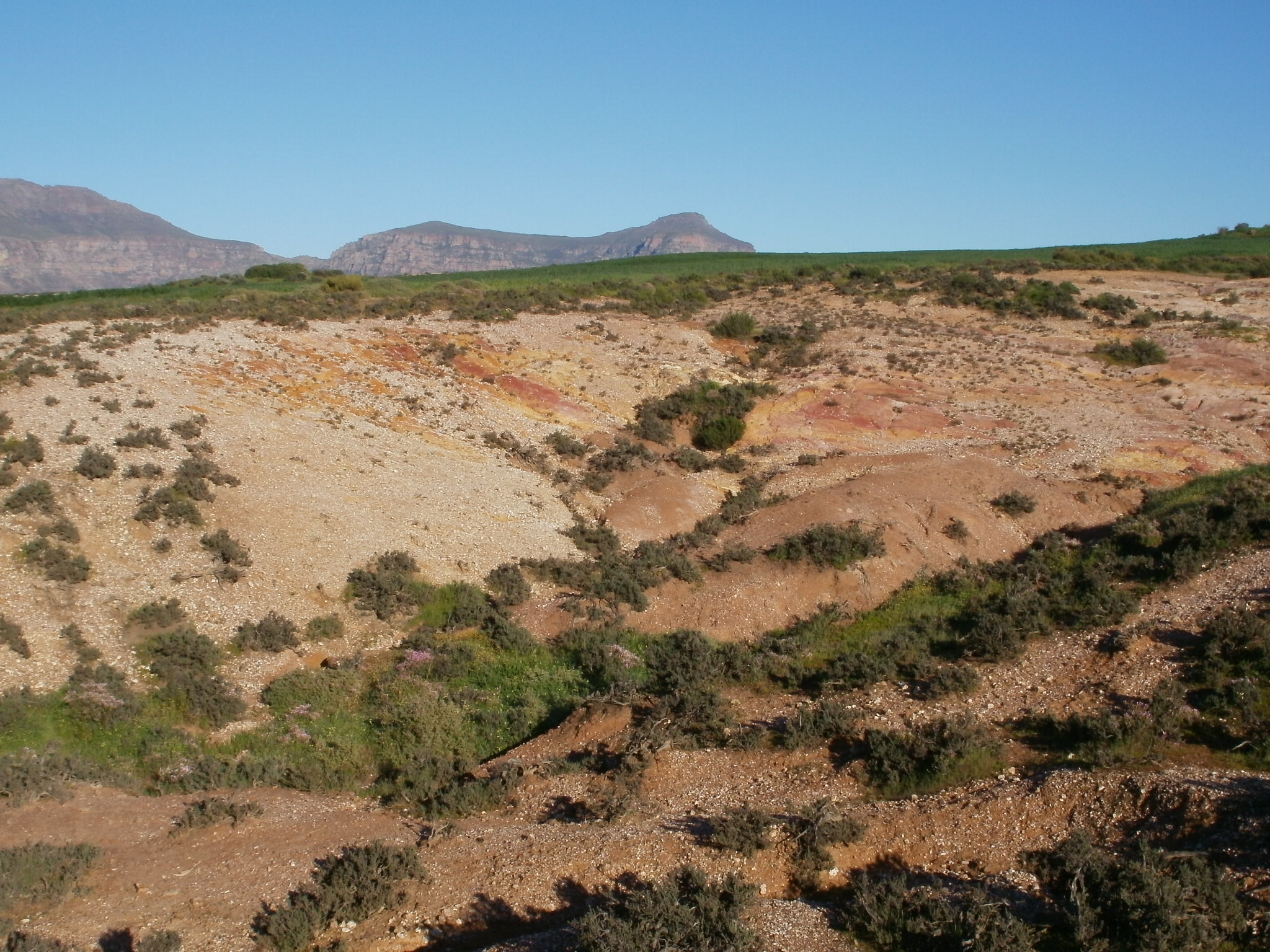
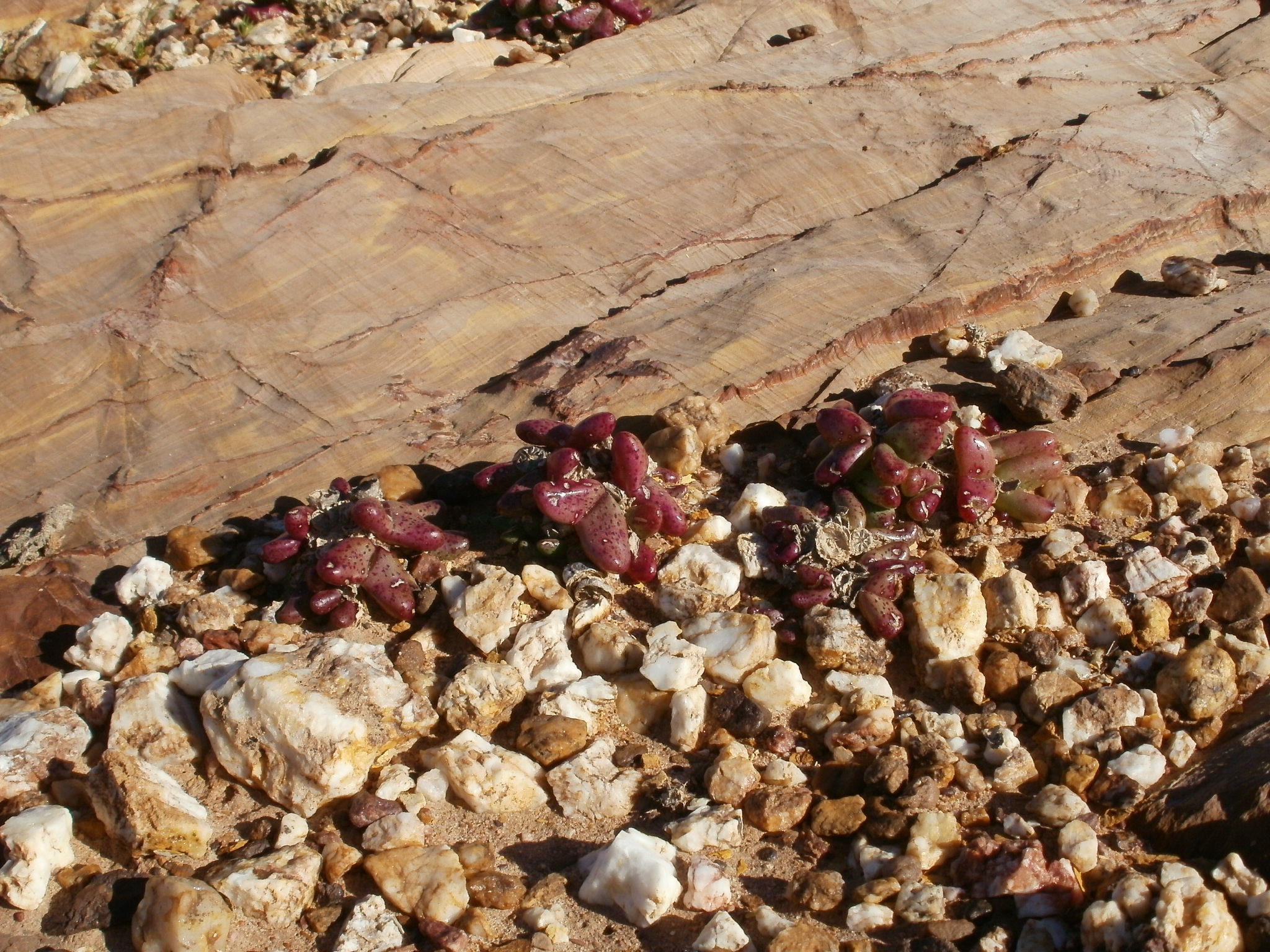
Quartzitic gravel over clay. From: Klak, C. 2012. Aizoaceae: Diplosoma Schwantes. In: J Manning & P Goldblatt (eds), Plants of the Greater Cape Floristic Region 1: The Core Cape flora. Strelitzia 29: 275-275. South African National Biodiversity Institute, Pretoria. [CC BY]
Eendekuil to Piekenierskloof. From: Klak, C. 2012. Aizoaceae: Diplosoma Schwantes. In: J Manning & P Goldblatt (eds), Plants of the Greater Cape Floristic Region 1: The Core Cape flora. Strelitzia 29: 275-275. South African National Biodiversity Institute, Pretoria. [CC BY]
September
300 to 450 m
This map contains point-based occurrences at different locations
 This is a sensitive species therefore data has been redacted, click here to login.
Occurrence in the Flora of Southern Africa (FSA) countries and South African provinces. Residence status indicates if a taxon is indigenous, endemic, naturalised or invasive in a specific region. This data is based on specimen records and literature
FSA
SA
BOT
NAM
ESW
LES
WC
EC
NC
FS
GA
KZN
LP
MP
NW
Absent
Indigenous
Endemic
Naturalised
Invasive


Names and Sources
Published in: Z. Sukkulentenk. 2: 179 (1926)
Mitrophyllum nanum N.E.Br.
Diplosoma leipoldtii L.Bolus
Published in: S. African Gard. 17: 239 (1927)
Type: South Africa, Cape Province, Pquetberg Div., between Eendekuil and Grey's Pass, C.L. Leipoldt NBG 1709/25 (NBG, holo.)
Classification
KINGDOM Plantae
SUBKINGDOM Phanerogamae
PHYLUM Anthophyta
ORDER Caryophyllales
FAMILY Aizoaceae
SUBFAMILY Ruschioideae
TRIBE Ruschieae
GENUS Diplosoma
SPECIES retroversum
13 results for Diplosoma retroversum (Kensit) Schwantes
Barcode: PRE0761876-0 Collector(s) & number: Burgoyne, PM, 10575 | 2006-9-19
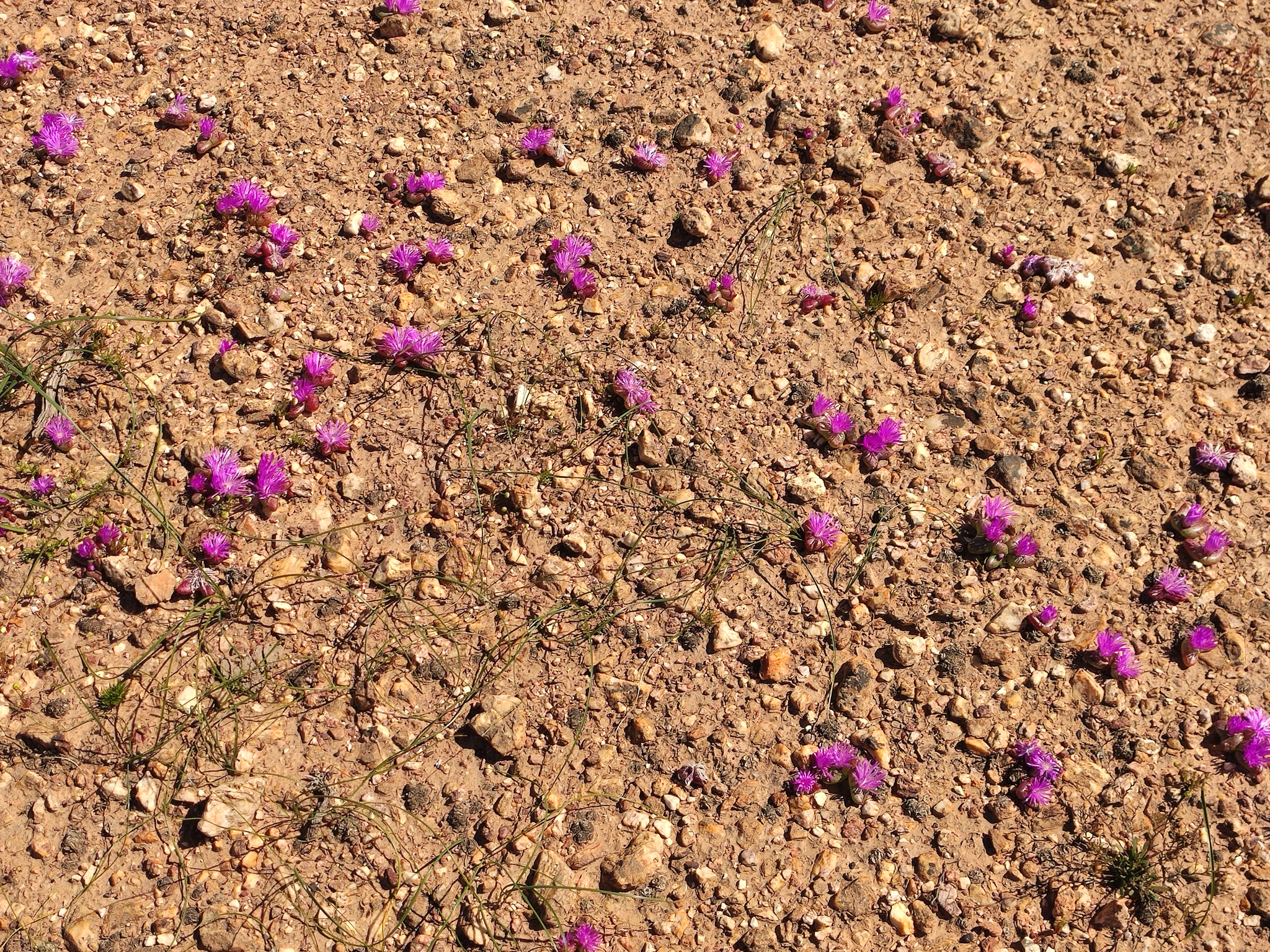
General notes: Lower mountain slope. Shale overlain by quartz pebbles. Slope: moderate. Height: ± 1-4 cm. Low clumps comprising up to 8 leaves - leaves tinged red at this time of year. Flowers bright to pale pink with white centre; area of 30 x 80 m with 98 plants per m².
Data Resource: BODATSA View record
Barcode: NBG0274337-0 Collector(s) & number: Buys, MH, 1230 | 2006-9-19
Data Resource: BODATSA View record
Barcode: NBG0196507-0 Collector(s) & number: Helme, NA, 2788 | 2002-9-6
Data Resource: BODATSA View record
This map contains point-based occurrences at different locations
This is a sensitive species therefore data has been redacted, click here to login.
2012
SERIES CHAPTER
Aizoaceae: Diplosoma Schwantes Klak, CIn: J Manning & P Goldblatt (eds), Plants of the Greater Cape Floristic Region 1: The Core Cape flora. Strelitzia 29: 275-275
South African National Biodiversity Institute, Pretoria
2001
2001
BOOK
Illustrated handbook of succulent plants: Aizoaceae F-Z Hartmann, HEKO1978
PERIODICAL/JOURNAL
Hartmann, HEKO; Ihlenfeldt, H-D; Poppendieck, H-HMitteilungen aus dem Institut für allgemeine Botanik in Hamburg 16:
1928
No results found for Diplosoma retroversum (Kensit) Schwantes
Status and criteria
EN
Assessor(s)
Plantae Coordinator
JOURNAL ARTICLE
Bauer H, van Der Merwe S. 2004. Inventory of free-ranging lions <i>Panthera leo</i> in Africa. Oryx. 38:26-31
JOURNAL ARTICLE
Björklund M. 2003. The risk of inbreeding due to habitat loss in the lion (<i>Panthera leo</i>). Conservation Genetics. 4:515-523
REPORT
CITES Scientific Authority South Africa. 2013. Information collated by the South African CITES Scientific Authority in response to a proposal to list African lion on the US Endangered Species Act.. South African National Biodiversity Institute
JOURNAL ARTICLE
Di Minin E, Fraser I, Slotow R, MacMillan DC. 2012. Understanding heterogeneous preference of tourists for big game species: implications for conservation and management. Animal Conservation. 16:249-258
JOURNAL ARTICLE
Di Minin E, Hunter LT, Balme GA, Smith RJ, Goodman PS, Slotow R. 2013. Creating larger and better connected protected areas enhances the persistence of big game species in the Maputaland–Pondoland–Albany biodiversity hotspot.. PloS One. 8:e71788
JOURNAL ARTICLE
Druce D, Genis H, Braak J, Greatwood S, Delsink A, Kettles R, Hunter L, Slotow R. 2004. Population demography and spatial ecology of a reintroduced lion population in the Greater Makalali Conservancy, South Africa. Koedoe. 47:103-118
JOURNAL ARTICLE
Ferreira SM, Funston PJ. 2010. Estimating lion population variables: prey and disease effects in Kruger National Park, South Africa.. Wildlife Research. 37:194-206
REPORT
Funston PJ. 2001. Executive Summary of the Kalahari Transfrontier Lion Project.. Endangered Wildlife Trust
| Part(s) of plant used | Use(s) | Reference |
|---|
Coming soon...


