
PLANTAE / PHANEROGAMAE / ANTHOPHYTA / ASTERALES / LOBELIACEAE / LOBELIEAE / LOBELIA / LAXA

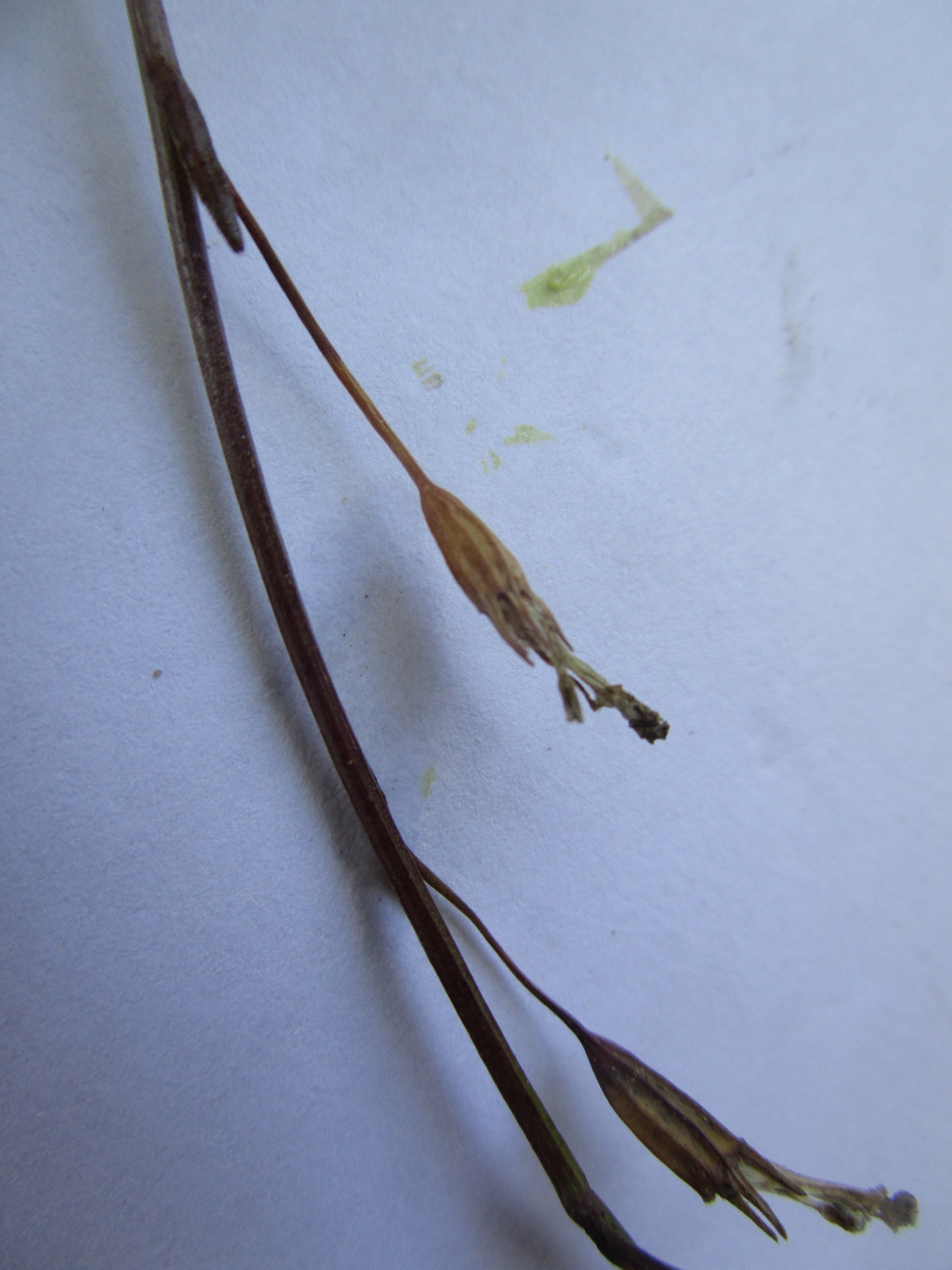
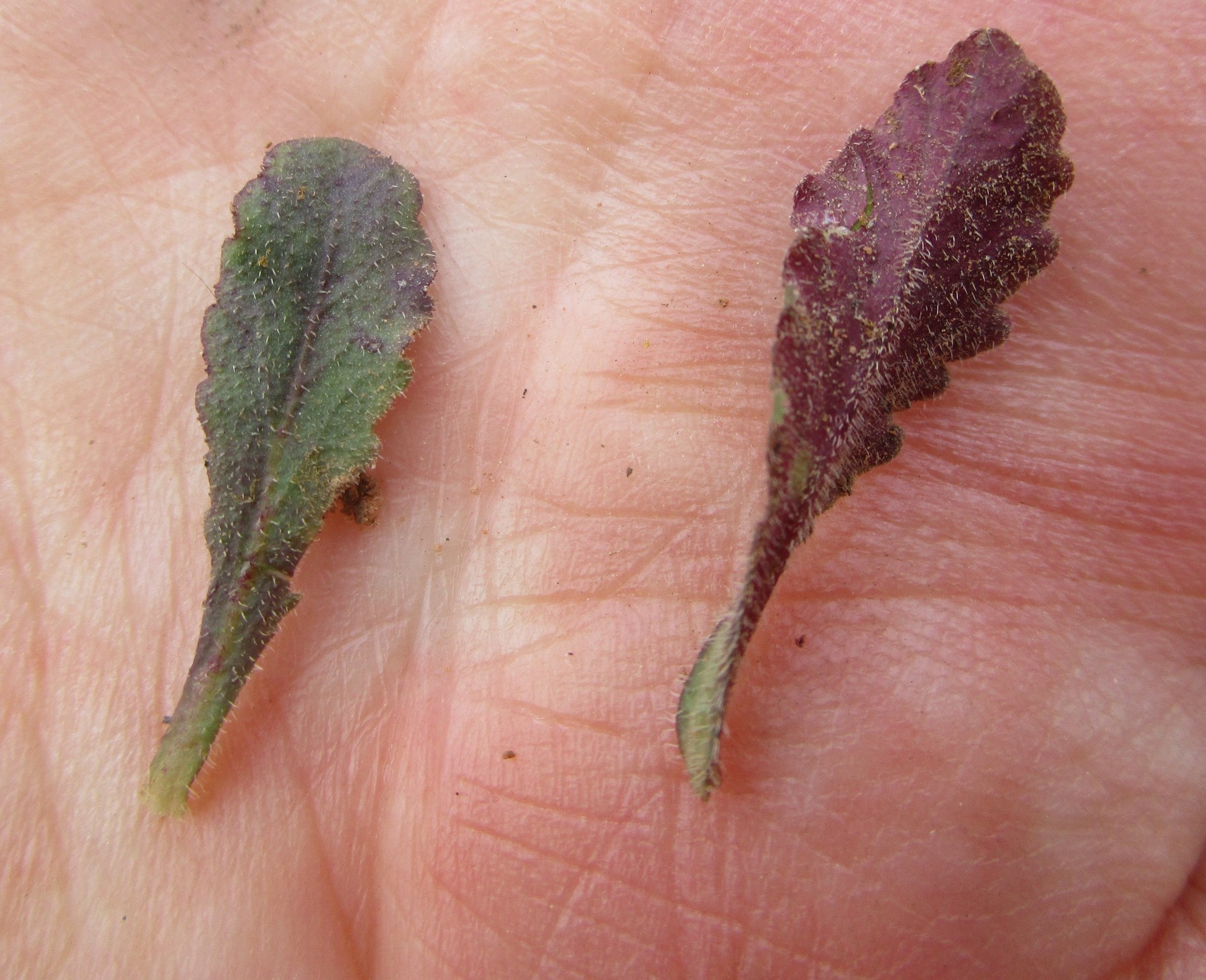
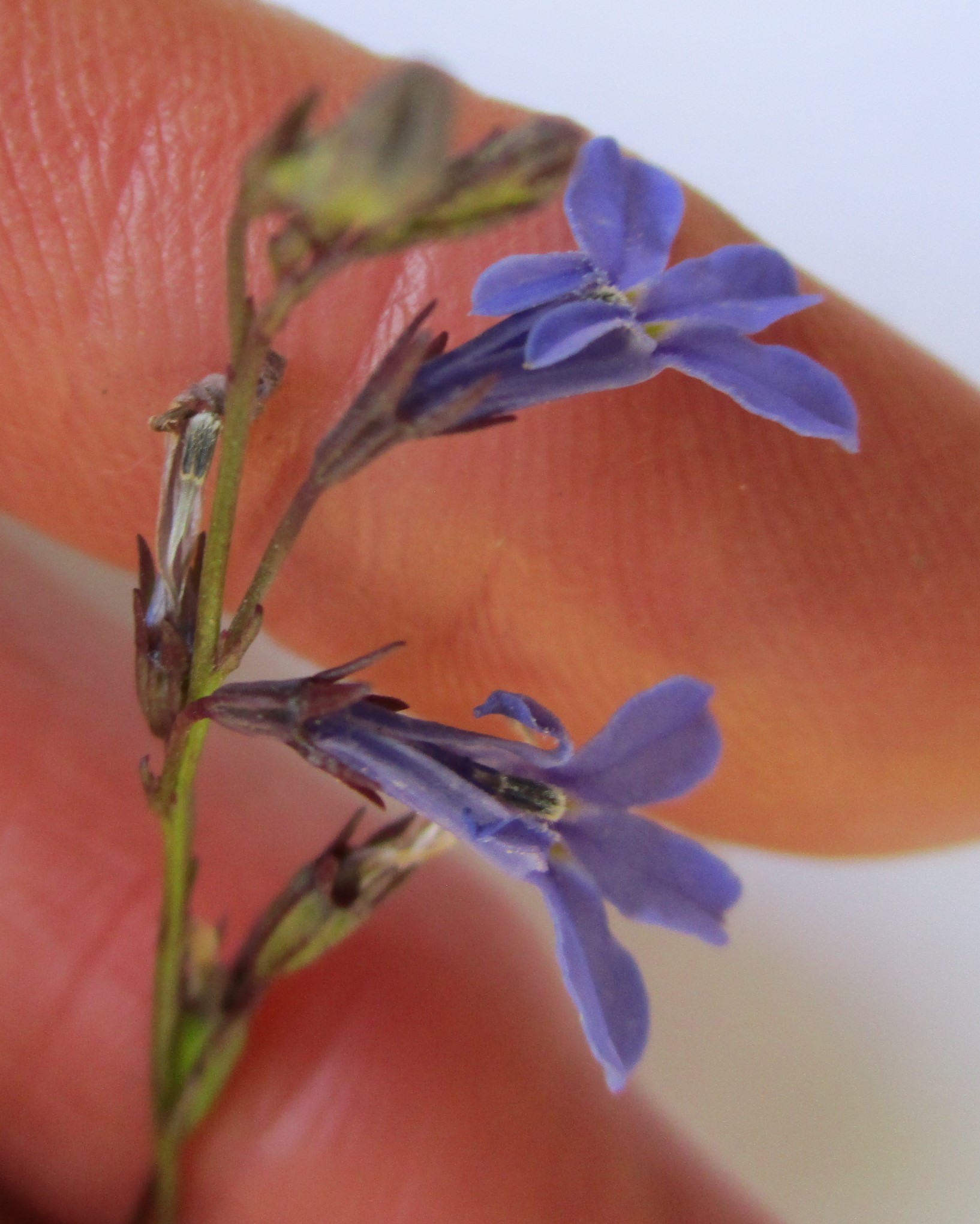
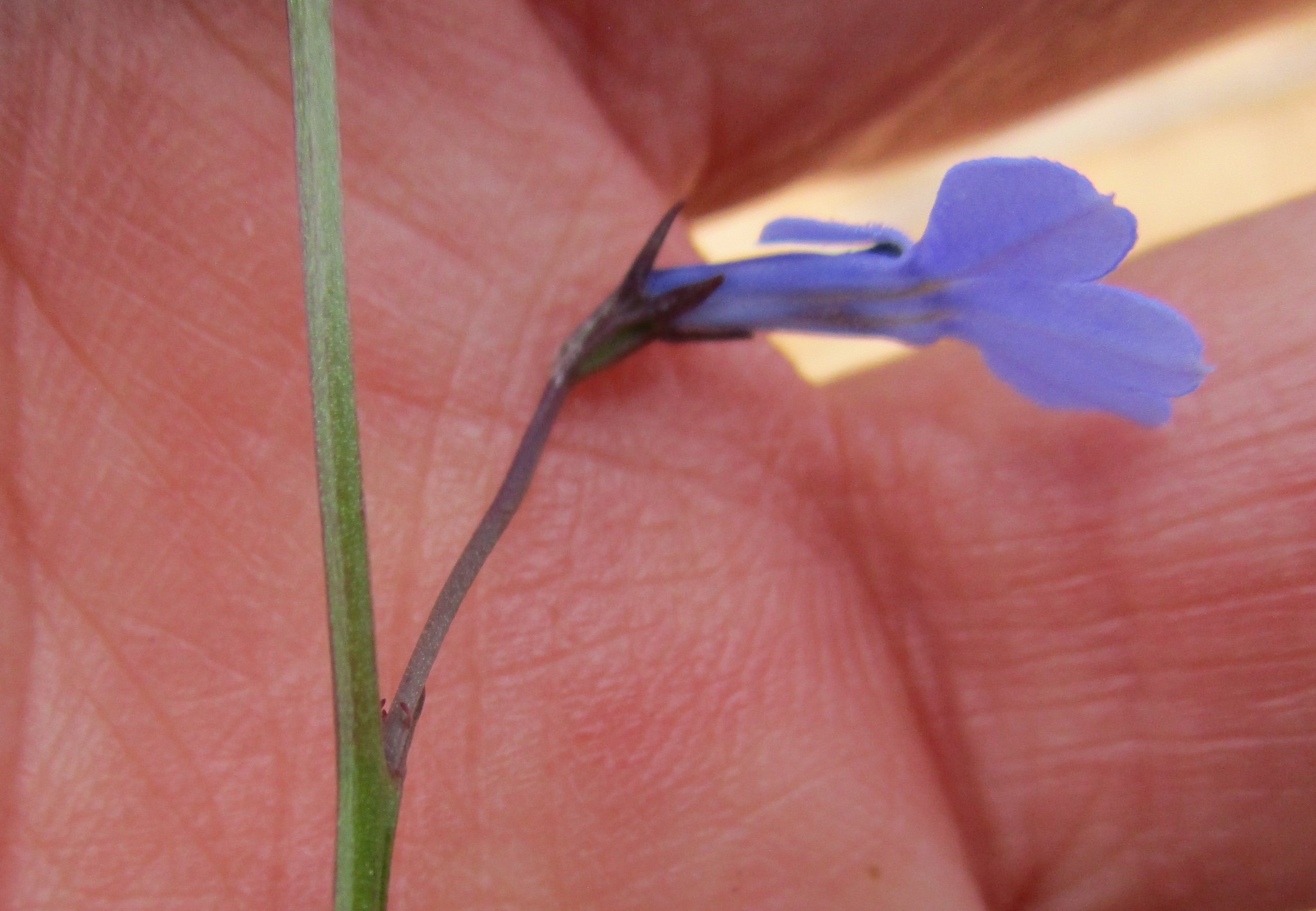
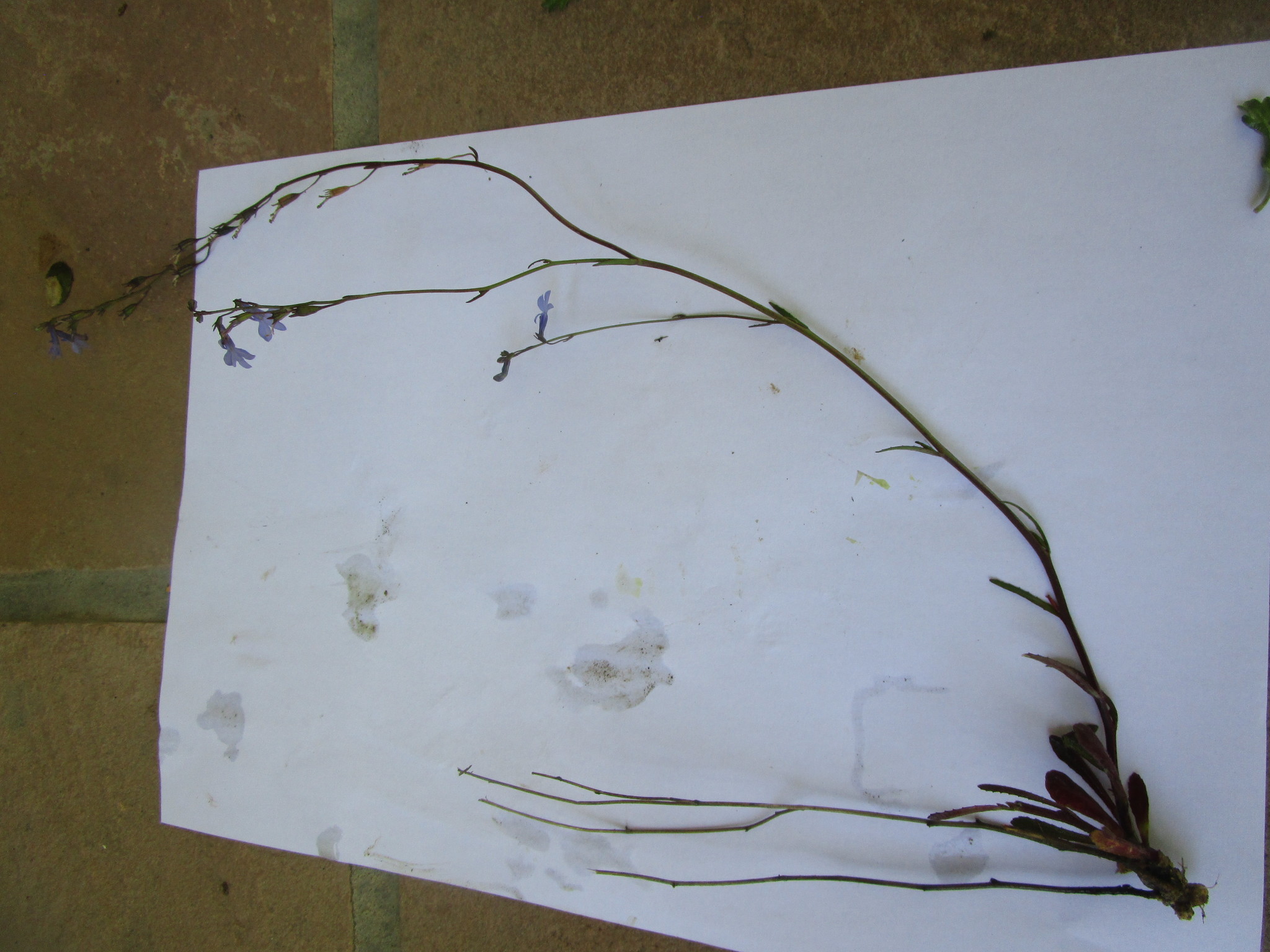
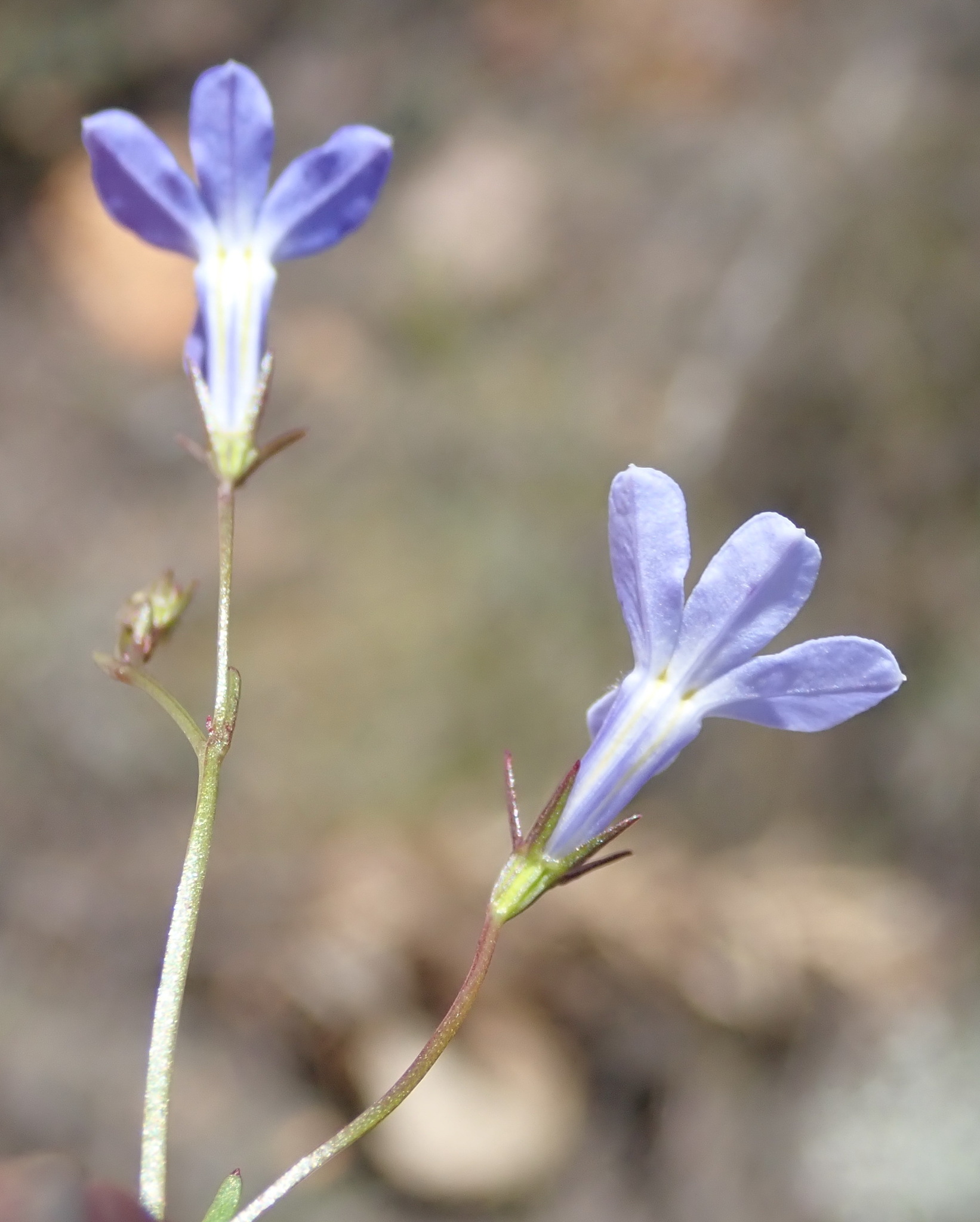
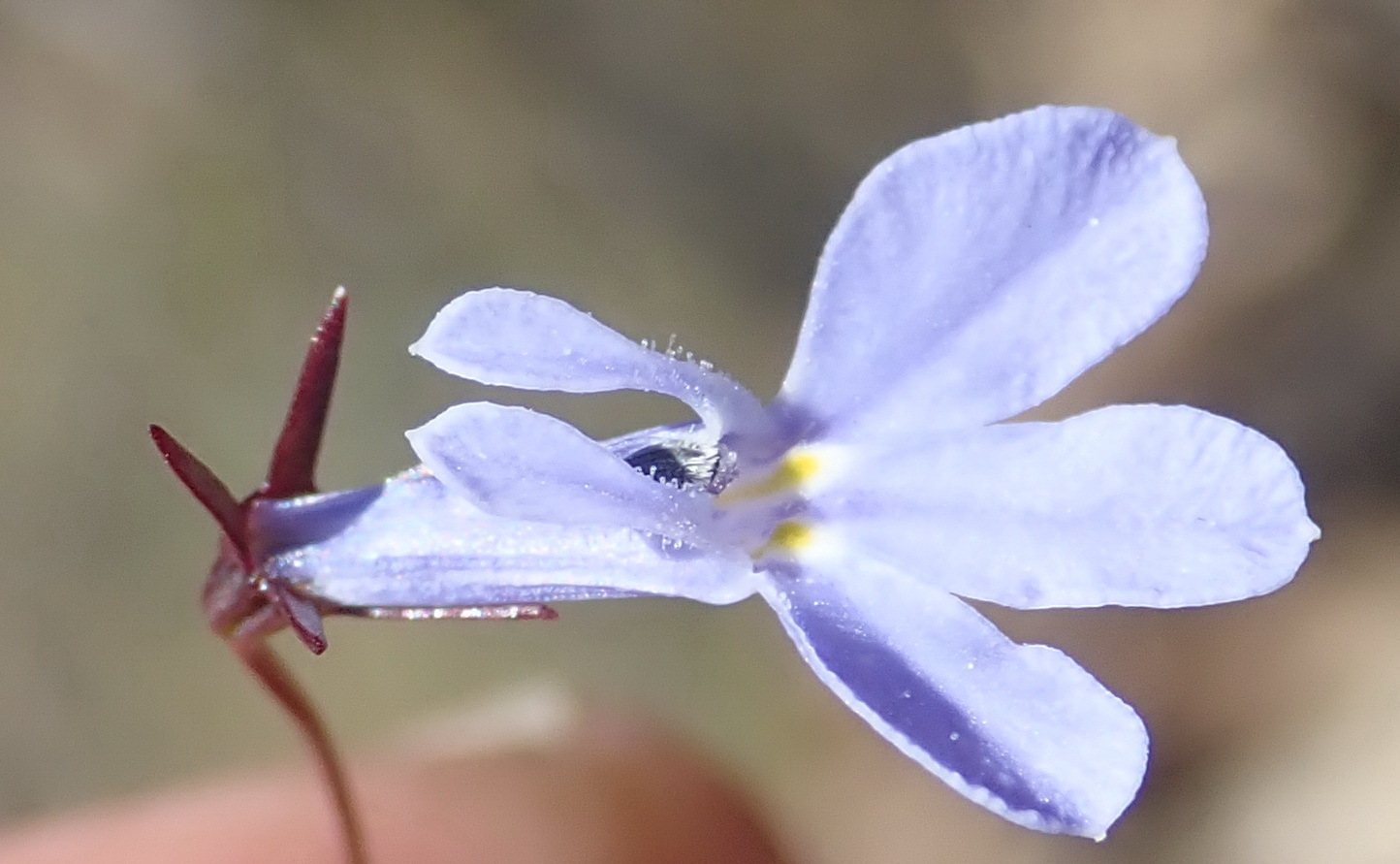
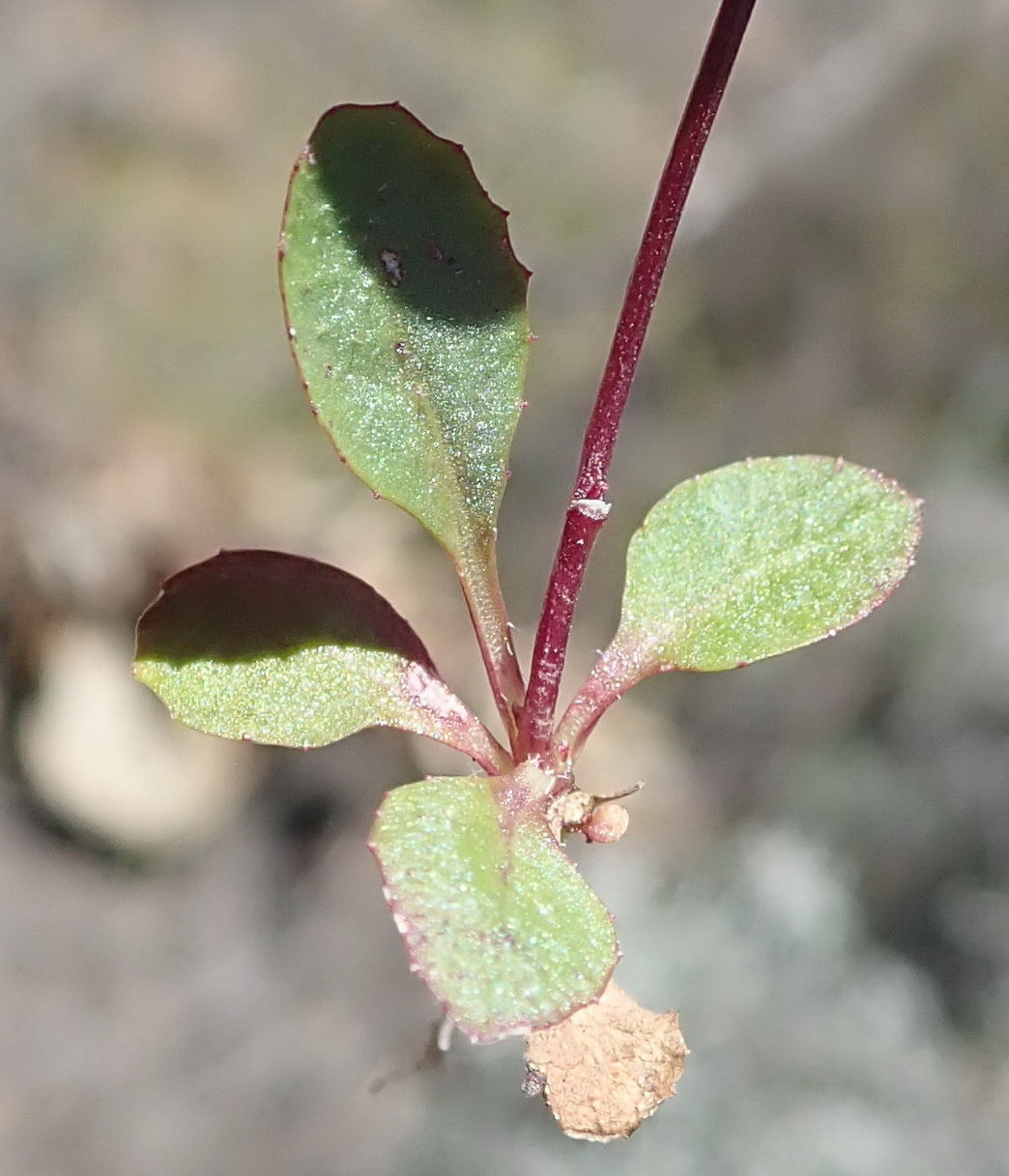
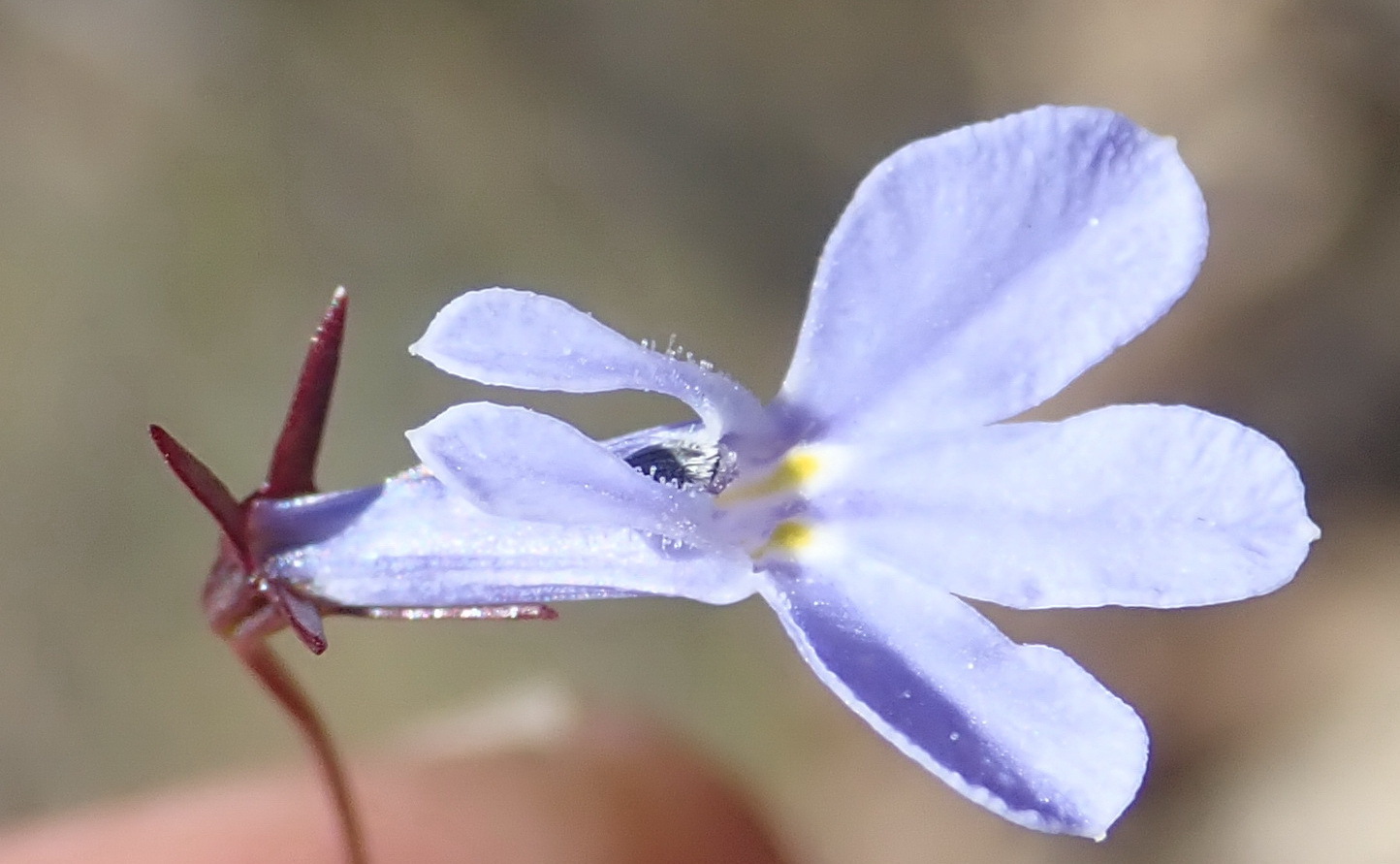
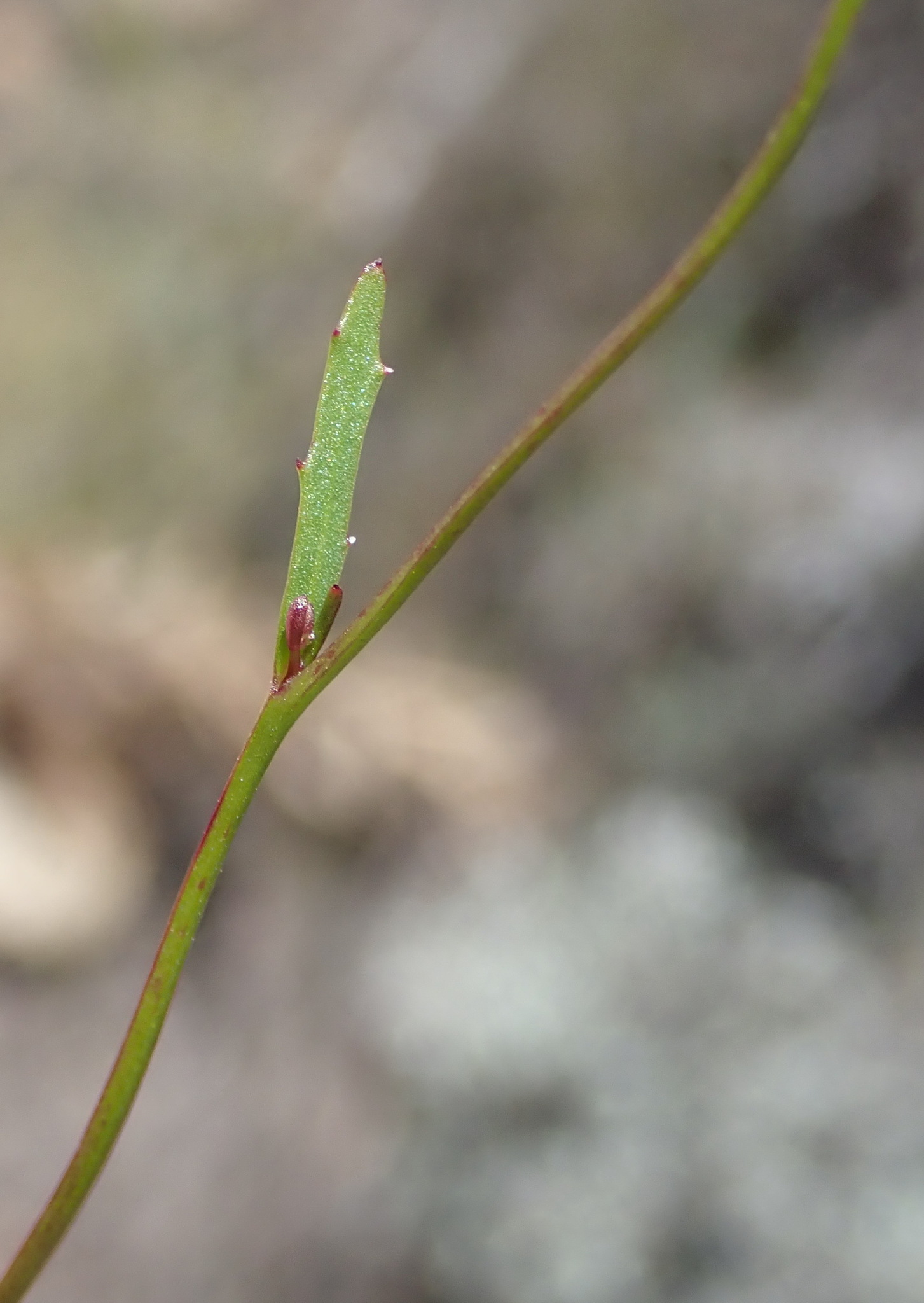
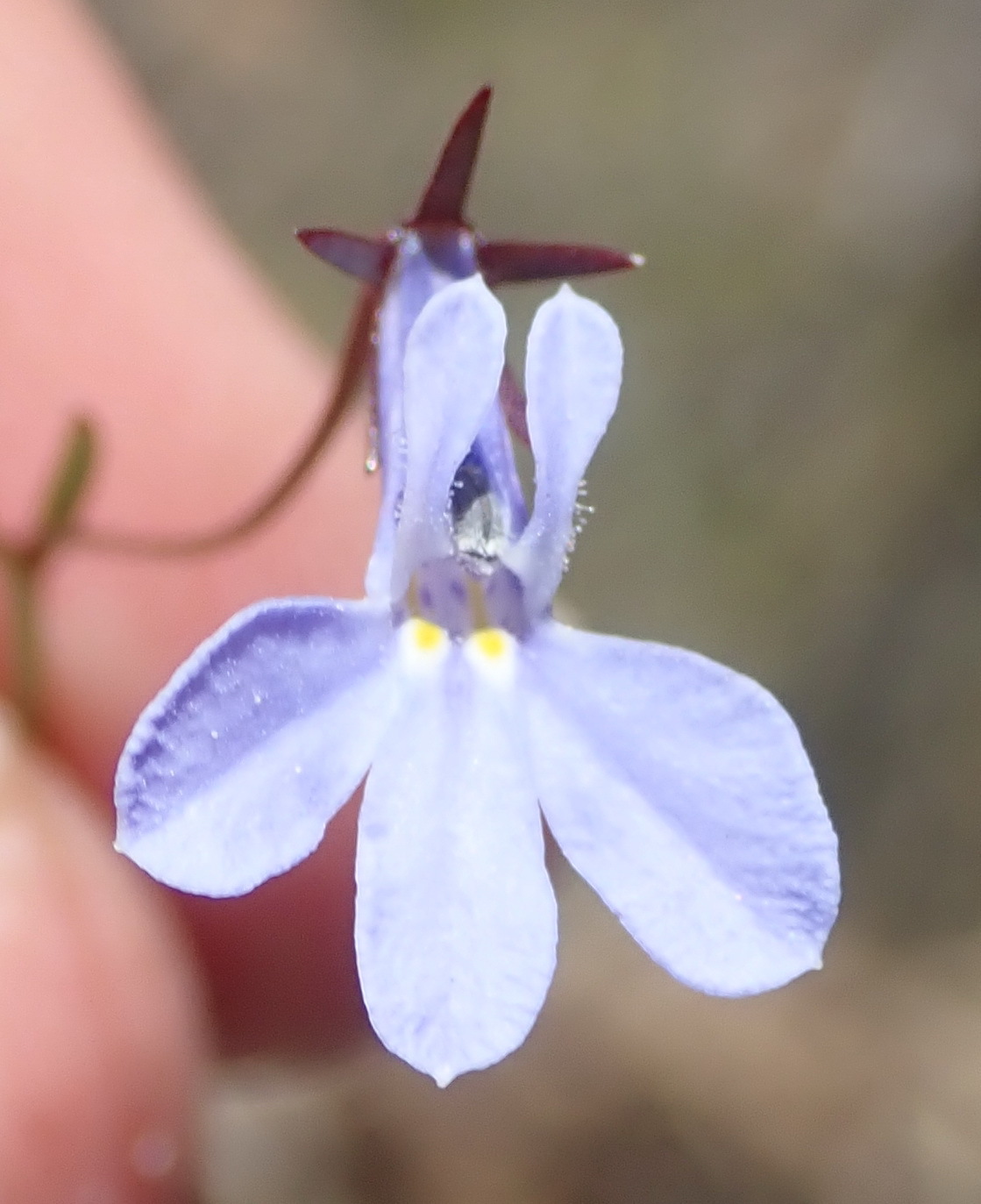
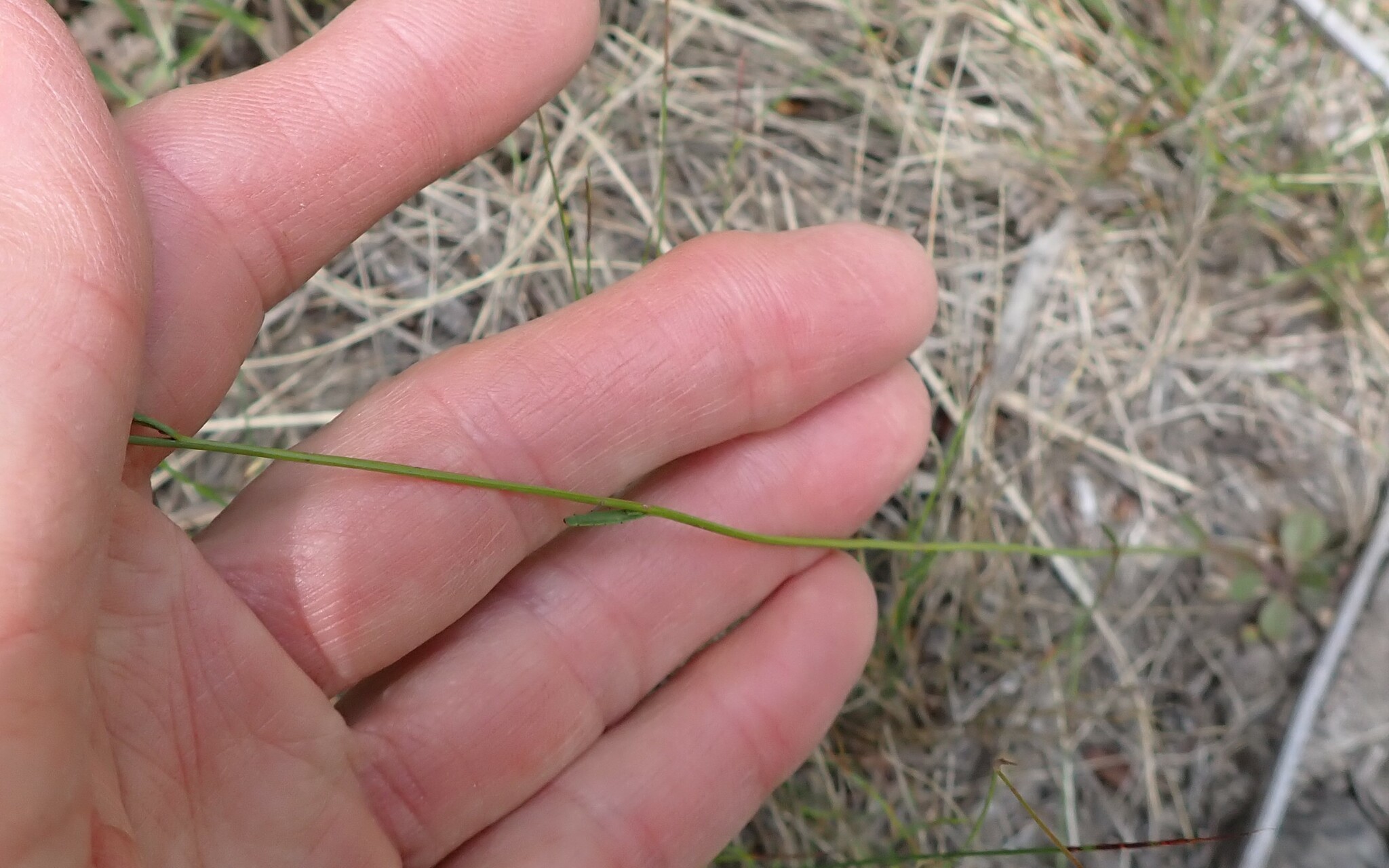
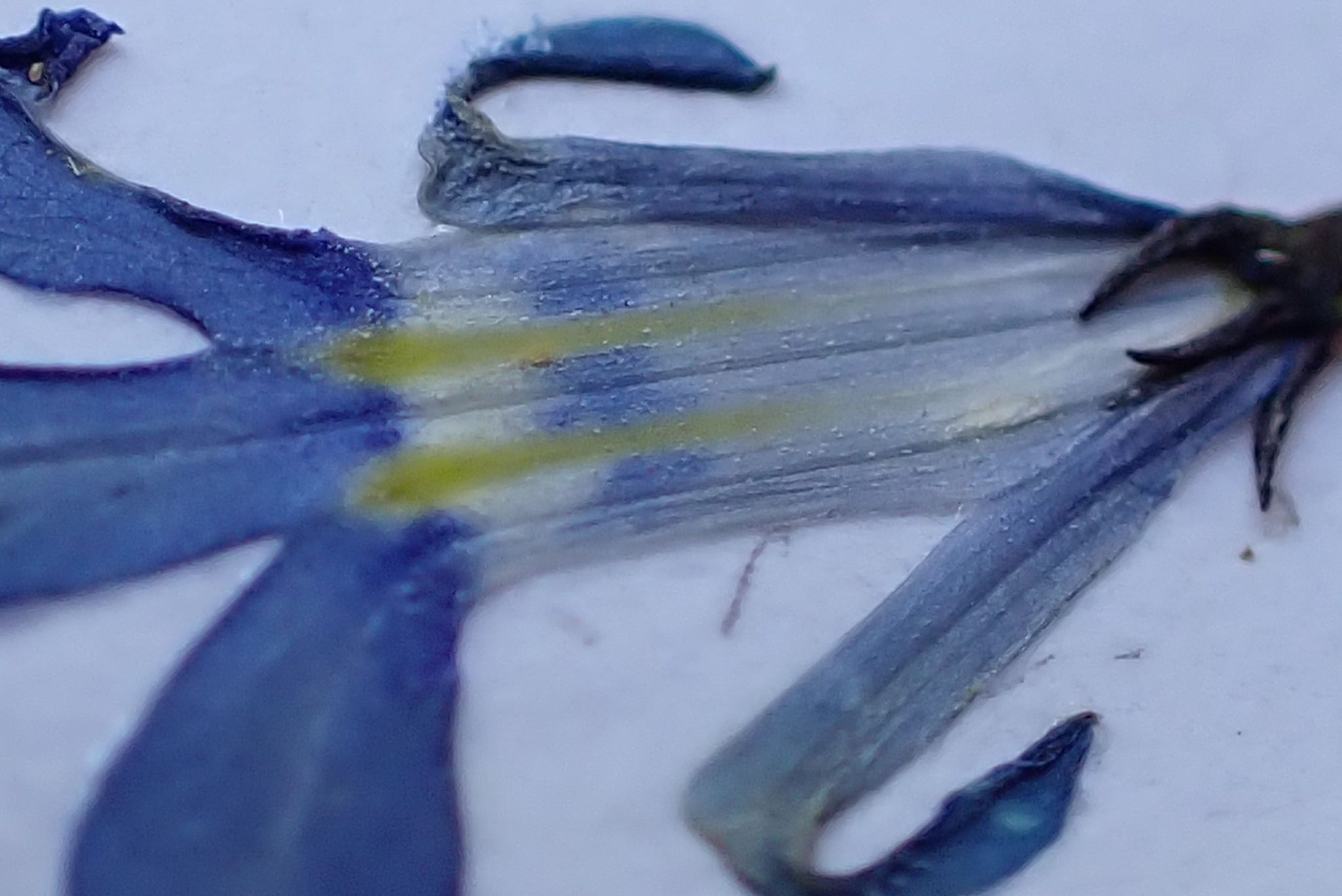
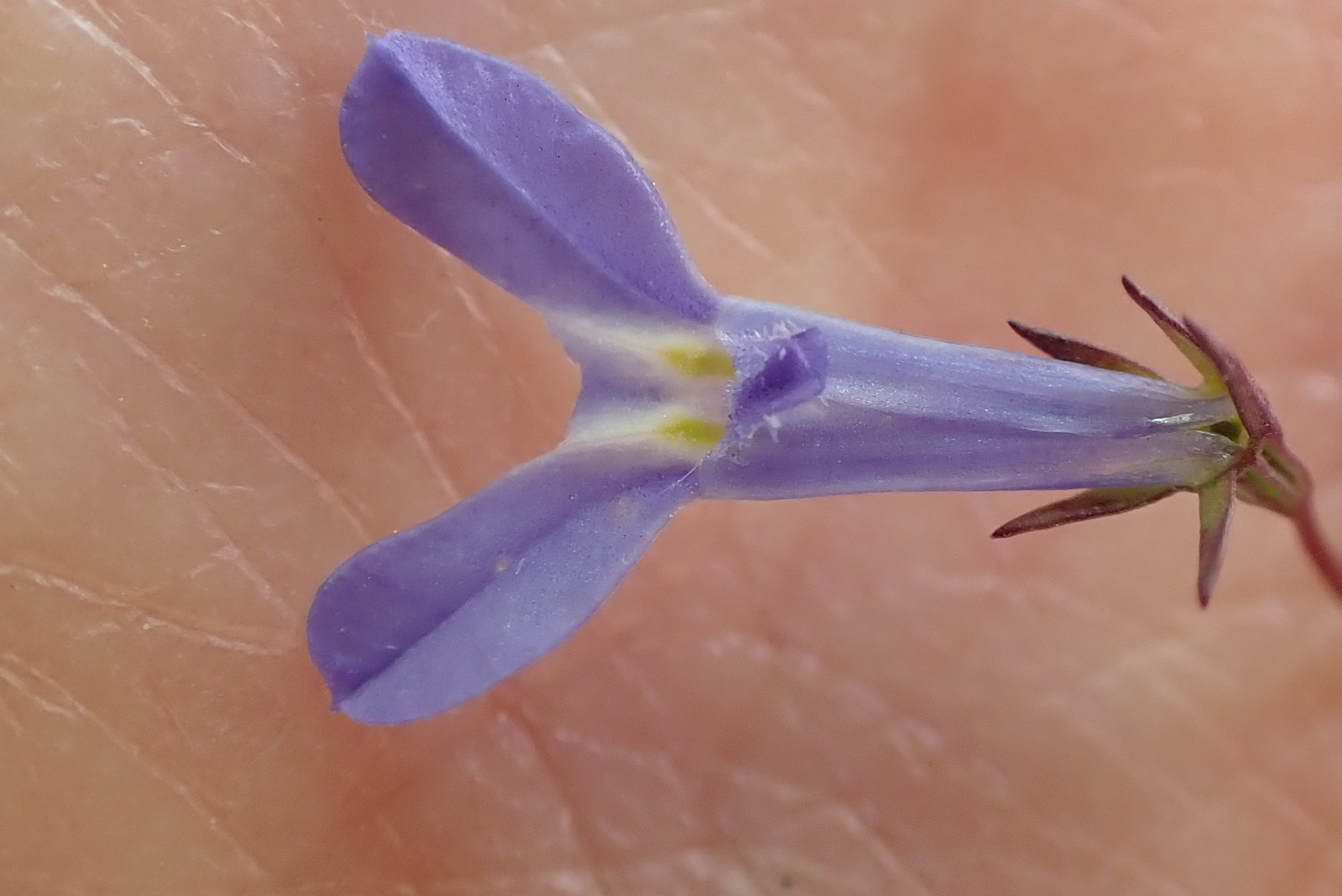
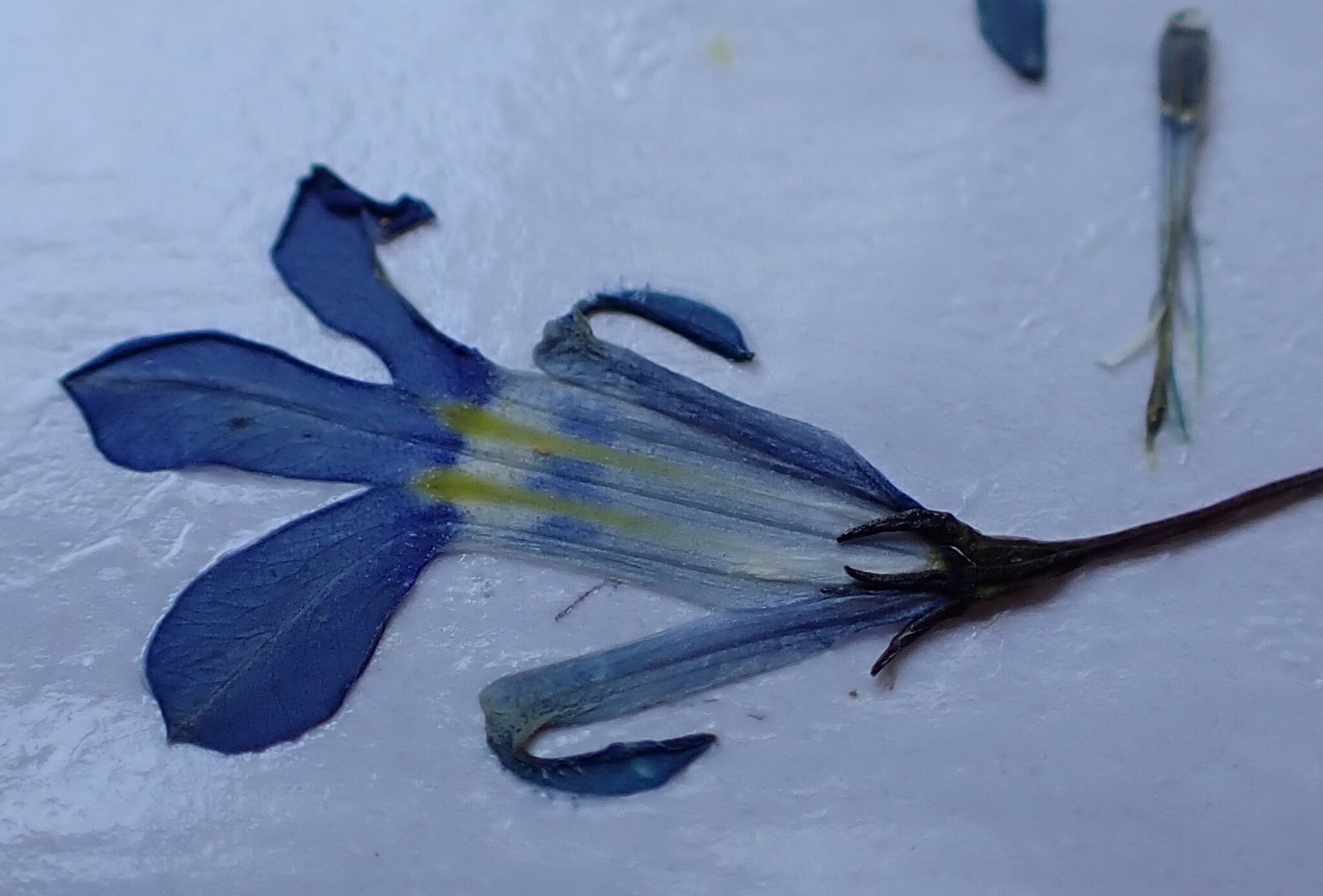
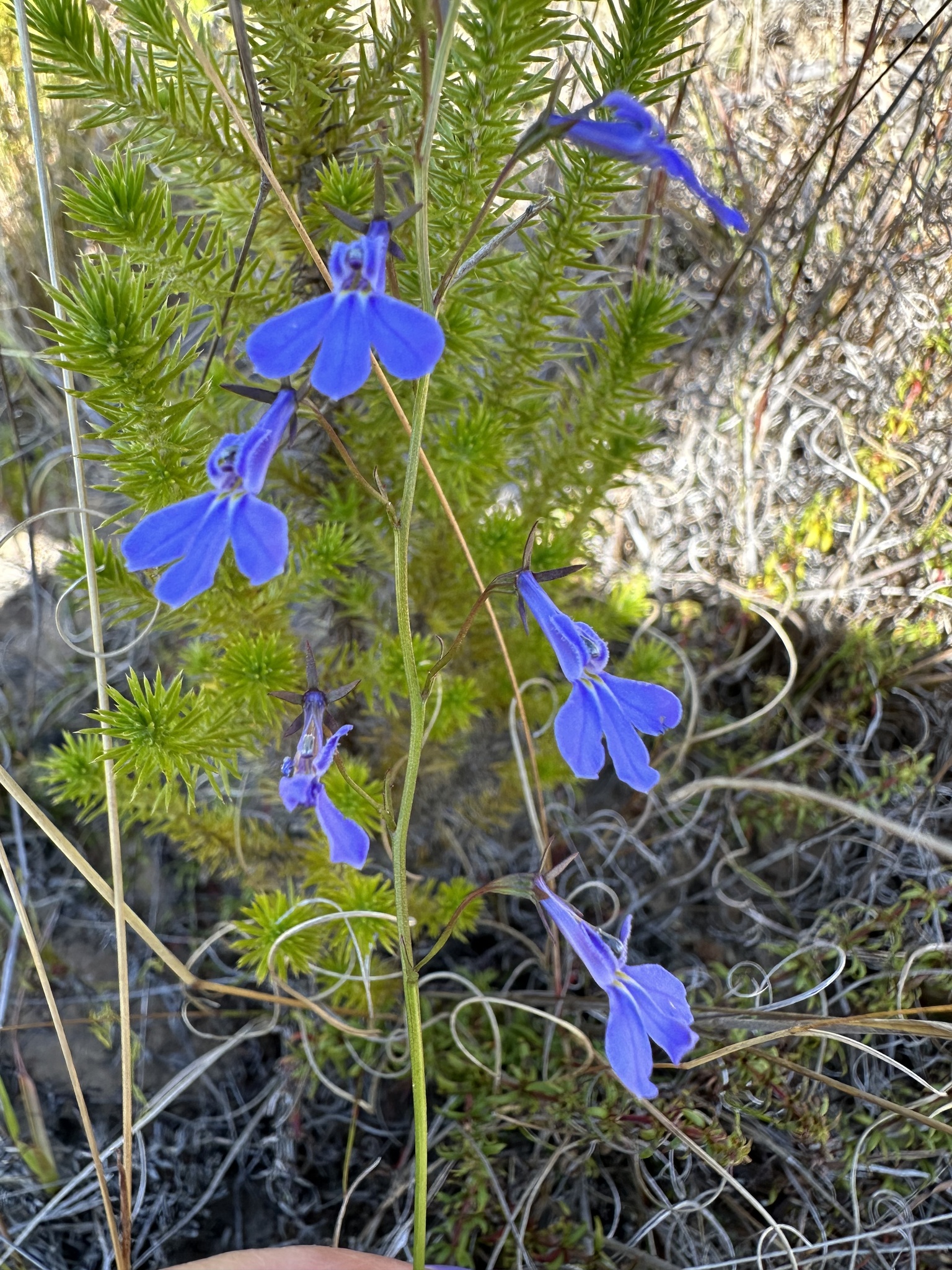
Herba glaberrima, caule erecto, nudo vel subfoliato, 30-40 cm longo. Folia plurima rosulata, spathulata vel obovato-oblonga, apice rotundata vel obtusa, 2-5 cm longa et 1-2 cm lata, folia caulina lanceolata vel oblanceolata vel linearia, 3-6 cm longa et 0.2-0.8 cm lata, omnia in petiolum 5-15 mm longum attenuata, margine obsolete crenata vel dentata vel obtusiusculo-dentata. Flores in racemo laxo, secundo, 5-11-floro. Bracteae lineares, 2-3 mm longae. Pedicelli 6-18 mm longi, demum ad 35 mm elongati, ebracteolati, arrecti, validiores quam illi Lobeliae nudae, quae nostrae proxima. Tubus calycis oblongo-obconicus, lobi subulati, integri, subpatentes, 3 mm longi. Corolla coerulea, 11-13 mm longa, lobi superiores sublineares, inferiores obovato-oblongi. Filamenta 3 mm longa, glabra. Antherae striatae, ca. 2 mm longae. Capsula oblonga, 6 mm longa. From: Wimmer, FE. 1953. Campanulaceae-Lobelioideae II. In: A Engler, L Diels, H Stubbe & K Noack (eds). Pflanzenr. (Engler) (Heft 107): 1-813. Akademie Verlag, Berlin. [All rights reserved]
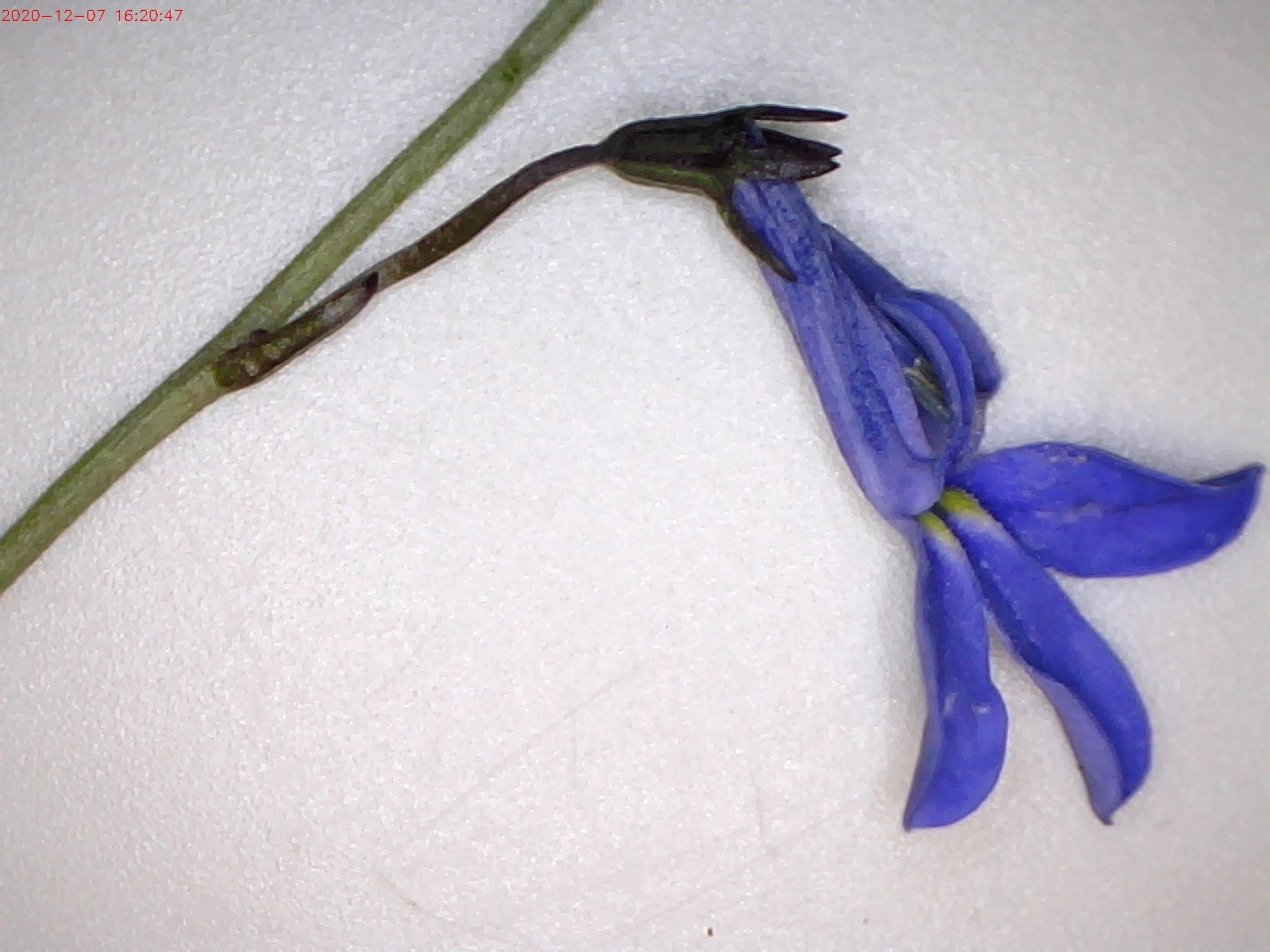
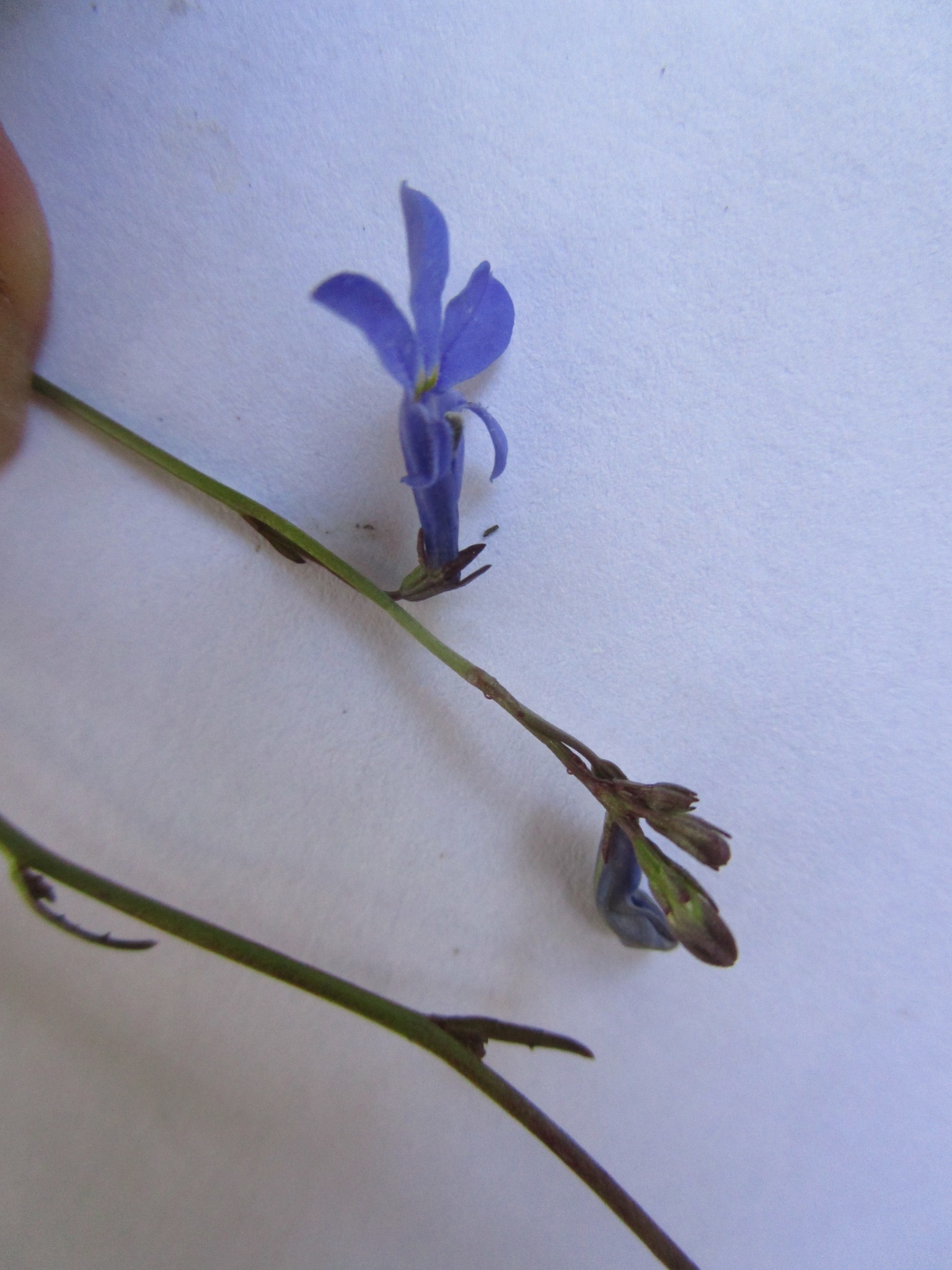
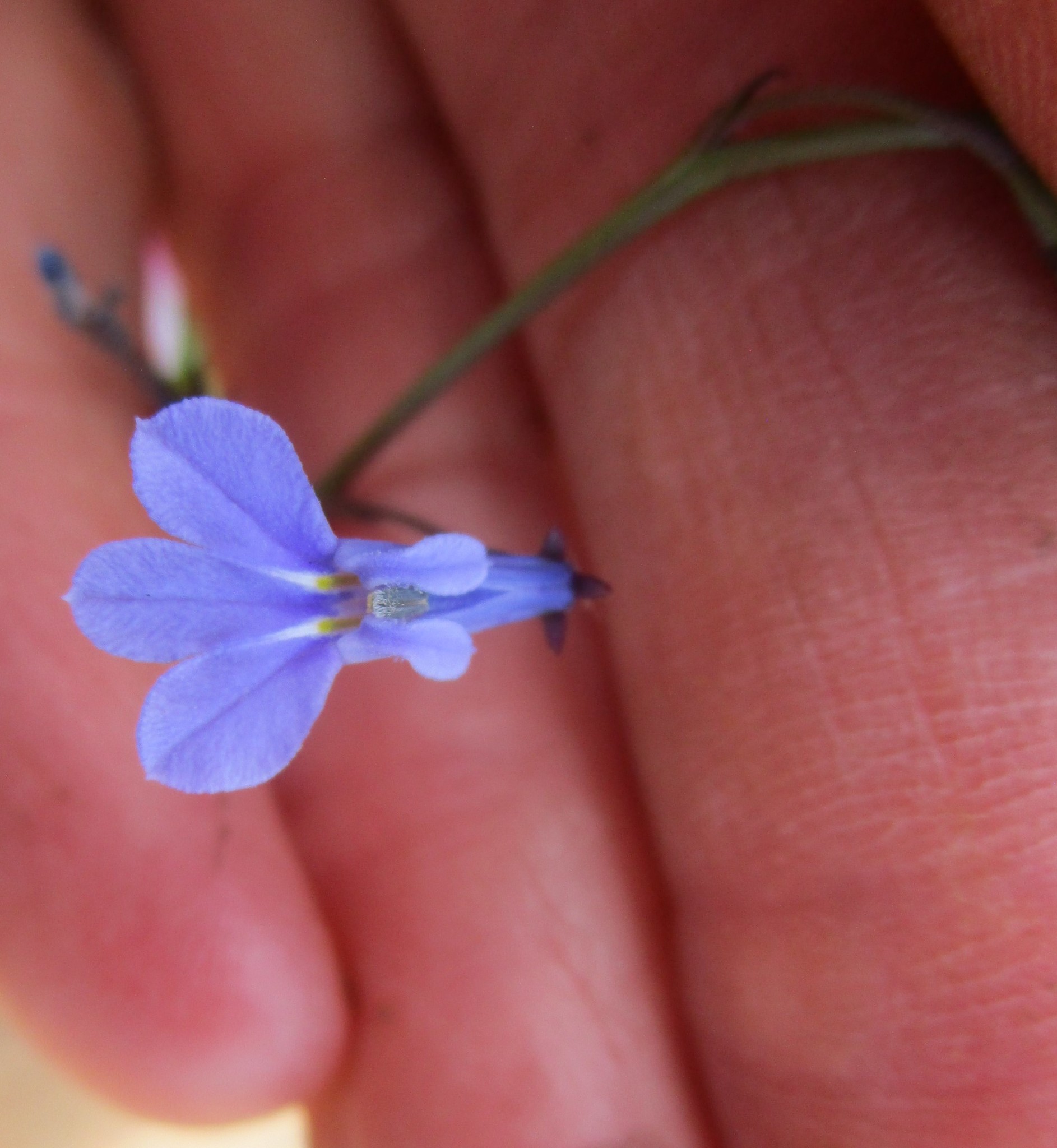
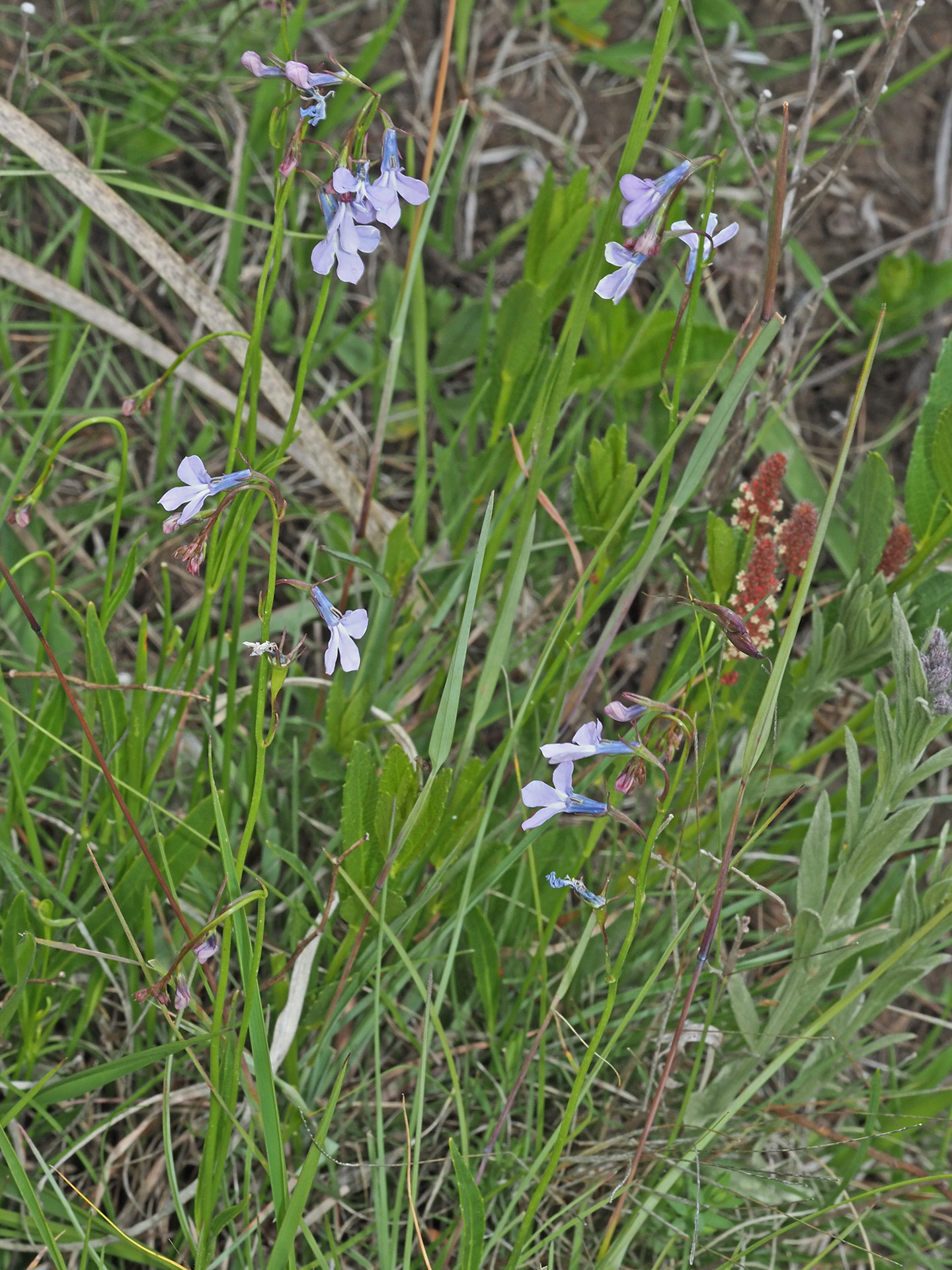
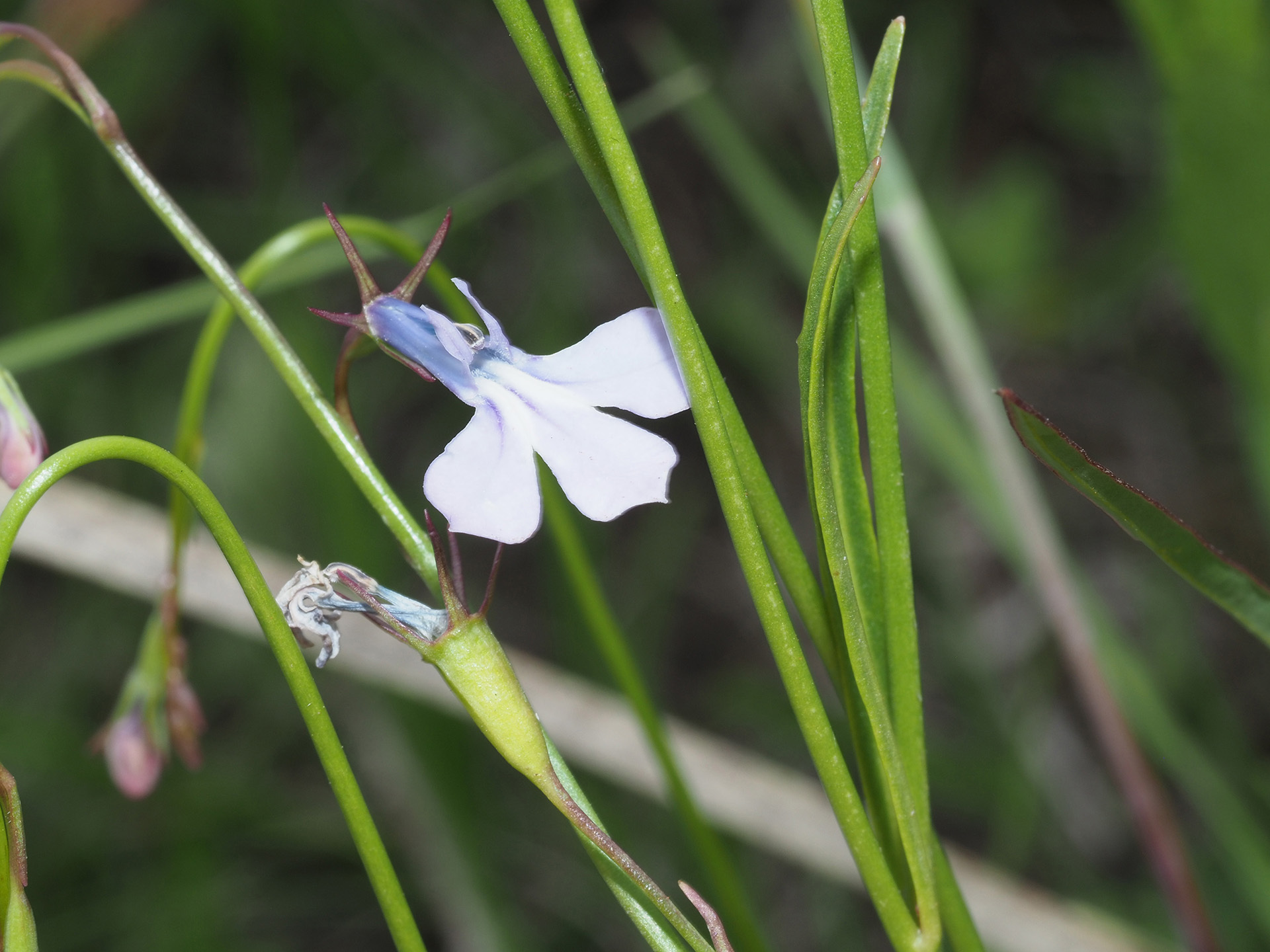
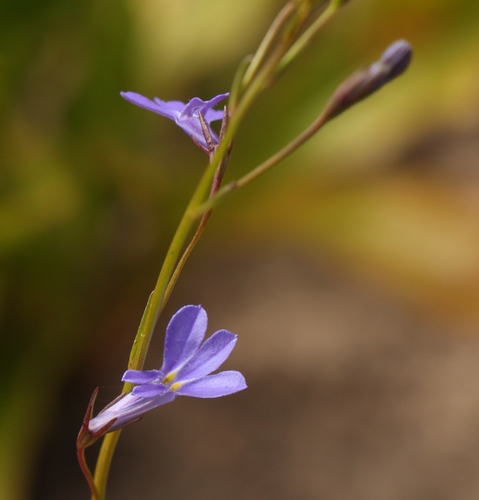
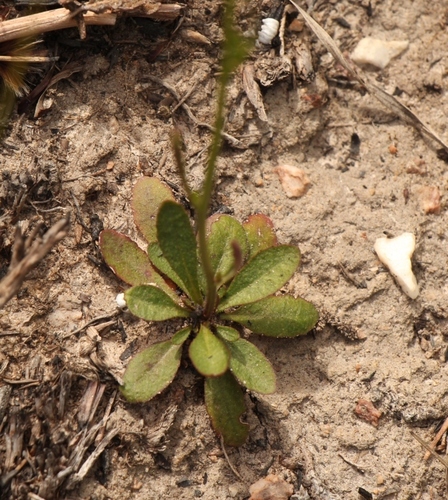
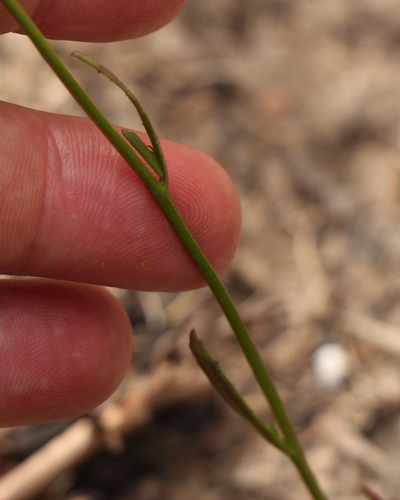
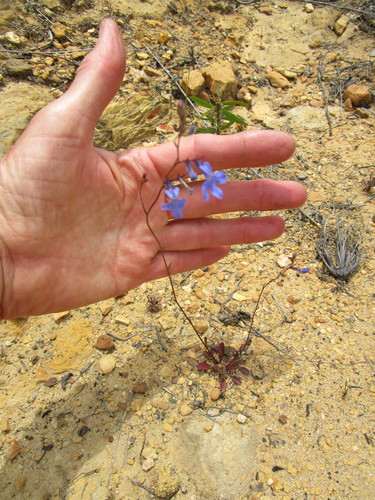
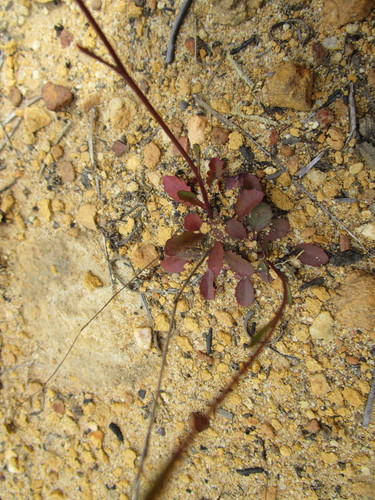
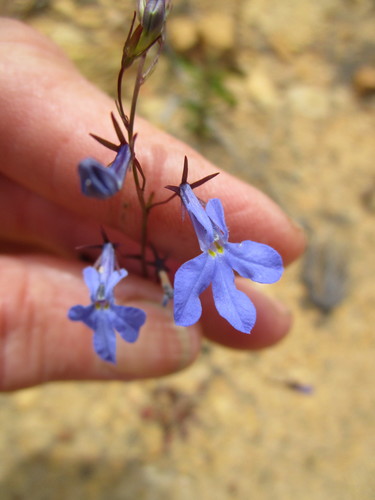
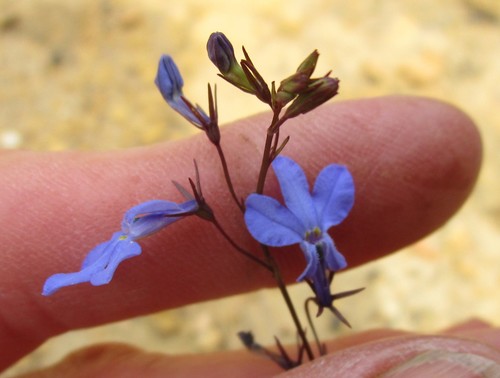
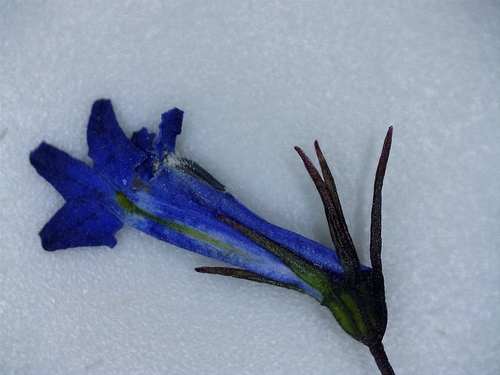
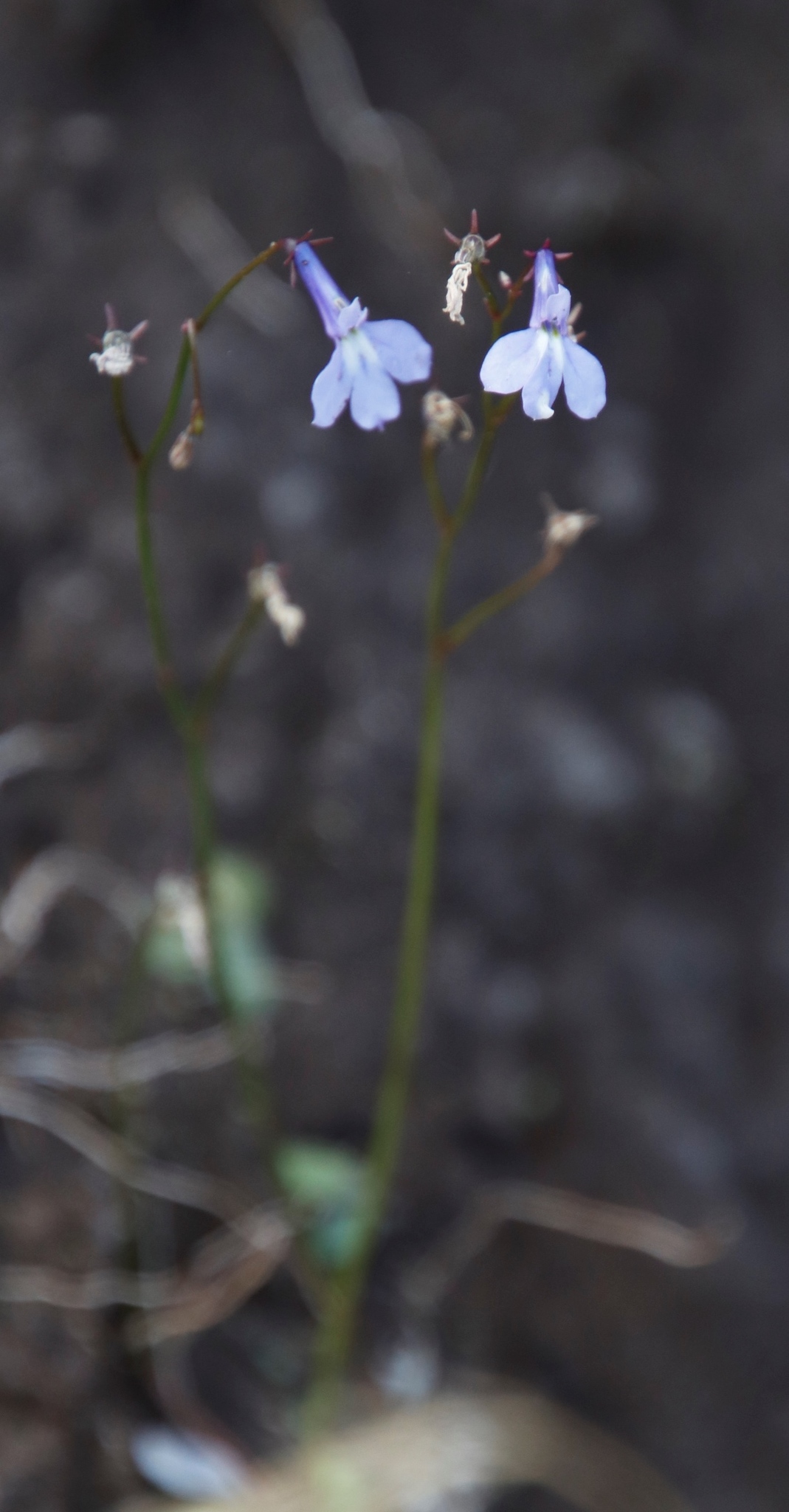
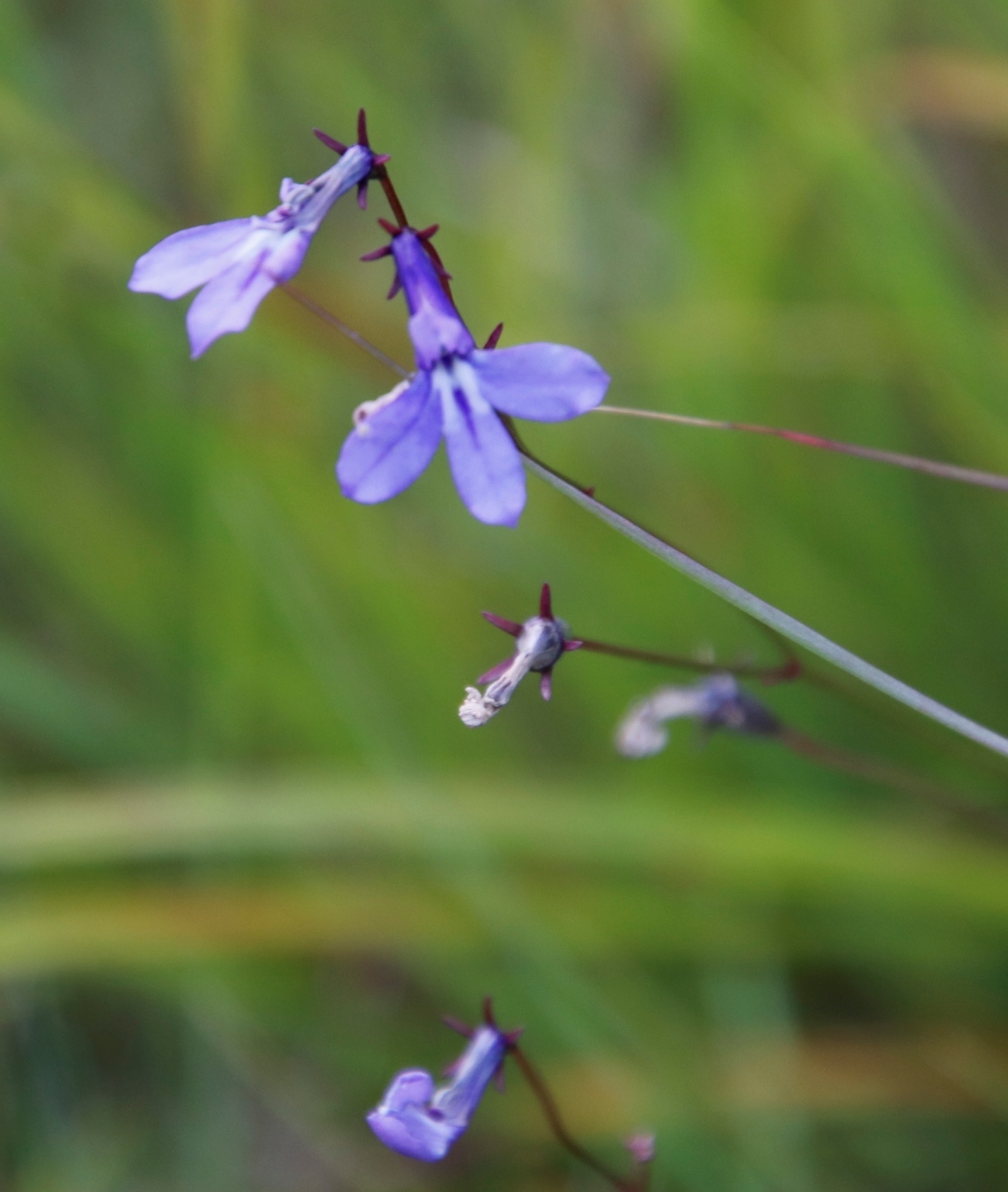
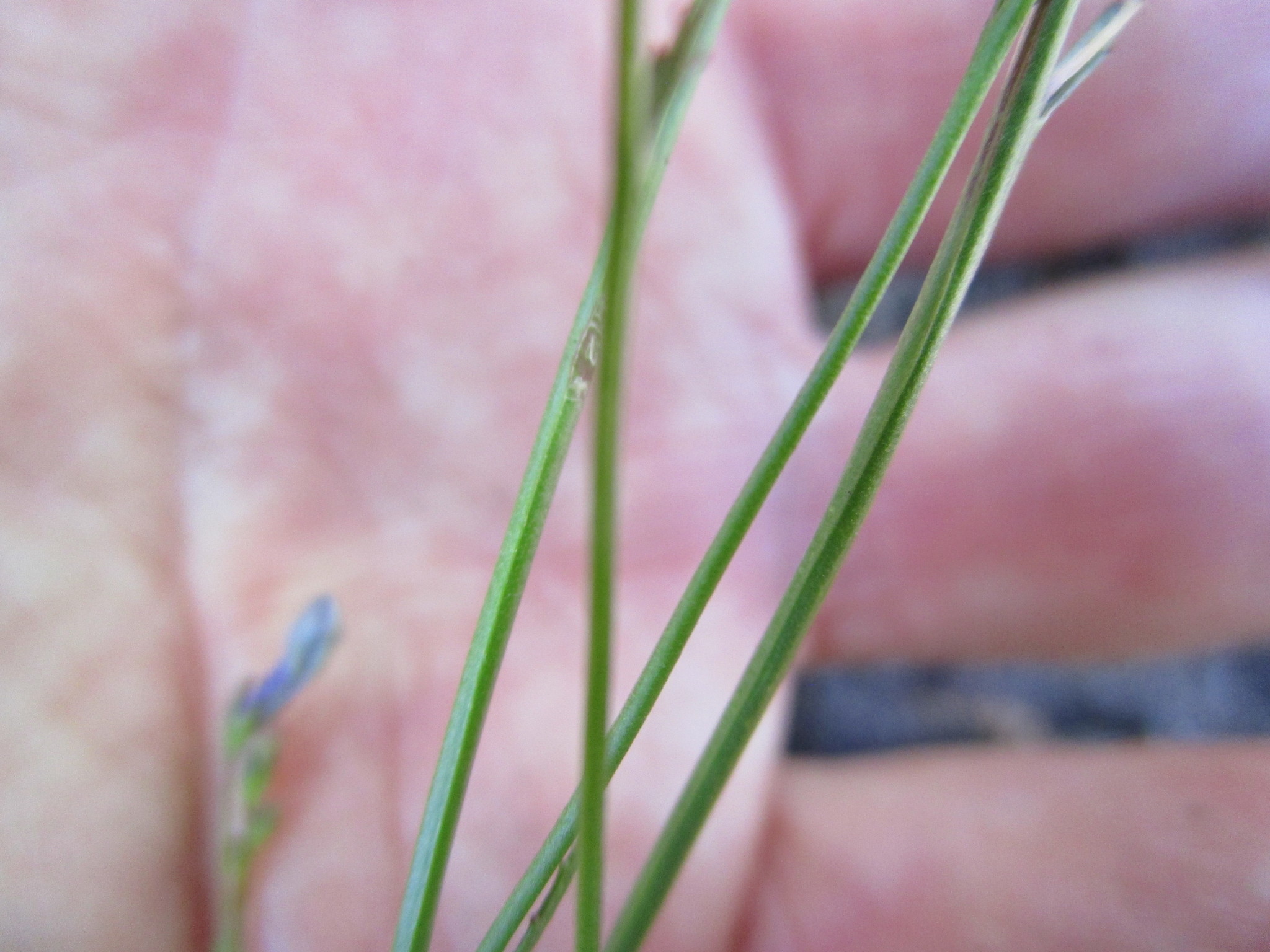
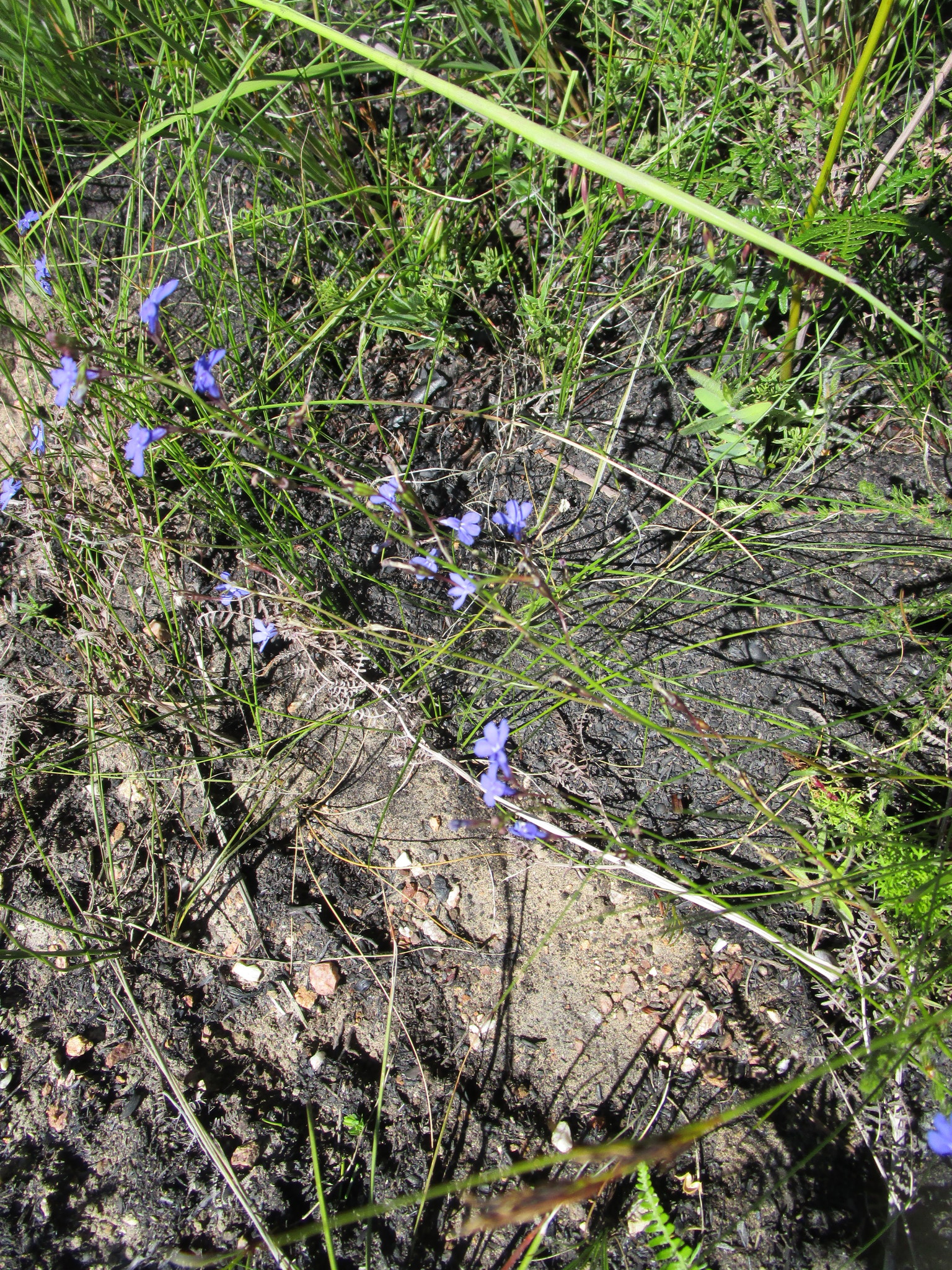
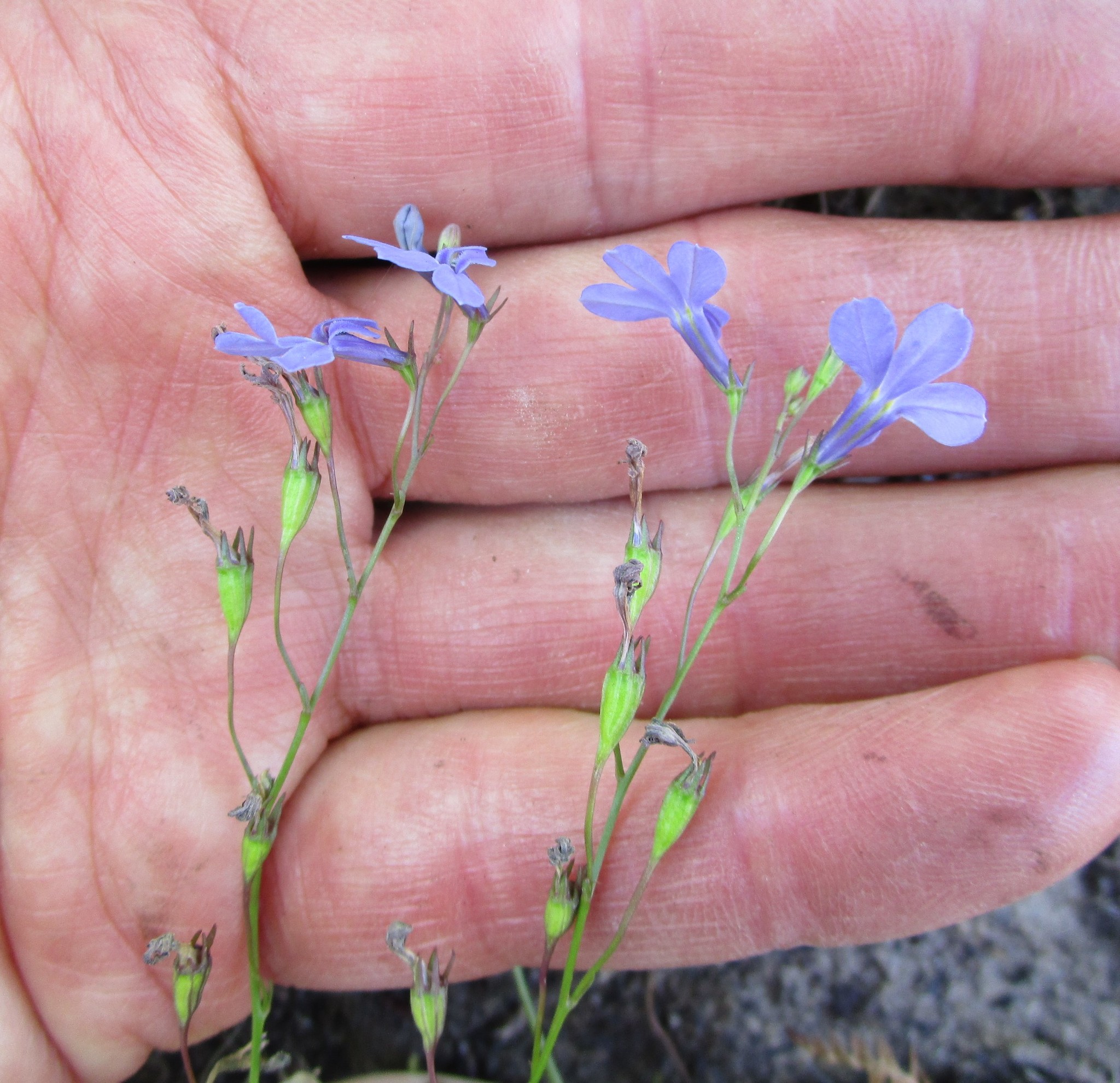
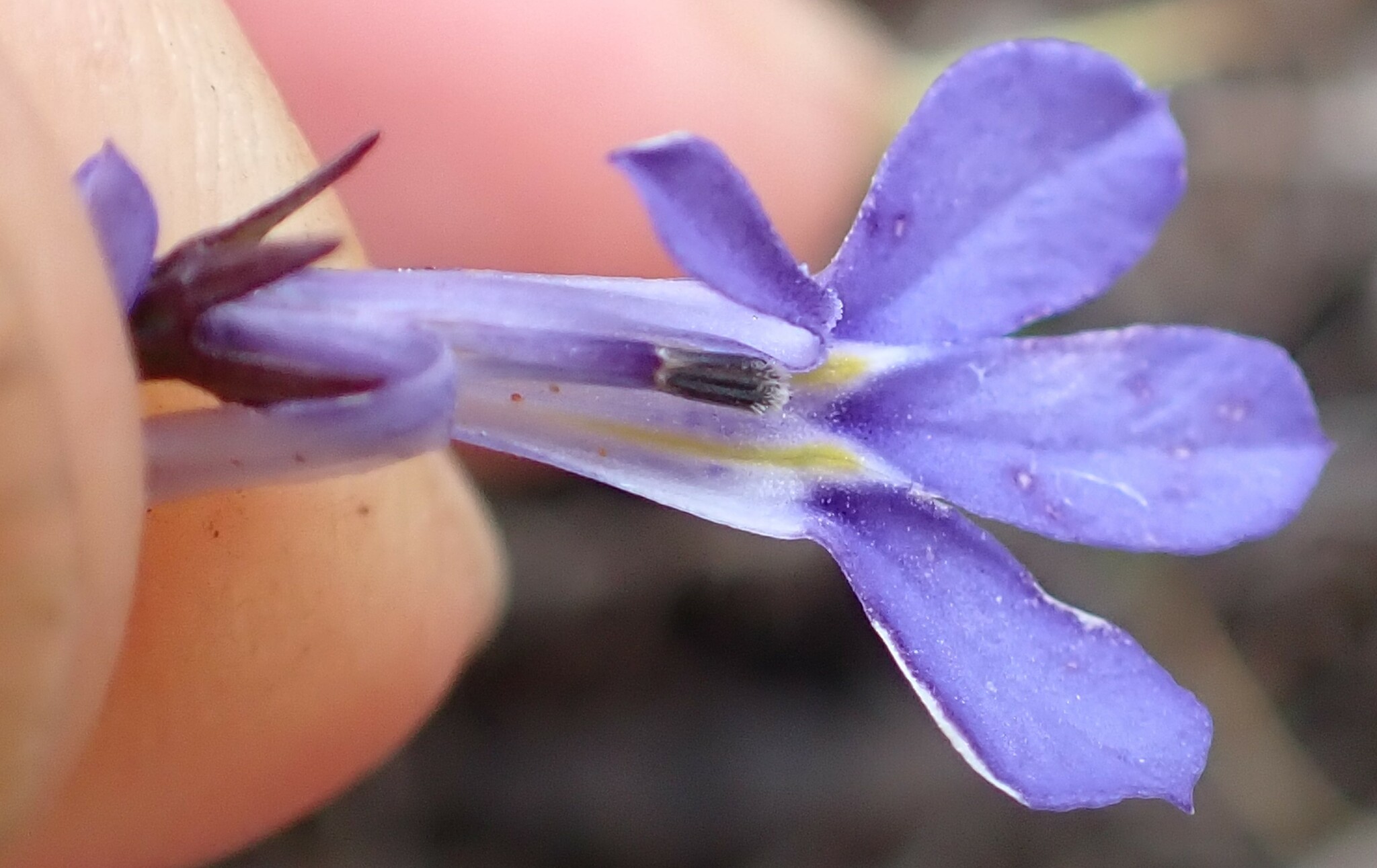
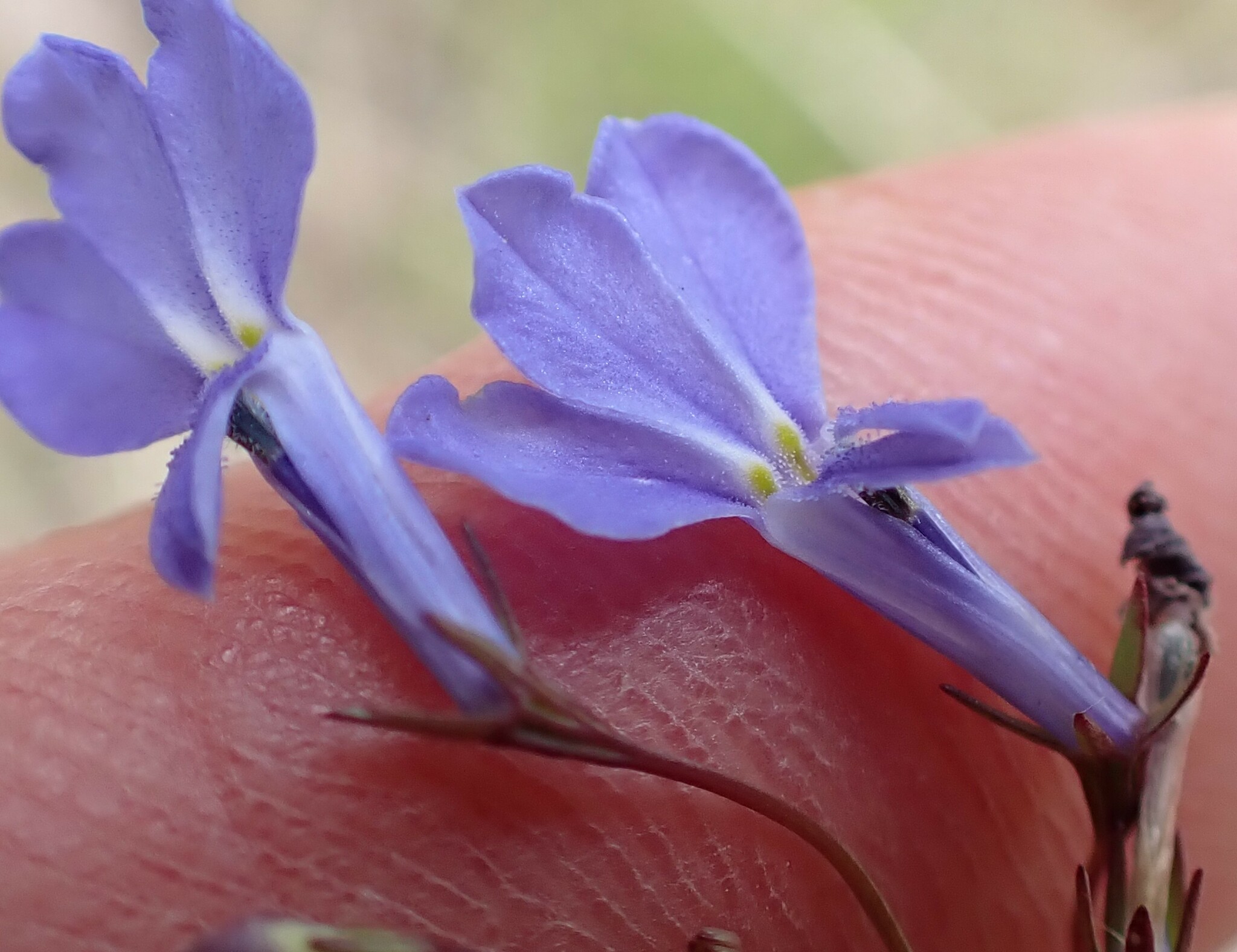
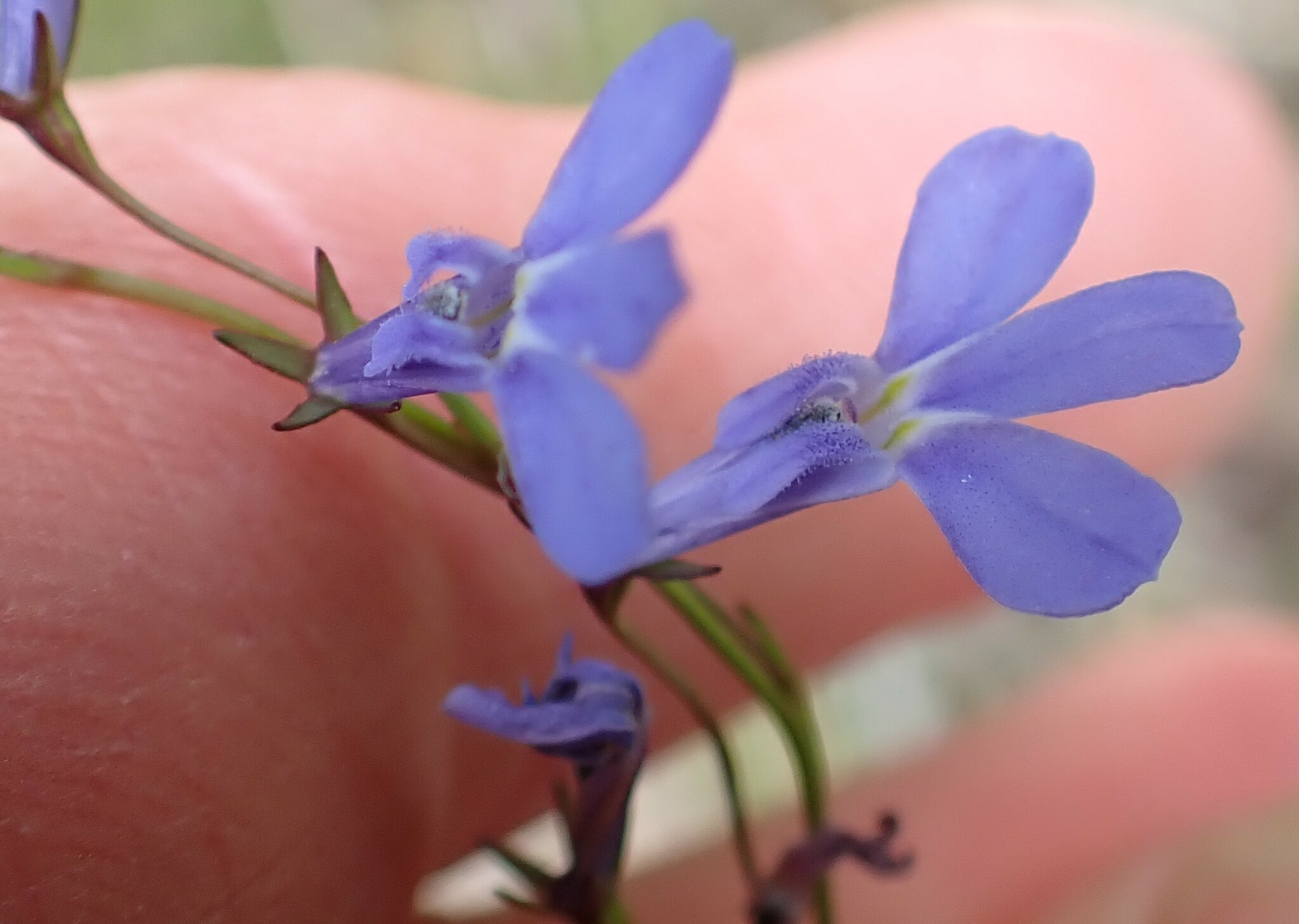
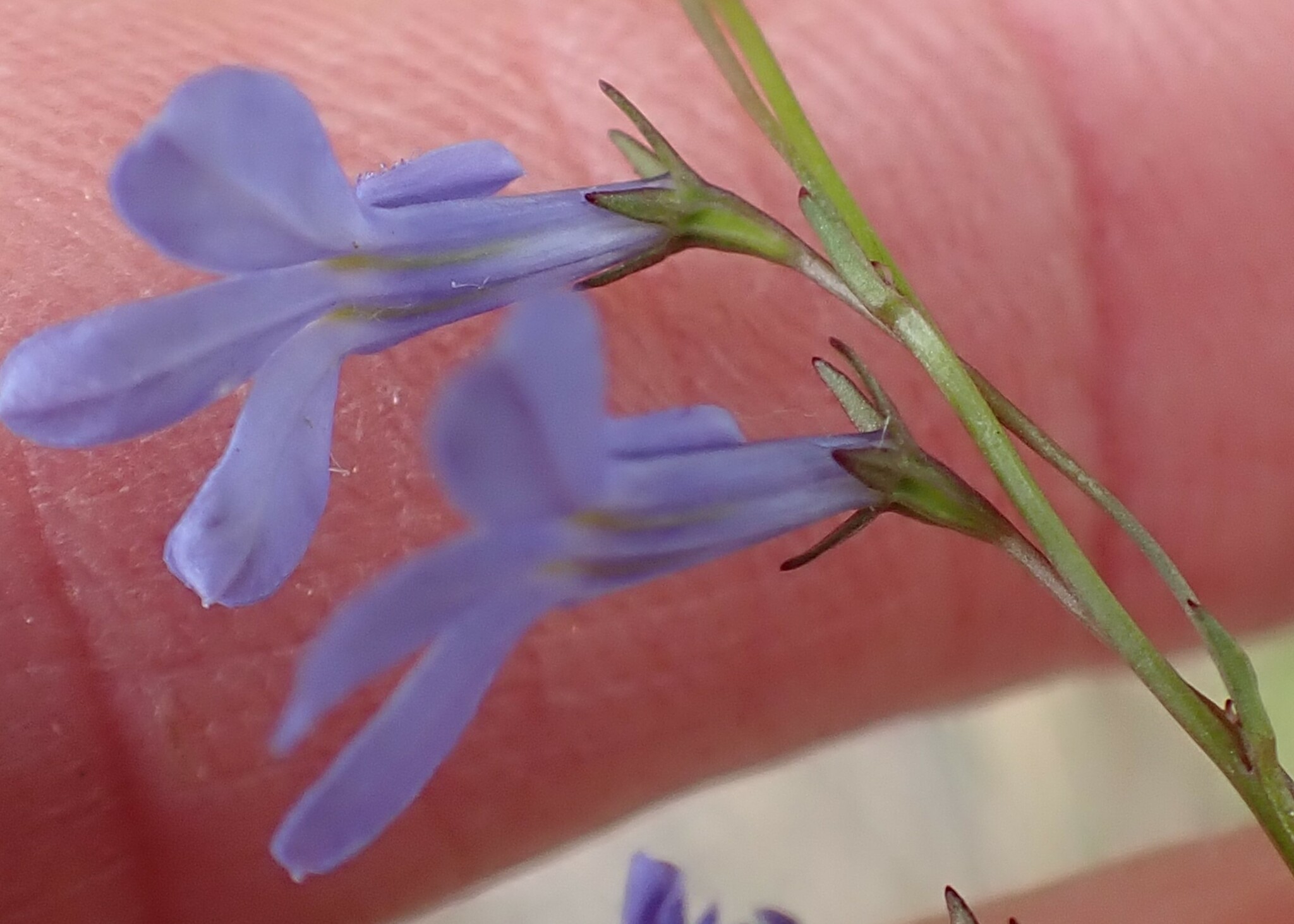
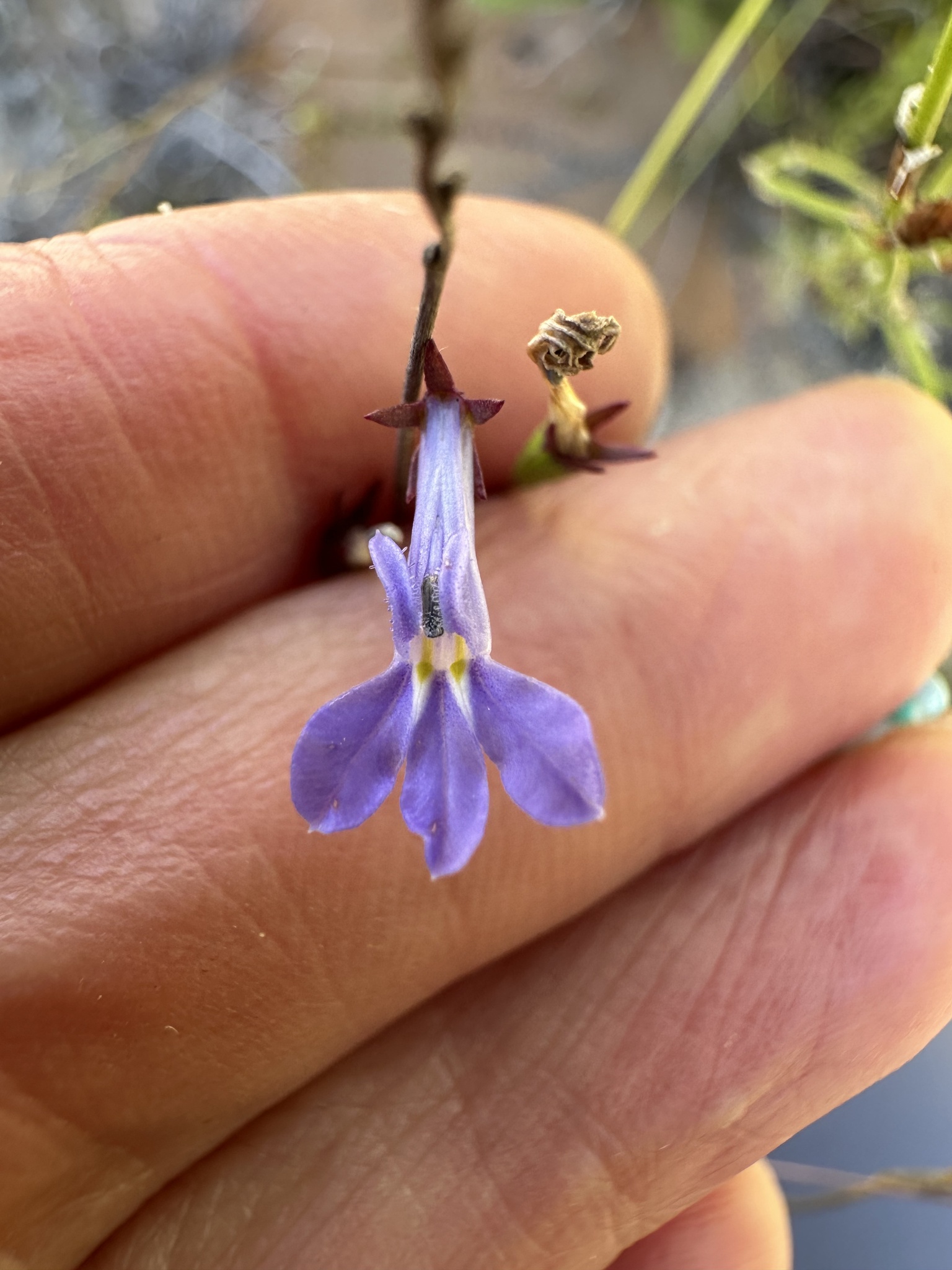
A glabrous herb with an erect, naked or sparsely leafy stem 30–40 cm long; leaves mostly rosulate, spathulate to obovate-oblong, rounded or obtuse at the apex, 2–5 × 1–2 cm, cauline leaves lanceolate to oblanceolate or linear, 3–6 × 0.2–0.8 cm, all attenuate to a petiole 5–15 mm long, margin obscurely crenate, dentate, or obtusely dentate; flowers in a lax, secund, 5–11-flowered raceme; bracts linear, 2–3 mm long; pedicels 6–18 mm long, ultimately to 35 mm, ebracteolate, erect, stouter than in the closely related Lobelia nuda; calyx tube oblong-obconic, lobes subulate, entire, subpatent, 3 mm long; corolla blue, 11–13 mm long, upper lobes sublinear, lower obovate-oblong; filaments 3 mm long, glabrous; anthers striate, ca. 2 mm long; capsule oblong, 6 mm long. [Translated with Google Gemini 1.5 (21/01/2025)] From: Wimmer, FE. 1953. Campanulaceae-Lobelioideae II. In: A Engler, L Diels, H Stubbe & K Noack (eds). Pflanzenr. (Engler) (Heft 107): 1-813. Akademie Verlag, Berlin. [All rights reserved]
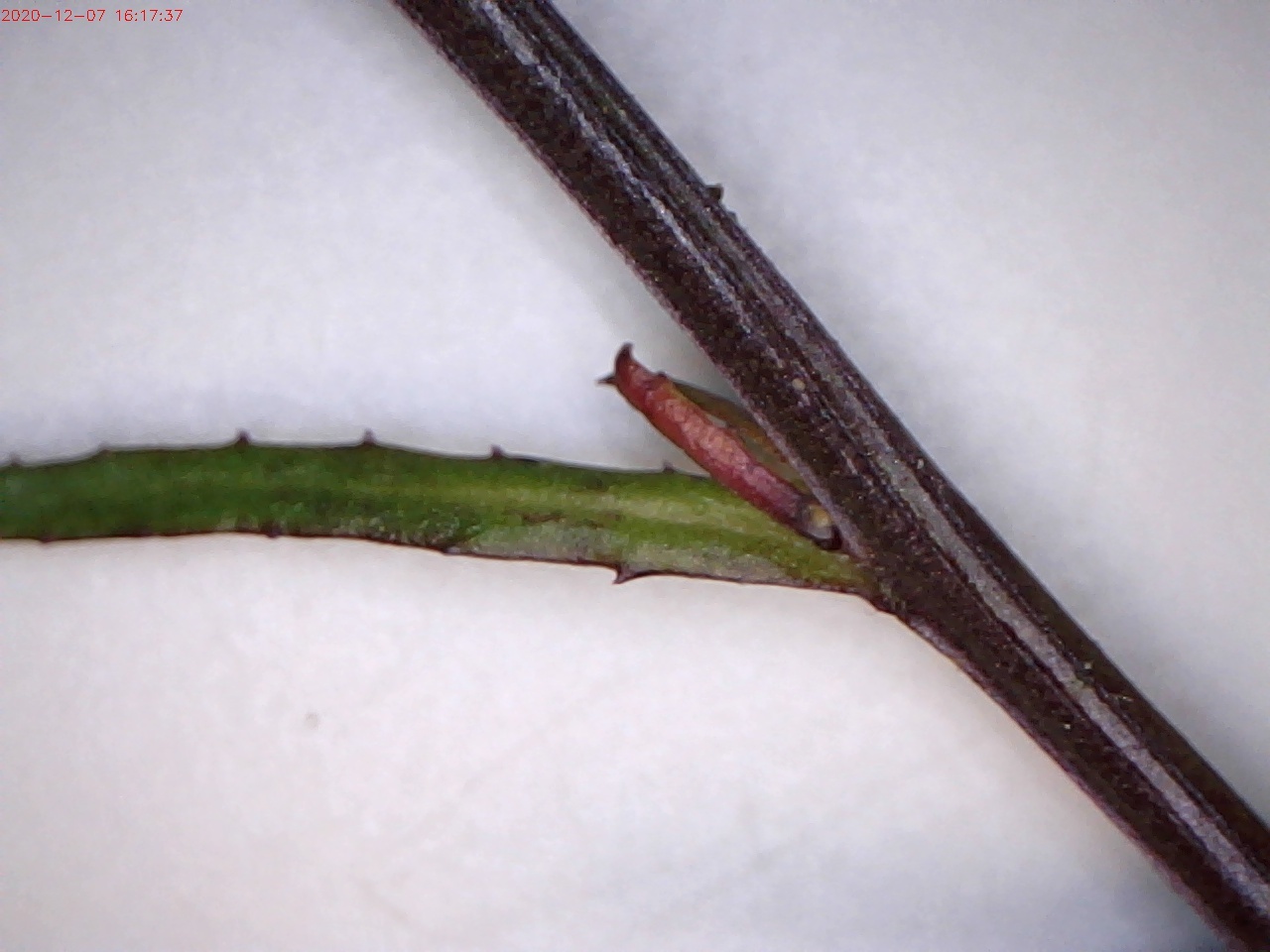
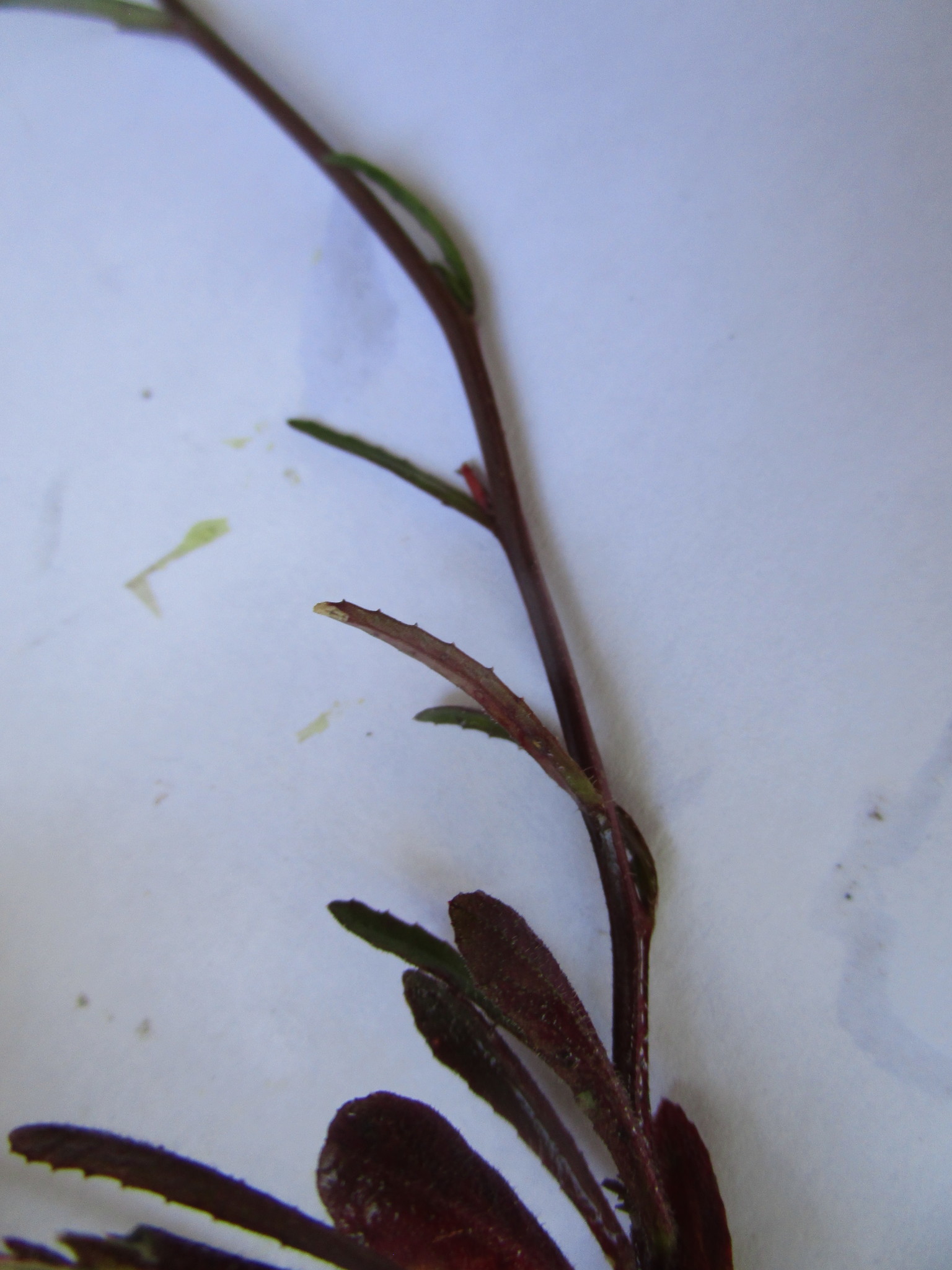
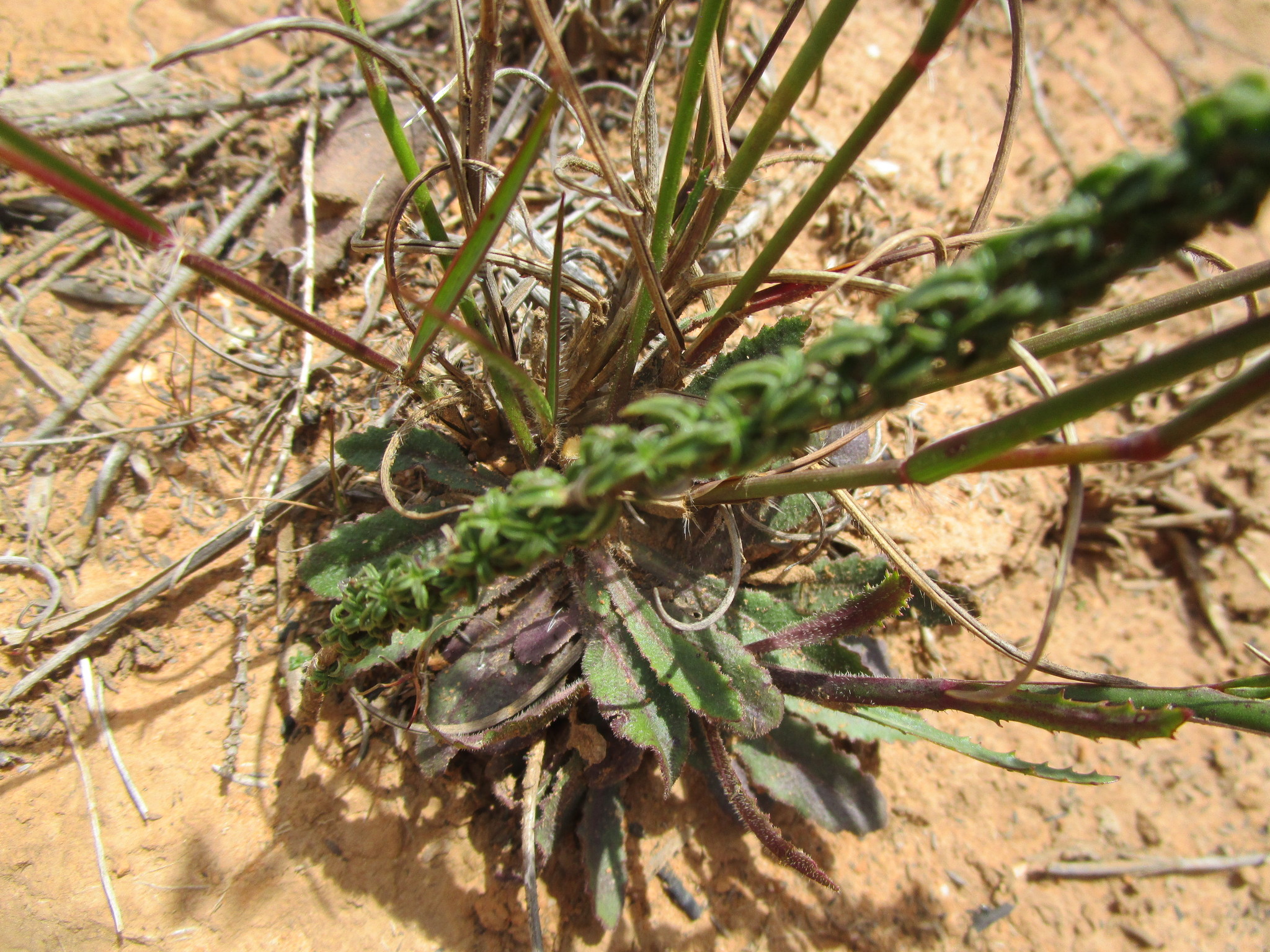
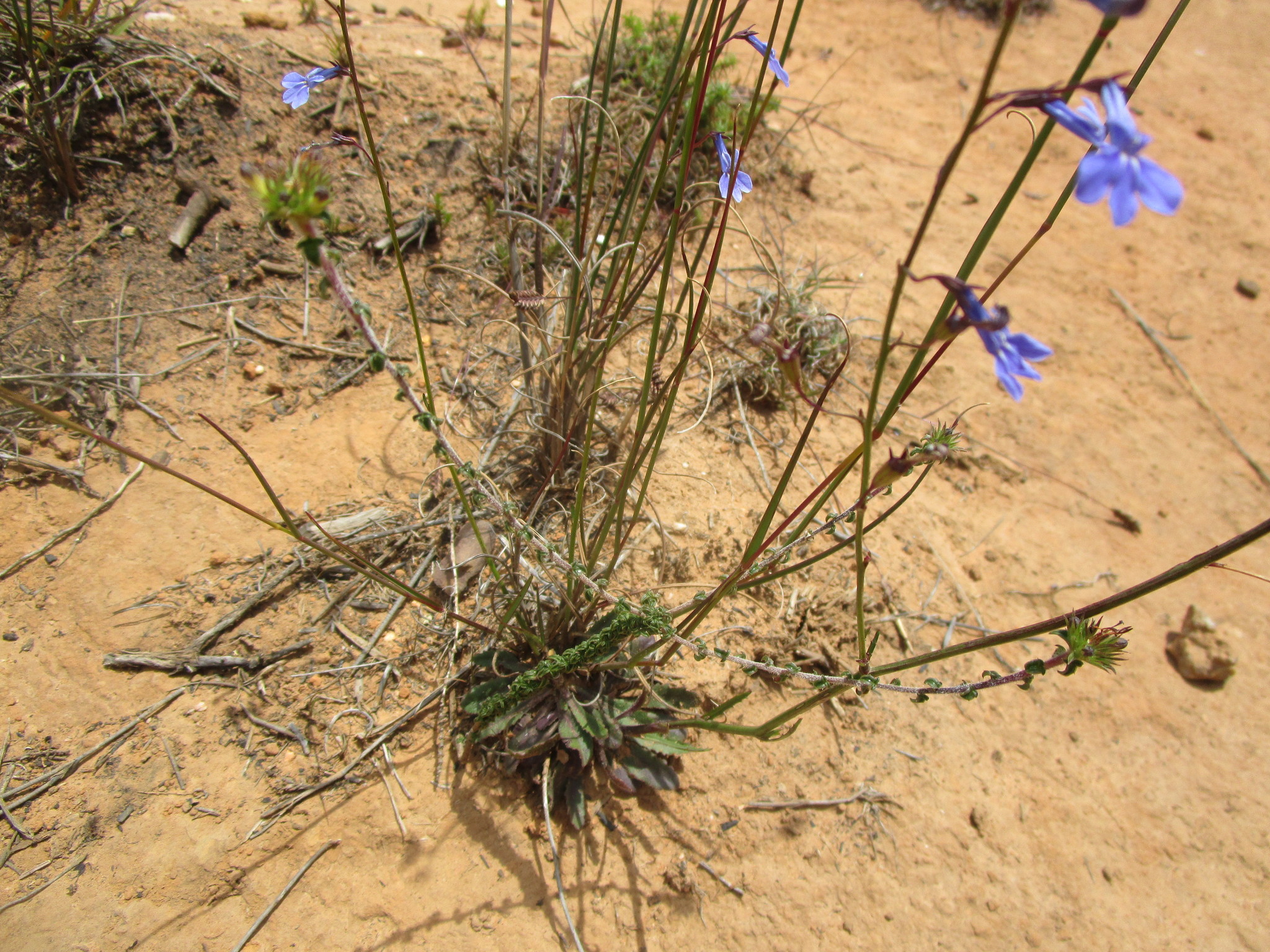
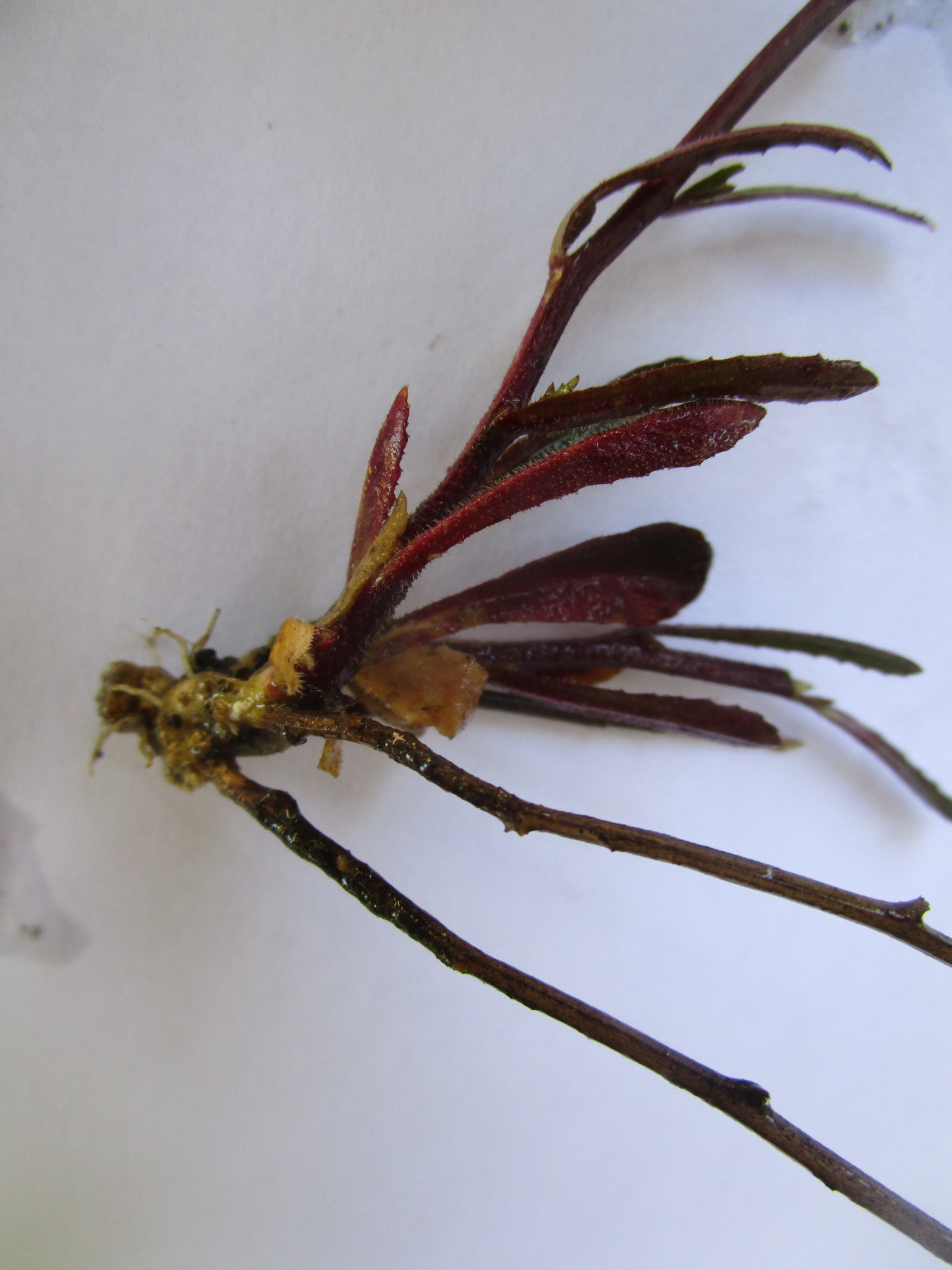
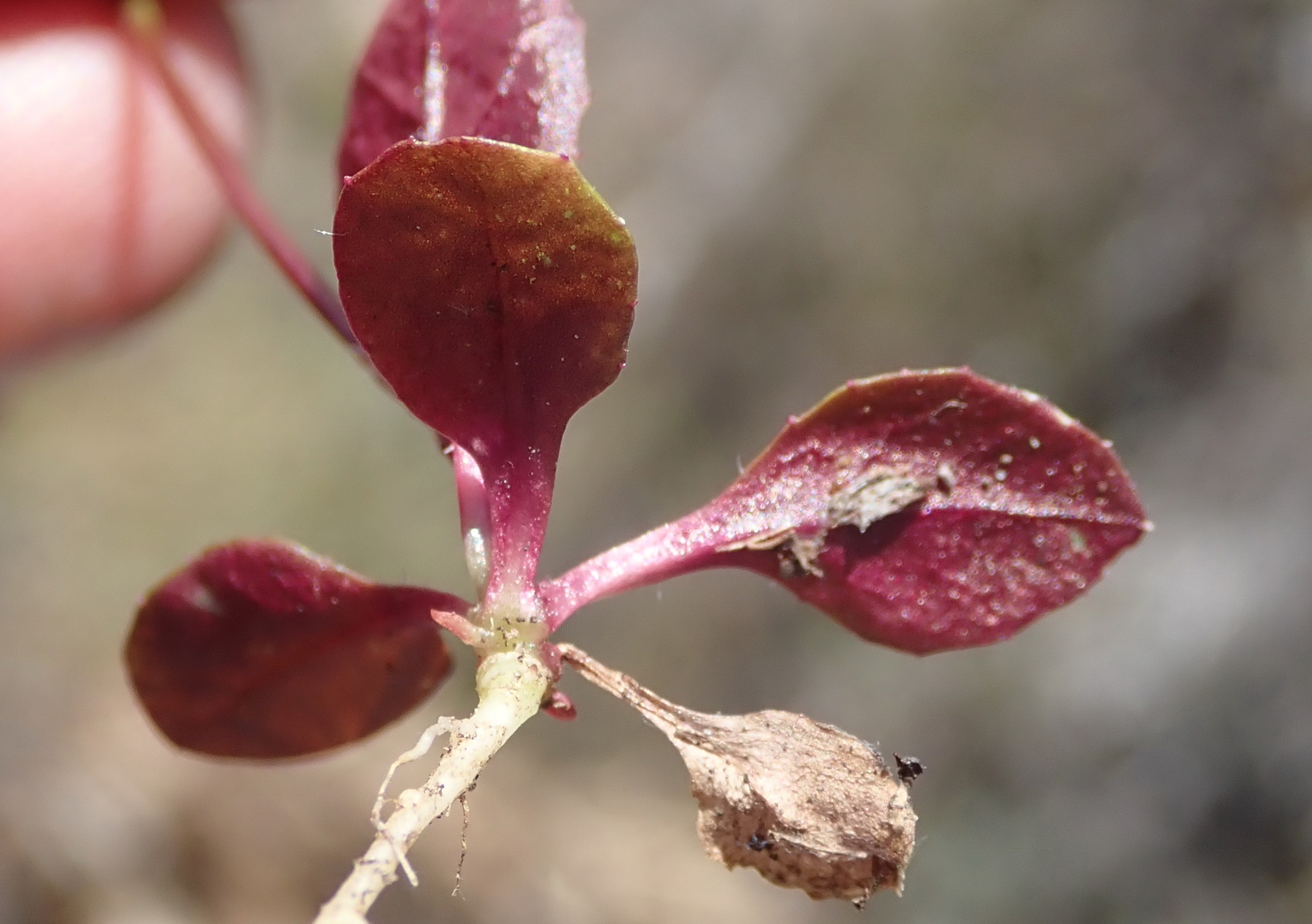
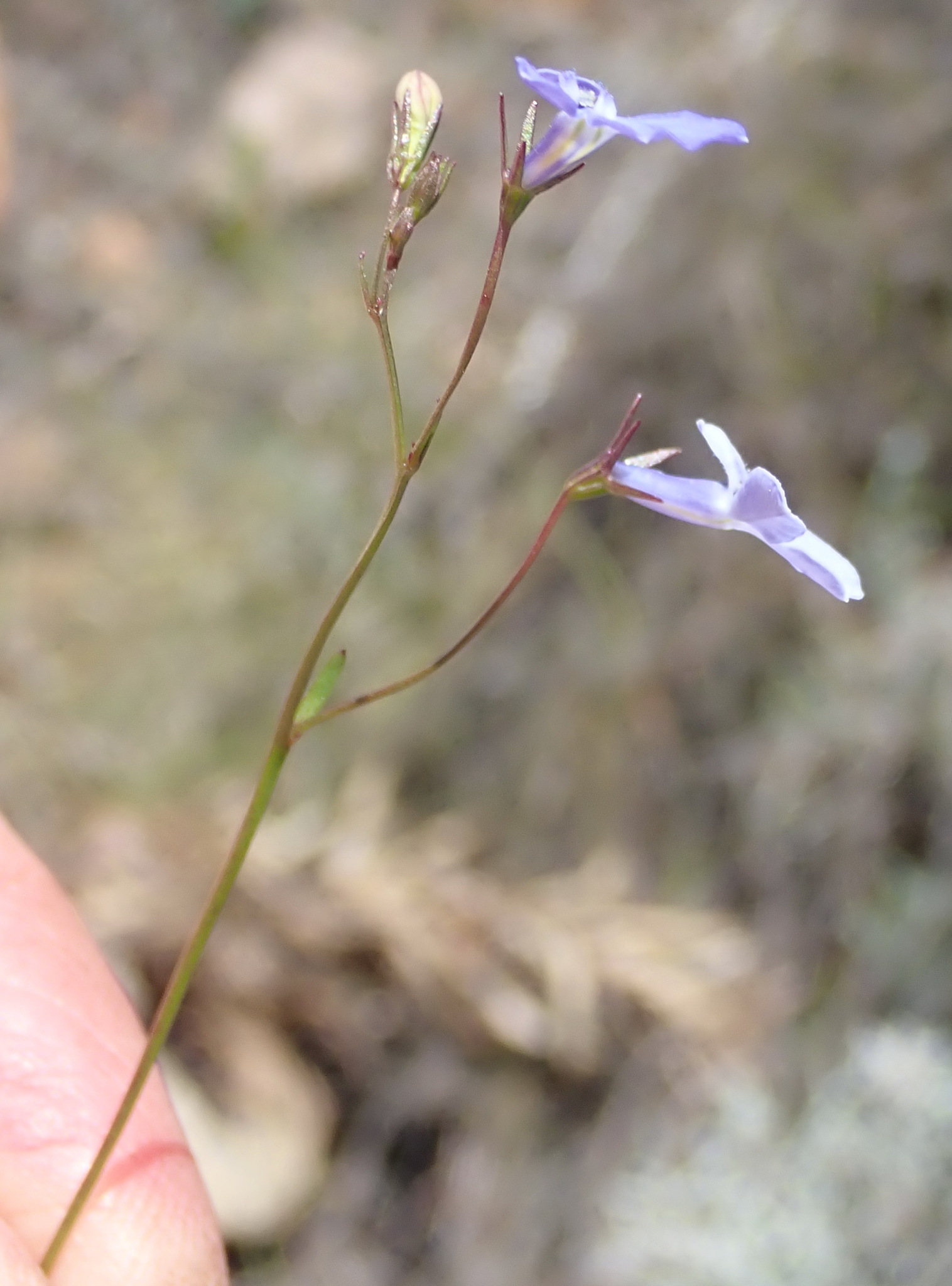
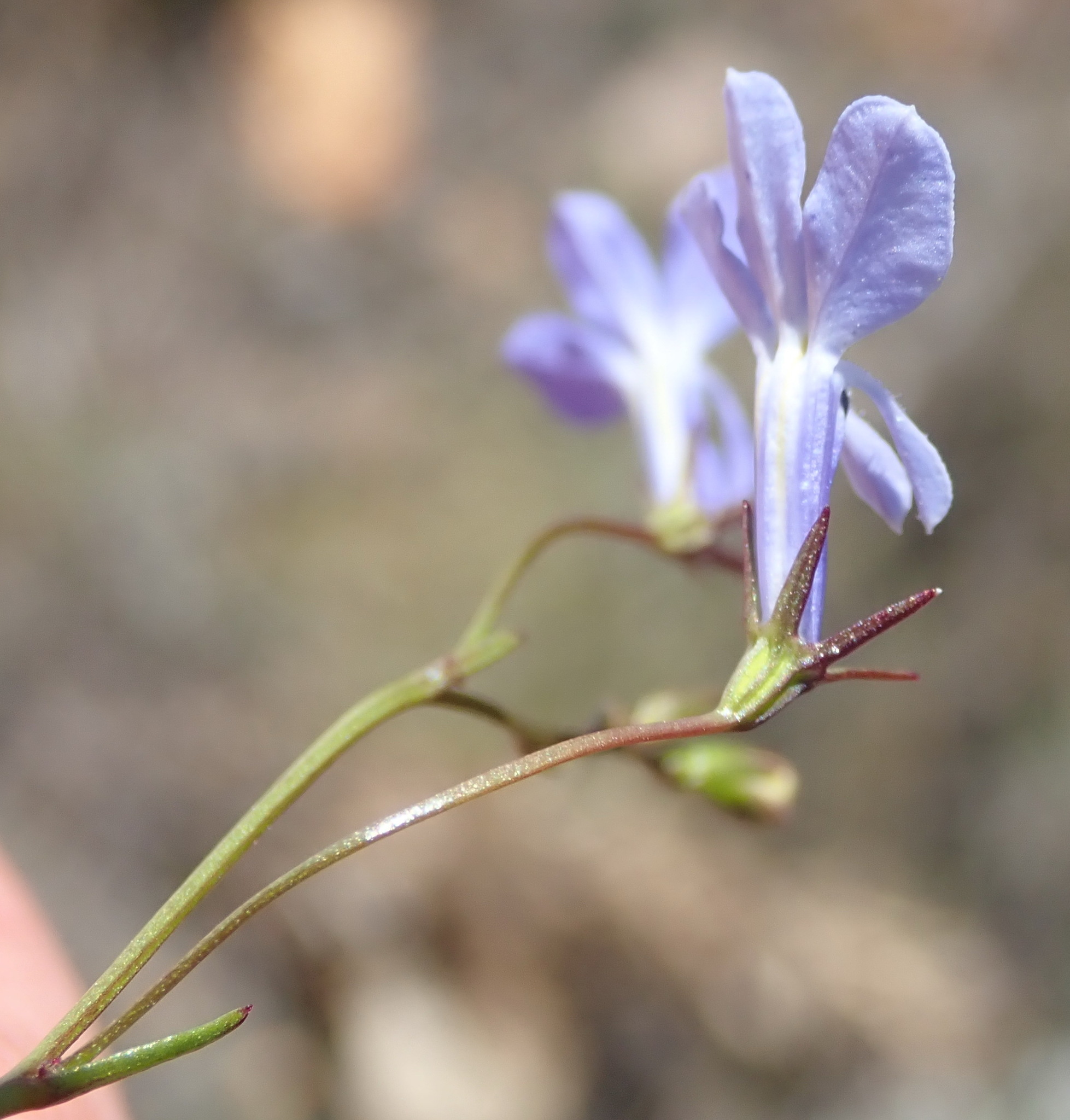
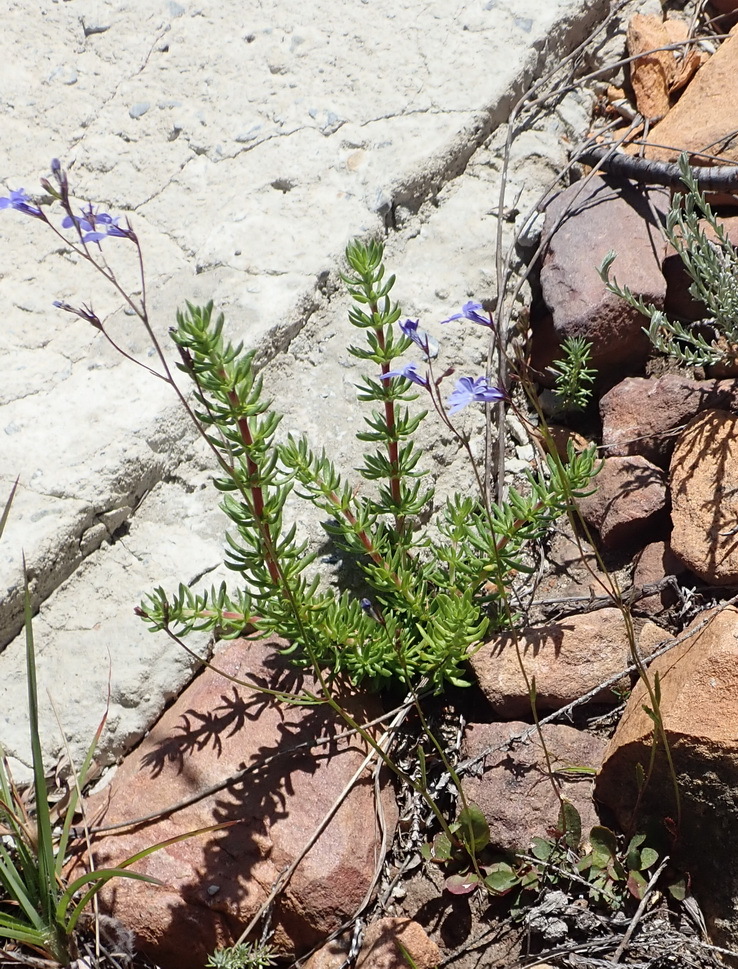
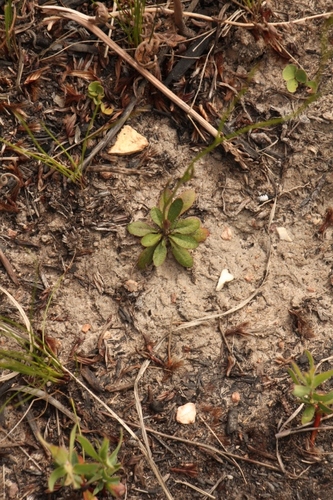
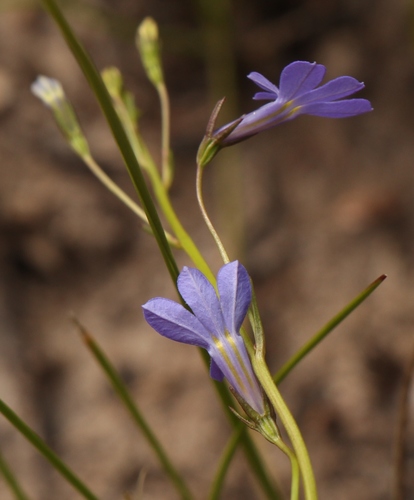
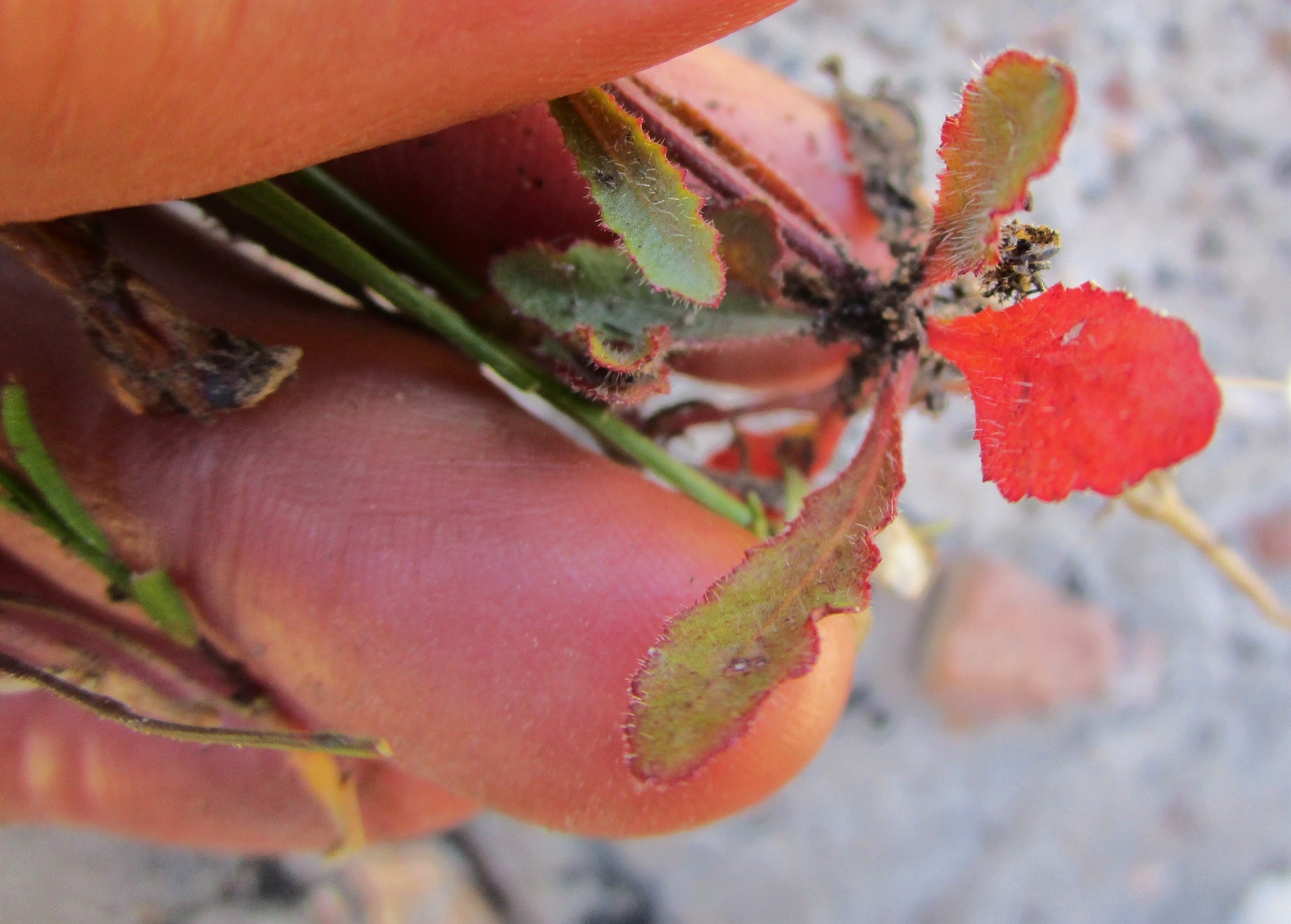
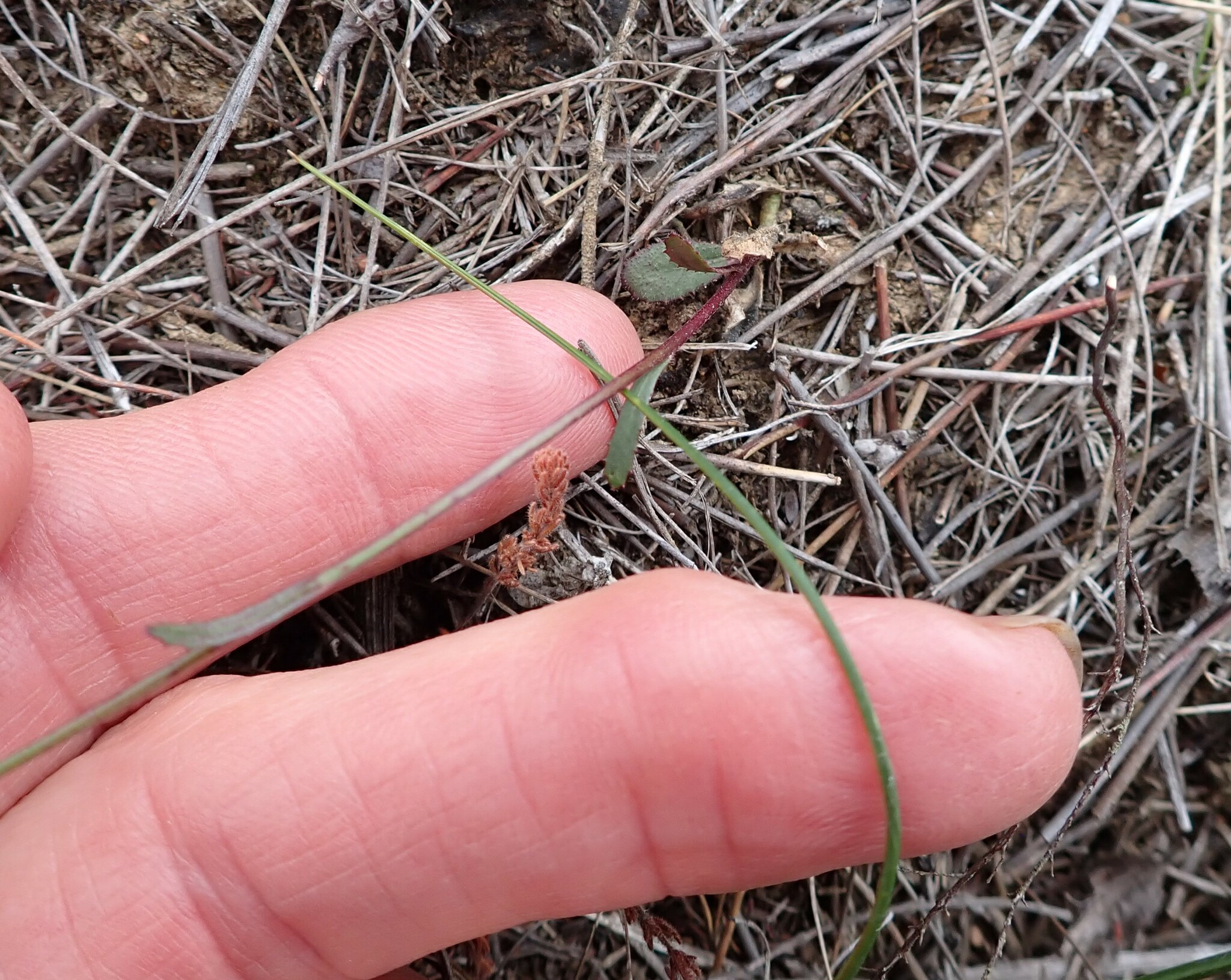
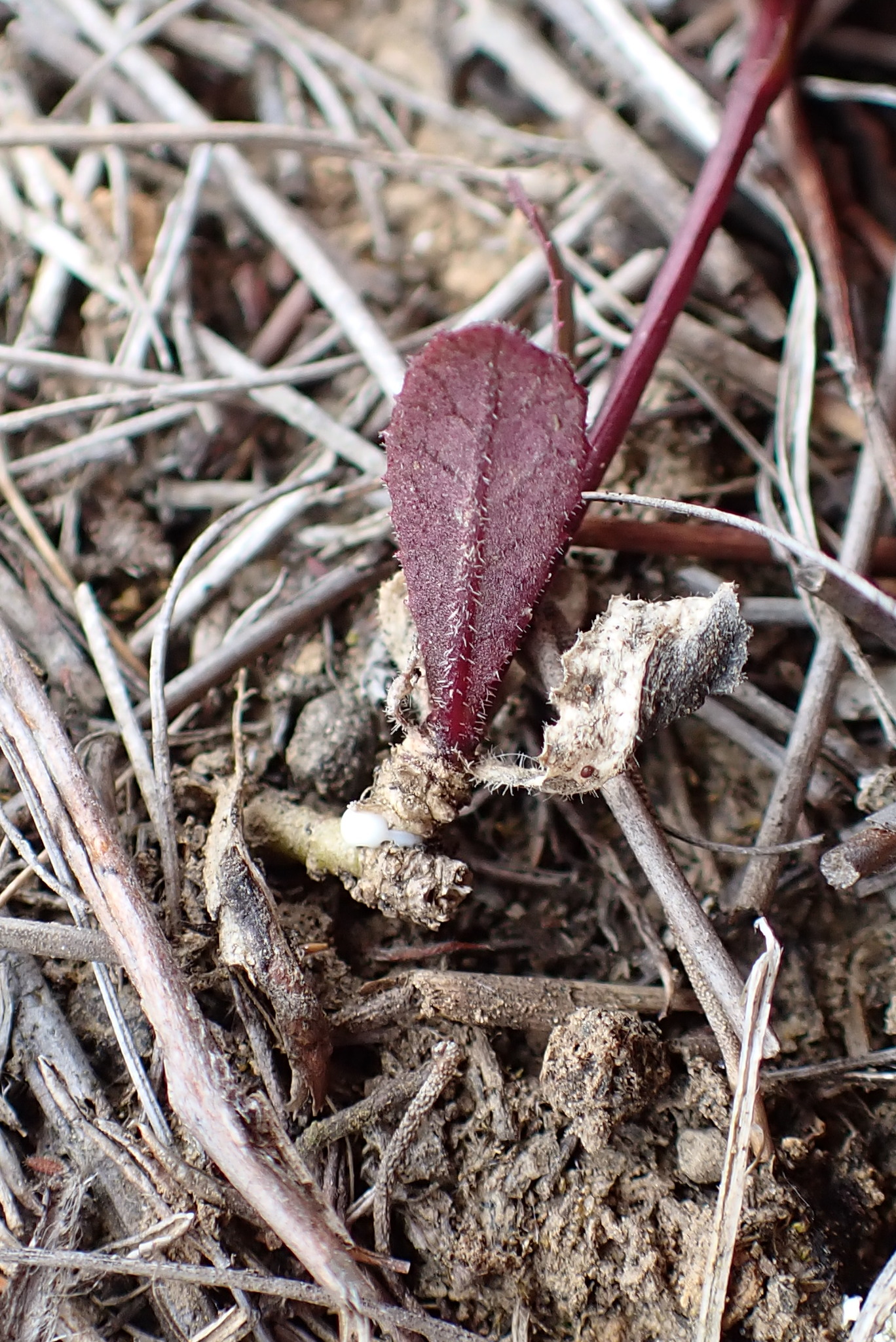
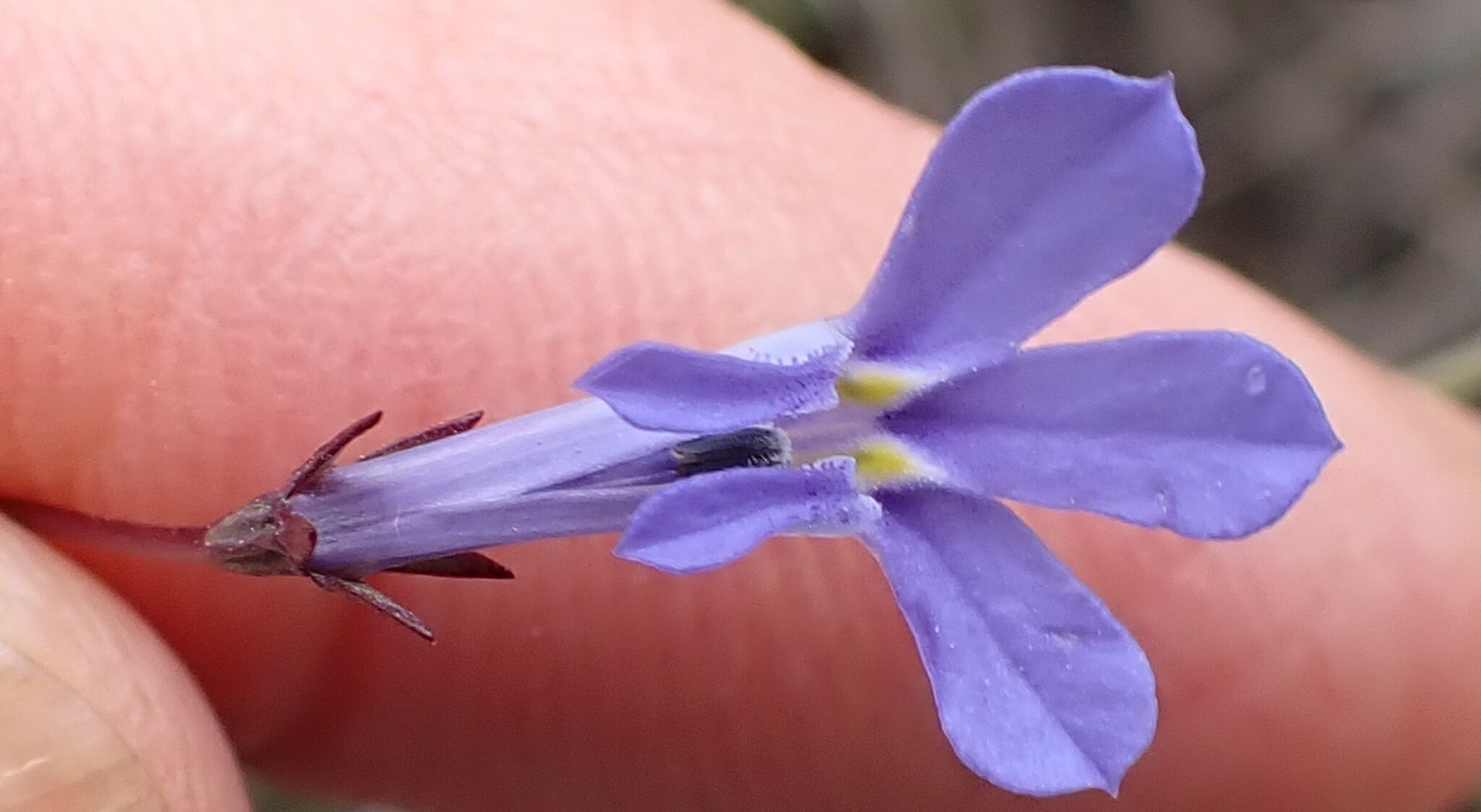
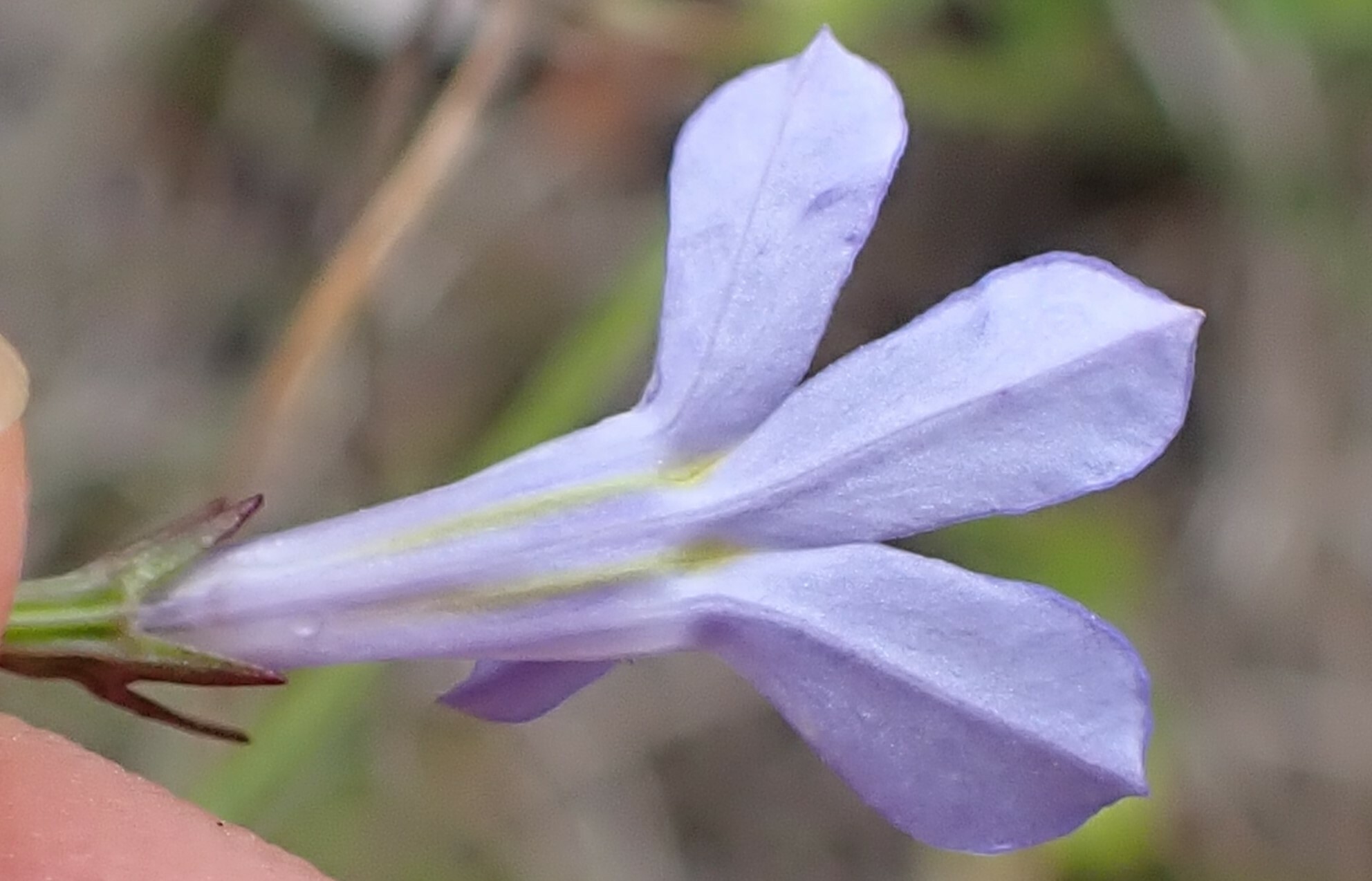
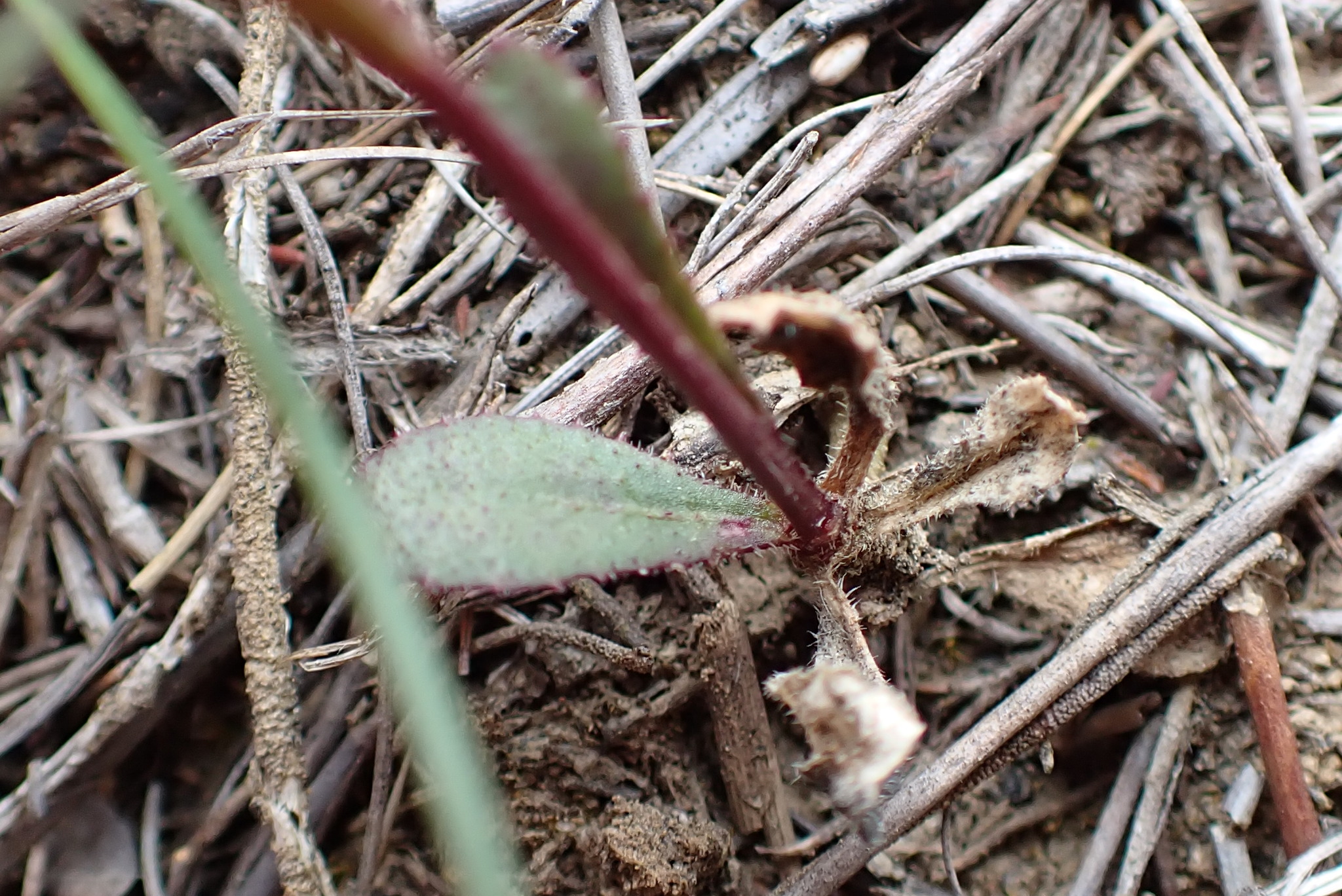
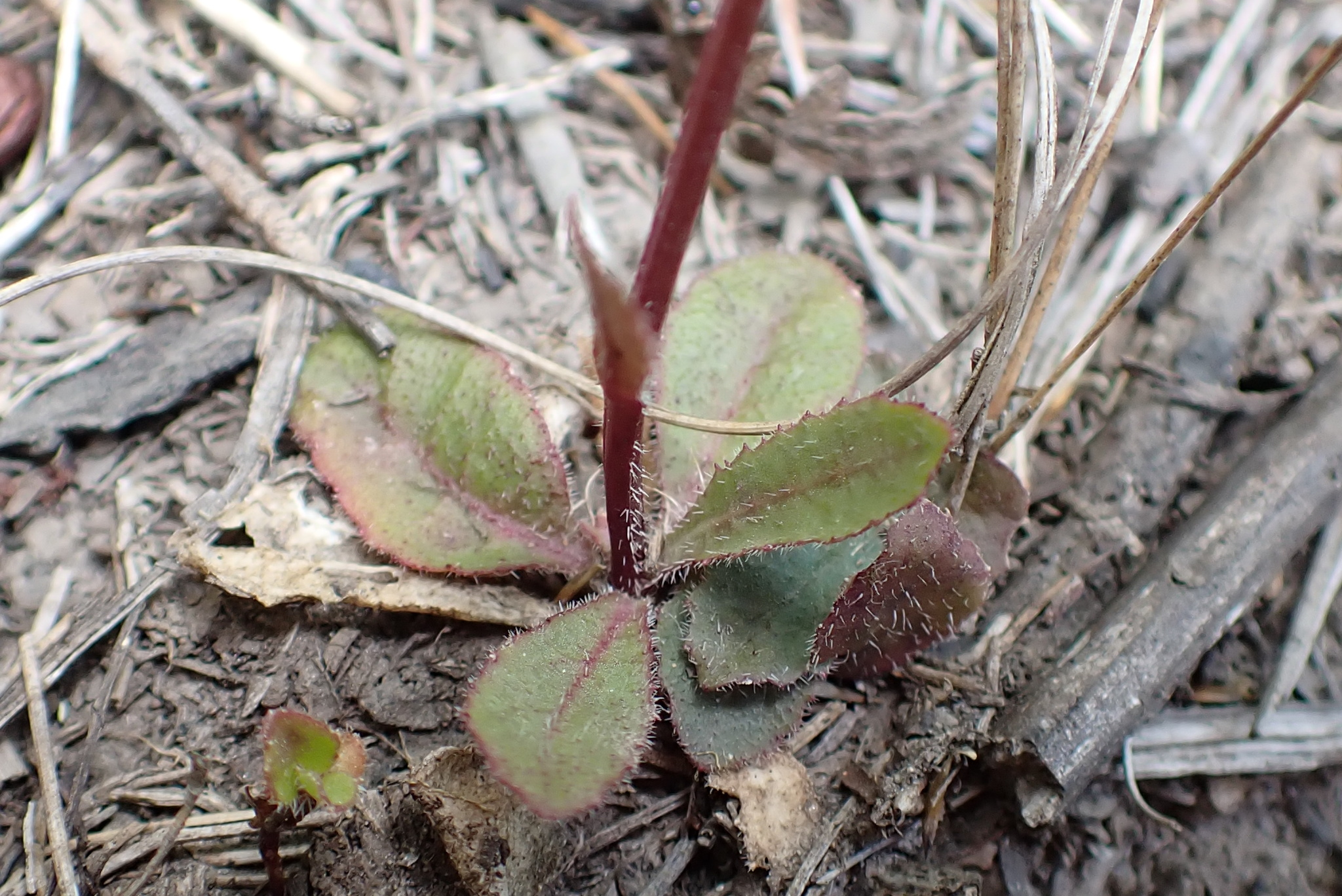
Perennial, ± glabrous herb, with stem erect, leafless or slightly leafy, 0.3-0.4 m long. Leaves mostly in a rosette, spathulate or obovate-oblong, 20-50 x 10-20 mm; cauline leaves lanceolate or oblanceolate or linear, 30-60 x 2-8 mm, all narrowing into a 5-15 mm long petiole, margins faintly crenate or dentate or very obtusely dentate. Flowers in a lax, secund, 5-11-flowered raceme. Calyx: tube oblong-obconic; lobes subulate, entire, 3 mm long. Corolla blue, 11-13 mm long; upper lobes sublinear, lower ones obovate-oblong. Flowering time Sept.-Mar. From: Leistner, OA; Bredenkamp, CL. 2019. Campanulaceae s.l.: Lobelia L. In: CL Bredenkamp (ed.), A Flora of the Eastern Cape Province. Strelitzia 41(1): 736-741. South African National Biodiversity Institute, Pretoria. [CC BY]
Perennial herb, up to 0.4 m high; ± glabrous. Flowering stems decumbent, leafless or slightly leafy. Leaves mainly in a basal rosette, petiolate; blade spathulate or obovate-oblong, 20-50 x 10-20 mm, apex rounded or obtuse, stem leaves narrowly ovate, narrowly obovate or linear, 30-60 x 2-8 mm, margins faintly crenate or dentate or very obtusely dentate, upper stem leaves diminishing in size, sessile. Flowers: in a lax, 5-11-flowered raceme; bracts linear, 2-3 mm long; pedicels 6-18 mm long, at length elongating to 35 mm, upright; calyx tube oblong-obconic, lobes subulate, entire, somewhat spreading, 3 mm long; corolla 11-13 mm long, upper lobes sublinear, lower ones obovate-oblong; blue; Sep.-Mar. From: Retief, E; Meyer, NL. 2017. Lobeliaceae. In: E Retief & NL Meyer (eds), Plants of the Free State: Inventory and identification guide. Strelitzia 38: 621-627. South African National Biodiversity Institute, Pretoria. [CC BY]
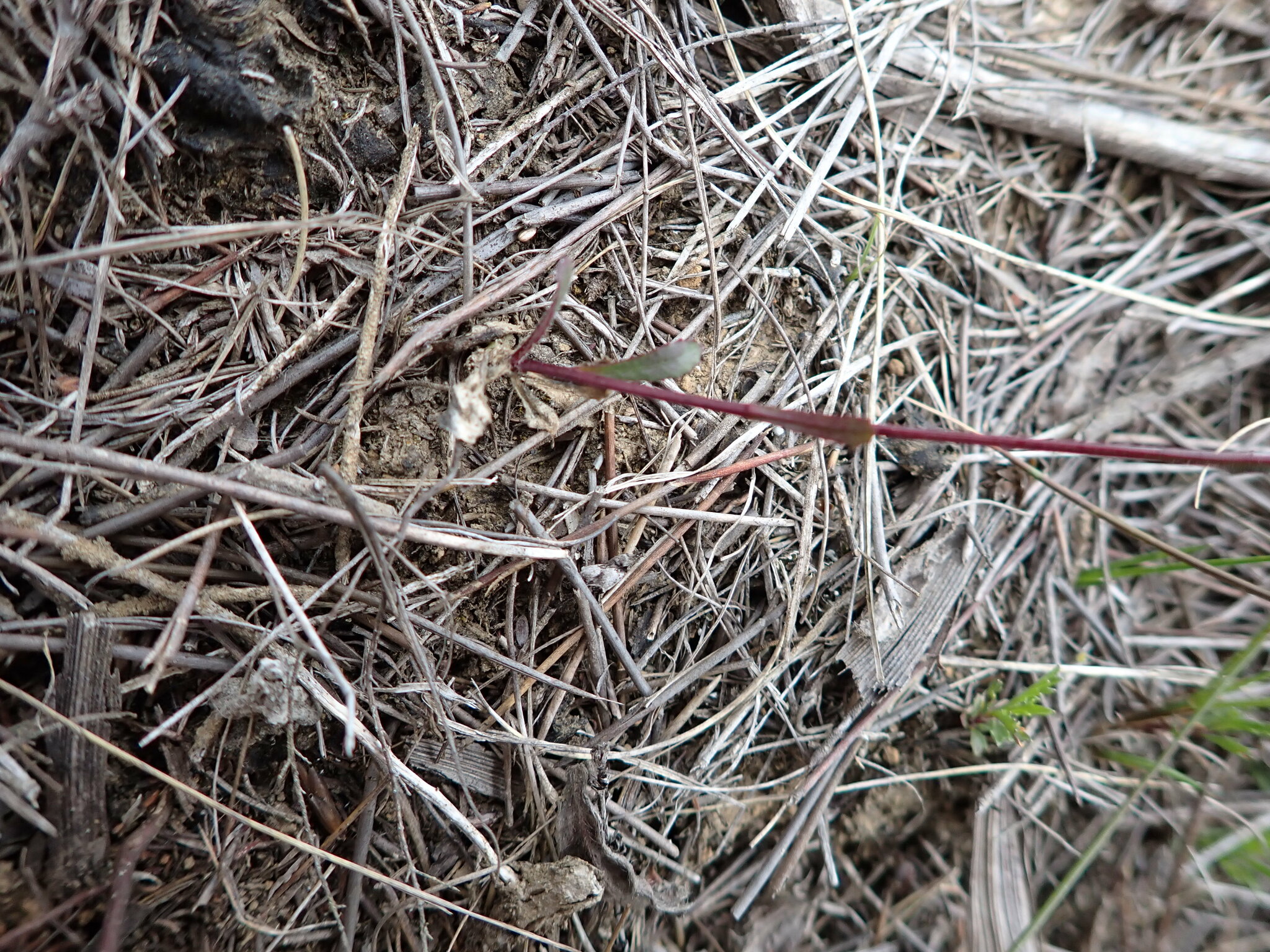
Decumbent herb. Stems 300-400 mm long, bare of leaves. Leaves at base rosulate, lamina spathulate to obovate-oblong, apex round to obtuse. Flowers blue. From: Retief, E; Herman, PPJ. 1997. Plants of the northern provinces of South Africa: Keys and diagnostic characters. Strelitzia 6: 1-681. National Botanical Institute, Pretoria. [CC BY]
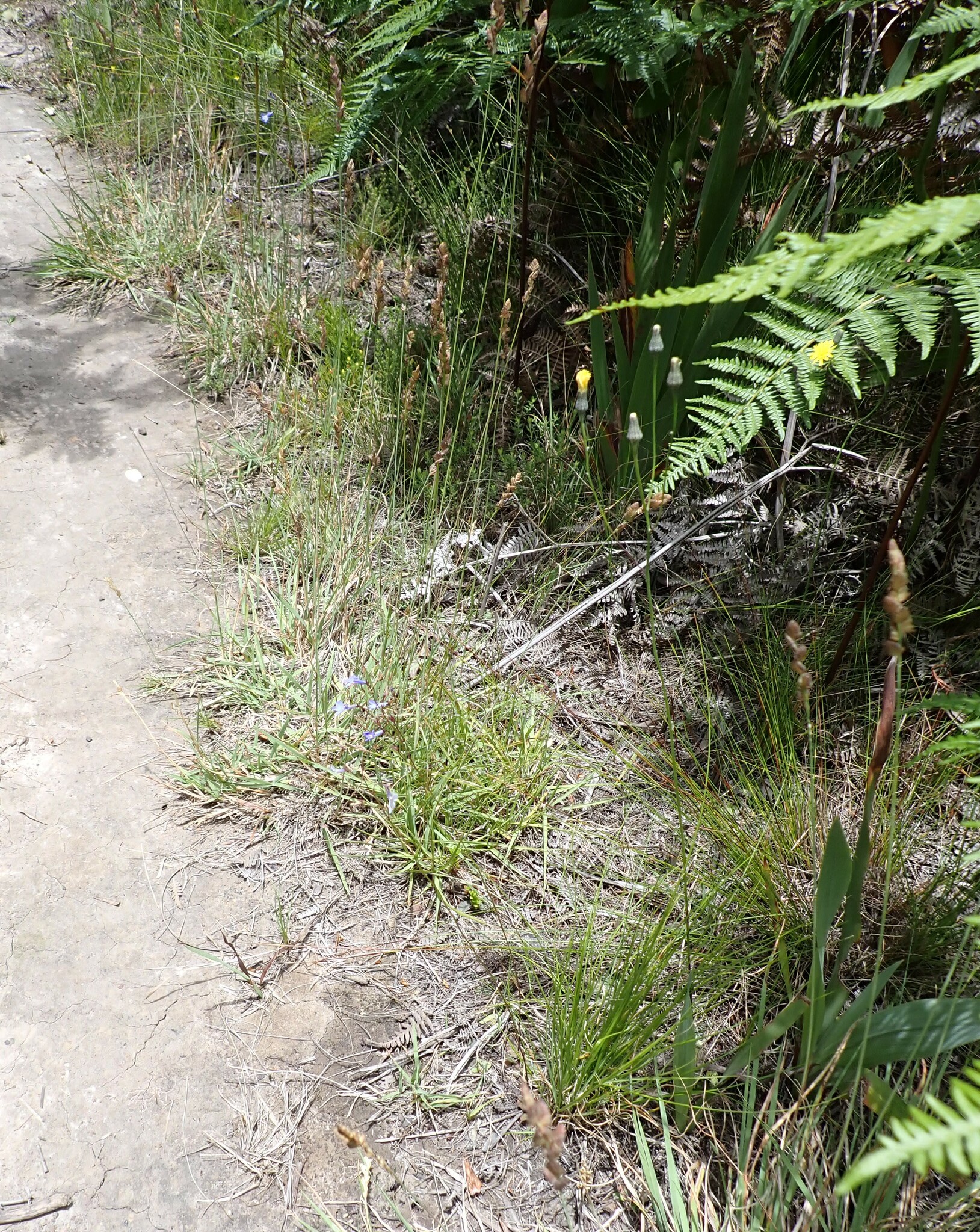
Damp grassland near rivers and in vleis, alt. 1200-1800 m. Dry Highveld Grassland. From: Leistner, OA; Bredenkamp, CL. 2019. Campanulaceae s.l.: Lobelia L. In: CL Bredenkamp (ed.), A Flora of the Eastern Cape Province. Strelitzia 41(1): 736-741. South African National Biodiversity Institute, Pretoria. [CC BY]
Mesic Grassland. Mountain grassland. From: Retief, E; Meyer, NL. 2017. Lobeliaceae. In: E Retief & NL Meyer (eds), Plants of the Free State: Inventory and identification guide. Strelitzia 38: 621-627. South African National Biodiversity Institute, Pretoria. [CC BY]
Watercourses. From: Retief, E; Herman, PPJ. 1997. Plants of the northern provinces of South Africa: Keys and diagnostic characters. Strelitzia 6: 1-681. National Botanical Institute, Pretoria. [CC BY]
South Africa, Lesotho. From: Wimmer, FE. 1953. Campanulaceae-Lobelioideae II. In: A Engler, L Diels, H Stubbe & K Noack (eds). Pflanzenr. (Engler) (Heft 107): 1-813. Akademie Verlag, Berlin. [All rights reserved]
September to March
1200 to 1800 m
This map contains point-based occurrences at different locations
Occurrence in the Flora of Southern Africa (FSA) countries and South African provinces. Residence status indicates if a taxon is indigenous, endemic, naturalised or invasive in a specific region. This data is based on specimen records and literature
FSA
SA
BOT
NAM
ESW
LES
WC
EC
NC
FS
GA
KZN
LP
MP
NW
Absent
Indigenous
Endemic
Naturalised
Invasive
Names and Sources
Published in: J. Linn. Soc., Bot. 25: 392 (1890)
Lobelia krookii Zahlbr., as 'krooki'
Published in: Ann. Nat. Hofmus. Wien 18: 407 (1903)
Lobelia tysonii E.Phillips
Published in: Ann. S. African Mus. 16: 176 (1917)
Classification
KINGDOM Plantae
SUBKINGDOM Phanerogamae
PHYLUM Anthophyta
ORDER Asterales
FAMILY Lobeliaceae
SUBFAMILY Lobelieae
GENUS Lobelia
SPECIES laxa
45 results for Lobelia laxa MacOwan
Year
Barcode: PRE0203392-0 Collector(s) & number: Wood, JM, 5398 | 1893-11-28
South Africa, KwaZulu-Natal, HOWICK
Data Resource: BODATSA View record
Barcode: PRE0203394-0 Collector(s) & number: Galpin, EE, 2754 | 1899-11-
South Africa, KwaZulu-Natal, RIETVLEI; GREENWICH FARM
Data Resource: BODATSA View record
Barcode: PRE0203399-0 Collector(s) & number: Dieterlen, A, 811A | 1915-1-
Lesotho, MAFETENG DIST.; LIKHOELE; SELIBANENG FARM
Data Resource: BODATSA View record
Barcode: PRE0203393-0 Collector(s) & number: Devenish, NJ, 992 | 1963-2-10
South Africa, KwaZulu-Natal, UTRECHT DIST.; NAAUWHOEK
Data Resource: BODATSA View record
Barcode: PRE0203402-0 Collector(s) & number: Goossens, APG, 322 | 1930-11-25
South Africa, KwaZulu-Natal, MOUNT CURRIE DIST
Data Resource: BODATSA View record
Barcode: PRE0203400-0 Collector(s) & number: Compton, RH, 21522 | 1949-2-27
Lesotho, MOKHOTLONG
Data Resource: BODATSA View record
Barcode: PRE0203401-0 Collector(s) & number: Flanagan, HG, 1609 | 1892-12-
South Africa, Eastern Cape, MOLTENO; BROUGHTON
Data Resource: BODATSA View record
Barcode: PRE0203395-0 Collector(s) & number: Mogg, AOD, 5694 | 1919-10-29
South Africa, KwaZulu-Natal, DARGLE ROAD
Data Resource: BODATSA View record
Barcode: PRE0050614-0 Collector(s) & number: Edwards, TJ, 1335 | 1995-9-
South Africa, KwaZulu-Natal, Balgowan: Damp riverine.
General notes: Damp riverine grassveld. Small heterophyllous herb. Flowers smokey-blue. Conf: NC Netnou
Data Resource: BODATSA View record
Barcode: PRE0470690-0 Collector(s) & number: Coleman, TA, 710 | 1973-12-13
South Africa, Eastern Cape, THORNHAM FARM
Data Resource: BODATSA View record
Barcode: PRE0470689-0 Collector(s) & number: Coleman, TA, 821 | 1975-12-5
South Africa, Eastern Cape, THORNHAM FARM; RIVER AREA
Data Resource: BODATSA View record
Barcode: PRE0541517-0 Collector(s) & number: Jacobsen, NHG, 5093 | 1996-3-20
South Africa, KwaZulu-Natal, Sithundu on Mvoti River near clinic. ± 20 km from Mapumulo.
Data Resource: BODATSA View record
Barcode: PRE0547039-0 Collector(s) & number: Jacobsz, ML, 3977 | 1978-12-14
South Africa, KwaZulu-Natal, LOTENI NAT. RES.
Data Resource: BODATSA View record
Barcode: PRE0574843-0 Collector(s) & number: Kroon, NV, 15877 | 1998-2-22
South Africa, Eastern Cape, Knysna District: Diepwalle Forest Station. In wet mud on bank. Dam across road from entrance to King Edward VII tree.
Data Resource: BODATSA View record
Barcode: PRE0601144-0 Collector(s) & number: Hilliard, OM, 11155 | 1978-1-1
South Africa, KwaZulu-Natal, MPENDHLE DIST.; VERGELEGEN N.R.; MAHLANGUBO RIVER VALLEY.
Data Resource: BODATSA View record
Barcode: PRE0651101-0 Collector(s) & number: Beeton, HW, 37 | 1916-11-13
South Africa, Mpumalanga, WAKKERSTROOM; TOWN LANDS
Data Resource: BODATSA View record
Barcode: PRE0682317-0 Collector(s) & number: Nicholas, A, 2054 | 1984-11-26
South Africa, KwaZulu-Natal, HIGHMOOR STATE FOR.; BELOW KA - MBEVULA RIDGE NEAR THE GABLE. STEEP SLOPE
Data Resource: BODATSA View record
Barcode: PRE0767017-0 Collector(s) & number: Baard, JA, 106 | 1993-12-
South Africa, Western Cape, George-Knysna.
General notes: Forest ecotone. Forb.
Data Resource: BODATSA View record
Barcode: PRE0860498-0 Collector(s) & number: Middelberg, G, 35 | 2003-1-26
South Africa, Eastern Cape, Diepkloof.
General notes: River edge. Biotic effect: natural. No slope.
Data Resource: BODATSA View record
Barcode: NH0122792-0 Collector(s) & number: Edwards, T, 1335 | 1995-9-
South Africa, KwaZulu-Natal, Balgowan.
General notes: Small heterophyllous herb of damp riverine grassveld. Flowers smokey blue.
Data Resource: BODATSA View record
Barcode: NH0122804-0 Collector(s) & number: Groll, J, 3 | 1991-9-15
South Africa, Gauteng, Megawatt Park, Johannesburg.
General notes: Wet site. Flowers blue and yellow.
Data Resource: BODATSA View record
Barcode: NH0127517-0 Collector(s) & number: Greene, TR, 1195 | 2001-2-8
South Africa, KwaZulu-Natal, Lotheni Nature Reserve.
General notes: Leaves basal, simple. Leaves up the stem toothed, stem branching from base. Herb. Erect. Flowers blue, no scent. Vegetation type: grassland. Moisture regime: seepage area. Exposure: full sun. Plant height: 0.45m. Local abundance: occasional. Grid Ref: 2929BCA.
Data Resource: BODATSA View record
Barcode: NH0126429-0 Collector(s) & number: Bester, SP, 423 | 1993-3-18
South Africa, Eastern Cape, Drakensberg, Maclear, Farm Bushy Ridge, ca. 25km North West from Ugie.
General notes: Grassland, well drained sandy soil. Aspect North, steep slope. Rested camp. Plant 0,5m high. Flowers light purple. Occasional.
Data Resource: BODATSA View record
Barcode: PRE0867583-0 Collector(s) & number: Steyn, HM, 2267 | 2016-1-23
South Africa, Eastern Cape, Komgha District. Kei Mouth. On dirt road to Morgan's Bay.
Data Resource: BODATSA View record
Barcode: NH0117190-0 Collector(s) & number: Bester, SP, 1503 | 1993-11-5
South Africa, Eastern Cape, Maclear, Maclear commonage, ±4Km north west of Maclear.
Data Resource: BODATSA View record
Barcode: NH0110390-0 Collector(s) & number: Abbott, ATD, 4867 | 1990-1-6
South Africa, KwaZulu-Natal, Ngeli, East of Dakota Kop.
Data Resource: BODATSA View record
Barcode: NH0084950-0 Collector(s) & number: Coleman, TA, 1013 | 1978-2-25
South Africa, KwaZulu-Natal, Weza.
Data Resource: BODATSA View record
Barcode: NH0105688-0 Collector(s) & number: Green, DM, 601 | 1989-11-13
South Africa, KwaZulu-Natal, "Rensburgspruit", Estcourt District.
Data Resource: BODATSA View record
Barcode: NH0073676-0 Collector(s) & number: Coleman, TA, 821 | 1975-12-5
South Africa, Eastern Cape, Farm Thornham. Kokstad.
Data Resource: BODATSA View record
Barcode: NH0069816-0 Collector(s) & number: Coleman, TA, 710 | 1973-12-13
South Africa, Eastern Cape, Farm Thornham. Kokstad.
General notes: In frequent.
Data Resource: BODATSA View record
Barcode: NH0101635-0 Collector(s) & number: Hutchings, A, 1951 | 1958-12-7
South Africa, Eastern Cape, Thaba Chitja, Ongeluk's Nek, northern slope above road between Police Post and Basuto Border Post.
Data Resource: BODATSA View record
Barcode: NH0148245-0 Collector(s) & number: Ngwenya, AM, 4682 | 2018-11-2
South Africa, KwaZulu-Natal, Harry Gwala District Municipality area. Greater Kokstad Local Municipality area. Constantia Farm.
Data Resource: BODATSA View record
Barcode: NH0084442-0 Collector(s) & number: Green, DM, 375 | 1985-12-
South Africa, KwaZulu-Natal, Mooi River/Greytown road. Sierra Ranch.
Data Resource: BODATSA View record
Barcode: NBG1573156-2 Collector(s) & number: Shearing, DAMB, 1399 | 1987-1-31
South Africa, Western Cape, Beaufort West. Karoo National Park. Mount View. Alt: 6000 ft.
General notes: SCHG7176.0
Data Resource: BODATSA View record
Barcode: NBG1573156-1 Collector(s) & number: Shearing, DAMB, 1399 | 1987-1-31
South Africa, Western Cape, Beaufort West. Karoo National Park. Mount View. Alt: 6000 ft.
General notes: SCHG7176.0
Data Resource: BODATSA View record
This map contains point-based occurrences at different locations
2019
SERIES CHAPTER
Campanulaceae s.l.: Lobelia L. Leistner, OA; Bredenkamp, CLIn: CL Bredenkamp (ed.), A Flora of the Eastern Cape Province. Strelitzia 41(1)736-741
South African National Biodiversity Institute, Pretoria
2017
SERIES CHAPTER
Lobeliaceae Retief, E; Meyer, NLIn: E Retief & NL Meyer (eds), Plants of the Free State: Inventory and identification guide. Strelitzia 38: 621-627
South African National Biodiversity Institute, Pretoria
2007
BOOK
World checklist and bibliography of Campanulaceae Lammers, TGRoyal Botanic Gadens, Kew, Surrey
1997
SERIES
Plants of the northern provinces of South Africa: Keys and diagnostic characters Retief, E; Herman, PPJStrelitzia 6: 1-681
National Botanical Institute, Pretoria
1953
FLORA
Campanulaceae-Lobelioideae II. Wimmer, FEIn: A Engler, L Diels, H Stubbe & K Noack (eds). Das Pflanzenreich (Engler)(Heft 107)1-813
Akademie Verlag, Berlin
No results found for Lobelia laxa MacOwan
Status and criteria
NE
Assessment date
2016-01-14
Assessor(s)
Plantae Coordinator
Range
<p>Endemic to sub-Saharan Africa, this species is widespread across the central regions of southern Africa, occurring from central and northern Namibia, across western Zambia, and throughout the majority of Botswana (with the exception of the extreme east), into western Zimbabwe. The habitat of this species is contiguous, although naturally fragmented. The southern portion of its range extends into the Northern Cape and North West provinces of South Africa, where it occurs in the Kgalagadi Transfrontier Park, Tswalu Game Reserve, Hotazel, Blackrock and Winton (Figure 1). Its distribution is associated with red Kalahari arenosols but it also occurs in coarse sandy soils (Bennett 2013). </p><p>The species is said to be sympatric with the Common Mole-rat (Cryptomys hottentotus) where soil sandiness ensures local niche differentiation (Skinner and Chimimba 2005), which may be the case in the North West Province where such conditions exist (Power 2014). Power (2014) surmises that the Mafikeng Bushveld vegetation type is a zone of sympatry, and that the record 100 km west of Mafikeng marks their most eastern distribution in South Africa and thus their range boundary should be redrawn accordingly.</p>
Major system
Major habitats
Population trend
JOURNAL ARTICLE
Pinhey, E. 1975. A collection of Odonata from Angola. Arnoldia. 23:1–16
JOURNAL ARTICLE
Pinhey, E. 1976. Dragonflies (Odonata) of Botswana, with ecological notes. Occasional papers of the national Museums and Monuments of Rhodesia, Series B. 5:524-601
| Part(s) of plant used | Use(s) | Reference |
|---|
Coming soon...


