
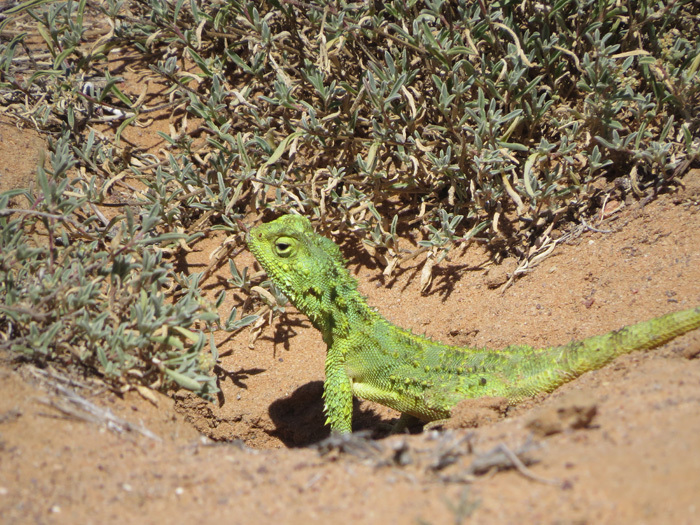
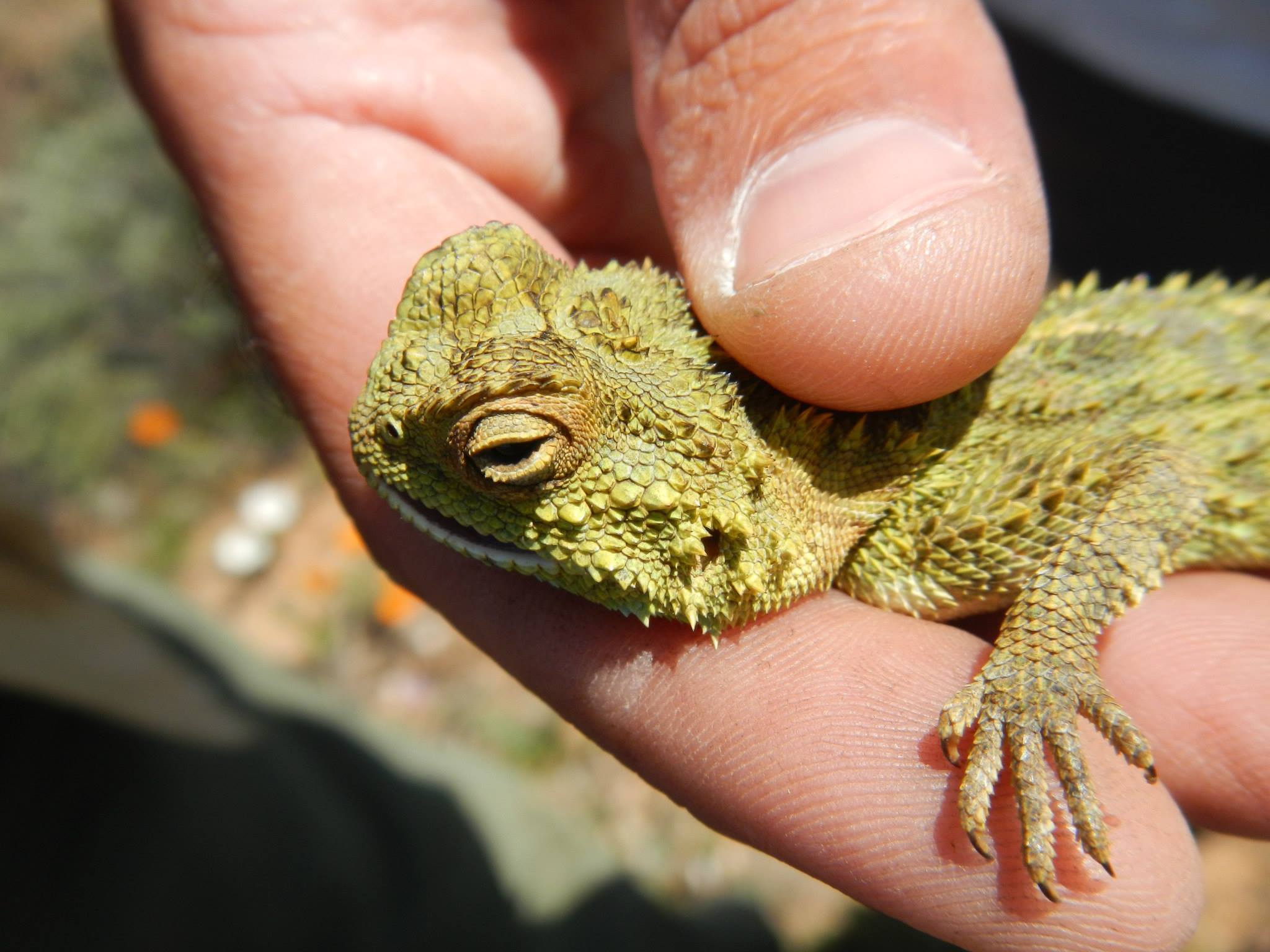
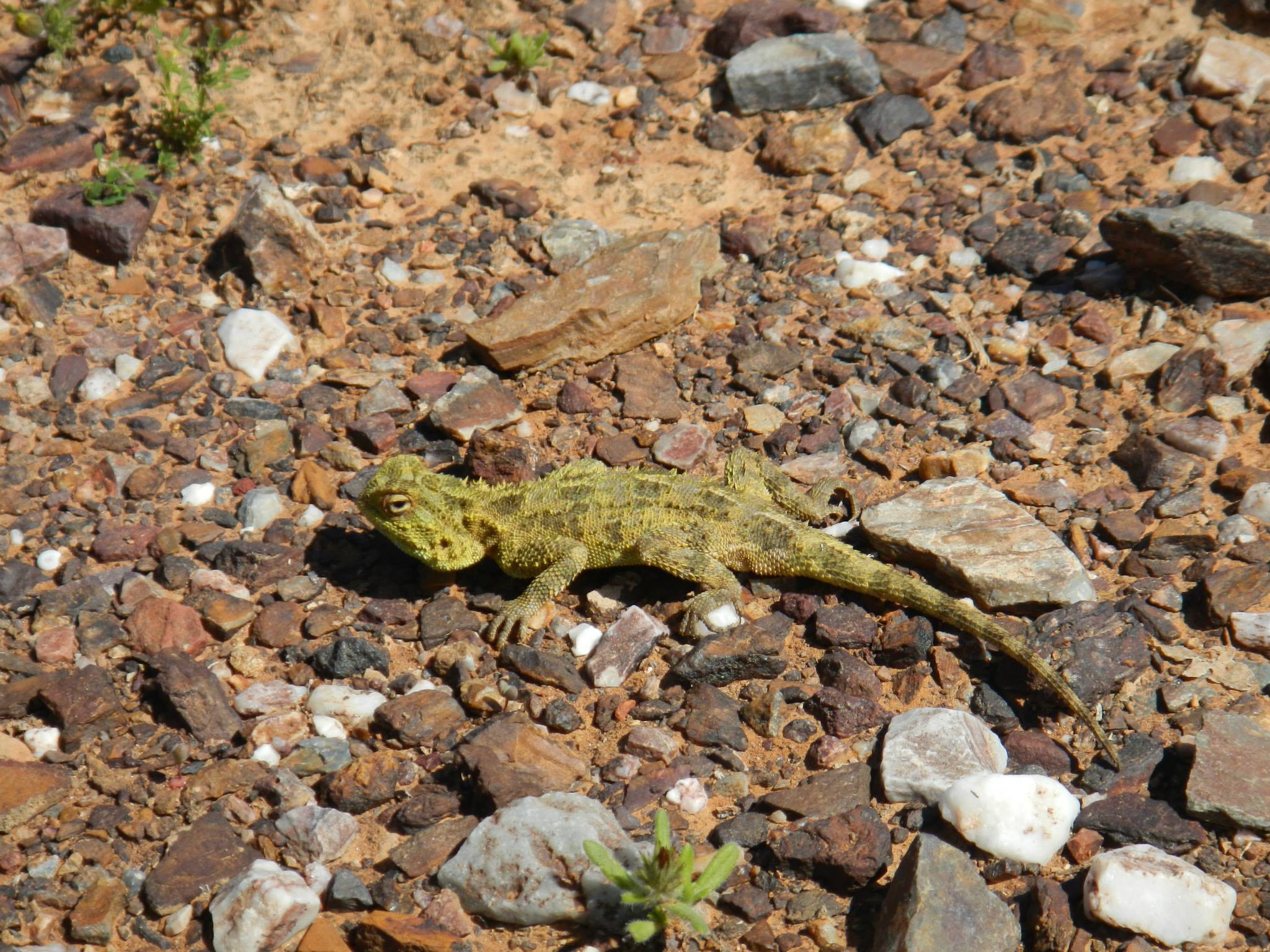
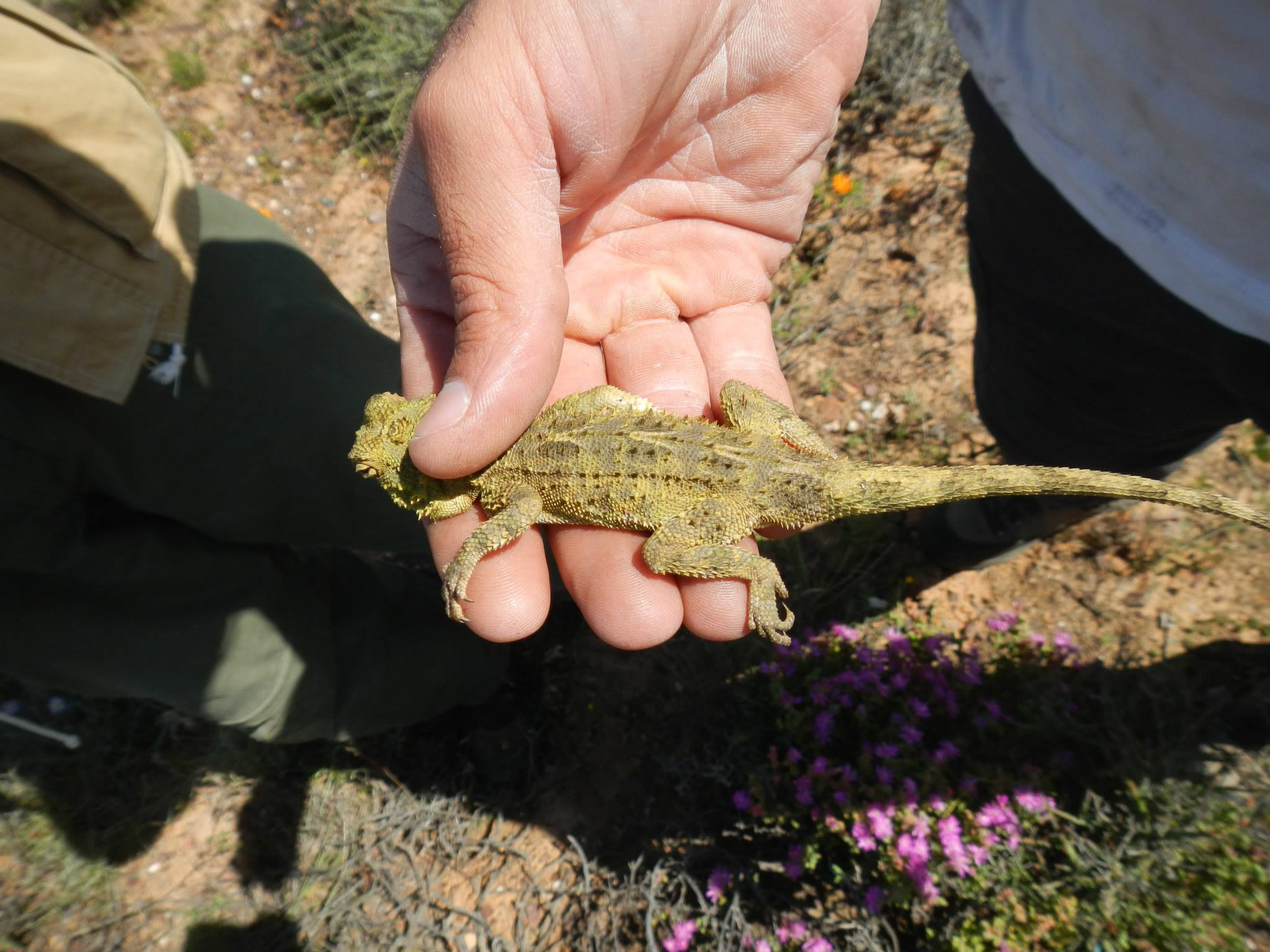
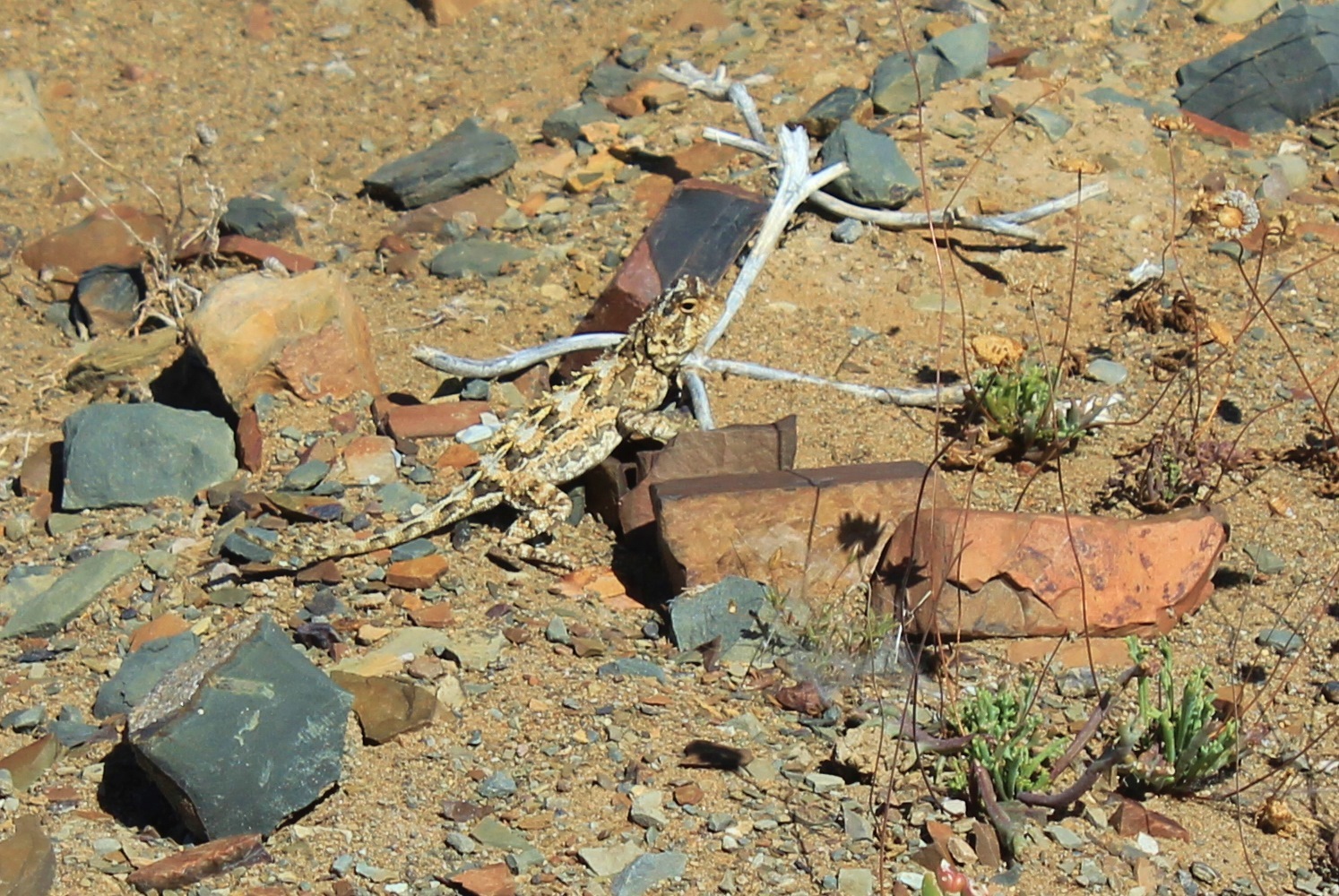
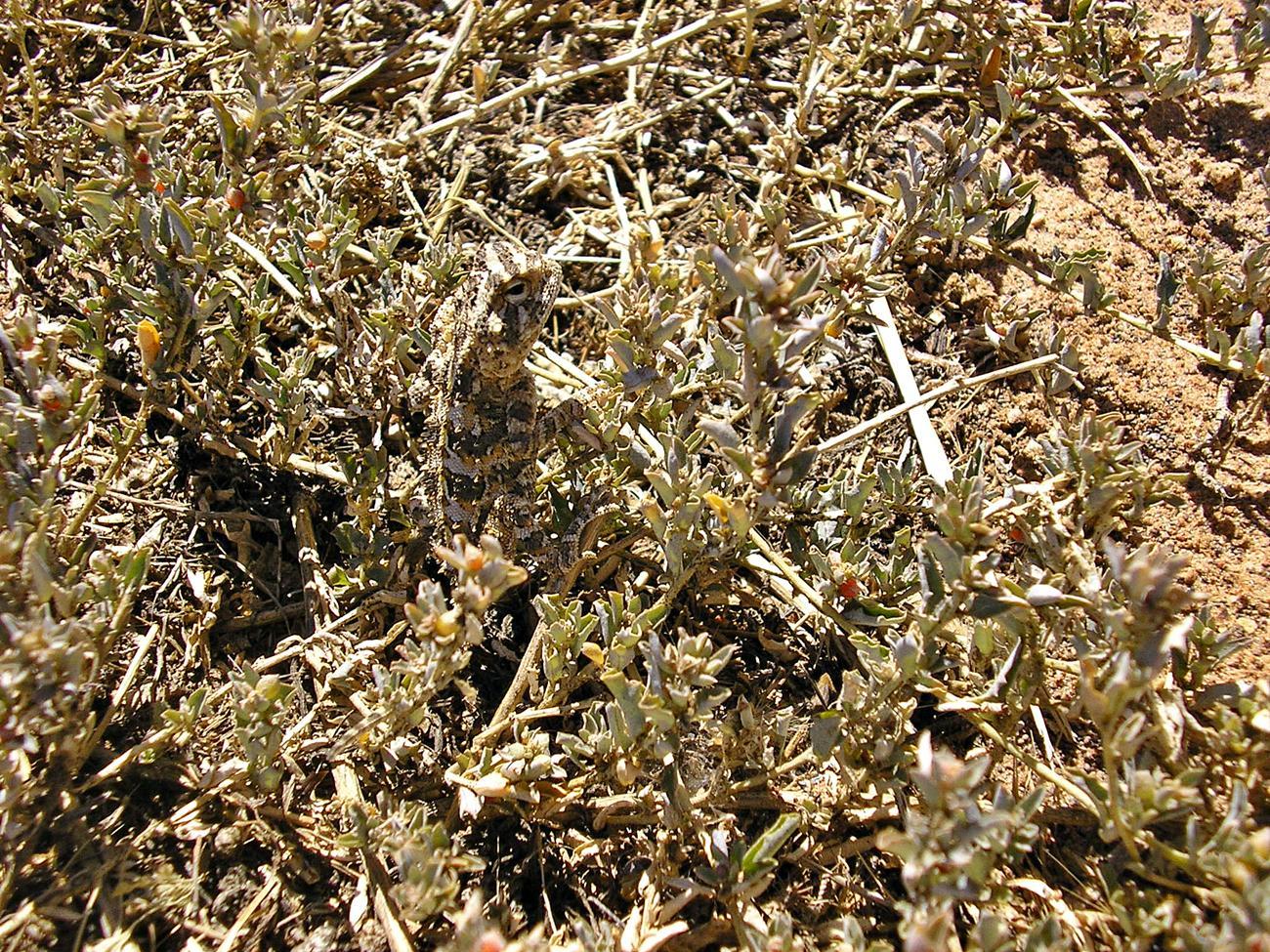
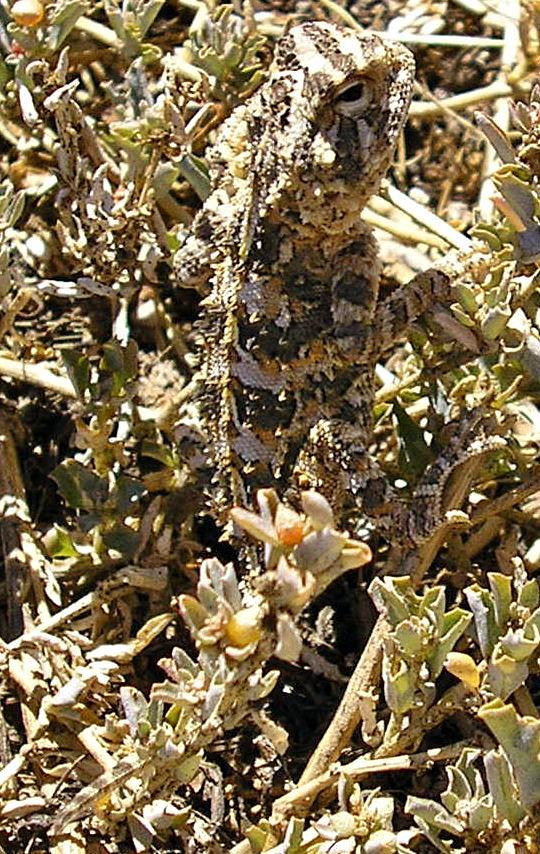
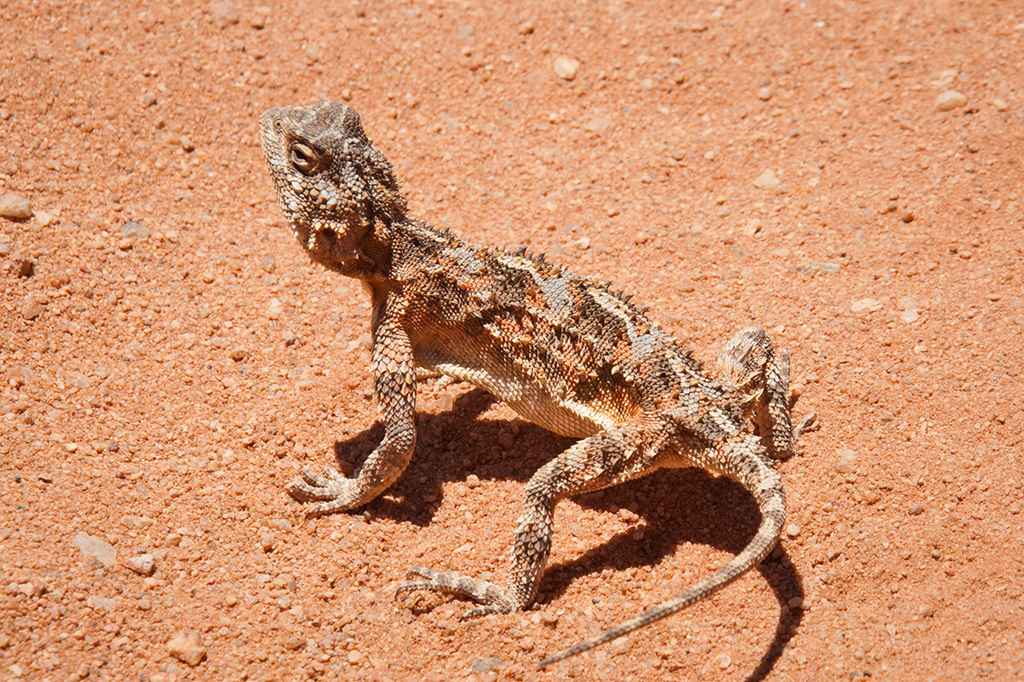
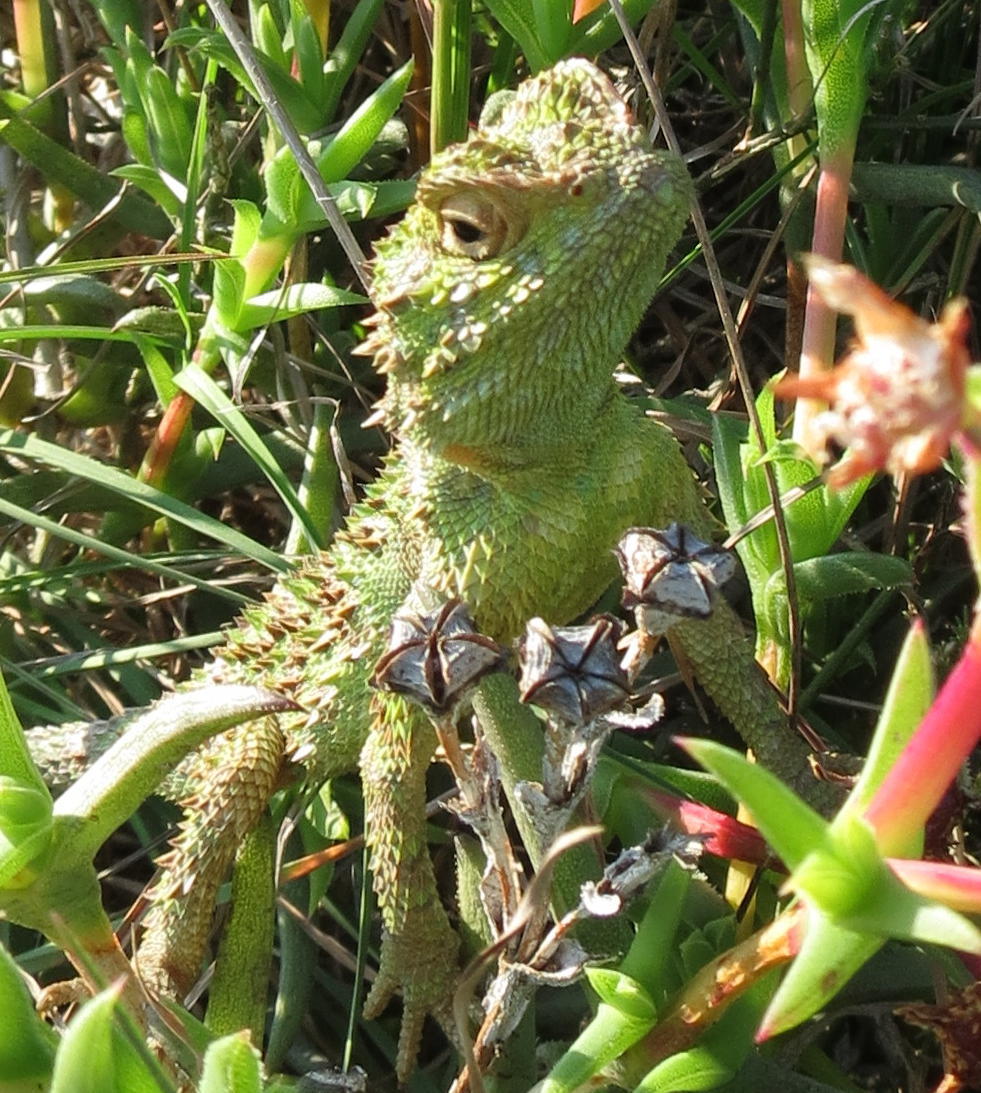
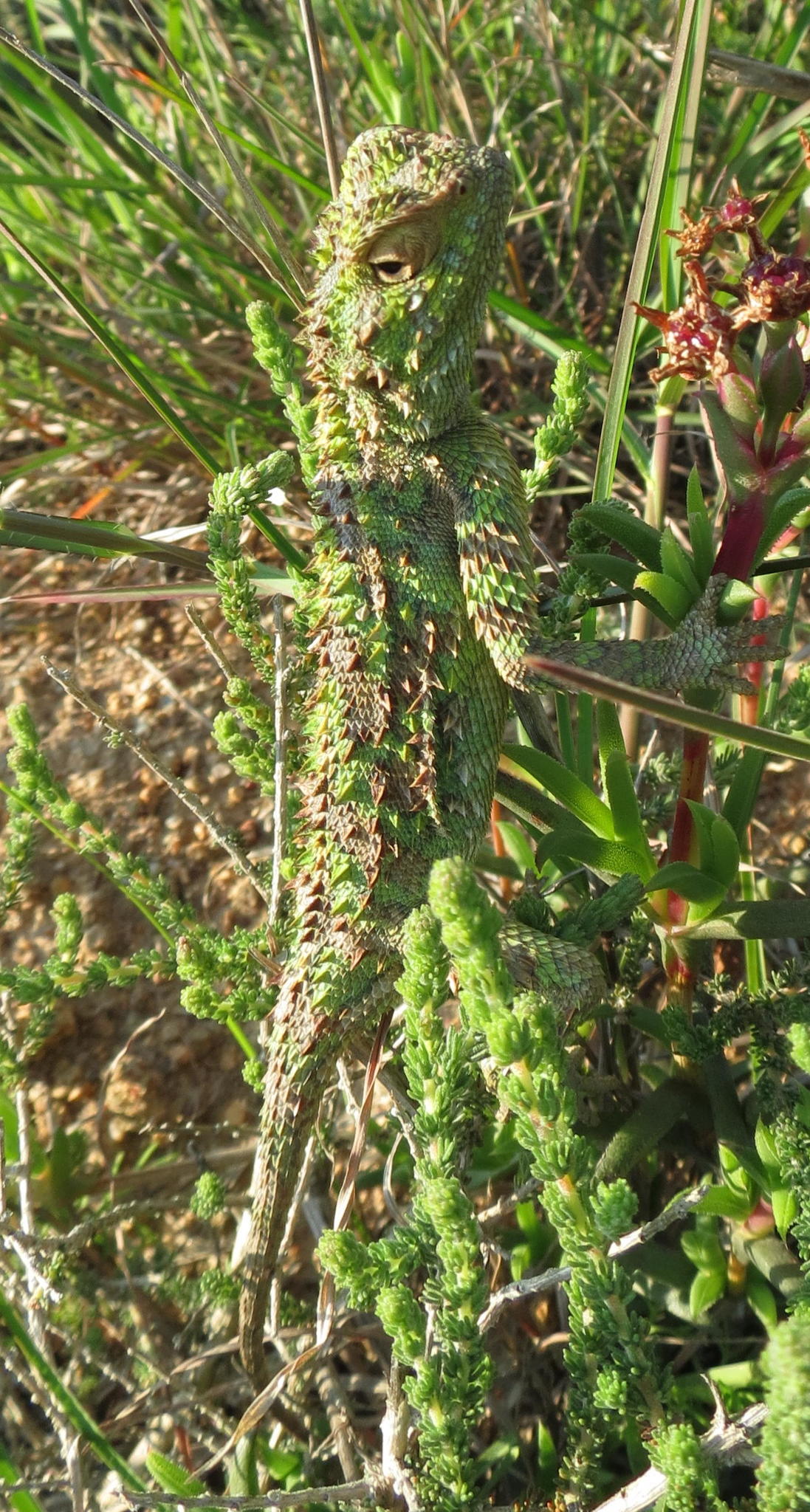
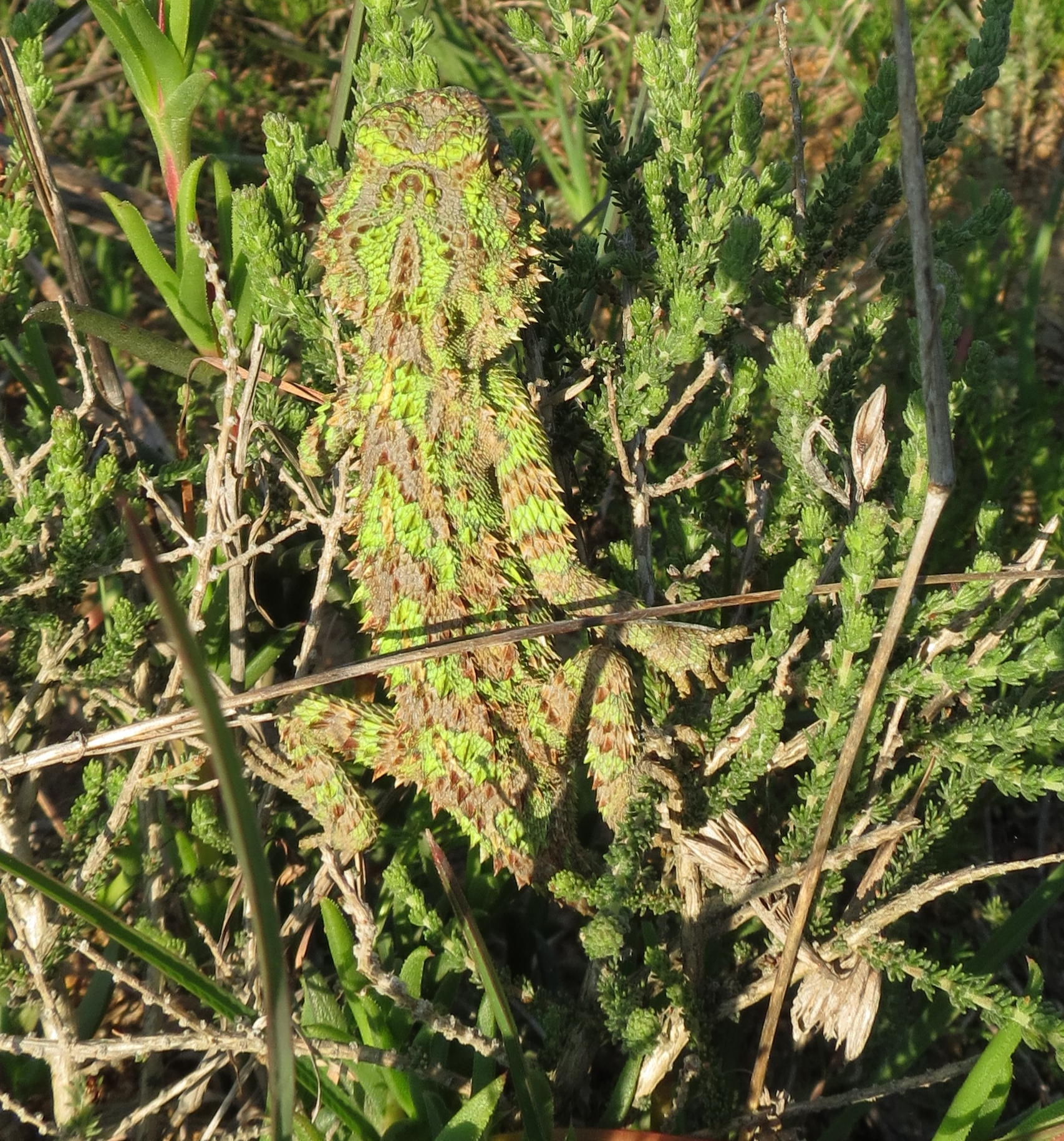
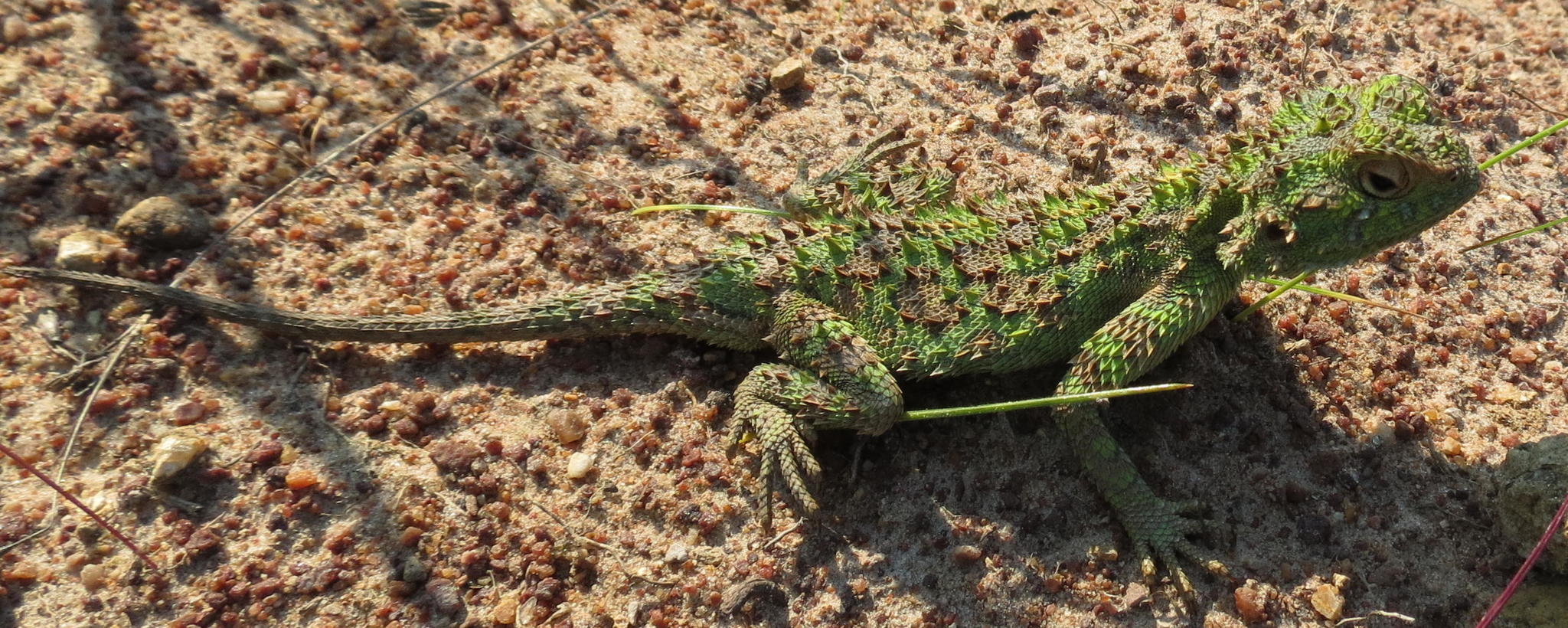
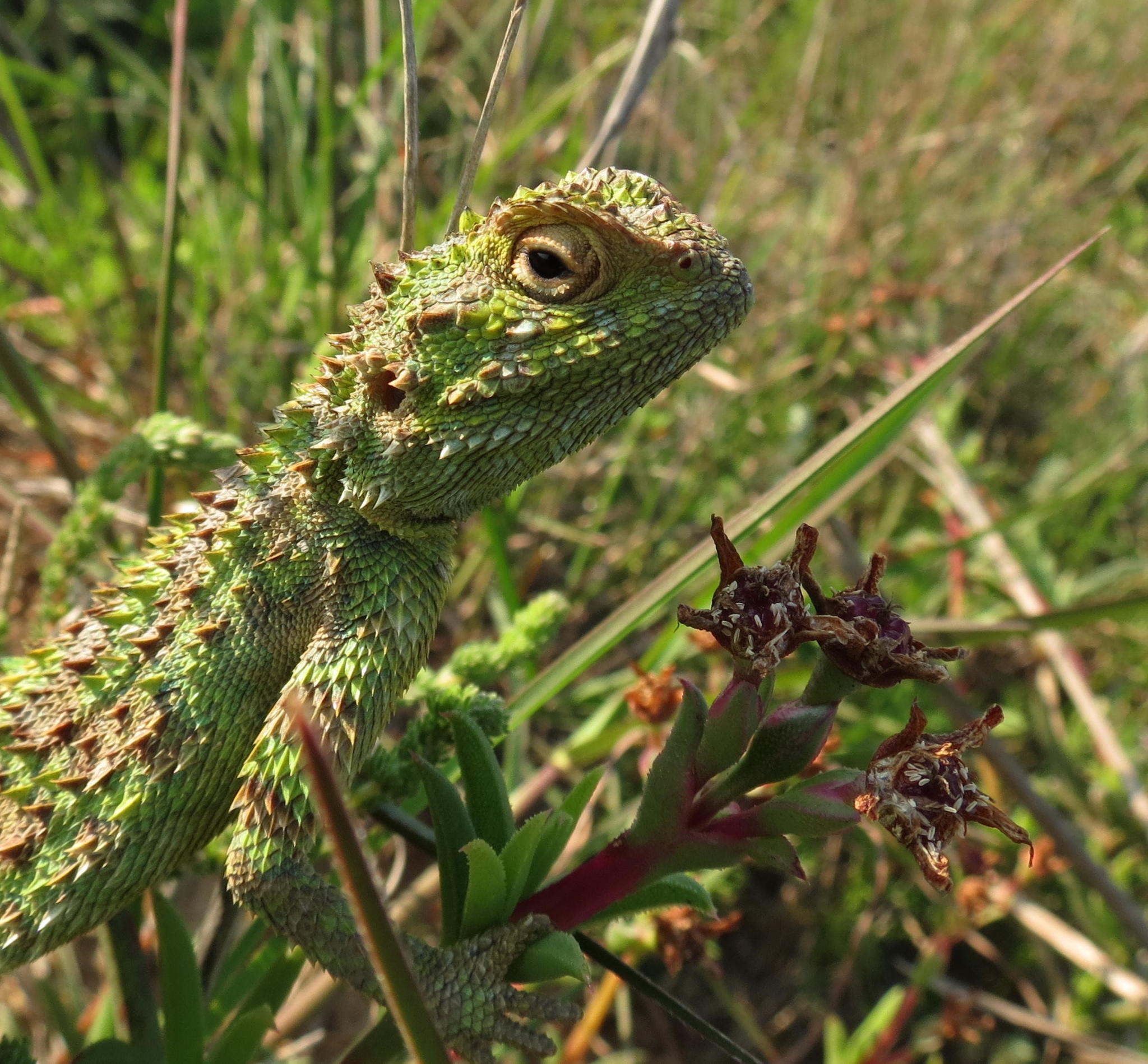
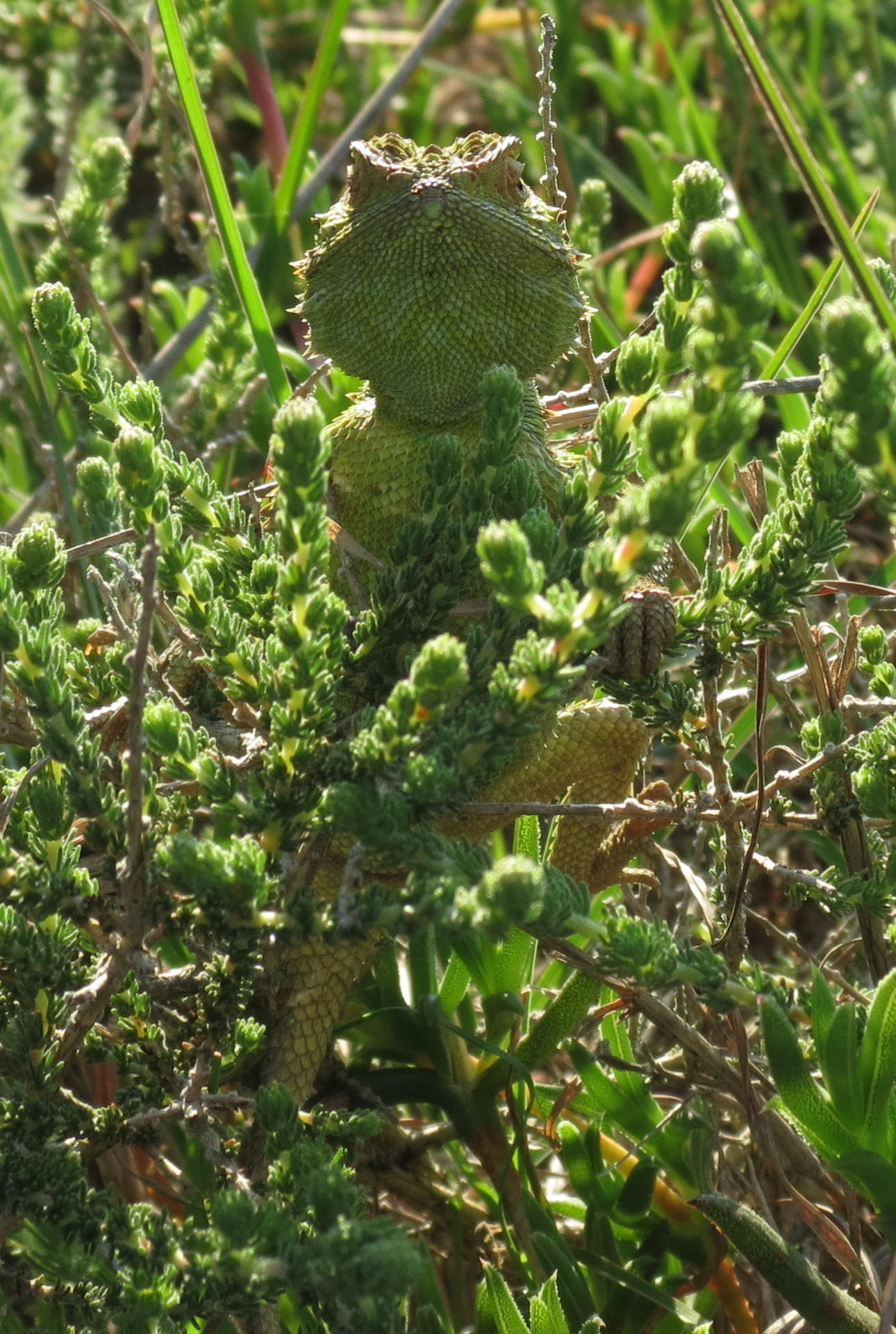
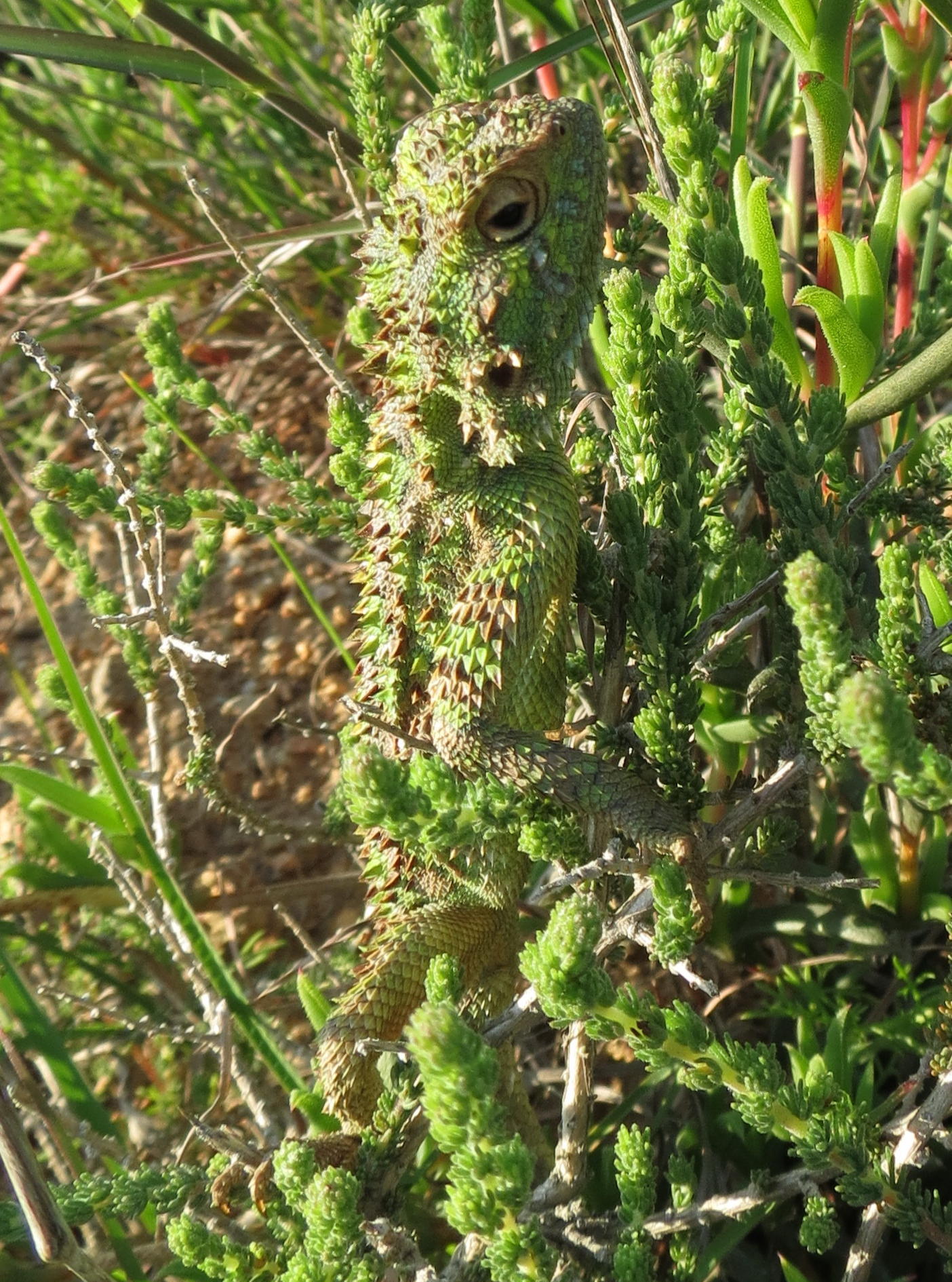
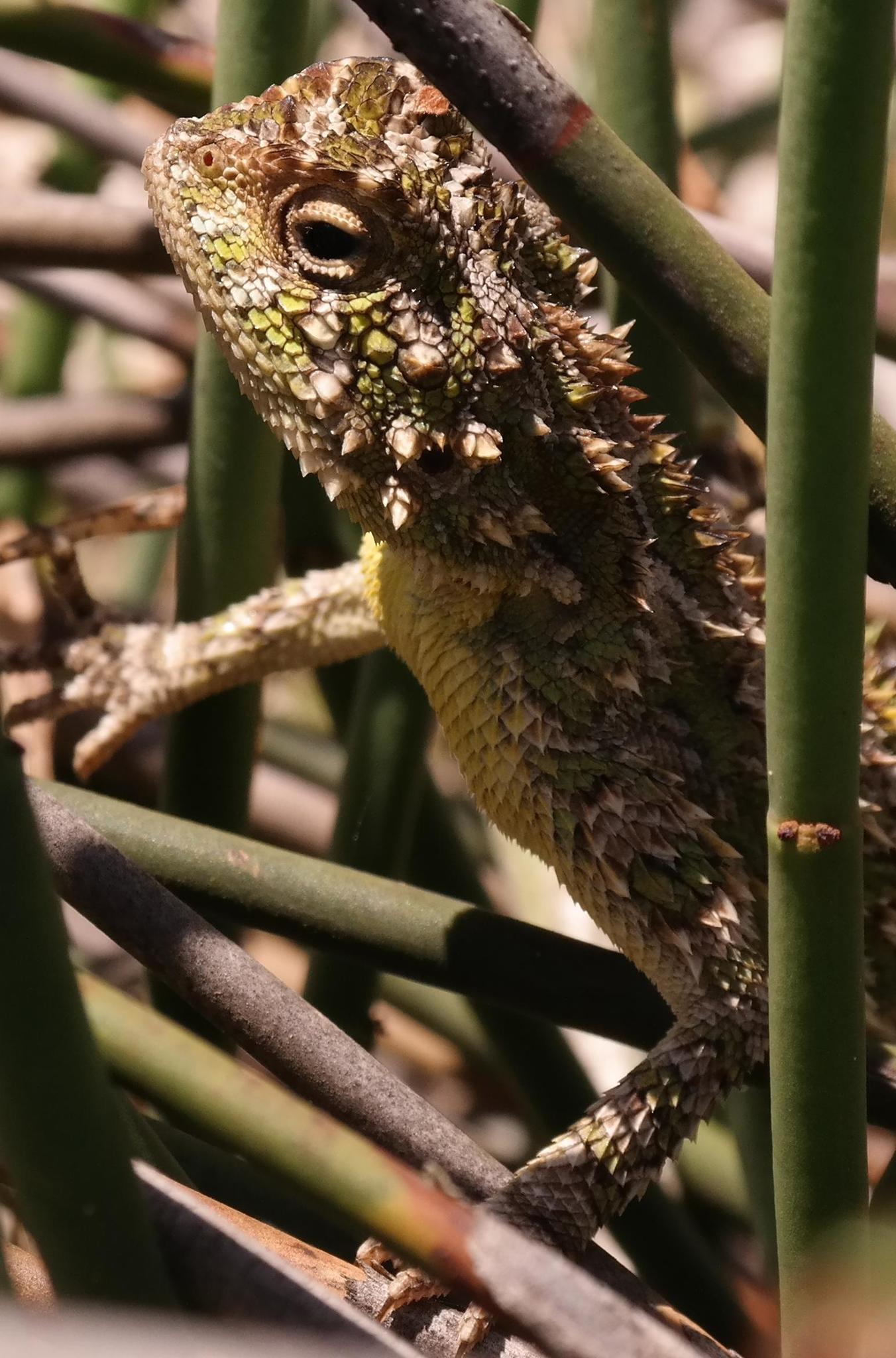
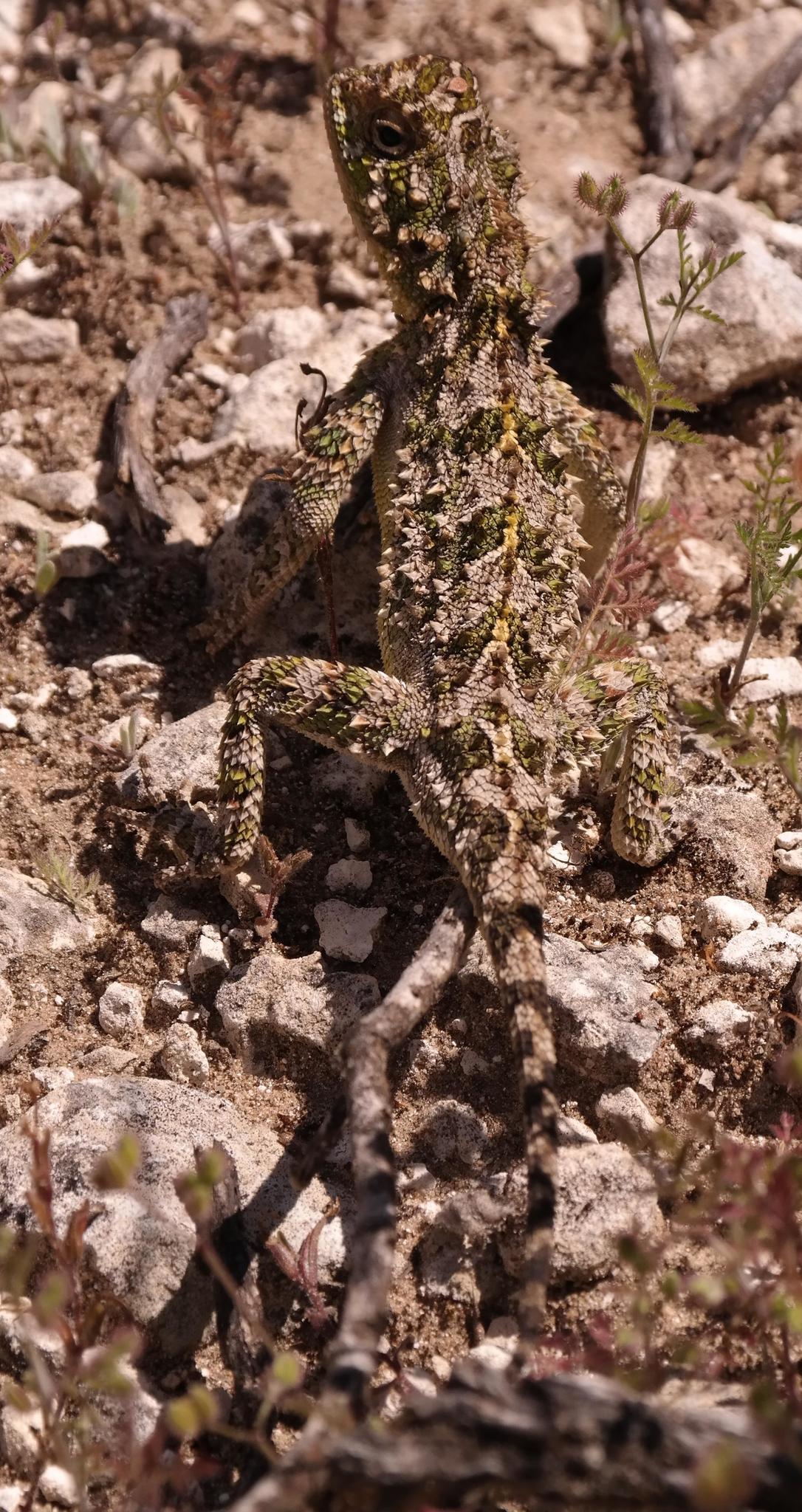
The description below was extracted from Boulenger (1885): Head short, convex, sub-cordiform. Nostril not tubular, lateral, pierced just below the canthus rostral is in a convex nasal. Upper head-scales unequal, rough, keeled, or sub-corneal; forehead convex, with enlarged sub-conical scales; occipital enlarged; back of head with large conical spinose scales; ear-opening small, not quite as large as the eye-opening. Male without a regular gular pouch. Body depressed, covered with moderately large, imbricate, strongly keeled scales intermixed with strongly enlarged, spinose, raised ones; a well-marked dorsal and nuchal crest; ventral scales more or less strongly keeled and mucronate. Limbs moderate; tibia as long as the skull (to occiput); fingers short, third longest; toes short, third longer than fourth, fifth not extending as far as first. Tail once and one fourth to once and a half as long as the distance from gular fold to vent, rounded, covered with strongly keeled scales, the basal portion intermixed with enlarged spinose scales. Males with a row of anal pores. Brown or olive, spotted with darker ; lower surfaces dirty white, in the young with wide-meshed grey reticulation; throat of the breeding male blue.
No separate diagnostic description was provided. Refer to the morphological description.
Holotype: lost fide Andersson 1900: 12 Holotype: MNHN-RA 2608 [Agama aspera] Holotype: DNMNH (= TM) (probably, not specified) [makarikarika] makarikarika type locality: Makarikari Pan, North Bechuanaland. ‘’America australi”
The apparently disjunct population in the northwest Free State province, South Africa (De Waal, 1978) probably refers to A. aculeata distanti and records to the east of the distribution probably refer to A. aculeata aculeata (Tolley et al., 2023).
Namibia, South Africa
This species is distributed in the western arid areas of South Africa, from the south coastal region northwards into southwestern Namibia (McLachlan, 1981), extending along the western Great Escarpment and marginally into the Karoo. Although originally occurring southward to the lower elevation areas in the Cape Town area (McLachlan, 1981), there are no recent records from there and this subpopulation appears to have become locally extinct.
In general, lizards can sprint, crawl, climb, jump, and glide. When sprinting on four legs, lizards often move their fore feet diagonally in unison—the right fore foot with the left hand and the left fore foot with the right hand. The body's bent is simultaneously reversed. The shoulders, hips, and other joints in the legs as well as the bending of the back all contribute to moving the feet forward. Leg and back muscles work together to power running (Alexander, 2012).
Carnivore - Insectivore (insect-eating)
These lizards feeds on ants and beetles (Branch, 1998).
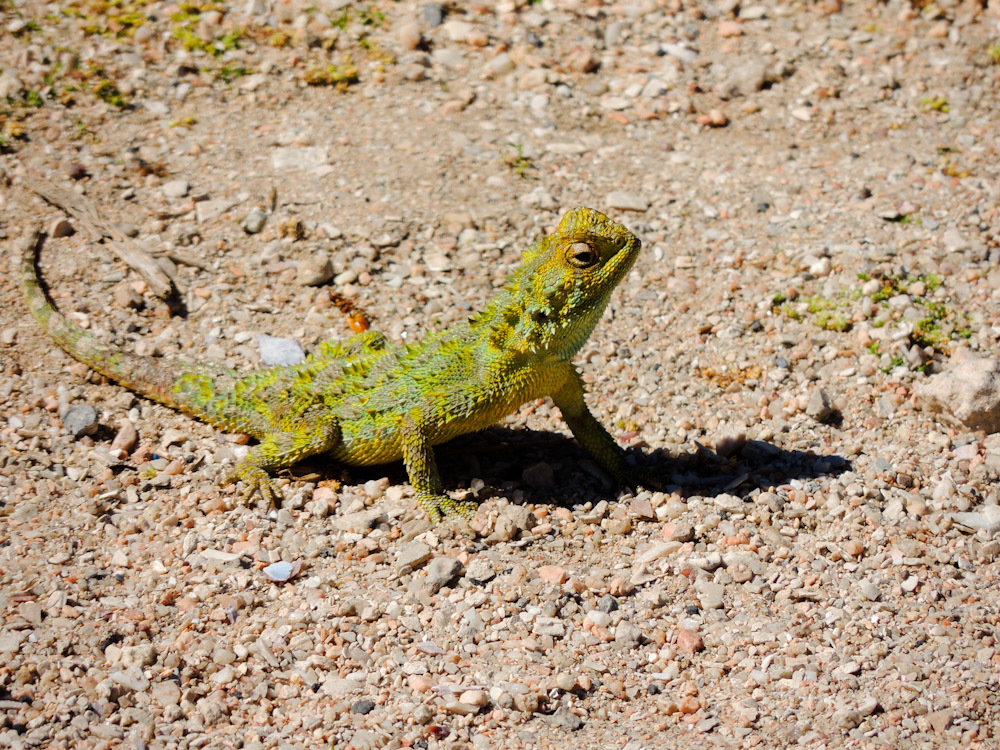
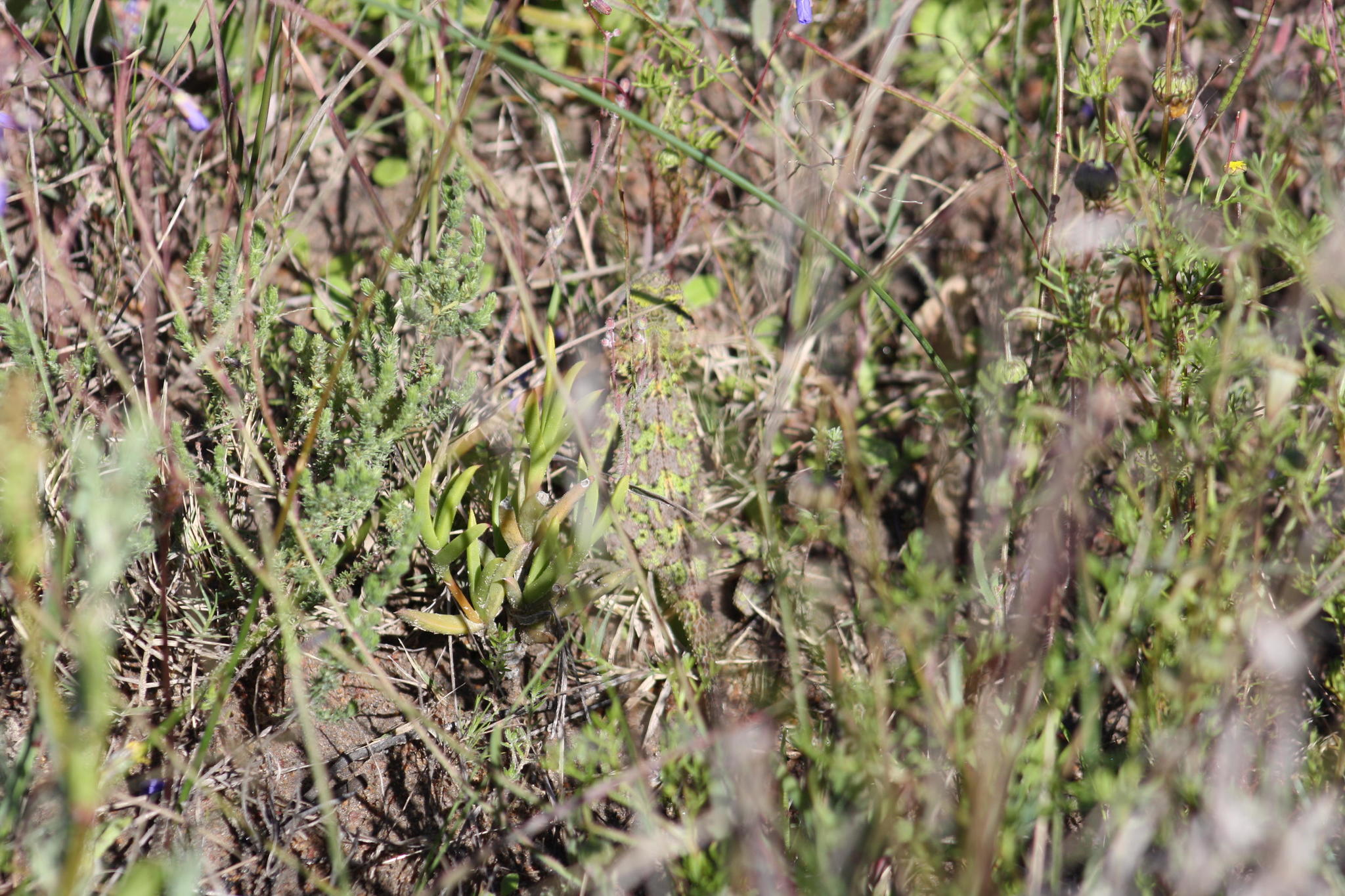
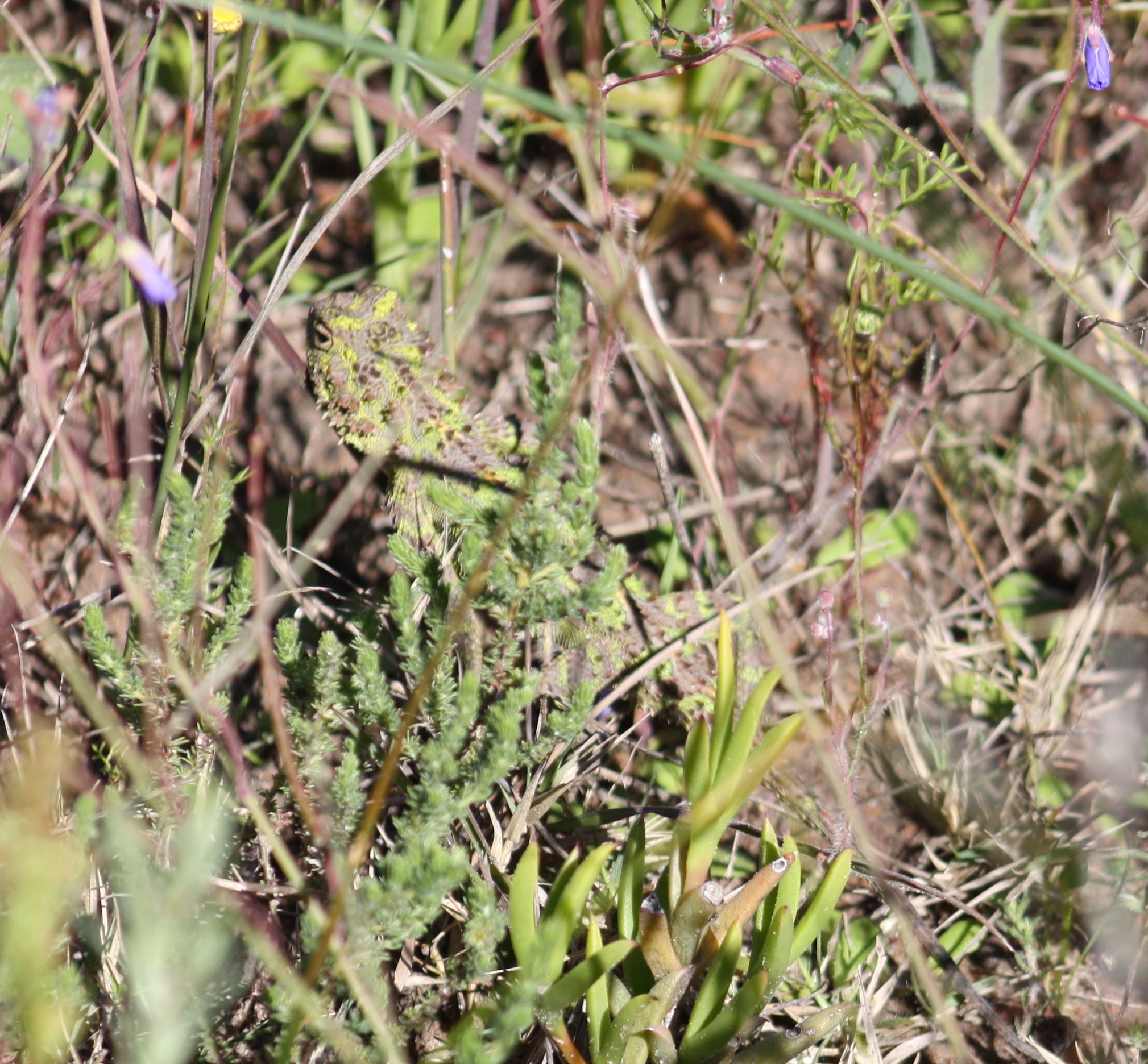
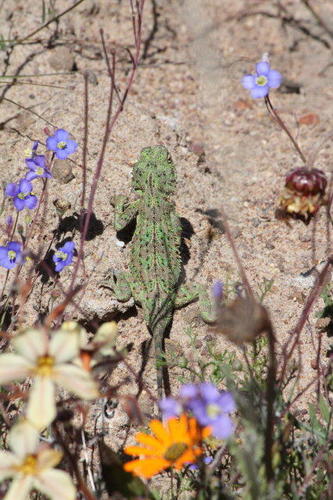
This species is oviparous, with females producing 7-11 eggs in October-November. Breeding males have a vivid, almost metallic, yellow-green head and body, with indistinct darker and paler blotches (Branch, 1998).
Agamas are diurnal, active during the day. They can tolerate higher temperatures than most reptiles, but when temperatures approach 38 °C (100°F) they generally shelter in the shade. Males frequently threaten each other by nodding, weaving, and displaying their brightest colors to establish dominance. If that is insufficient, they lash their tails and threaten each other with open jaws. The jaws are very powerful, and older males commonly have damaged tails as souvenirs of past combat. Females may sometimes chase and fight one another, and hatchlings mimic the adults' behavior (Burton and Burton, 1974).
Fynbos, Succulent Karoo, Desert, Nama-Karoo
This map contains point-based occurrences at different locations
Occurrence in African countries and South African provinces. Residence status indicates if a taxon is indigenous, endemic, or alien in a specific region. This data is based on specimen records and literature.
FSA
SA
BOT
NAM
ESW
LES
WC
EC
NC
FS
GA
KZN
LP
MP
NW
Absent
Indigenous
Endemic
Naturalised
Invasive
Names and Sources
| Common Name | Language |
|---|---|
| Common Spiny Agama, Spiny Ground Agama | EN |
| Southern spiny agama | EN |
| Spiny Ground Agama | EN |
No results found for Agama hispida (Kaup, 1827)
No data.
20 results for Agama hispida (Kaup, 1827)
This map contains point-based occurrences at different locations
2023
BOOK
Conservation status of the reptiles of South Africa, Eswatini and LesothoTolley, K., Burger, M., Alexander, G., Pietersen, D., Conradie, W., Weeber, J.. 2023. Conservation status of the reptiles of South Africa, Eswatini and Lesotho Vol. Suricata 10. Pretoria. South African National Biodiversity Institute.
1978
JOURNAL ARTICLE
The Squamata (Reptilia) of the Orange Free State, South AfricaDe Waal, S.. 1978. The Squamata (Reptilia) of the Orange Free State, South Africa Vol. 11 pp.1-160.
1985
BOOK
Catalogue of the lizards in the British Museum (Natural history)Boulenger, G.. 1985. Catalogue of the lizards in the British Museum (Natural history) Vol. Second Edition. London. British Museum (Natural history) pp.349 - 350.
1998
BOOK
Field Guide to Snakes and Other Reptiles of Southern AfricaBranch, B.. 1998. Field Guide to Snakes and Other Reptiles of Southern Africa. Cape Town. Struik Publishers.
2012
JOURNAL ARTICLE
Locomotion of ReptilesAlexander, R.. 2012. Locomotion of Reptiles Vol. 121 pp.1-4.
1943
JOURNAL ARTICLE
The Lizards of South AfricaFitzsimons, V.. 1943. The Lizards of South Africa Vol. 1. Pretoria pp.1-528.
1984
JOURNAL ARTICLE
Akkedisse van Suider-Afrika 24. Stekel-koggelmanders boer maklik ondergrondsVisser, J.. 1984. Akkedisse van Suider-Afrika 24. Stekel-koggelmanders boer maklik ondergronds Vol. 31 August 1984 pp.58-63.
1981
JOURNAL ARTICLE
Taxonomy of Agama hispida (Sauria: Agamidae) in southern AfricaMcLachlan, G.. 1981. Taxonomy of Agama hispida (Sauria: Agamidae) in southern Africa Vol. 5(6) pp.219–227.
1974
BOOK
The Funk and Wagnals Wildlife EncyclopediaBurton, R., Burton, M.. 1974. The Funk and Wagnals Wildlife Encyclopedia Vol. 1. Funk & Wagnalls, Inc.
Status and criteria
LC
Assessor(s)
Werner Conradie
Contributors
Stuart Nielsen
Reviewer(s)
Nicolas Telford


