ANIMALIA / CHORDATA / REPTILIA / SQUAMATA / COLUBRIDAE / DASYPELTIS / INORNATA
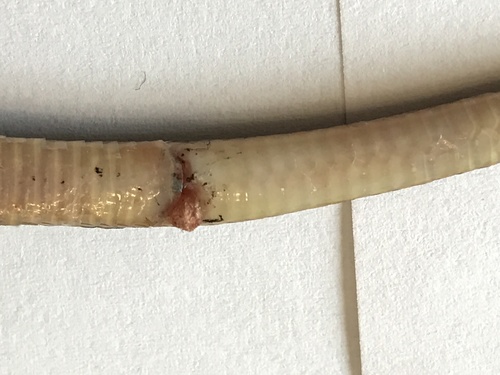
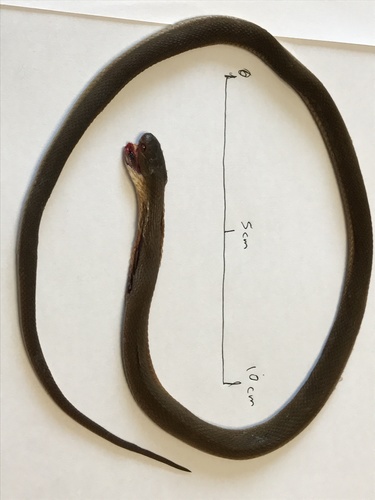
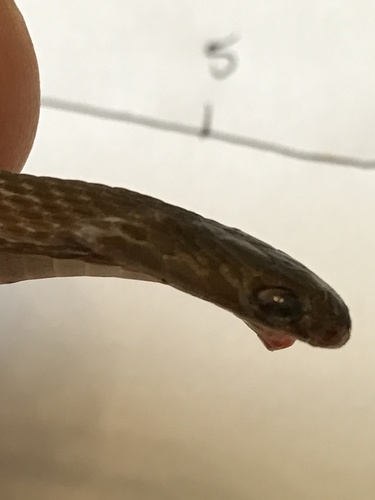
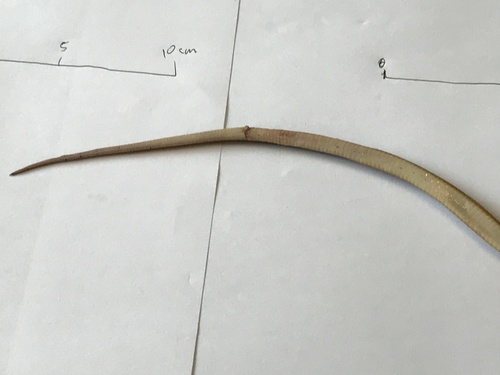
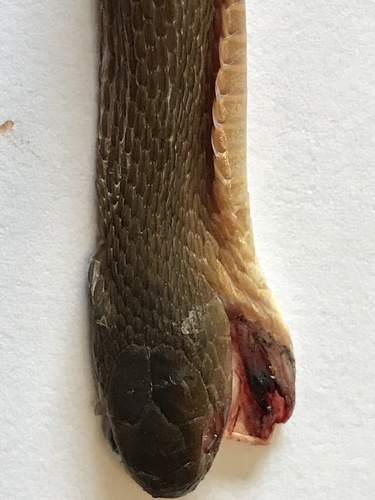
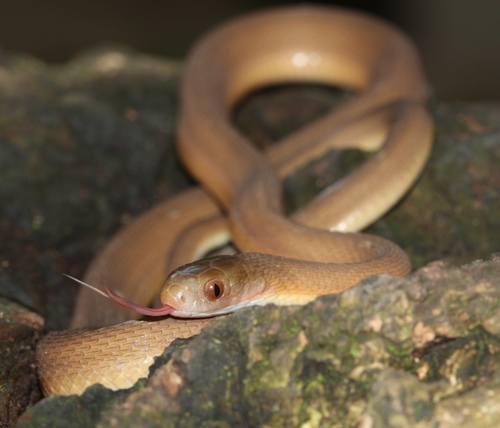
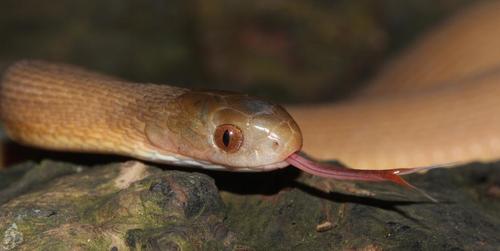
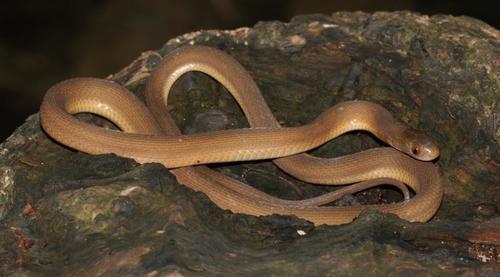
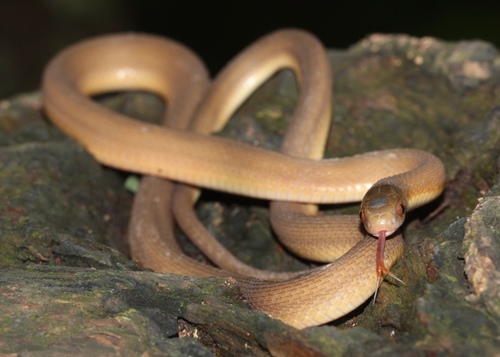
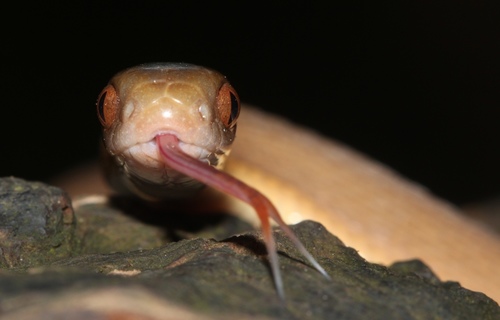
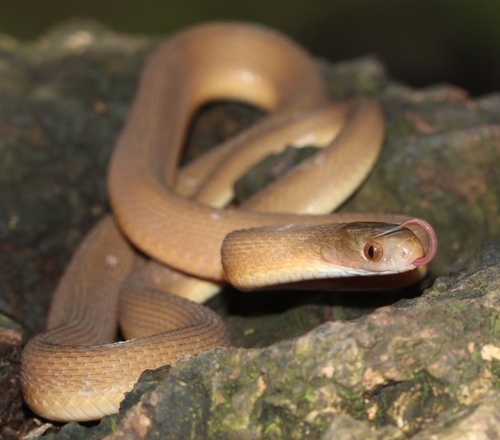
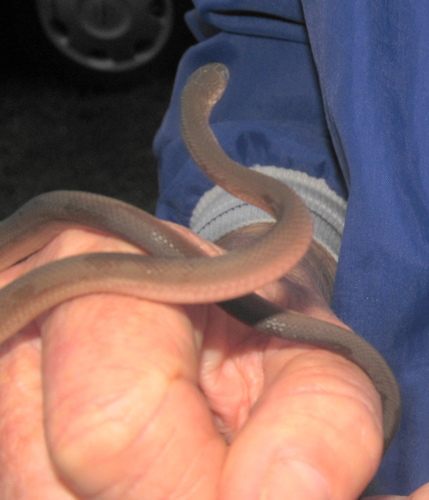
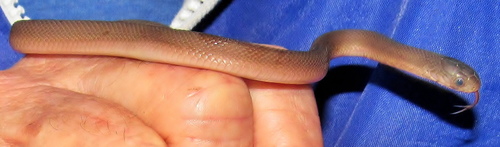
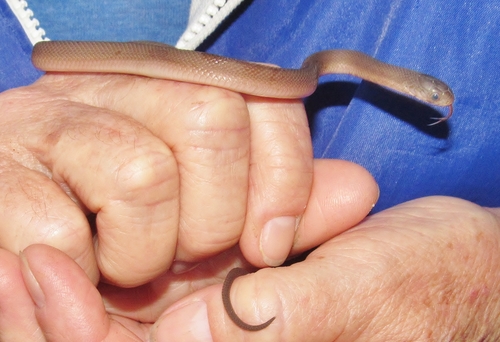
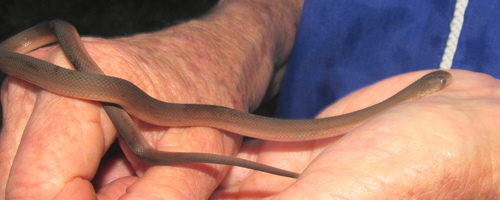
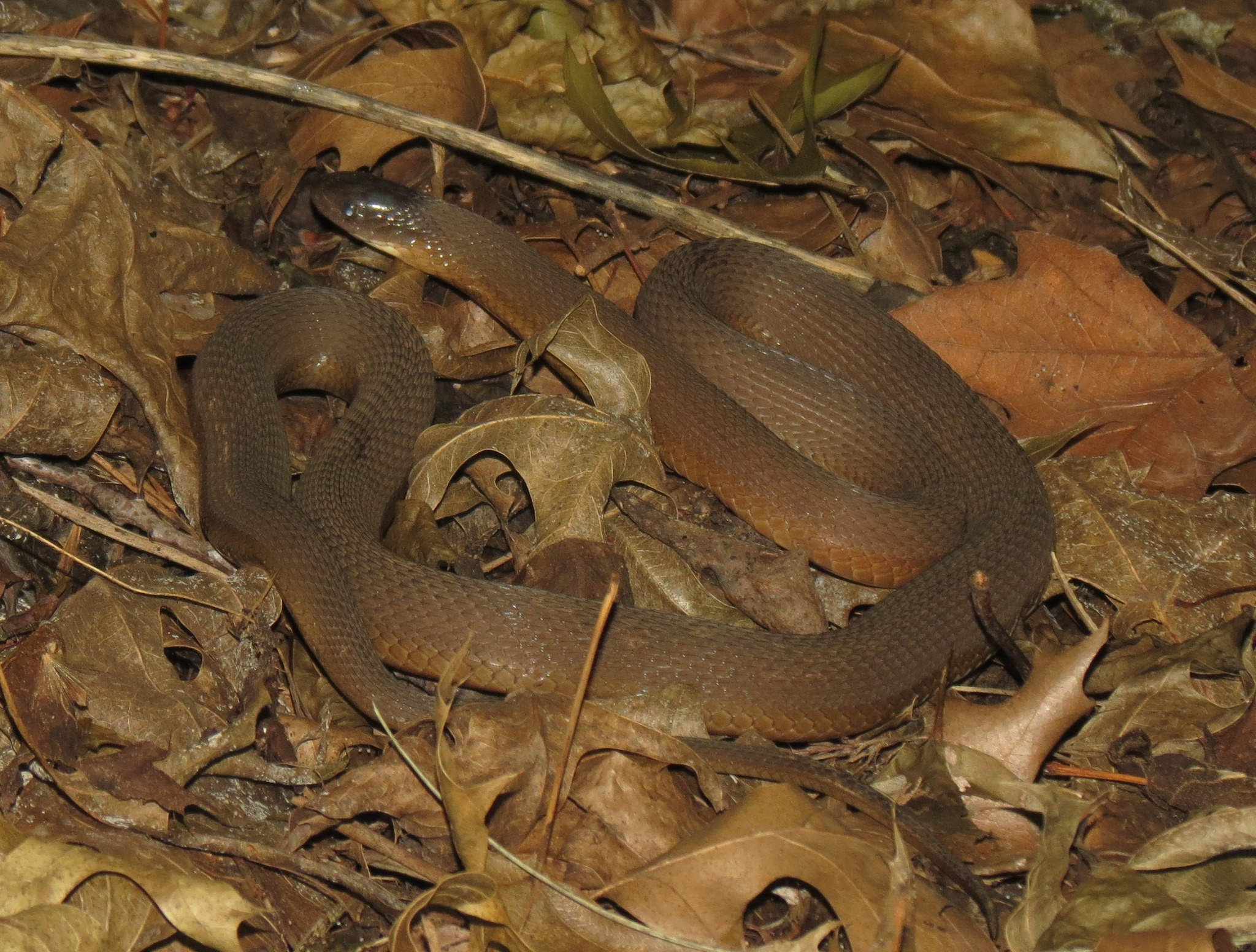
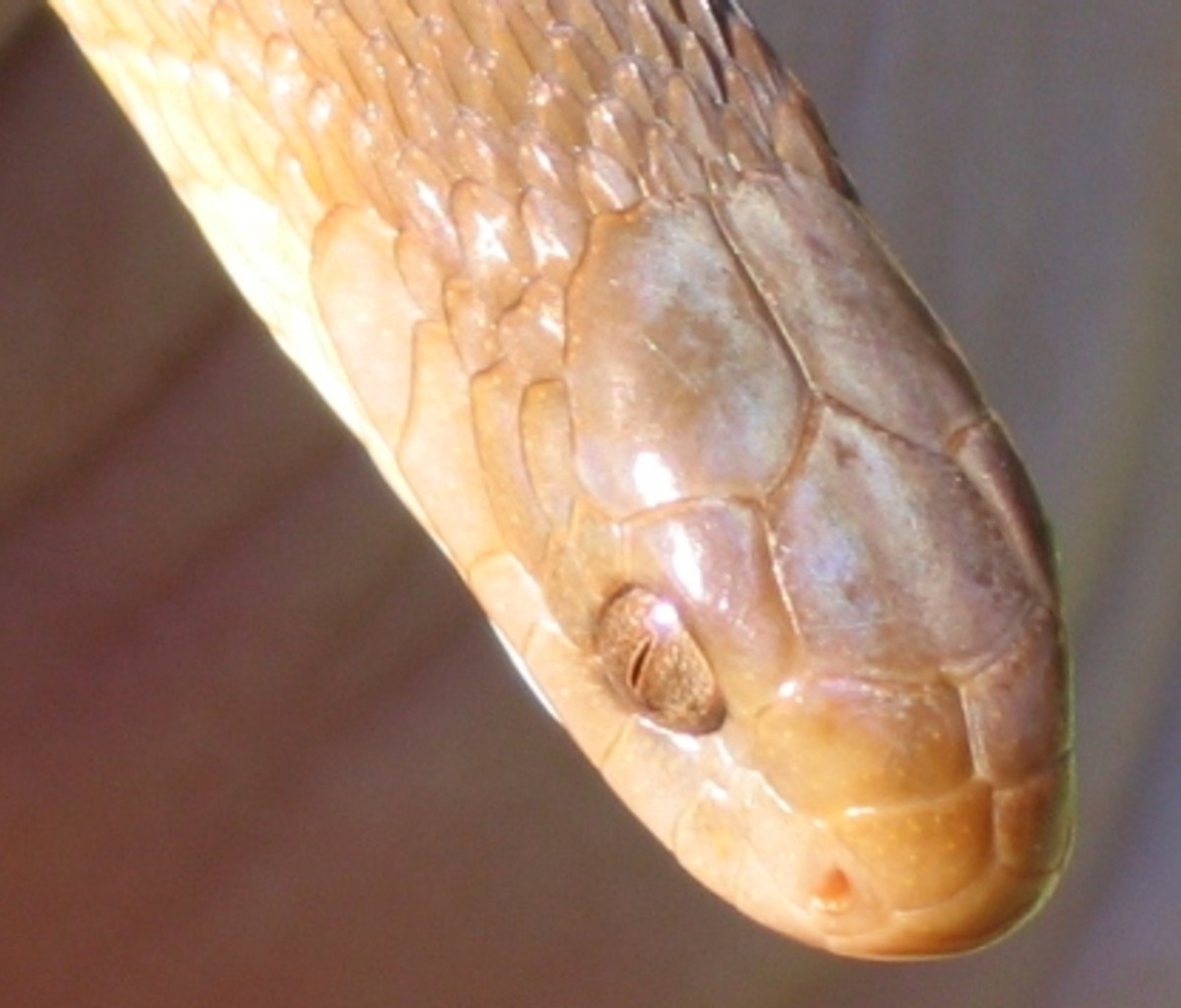
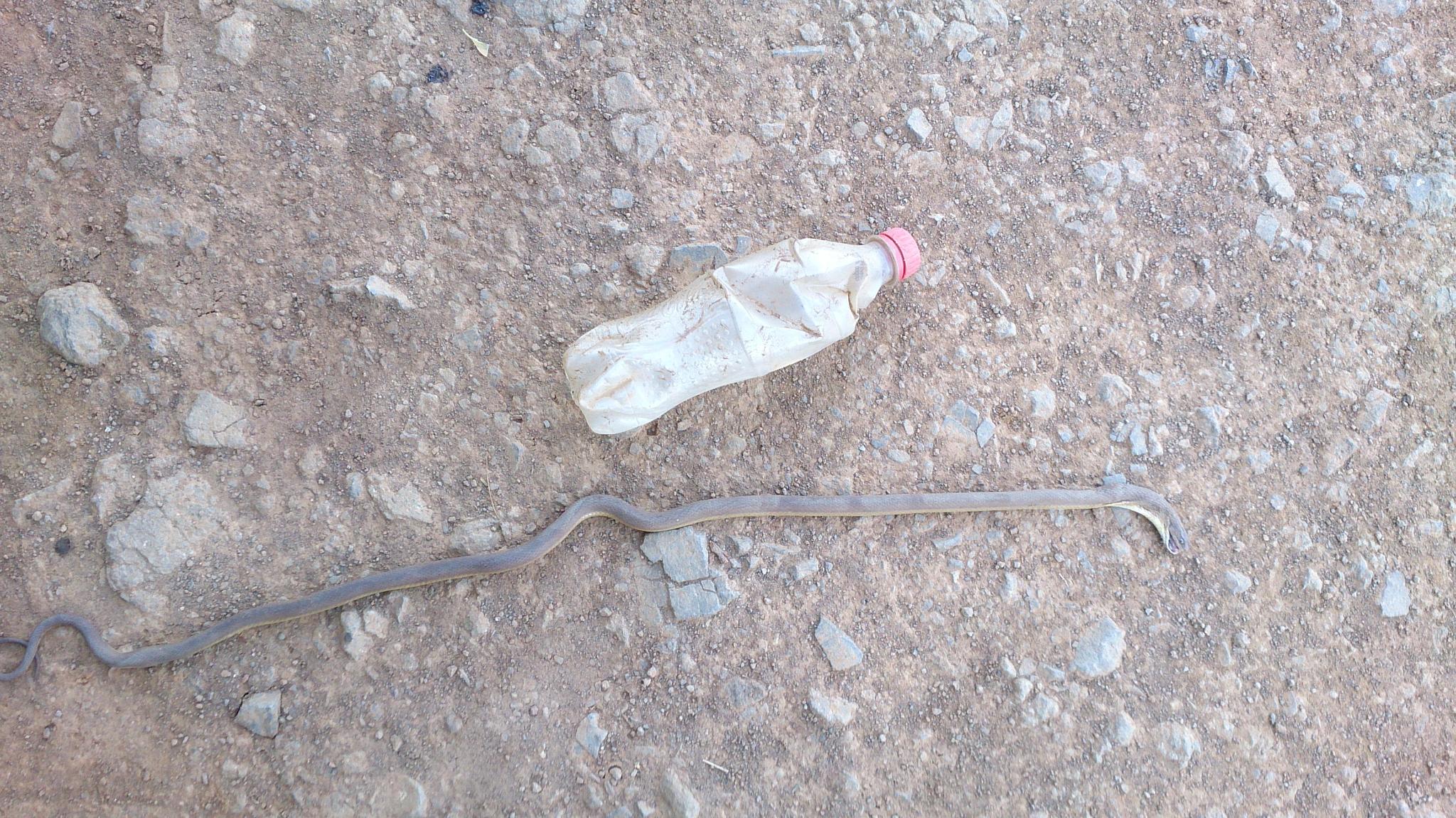
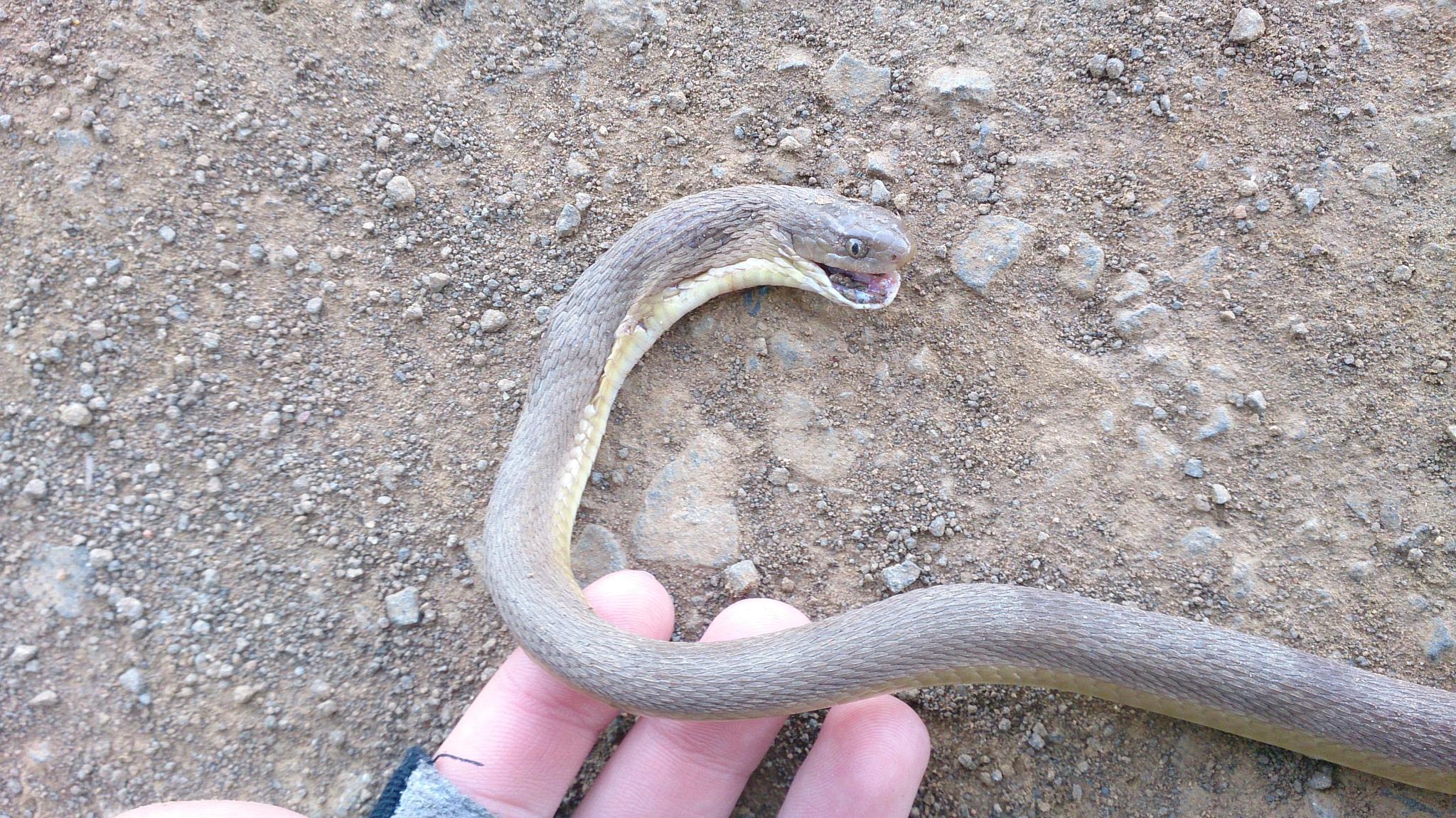
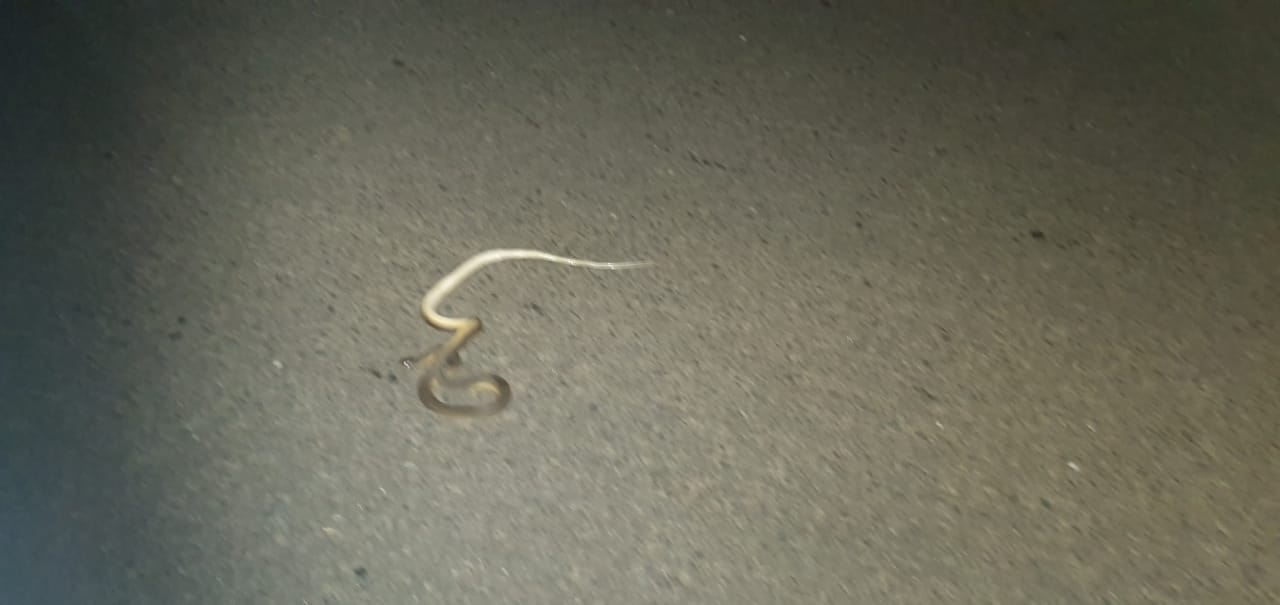
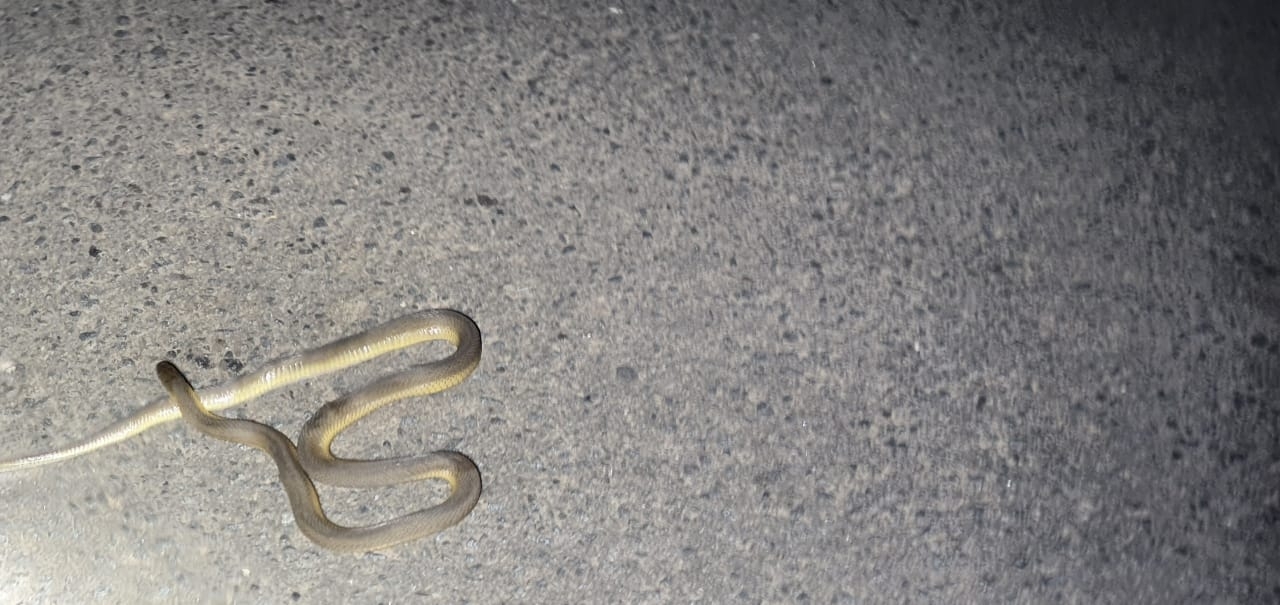
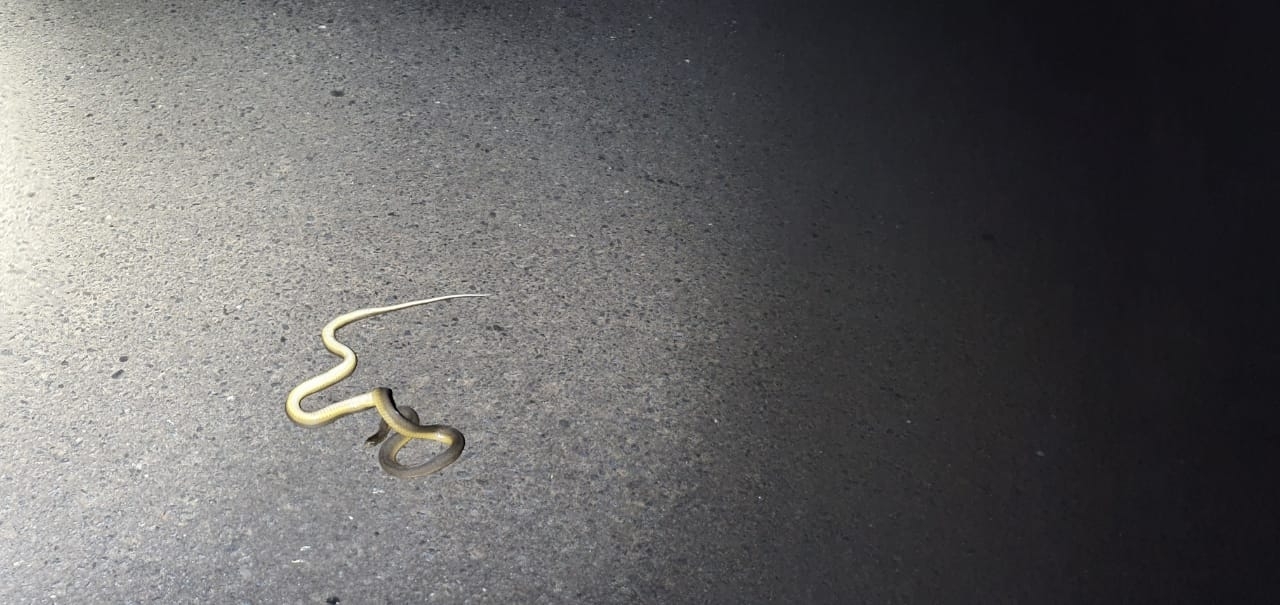
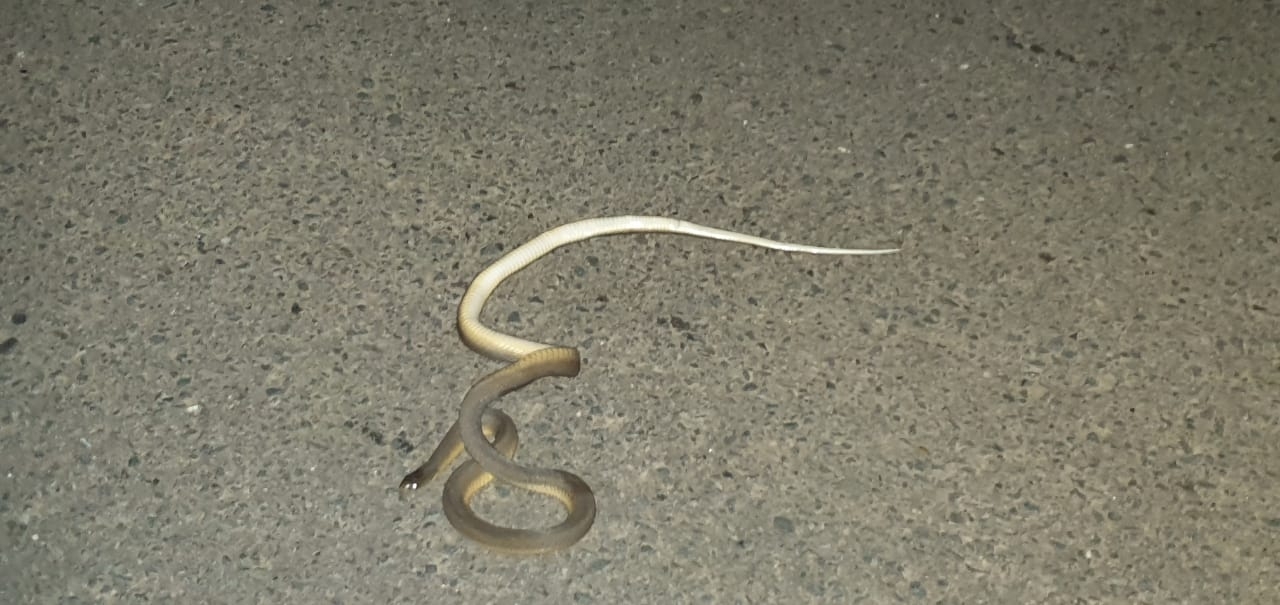
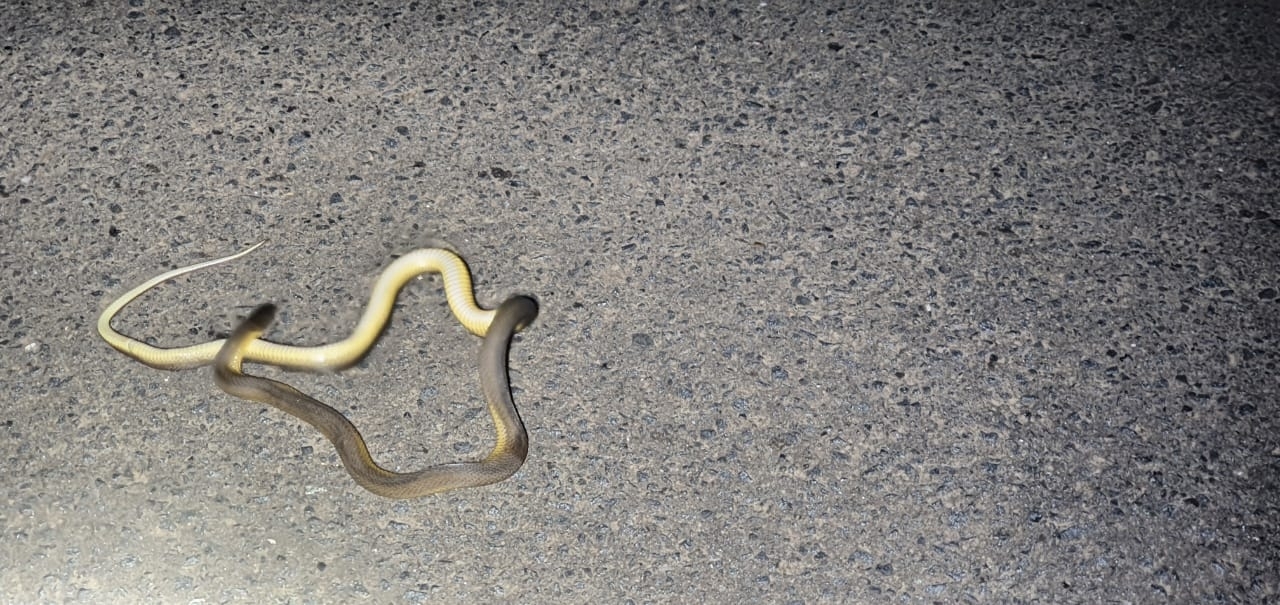
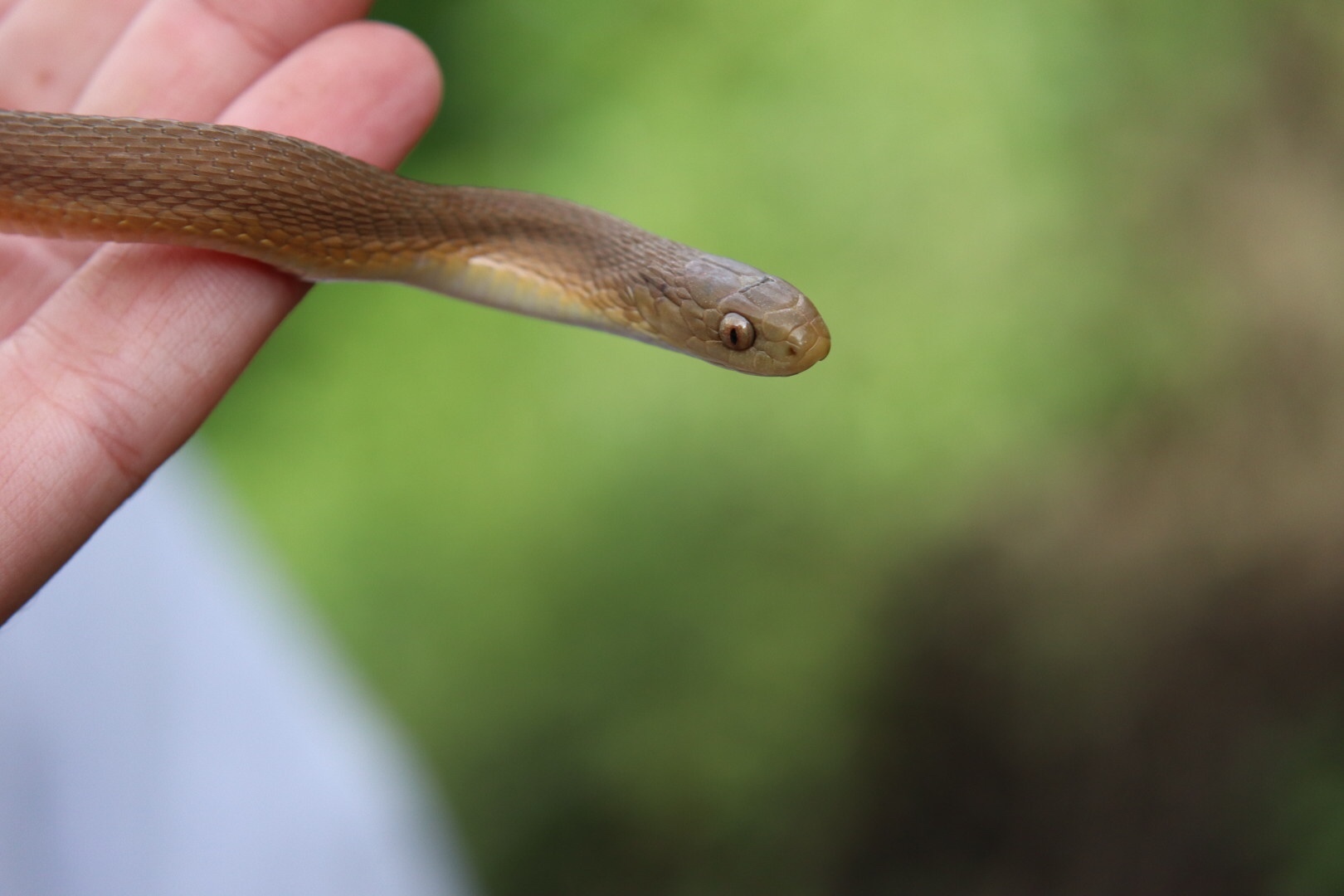
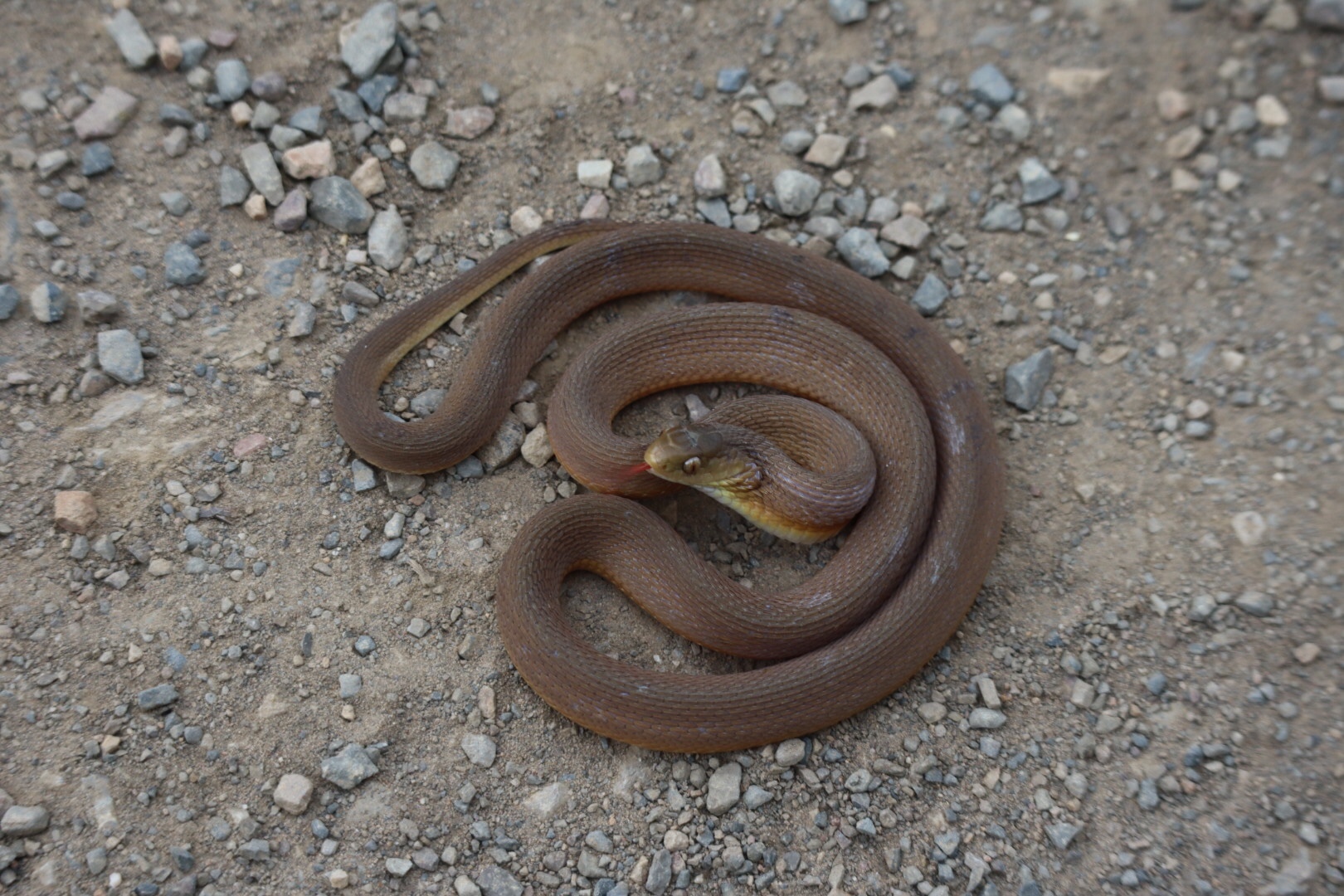
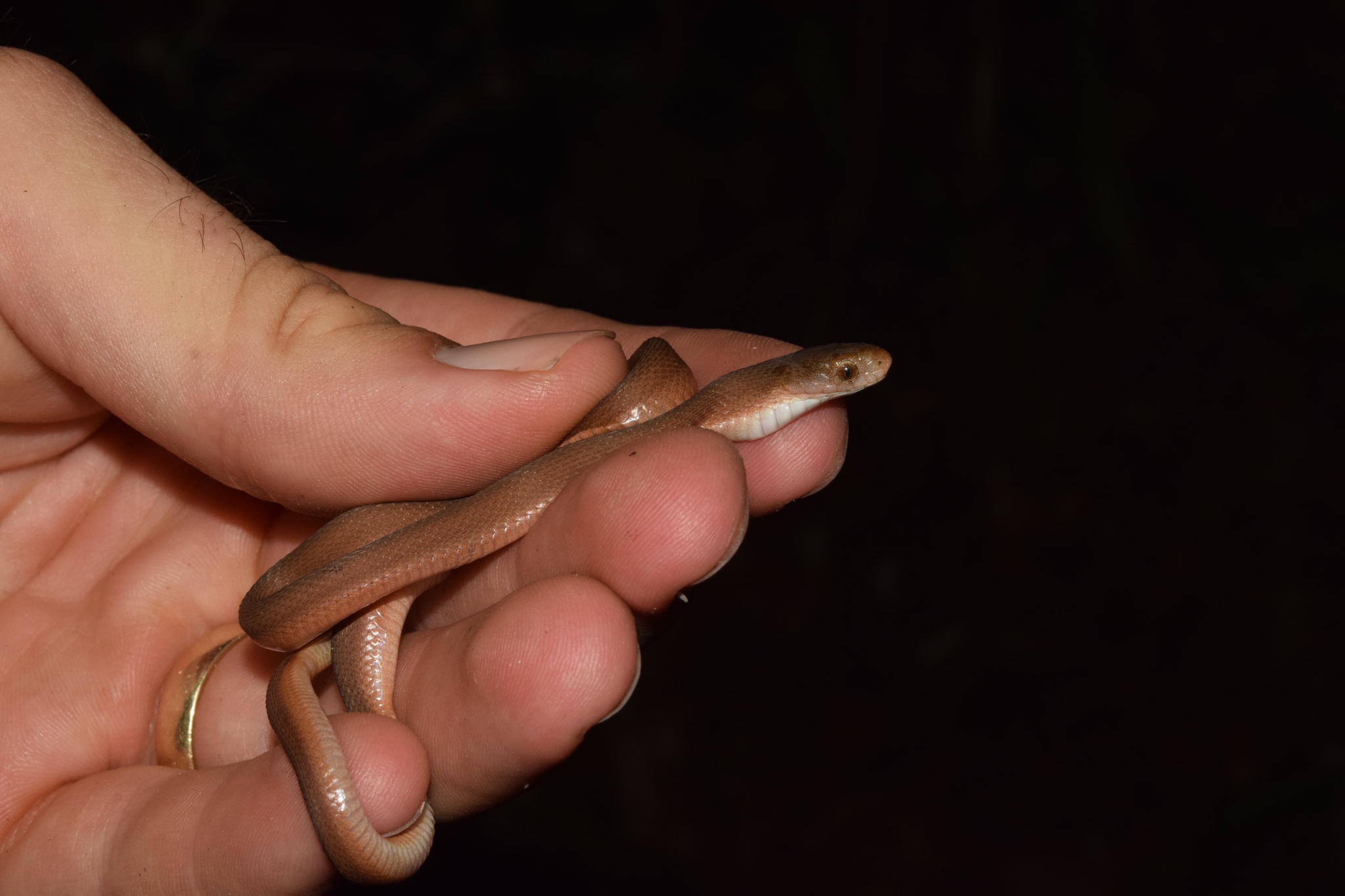
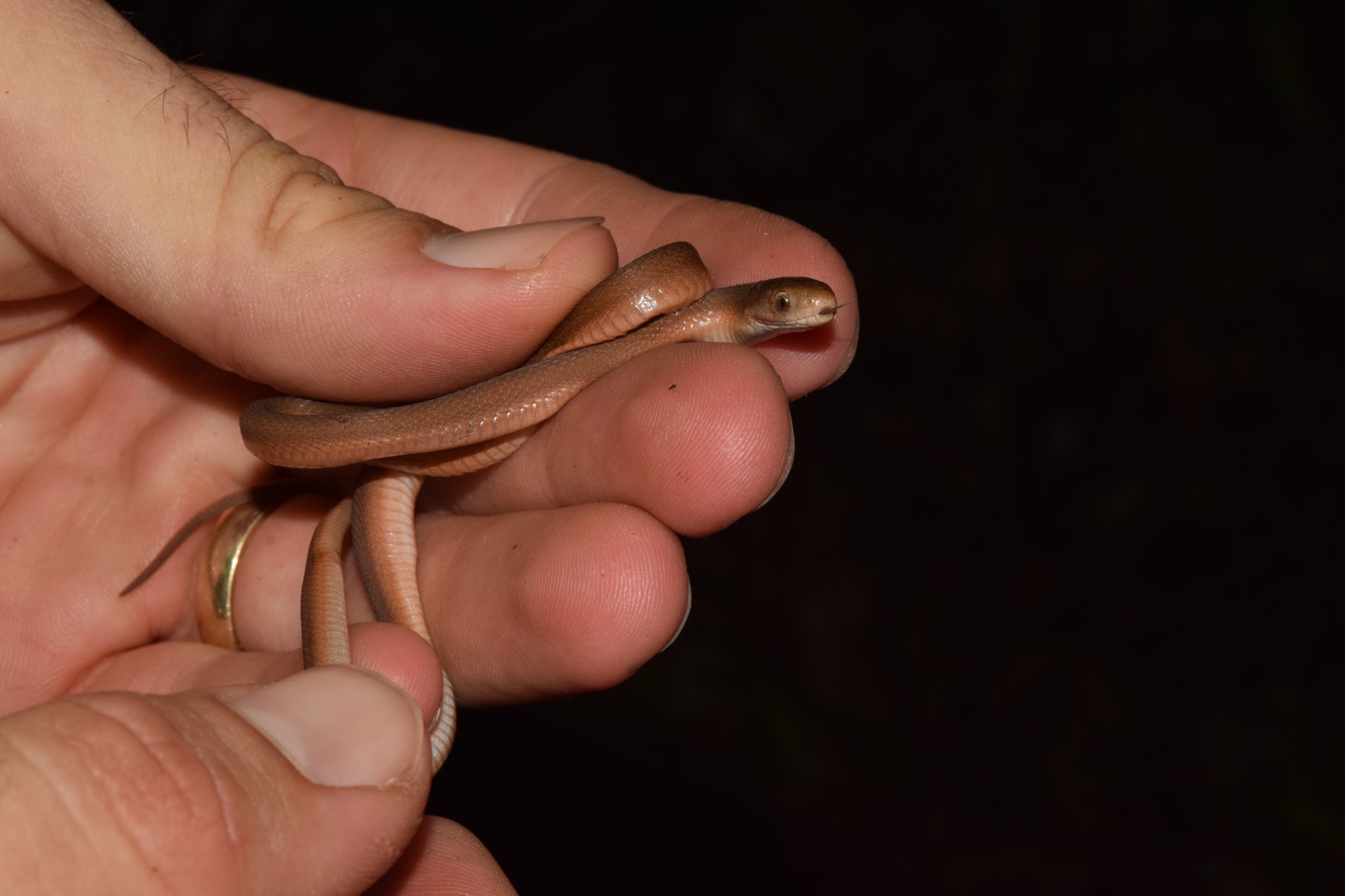
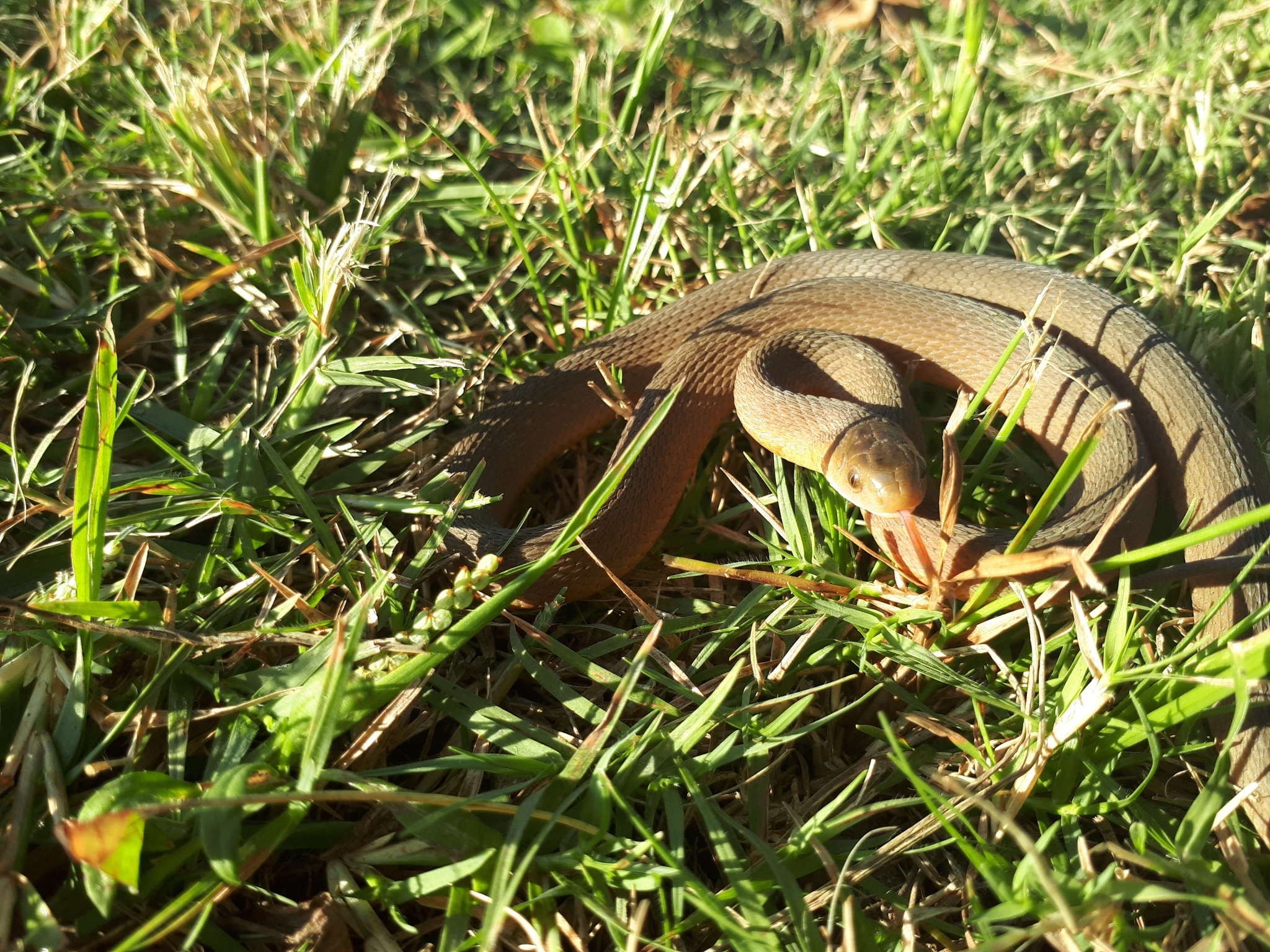
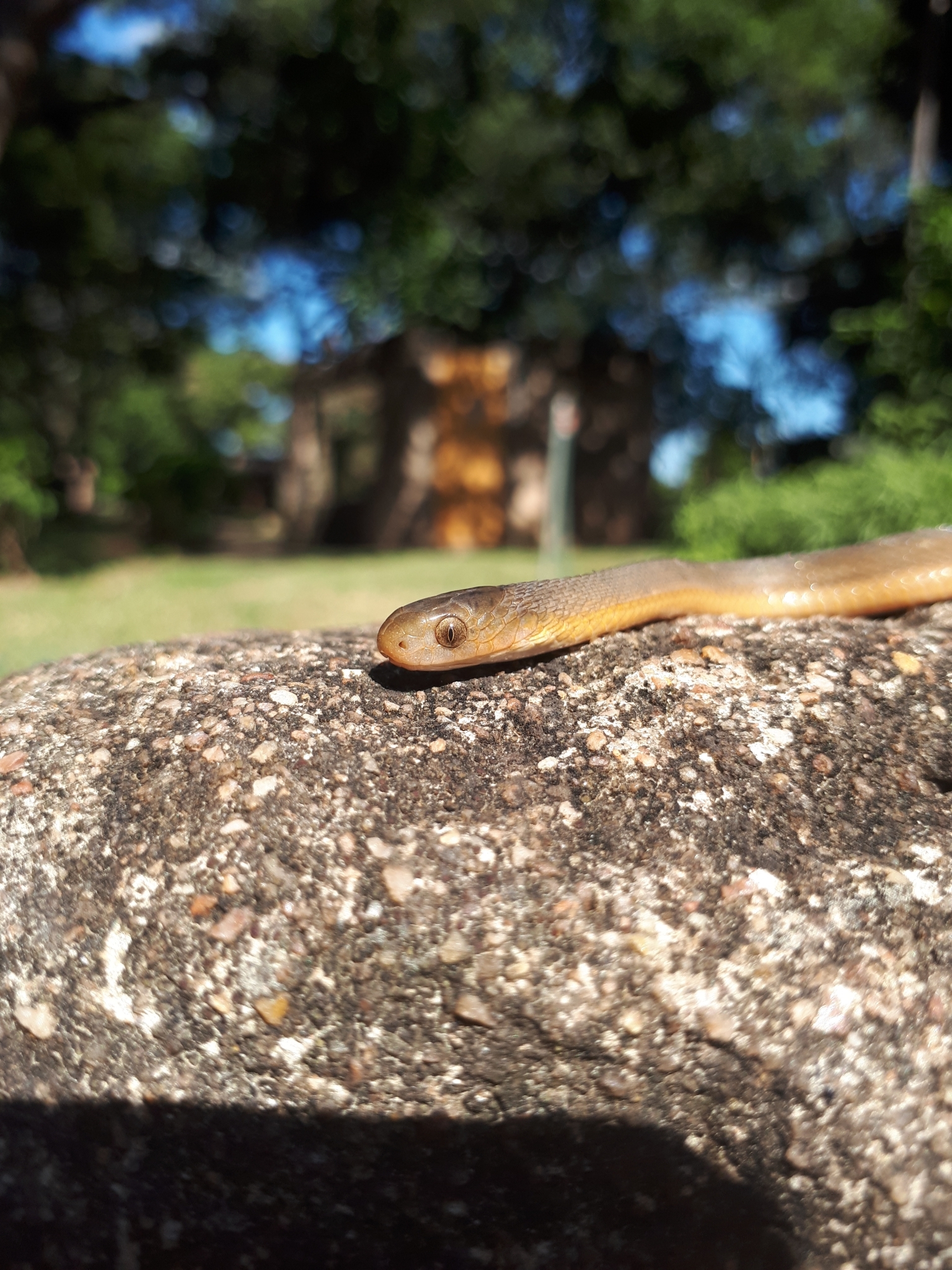
Smith (1849) described this species as follows: Colour: The upper surface of the head, the back and the sides intermediate between orange-coloured brown and yellowish brown, each scale of the back marked with two minute pale white spots near the apex, one on each side of the keel; the under parts a tint between sienna and straw-yellow. Eyes probably bluish green. Form & c: Head small and subquadrangular, the sides nearly perpendicular, the nose broad and anteriorly arched, the hind-head scarcely, if at all, wider than the neck. Body long, rather slender, and throughout nearly of equal thickness, the back subcarinated, the belly dull and convex. Tail short rather thick at its base, and from thence tapers suddenly to the apex, which is aculeated. The head superiorly, flat or very slightly convex; rostral plate broad and subtriangular; its apex, which lies between the naso-rostral plates, obtuse and arched; naso-rostral and fronto-nasal plates quadrangular the latter largest, and the outer sides; occipital plates subovate, anteriorly angular, the inner side of each long and straight, the outer side waved and posteriorly inclined inwards, the hinder side truncated, posteriorly pointed; preocular plate single, five-sided; post-ocular plates generally three, occasionally only two; temporal plates two or three, long, narrow and quadrangular; plates of upper lip, exclusive of rostral eight, of lower lip, exclusive of mental, the same number; submental plates two pairs, the first pair long and narrow, the last pair short and posteriorly broad and truncated. Nostrils situated towards the anterior third of the nasal plate, broad and semicircular superiorly, narrow and pointed inferiorly. Eyes small and convex, pupil oval and vertical. Teeth few, small, conical and exist only towards the angle of the mouth; the gular teeth, formed by the elongated inferior spinous processes of the hinder cervical vertebrae, seven in number, they are inclined forwards, and each projects about half a line into the oesophageal canal through a small hole in its tunics, the point of each is armed with enamel. In the specimen described (two feet five inches in length), these teeth commence exactly 21/4 inches behind apex of the lower jaw. Scales of the body and tail imbricate; those of the former, narrow, ovate, strongly carinated, and disposed in regular oblique rows; those of the tail, broader and shorter, carinated strongly like those of the body, but not arranged in such regular rows; the scales of the row next to the abdominal plates are shorter and much broader than the other scales of the body, but, like them, strongly carinated. The scales at the middle of the body are arranged in 24 longitudinal rows. Abdominal plates, 18; subcaudal scales 92 pairs. Length from nose to anus, 2 feet; from anus to tail. 5 inches.
No separate diagnostic description was provided. Refer to the morphological description.
Type: BMNH 1946.1.2.47 (and possibly additional specimens).
No notable issues.
Eswatini, South Africa
This species occurs along the eastern margin of South Africa including western Eswatini, from the extreme northeast of Limpopo province to the southern coastal region of the Eastern Cape province (Tolley et al., 2023).
Snakes have long backbones with many articulated ribs that are used for locomotion (Branch, 1998). Engaging the muscles attached to these rib bones allows snakes move in a typical slither fashion, but it also enables them to swim and climb. They use an undulating, side-to-side movement ('S' pattern or serpentine). Dasypeltis are nocturnal and readily climb trees and rock faces in search of bird nests (Branch, 1998).
Carnivore - Oophagy (egg-eating)
Dasypeltis species feed mainly on fresh bird eggs and they are capable of swallowing eggs up to three times larger in diameter than their heads. The egg is taken into the throat and moved back and forth. Special gular teeth, which are actually projections into the gullet from the backbone, saw through the shell and the liquid content. The crushed shell is then regurgitated (Branch, 1998).
This species is oviparous, laying 8-17 eggs in summer (Branch, 1998).
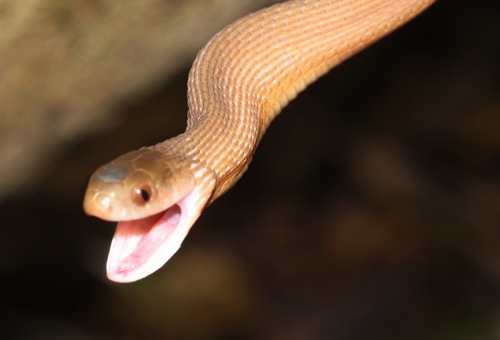
This species is fairly common, but rarely seen (Branch, 1998). Like other Dasypeltis, this species mimic venomous adders as a defense strategy against predators. They strike regularly, with their mouths agape, but they are harmless (Branch, 1998).
Grassland, Savanna, Fynbos, Forest
This map contains point-based occurrences at different locations
Occurrence in African countries and South African provinces. Residence status indicates if a taxon is indigenous, endemic, or alien in a specific region. This data is based on specimen records and literature.
FSA
SA
BOT
NAM
ESW
LES
WC
EC
NC
FS
GA
KZN
LP
MP
NW
Absent
Indigenous
Endemic
Naturalised
Invasive
Names and Sources
| Common Name | Language |
|---|---|
| Southern Brown Egg-eater | En |
| Suidelike Bruin Eiervreter | En |

Classification
KINGDOM Animalia
PHYLUM Chordata
CLASS Reptilia
ORDER Squamata
FAMILY Colubridae
GENUS Dasypeltis
SPECIES inornata
No results found for Dasypeltis inornata Smith, 1849
No data.
20 results for Dasypeltis inornata Smith, 1849
Year
This map contains point-based occurrences at different locations
1849
BOOK
Illustrations of the Zoology of South AfricaSmith, A.. 1849. Illustrations of the Zoology of South Africa. Johannesburg. Winchester Press.
1998
BOOK
Field Guide to Snakes and Other Reptiles of Southern AfricaBranch, B.. 1998. Field Guide to Snakes and Other Reptiles of Southern Africa. Cape Town. Struik Publishers.
1989
TECHNICAL REPORT
The distribution and conservation status of reptiles and amphibians in the Transvaal. Final Report Project TN 6/4/1/30Jacobsen, N.. 1989. The distribution and conservation status of reptiles and amphibians in the Transvaal. Final Report Project TN 6/4/1/30. Pretoria. Chief Directorate of Nature and Environmental Conservation.
2023
BOOK
Conservation status of the reptiles of South Africa, Eswatini and LesothoTolley, K., Burger, M., Alexander, G., Pietersen, D., Conradie, W., Weeber, J.. 2023. Conservation status of the reptiles of South Africa, Eswatini and Lesotho Vol. Suricata 10. Pretoria. South African National Biodiversity Institute.
Status and criteria
LC
Assessor(s)
Andrew Turner
Reviewer(s)
Krystal Tolley