ANIMALIA / CHORDATA / REPTILIA / SQUAMATA / CORDYLIDAE / CHAMAESAURA / MACROLEPIS
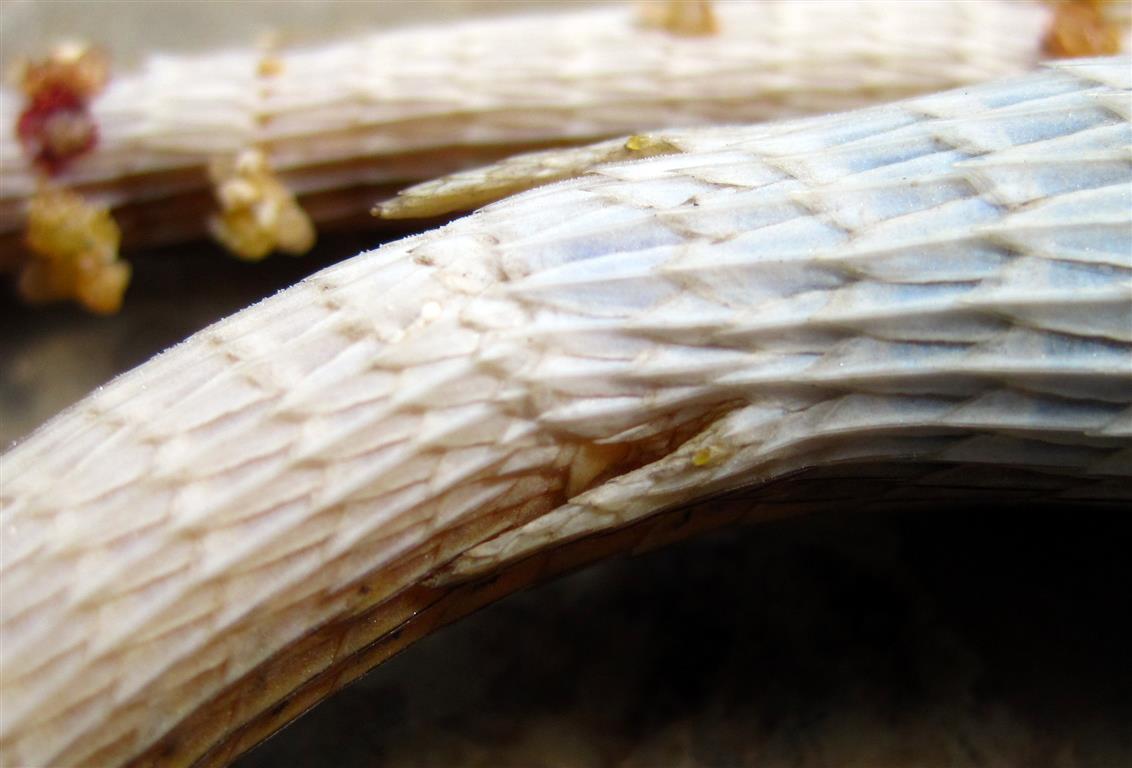
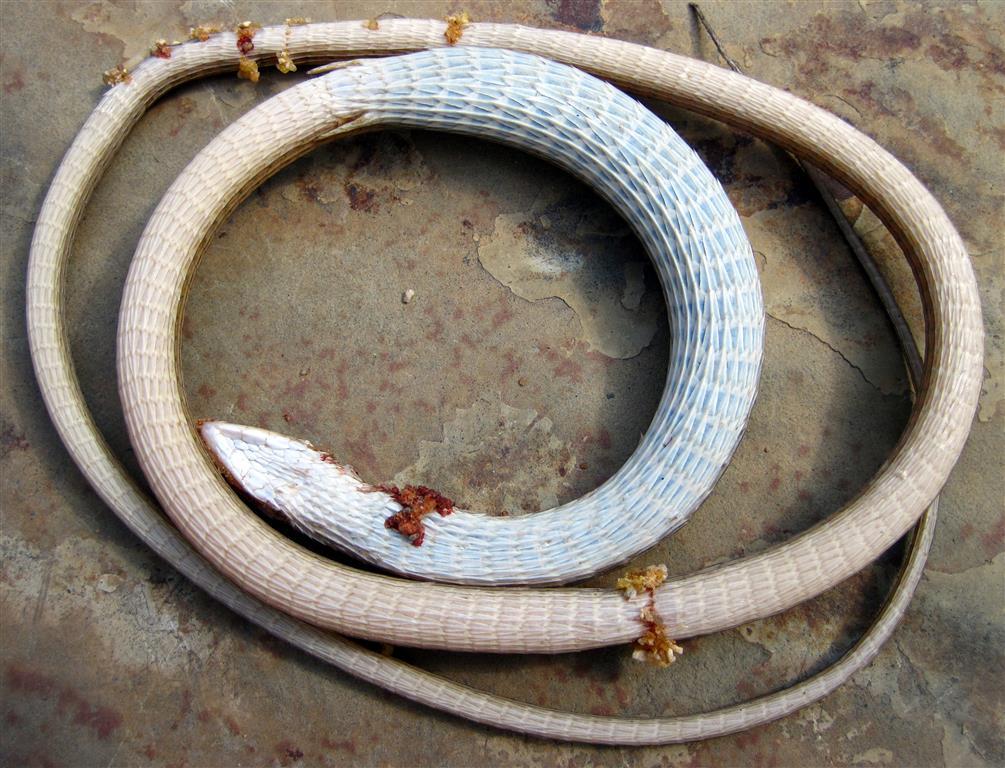
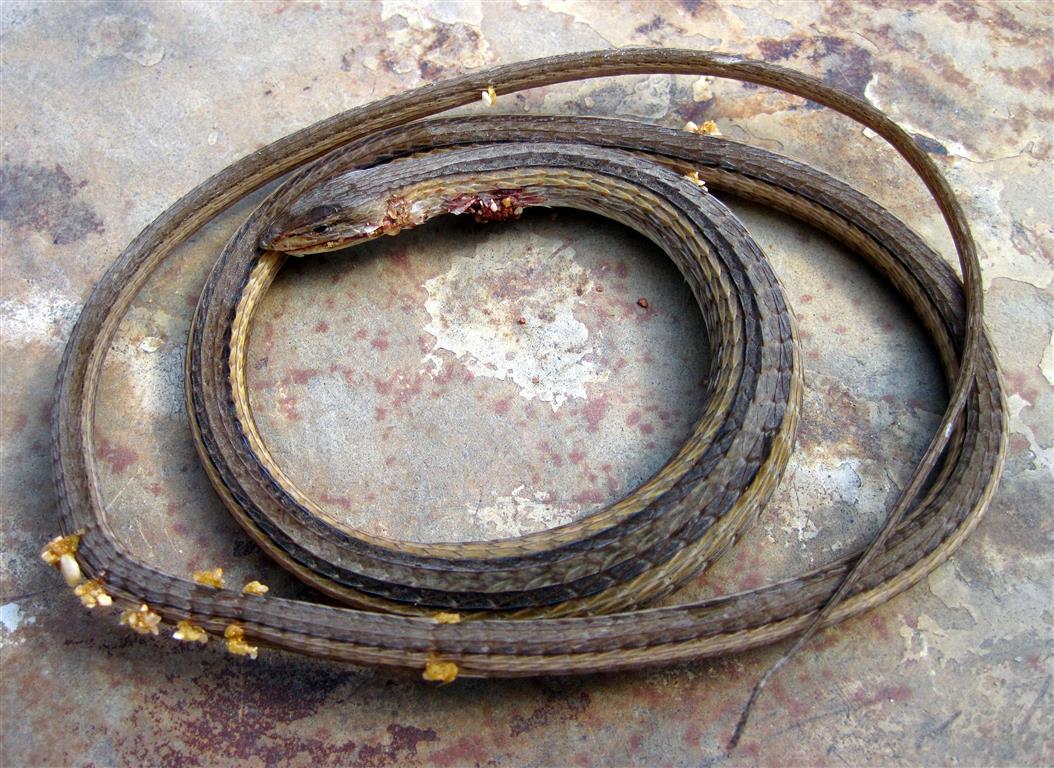
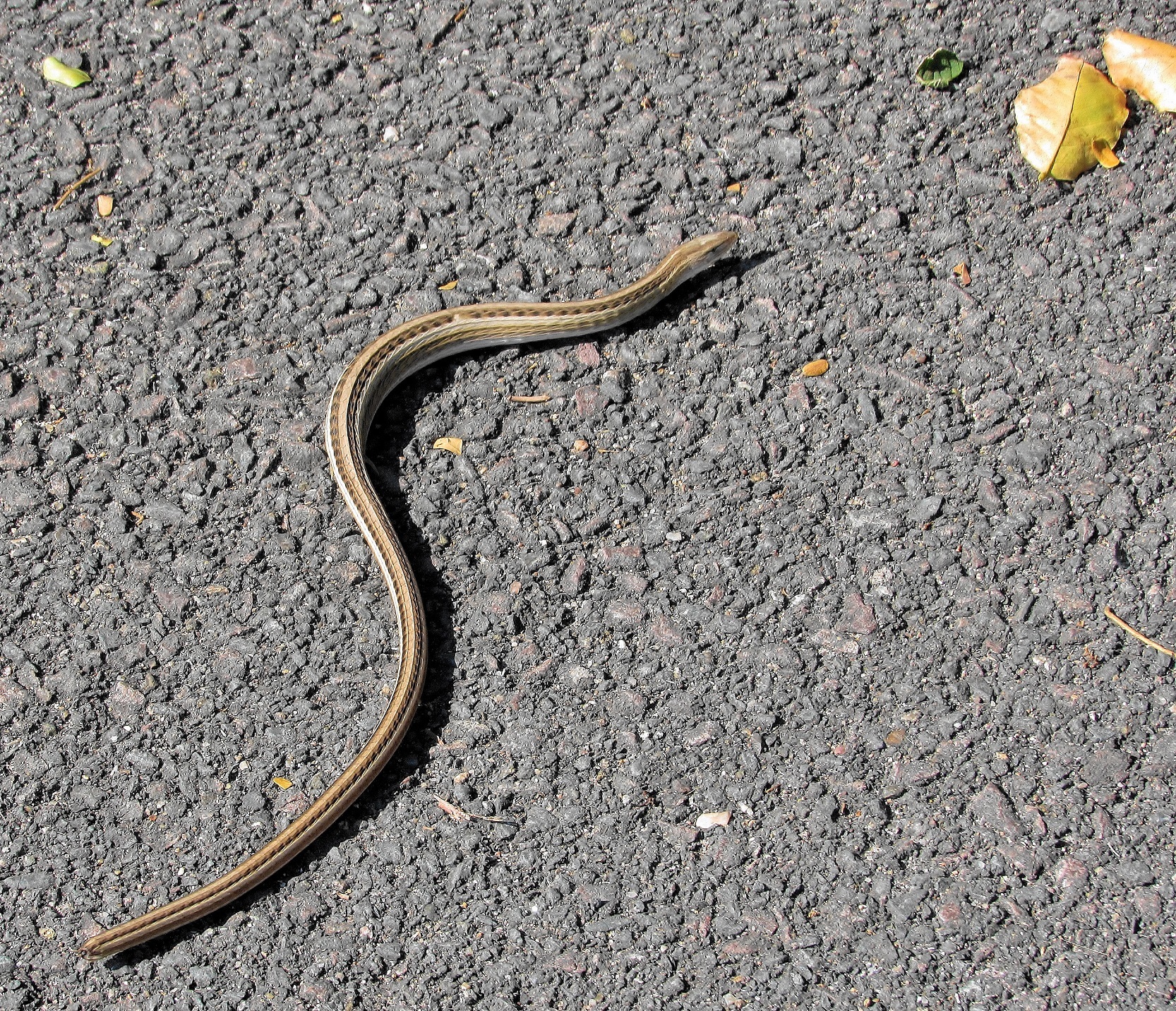
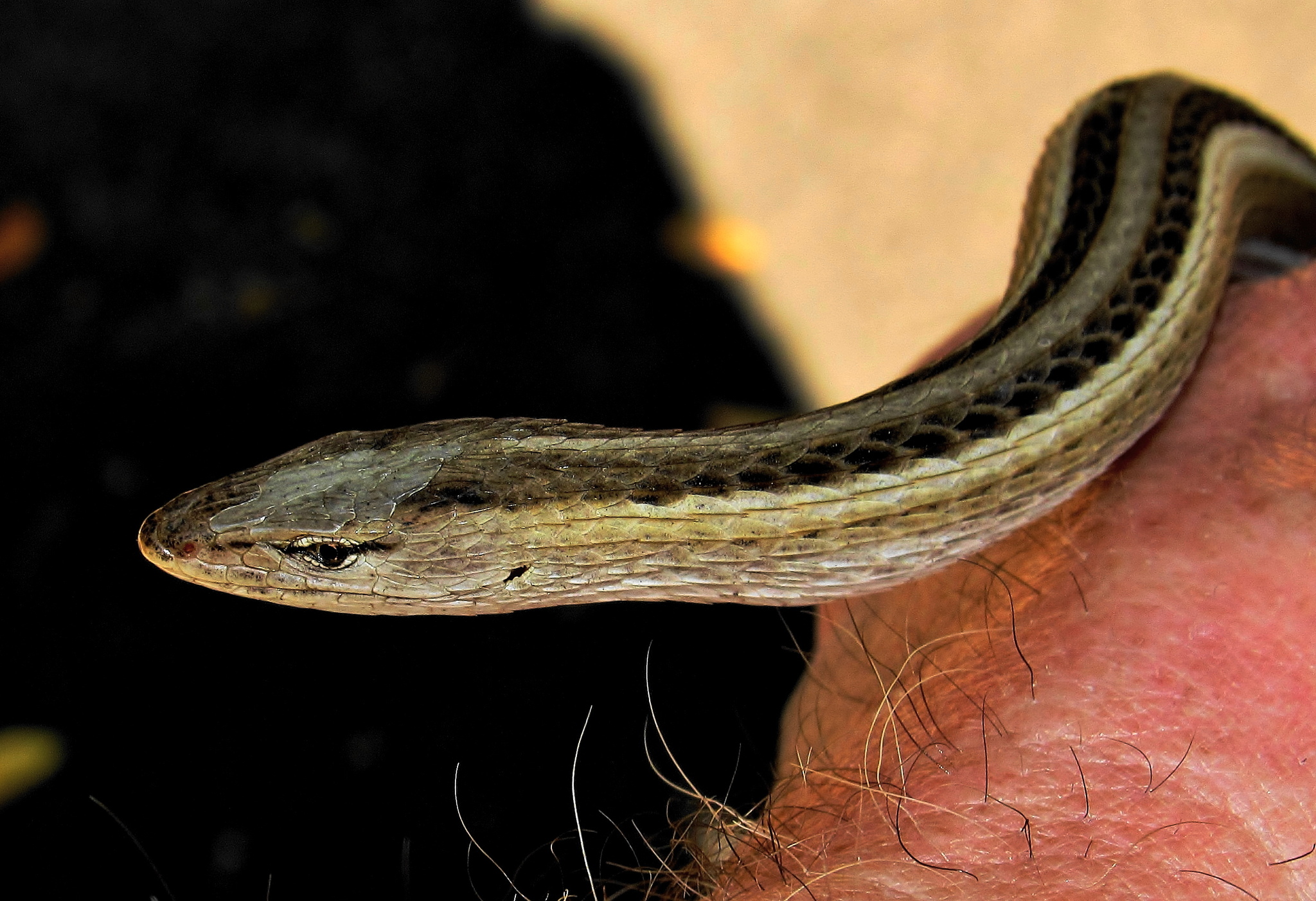
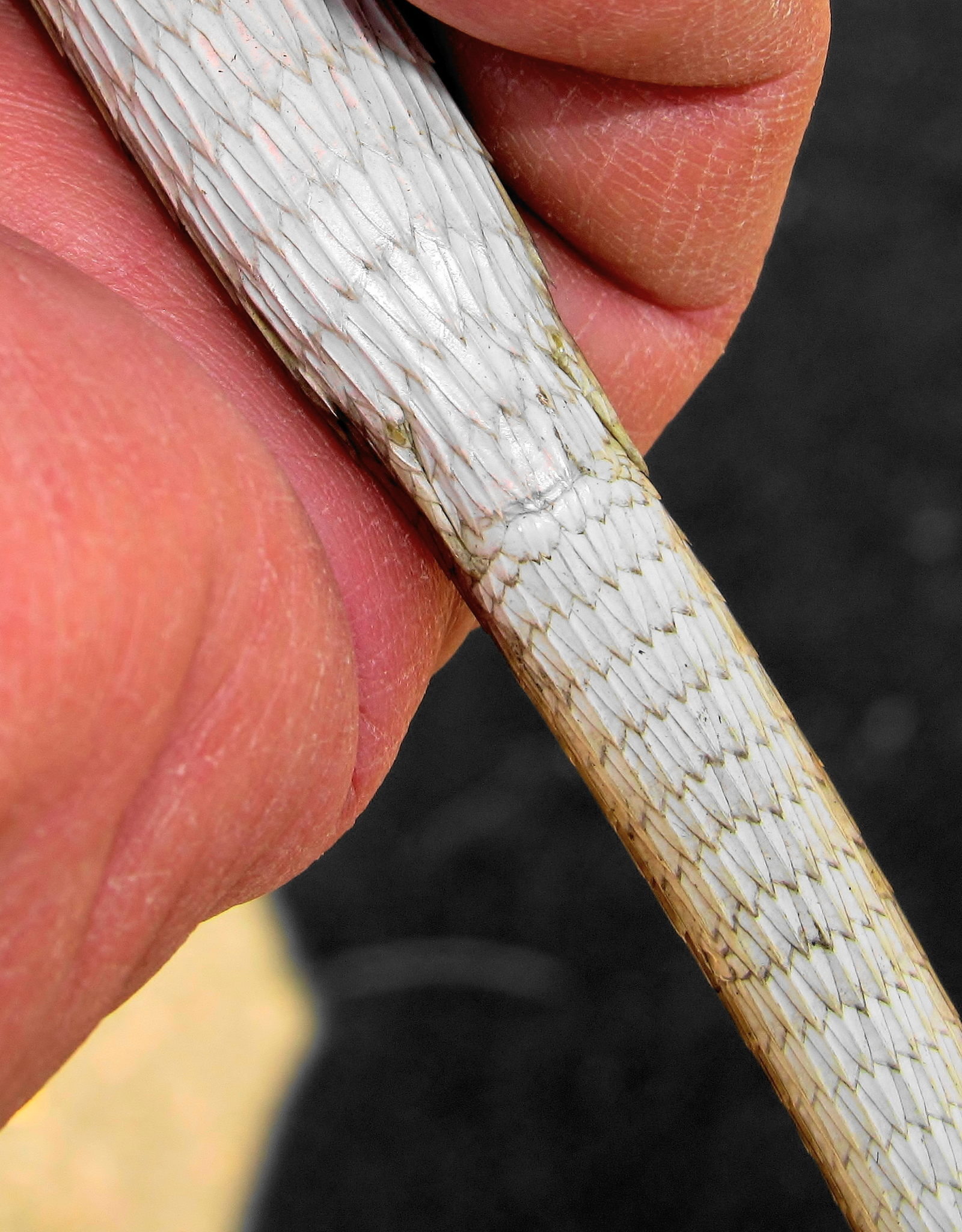
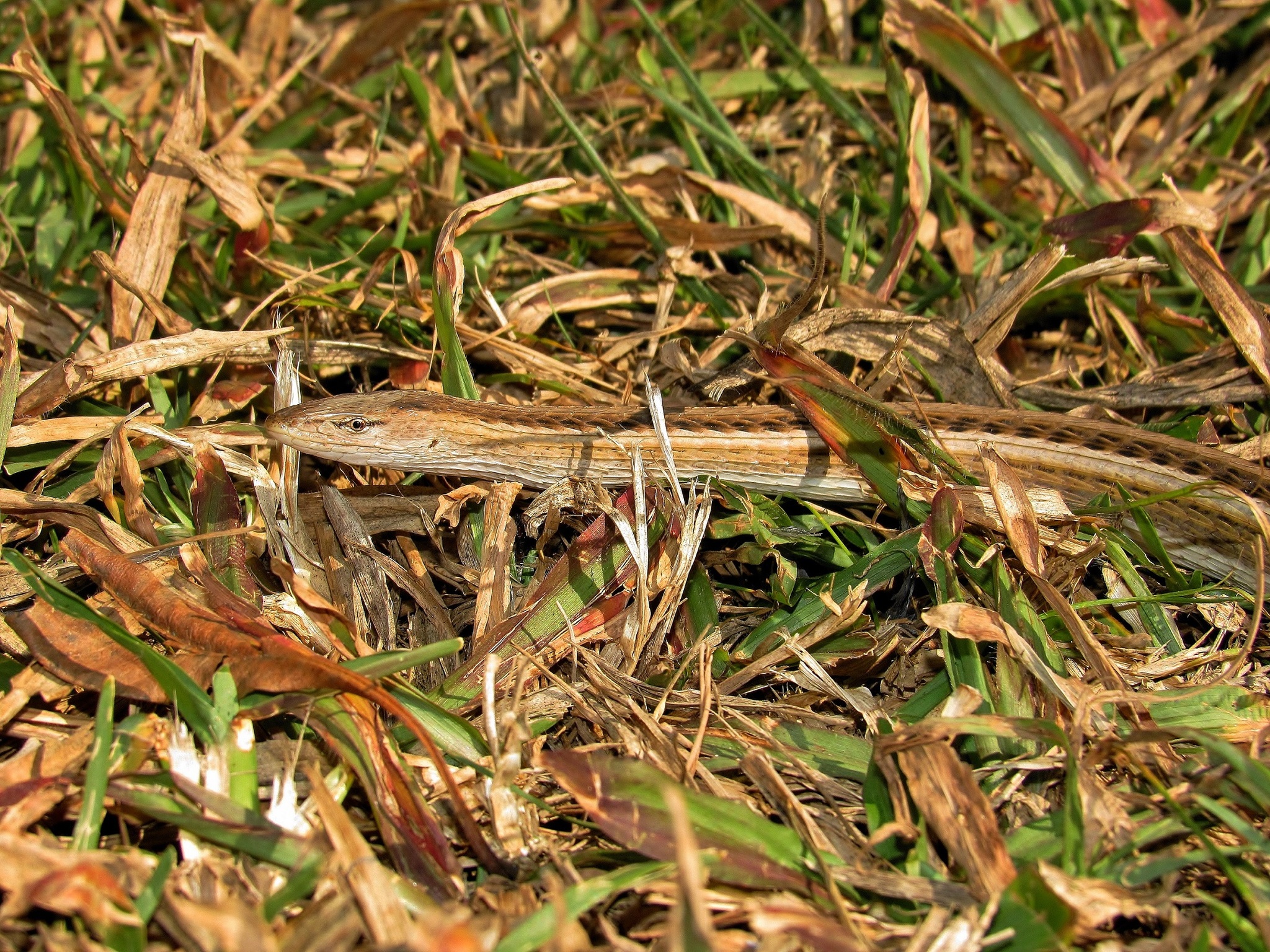
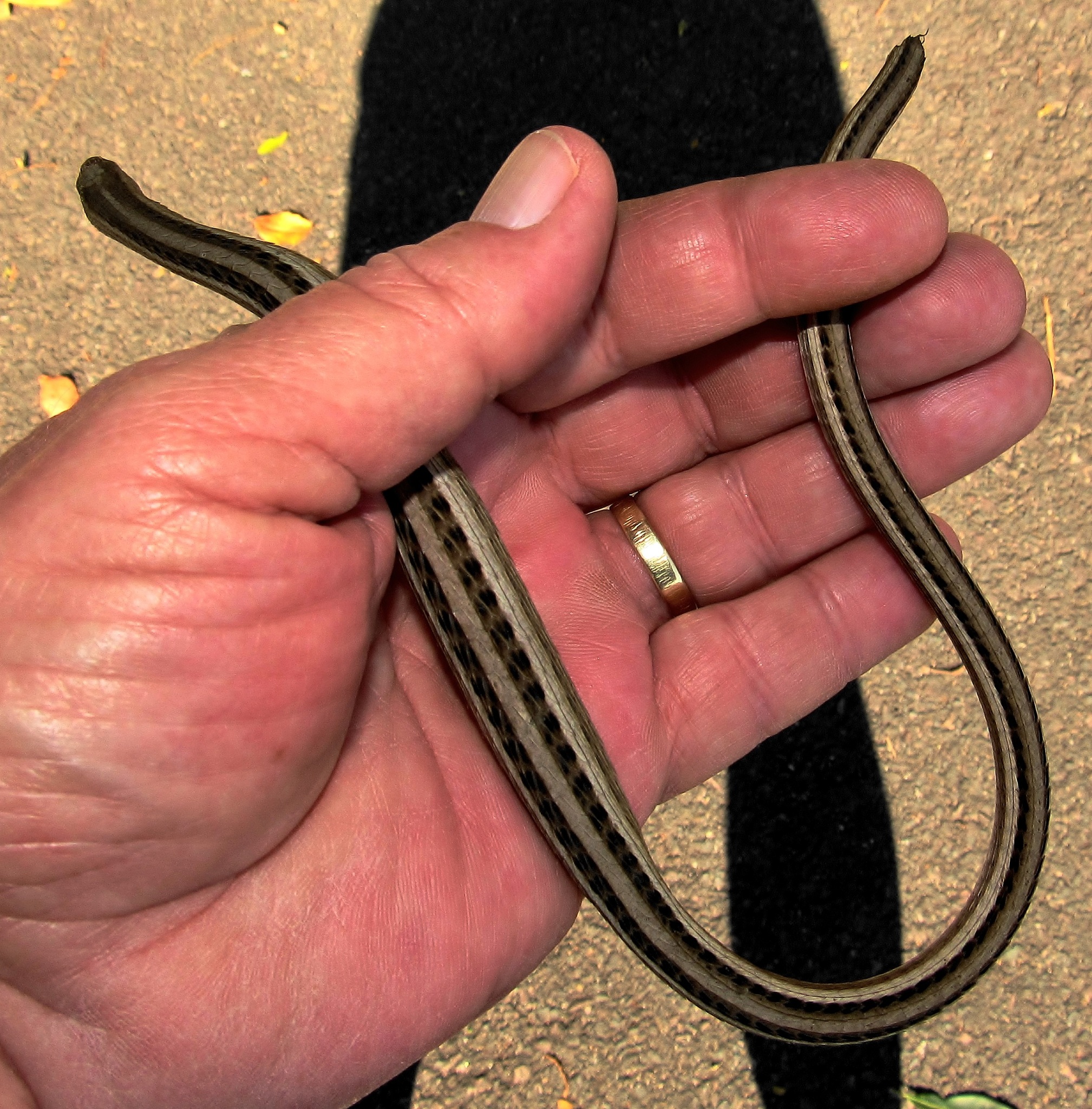
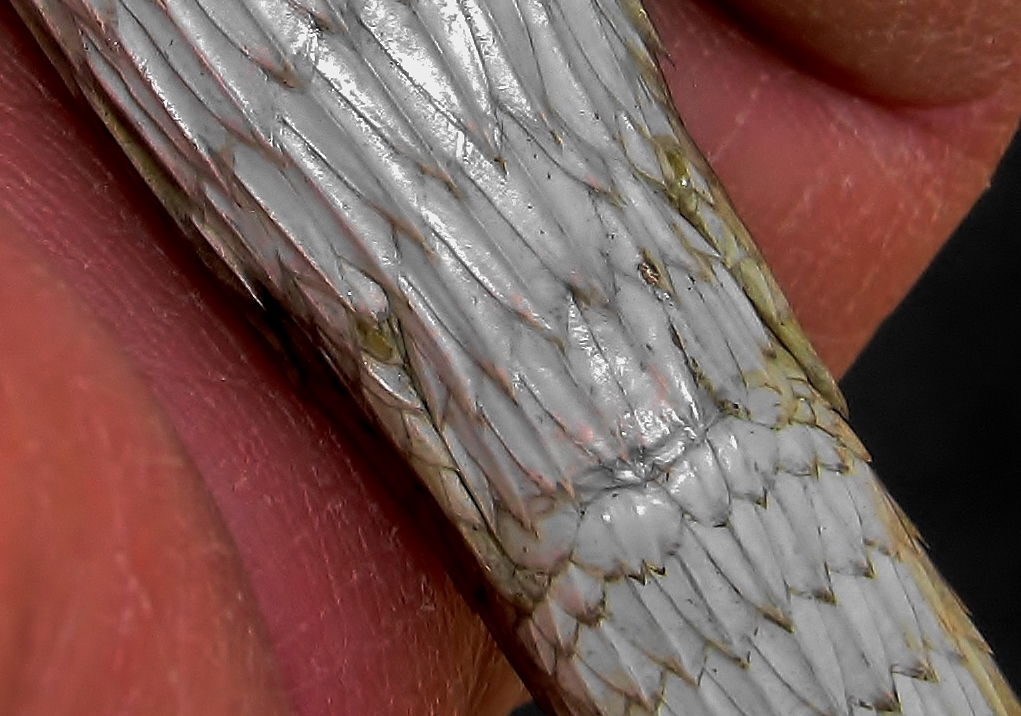
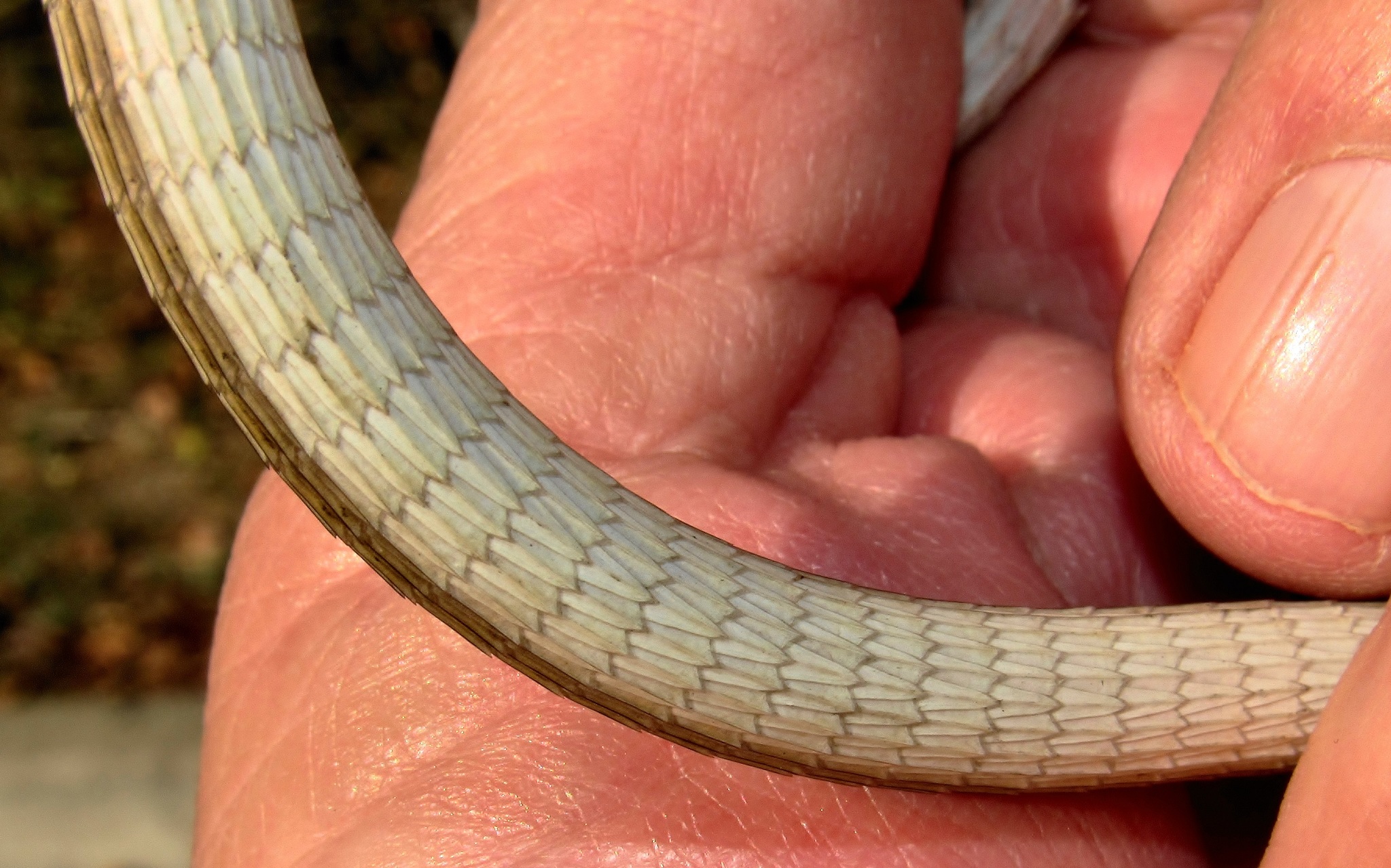
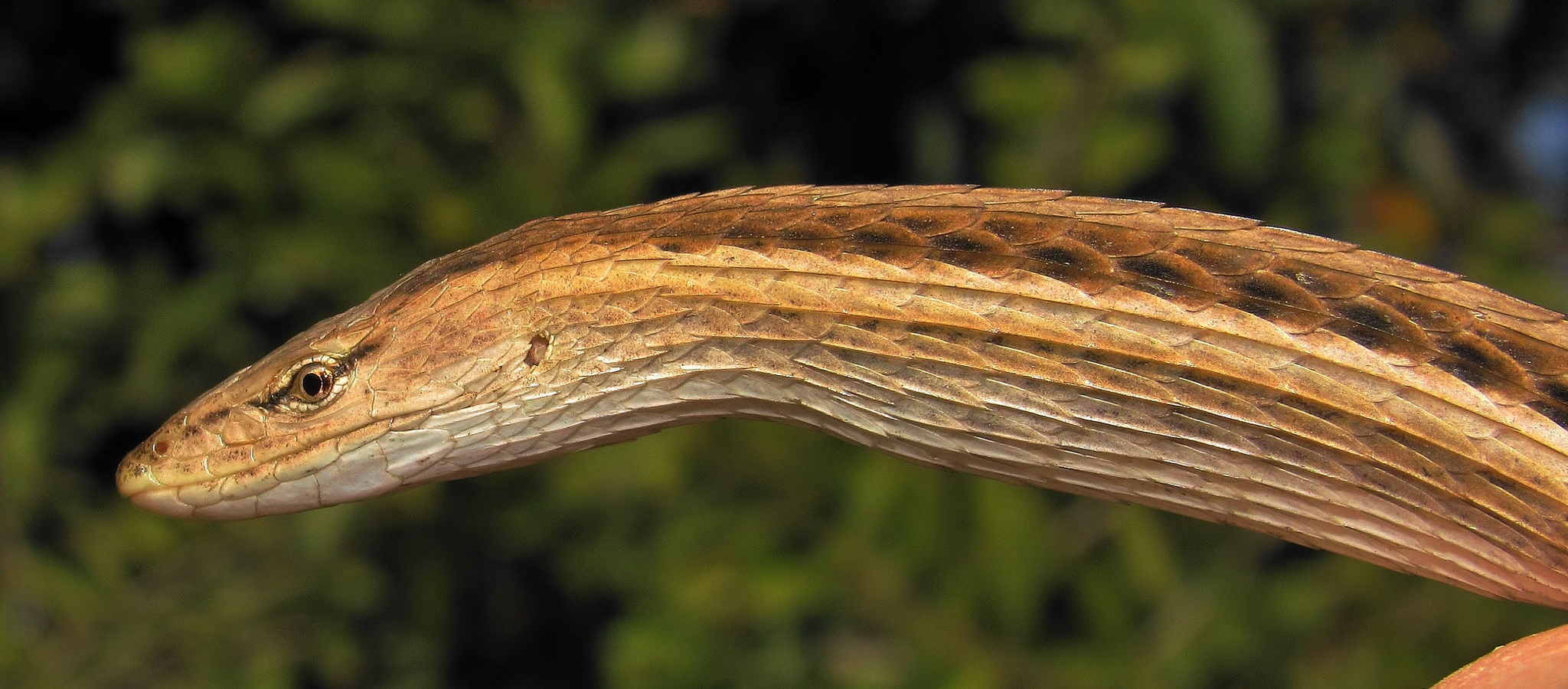
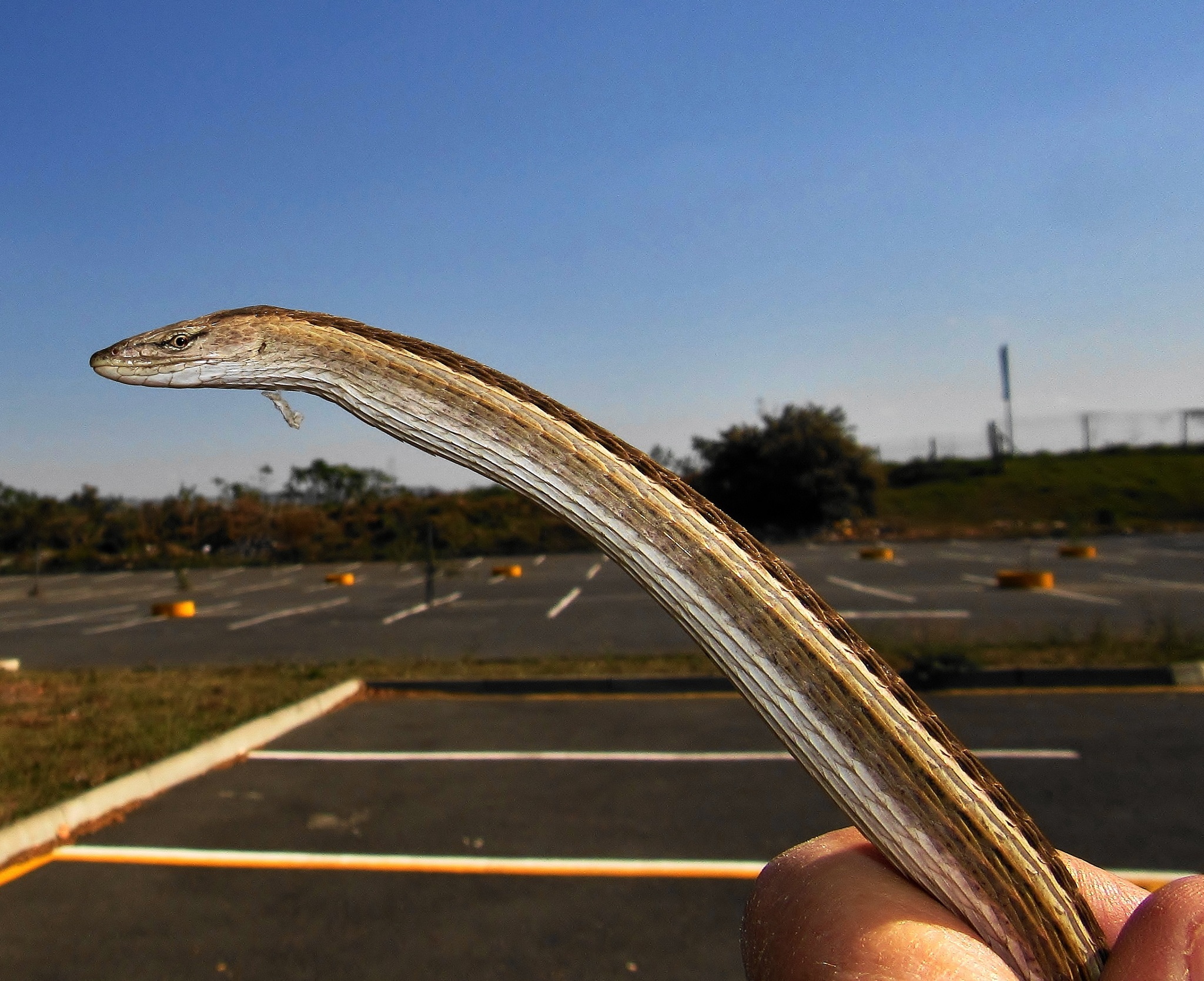
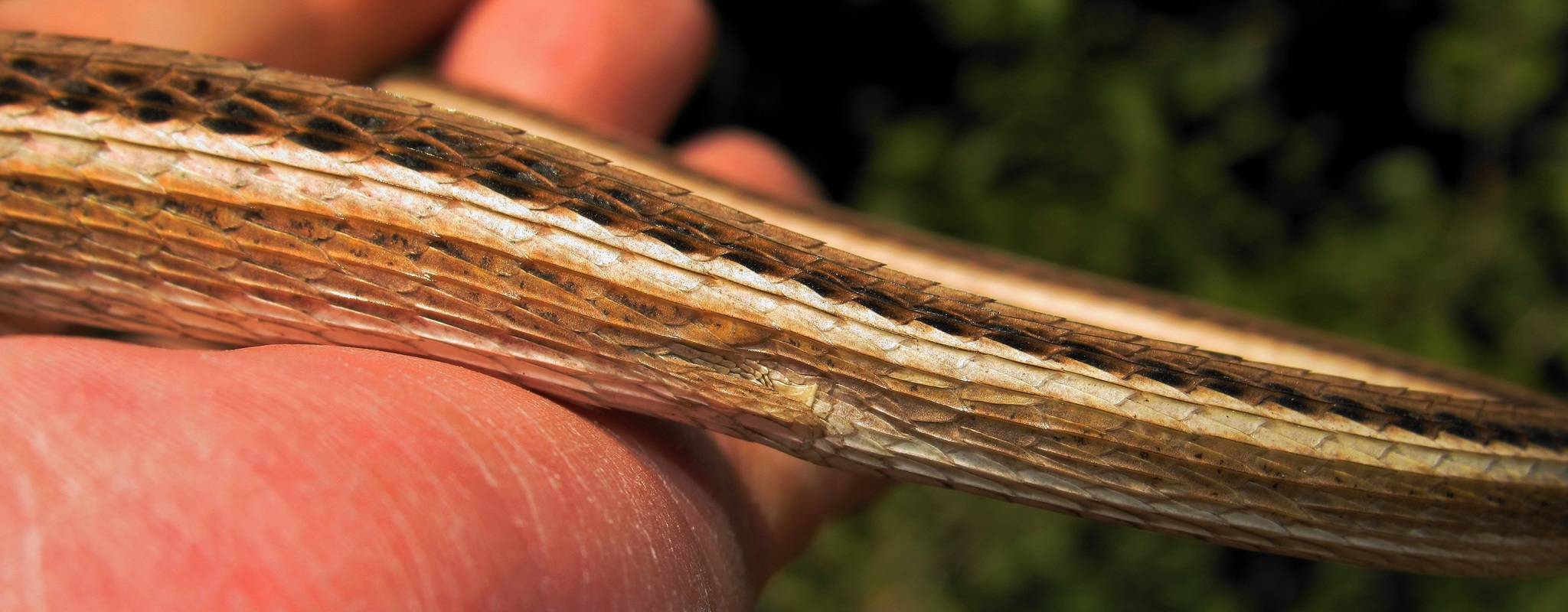
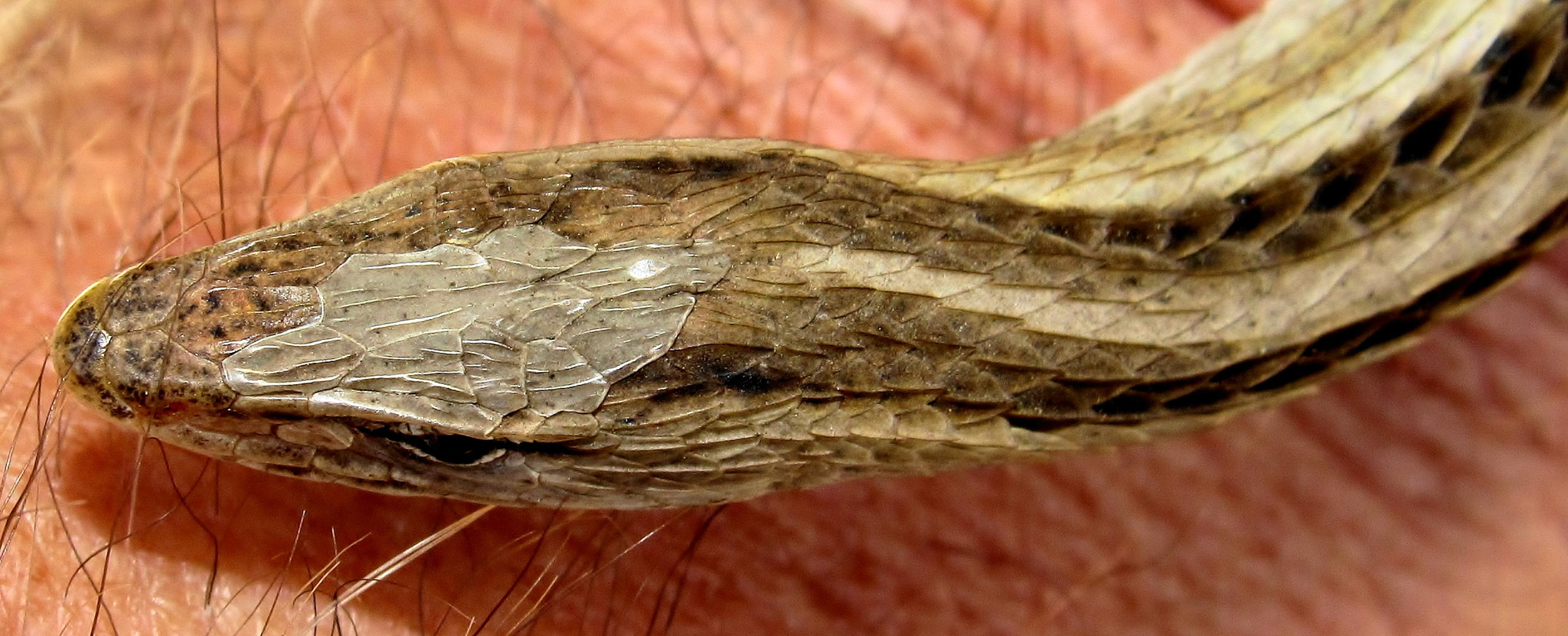
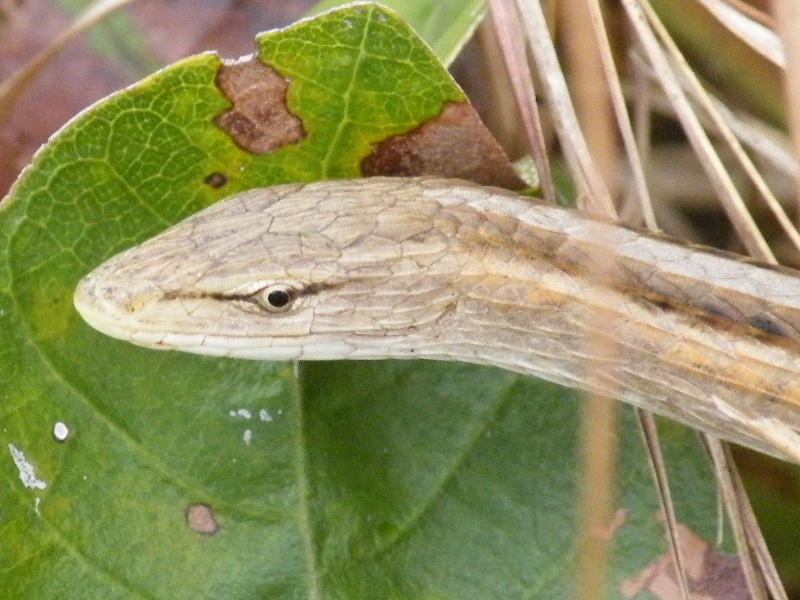
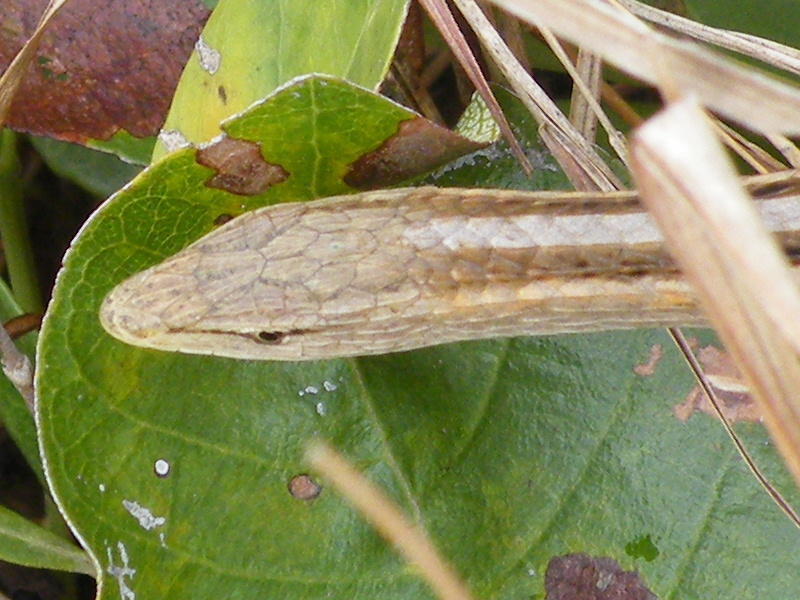
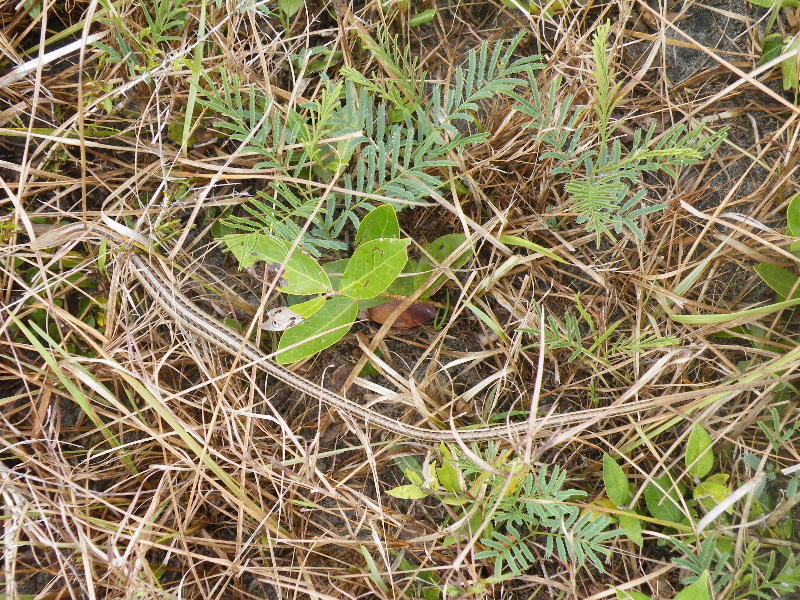
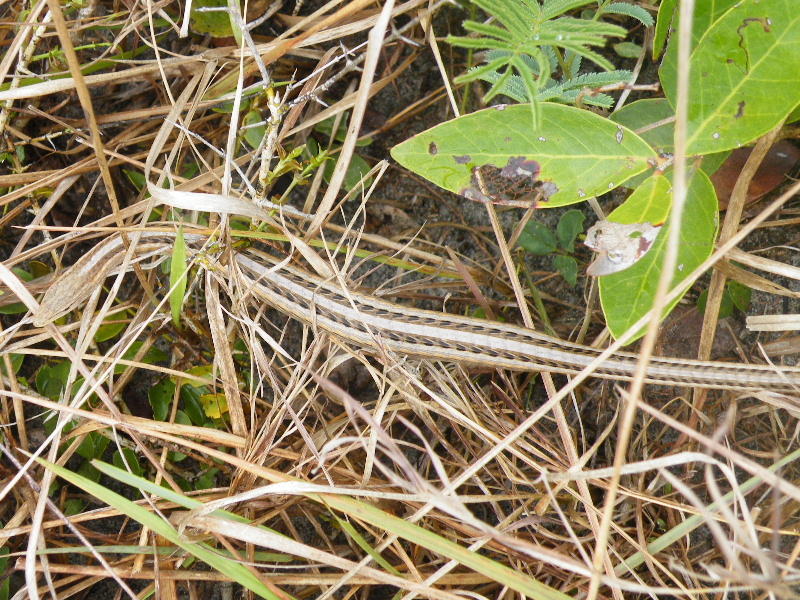
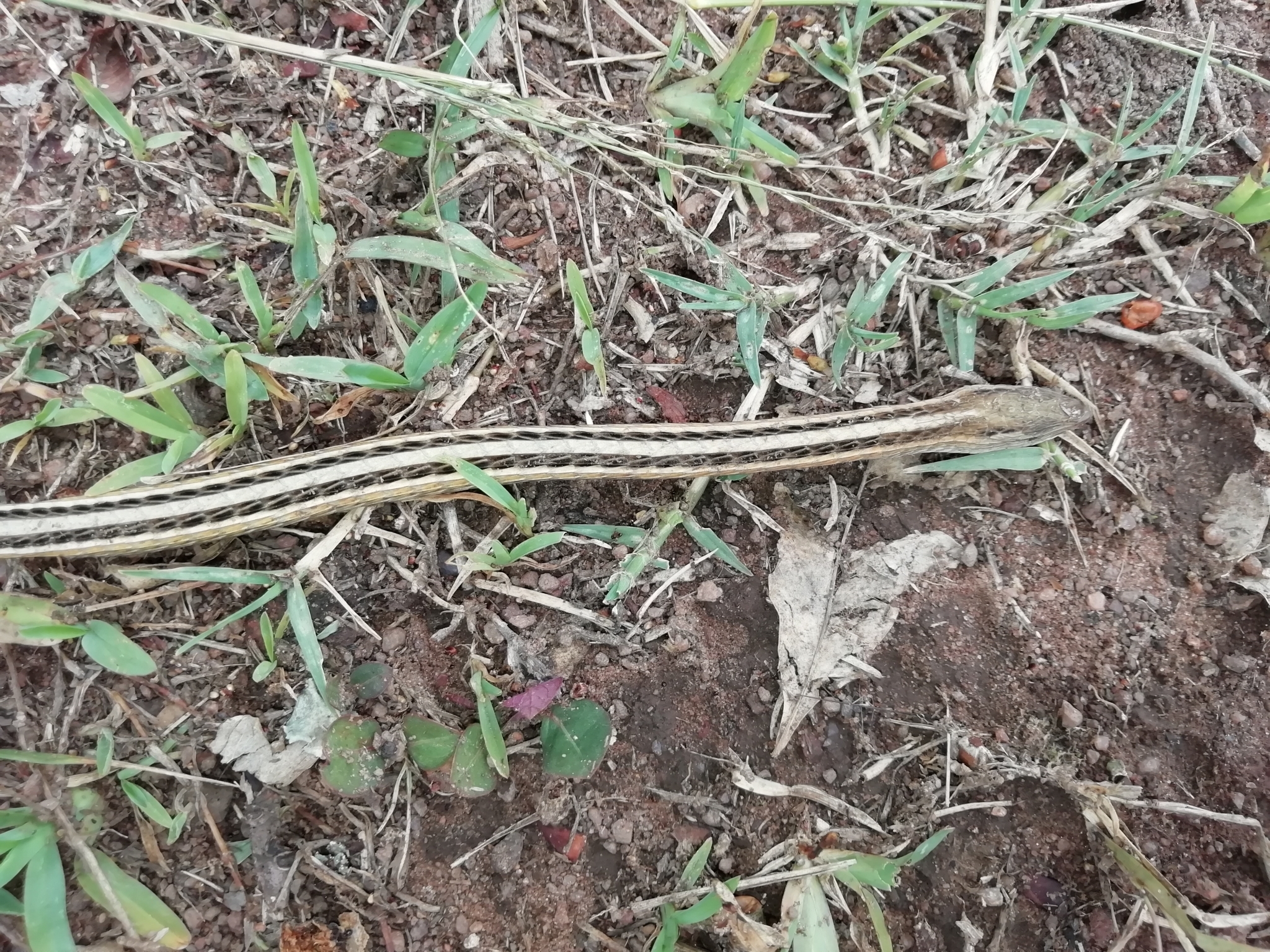
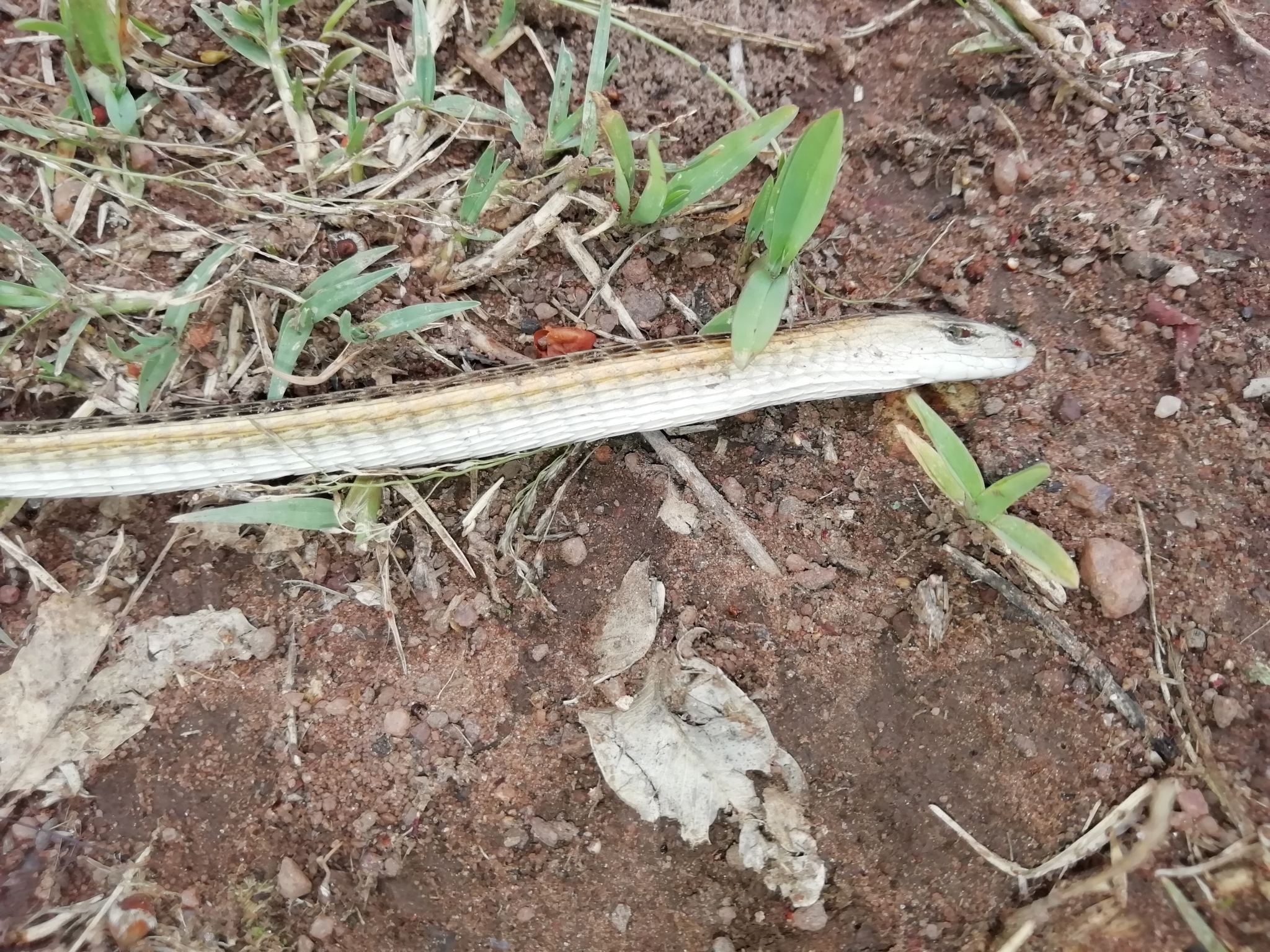
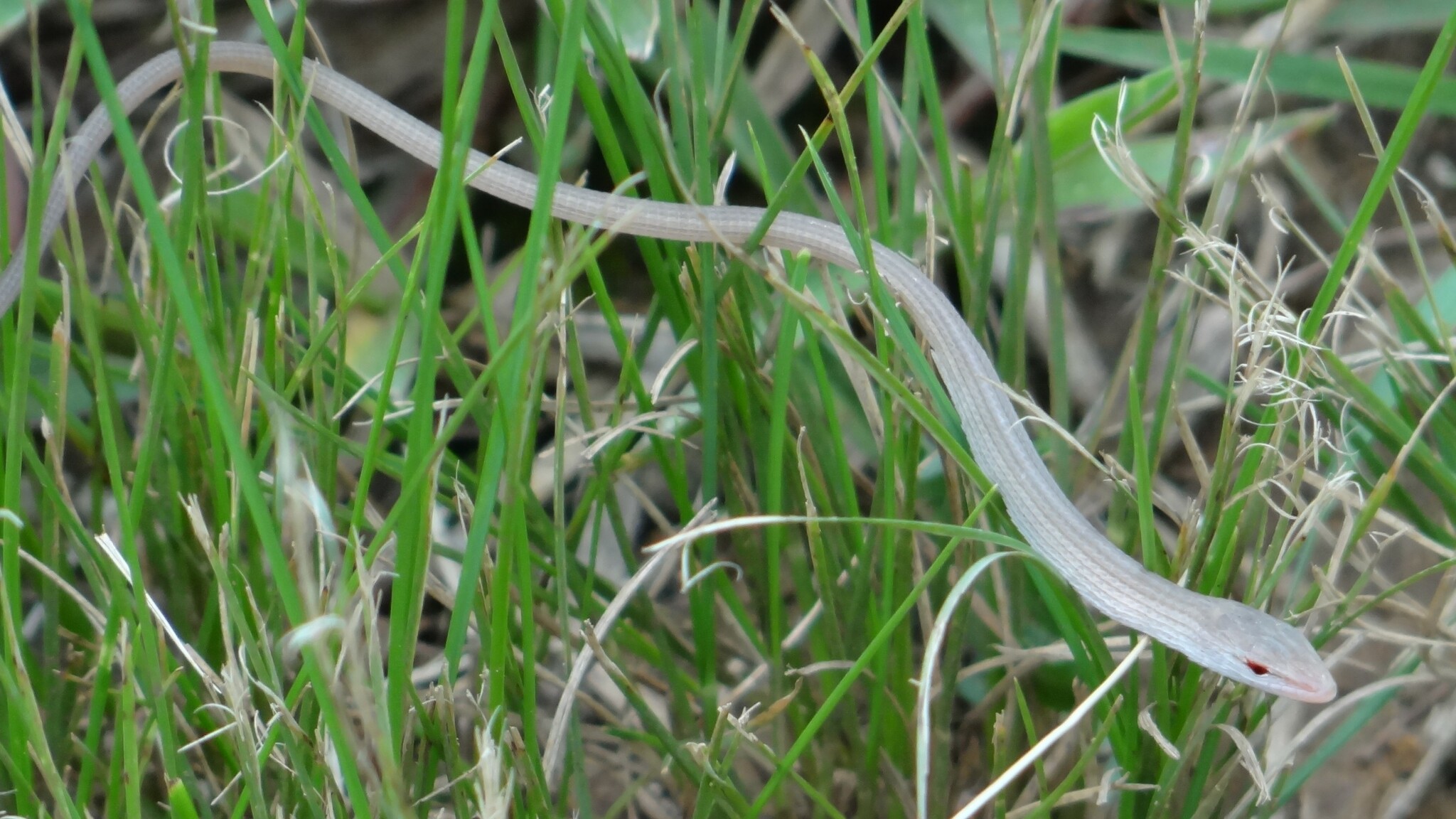
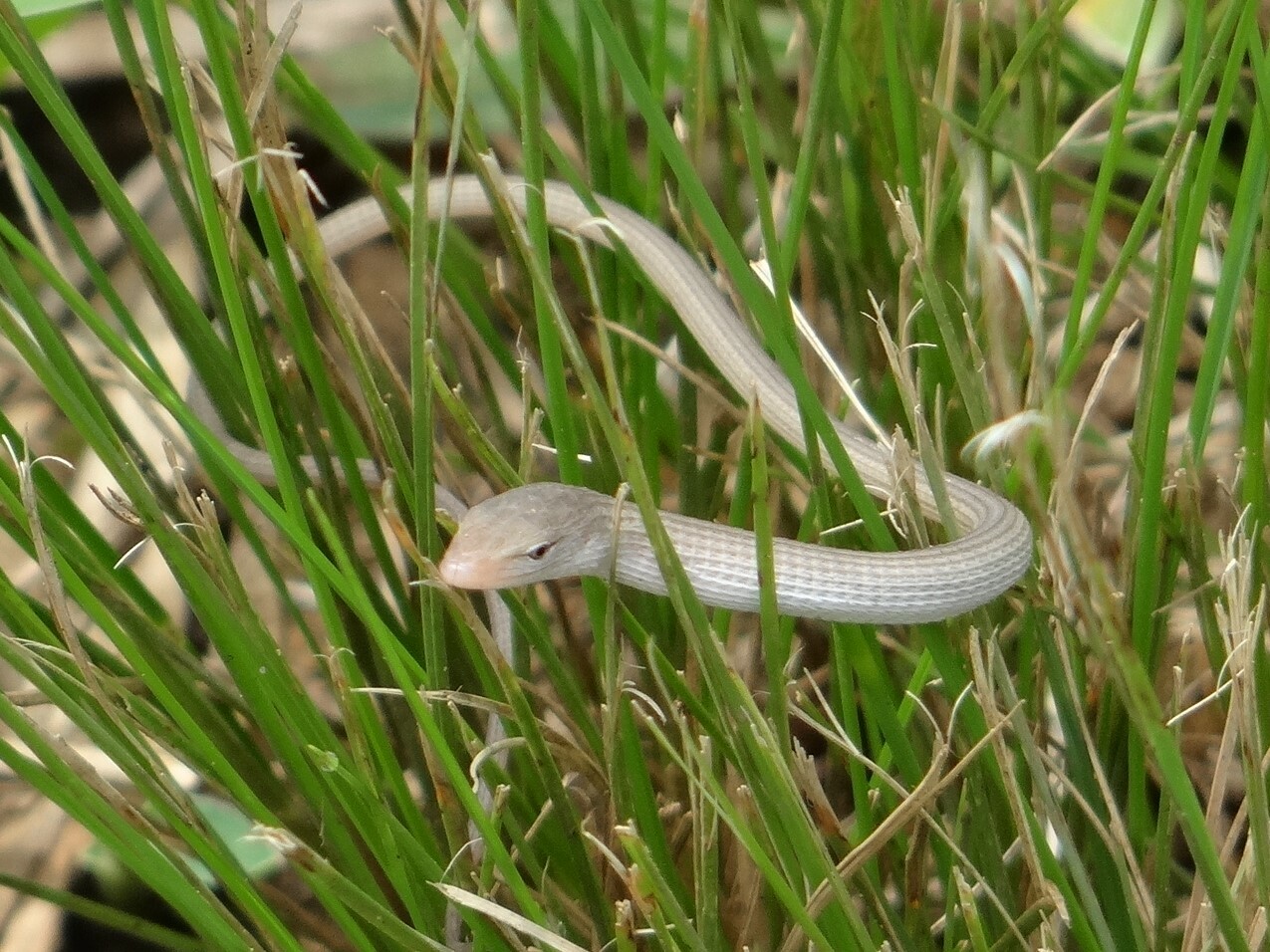
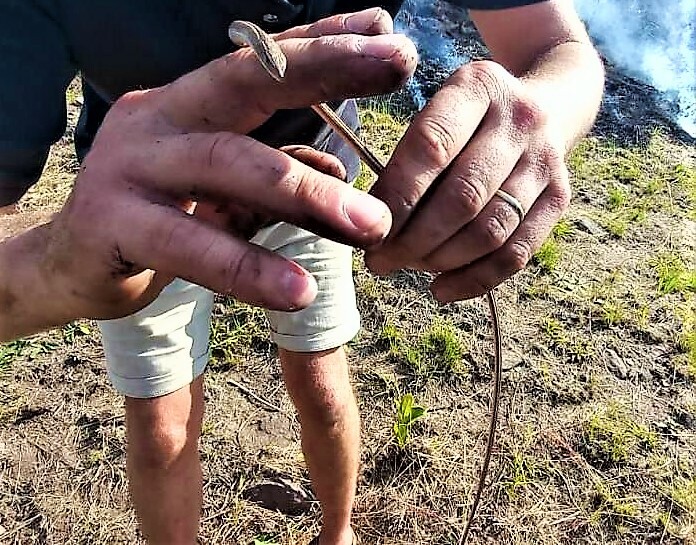
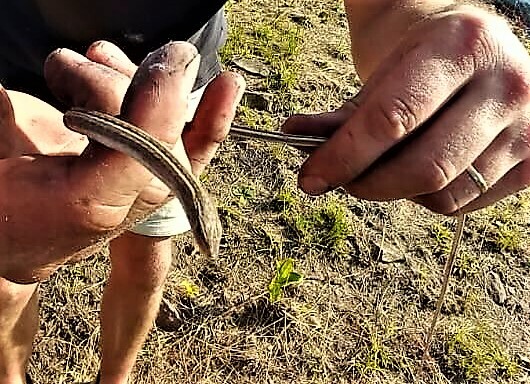
Boulenger (1885) re-described this species as follows: Fore limbs absent; hind limbs styliform, undivided. Head-shields as in C. anguina. Scales in twenty-two longitudinal and thirty-seven or thirty-eight transverse series to base of tail. One or two femoral pores on each side. Light brown above, with two longitudinal darker bands, whitish inferiorly. Total length 525 mm, Tail 420 mm, Head 14 mm, Hindlimb 8 mm.
No separate diagnostic description was provided. Refer to the morphological description.
Type locality: Natal, Umvoti Syntypes: ANSP 9708-09 (2)
A phylogenetic analysis would be helpful to assess the taxonomic status of the isolated population of C. macrolepis in the eastern highlands of Zimbabwe (Tolley et al., 2023).
Eswatini, Mozambique, South Africa, Zimbabwe
Chamaesaura macrolepis occurs across most of northeastern South Africa, ranging into Eswatini and Zimbabwe. Records in Limpopo and western Mpumalanga provinces may represent allopatric populations, and the isolated population in Zimbabwe is restricted to the Chimanimani Mountains (Broadley, 1966). Given its presence in the Chimanimani Mountains, it might also occur across the border in the Mozambican section of those mountains (Tolley et al., 2023). The species has recently been recorded for the first time from southern Mozambique (Jordaan, 2020). There are potentially several isolated populations in Limpopo province, although these are each represented by single records that are 20 years old or more, with no additional verified records since. There is a historical record (unknown collection date) from the Soutpansberg (Jacobsen, 1989) that is considered valid, although the species has not been observed there again.
This information was extracted from Branch (1998): The elongate shape of grass lizard allows them to move freely in long grass, through which they ‘swim’ with the speed and agility of snake (although the generic name translate more correctly as ‘creeping lizard’. They are not mobile on smooth or sandy surfaces. Even though the tiny limbs don't seem like much, when the lizard is at rest, they provide stability.
Carnivore - Insectivore (insect-eating)
This species feeds on small invertebrates, particularly grasshoppers (Branch, 1998).
The species is ovoviviparous, giving birth to 6-8 babies in March. Parturition may take 2-3 days, and the young often escape by wriggling from their mother's body (Branch, 1998).
No data.
Grassland, Savanna
This map contains point-based occurrences at different locations
Occurrence in African countries and South African provinces. Residence status indicates if a taxon is indigenous, endemic, or alien in a specific region. This data is based on specimen records and literature.
FSA
SA
BOT
NAM
ESW
LES
WC
EC
NC
FS
GA
KZN
LP
MP
NW
Absent
Indigenous
Endemic
Naturalised
Invasive
Names and Sources
Chamaesaura macrolepis ((Cope, 1862))
Chamaesaura miopropus
Author: Boulenger, 1894
| Common Name | Language |
|---|---|
| Large-scaled Grass Lizard | EN |

Classification
KINGDOM Animalia
PHYLUM Chordata
CLASS Reptilia
ORDER Squamata
FAMILY Cordylidae
GENUS Chamaesaura
SPECIES macrolepis
No results found for Chamaesaura macrolepis (Cope, 1862)
No data.
20 results for Chamaesaura macrolepis (Cope, 1862)
This map contains point-based occurrences at different locations
1966
THESIS
The herpetology of southeast AfricaBroadley, D.. 1966. The herpetology of southeast Africa Vol. PhD thesis. Pietermaritzburg. University of Natal.
1998
BOOK
Field Guide to Snakes and Other Reptiles of Southern AfricaBranch, B.. 1998. Field Guide to Snakes and Other Reptiles of Southern Africa. Cape Town. Struik Publishers.
1885
BOOK
Catalogue of the lizards in the British Museum (Natural History)Boulenger, G.. 1885. Catalogue of the lizards in the British Museum (Natural History) Vol. 2. London. Natural History Museum pp.349 - 350.
2023
BOOK
Conservation status of the reptiles of South Africa, Eswatini and LesothoTolley, K., Burger, M., Alexander, G., Pietersen, D., Conradie, W., Weeber, J.. 2023. Conservation status of the reptiles of South Africa, Eswatini and Lesotho Vol. Suricata 10. Pretoria. South African National Biodiversity Institute.
2004
JOURNAL ARTICLE
Reptiles (Reptilia) in KwaZulu- Natal: 1 – diversity and distributionBorquin, O.. 2004. Reptiles (Reptilia) in KwaZulu- Natal: 1 – diversity and distribution Vol. 29 pp.57-103.
1989
TECHNICAL REPORT
The distribution and conservation status of reptiles and amphibians in the Transvaal. Final Report Project TN 6/4/1/30Jacobsen, N.. 1989. The distribution and conservation status of reptiles and amphibians in the Transvaal. Final Report Project TN 6/4/1/30. Pretoria. Chief Directorate of Nature and Environmental Conservation.
2020
JOURNAL ARTICLE
Geographical distributions: Cordylidae. Chamaesaura macrolepis (Cope, 1862). Large-scale Grass Lizard.Jordaan, P.. 2020. Geographical distributions: Cordylidae. Chamaesaura macrolepis (Cope, 1862). Large-scale Grass Lizard. Vol. 75 pp.59-60.
Status and criteria
LC
Assessor(s)
Michael Bates
Contributors
Josh Weeber
Reviewer(s)
Adriaan Jordaan