ANIMALIA / CHORDATA / REPTILIA / SQUAMATA / CORDYLIDAE / CORDYLUS / MACROPHOLIS
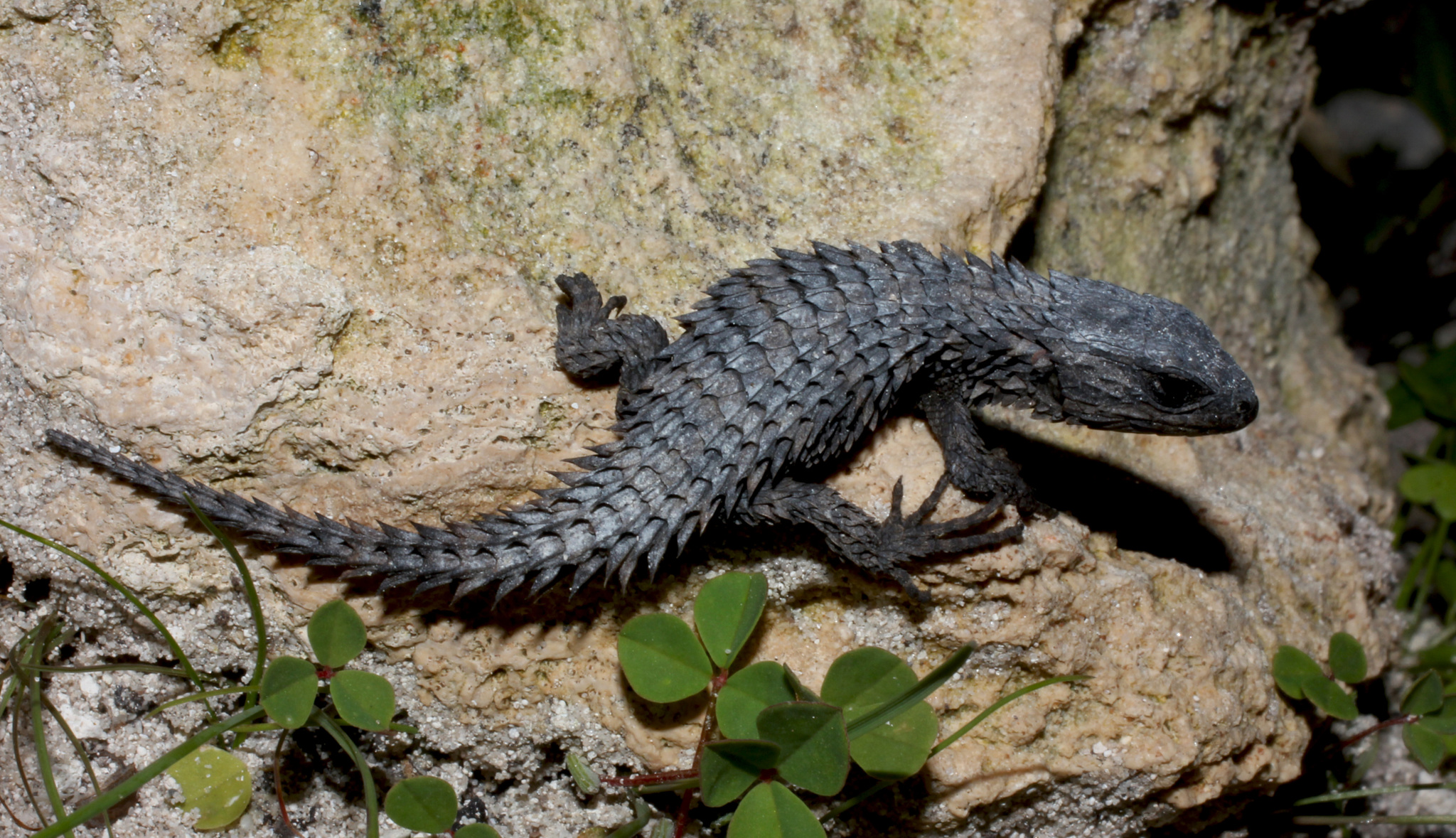
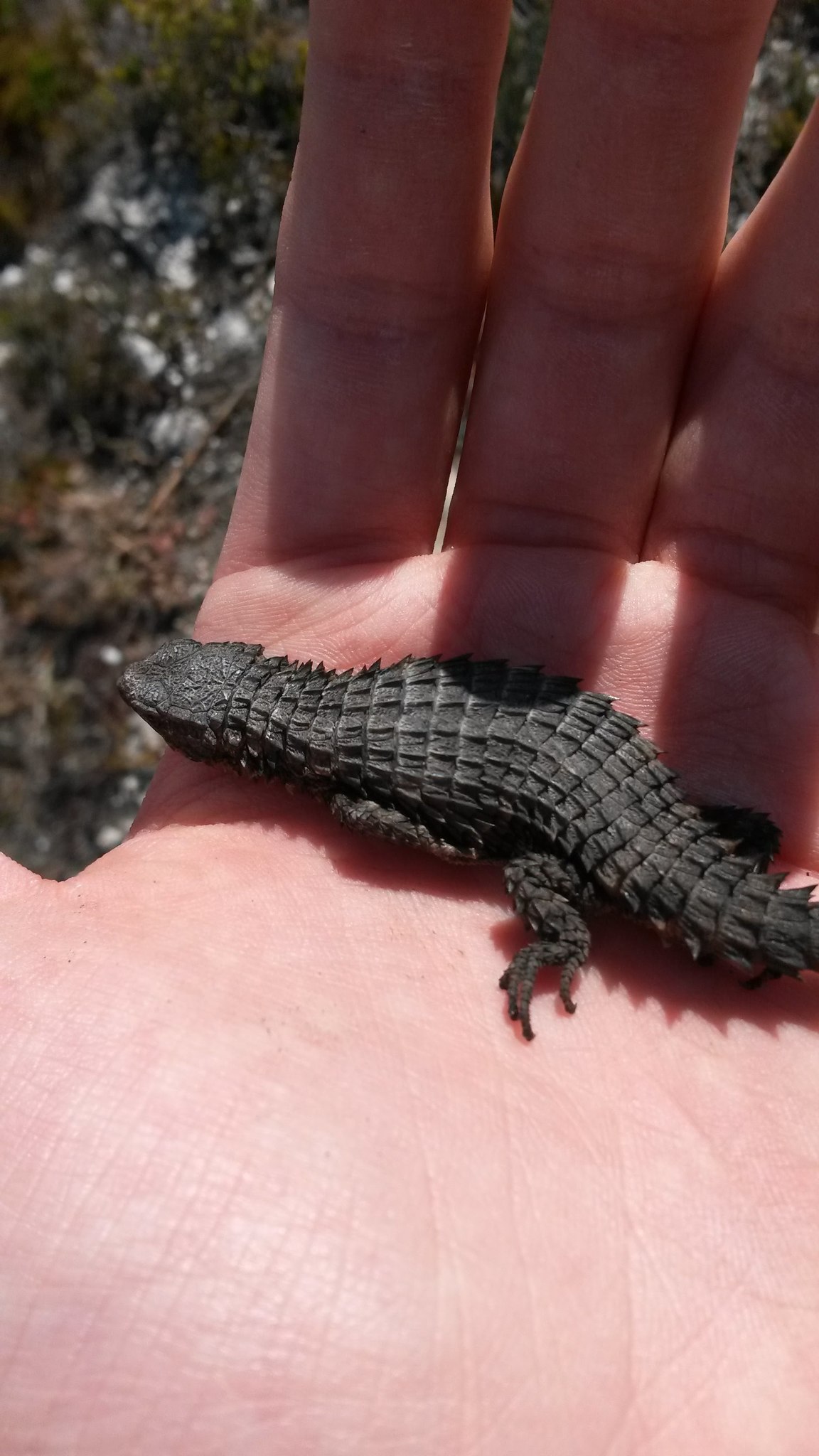
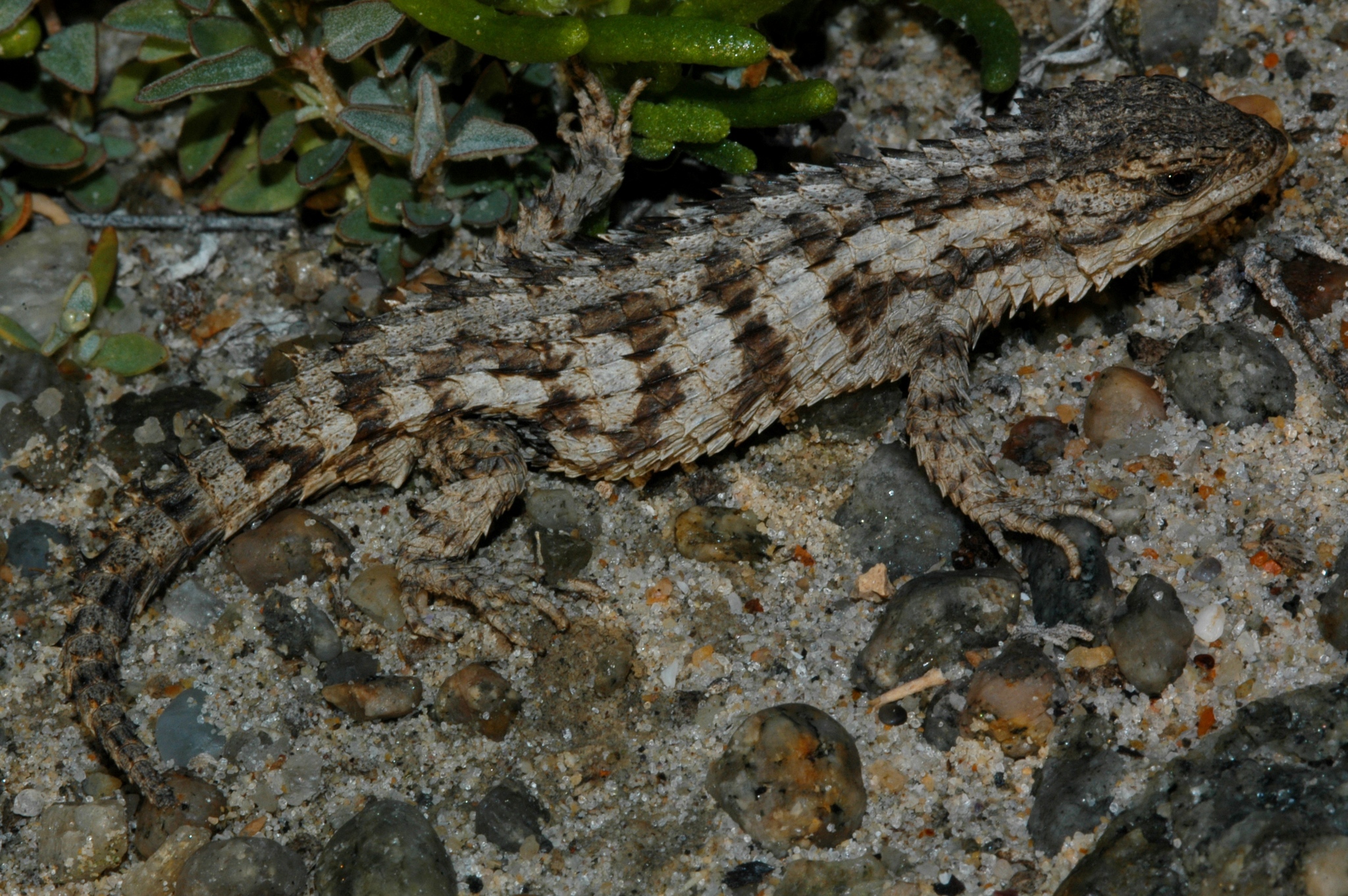
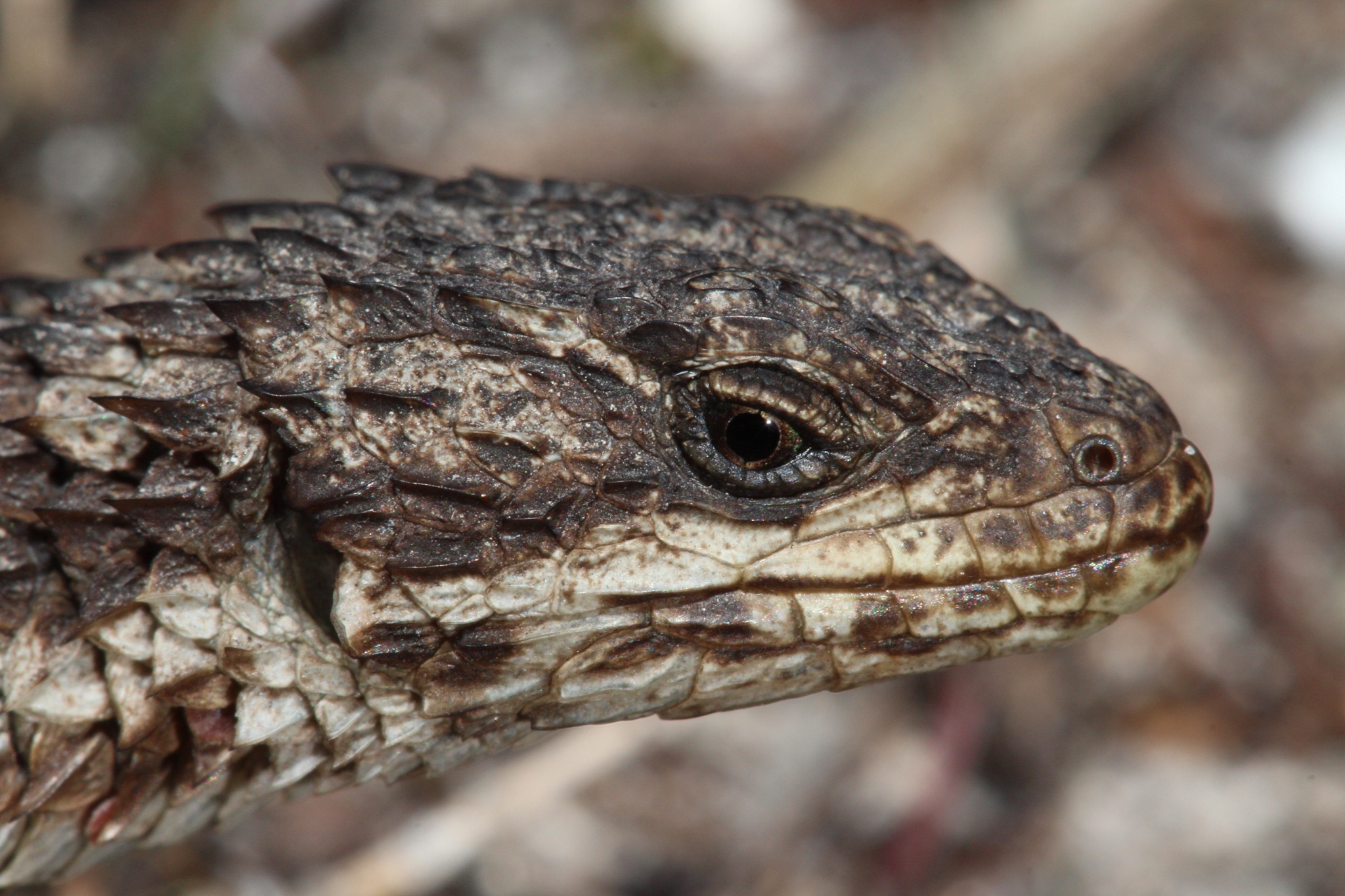
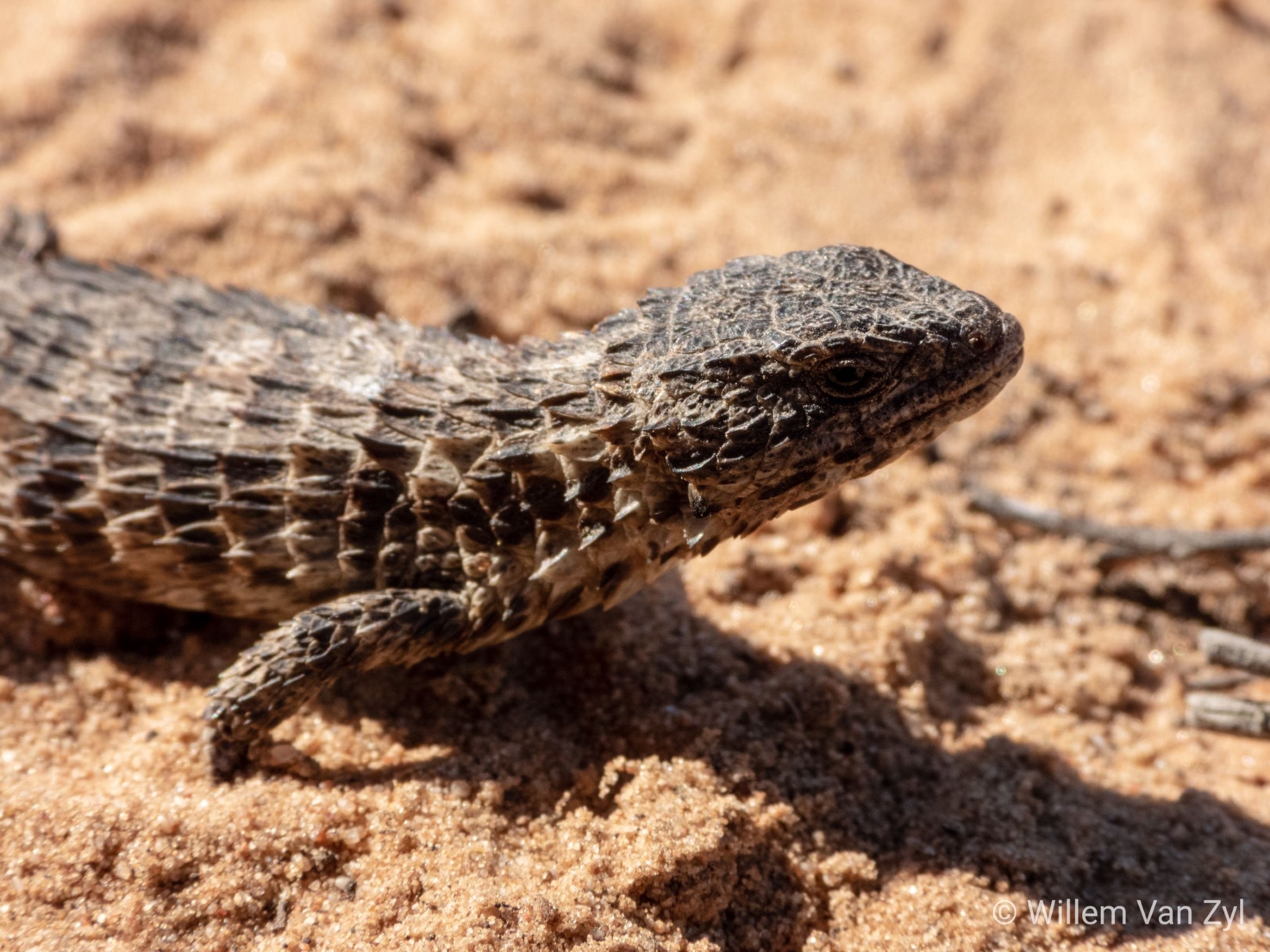
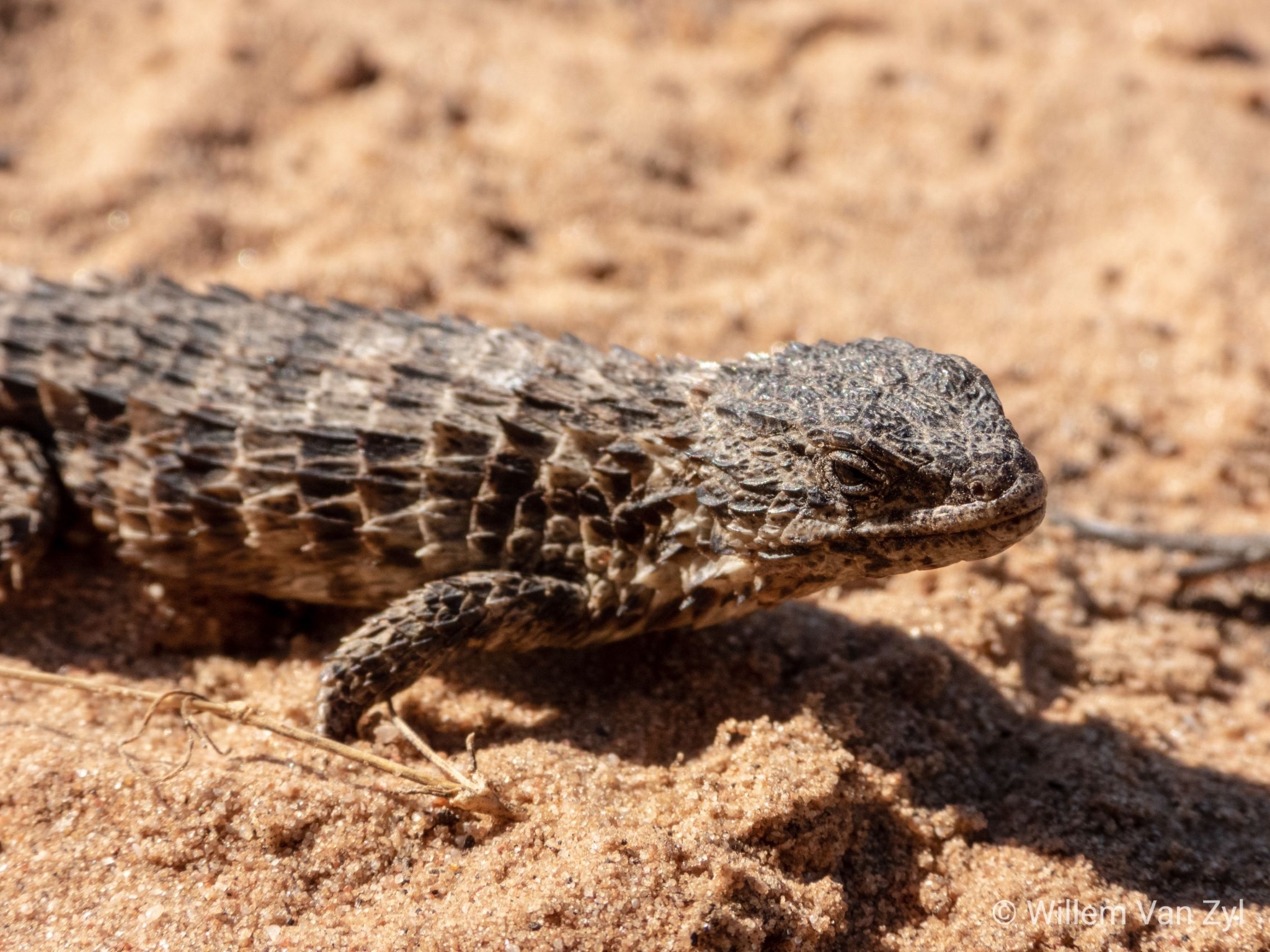
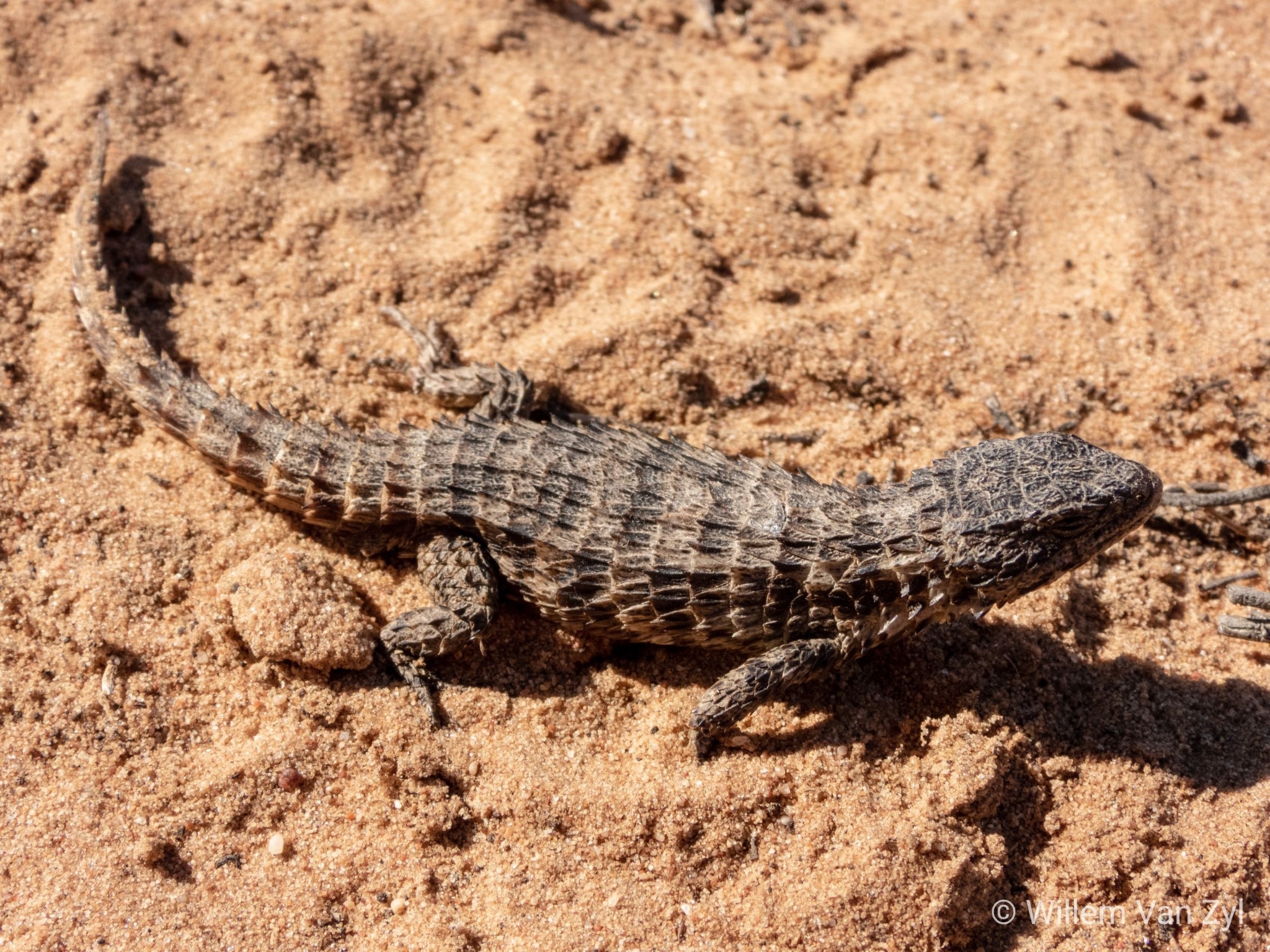
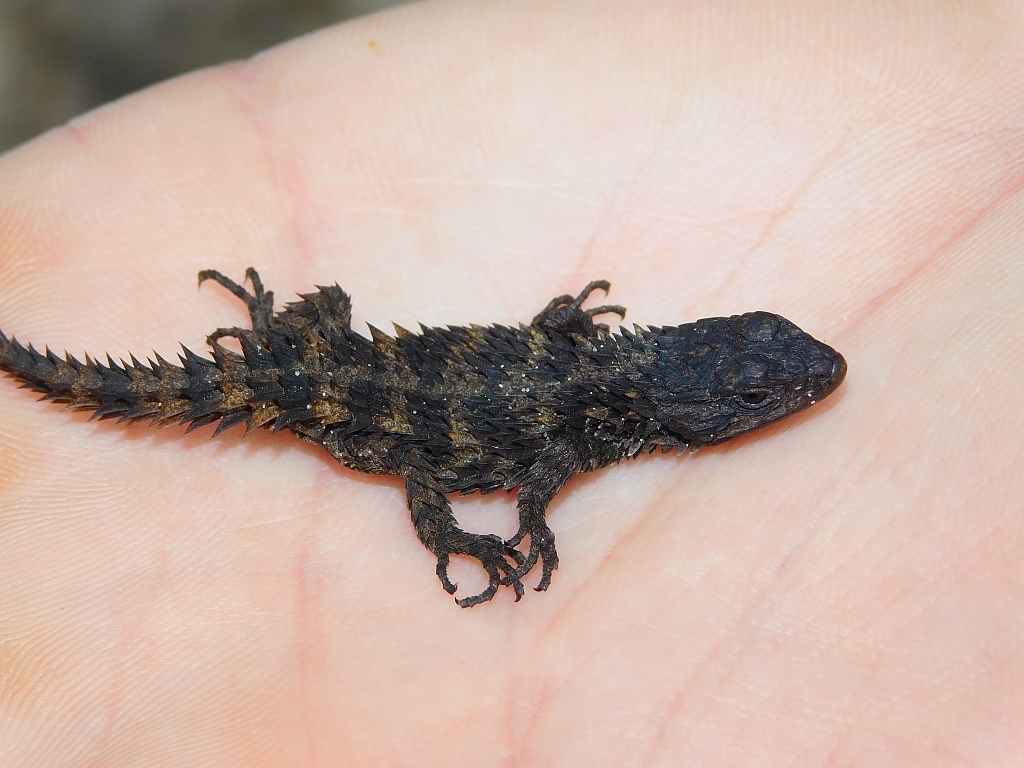
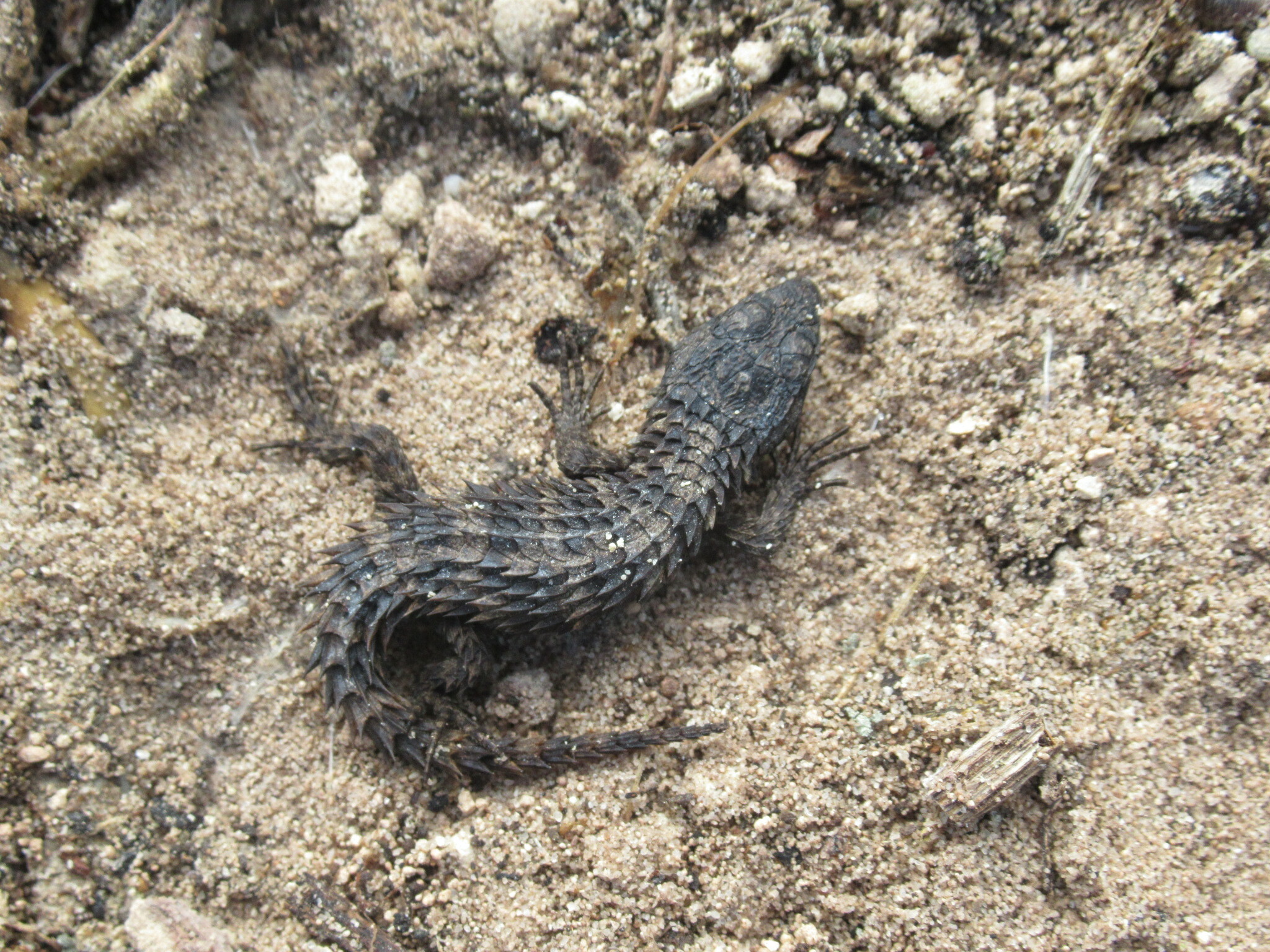
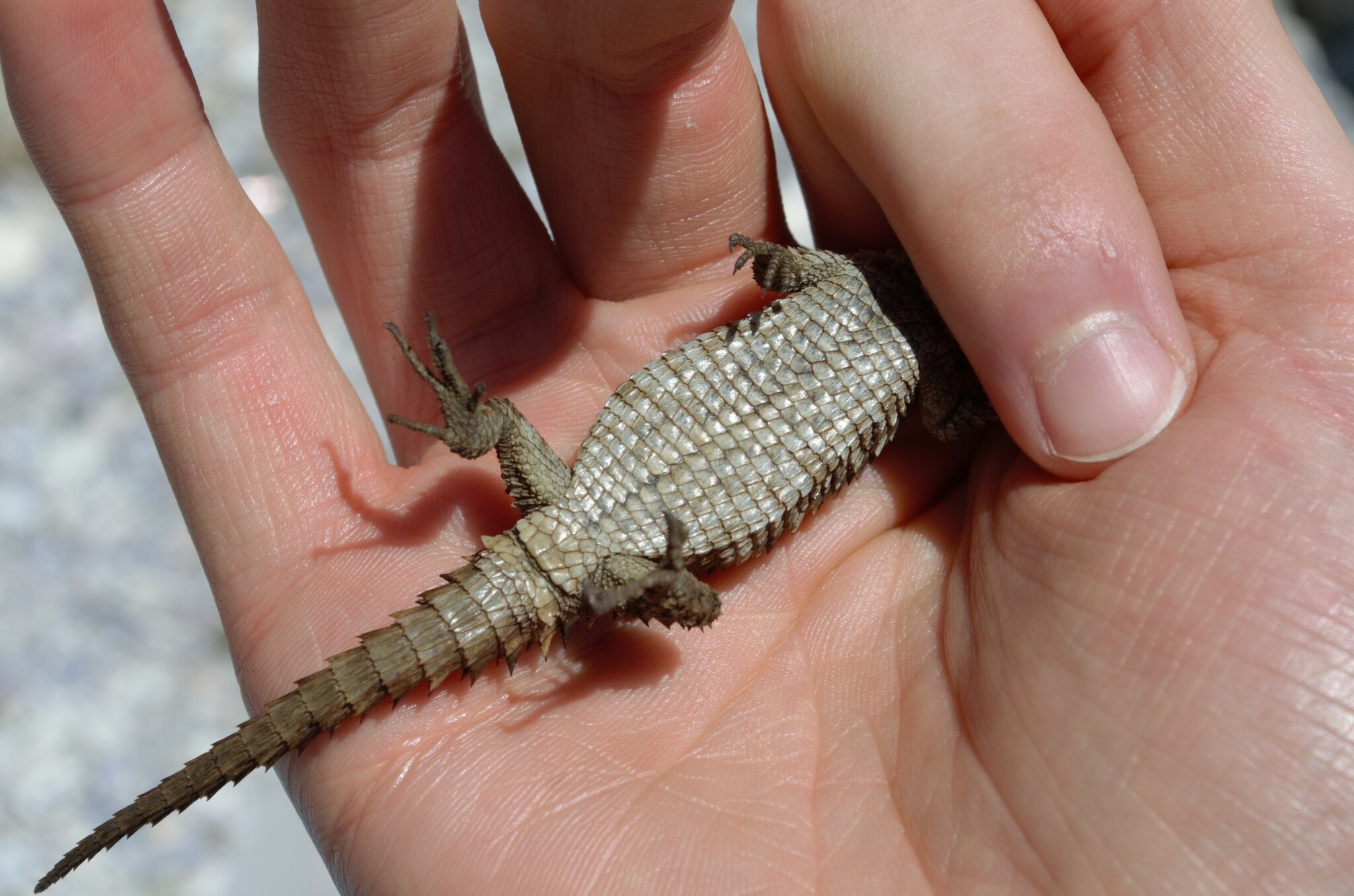
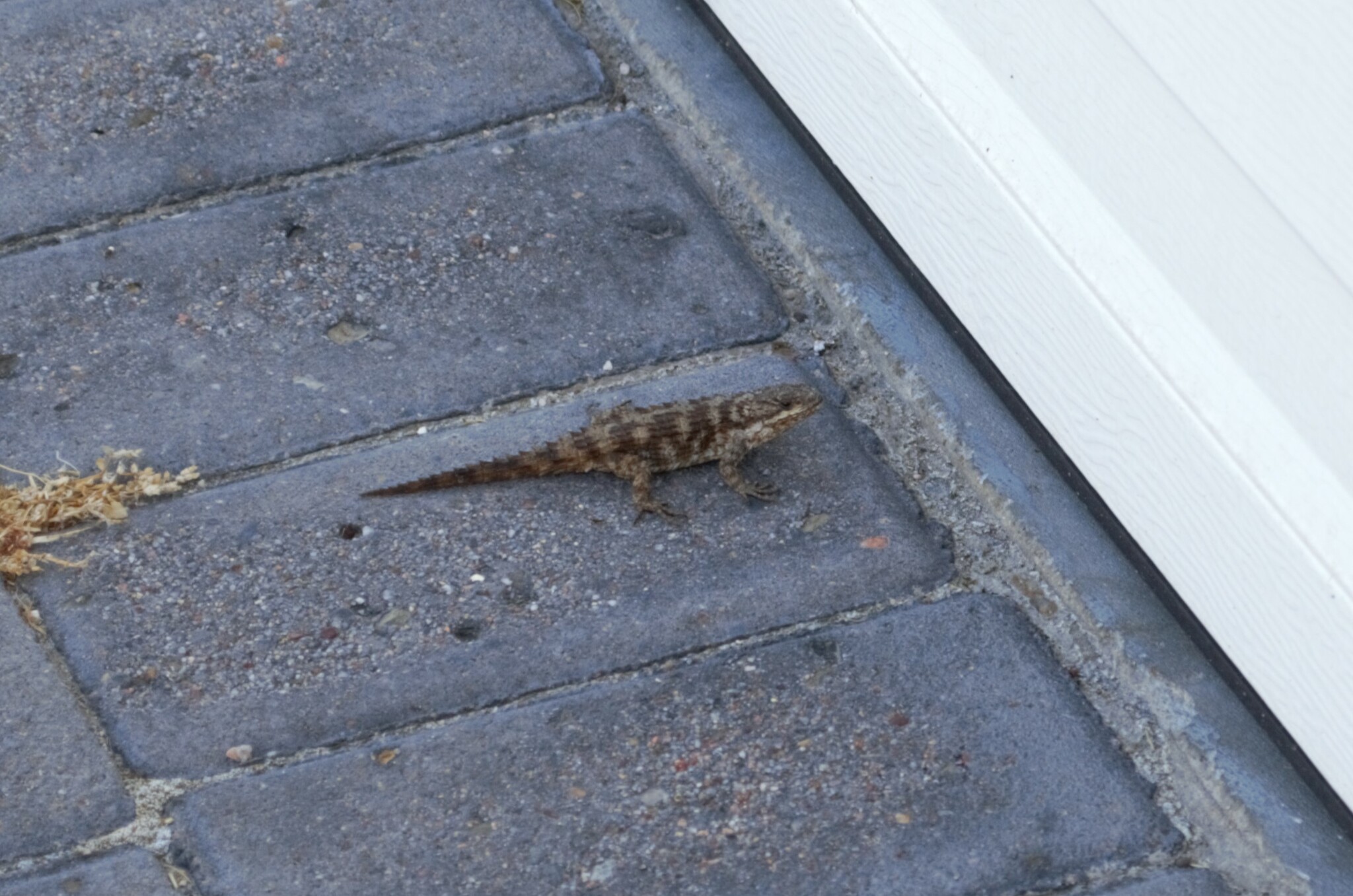
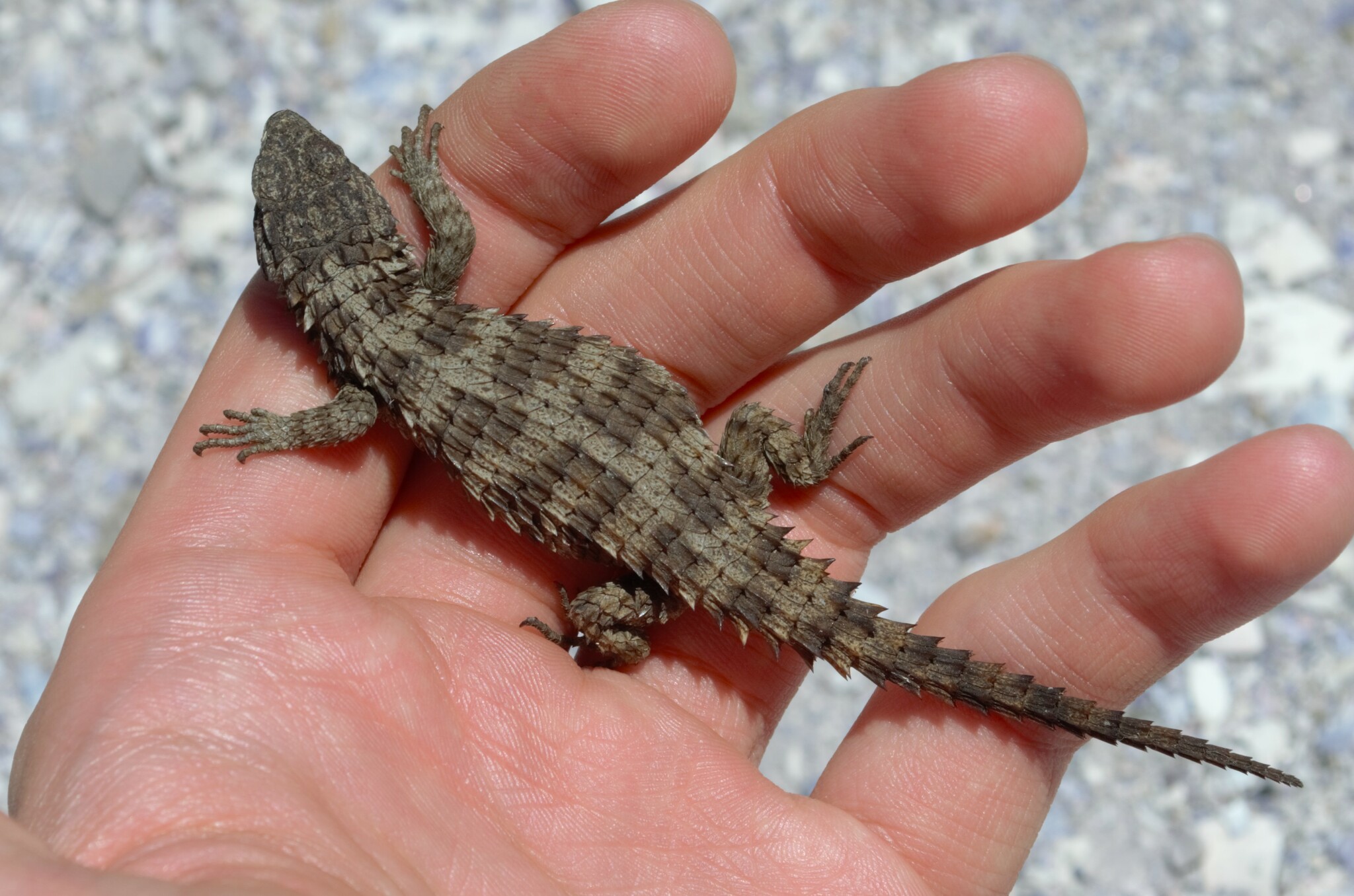
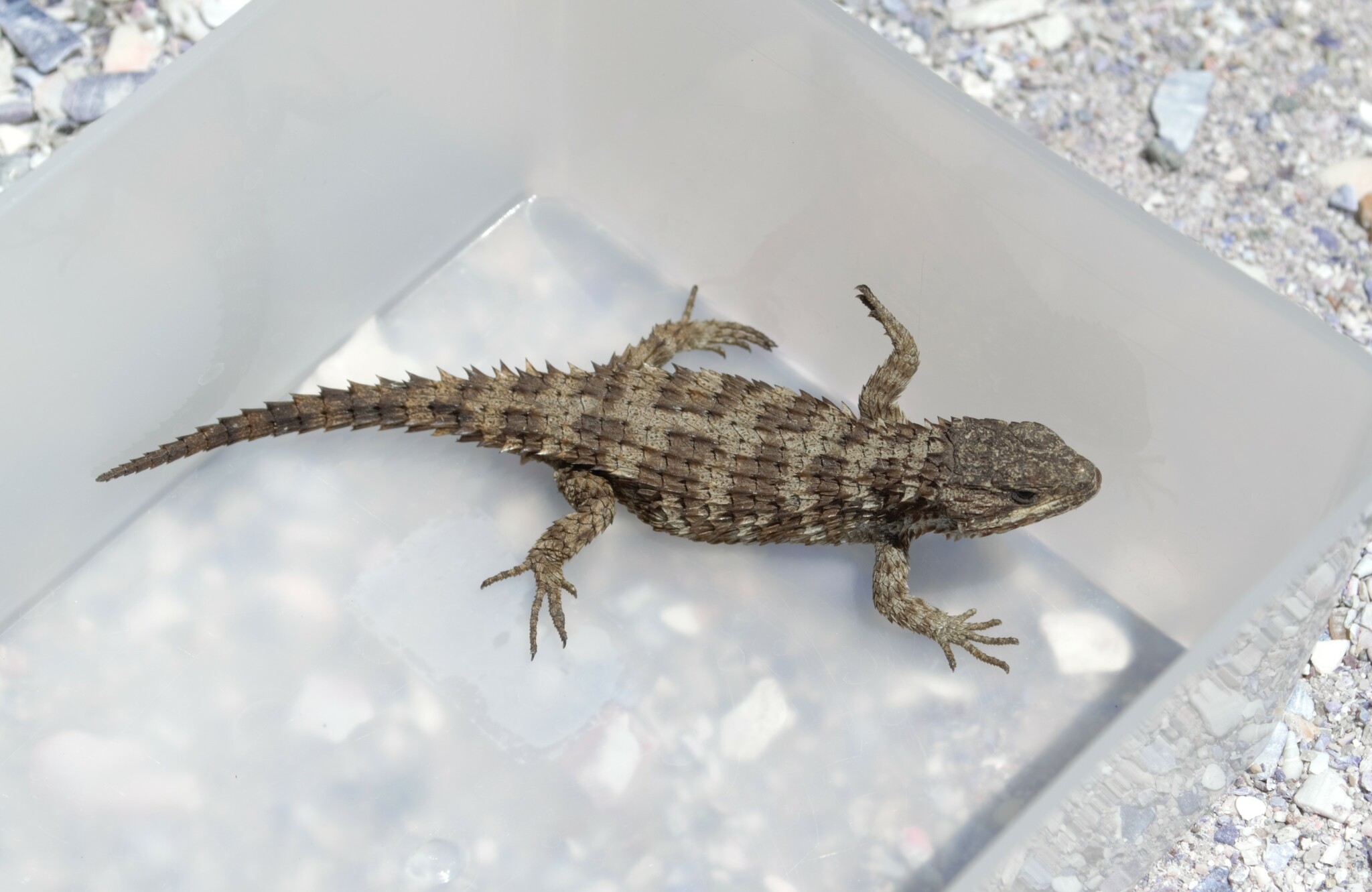
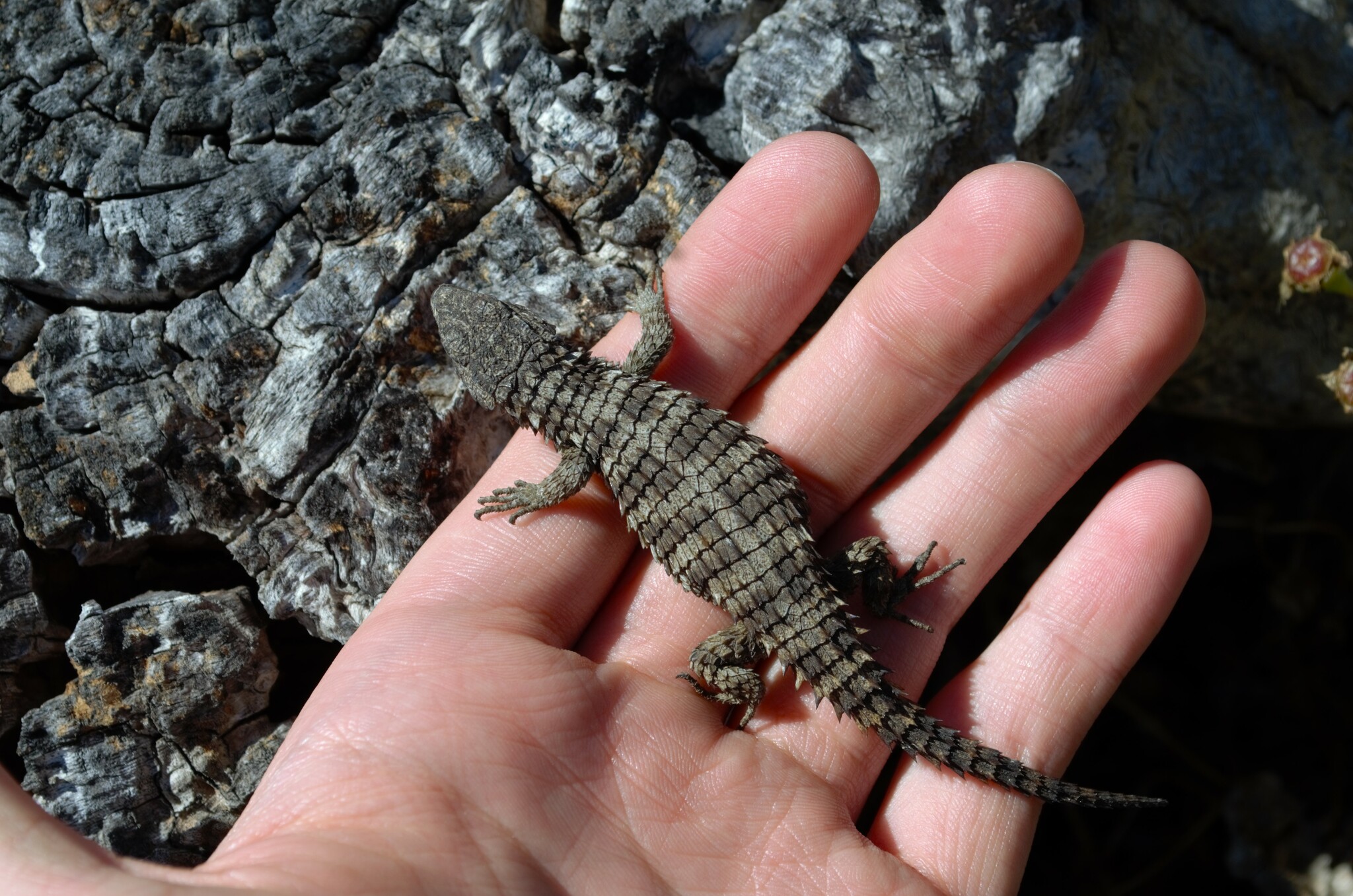
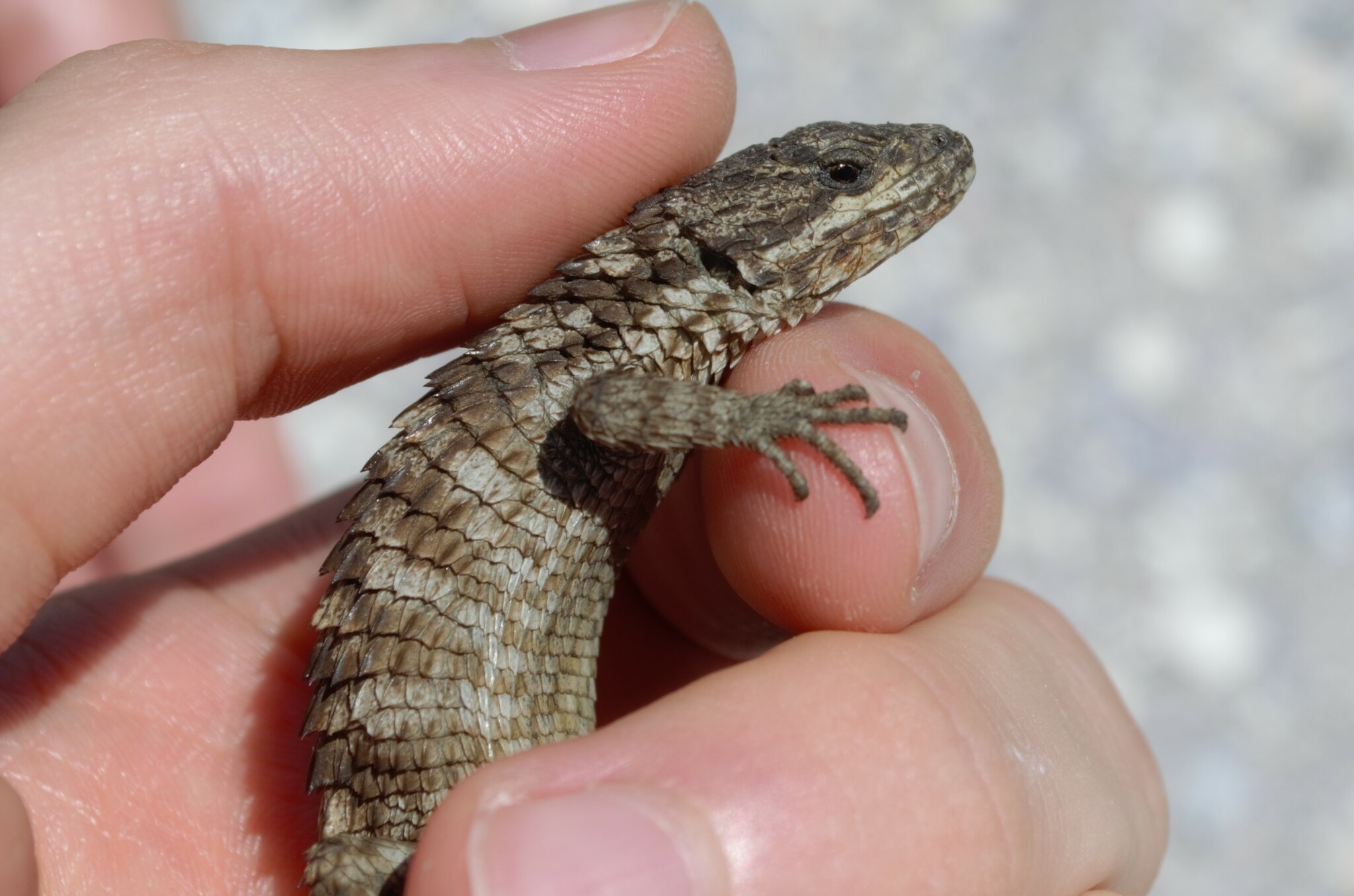
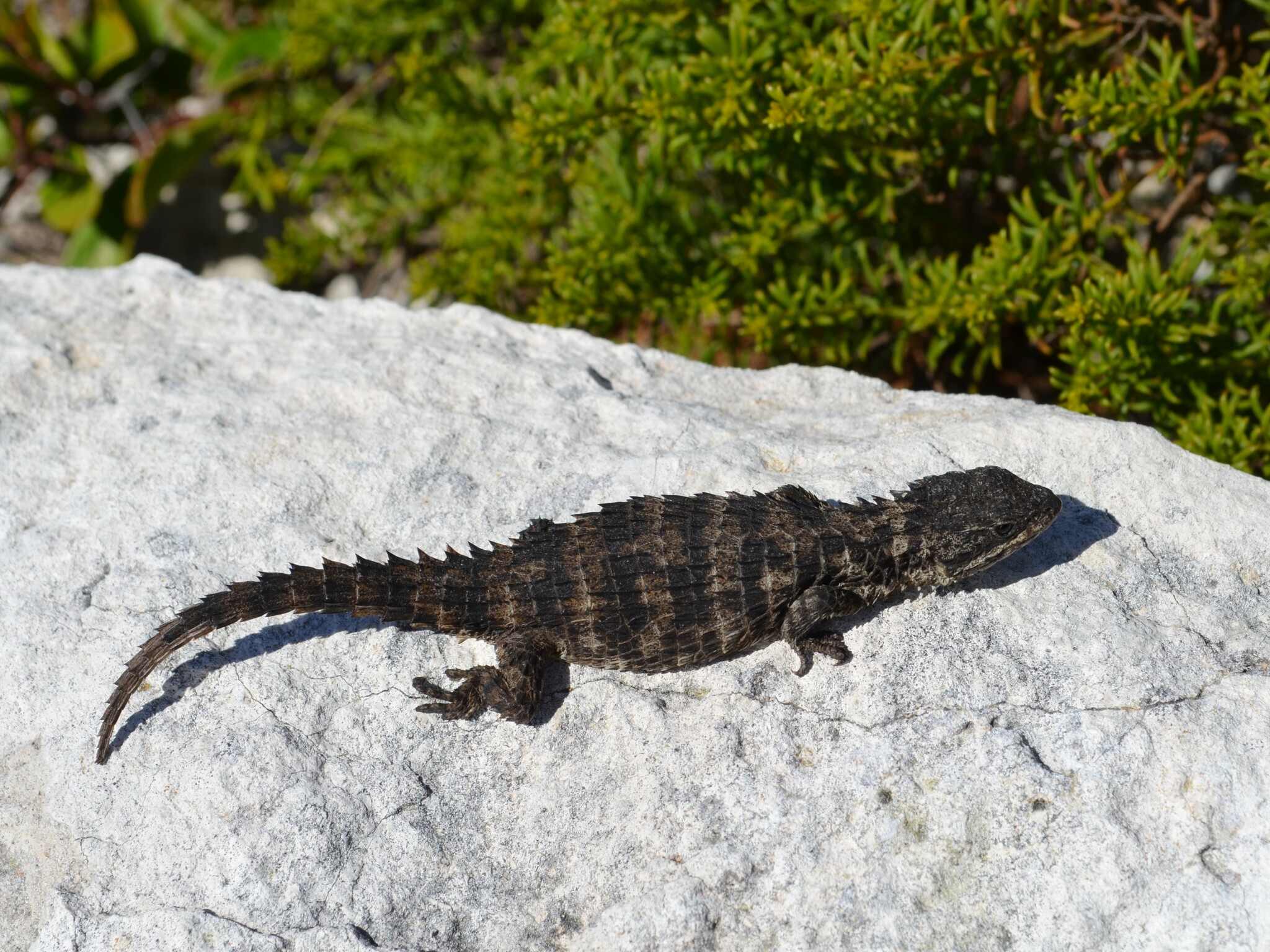
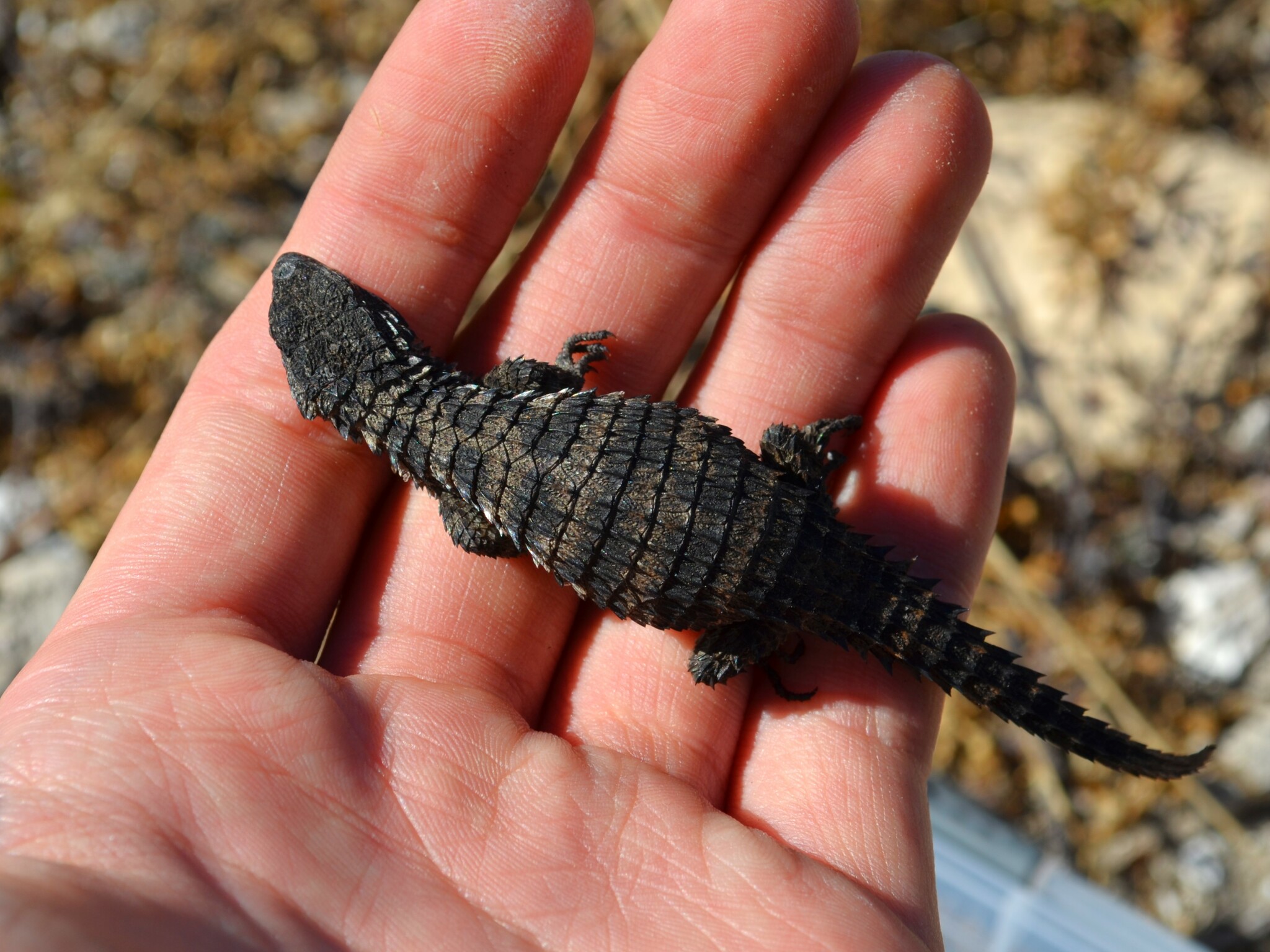
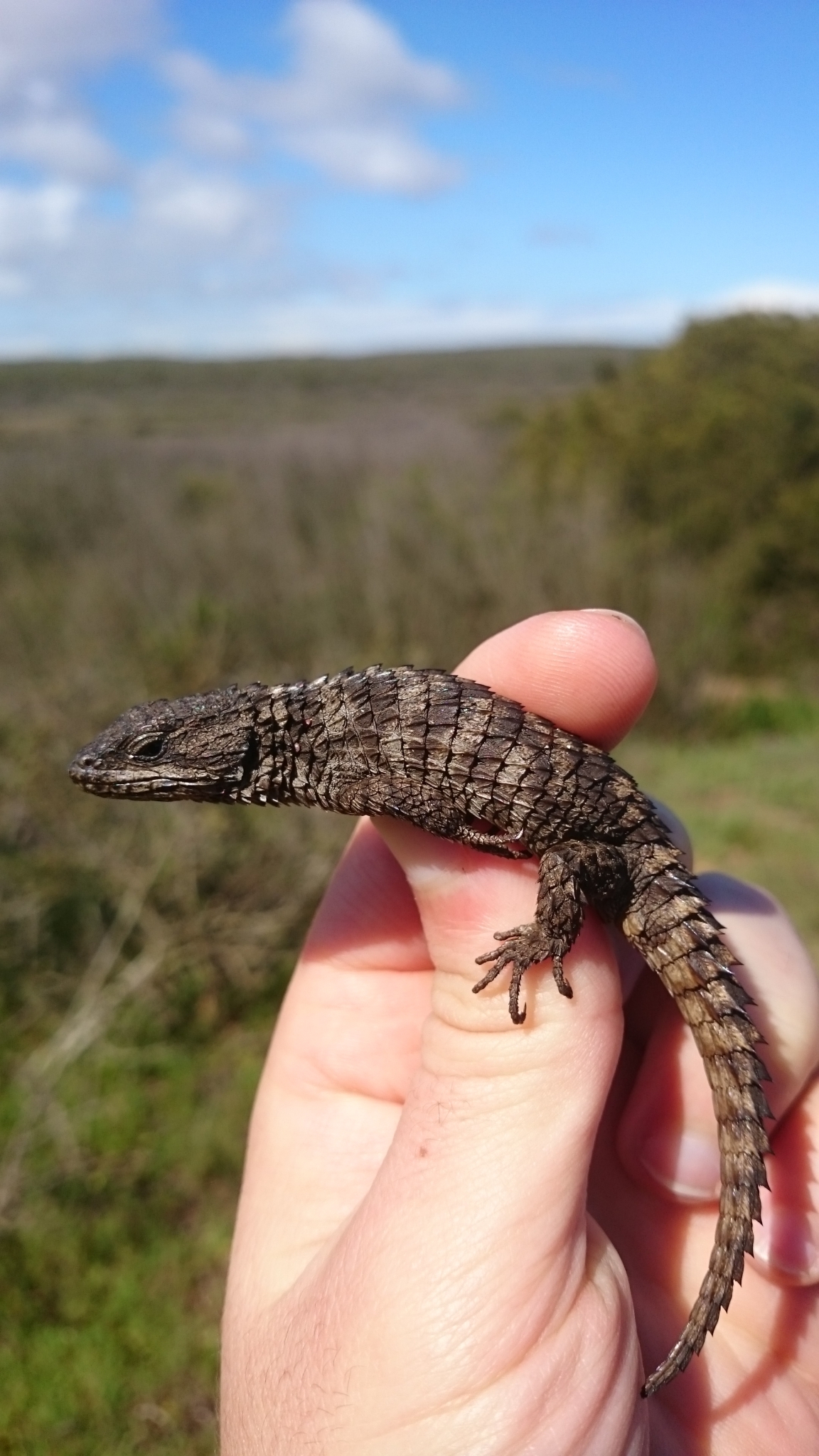
Boulenger (1910) described the species as follows: Head shields very rugose; nasals not swollen, in contact, the nostril in its posterior part, close to the first upper labial and the anterior loreal; frontonasal tetragonal; praefrontals forming a suture; interparietal tetragonal, between the two pairs of parietals and touching the frontoparietals; temporals strongly keeled, the posterior forming short spines; lower eyelid scaly; four or five upper labials; five lower labials, bordered by four large, striated, and keeled shields; gular scales large, imbricate, strongly keeled, sharply pointed. Dorsal scales very large, forming regular transverse series, rugose, strongly keeled, denticulate posteriorly, the keels terminating in a short spine, on the flanks similar; 17 transverse series from occiput to base of tail, the largest containing 14 scales ; a distinct lateral fold. Ventral scales smooth, quadrangular, the outer pointed behind, in 10 longitudinal and about 20 transverse series. A pair of enlarged posterior praeanal scales. Limbs with large spinose, serrated scales. 9 femoral pores on each side. Tail with whorls of large, rugose, strongly keeled, spinose, serrated scales, the spines strongest on the sides. Olive-brown above, with large irregular dark brown blotches, pale olive beneath. Measurements: Total length, 130 mm.; from snout to vent, 68; head, 19; forelimb, 25; hindlimb, 32.
No separate diagnostic description was provided. Refer to the morphological description.
Type locality: Little Namaqualand, South Africa. Holotype: SAM (South African Museum, Capetown)
There is a large geographic gap between each of the three populations, particularly for the northernmost population. The degree of differentiation between these populations has not been assessed (Tolley et al., 2023).
South Africa
This species occurs as three populations along the west coast of South Africa, from Port Nolloth (Northern Cape province) southwards to Yzerfontein (Western Cape province). There is a 250 km gap between the northern and central populations, and a 50 km gap between the southern and central populations, with the distribution extending up to about 15 km inland for all subpopulations (Tolley et al., 2023).
These lizards are known to run and hide. When running on four legs, lizards often move their fore feet diagonally in unison—the right fore foot with the left hand and the left fore foot with the right hand. The body's bent is simultaneously reversed. The shoulders, hips, and other joints in the legs as well as the bending of the back all contribute to moving the feet forward. Leg and back muscles work together to power running (Alexander, 2012).
Carnivore - Invertivore (invertebrate-eating)
These lizards feed mostly on beetles (Branch, 1998).
This species is viviparous, producing one or two young in April-May (Branch, 1998).
This is a very shy lizard, scurrying off when in danger (Branch, 1998).
Fynbos
This map contains point-based occurrences at different locations
Occurrence in African countries and South African provinces. Residence status indicates if a taxon is indigenous, endemic, or alien in a specific region. This data is based on specimen records and literature.
FSA
SA
BOT
NAM
ESW
LES
WC
EC
NC
FS
GA
KZN
LP
MP
NW
Absent
Indigenous
Endemic
Naturalised
Invasive
Names and Sources
| Common Name | Language |
|---|---|
| Large-scaled Girdled Lizard | En |
| Largescale Girdle Lizard | En |
| Grootskub Gordelakkedis | En |



Classification
KINGDOM Animalia
PHYLUM Chordata
CLASS Reptilia
ORDER Squamata
FAMILY Cordylidae
GENUS Cordylus
SPECIES macropholis
490 bp linear DNA
Accession: HQ167535
489 bp linear DNA
Accession: HQ167536
This information was extracted from Tolley et al. (2023): This species is listed on CITES Appendix II but has not been legally exported from South Africa for the pet trade (UNEP-WCMC, 2020). There were, however, limited exports for scientific purposes (14 individuals since 1988), but this is not expected to pose any risk for the species. Twenty-five individuals are recorded as exported from Mozambique, but the species does not occur there and this likely represents exports of a different cordylid species, or potentially the laundering of individuals through other countries.
16 results for Cordylus macropholis (Boulenger, 1910)
This map contains point-based occurrences at different locations
1910
JOURNAL ARTICLE
A revised list of the South African reptiles and batrachians, with synoptic tables, special reference to the specimens in the South African Museum, and descriptions of new speciesBoulenger, G.. 1910. A revised list of the South African reptiles and batrachians, with synoptic tables, special reference to the specimens in the South African Museum, and descriptions of new species Vol. 5. pp.455-543.
1998
BOOK
Field Guide to Snakes and Other Reptiles of Southern AfricaBranch, B.. 1998. Field Guide to Snakes and Other Reptiles of Southern Africa. Cape Town. Struik Publishers.
2000
JOURNAL ARTICLE
Sexual dimorphism and sex ratio in a terrestrial girdled lizard, Cordylus macropholisNieuwoudt, C., Flemming, A., Mouton, le F.. 2000. Sexual dimorphism and sex ratio in a terrestrial girdled lizard, Cordylus macropholis Vol. 34 pp.379-386.
2007
BOOK
A Guide to the Reptiles of Southern AfricaAlexander, G., Marias, J.. 2007. A Guide to the Reptiles of Southern Africa. Cape Town. Struik Publishers.
2012
JOURNAL ARTICLE
Locomotion of ReptilesAlexander, R.. 2012. Locomotion of Reptiles Vol. 121 pp.1-4.
2023
BOOK
Conservation status of the reptiles of South Africa, Eswatini and LesothoTolley, K., Burger, M., Alexander, G., Pietersen, D., Conradie, W., Weeber, J.. 2023. Conservation status of the reptiles of South Africa, Eswatini and Lesotho Vol. Suricata 10. Pretoria. South African National Biodiversity Institute.
2020
WEBSITE
CITES Trade DatabaseUNEP-WCMC, . 2020. CITES Trade Database. https:// trade.cites.org/. (Accessed: 15 September 2020).
Status and criteria
LC
Assessor(s)
Michael Bates
Contributors
Josh Weeber
Reviewer(s)
Graham Alexander