ANIMALIA / CHORDATA / REPTILIA / SQUAMATA / CORDYLIDAE / PLATYSAURUS / CAPENSIS
Boulenger (1885) re-described this species as follows: Head much longer than broad. Frontonasal hexagonal, as long as broad ; frontal trapezoid; interparietal small, lozenge-shaped, in the middle between the two pairs of parietals, of which the posterior is the largest ; no occipital ; four supraoculars, anterior large, triangular, posterior smallest ; four supraciliaries ; lower eyelid with a transparent disk; two longitudinal rows of large temporals, upper largest ; a loreal ; a large preorbital ; four infra orbitals, second and third bordering the lip ; live labials anterior to the second infraorbital. Mental pentagonal; five lower labials, bordered by a row of five large shields, the fourth of which is much larger than the others; gular scales small, elongate quadrangular anteriorly, with a median series of slightly enlarged ones, granular under the neck, again increasing in size towards the collar; latter edged by eight scales. Dorsal scales small, flat, granular, slightly enlarged on the vertebral line, minute on the flanks. Ventrals square, in twenty longitudinal and forty transverse series. Preanal scales small, the largest hardly larger than the ventrals. Limbs long; the length of the tibia equals the distance from the end of the snout to the lower inferior corner of the ear-opening; digits long and slender. Scales on the limbs smooth, feebly keeled on the tibia, granular on the thighs and under the arms; lower surface of tibia with a series of eight large plates; eighteen femoral pores on each side. Tail depressed, tapering, with annuli of elongate quadrangular, smooth scales. Grey-brown above (in spirits), with three light longitudinal bands commencing on the head; lower surfaces whitish. Measurements: Total length 197 mm, Head 18 mm, Width of head 12 mm, Body 59 mm, Forelimb 33 mm, Hindlimb 48 mm, Tail 120 mm
The diagnosis was extracted from Stanley et al. (2011): Extremely dorso-ventrally flattened. Medium to very large-bodied (maximum snout-vent-length, SVL 73– 146 mm), limbs long and digits unreduced. Granular dorsal scales, ventrals large, square or quadrangular, smooth, juxtaposed, in regular longitudinal and transverse series. Caudal scales not spinose and arranged in whorls. Osteoderms restricted to dorsum of head fide Lang 1991. Oviparous, laying 1–2 eggs. Sexually dichromatic, with brightly colored males and cryptic females.
Type locality: “Great Namaqualand”, retricted to Kamiesberg region, Namaqualand, Northern Cape Province, South Africa (by Whiting et al., 2015). Lectotype: BMNH 1946.8.29.26 (formerly BM 65.5.4.110); syntype (paralectotype) MNHN 2807 (2500) (= MHNP).
With the description of the northern population of Platysaurus capensis as a new species, P. attenboroughi (Whiting et al., 2015), there are no further outstanding taxonomic issues (Tolley et al., 2023).
South Africa
The species occurs in the greater Kamiesberg region of Namaqualand, Northern Cape Province, South Africa, from Goegap Nature Reserve near Springbok southwards to Garies (Branch and Whiting, 1997).
In general, lizards can sprint, crawl, climb, jump, and glide. When running on four legs, lizards often move their fore feet diagonally in unison—the right fore foot with the left hand and the left fore foot with the right hand. The body's bent is simultaneously reversed. The shoulders, hips, and other joints in the legs as well as the bending of the back all contribute to moving the feet forward. Leg and back muscles work together to power running (Alexander, 2012).
Carnivore - Invertivore (invertebrate-eating)
Platysaurus capensis feeds on small invertebrates, including flies, beetles and larvae (Branch, 1998).
Platysaurus capensis is oviparous, with females laying two eggs beneath in November-December. A second clutch may be laid later in the summer (Branch, 1998).
No data.
Succulent Karoo, Desert
This map contains point-based occurrences at different locations
Occurrence in African countries and South African provinces. Residence status indicates if a taxon is indigenous, endemic, or alien in a specific region. This data is based on specimen records and literature.
FSA
SA
BOT
NAM
ESW
LES
WC
EC
NC
FS
GA
KZN
LP
MP
NW
Absent
Indigenous
Endemic
Naturalised
Invasive
Click on images to enlarge
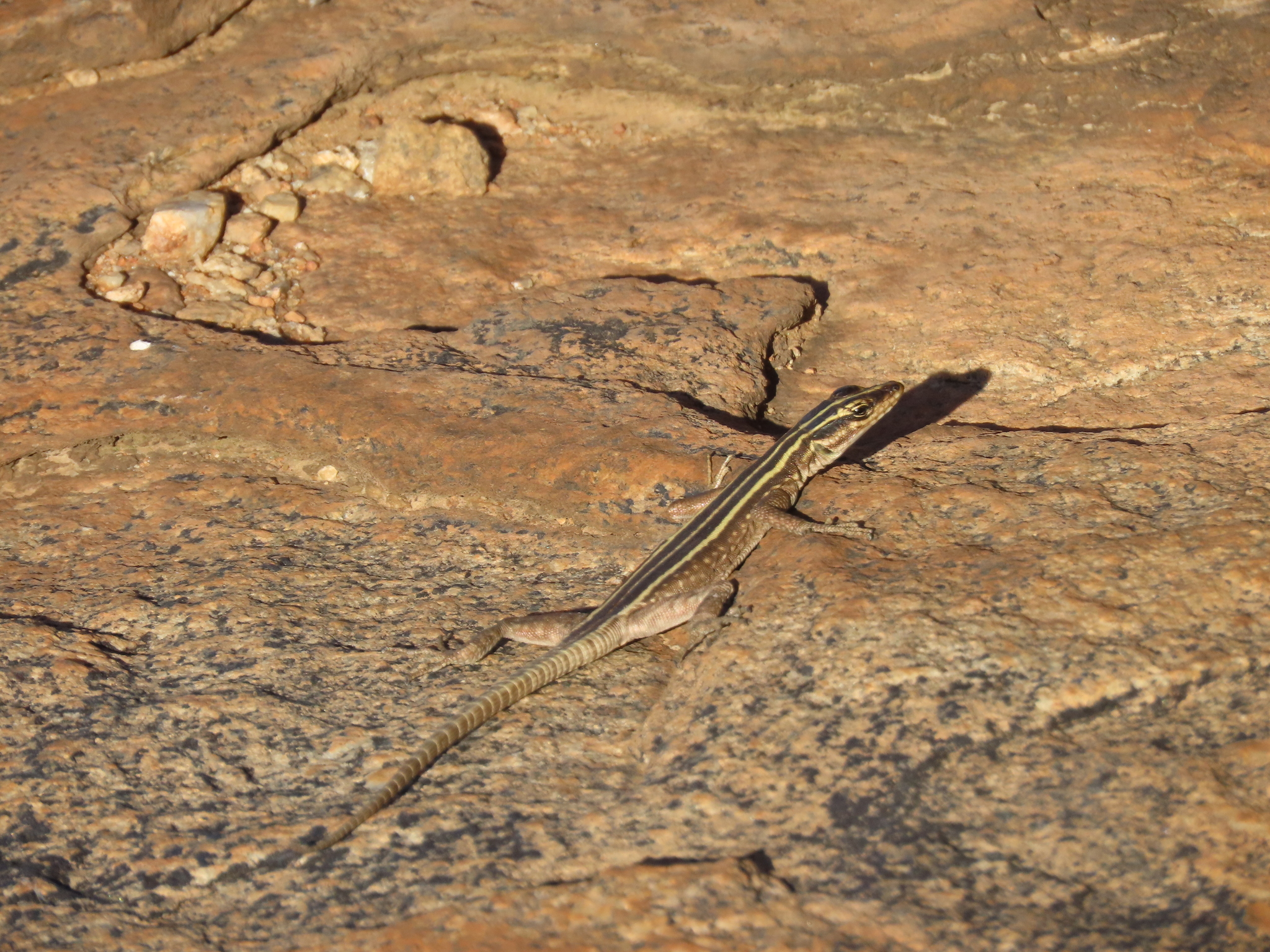
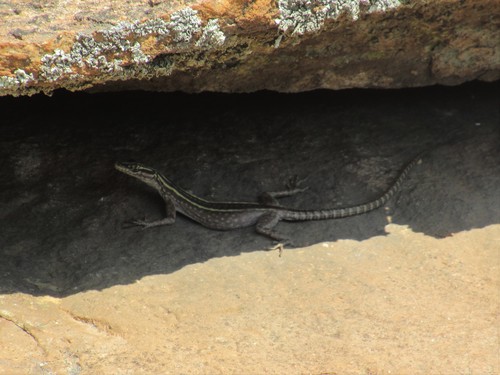
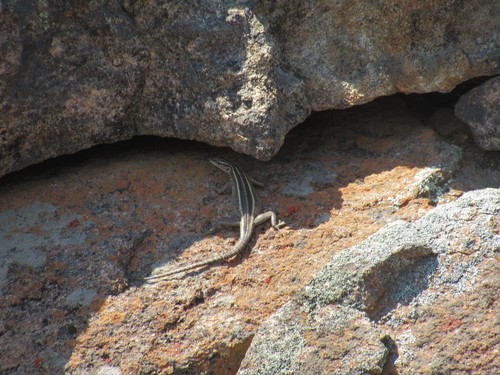
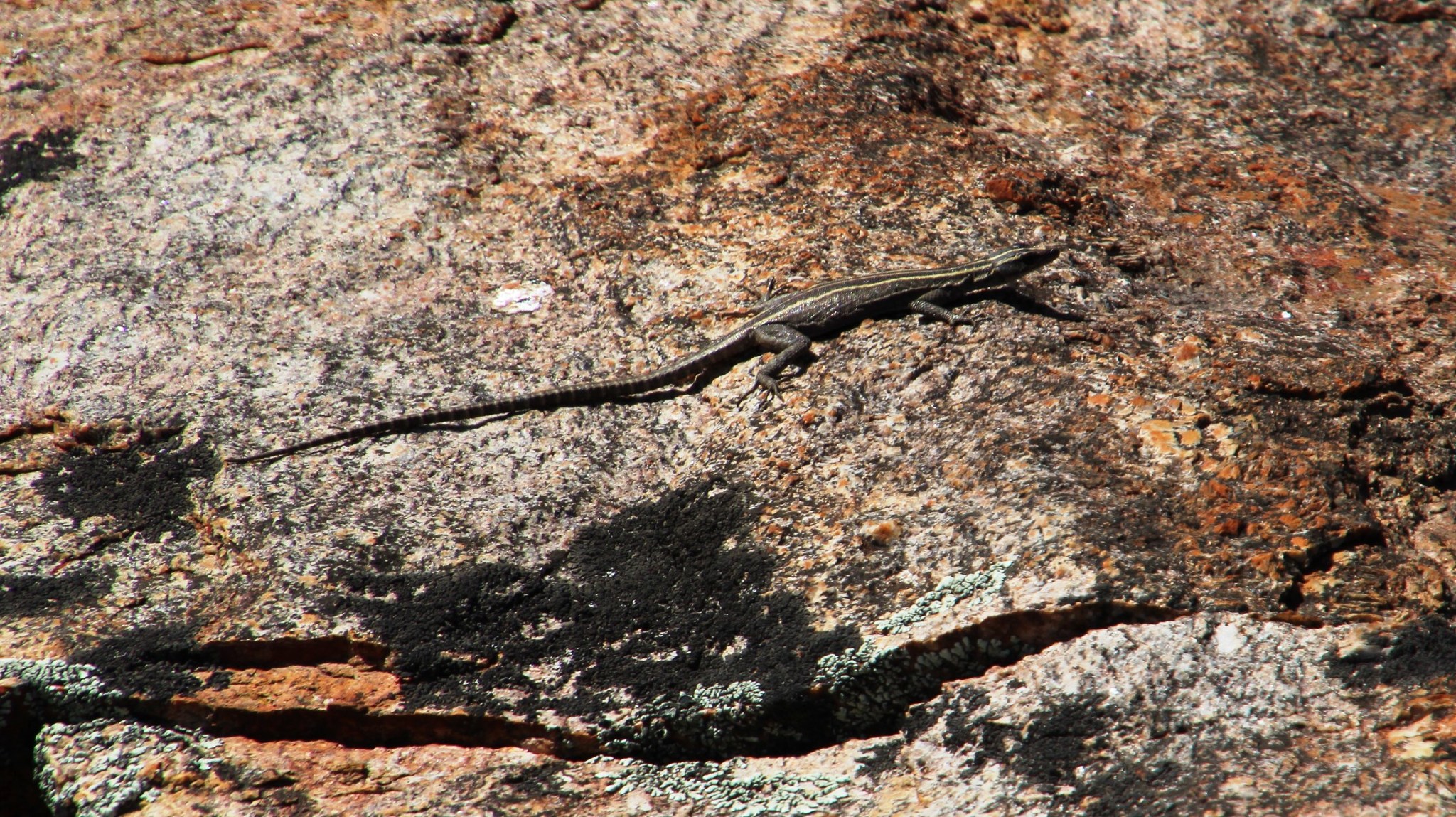
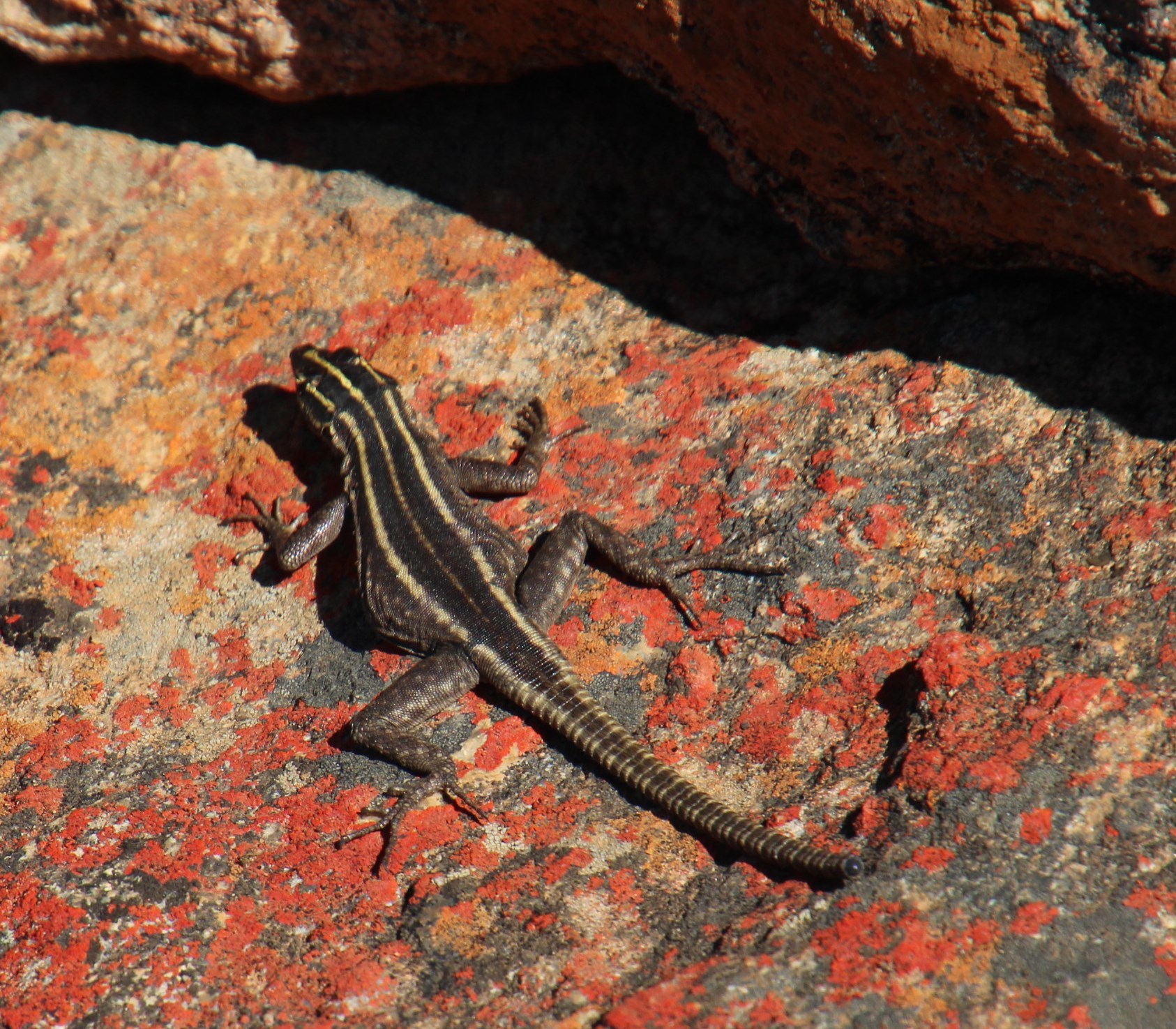
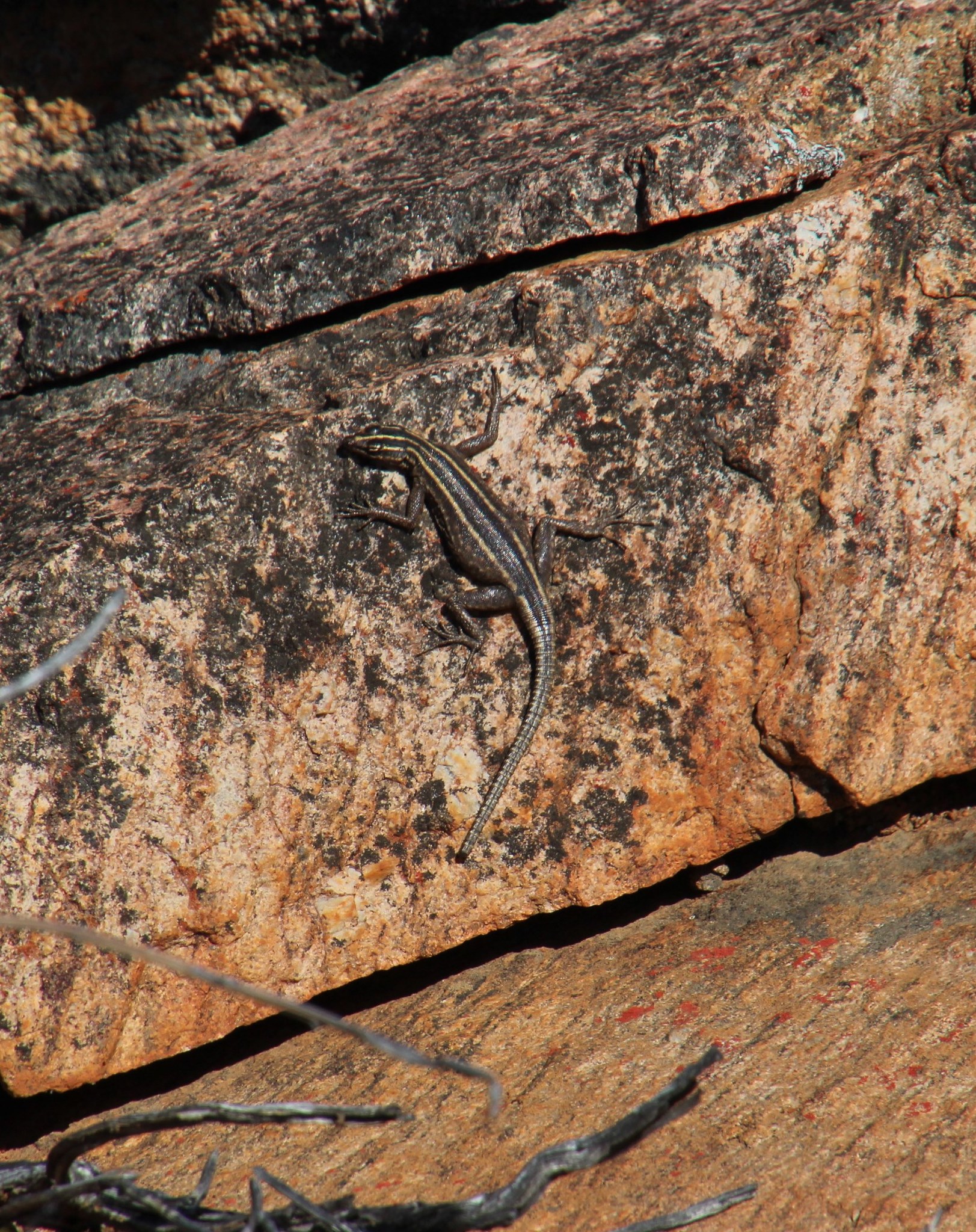
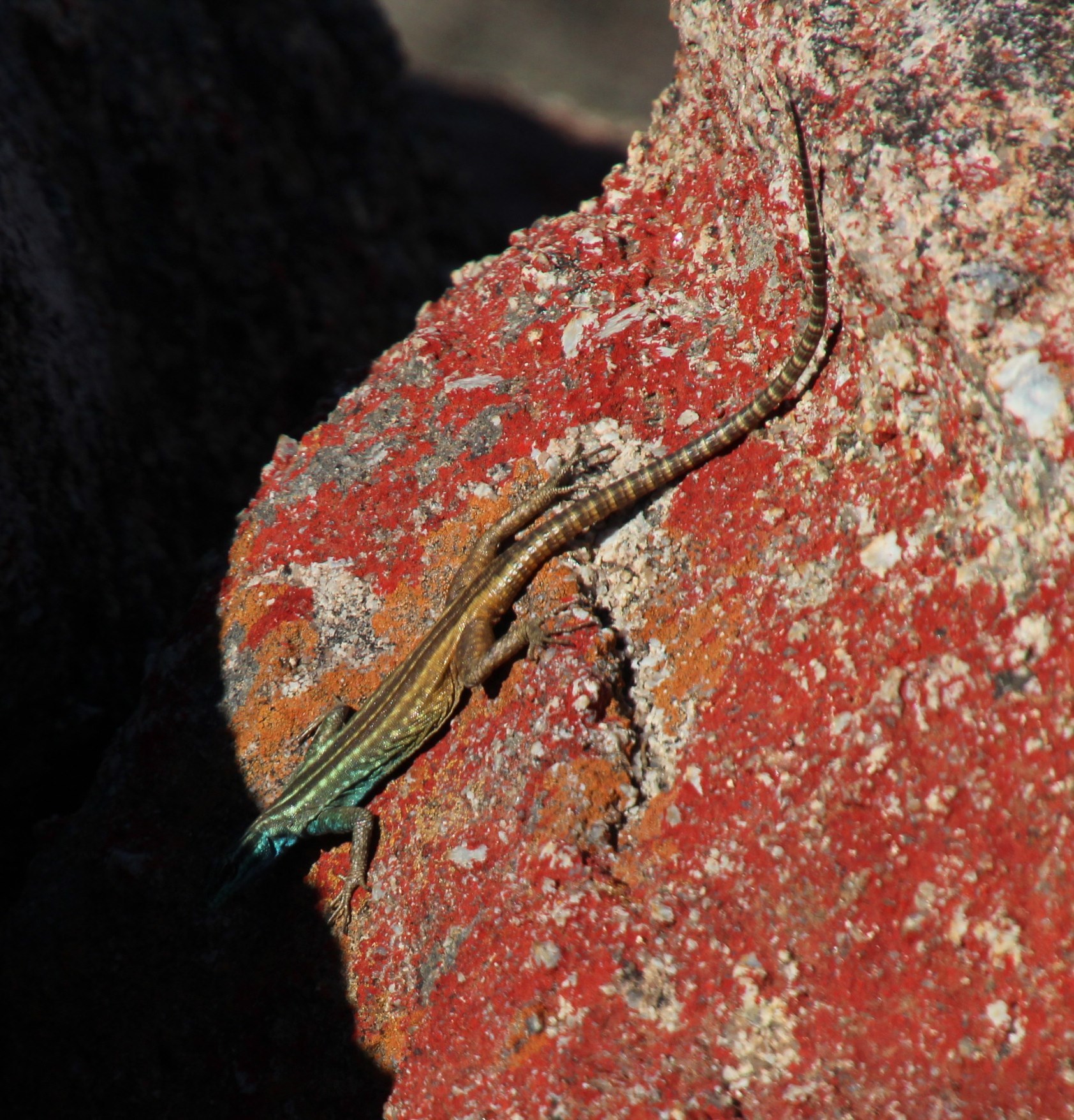
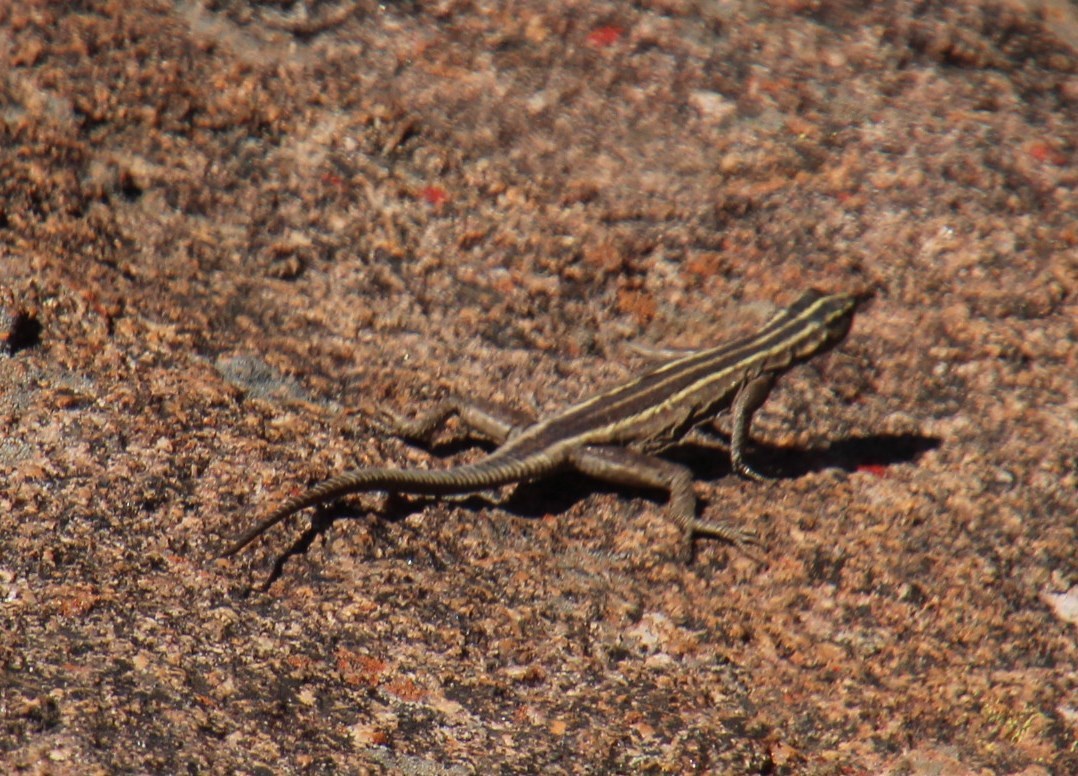
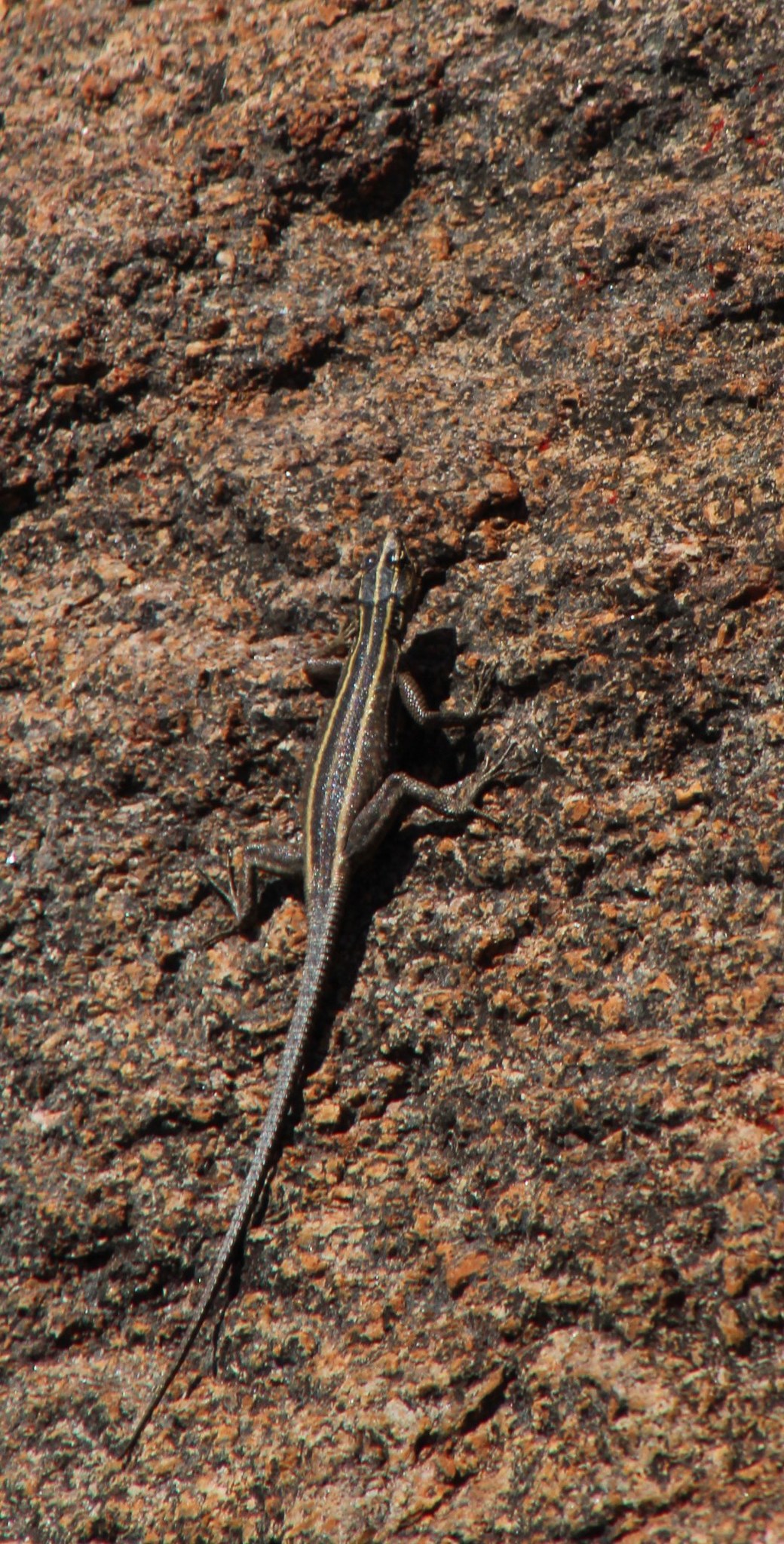
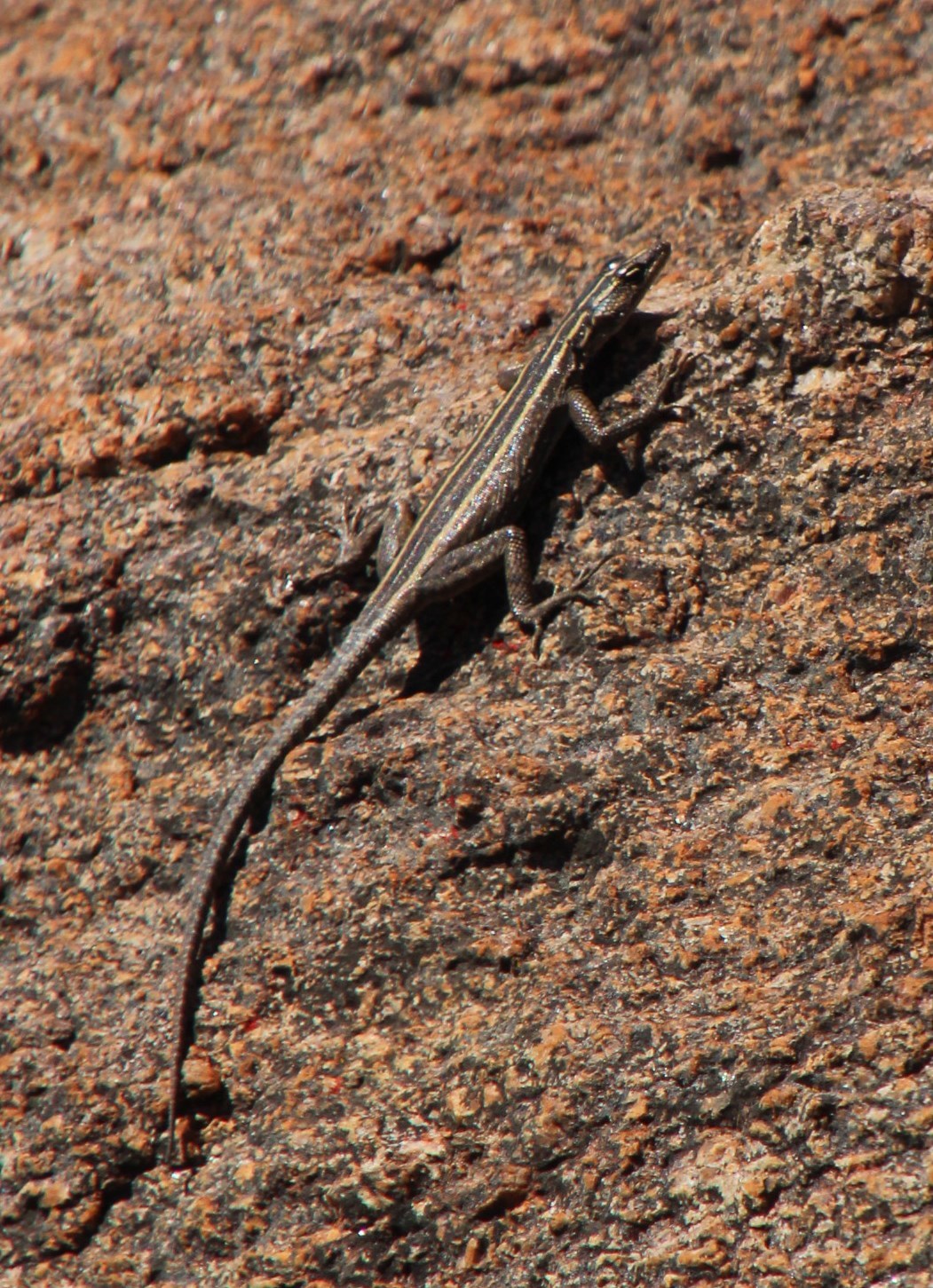
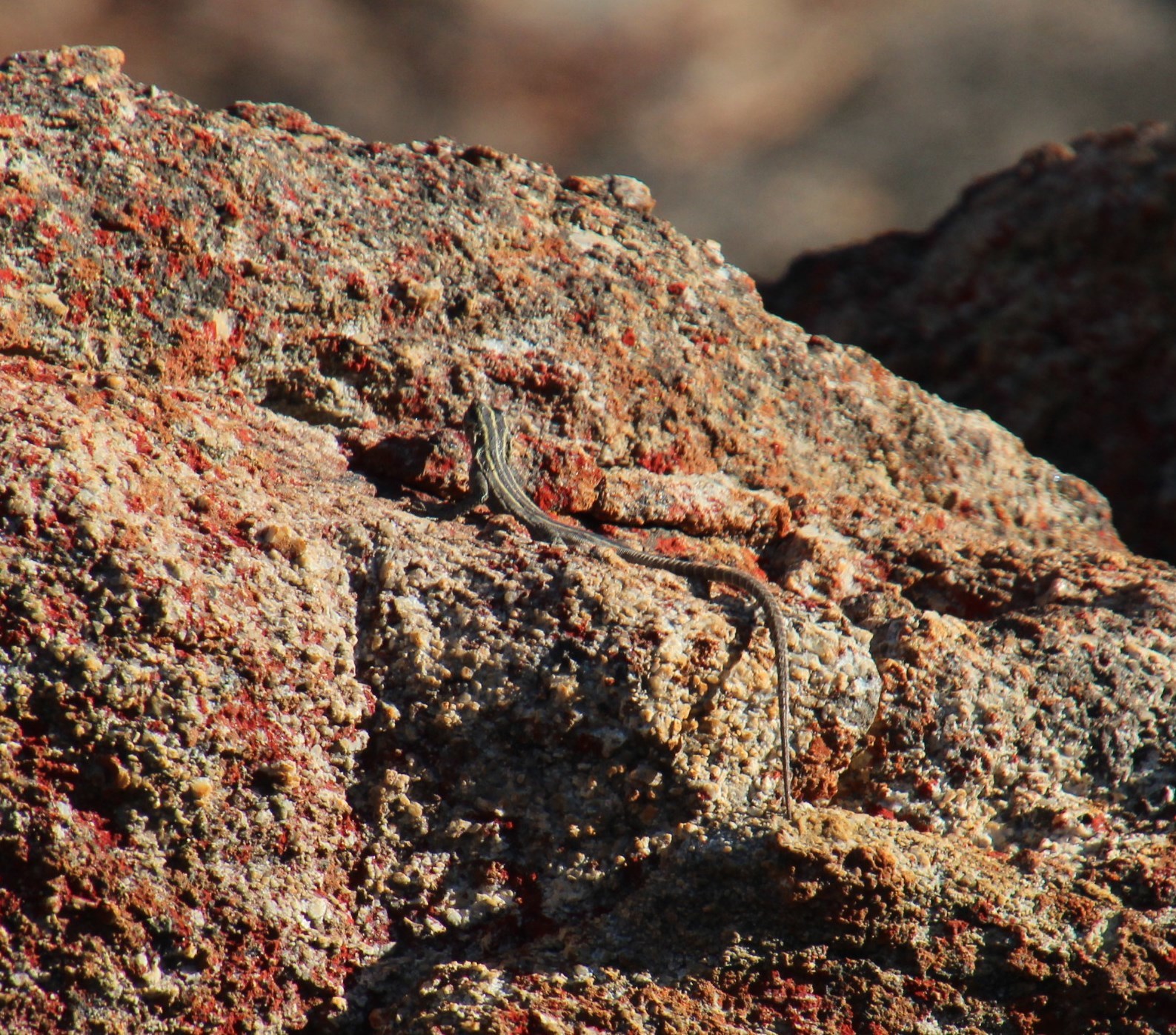
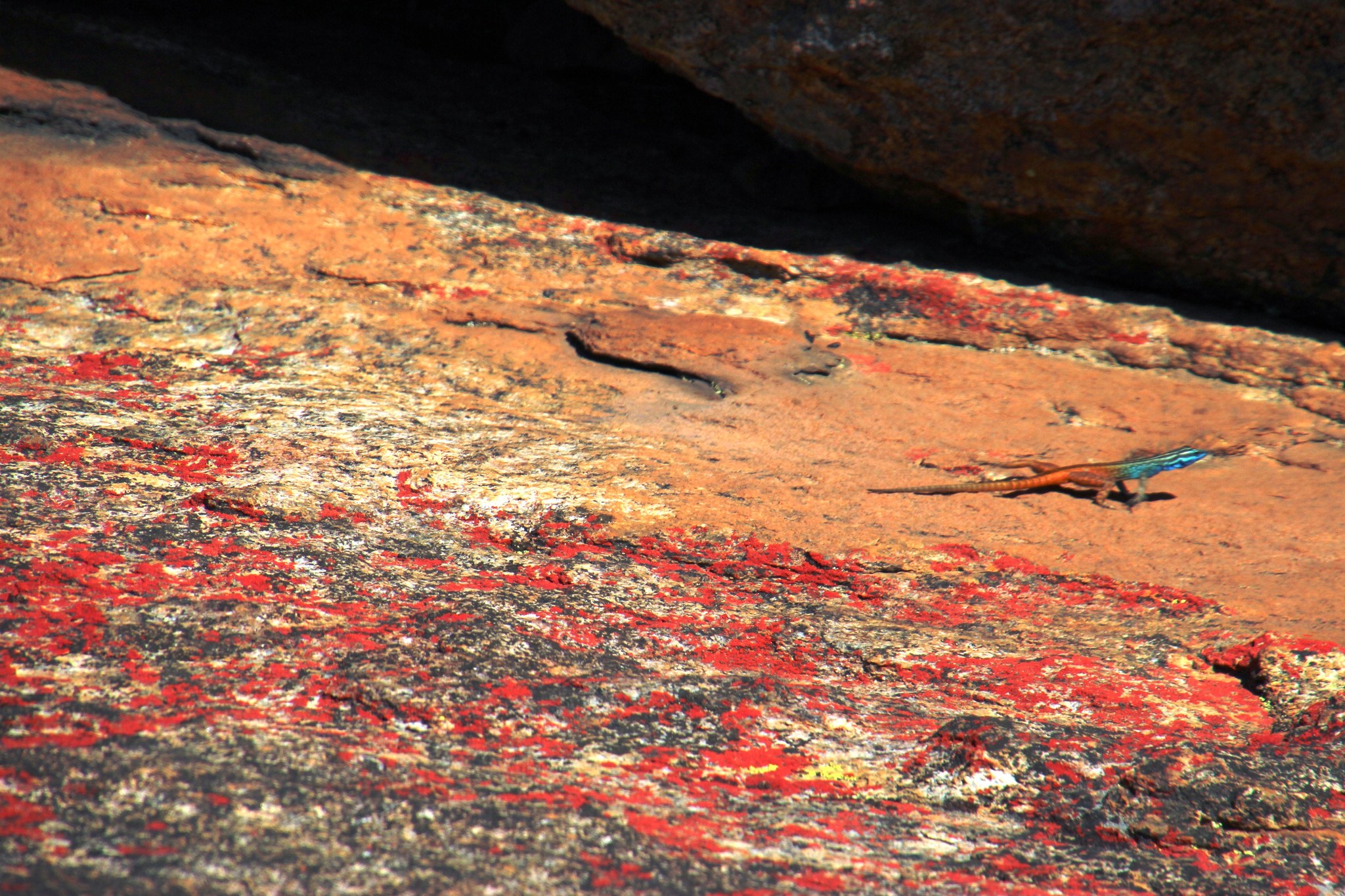
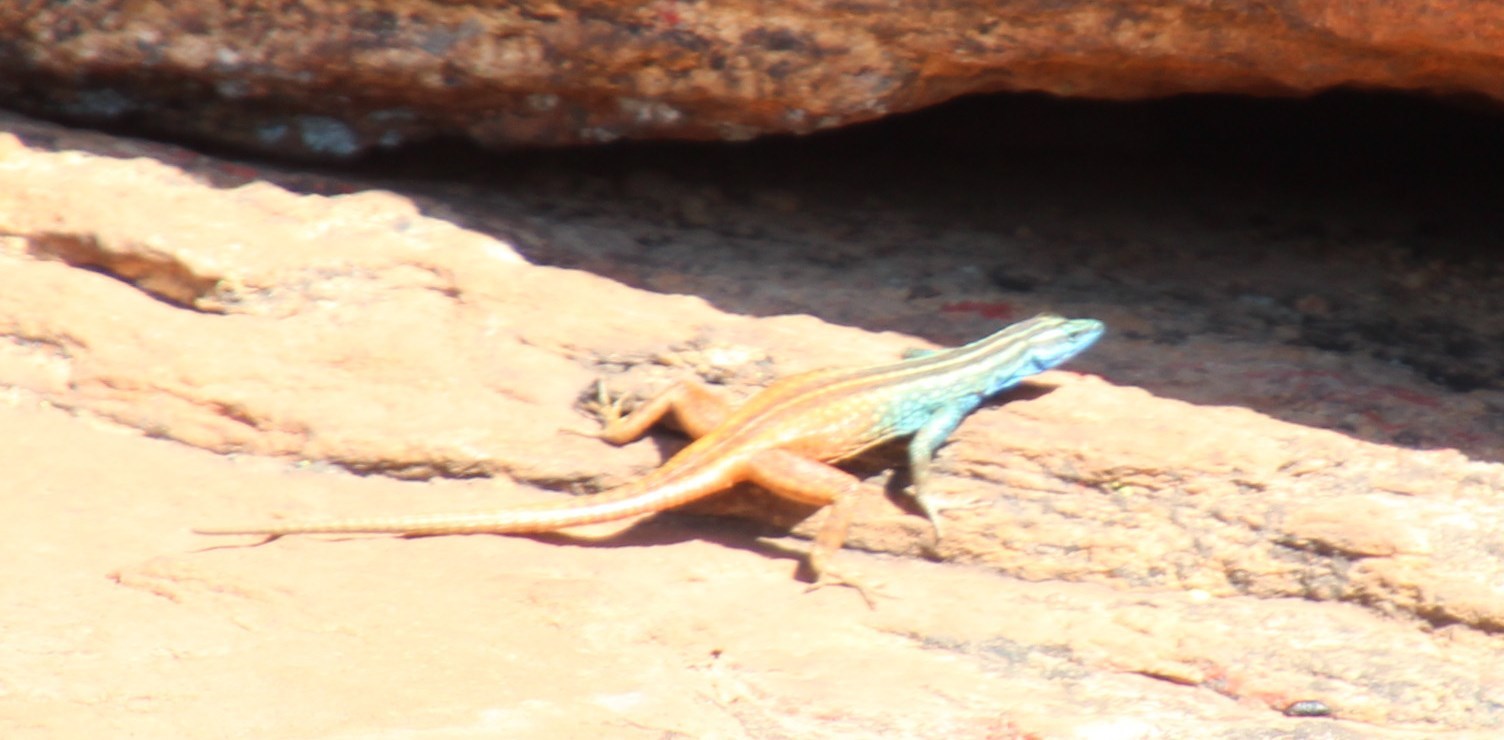
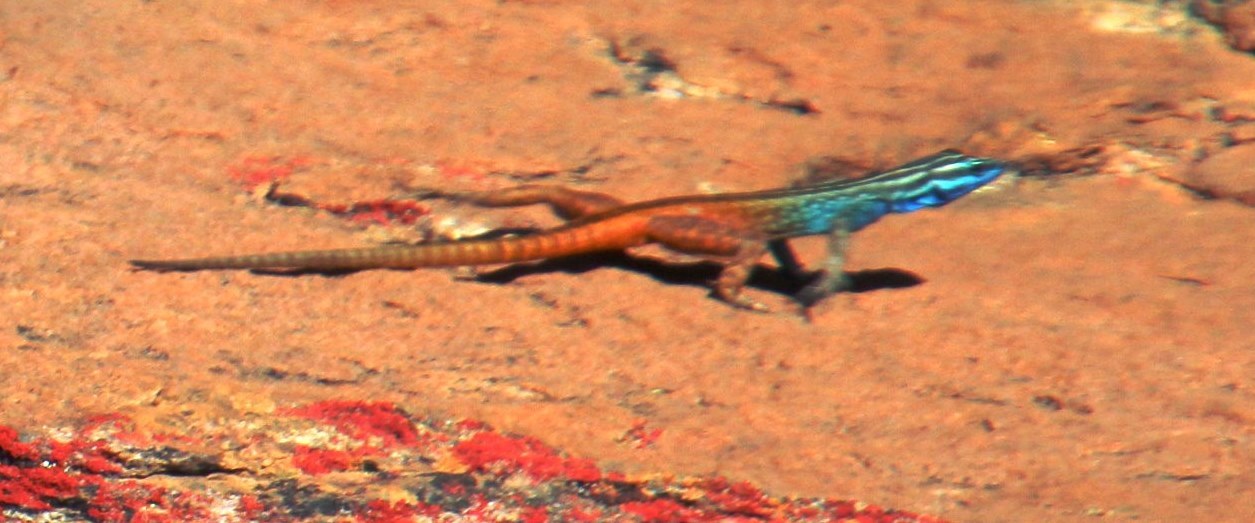
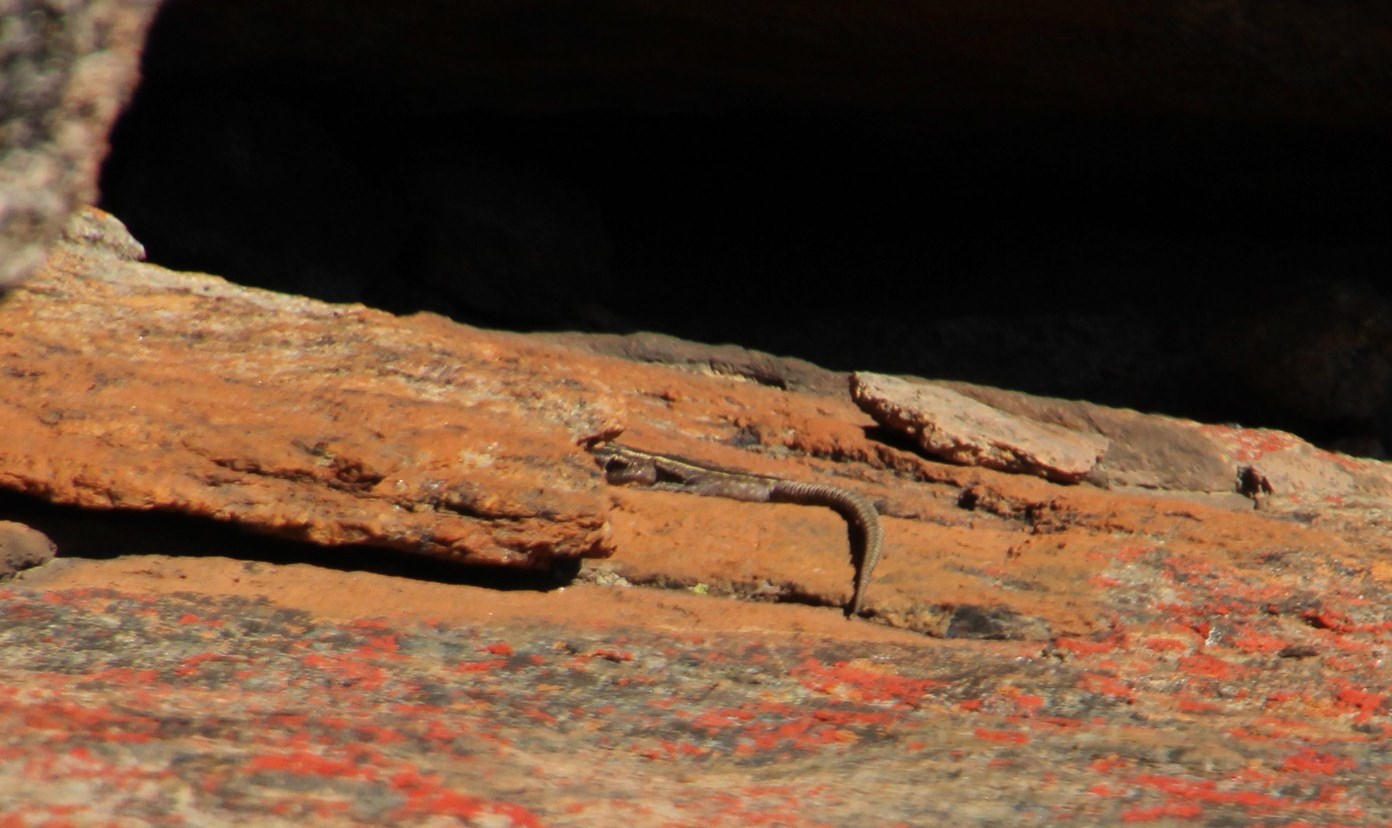
Platysaurus capensis Smith, 1844
| Kingdom | animalia |
|---|---|
| Phylum | chordata |
| Class | reptilia |
| Order | squamata |
| Family | cordylidae |
| Genus | platysaurus |
| Species | capensis |
| Date | Place | Data Resource | Link |
|---|---|---|---|
| 2022-09-03 | Northern Cape | iNaturalist | View |
| 2019-09-15 | Northern Cape, South Africa | iNaturalist | View |
| 2019-09-15 | Northern Cape | iNaturalist | View |
| 2017-09-06 | Northern Cape, South Africa | iNaturalist | View |
| 2017-09-06 | Northern Cape, South Africa | iNaturalist | View |
| 2017-09-06 | Northern Cape | iNaturalist | View |
| 2017-09-08 | Northern Cape, South Africa | iNaturalist | View |
| 2017-09-08 | Northern Cape | iNaturalist | View |
| 2017-09-06 | Northern Cape, South Africa | iNaturalist | View |
| 2017-09-06 | Northern Cape, South Africa | iNaturalist | View |
| Barcode | Collectors | Field Number | Date | Location | Link |
|---|---|---|---|---|---|
| 24178 | 1937/08/14 | South Africa, Northern Cape, Geligwerkberg | View | ||
| 24179 | 1937/08/14 | South Africa, Northern Cape, Geligwerkberg | View | ||
| 17878 | 1937/08/14 | South Africa, Northern Cape, Goodhouse S Bank of Orange River | View | ||
| 53855 | 1979/10/31 | South Africa, Northern Cape, Ploegberg | View | ||
| 13712 | 1929/10/24 | South Africa, Northern Cape, Kamieskroon | View | ||
| 15882 | 1933/11/19 | South Africa, Northern Cape, Kuboos Richtersveld | View | ||
| 17873 | 1937/08/14 | South Africa, Northern Cape, Goodhouse S Bank of Orange River | View | ||
| 17867 | 1937/08/14 | South Africa, Northern Cape, Goodhouse S Bank of Orange River | View | ||
| 17869 | 1937/08/14 | South Africa, Northern Cape, Goodhouse S Bank of Orange River | View | ||
| 17871 | 1937/08/14 | South Africa, Northern Cape, Goodhouse S Bank of Orange River | View |
The species is not listed on CITES and is not known to be traded (Tolley et al., 2023).