
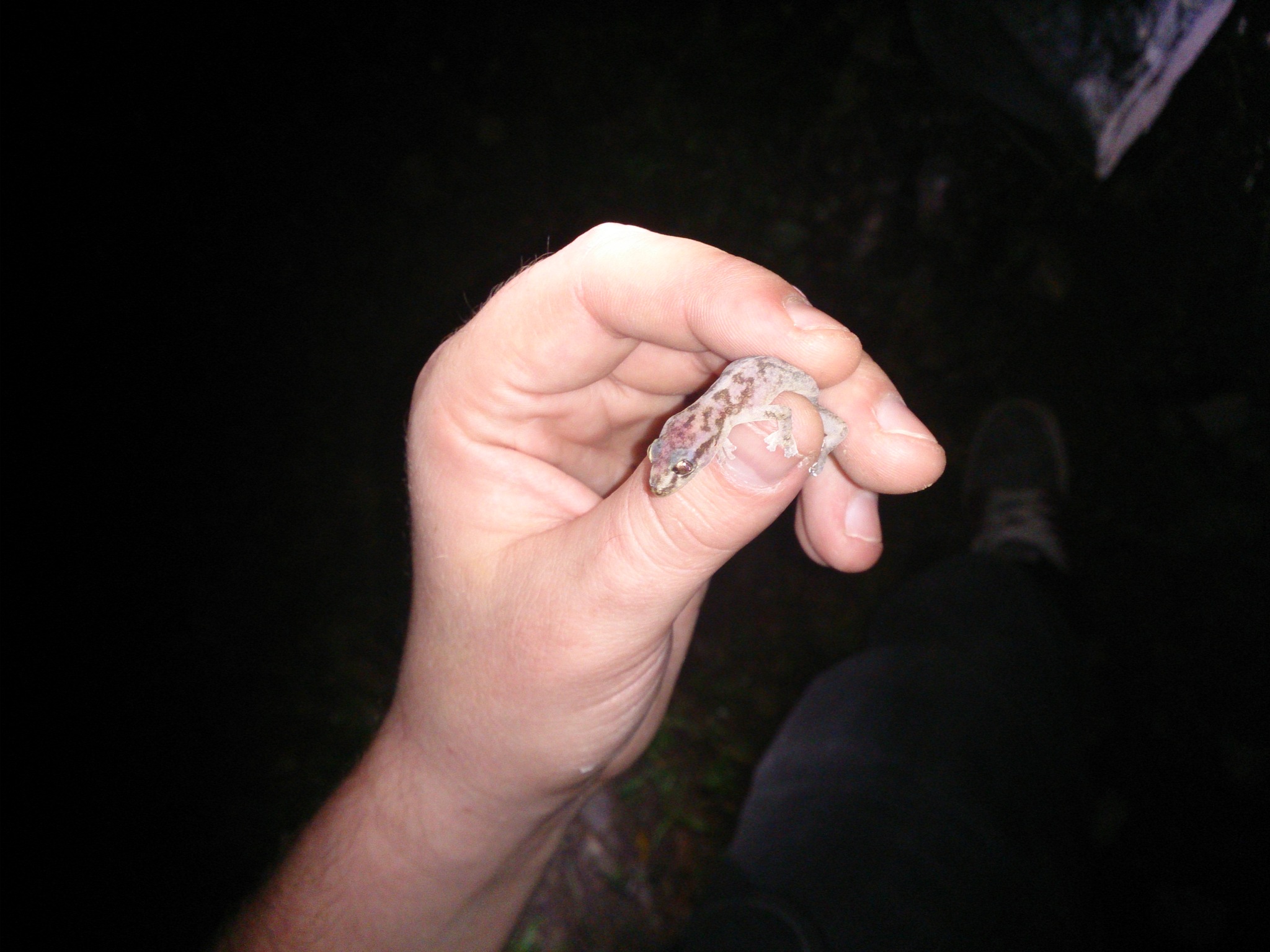
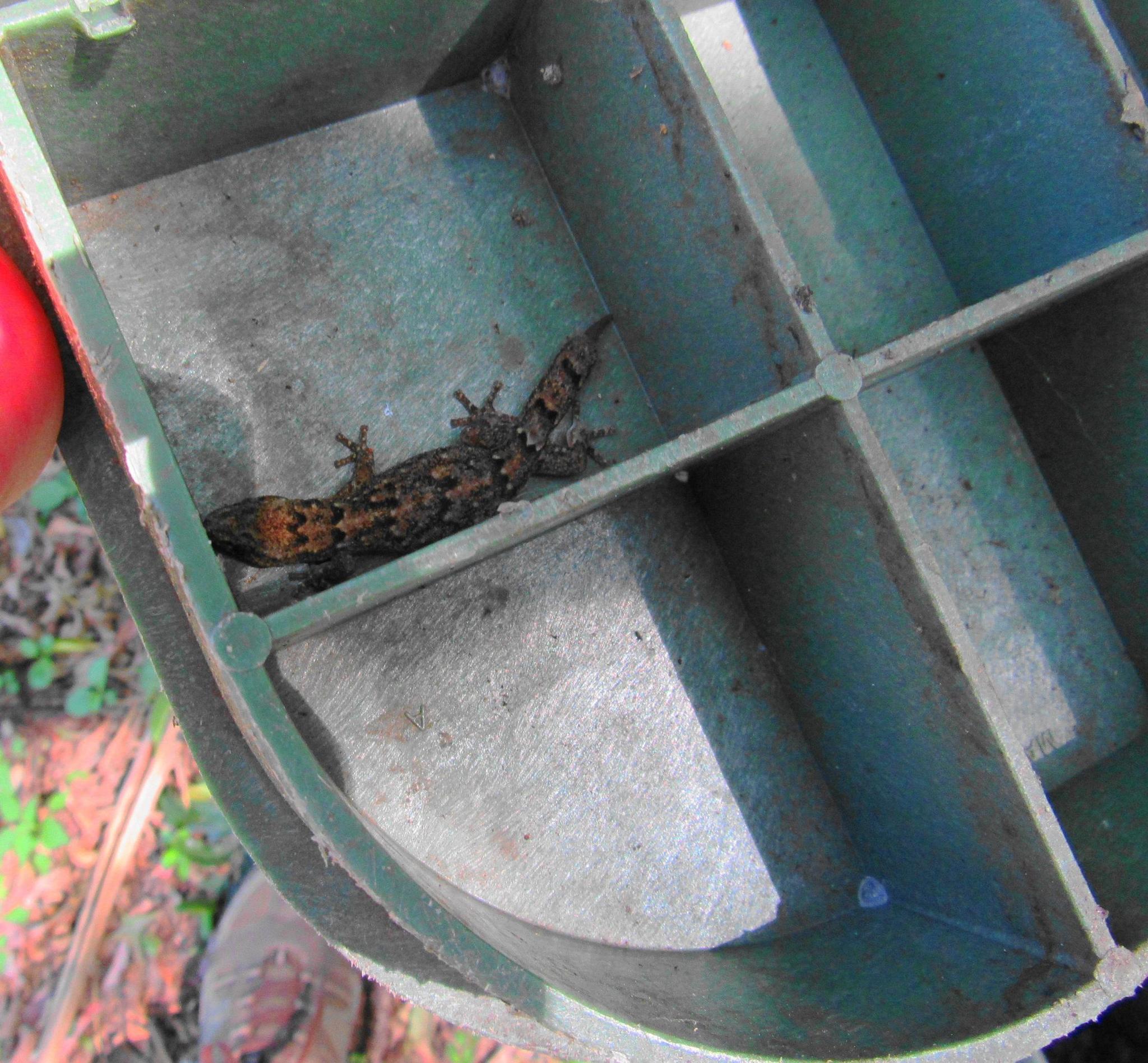
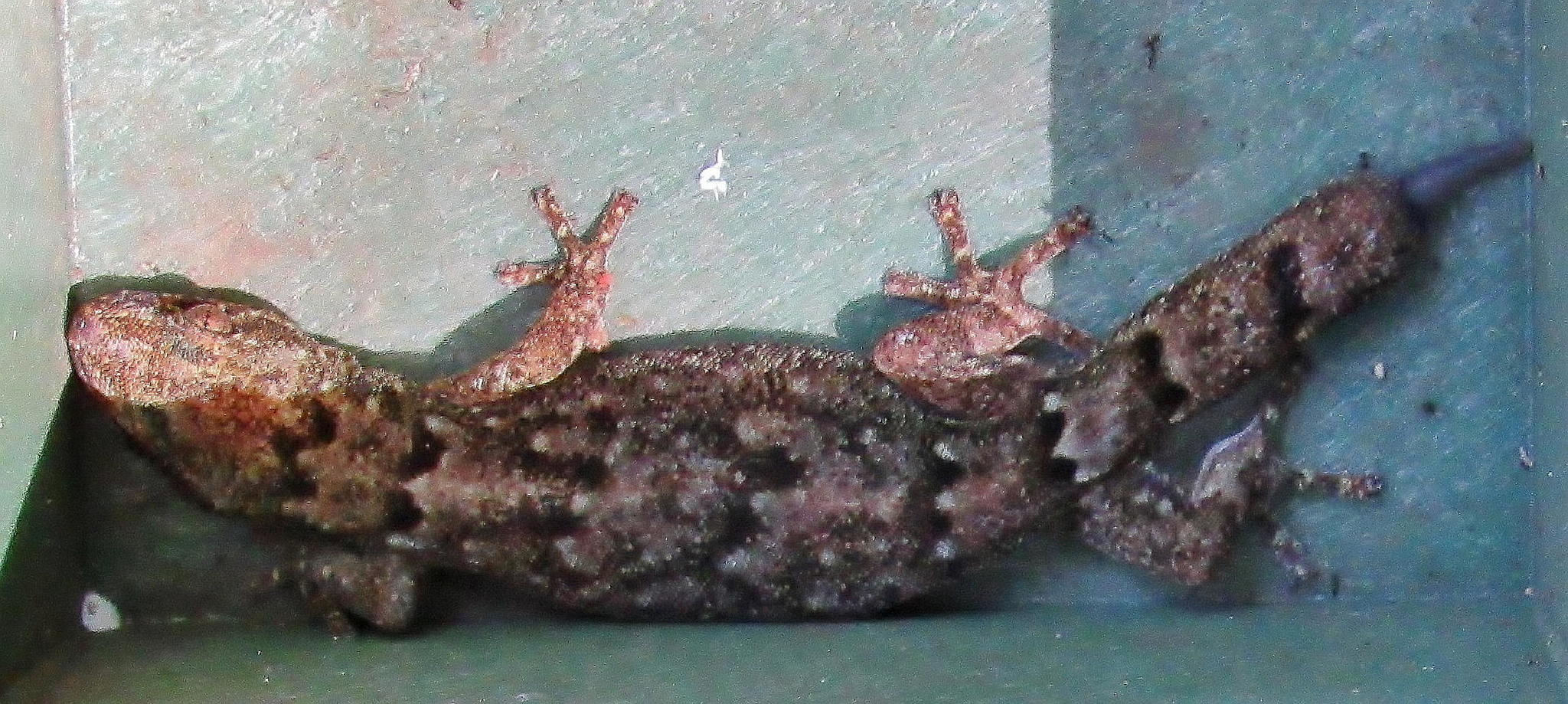
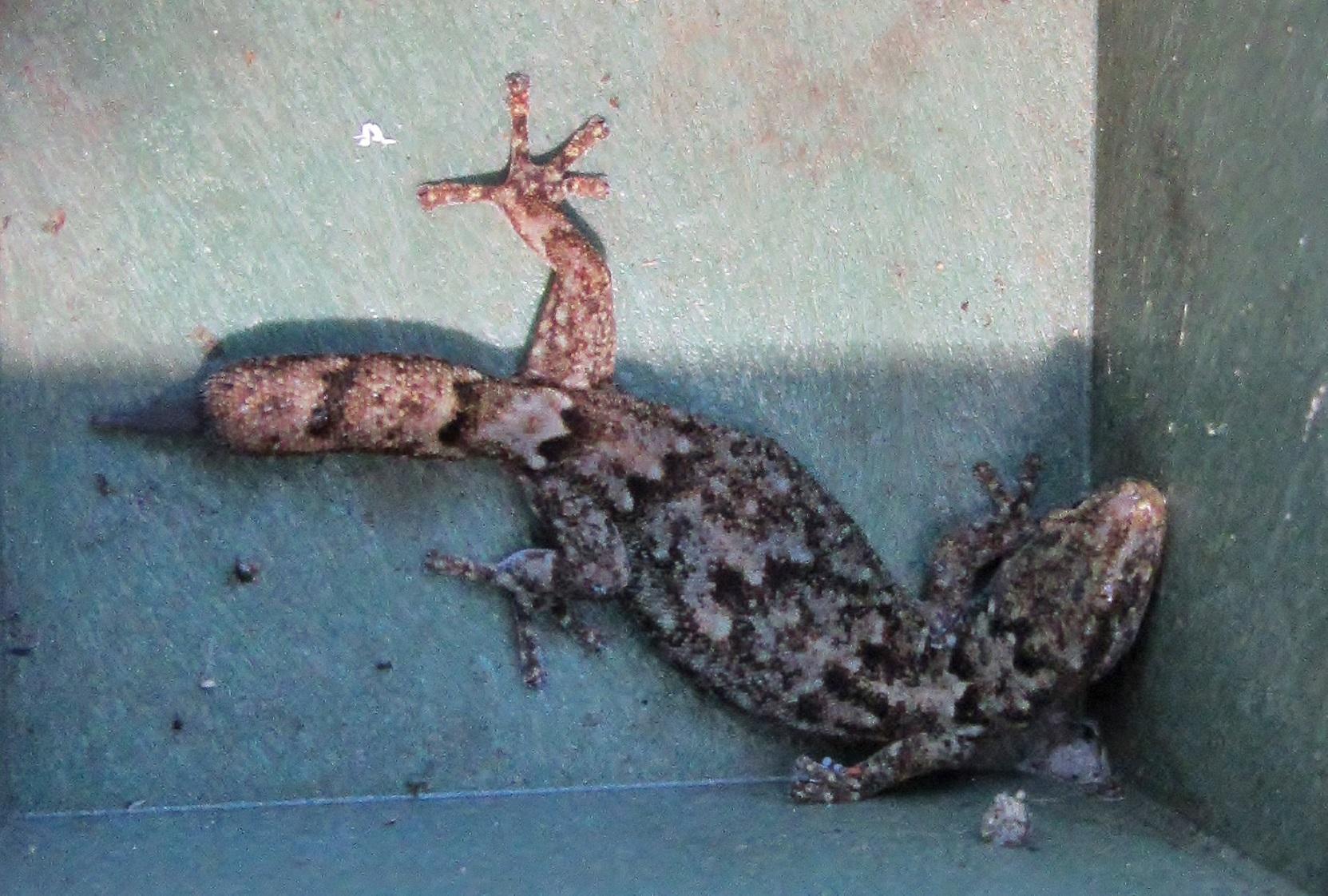
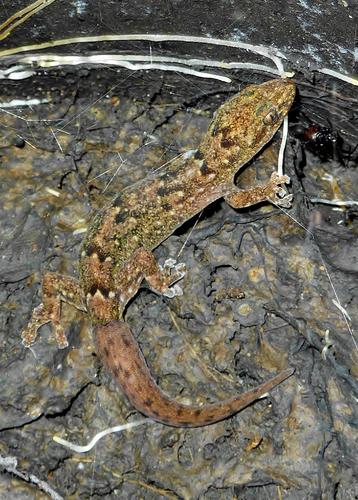
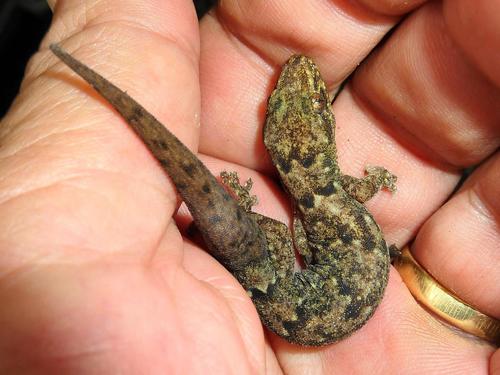
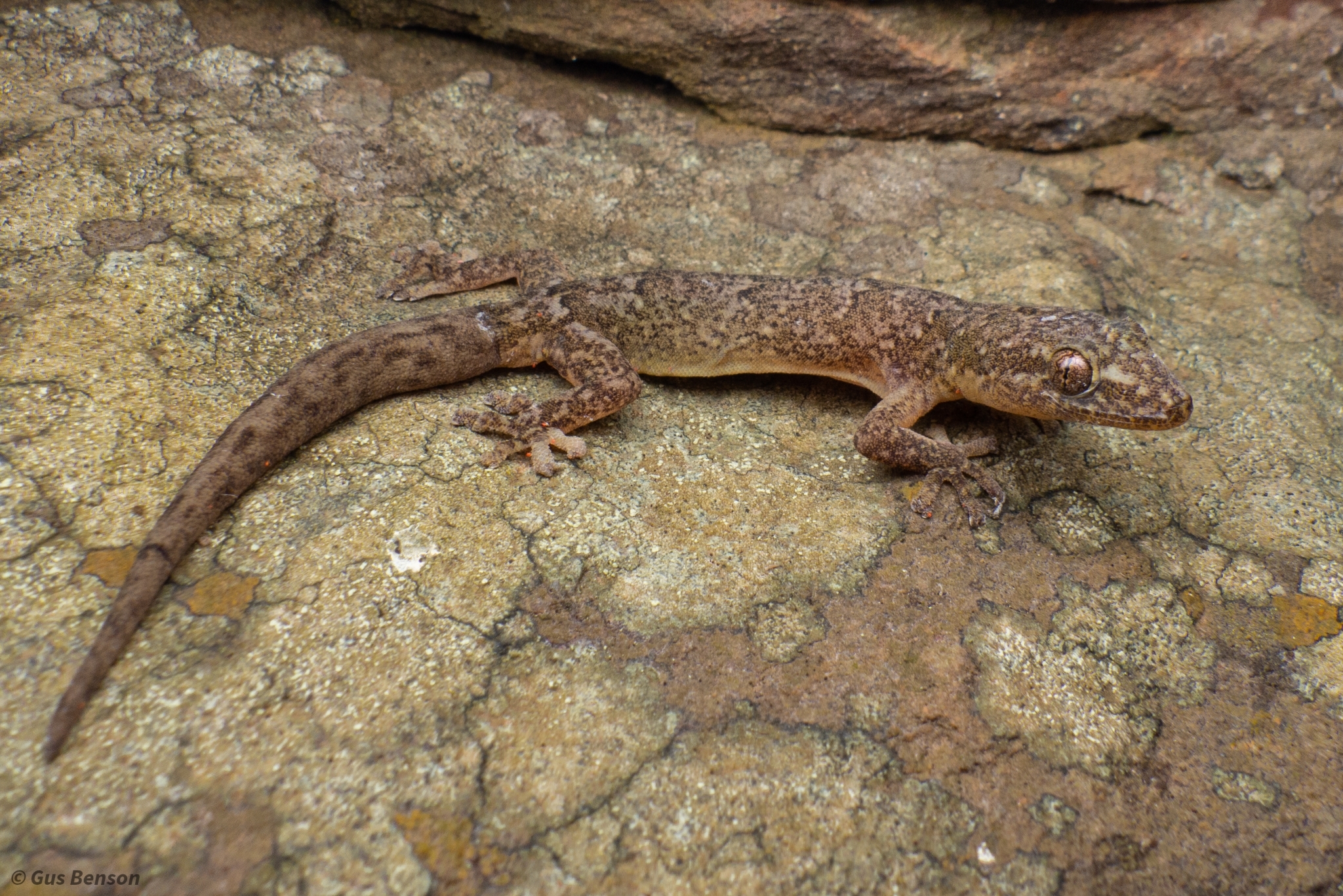
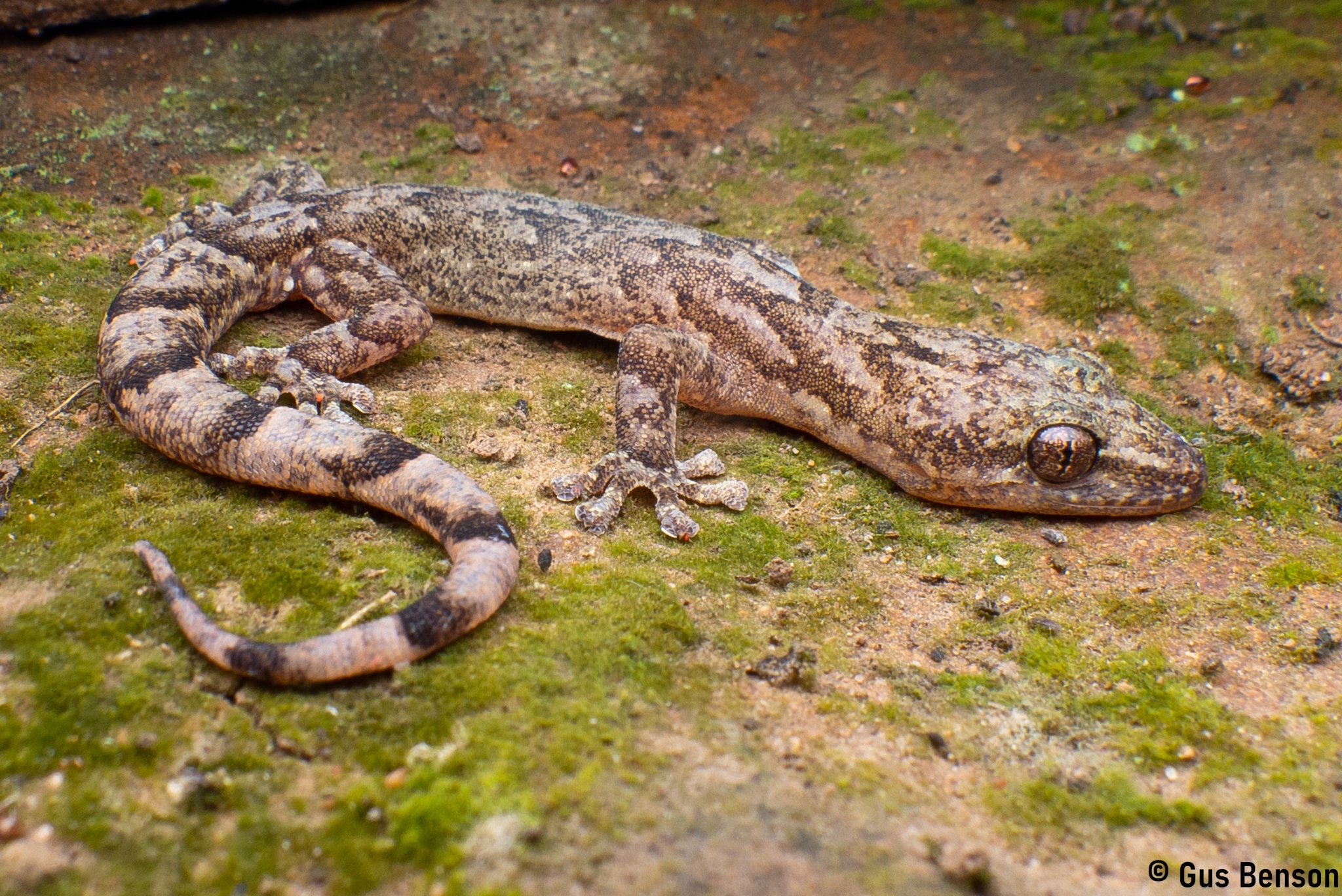
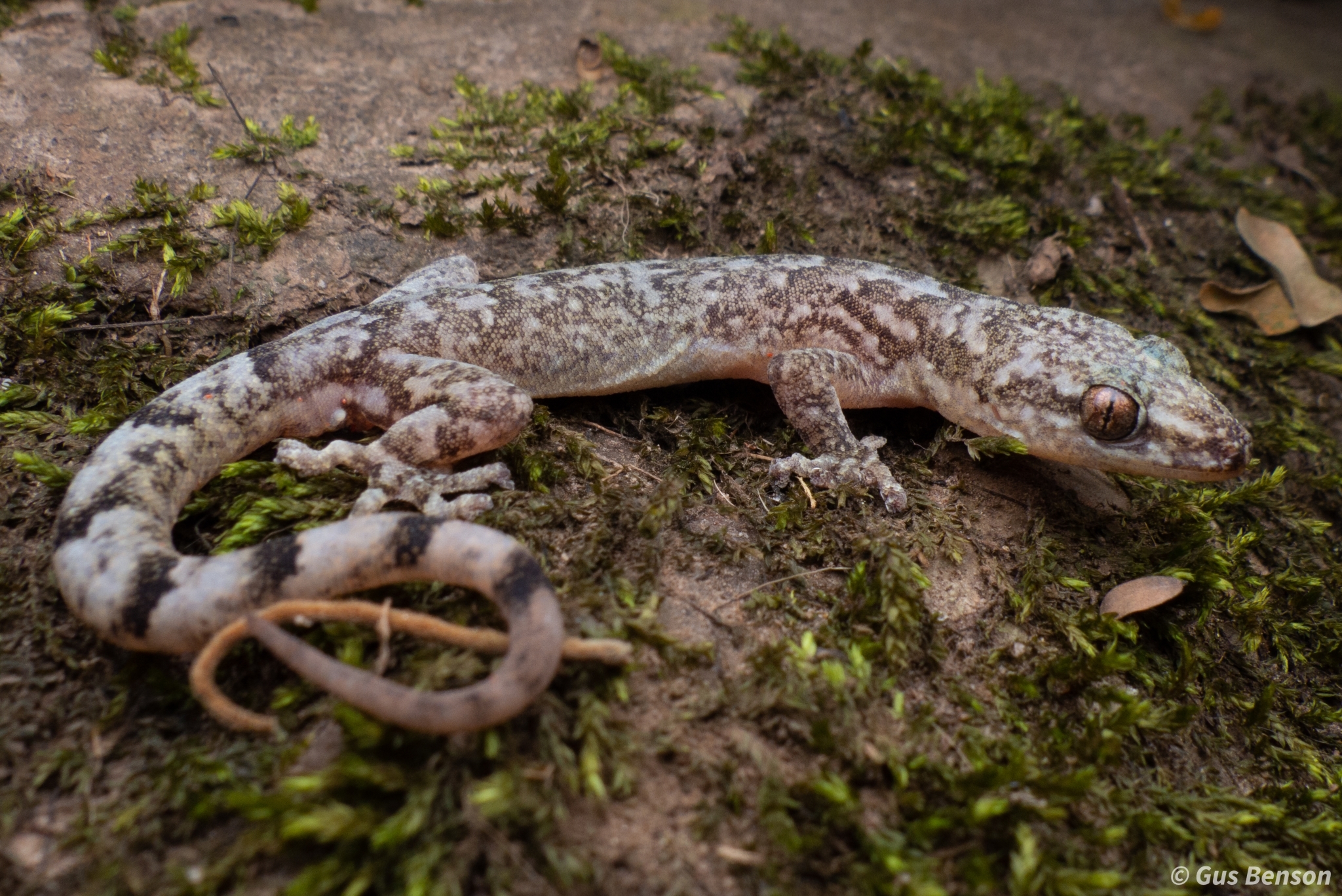
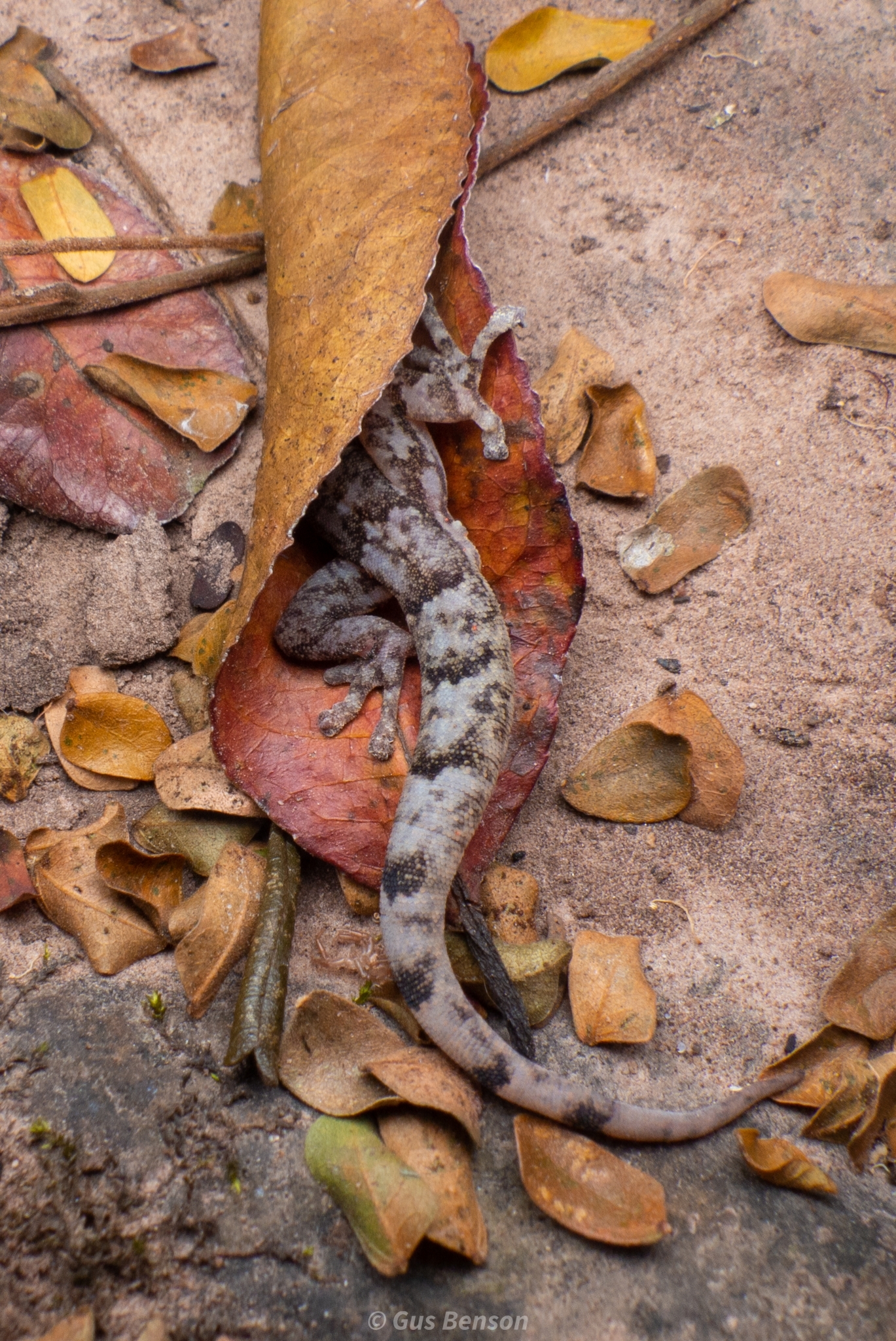
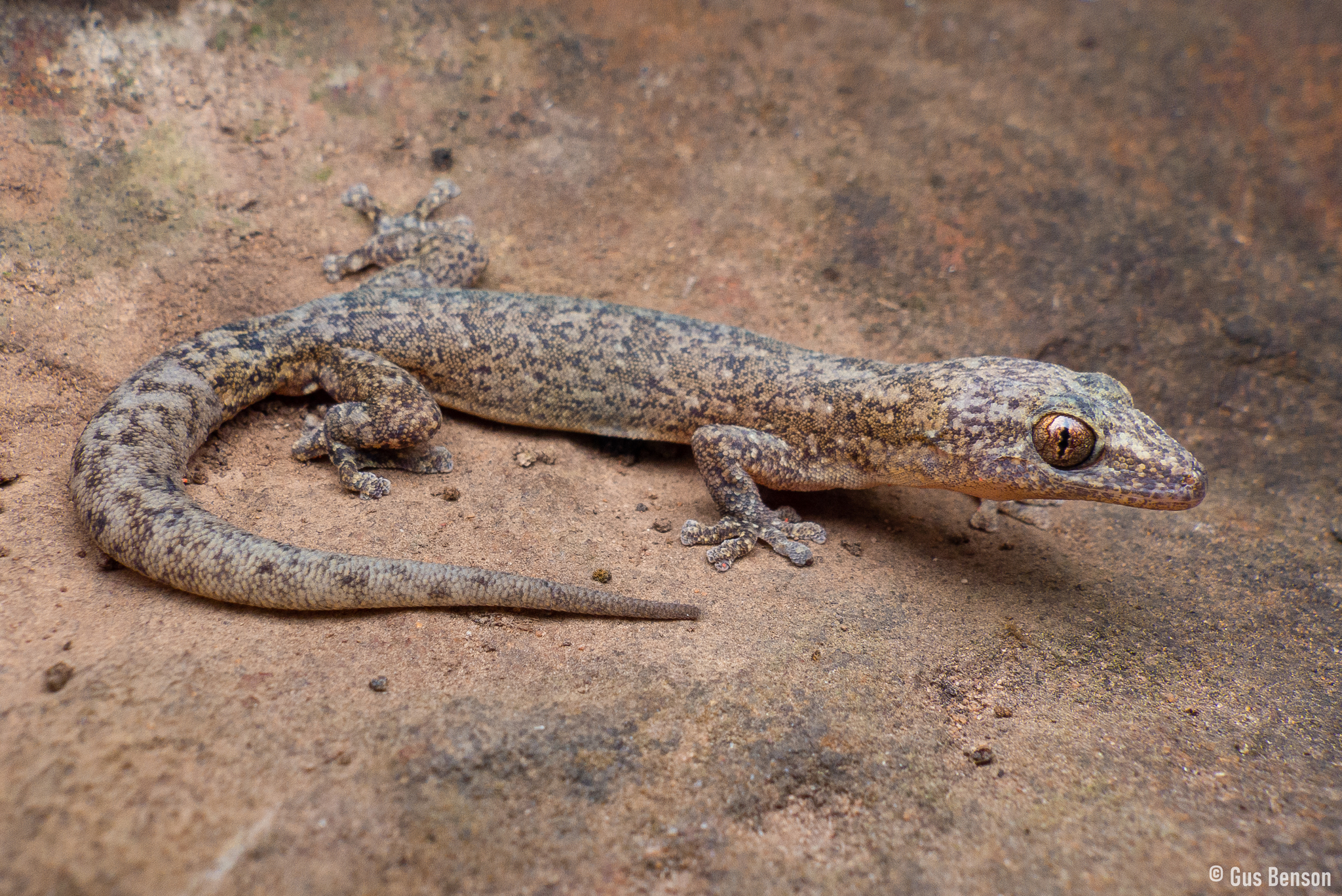
Hewitt (1925) described this species as follows: Digits of hands and feet rather slender, each with only one pair of well-developed adhesive plates at the distal end of the basal portion inferiorly, and adjacent thereto is a single transversely enlarged scale which terminates the row of enlarged scales along the midline of each digit inferiorly: this median row of scales, which gradually increase in size towards the distal end of the row, varies in development, the middle toe generally having about six or seven scales, but sometimes only the four distal ones are differentiated from the adjacent scales: these scales with the exception of the two distal ones are subcircular, or not much broader than long. Large nasal scales well separated by a scale, which is considerably larger than any of the scales adjoining the nasals, the two other nasals about equal to each other in size: rostral and first labial entering the nostril: rostral scarcely more than twice as broad as high: mental scute large, considerably broader at the base than the first labial, narrowing rapidly and thus more or less subtriangular: scales immediately behind the mental and first labial very large, almost as long as a series of five small scales on the middle of the throat. Lower labials 8-10. Dorsal scales granular and convex on the head and neck, subimbricate and somewhat flattened on the body, these latter being decidedly larger than the scales on the occiput. Male with a short oblique row of three or four small tubercules at the base of the tail on each side of the vent, the uppermost largest: 13-14 preanal pores. Tail long, slender, and tapering, not depressed, and without a trace of segmentation, except that the scales are all arranged in rings. Colour pattern of spirit specimens: above greyish white with infuscated stripes and bands of somewhat variable type: a dark stripe on each side of the head from the nostril, through the eye, above the ear and alongside the neck for a short distance, passing into one or more of the irregular cross stripes on the back: there are about five such cross bands on the back and neck and one on the occiput, all with more or less irregular margins and tending to fuse up into a general reticulation. On the original tail also, there are indications of dark cross bands, but the reproduced tail has no such cross bands, and instead there are spots and longitudinal stripes. Upper surface of head with indefinite infuscation: canthus rostralis pale.
No separate diagnostic description was provided. Refer to the morphological description.
Type locality: Mündung des Mbotyi River, Lusikisiki, Cape Province Syntypes: PEM R16069–71 (formerly AMG 4897);
This information was extracted from Tolley et al. (2023): A phylogenetic analysis indicated that A. pondolia comprises two well-supported phylogenetic clades (Makhubo et al., 2015), within which there are four cryptic species (Busschau et al., 2019). There is a possible zone of sympatry between A. pondolia and A. nivaria in the foothills of the Drakensberg that might be due to misidentified specimens. Furthermore, although A. pondolia and A. marleyi are clearly distinct species (Jacobsen et al., 2014), they are morphologically similar, and this may result in misidentification of specimens from coastal KwaZulu-Natal province.
South Africa
This species occurs from the eastern regions of the Eastern Cape province, South Africa, to central KwaZulu-Natal province. The distribution appears to be naturally patchy throughout much of the range. There is a subpopulation to the north of the main distribution that might represent a separate species (Makhubo et al., 2015).
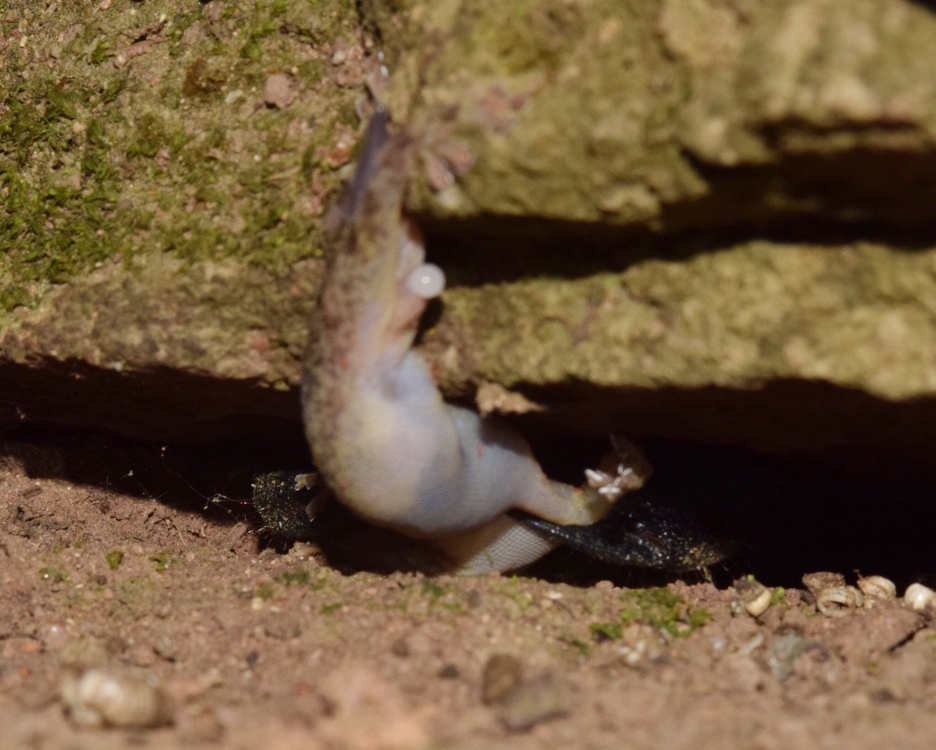
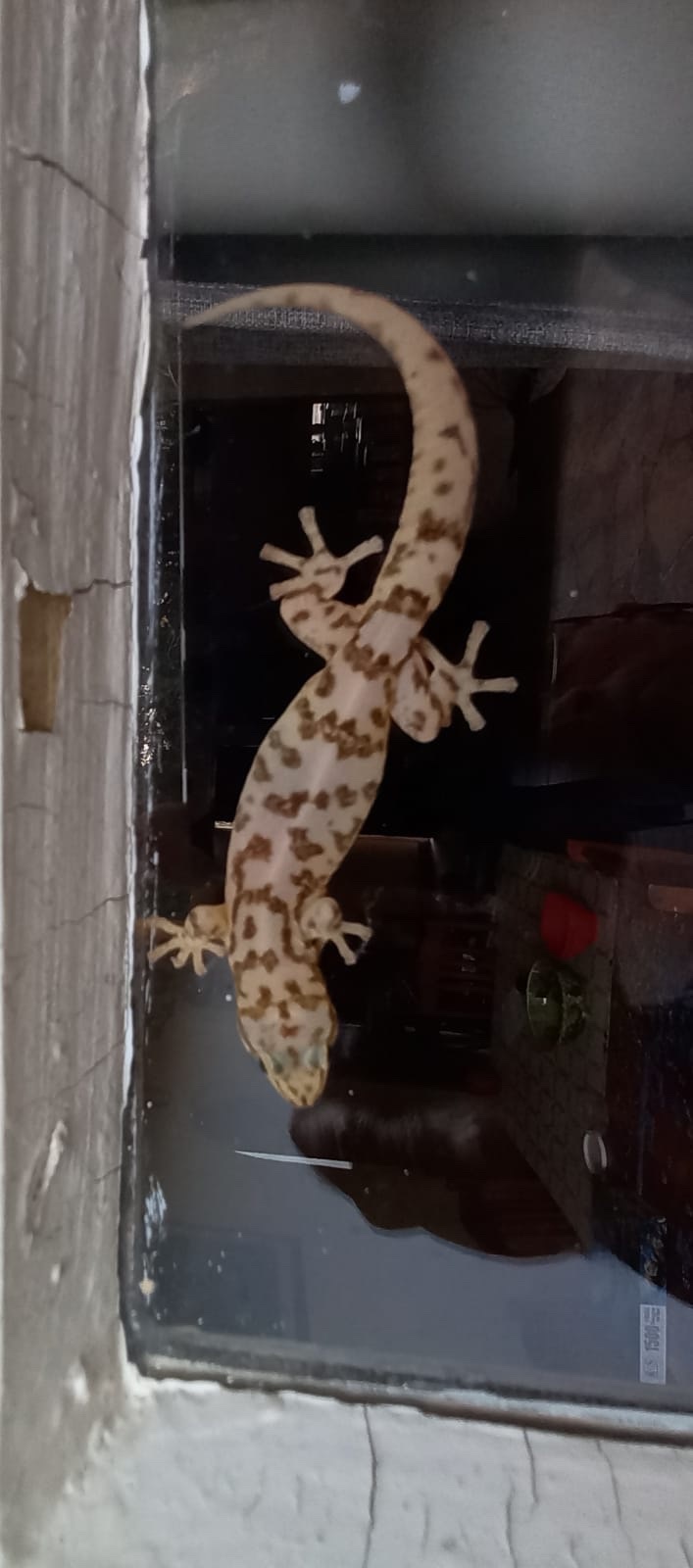
This species has adhesive toe pads, which allow them to stick onto even smooth surfaces, making them extremely good climbers (Branch, 1998). They also have strong legs, allowing for very rapid movements if necessary.
Carnivore - Insectivore (insect-eating)
This species feeds on moths and flies (Branch, 1998).
This species is oviparous, laying clutches of two eggs in summer under bark or in rock cracks. They hatch after 205-224 days (Branch, 1998).
No data.
Grassland, Savanna, Indian Ocean Coastal Belt
This map contains point-based occurrences at different locations
Occurrence in African countries and South African provinces. Residence status indicates if a taxon is indigenous, endemic, or alien in a specific region. This data is based on specimen records and literature.
FSA
SA
BOT
NAM
ESW
LES
WC
EC
NC
FS
GA
KZN
LP
MP
NW
Absent
Indigenous
Endemic
Naturalised
Invasive
Names and Sources
| Common Name | Language |
|---|---|
| Pondo Flat Gecko | En |
| Pondo Flat Gecko | En |
| Pondo Platgeitjie | En |
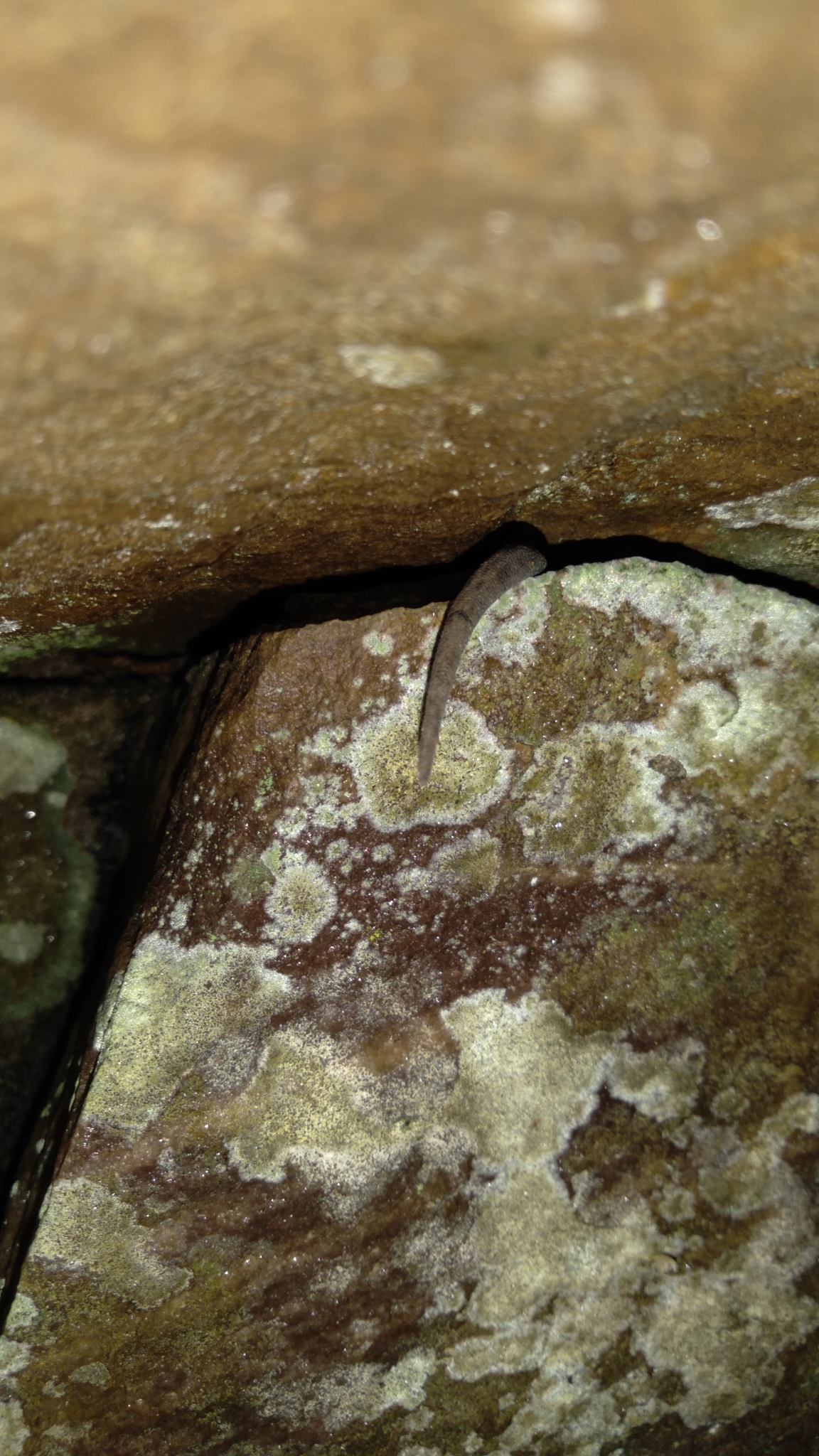
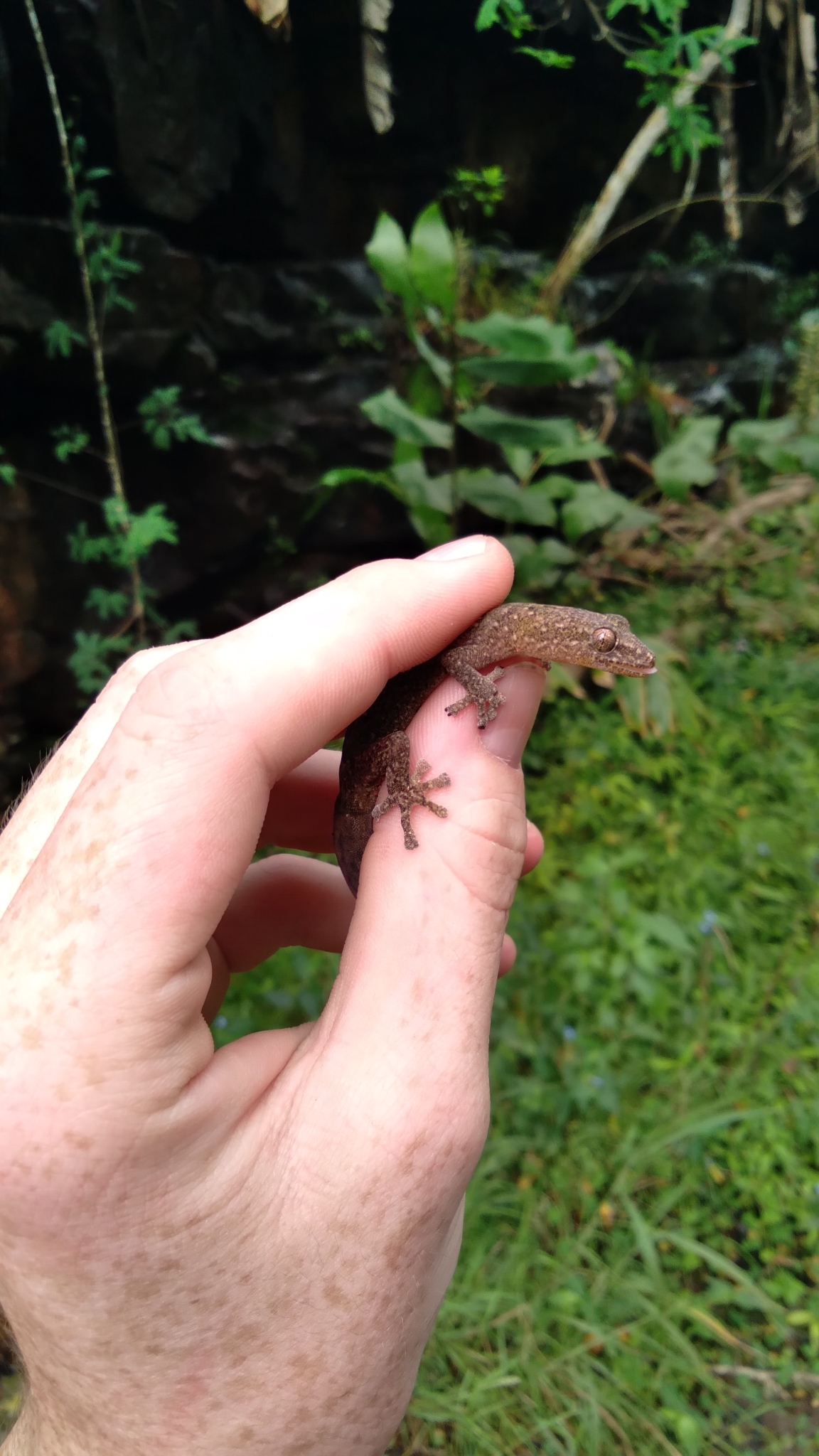
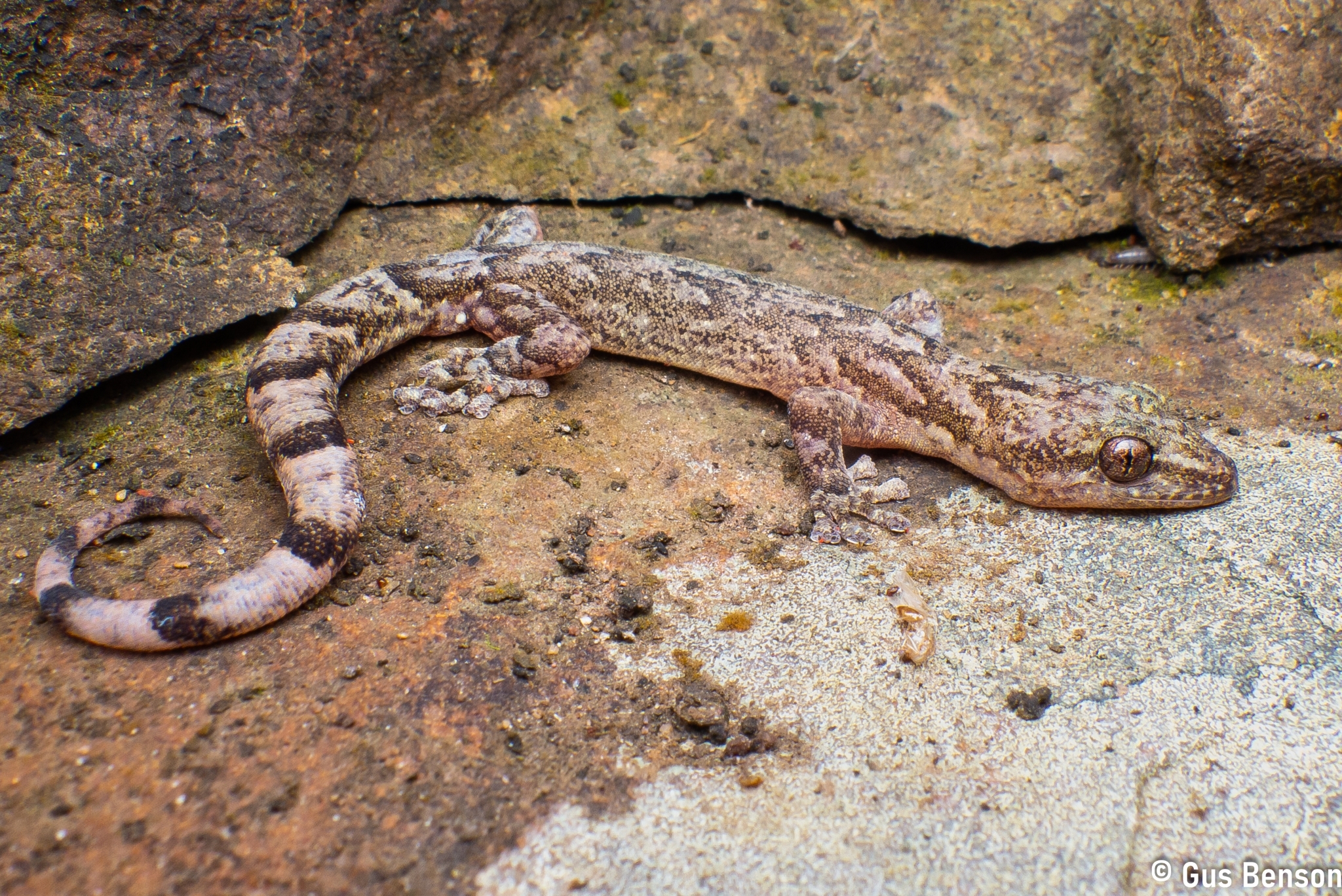
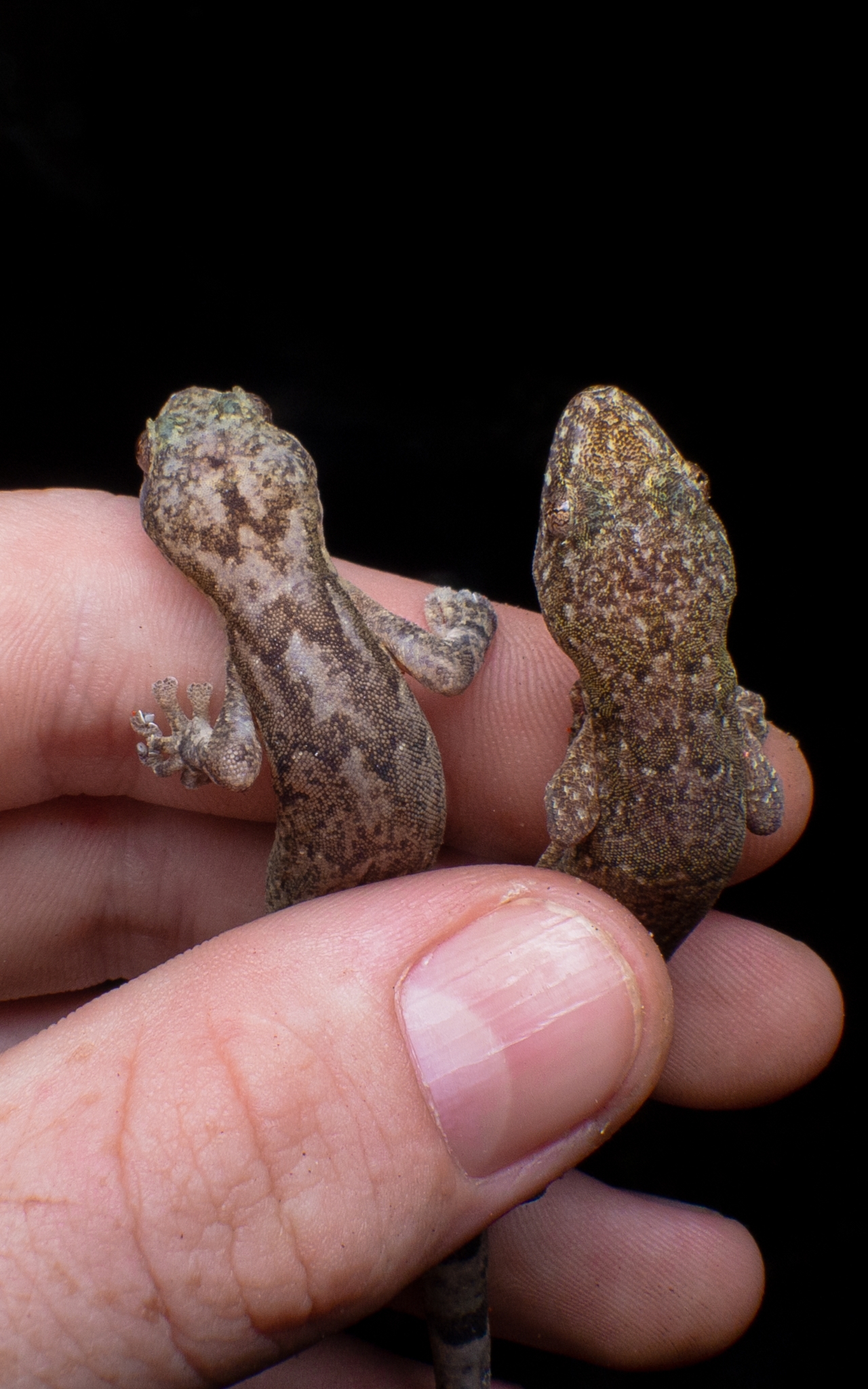
No results found for Afroedura pondolia (Hewitt, 1925)
No data.
20 results for Afroedura pondolia (Hewitt, 1925)
This map contains point-based occurrences at different locations
1925
JOURNAL ARTICLE
On some new species of Reptiles and Amphibians from South AfricaHewitt, J.. 1925. On some new species of Reptiles and Amphibians from South Africa Vol. 3. Grahamstown. Struik Publishers pp.343-370.
1998
BOOK
Field Guide to Snakes and Other Reptiles of Southern AfricaBranch, B.. 1998. Field Guide to Snakes and Other Reptiles of Southern Africa. Cape Town. Struik Publishers.
2015
JOURNAL ARTICLE
Molecular phylogeny of the Afroedura nivaria (Reptilia: Gekkonidae) species complex in South Africa provides insight on cryptic speciationTolley, K., Bates, M., Makhubo, B.. 2015. Molecular phylogeny of the Afroedura nivaria (Reptilia: Gekkonidae) species complex in South Africa provides insight on cryptic speciation Vol. 82 pp.31-42.
2023
BOOK
Conservation status of the reptiles of South Africa, Eswatini and LesothoTolley, K., Burger, M., Alexander, G., Pietersen, D., Conradie, W., Weeber, J.. 2023. Conservation status of the reptiles of South Africa, Eswatini and Lesotho Vol. Suricata 10. Pretoria. South African National Biodiversity Institute.
2019
JOURNAL ARTICLE
Evidence for cryptic diversification in a rupicolous forest-dwelling gecko (Gekkonidae: Afroedura pondolia) from a biodiversity hotspotDaniels, S., Conradie, W., Busschau, T.. 2019. Evidence for cryptic diversification in a rupicolous forest-dwelling gecko (Gekkonidae: Afroedura pondolia) from a biodiversity hotspot Vol. 139 pp.106549.
2004
JOURNAL ARTICLE
Reptiles (Reptilia) in KwaZulu- Natal: 1 – diversity and distributionBorquin, O.. 2004. Reptiles (Reptilia) in KwaZulu- Natal: 1 – diversity and distribution Vol. 29 pp.57-103.
2014
JOURNAL ARTICLE
A phylogenetic analysis of the southern African gecko genus Afroedura Loveridge (Squamata: Gekkonidae), with the description of nine new species from Limpopo and Mpumalanga provinces of South AfricaJacobsen, N., Kuhn, A., Jackman, T., Bauer, A.. 2014. A phylogenetic analysis of the southern African gecko genus Afroedura Loveridge (Squamata: Gekkonidae), with the description of nine new species from Limpopo and Mpumalanga provinces of South Africa Vol. 3846 pp.451–501.
1990
JOURNAL ARTICLE
Reptiles and amphibians of DurbanAlexander, G.. 1990. Reptiles and amphibians of Durban Vol. 15 pp.1-41.
Status and criteria
LC
Assessor(s)
Michael Bates
Contributors
Josh Weeber
Reviewer(s)
Adrian Armstrong


