
ANIMALIA / CHORDATA / REPTILIA / SQUAMATA / GEKKONIDAE / LYGODACTYLUS / INCOGNITUS
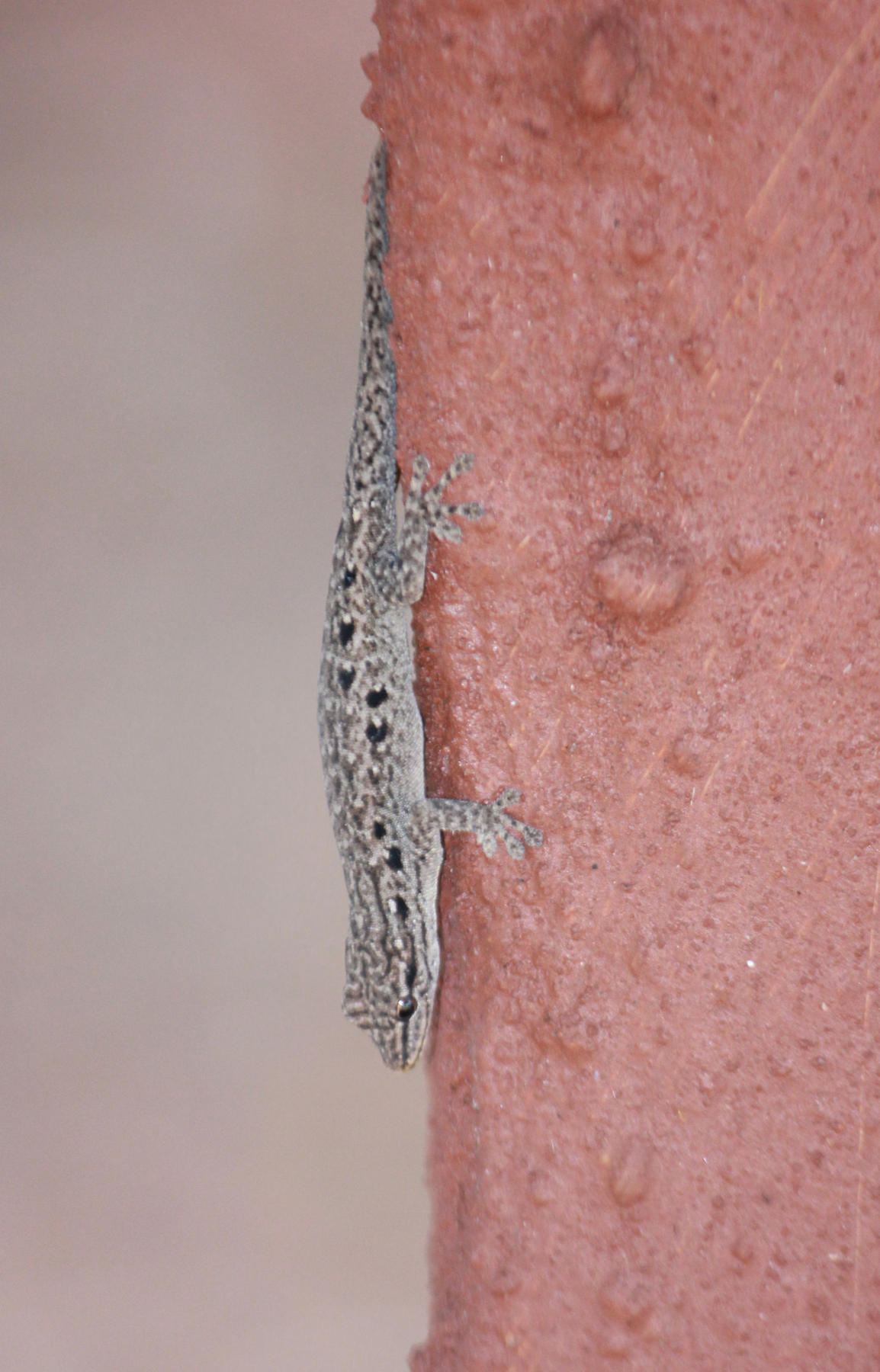
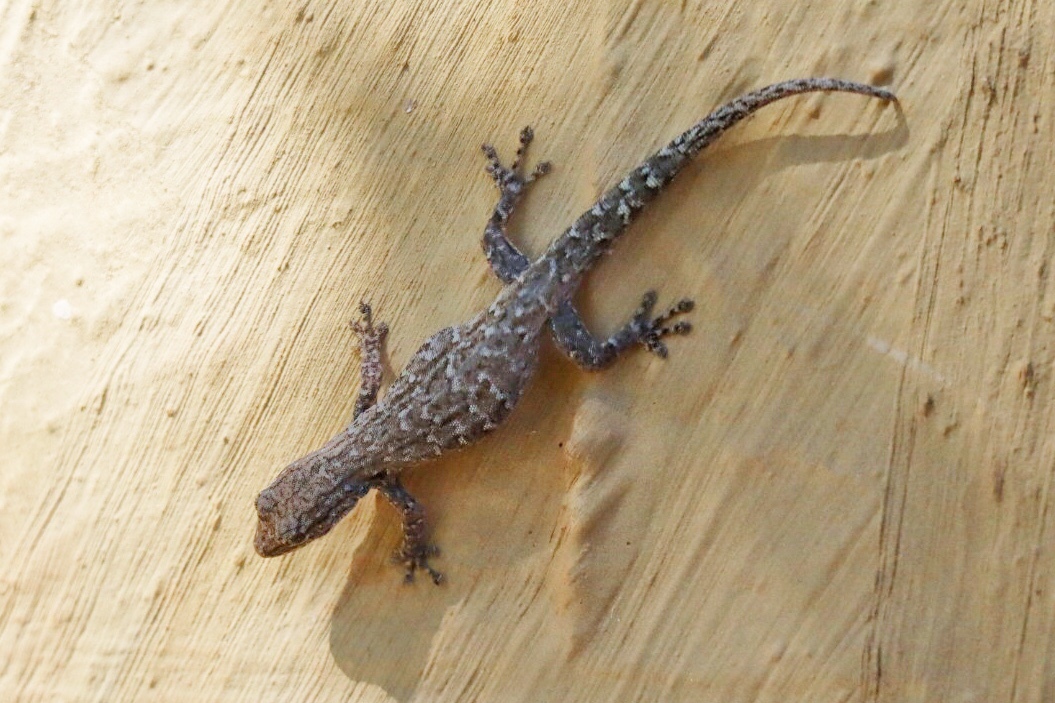
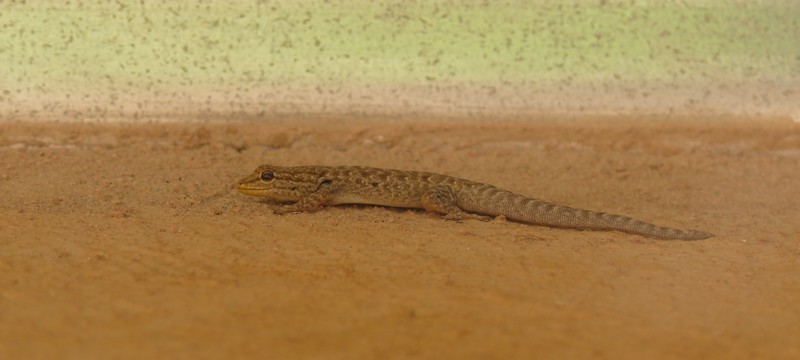
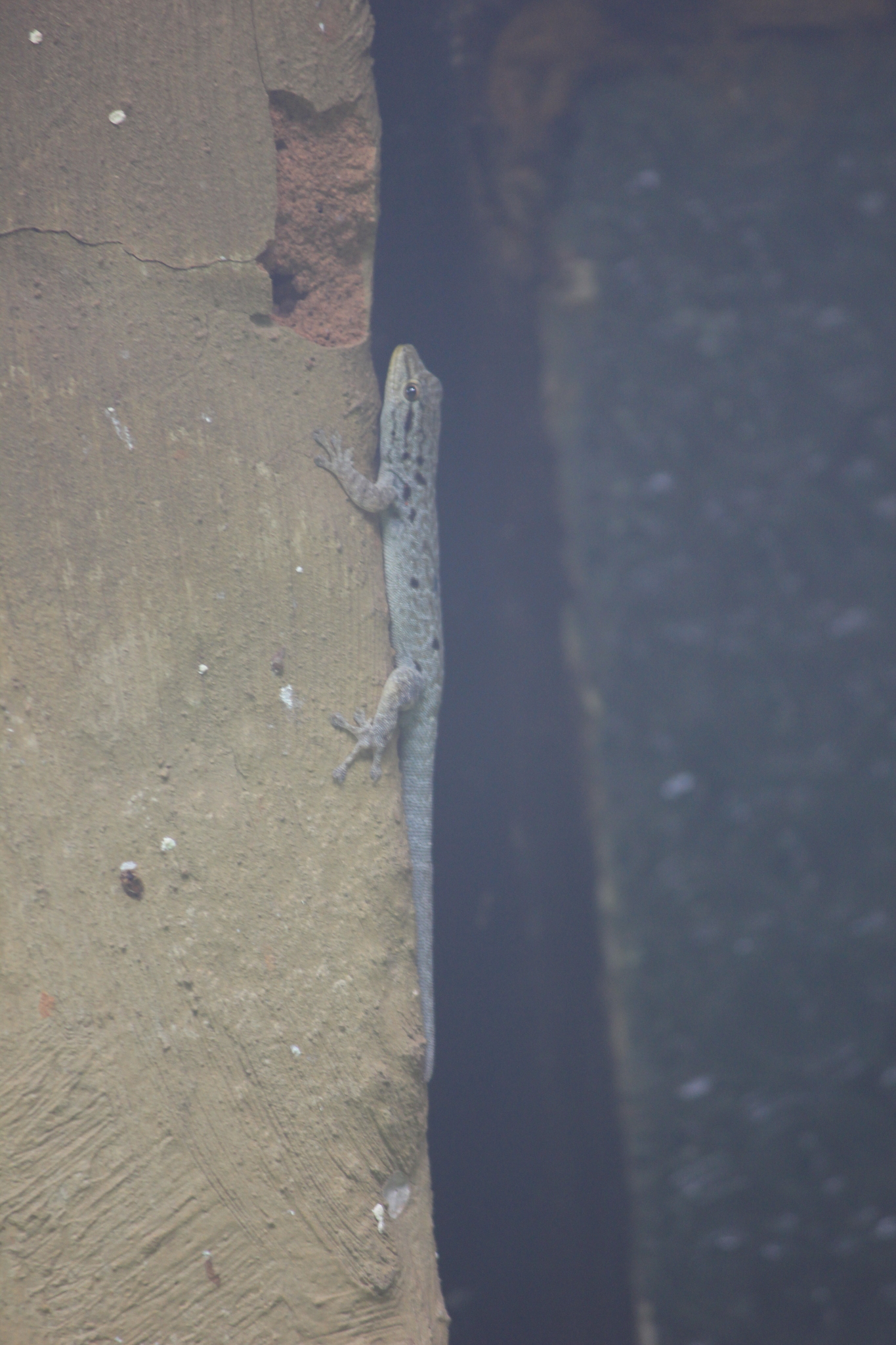
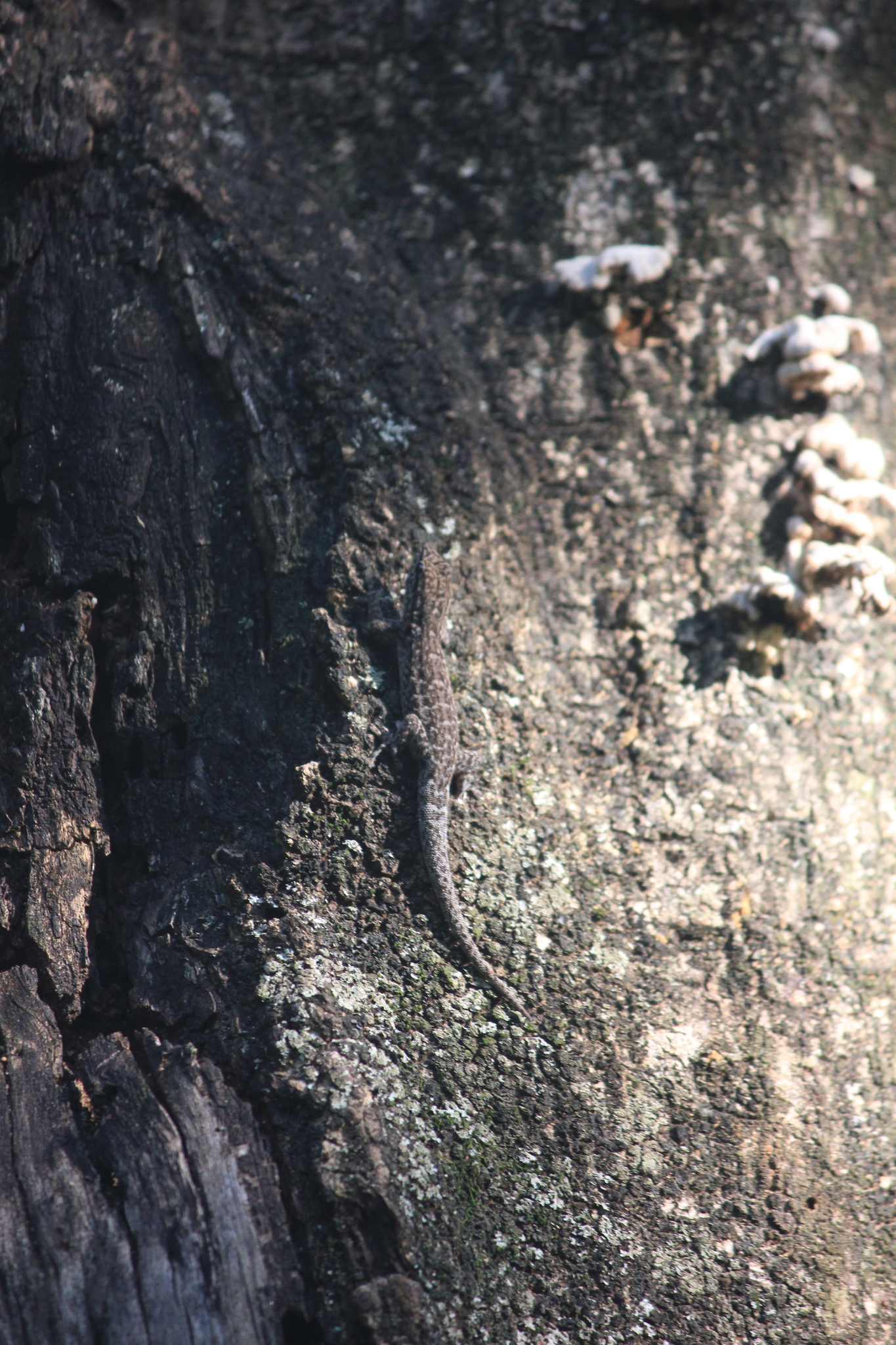
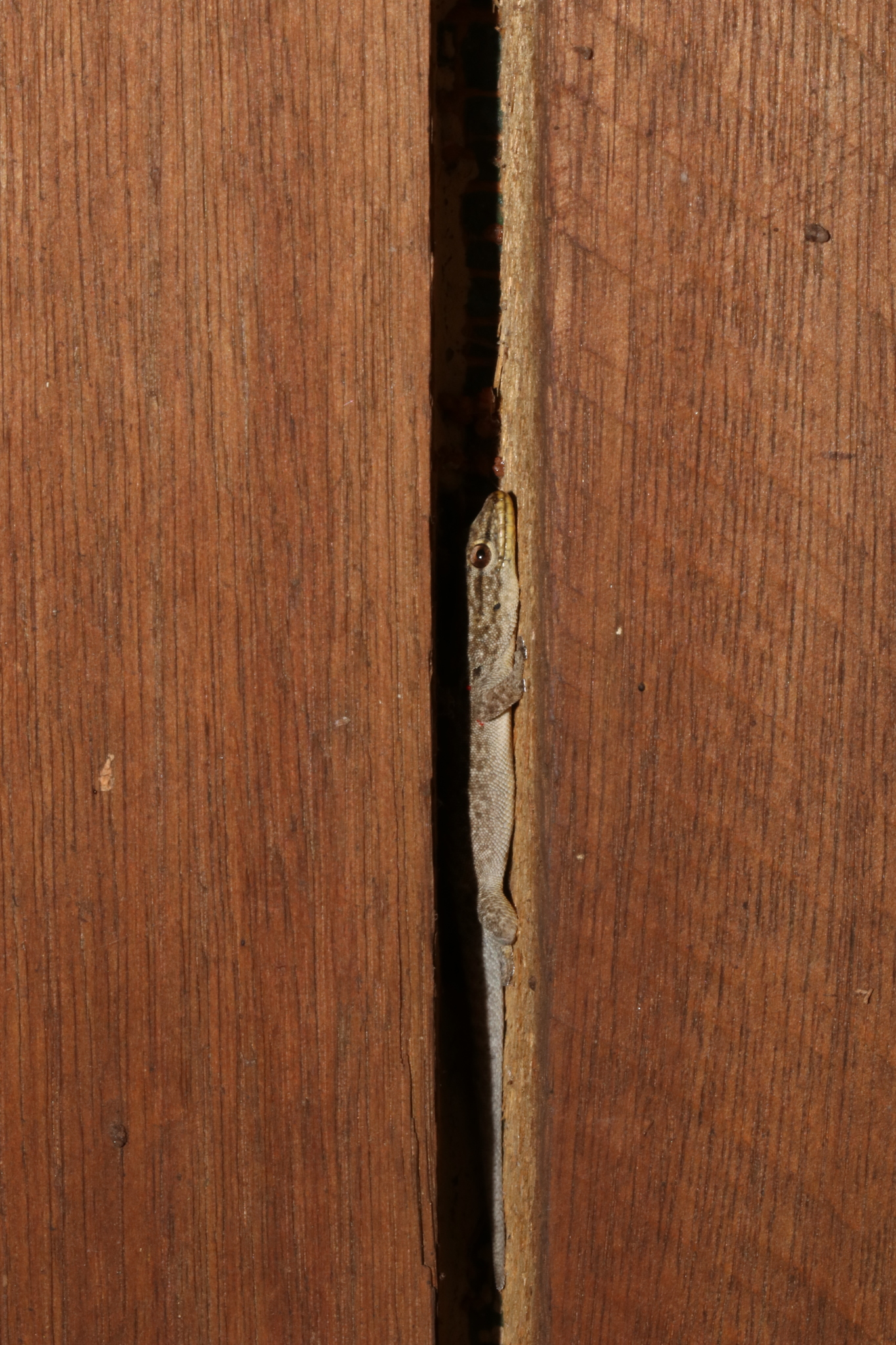
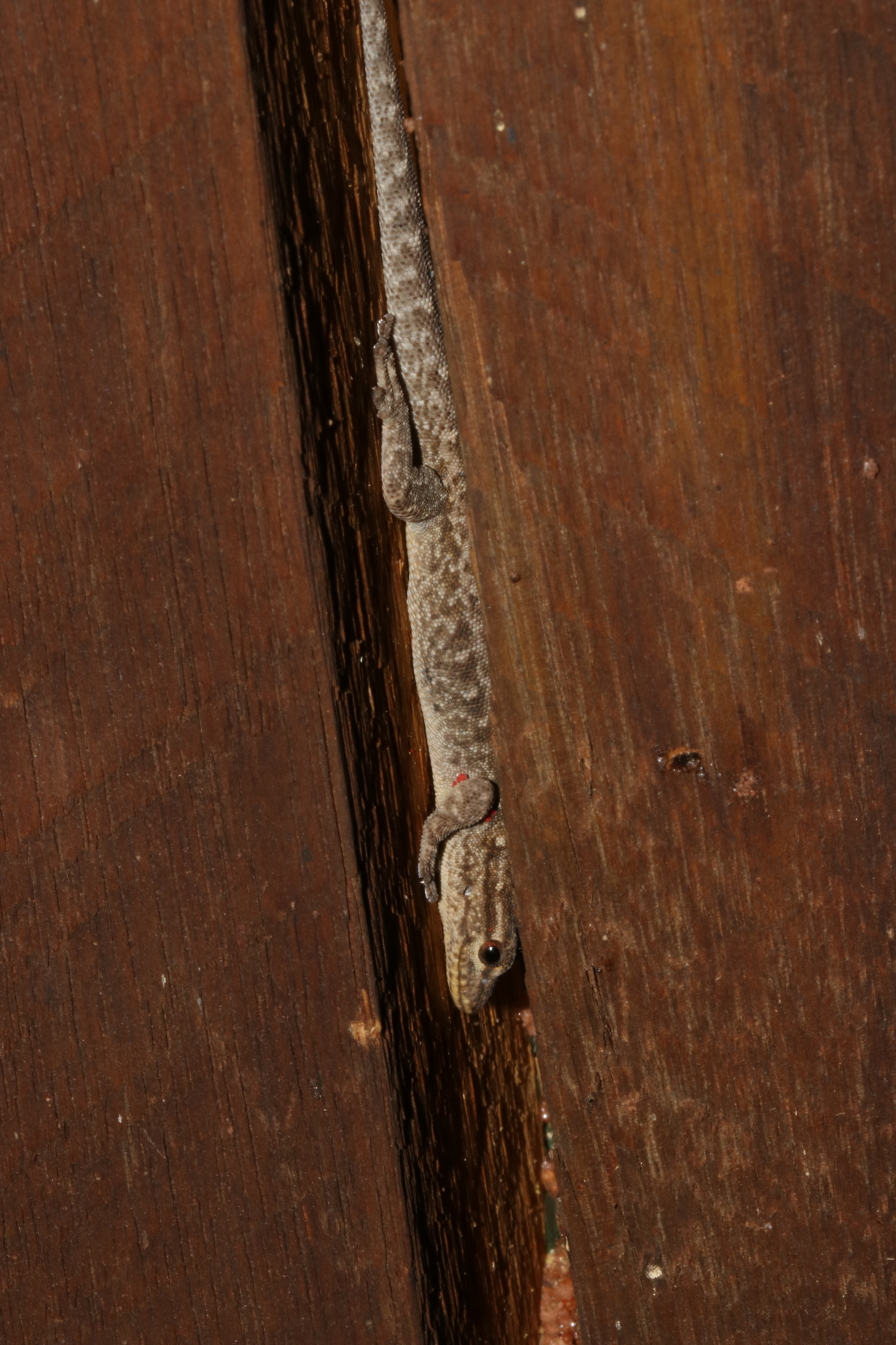
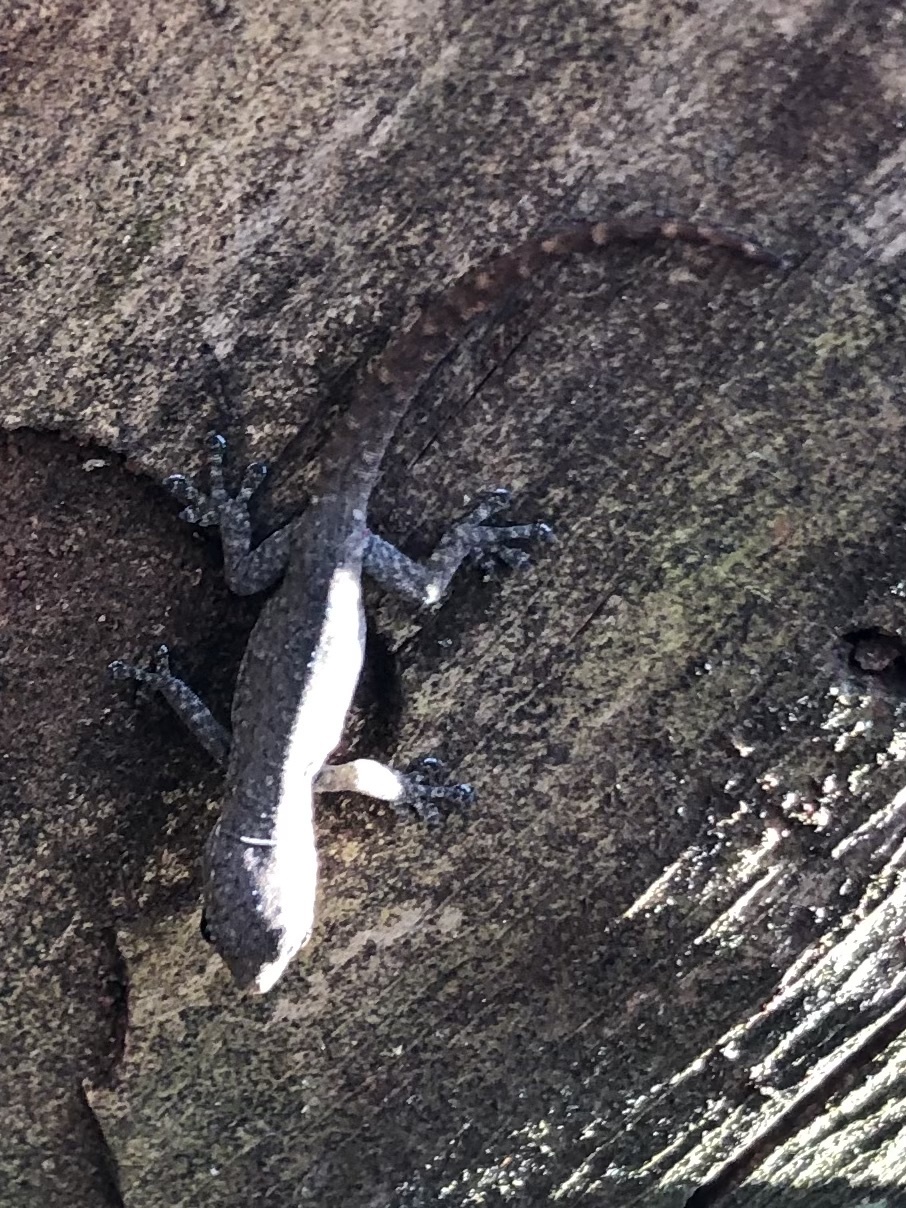
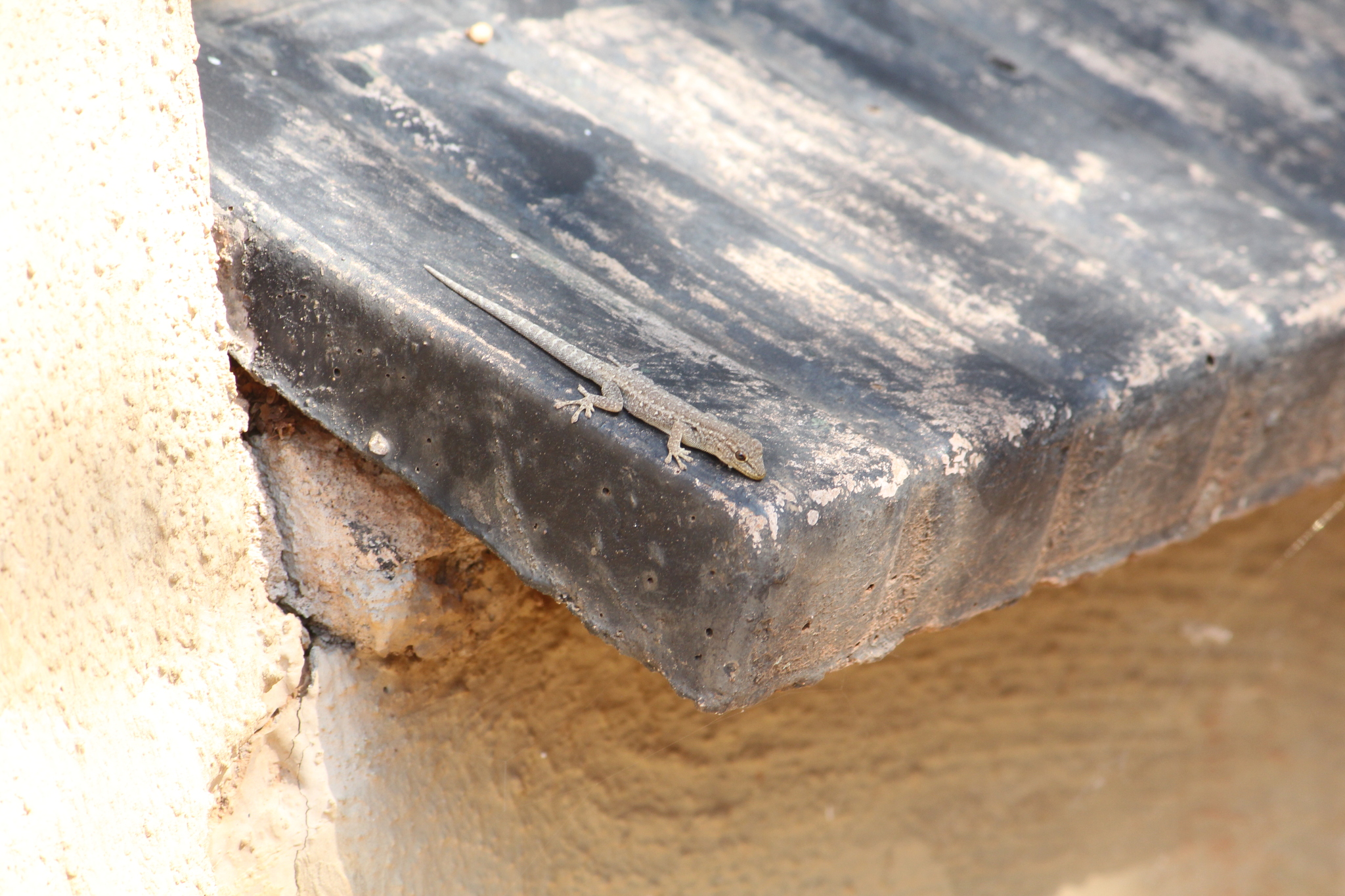
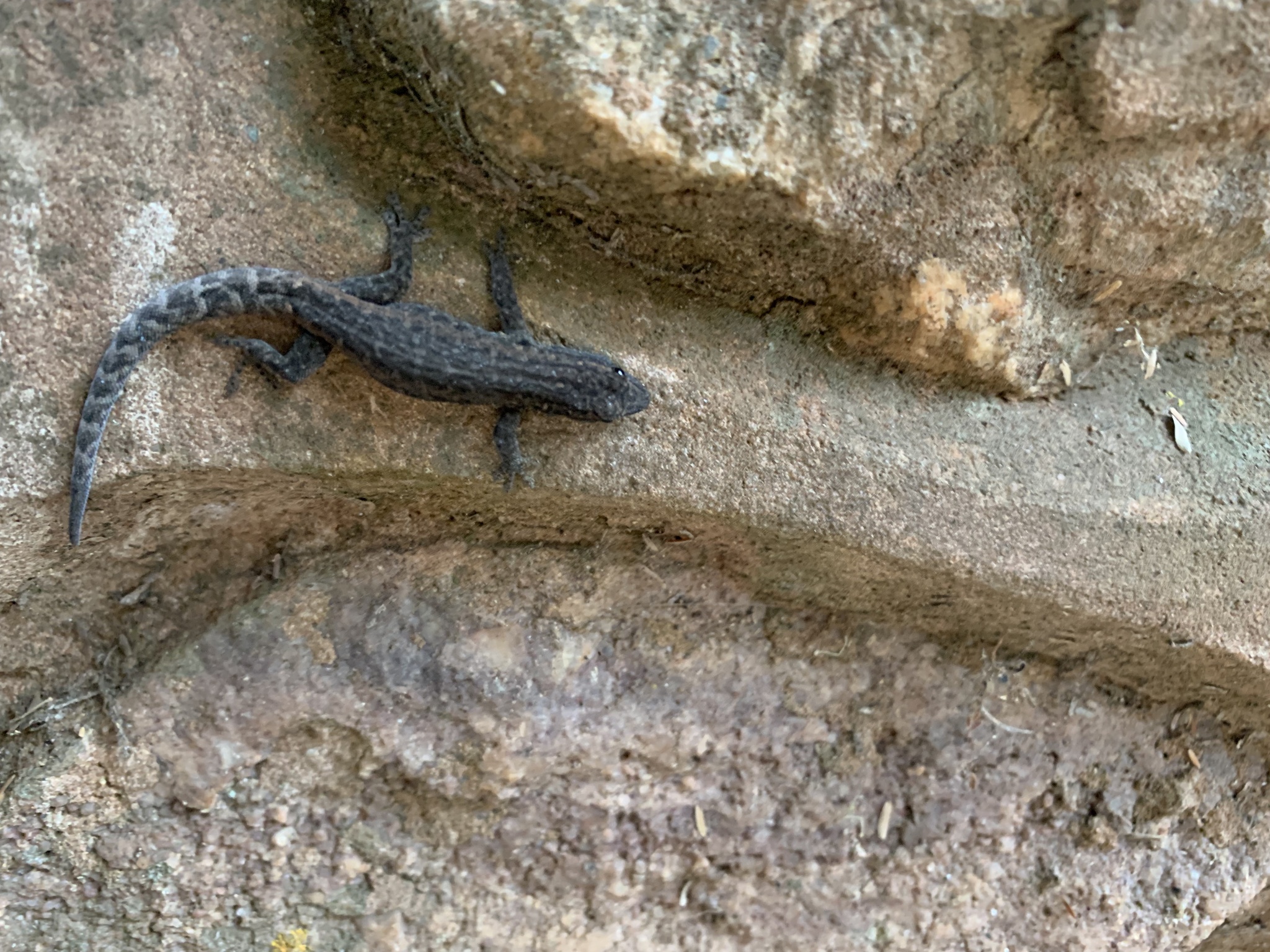
Jacobsen (1992) described this species as follows: Holotype: TM 59058, male SVL 34,0 mm; tail 39,0 mm; mass 1,25 g. Lepidosis. Head well developed, broader than neck. Snout covered with flattened, rounded scales larger on crown of head. Rostral much broader than high, subpentagonal; nostril oval, oblique posteriorly and surrounded by rostral. 1st upper labial, nasorostral and two elongate granular scales; nasorostral separated by a single granule; nasorostrals in contact with a large scale posteriorly. Eyelod spines reduced and four in number; upper labials 7/7. Mental pentagonal, bordered posteriorly by two enlarged chin shields; lower labials 7/7; gular scales between posterior lower labials 28; gular scales round and imbricate. Dorsal scales granular, relatively homogenous, along the spine juxtaposed gradually increasing in size laterally. Limbs well developed, pentadactyl, 1st digit greatly reduced. Distal part of digits expanded, with four pairs of adhesive lamellae and 10 non-adhesive subdigitally. Ventrals scales imbricate and overlapping; three rows of glandular scales along thighs, preloacal pores eight arranged in an inverted V followed by four rows scales anterior to the cloaca. Tail original, virtually non-verticillate, six supracaudals and four subcaudals per verticil; median subcaudals arranged aperiodically 2,1,2,1,2,1 or 2,1,1,2,1,1; scales on tail overllaping. Colour: Grey dorsally, darker in a broad band from the tip of the snout over the eyes of the base of the tail. Irregular scattered pale, dark edged blotches are found paravertebrally. Limbs dark grey with irregular light and dark markings. Dorsal surface of tail grey with pale, dark edged wavy stripes extending from the base of the tail becoming indistinct distally. Dorsolaterally grey with irregular pale dark-edged blotches in a well-defined row. Below this blotches less pronounced, but three black blotches prominent, one on the shoulder and two posteriorly. A dark stripe extends from the nostril through the eye to the shoulder. Ventrally offwhite with irregular dark grey spots or blotches under the throat, and dark speckling on the belly.
This information was extracted from Jacobsen (1992): Very similar to typical nigropunctatus, differing in having exclusively two postmental scales, precloacal pores mostly (87.5 %) eight or nine and lower labials six, rarely five or seven. Apparently restricted to the Soutpansberg. The black dorsolateral spots are relatively indistinct.
Type locality: Farm Outlook, 789MS (22°59’S, 29°51’E), Soutpansberg district, Transvaal (now Limpopo Province) Holotype: DNMNH (= TM) 59058; Paratypes: TM
Previously considered a subspecies of L. nigropunctatus, it has subsequently been raised to a full species (Travers et al., 2014).
South Africa (Uetz et al., 2020).
South Africa (Limpopo Province). Type locality: Farm Outlook, 789MS (22°59’S, 29°51’E), Soutpansberg district (Uetz et al., 2020).
Lygodactylus geckos have two adhesive toe pads (scansors) on the bottom of their feet to enable them to grip onto smooth surfaces and facilitate climbing. The tail also has modified scales at the tip that serve as the fifth scansor (Branch, 1998).
Carnivore - Insectivore (insect-eating)
Cryptic Dwarf Geckos feed on ants and termites and often can be seen stationed next to their trails, picking off victims (Branch, 1998).
Cryptic Dwarf Geckos are oviparous, laying two hard-shelled eggs under a rock on rock during mid to late summer (Jacobsen, 1992).
No data.
Savanna, Grassland.
This map contains point-based occurrences at different locations
Occurrence in African countries and South African provinces. Residence status indicates if a taxon is indigenous, endemic, or alien in a specific region. This data is based on specimen records and literature.
FSA
SA
BOT
NAM
ESW
LES
WC
EC
NC
FS
GA
KZN
LP
MP
NW
Absent
Indigenous
Endemic
Naturalised
Invasive
Names and Sources
| Common Name | Language |
|---|---|
| Cryptic Dwarf Gecko | EN |
Classification
KINGDOM Animalia
PHYLUM Chordata
CLASS Reptilia
ORDER Squamata
FAMILY Gekkonidae
GENUS Lygodactylus
SPECIES incognitus
No results found for Lygodactylus incognitus Jacobsen, 1992
No data.
10 results for Lygodactylus incognitus Jacobsen, 1992
This map contains point-based occurrences at different locations
1992
JOURNAL ARTICLE
New Lygodactylus taxa (Reptilia: Gekkonidae) from the TransvaalJacobsen, N.. 1992. New Lygodactylus taxa (Reptilia: Gekkonidae) from the Transvaal Vol. 43(4). Transvaal. pp.527- 542.
1998
BOOK
Field Guide to Snakes and Other Reptiles of Southern AfricaBranch, B.. 1998. Field Guide to Snakes and Other Reptiles of Southern Africa. Cape Town. Struik Publishers.
2014
JOURNAL ARTICLE
A molecular phylogeny of Afromontane dwarf geckos (Lygodactylus) reveals a single radiation and increased species diversity in a South African montane centre of endemismJackman, T., Bauer, A., Travers, S.. 2014. A molecular phylogeny of Afromontane dwarf geckos (Lygodactylus) reveals a single radiation and increased species diversity in a South African montane centre of endemism Vol. 80 pp.31-42.
2019
JOURNAL ARTICLE
Influences of ecology and climate on the distribution of restricted, rupicolous reptiles in a biodiverse hotspotAlexander, G., Petford, M., Van Huyssteen, R.. 2019. Influences of ecology and climate on the distribution of restricted, rupicolous reptiles in a biodiverse hotspot Vol. 68(2). pp.118-133.
2020
JOURNAL ARTICLE
Microhabitat selection and niche partitioning in two syntopic geckosAlexander, G., Petford, M.. 2020. Microhabitat selection and niche partitioning in two syntopic geckos Vol. 45(3) pp.319-328.
2021
JOURNAL ARTICLE
Potential range shifts and climatic refugia of rupicolous reptiles in a biodiversity hotspot of South AfricaAlexander, G., Petford, M.. 2021. Potential range shifts and climatic refugia of rupicolous reptiles in a biodiversity hotspot of South Africa Vol. 48(4) pp.264-273.
2021
JOURNAL ARTICLE
Temperature modulated activity patterns suggest idiosyncratic responses to climate change of two syntopic range restricted geckosAlexander, G., Petford, M.. 2021. Temperature modulated activity patterns suggest idiosyncratic responses to climate change of two syntopic range restricted geckos Vol. 56 pp.202-212.
2010
JOURNAL ARTICLE
The reptile species assemblage of the Soutpansberg (Limpopo, South Africa) and its characteristicsKirchhof, S., Kramer, M., Linden, J., Richter, K.. 2010. The reptile species assemblage of the Soutpansberg (Limpopo, South Africa) and its characteristics Vol. 46(3) pp.14-166.
2020
DATABASE
The Reptile DatabaseUetz, P., Hošek, J., Freed, P.. 2020. The Reptile Database. Available at: http://www.reptile- database.org. (Accessed: 15 September 2020).
Status and criteria
LC
Assessor(s)
Michael Bates
Reviewer(s)
Adrian Armstrong


