
ANIMALIA / CHORDATA / REPTILIA / SQUAMATA / GEKKONIDAE / LYGODACTYLUS / NIGROPUNCTATUS
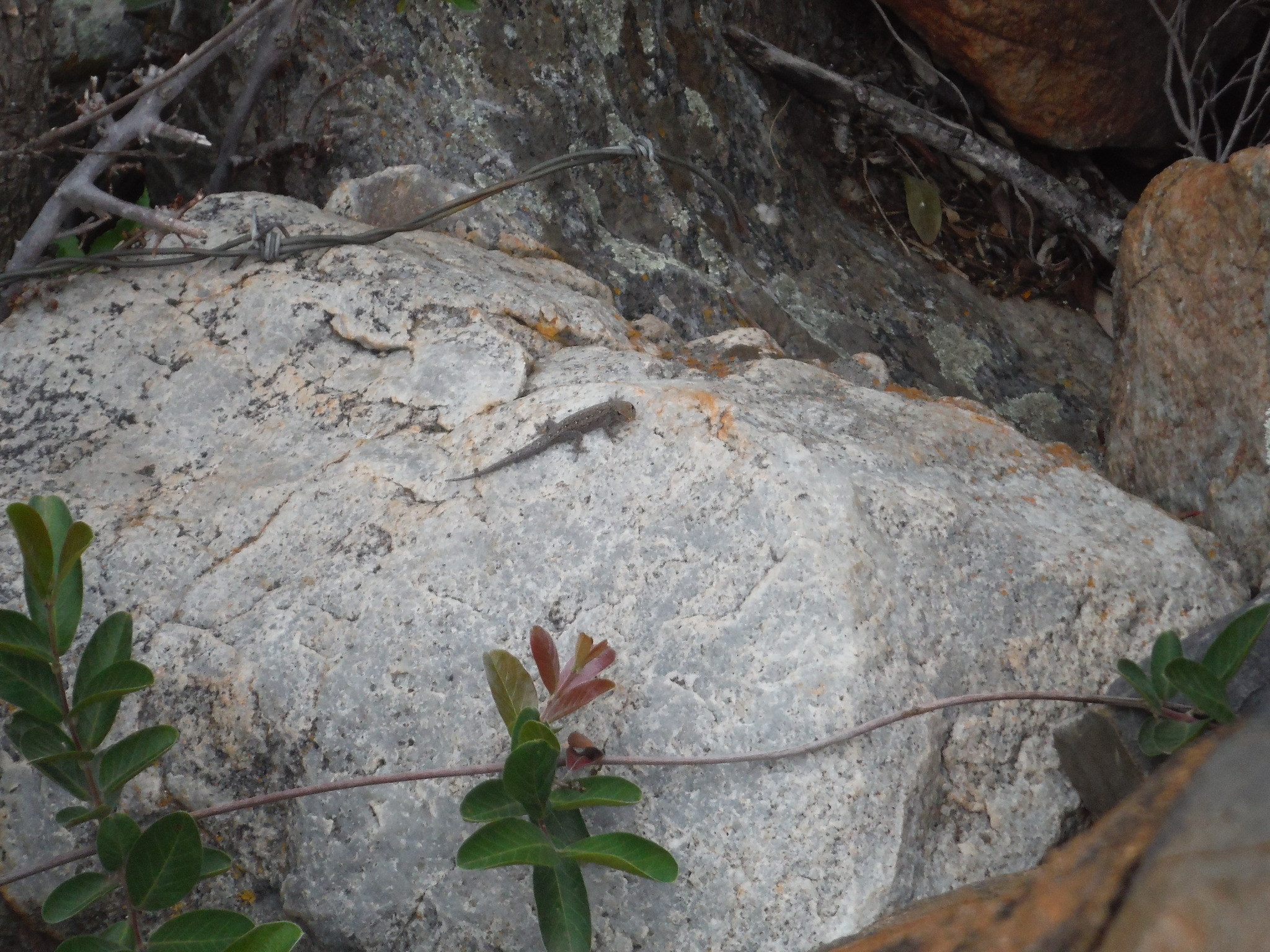
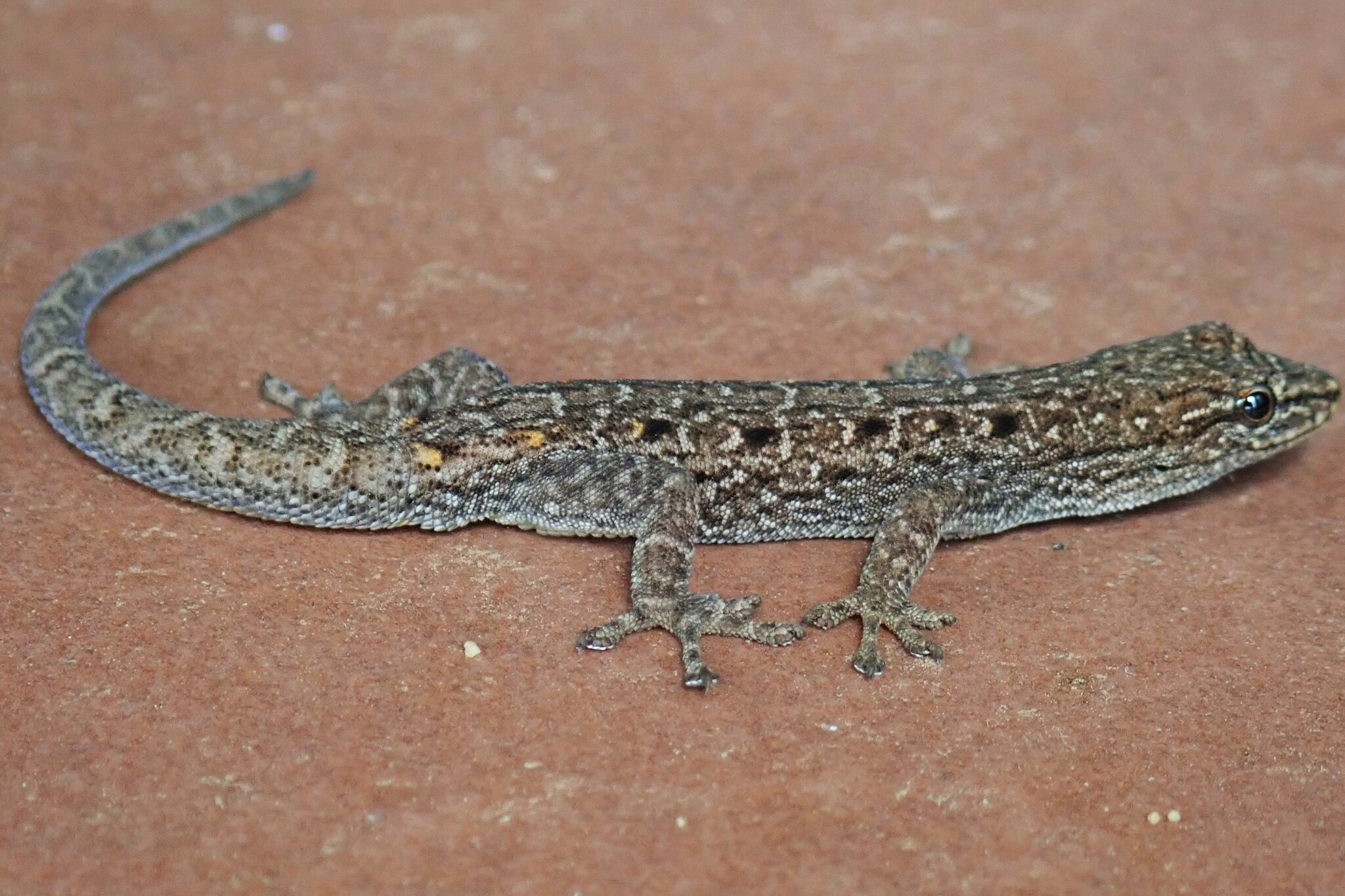
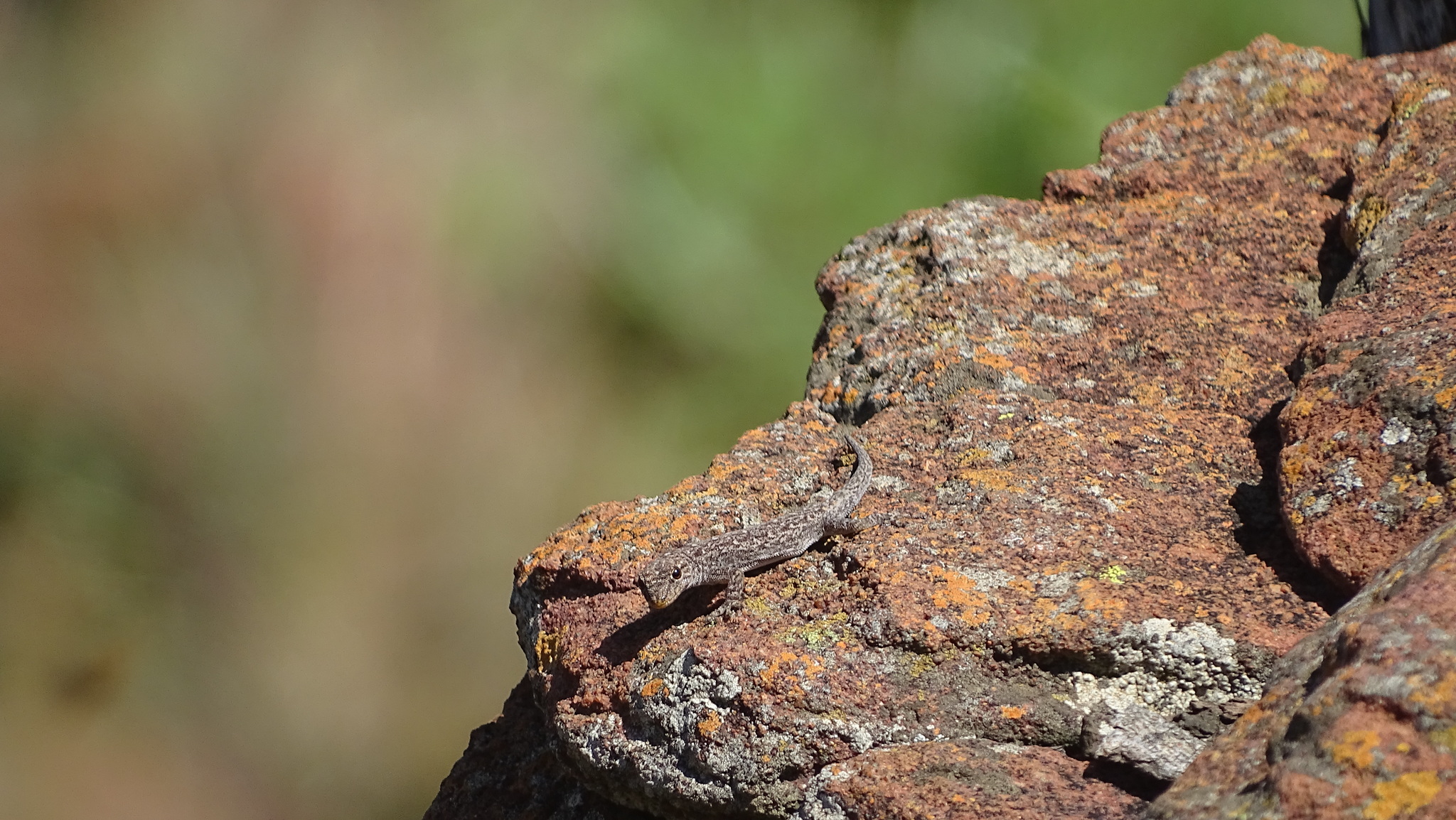
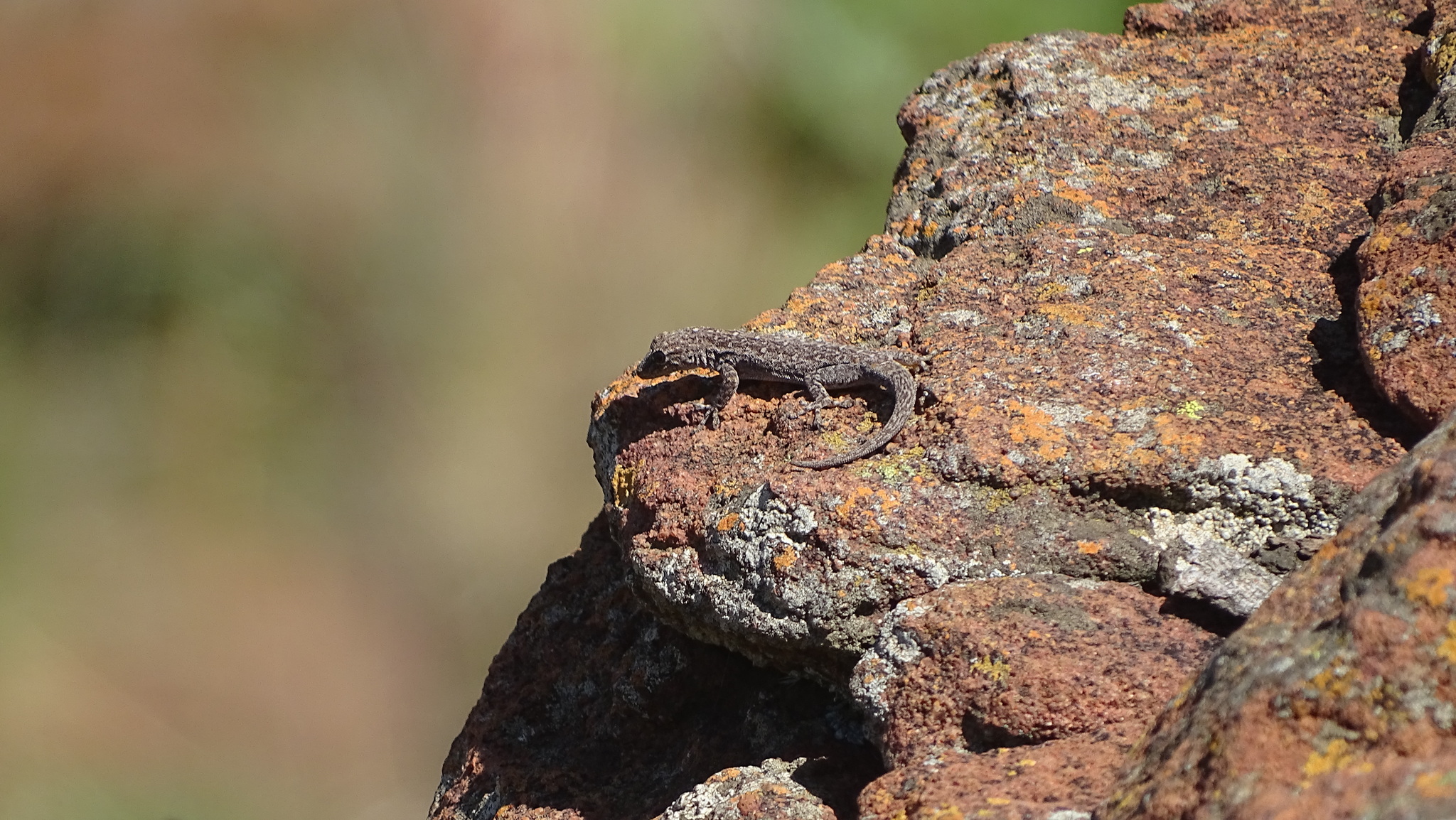
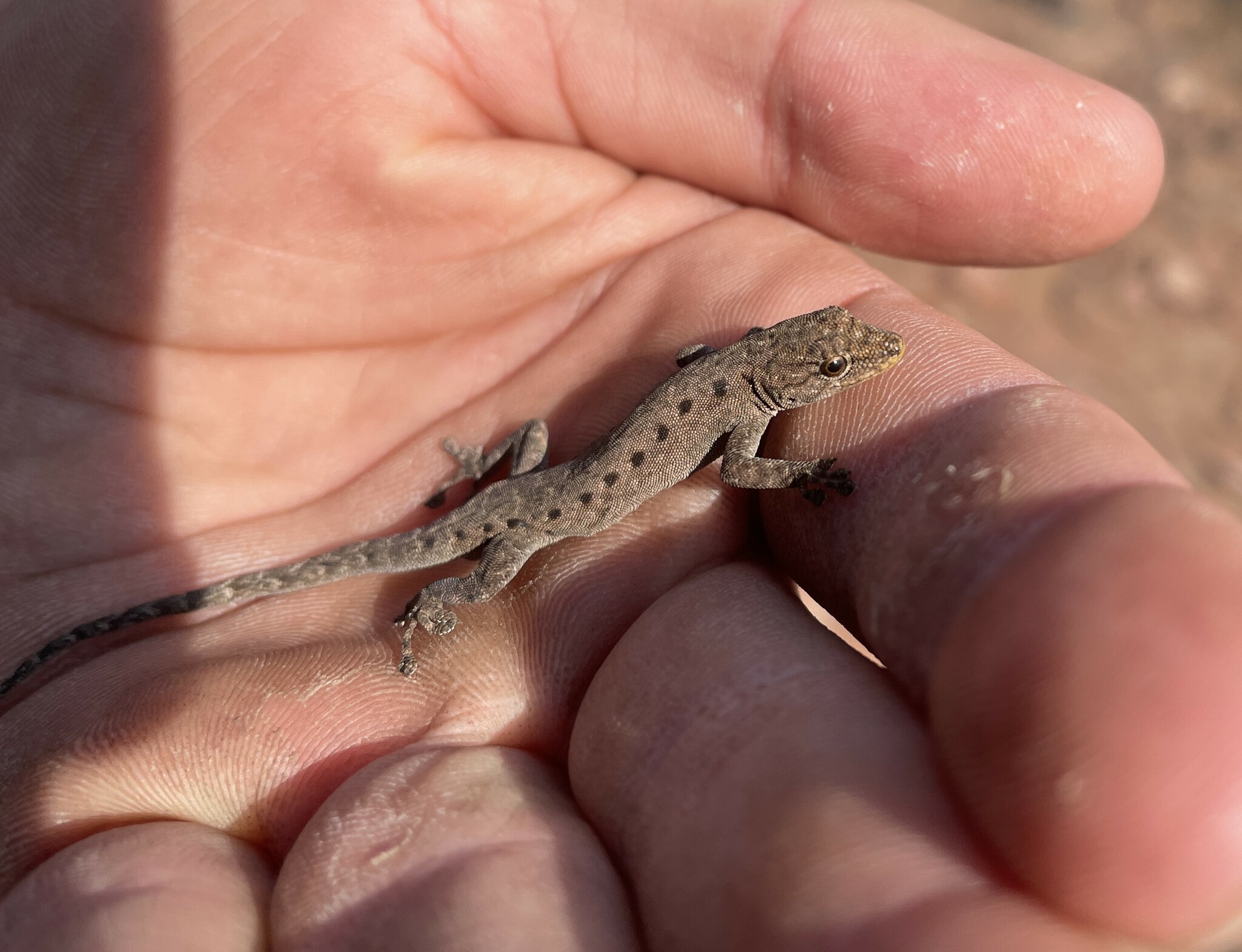
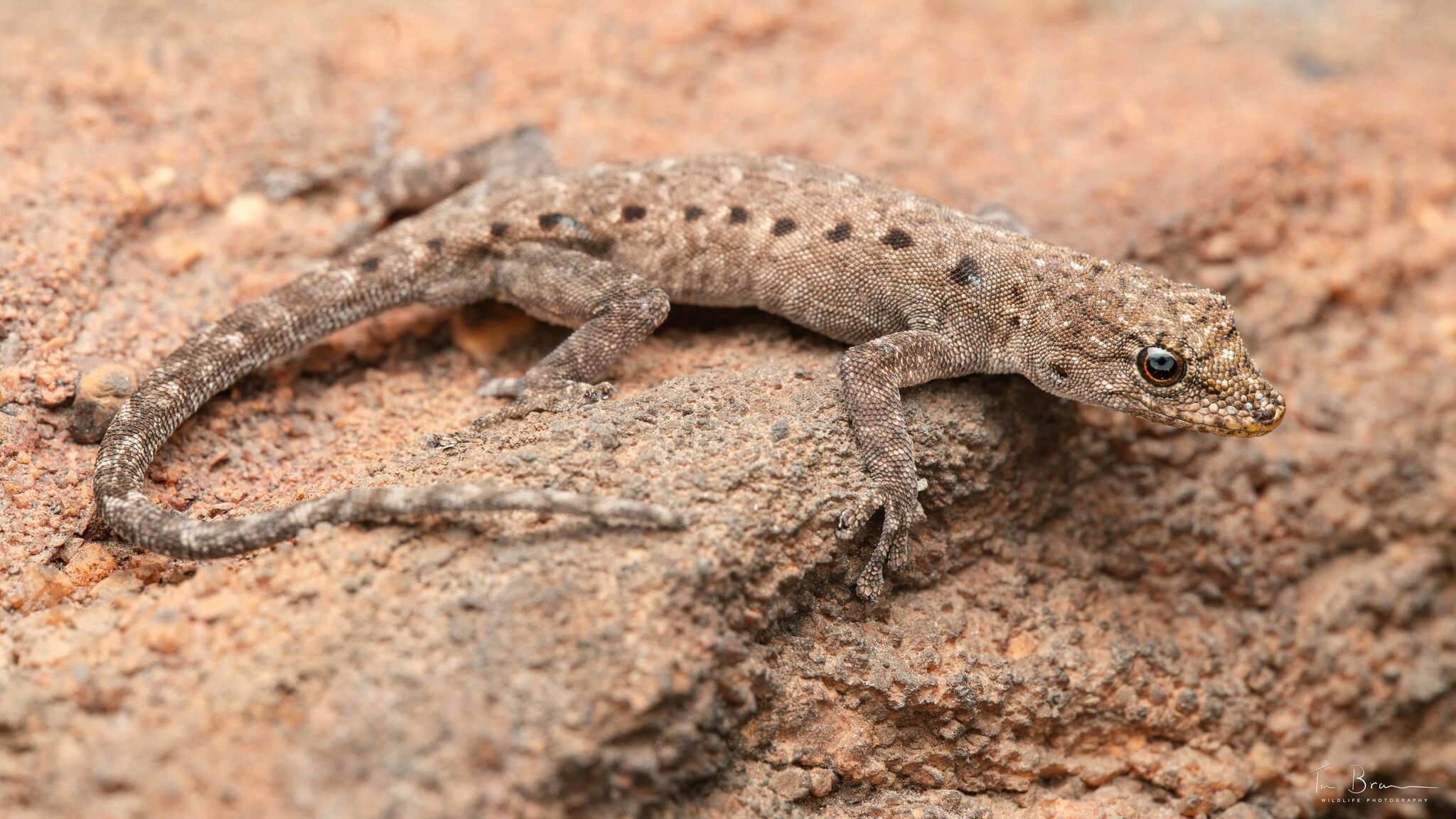
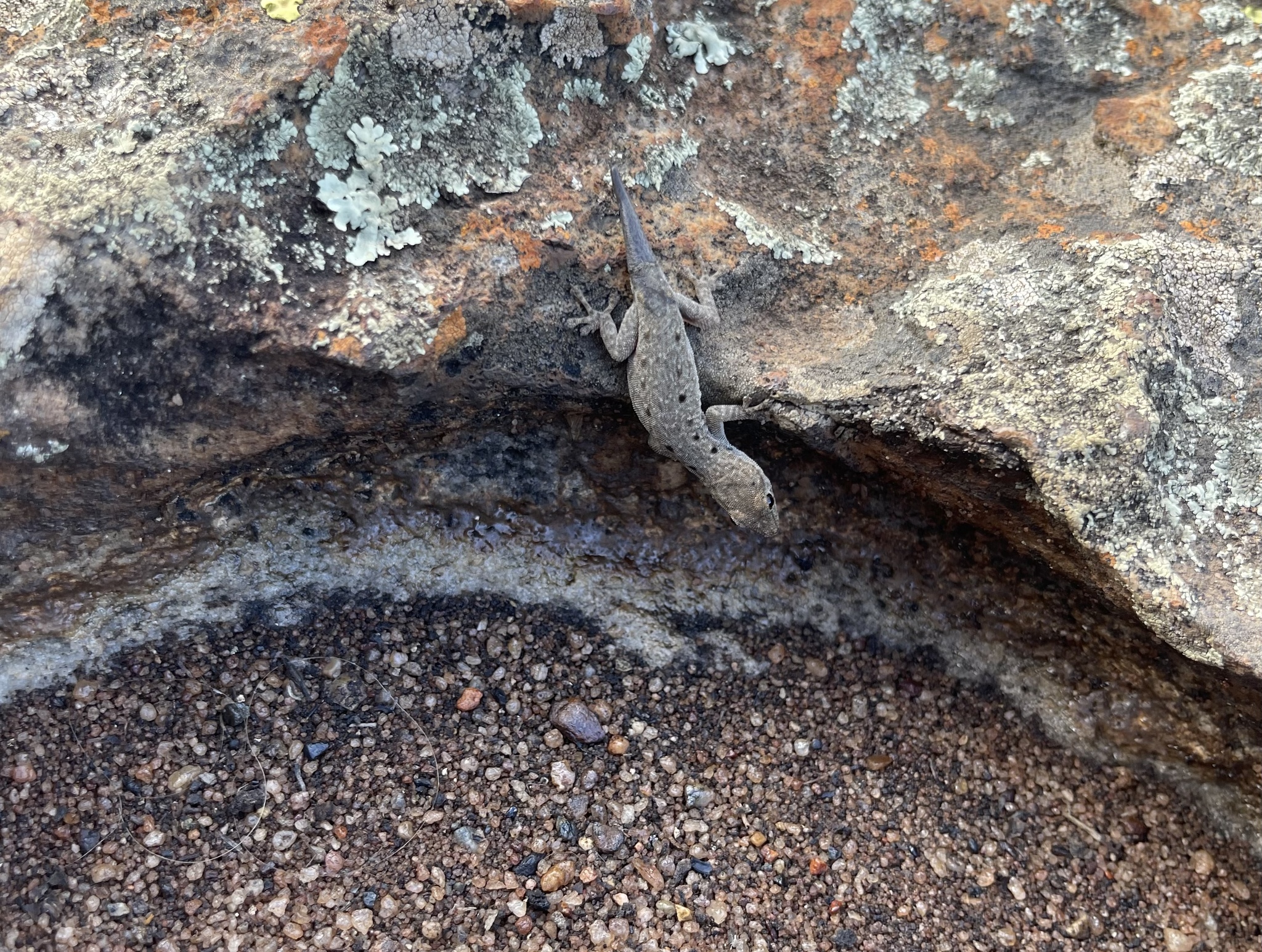
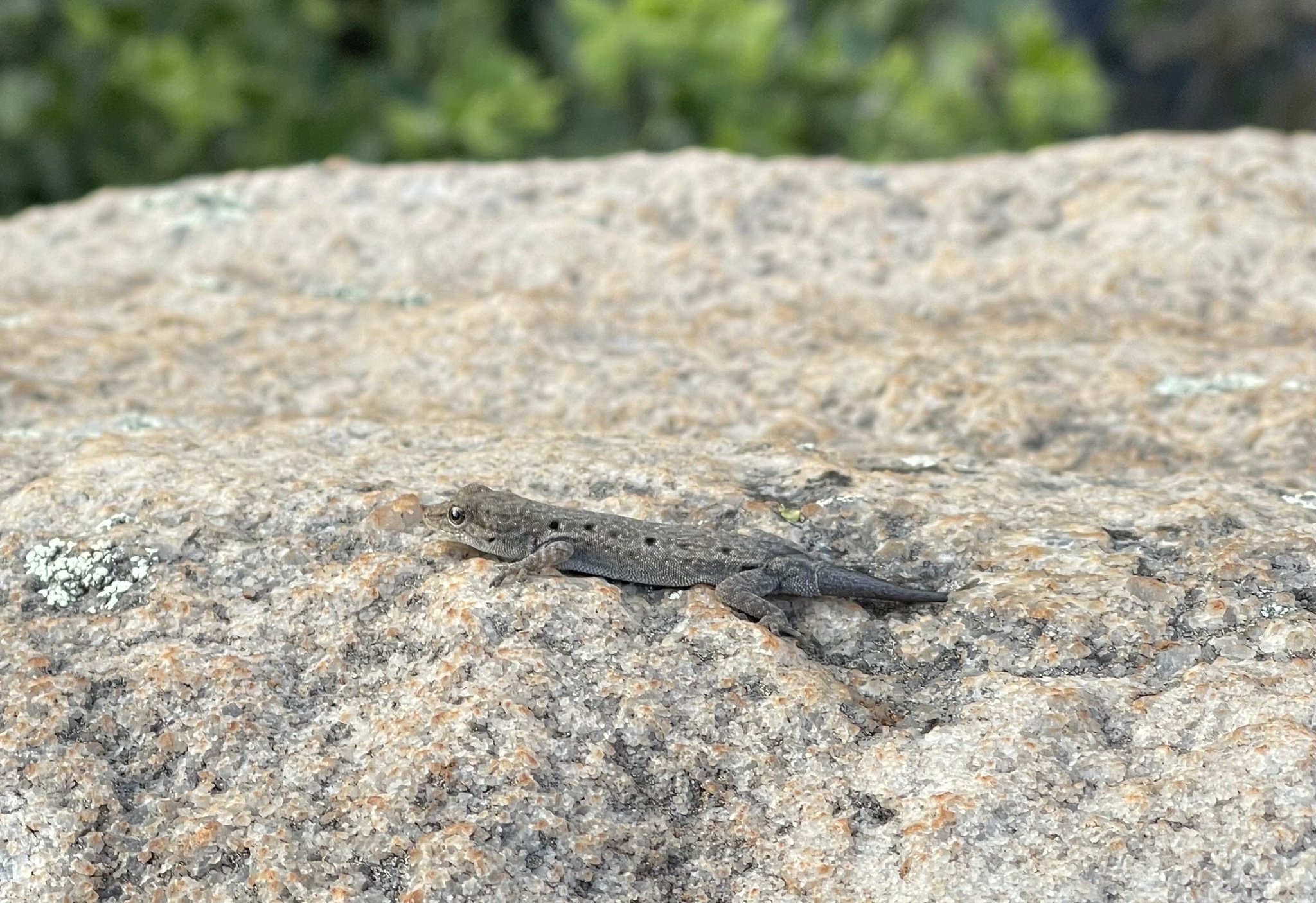
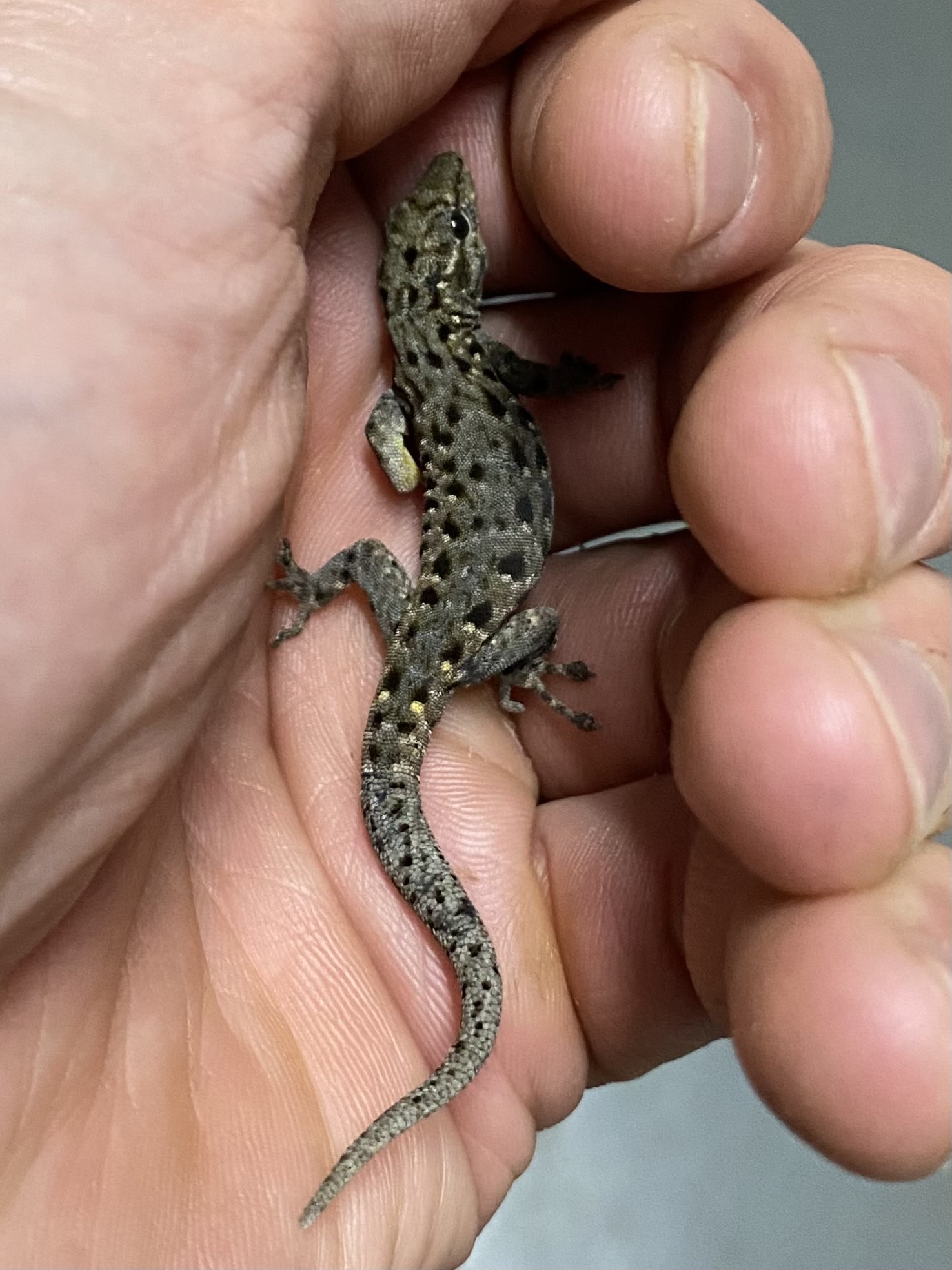
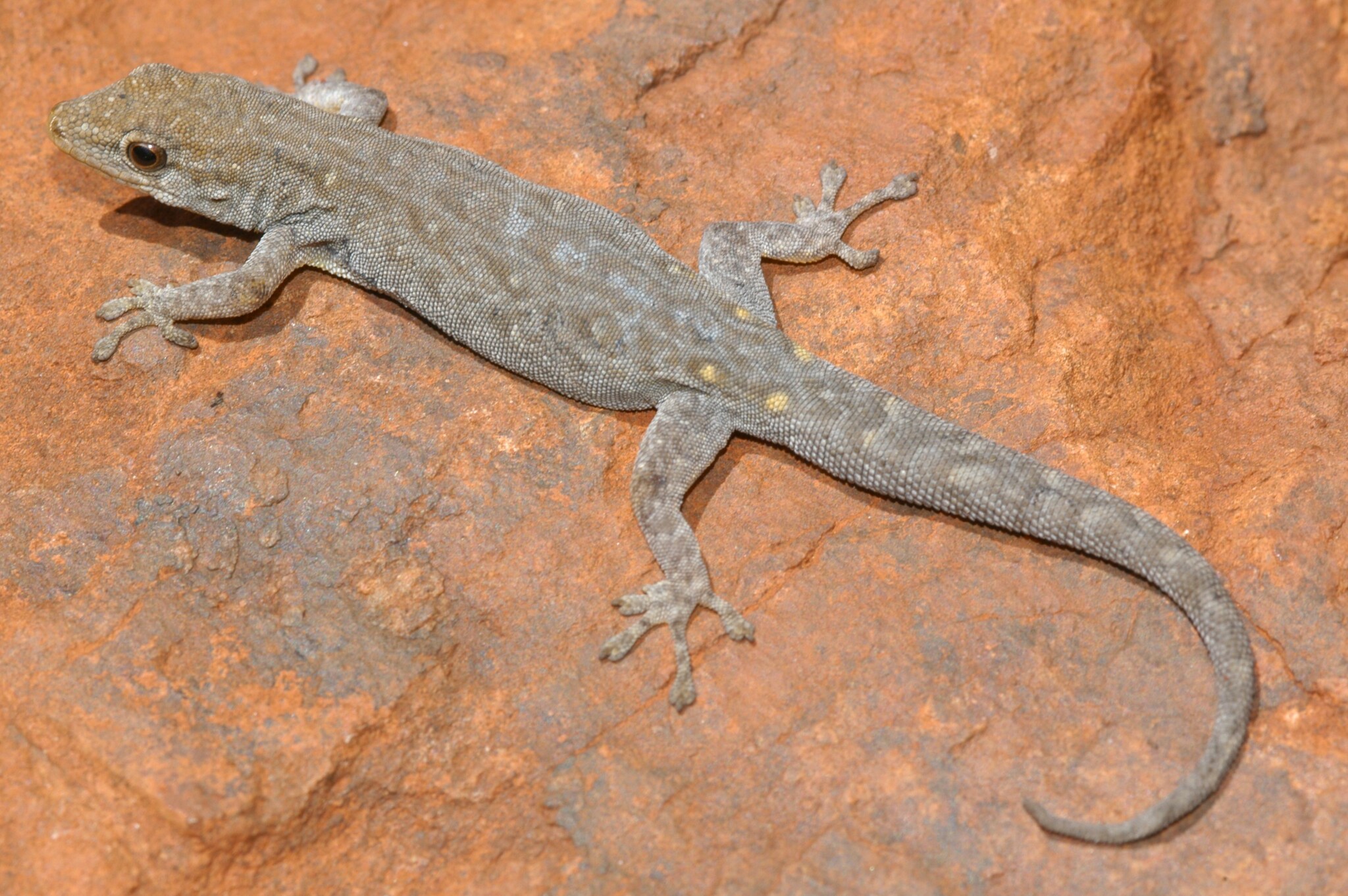
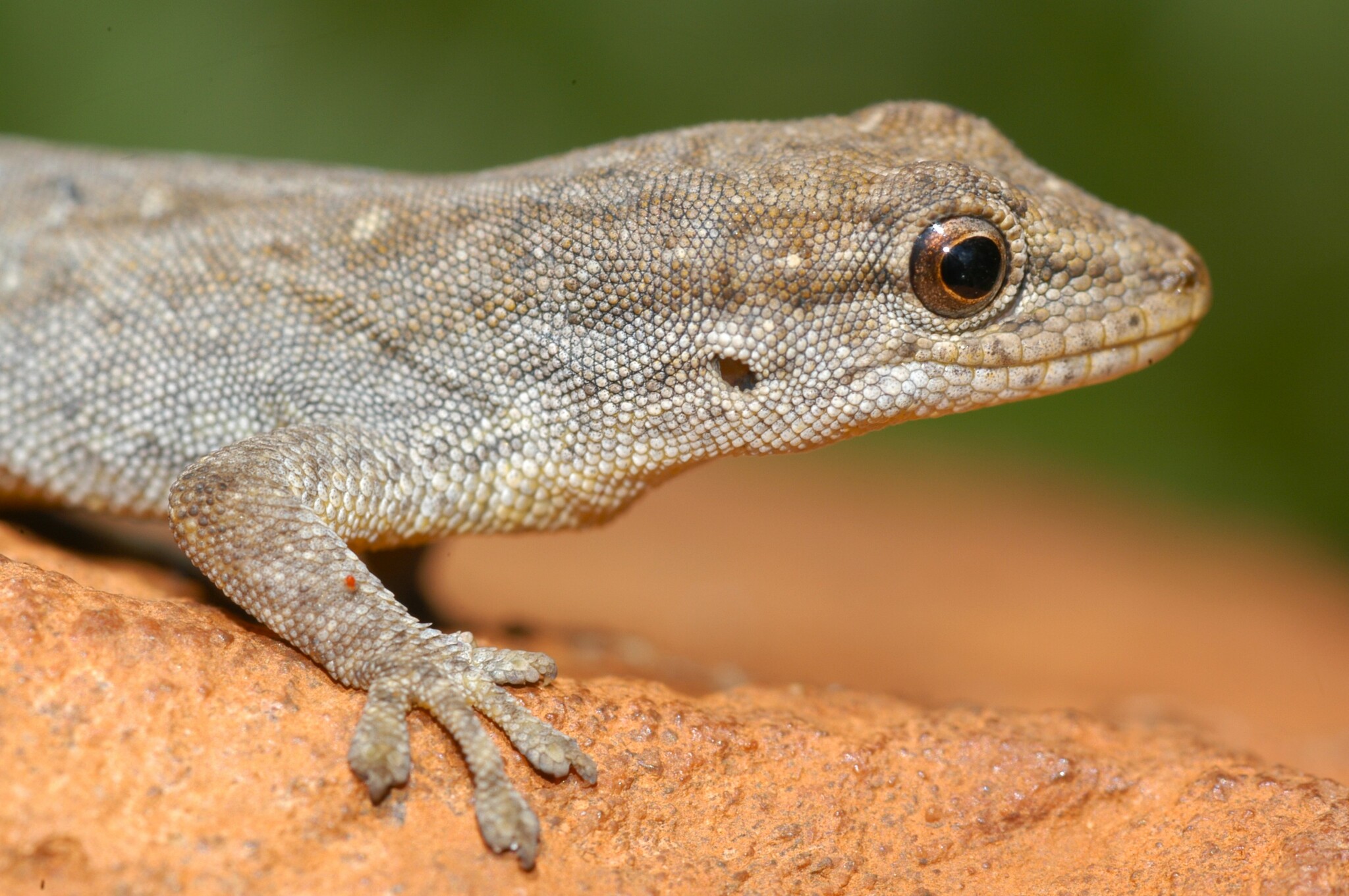
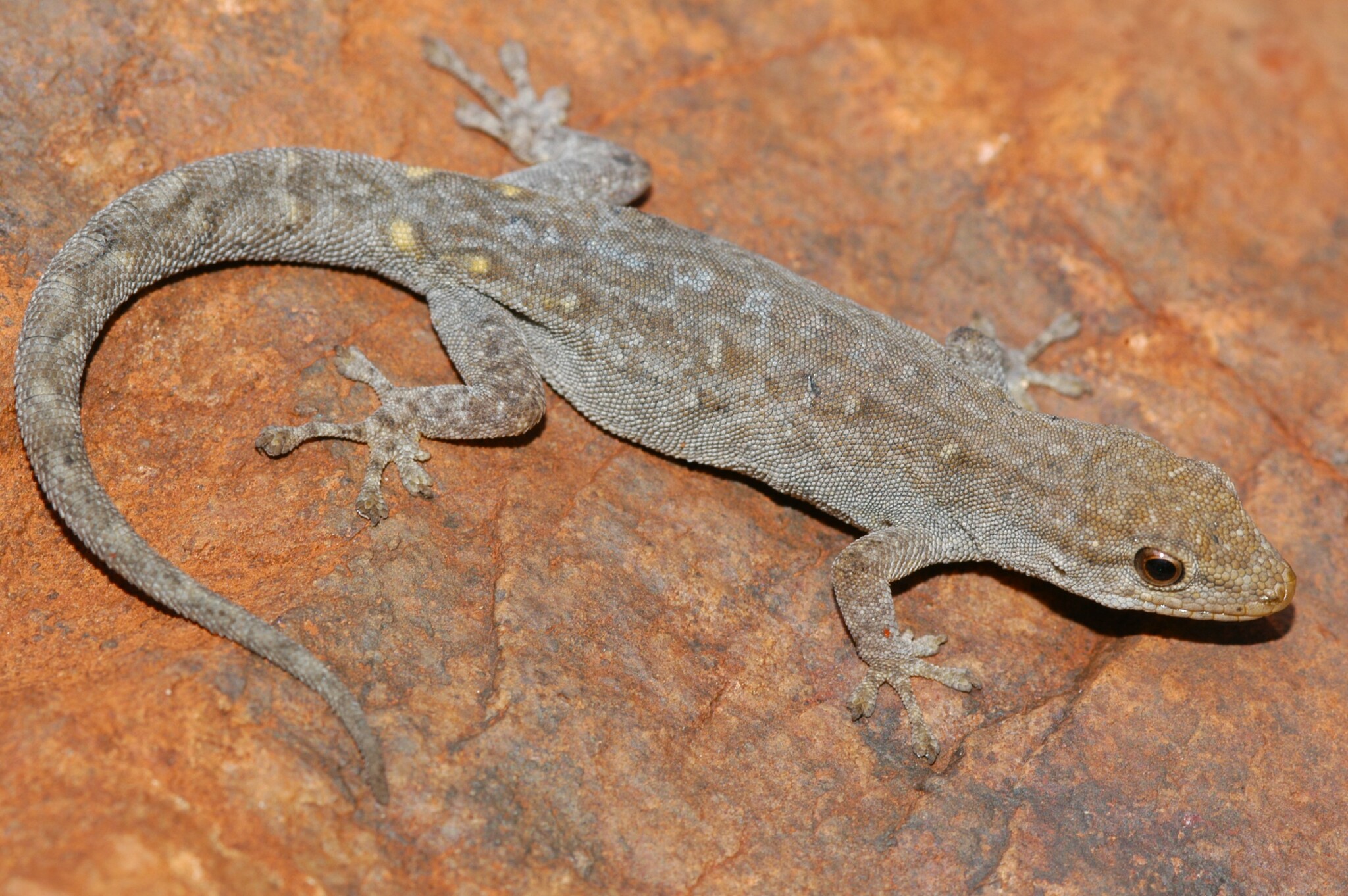
Jacobsen (1992) described this species as follows: Holotype: TM 58961, male, SVL 32,5 mm; tail 34,5; mass 0.9 g. Lepidosis. Head well developed, distinct from neck. Snout covered with heterogenous rounded granular scales, smaller on the crown of the head and down the middle of the snout becoming larger dorsolaterally and laterally; canthus rostralis poorly developed. Nostril oval and slightly oblique, surrounded by the rostral, first upper labial, an enlarged nasorostral and two granular scales. Two scales posterior to nasorostral larger than the surrounding scales. Two granular scales separate the nasorostral behind rostral. Upper labials seven. Palpebral spines 12 from anterior of eye to dorsum of eye. Mental slightly wider than deep, roughly heptagonal; postmentals three (two large, separated by one small); infralabials seven. Ventrally scales very slightly overlapping; four rows of glandular scales under under thighs; precloacal pores 9, arranged in a forward directed V with four rows of scales anterior to cloaca. Four pairs of adhesive lamellae under 4th toe and 11 non-adhesive enlarged subdigital scales; digits terminate in claws with three subdigital scales anterior to claw. Caudal scales in obscure whorls, with seven scale rows per verticil dorsally and four ventrally. Tail regenerating. Subcaudal scales smooth and overlapping, proximally in a median series of 2,1,1,2,1,1. Color: Greyish-brown to brownish-grey dorsally and laterally, with a dorsolateral row of black spots and offwhite spots. Ventrally the holotype has grey speckling on the lower labials and on the gular while the grey from the sides intrudes ventrolaterally and irregular speckling also occurs ventrally. Lower abdomen, cloaca and subcaudals white without speckling, becoming grey distally. Paratypes. Lepidosis: TM 58953 and 58957 have a single granule separating the nasorostral, whole the other paratypes have two as in the holotype. TM 58962 has 10 eyelid spines, with respect to the upper labials TM 58953 and TM 58962 differ in having nine and eight respectively. Postmentals mostly two with the exception of TM 58953 and 58960 which have an additional granule, while TM 58957 has three. Color: similar to holotype with dorsolateral spots variable in number and clarity.
This information was extracted from Jacobsen (1992): Lygodactylus nigropunctatus differs from L. ocellatus in being primarily a larger gecko. Precloacal pores range from 7-11 in males. A different color pattern with the total lack of typical ocellatus ocelli is noteworthy, coupled with the row of dorsolateral black spots on each side which characterize the species.
Type locality: Farm Dientjie 53KT (24°38’S, 30°47’E), Pilgrims Rest district, Transvaal (now Mpumalanga Province). Holotype: DNMNH (= TM) 58961; Paratypes: TM
This information was extracted from Tolley et al. (2023): The subspecies of L. nigropunctatus are now considered separate species (L. incognitus and L. montiscaeruli [Travers et al. 2014]). However, the apparently isolated subpopulation in North West province has not been investigated taxonomically. In addition, the range of L. methueni may overlap with that of L. nigropunctatus, and these two species can be difficult to distinguish from each other.
South Africa.
This species is widespread in southern Limpopo, northern Mpumalanga and northern Gauteng, with an isolated population in North-West Province (Jacobsen, 1992).
Lygodactylus geckos have two adhesive toe pads (scansors) on the bottom of their feet to enable them to grip onto smooth surfaces and facilitate climbing. The tail also has modified scales at the tip that serve as the fifth scansor (Branch, 1998).
Carnivore - Insectivore (insect-eating)
Dwarf Geckos feed on ants and termites and can often can be seen stationed next to their traits, picking off victims (Branch, 1998).
This gecko is oviparous, laying clutches of two egg during summer (Branch, 1998).
No data.
Savanna.
This map contains point-based occurrences at different locations
Occurrence in African countries and South African provinces. Residence status indicates if a taxon is indigenous, endemic, or alien in a specific region. This data is based on specimen records and literature.
FSA
SA
BOT
NAM
ESW
LES
WC
EC
NC
FS
GA
KZN
LP
MP
NW
Absent
Indigenous
Endemic
Naturalised
Invasive

Names and Sources
| Common Name | Language |
|---|---|
| Black-spotted Dwarf Gecko | EN |
Classification
KINGDOM Animalia
PHYLUM Chordata
CLASS Reptilia
ORDER Squamata
FAMILY Gekkonidae
GENUS Lygodactylus
SPECIES nigropunctatus
No results found for Lygodactylus nigropunctatus Jacobsen, 1992
No data.
19 results for Lygodactylus nigropunctatus Jacobsen, 1992
This map contains point-based occurrences at different locations
1992
JOURNAL ARTICLE
New Lygodactylus taxa (Reptilia: Gekkonidae) from the TransvaalJacobsen, N.. 1992. New Lygodactylus taxa (Reptilia: Gekkonidae) from the Transvaal Vol. 43(4). Transvaal. pp.527- 542.
1998
BOOK
Field Guide to Snakes and Other Reptiles of Southern AfricaBranch, B.. 1998. Field Guide to Snakes and Other Reptiles of Southern Africa. Cape Town. Struik Publishers.
2023
BOOK
Conservation status of the reptiles of South Africa, Eswatini and LesothoTolley, K., Burger, M., Alexander, G., Pietersen, D., Conradie, W., Weeber, J.. 2023. Conservation status of the reptiles of South Africa, Eswatini and Lesotho Vol. Suricata 10. Pretoria. South African National Biodiversity Institute.
Status and criteria
LC
Assessor(s)
Michael Bates
Contributors
Josh Weeber
Reviewer(s)
Adrian Armstrong


