ANIMALIA / ARTHROPODA / INSECTA / ORTHOPTERA / ACRIDIDAE / SCINTHARISTA / MAGNIFICA
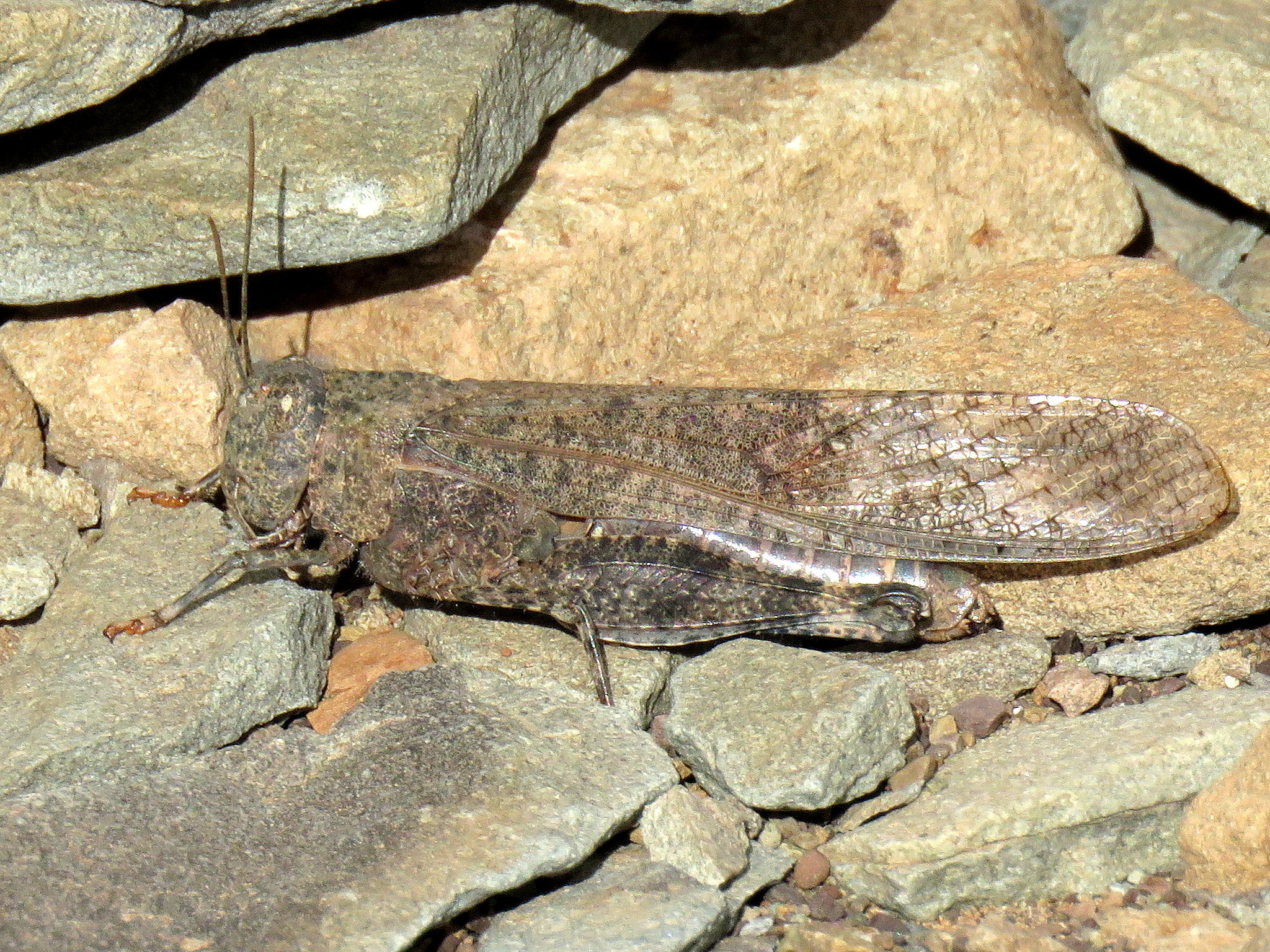
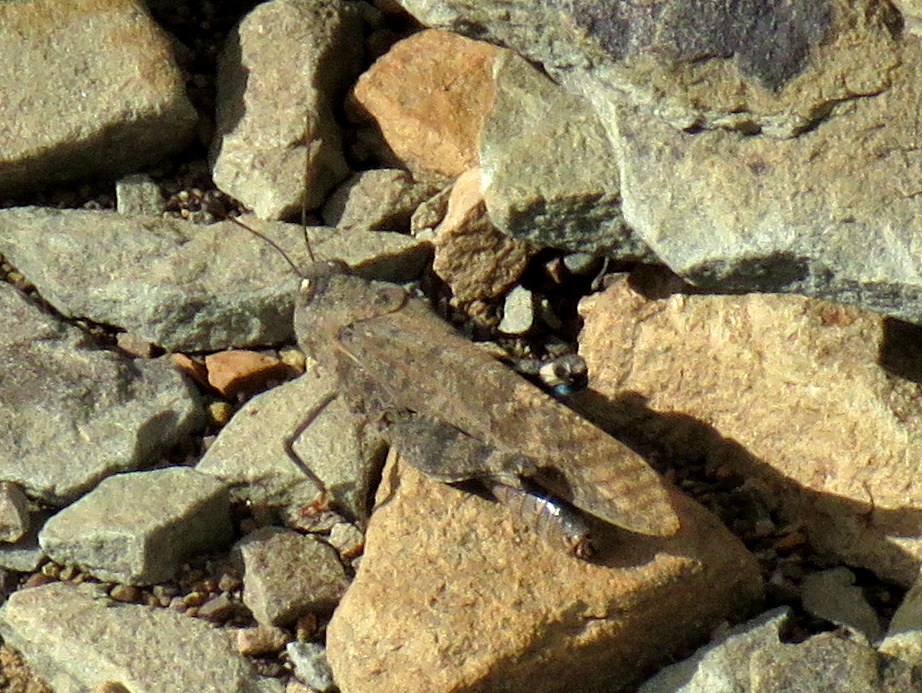
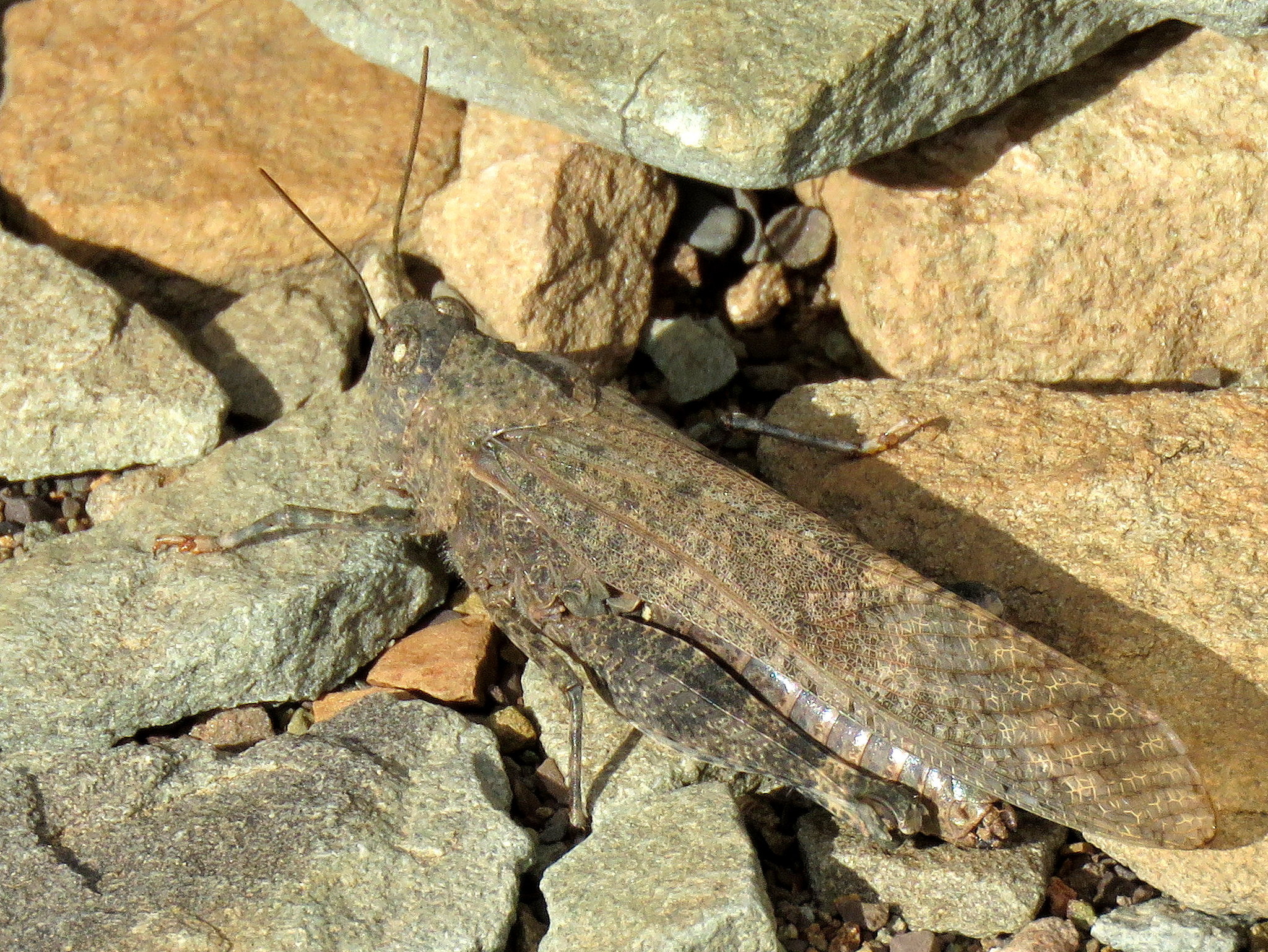
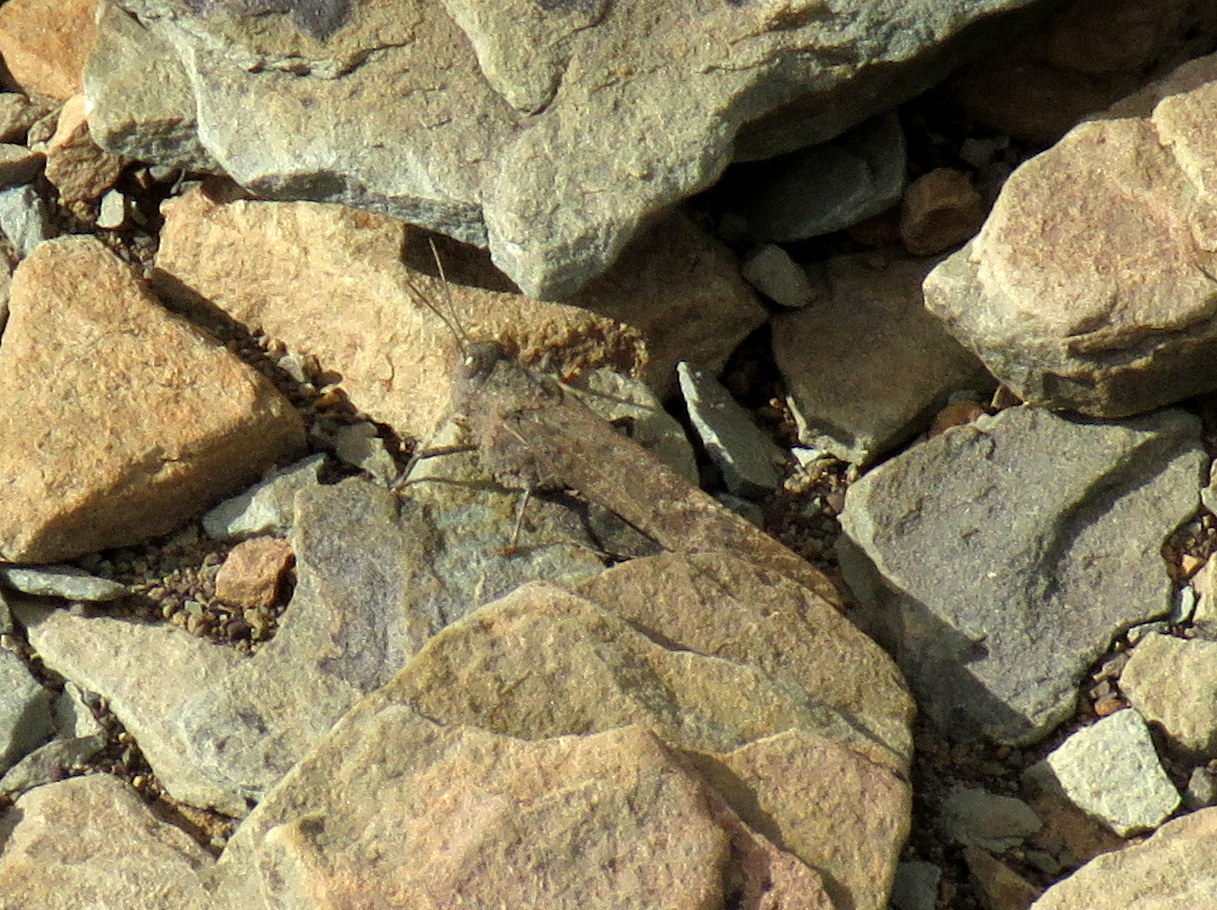
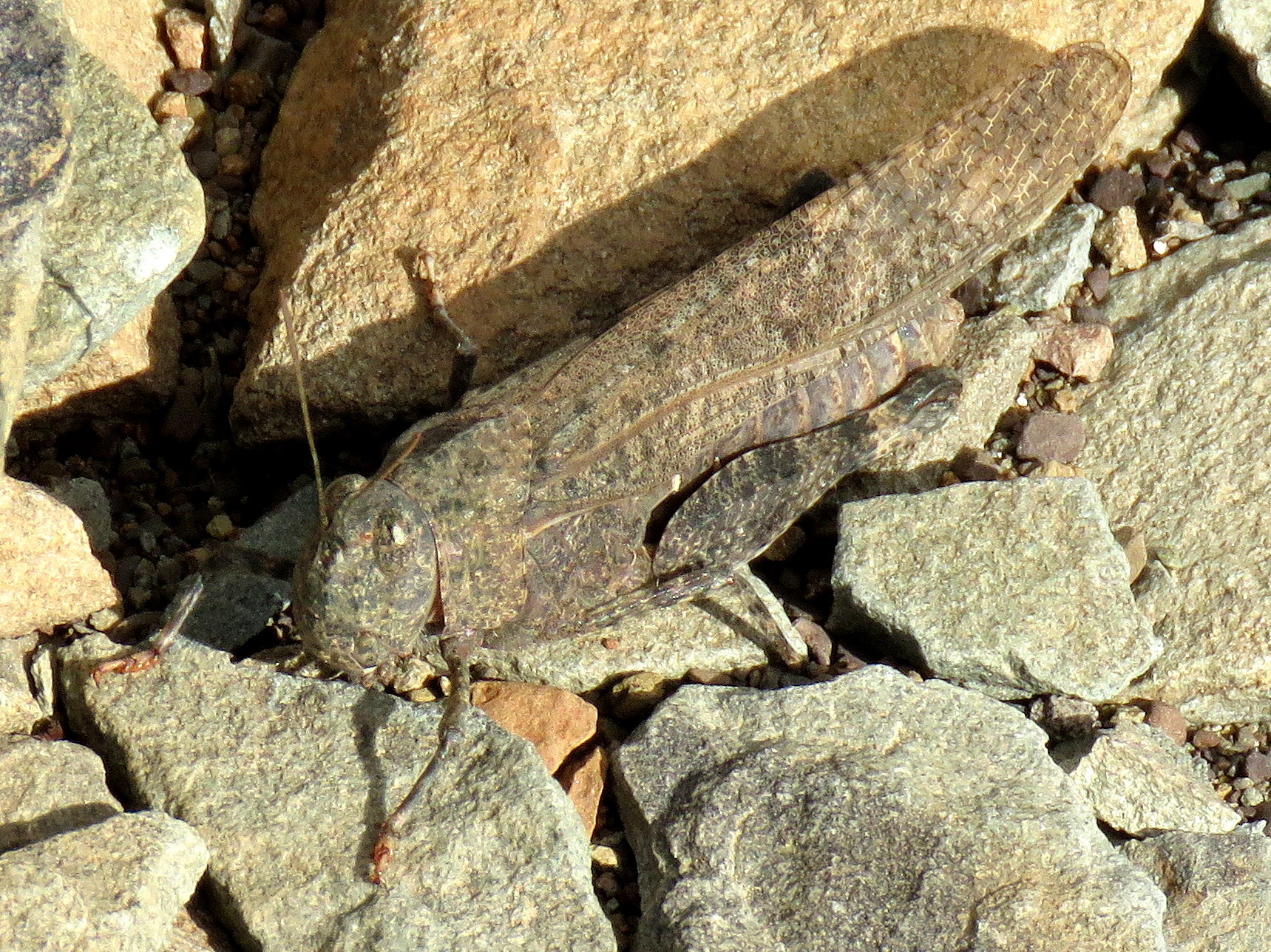
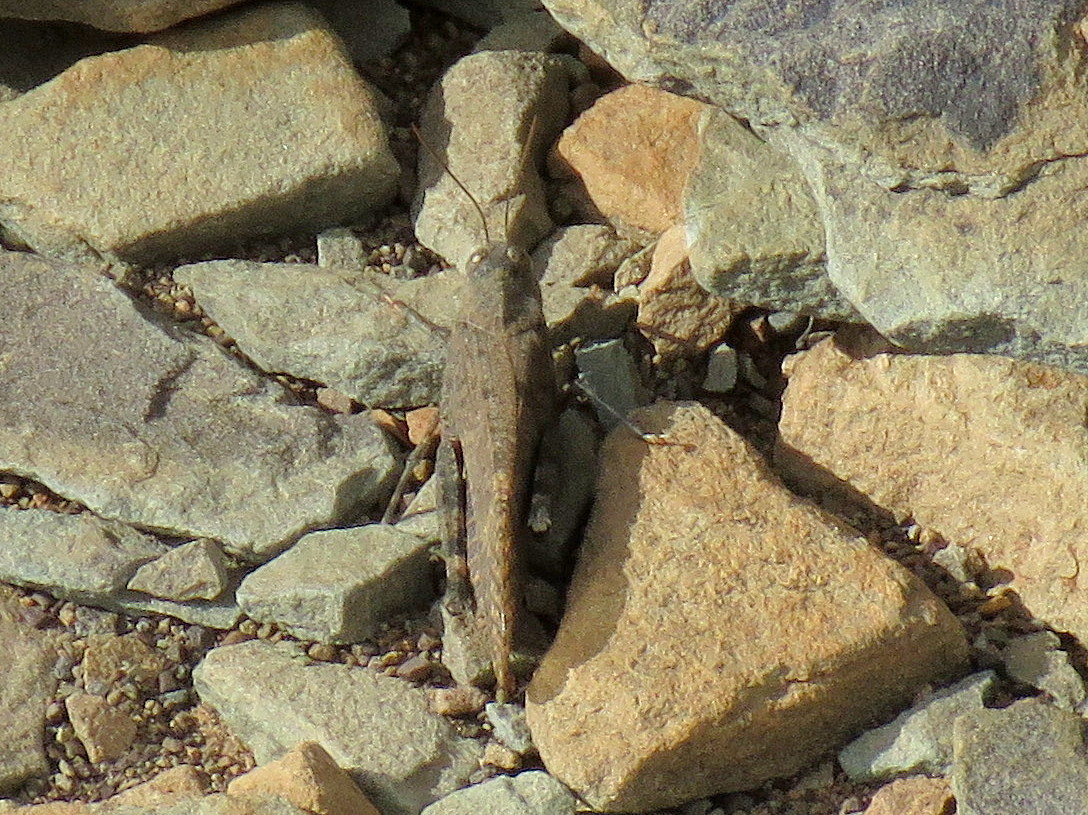
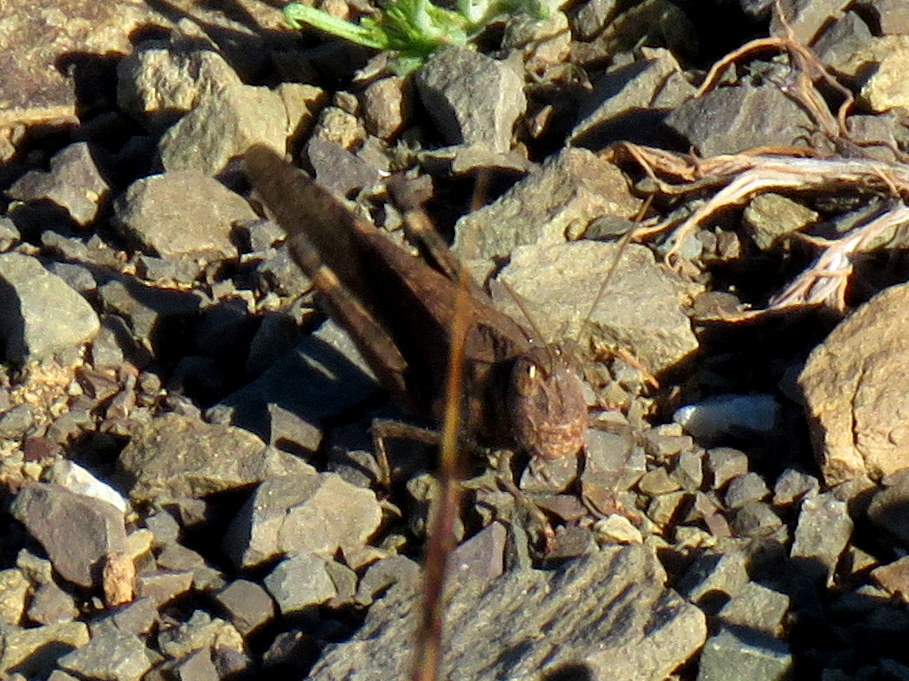
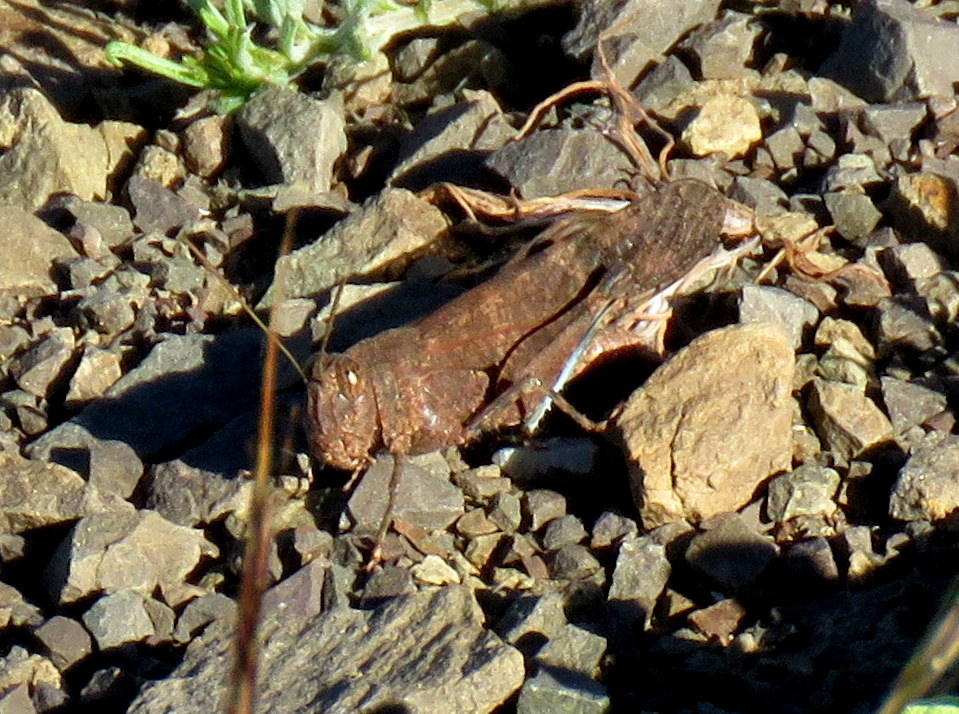
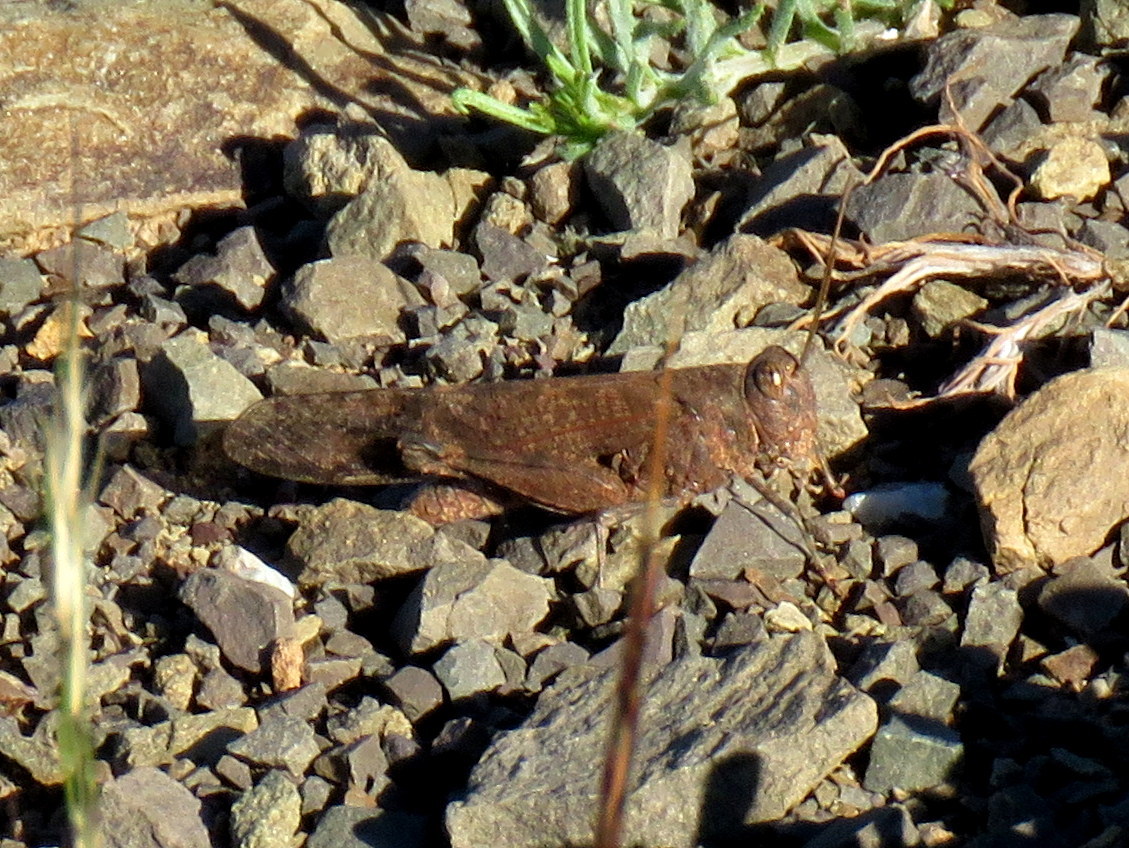
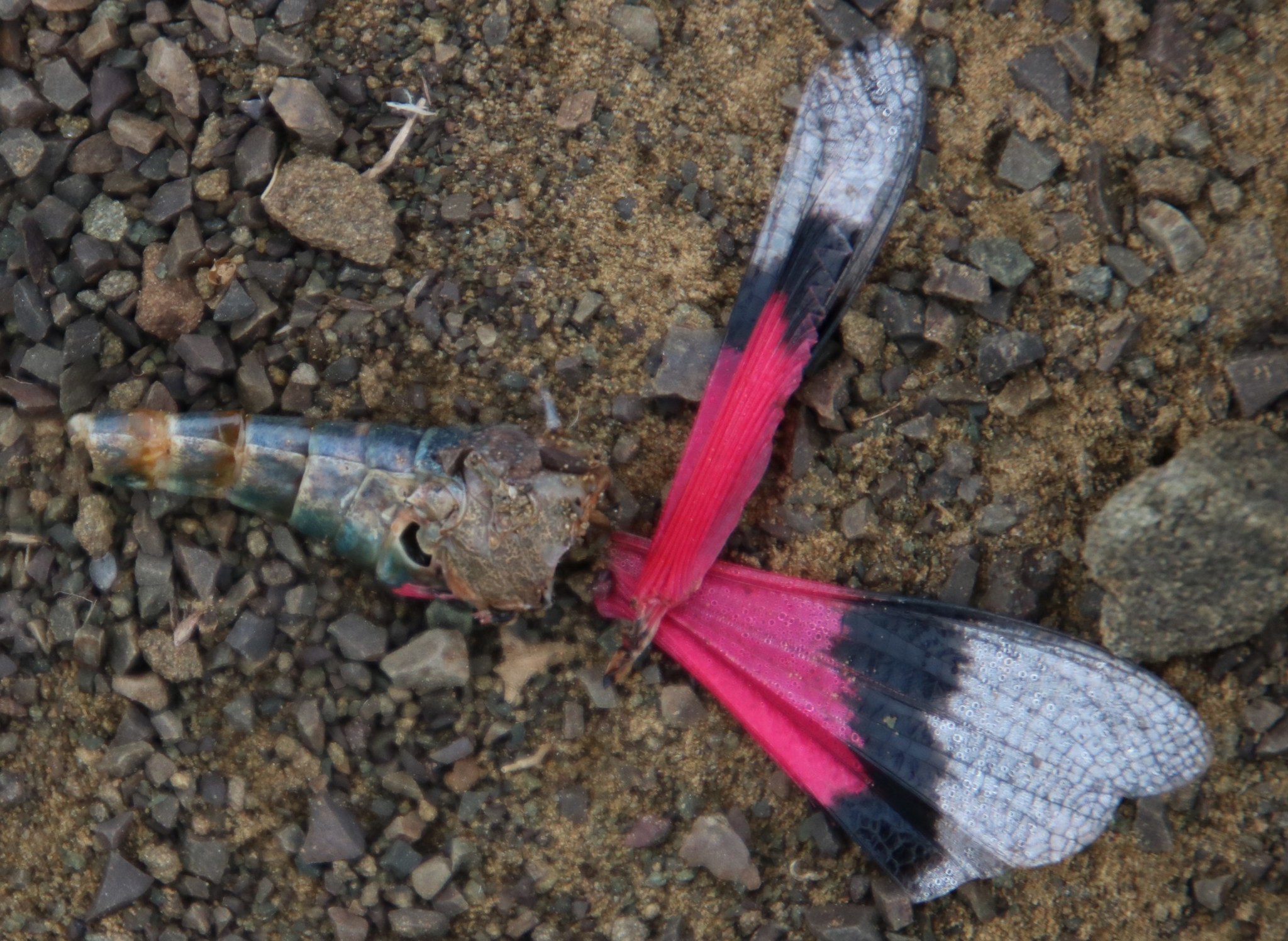
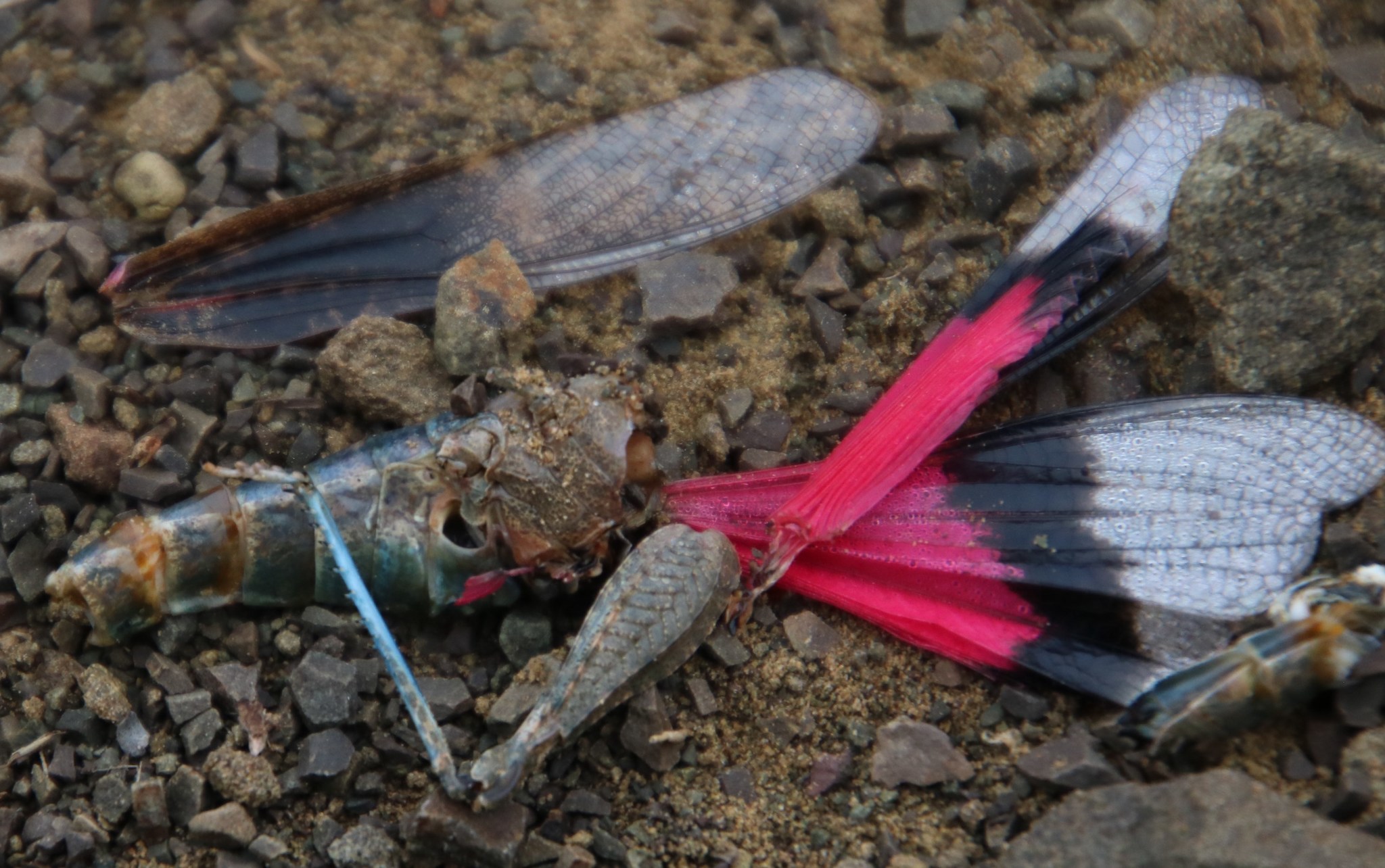
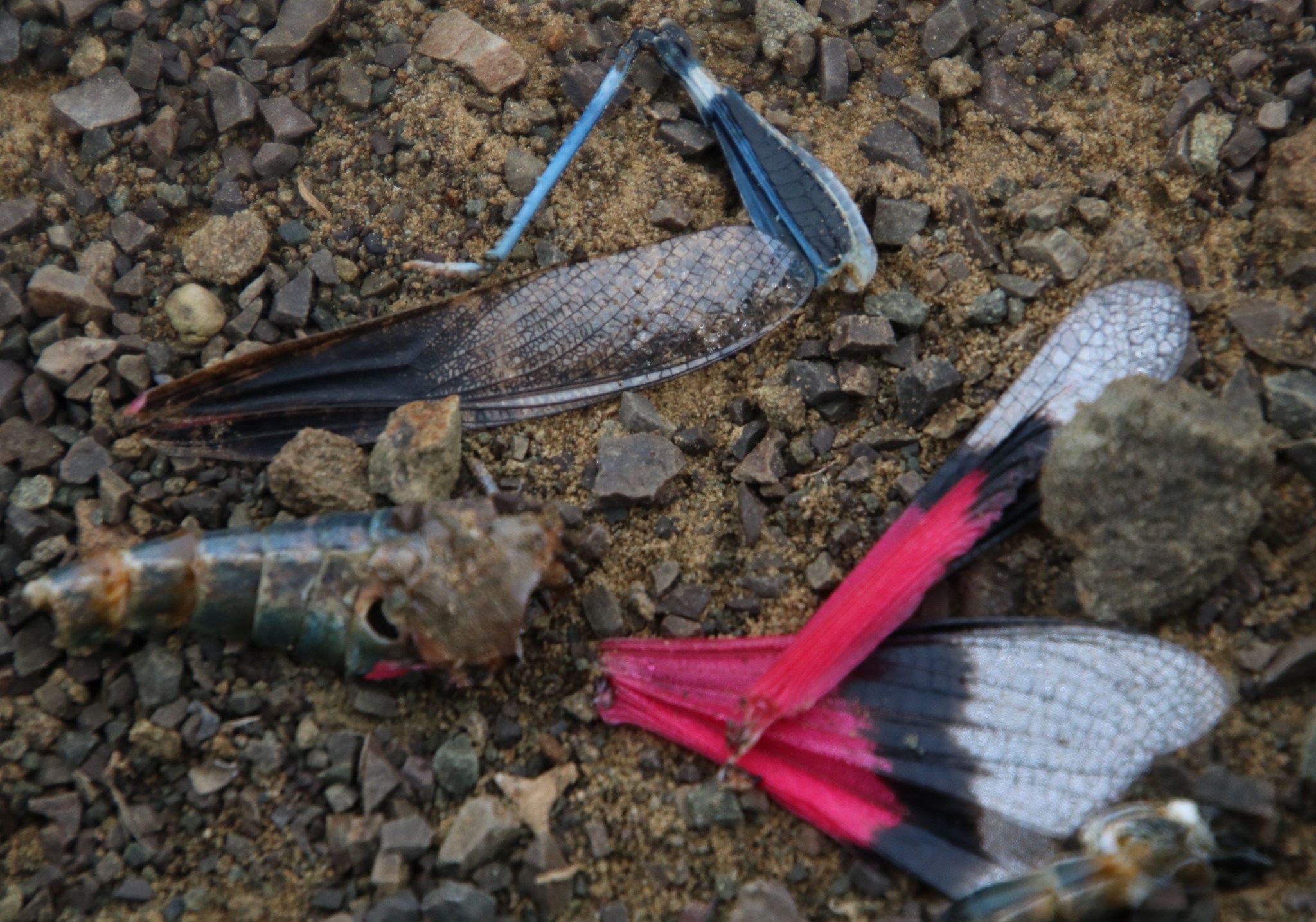
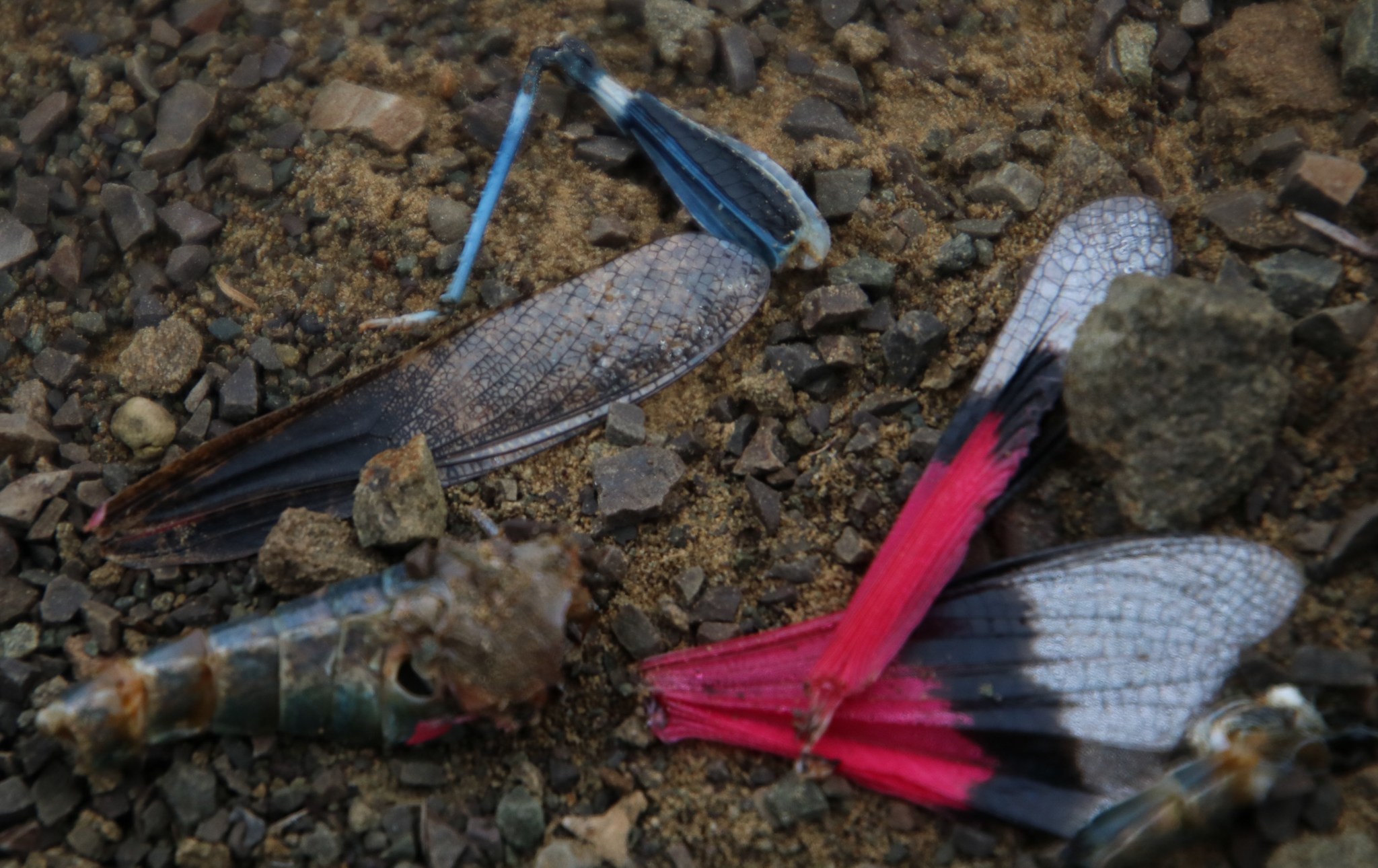
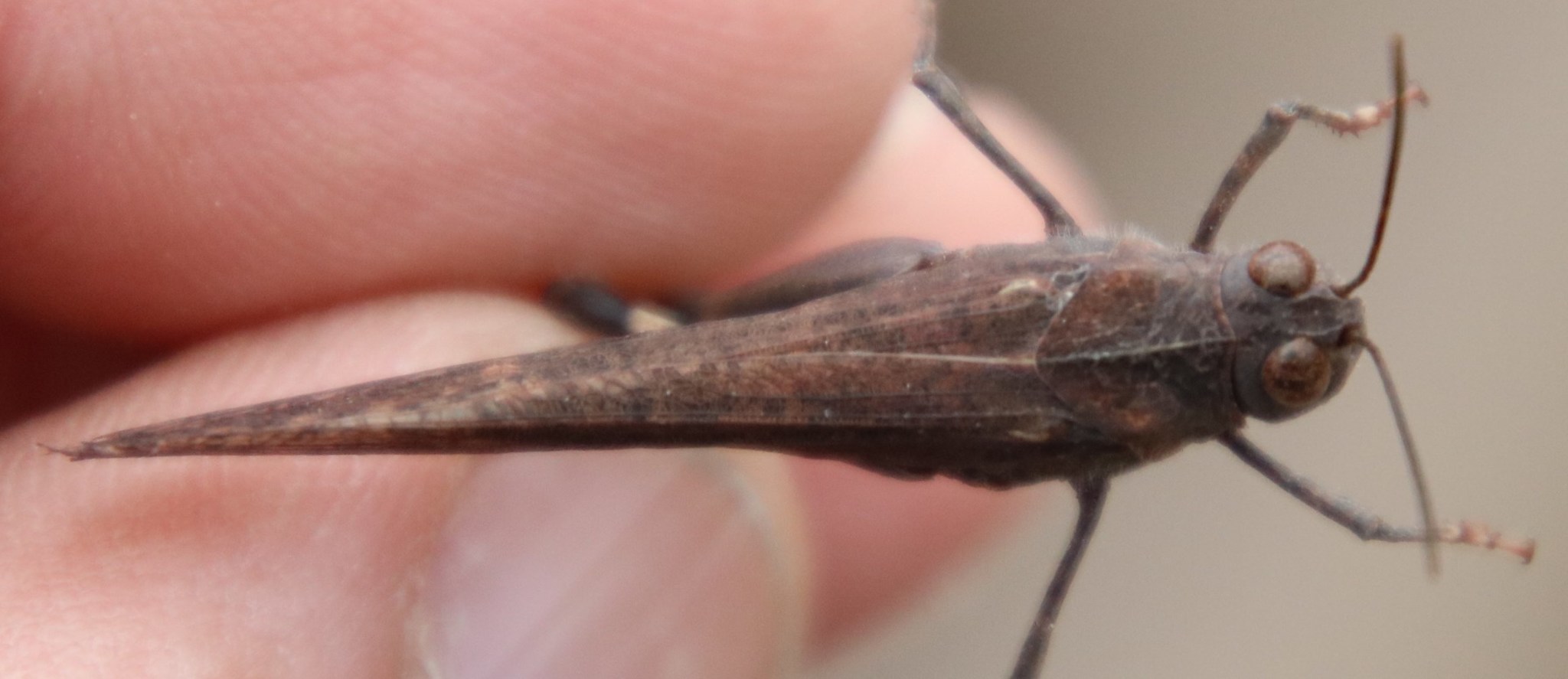
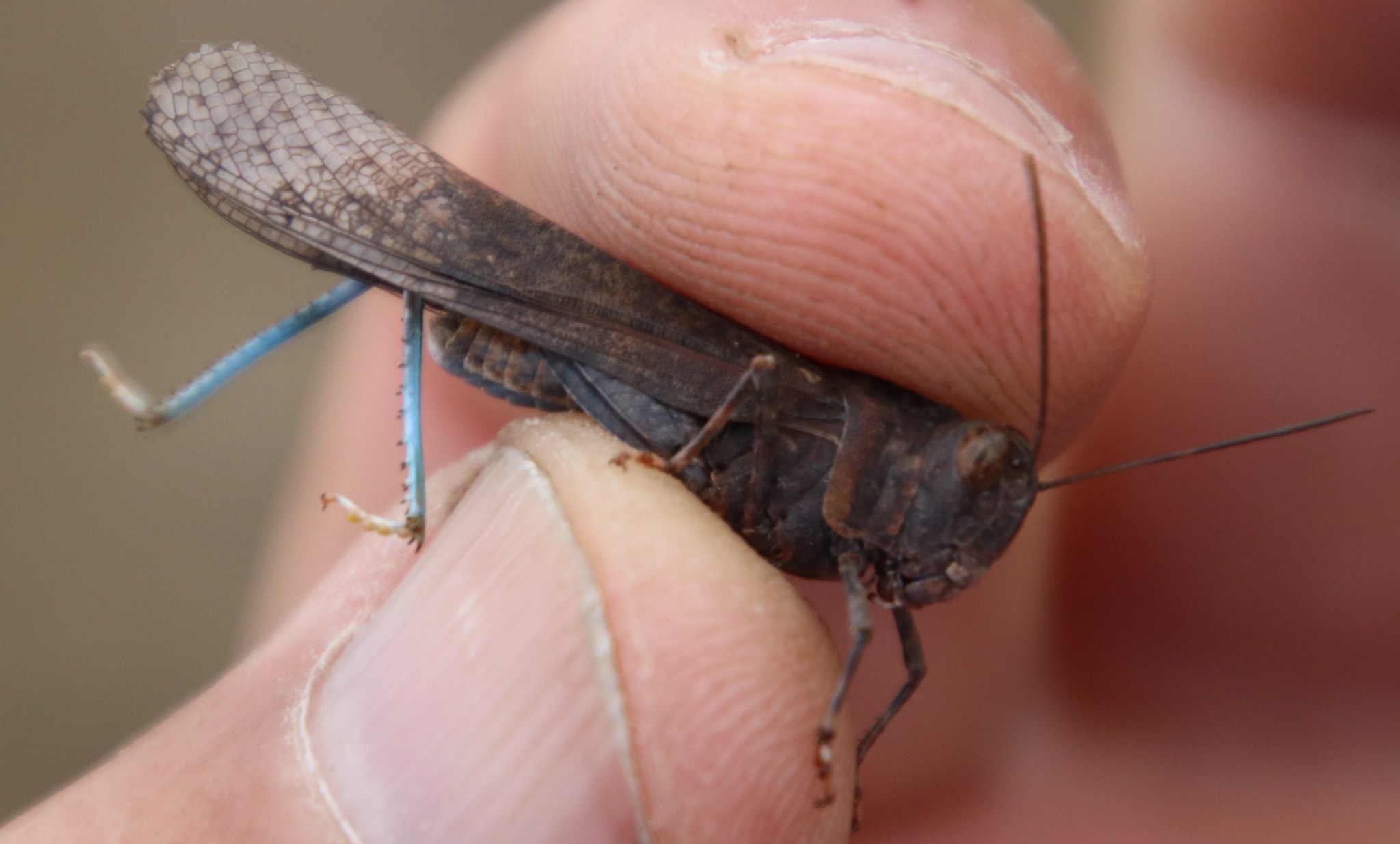
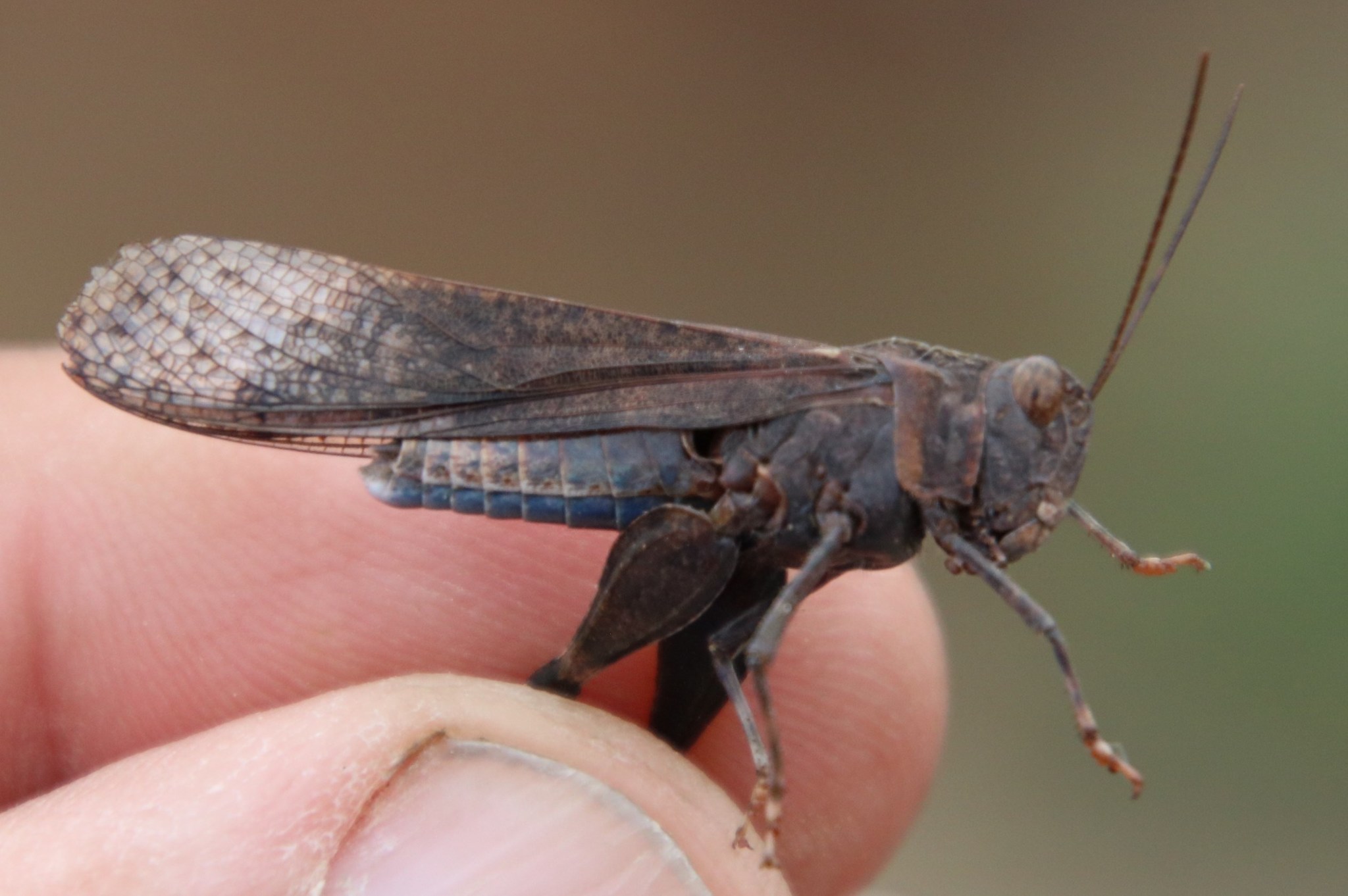
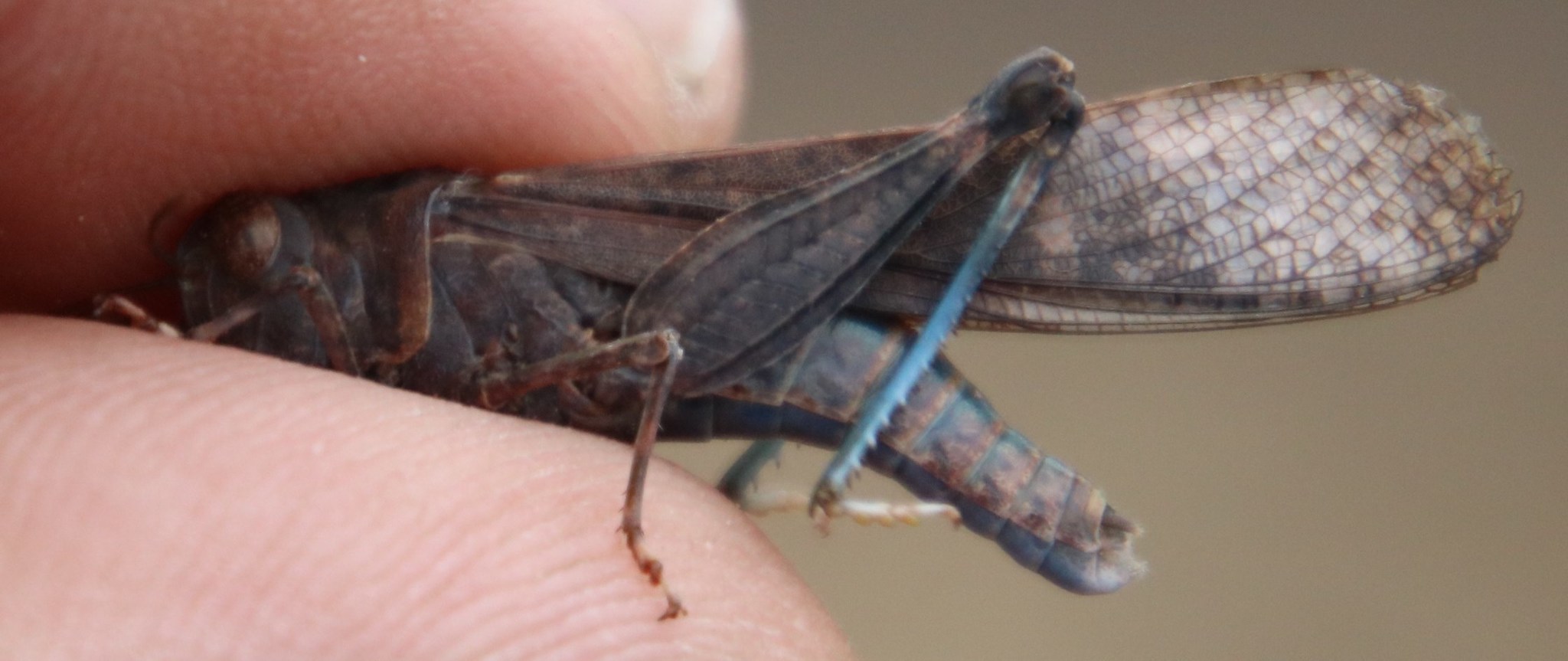
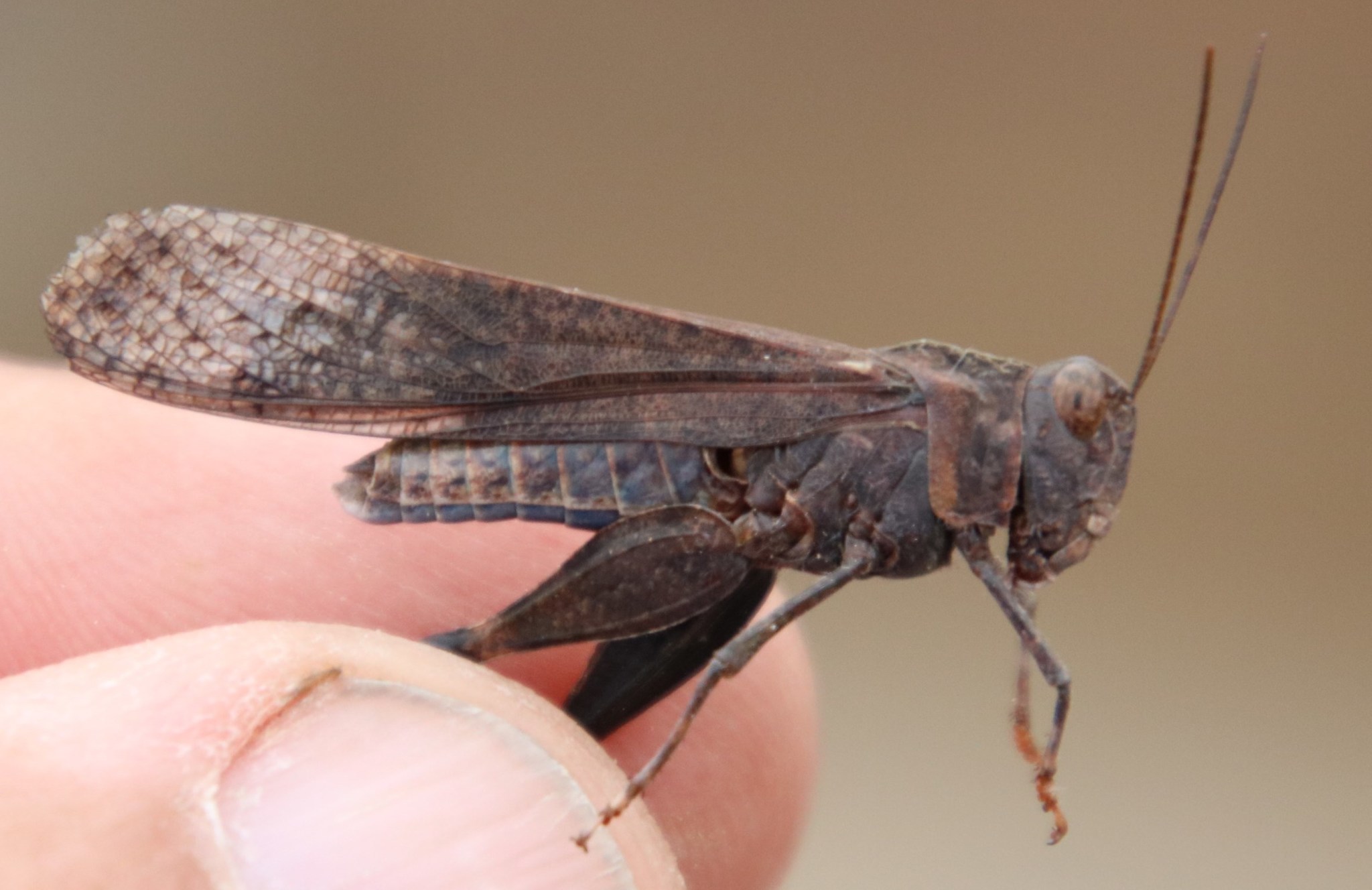
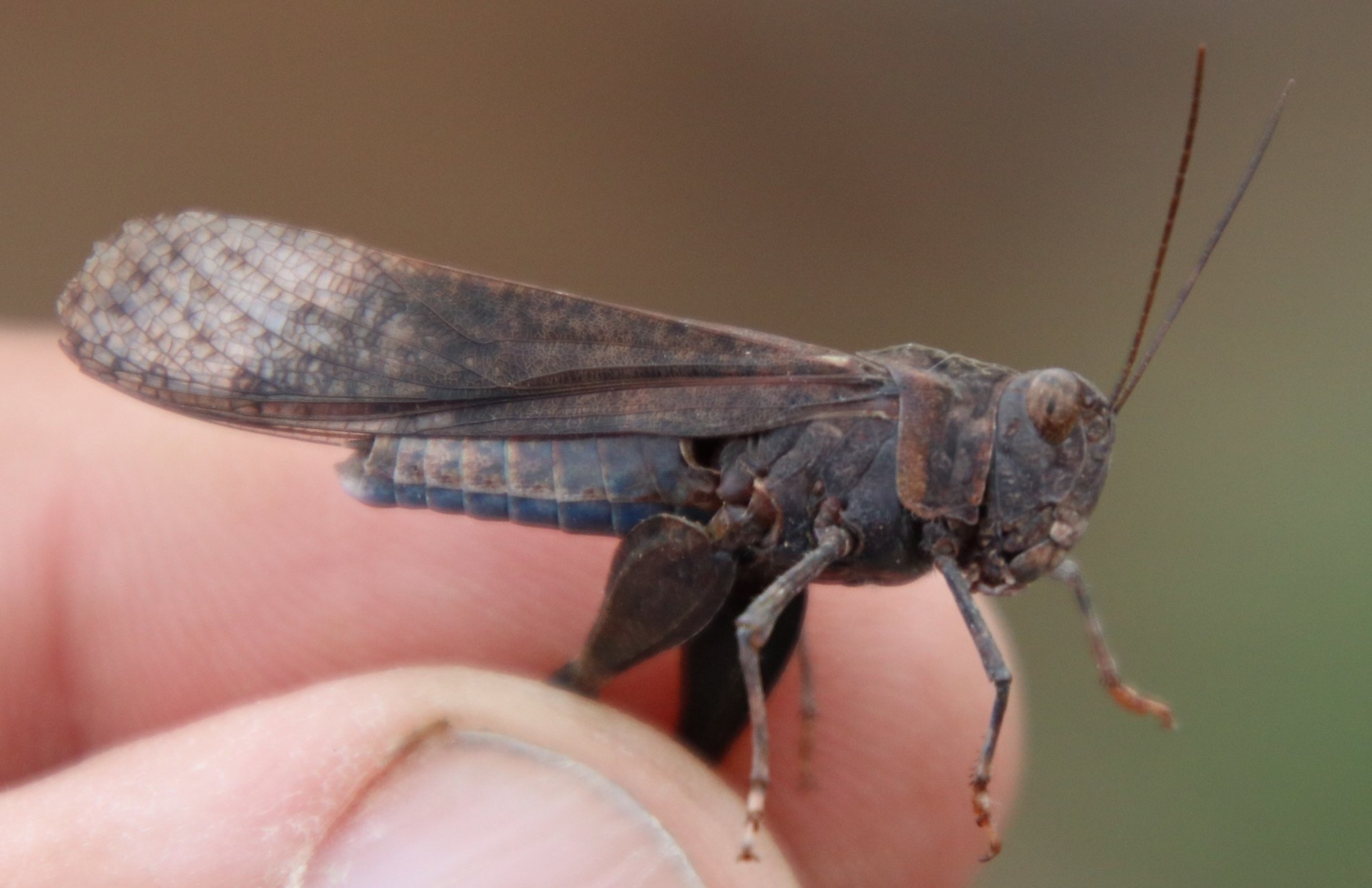
This information was extracted from Uvarov (1922): Female: A little smaller and distinctly more slender than S. notabilis, Walk.; much like S. forbesi, Burr. Antennae thin, extending a little beyond the hind margin of the pronotum. Face vertical; frontal ridge shallowly impressed below the ocellus, with the margins very feebly raised, slightly approximate at the fastigium, gradually diverging between the antennae, slightly but rather suddenly convergent just before the ocellus, parallel below the latter down to the middle of the distance between the ocellus and clypeus, where they become distinctly divergent and lowered, disappearing without reaching the clypeus. Temporal foveolae small, triangular, not well-defined. Fastigium of the vertex sloping, slightly narrowed anteriorly and posteriorly, feebly impressed, distinctly longer than broad, with a faint indication of a median carinula between the eyes; the distance between the eyes exceeds only a little the width of the frontal ridge between the antennae. Eyes very feebly oblique, rather small, their height subequal to two-thirds of the subocular space. Occiput slightly uneven. Pronotum distinctly compressed laterally, but scarcely constricted in the prozona; its disc decidedly tectiform, with the median keel sharp, in profile slightly arched, deeply intersected by the transverse sulcus, which is placed distinctly before the middle; surface of the prozona cut by the rather deeply impressed sulci and rugulose between them; the fore margin obtusangularly produced; the hind angle a little less than 90°, scarcely rounded at the apex; lateral lobes nearly twice as high as they are high, with deep transverse sulci, shallowly impressed between them, punctured in the metazona; their lower margin widely rounded behind the middle, with the fore portion obliquely ascending and forming an obtuse, not rounded, angle with tiie fore margin; hind angle widely rounded; hind margin straight, vertical. Mesosternal lobes transverse, with the interspace at its fore margin narrower than one of the lobes, but strongly widened posteriorly. Metasternal interspace subequal in its width to the mesosternal; about twice as broad as long. Elytra reaching well beyond the middle of hind tibiae; the whole basal half entirely coriaceous; the basal part of the apical portion is also densely reticulated, subcoriaceous; the branches of the radial vein more strongly curved than in S. notabilis. Wings more than one and a half times as long as their maximal width. Hind femora comparatively short. General colouration greyish is ochraceous with indefinite brown marmoration and punctation. Face somewhat whitish. Elytra without definite spots or fasciae; their basal half from beneath is deep shining chocolate-brown, with the radial and axillary veins ochraceous. Wings with the disc dark rose; a black fascia starts at the middle of the fore margin and perpendicularly to the latter, right across the wing to the hind margin, which it reaches a little behind its middle; there the fascia turns along the hind margin, gradually narrowing and fading away, and does not reach the inner margin; the width of the fascia is variable because its margins are very irregular; the apical part of the wing is entirely hyaline, with dark veins. Pectus and abdomen from beneath bluish. Hind femora indistinctly marmorated with brown on the upper side; the externomedian area somewhat whitish, with brownish oblique sulci and a row of oblong brown spots along the lower carina; the inside is bluish black with a pale preapical ring; the lower inner sulcus blackish blue; the inner knee-lobes black; the knee from above bluish brown. Hind tibiae greyish blue, with an indefinite pale ring near the base. Hind tarsi pale. Measurements: Length of the body ♀ 35 ♂27; pronotum ♀8 , ♂5.5; elytra ♀ 38, ♂28.5; hind femora ♀19, ♂13".
Scintharista magnifica is closely related to S. forbesi Burr, from Sokotra, but easily distinguished from it by the reticulation of the elytra, apart from the colouration of the wings (Uvarov 1922).
Type material from Uvarov (1922) - female type and a male paratype from Laingsburg, Western Cape, 3 Oct. 1917; one male from Spitzkop, Barkly West, Northern Cape, 15 Dec. 1917; one male from Beaufort West, 25 Apr. 1917; and one female from Deelfontein (Col. Sloggetti).
Scintharista magnifica is found in South Africa and Namibia (Naran & Bazelet 2013).
In South Africa, this species is known to occur in the Western Cape, Eastern Cape and Northern Cape (Naran & Bazelet 2013).
Grasshoppers usually move by walking or jumping, but most adults fly, often exposing brightly coloured hindwings. Their adaptations for movement include the forewings (called tegmina) which are thickened and with numerous veins; the hindwings also contain many veins but are membranous, fan-like, and folded when in repose. Most orthopterans display hind legs enlarged and adapted for jumping (Gibb & Oseto 2006).
Orthopterans have well-developed mandibles and their mouthparts are adapted for chewing. They are mainly herbivorous, favouring a range of grasses and often consuming more even than antelope and cattle (up to 130 kg of grass yearly per hectare) (Gibb & Oseto 2006; Picker et al. 2012).
Females in orthopterans have the egg-laying tube which is short and usually concealed, as are the male genitalia, and the abdomen in males always turns up at the end. Eggs are laid in groups in soil and mixed with a frothy substance that hardens to form the egg pod (Picker et al. 2012).
This map contains point-based occurrences at different locations
Occurrence in African countries and South African provinces. Residence status indicates if a taxon is indigenous, endemic, or alien in a specific region. This data is based on specimen records and literature.
FSA
SA
BOT
NAM
ESW
LES
WC
EC
NC
FS
GA
KZN
LP
MP
NW
Absent
Indigenous
Endemic
Naturalised
Invasive
Names and Sources
No known common names.
Classification
KINGDOM Animalia
PHYLUM Arthropoda
CLASS Insecta
ORDER Orthoptera
FAMILY Acrididae
GENUS Scintharista
SPECIES magnifica
No results found for Scintharista magnifica Uvarov, 1922
Unknown
12 results for Scintharista magnifica Uvarov, 1922
This map contains point-based occurrences at different locations
1941
JOURNAL ARTICLE
Notes on some common Karroo grasshoppersReynecke, AL. 1941. Notes on some common Karroo grasshoppers Vol. 4 pp.197–205.
1870
JOURNAL ARTICLE
"On a new species of roller (Coracias) from the Zambesi".TRIMEN, R.. 1870. "On a new species of roller (Coracias) from the Zambesi". Vol. 29(5). London. pp.238.
2013
WEB ARTICLE
Checklist of South African OrthopteraBazelet, CS, Naran, D. 2013. Checklist of South African Orthoptera Vol. . Pretoria. South African National Biodiversity Insitute.
2006
BOOK
Arthropod collection and identification laboratory and field techniquesGibb, Timothy, Oseto, Christian. 2006. Arthropod collection and identification laboratory and field techniques. Academic Press.
1922
JOURNAL ARTICLE
VI.—On some new or little-known South African grasshoppersUvarov, BP. 1922. VI.—On some new or little-known South African grasshoppers Vol. 9 pp.99–113.