
PLANTAE / PHANEROGAMAE / ANTHOPHYTA / SAXIFRAGALES / CRASSULACEAE / CRASSULOIDEAE / CRASSULA / BARKLYI

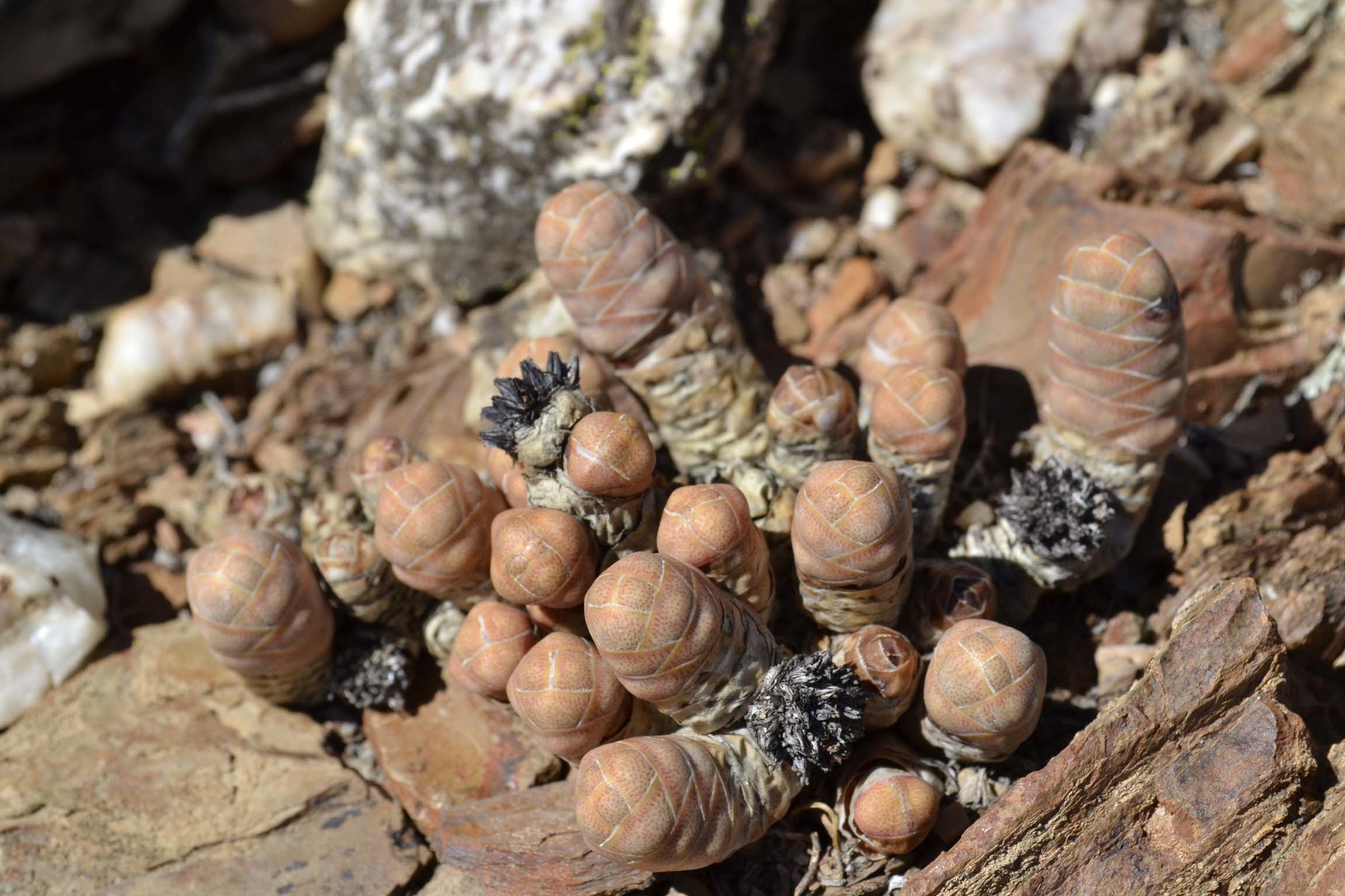
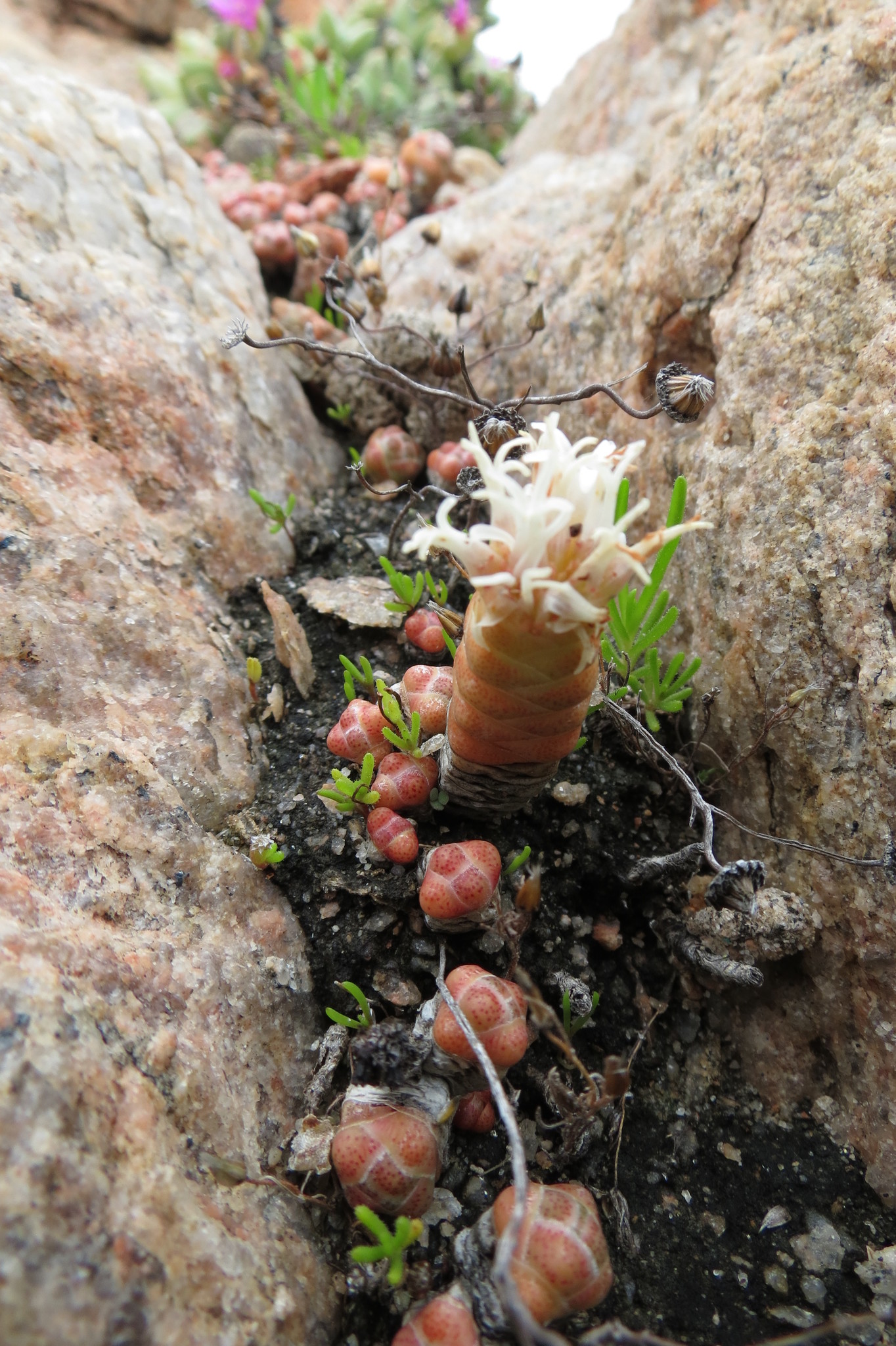
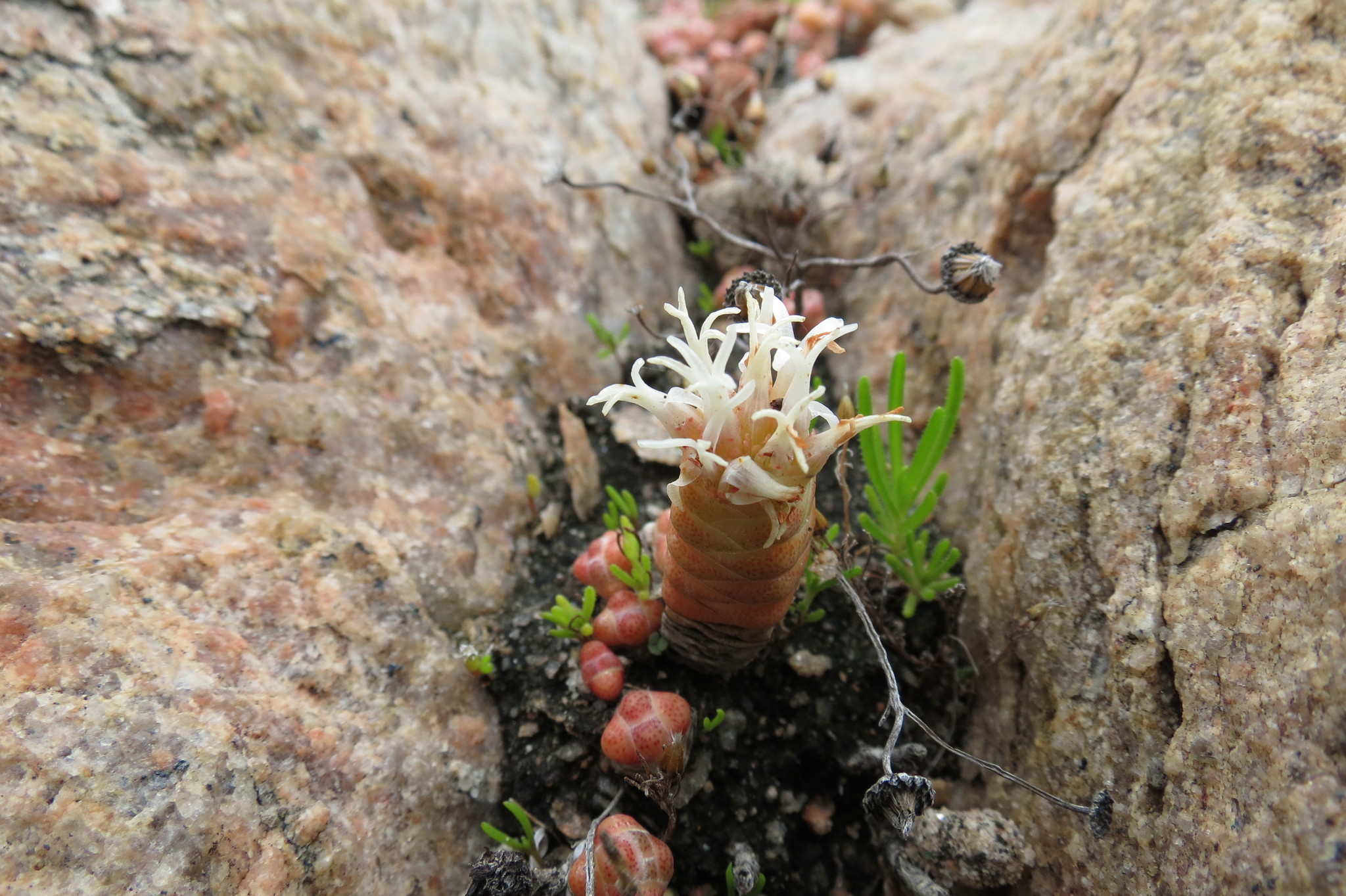
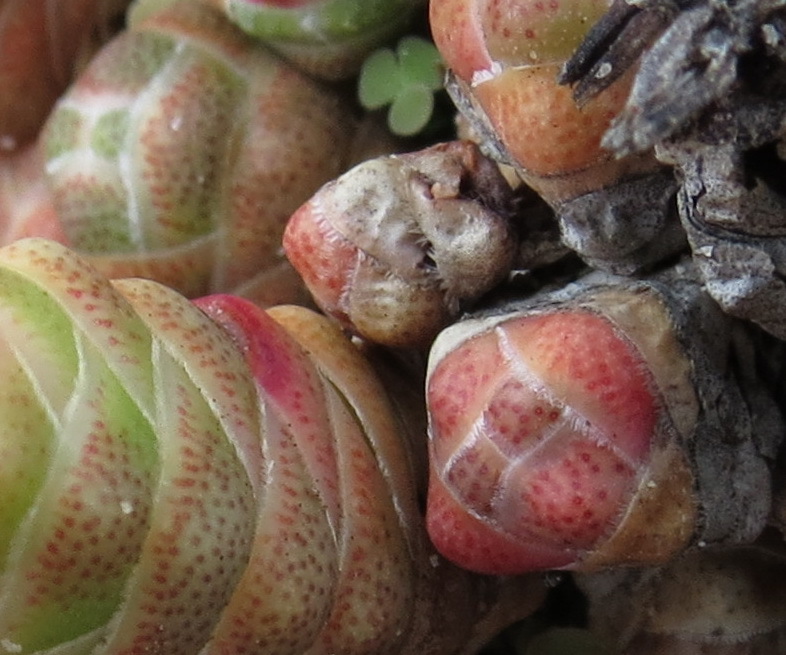
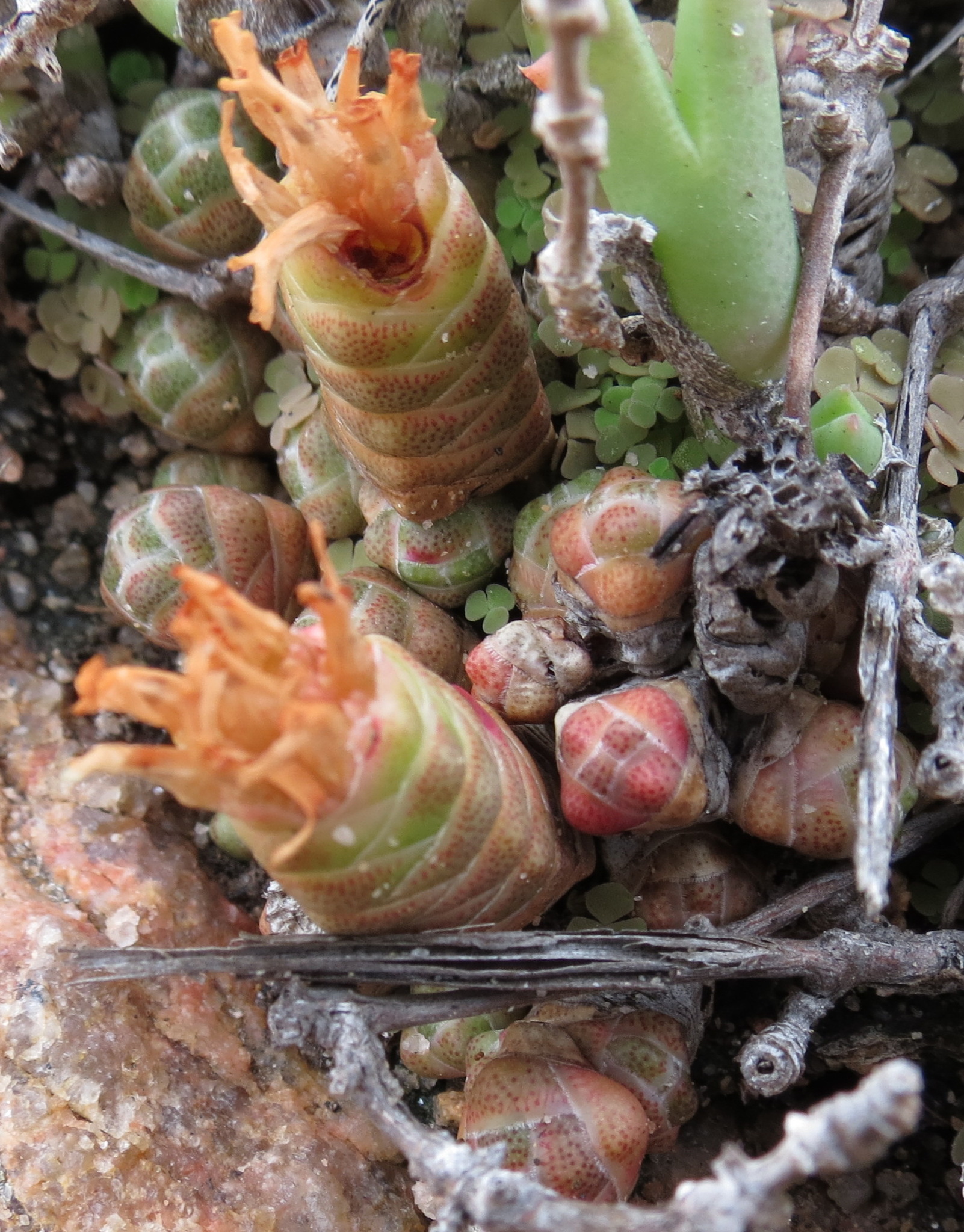
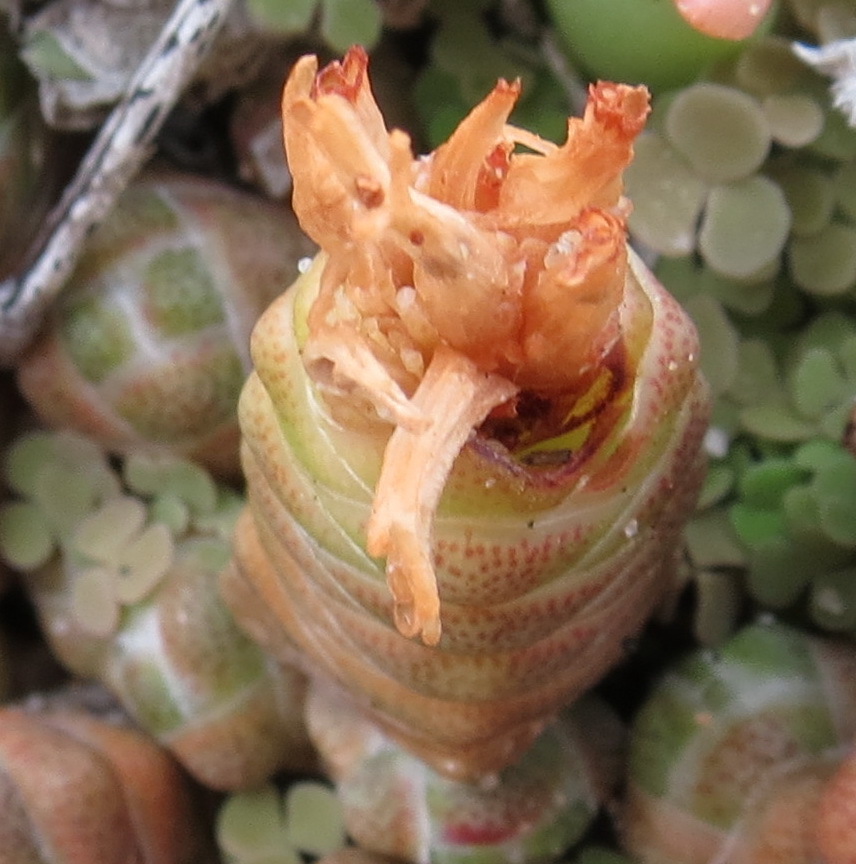
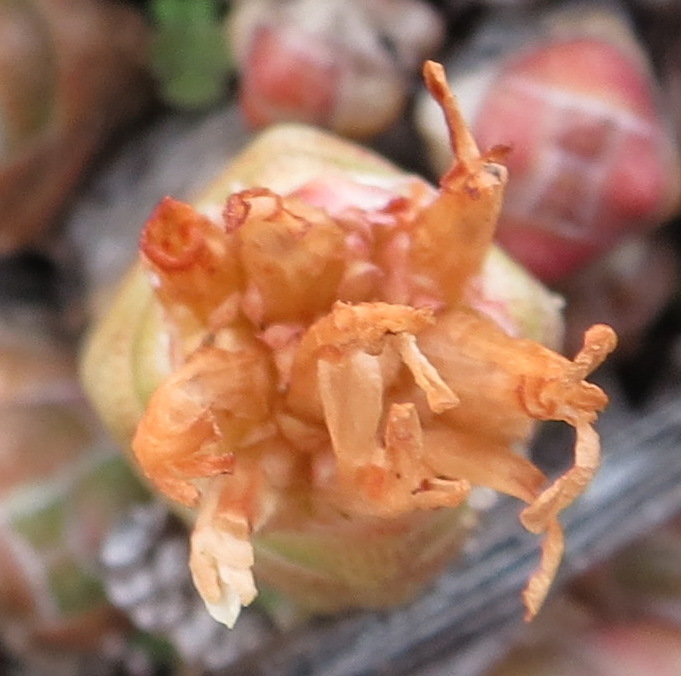
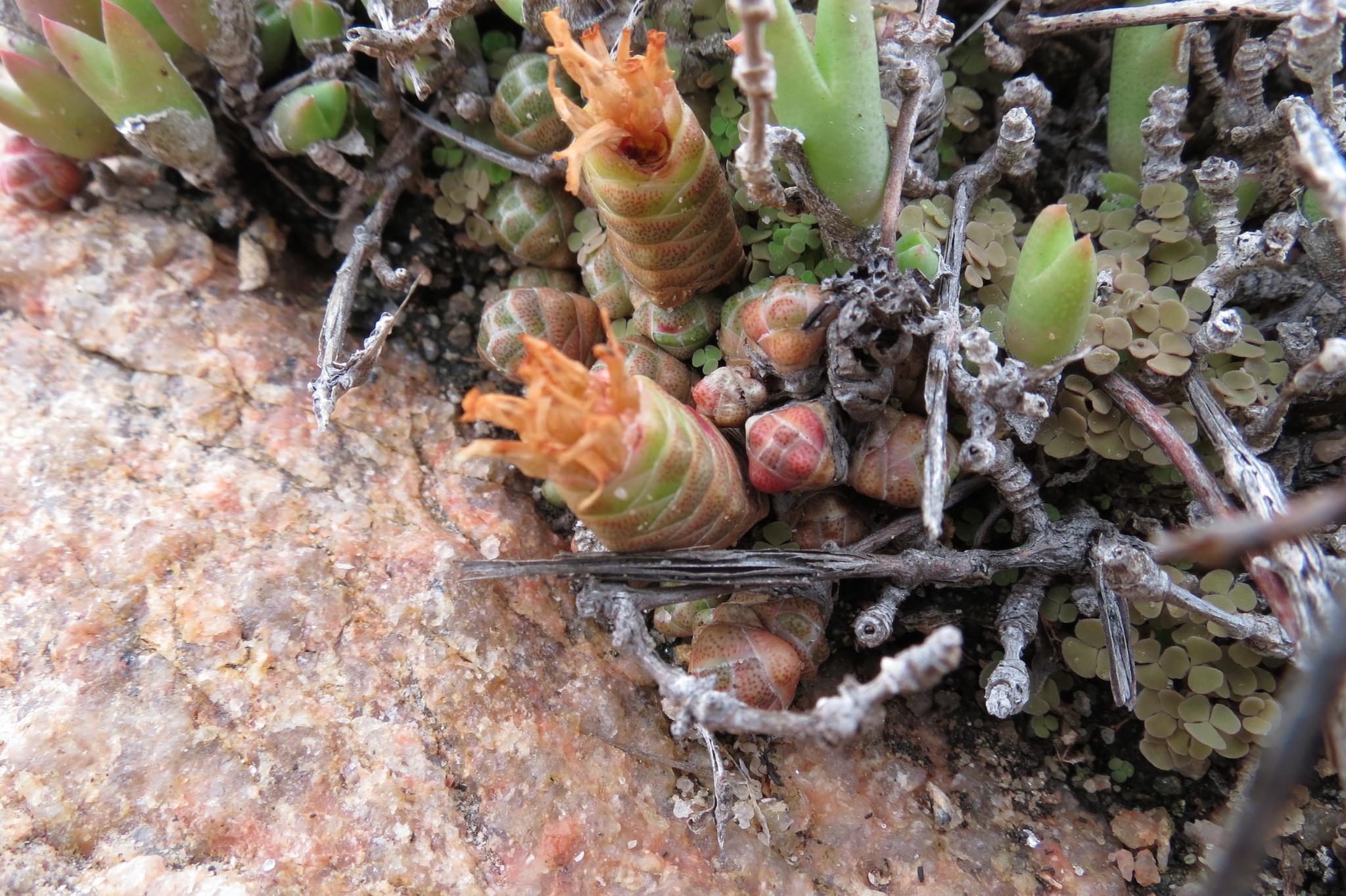
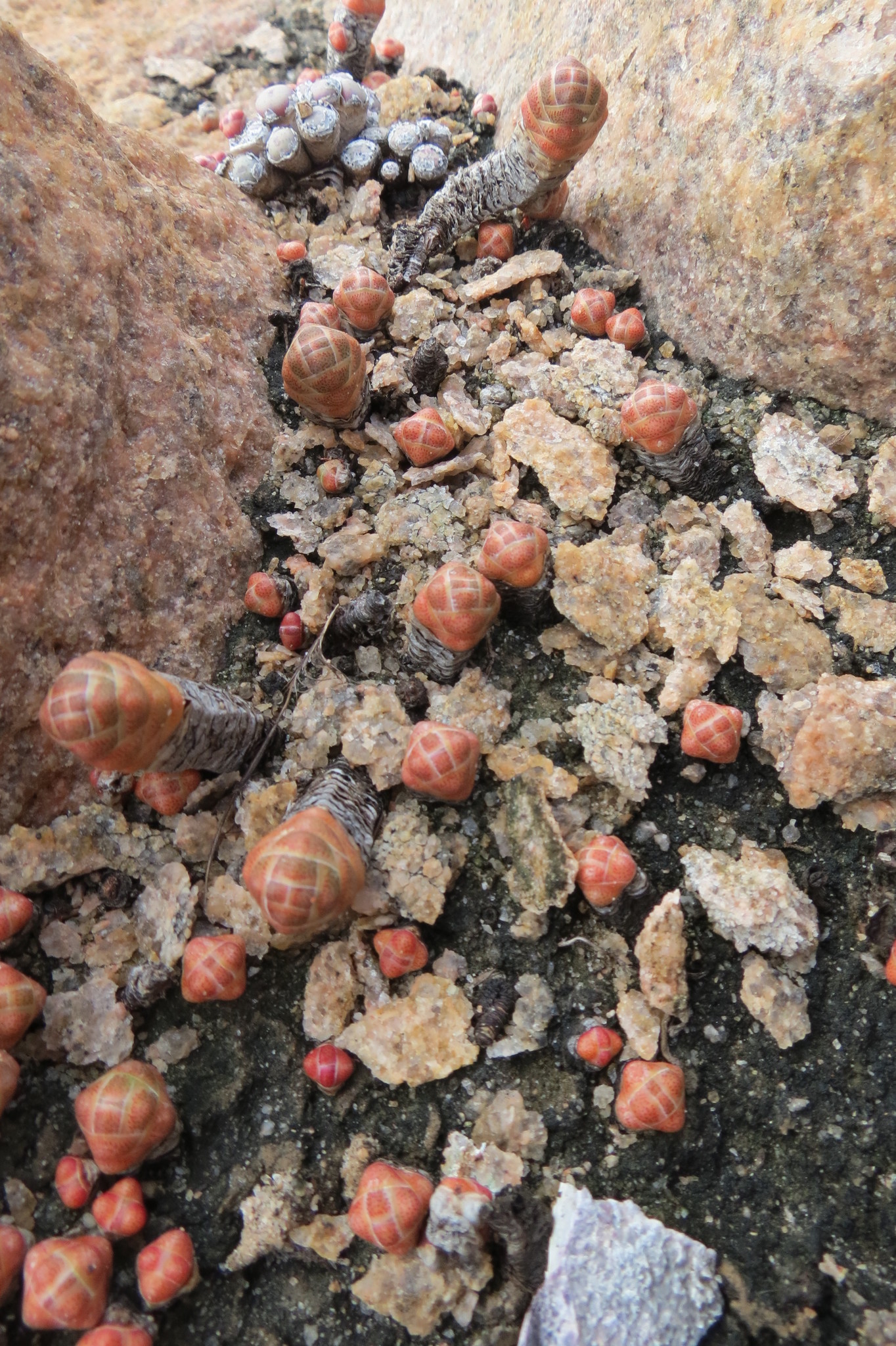
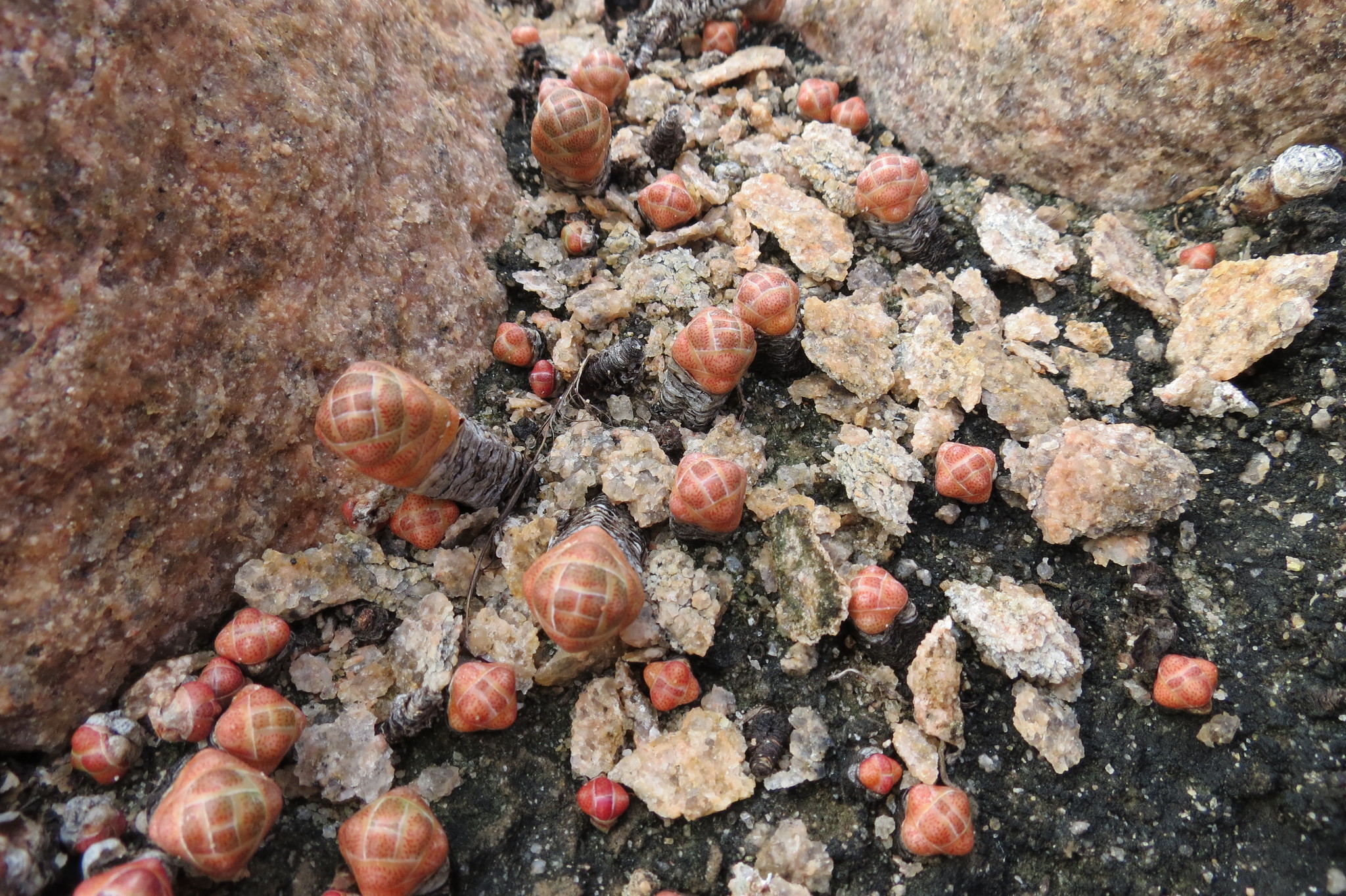
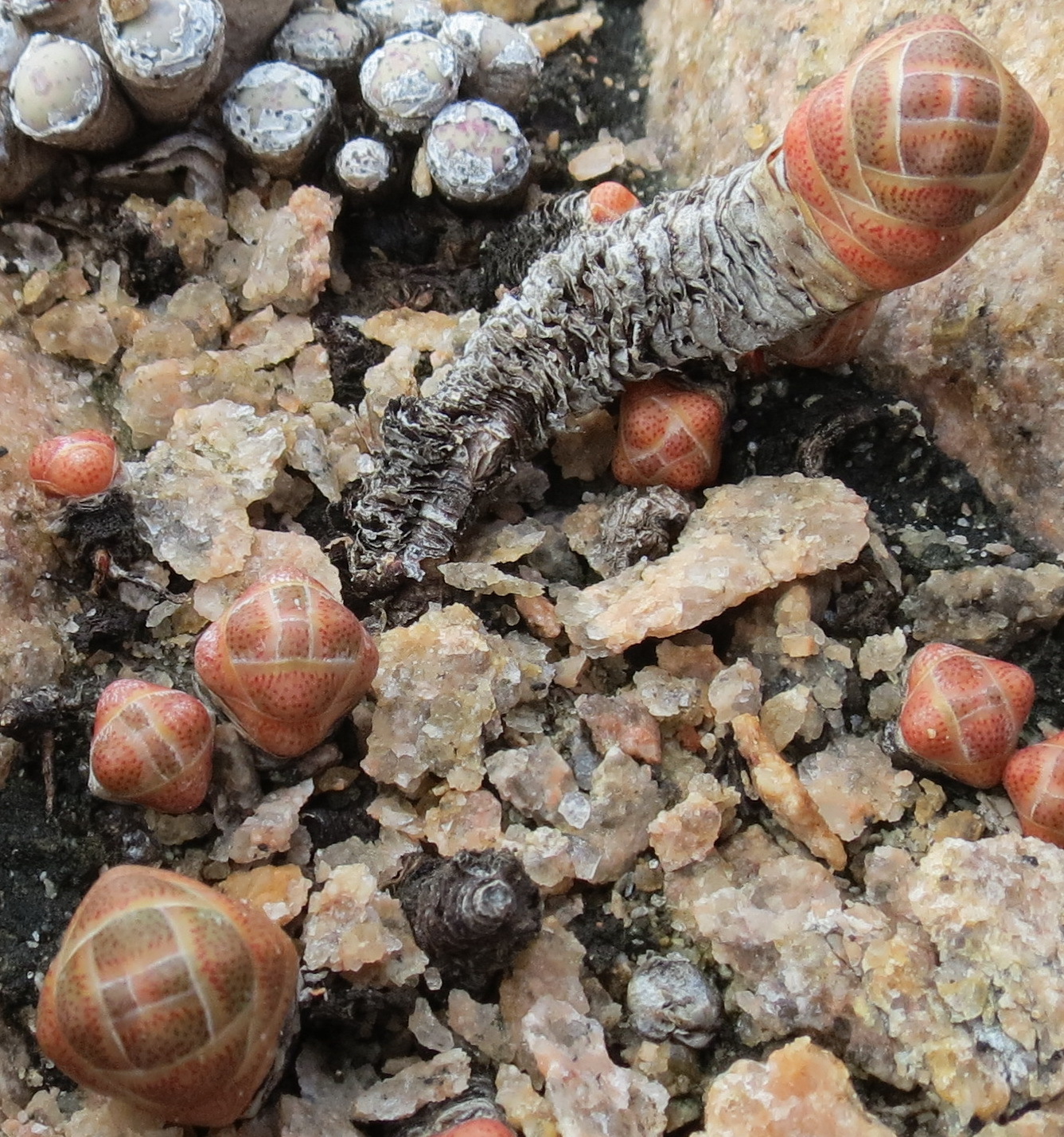
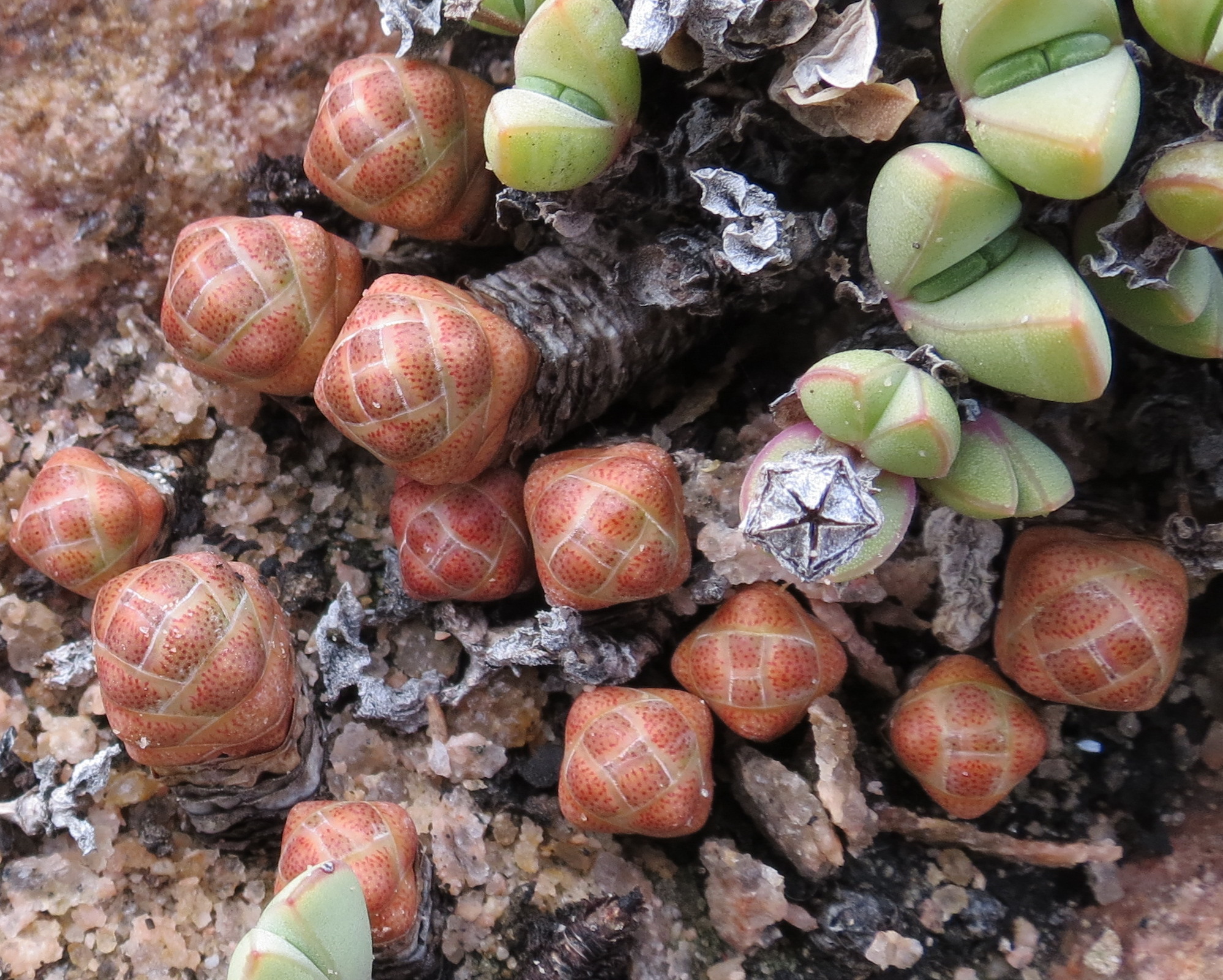
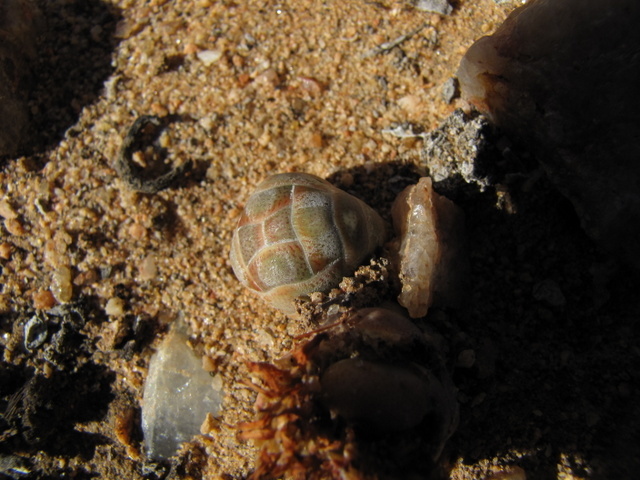
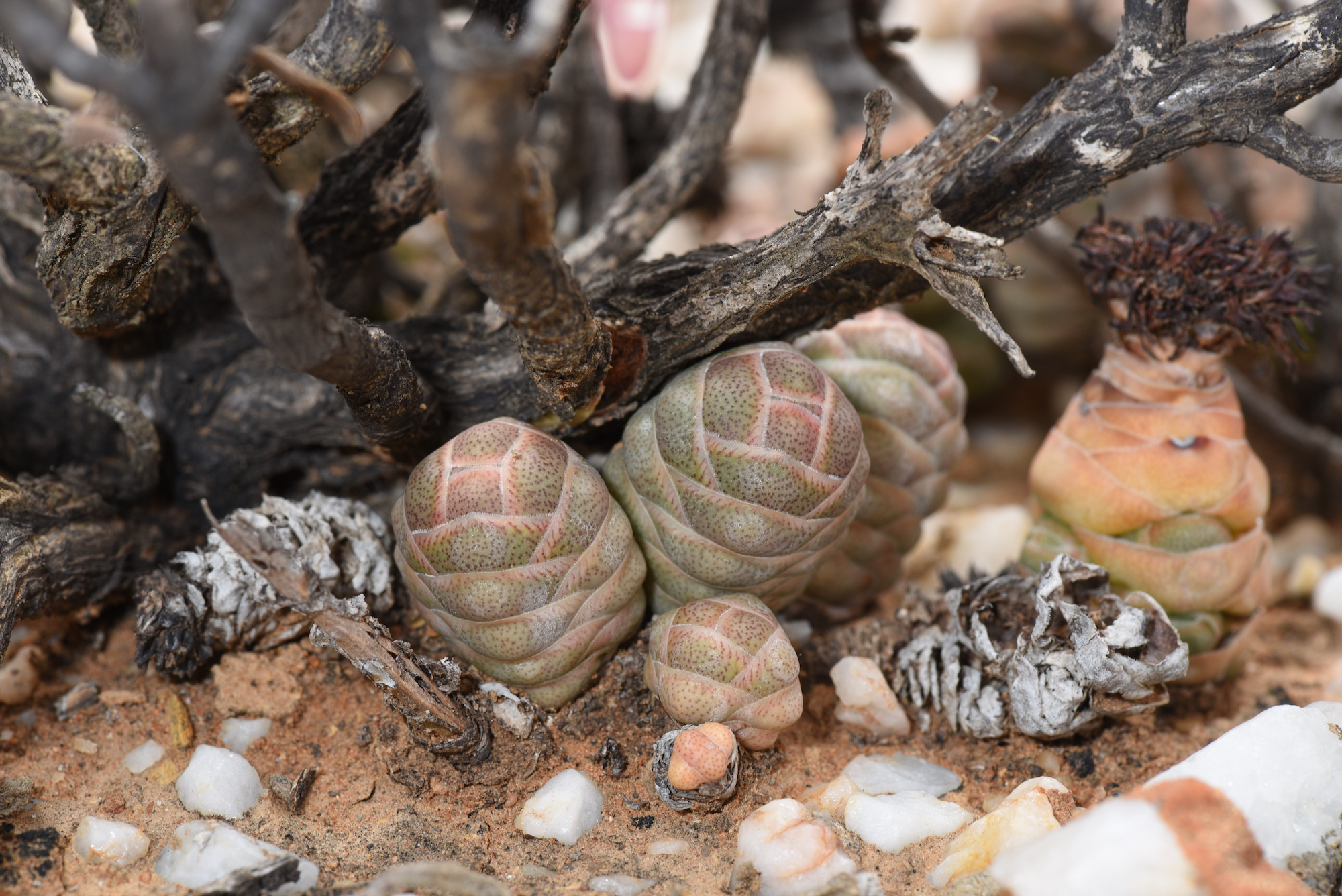
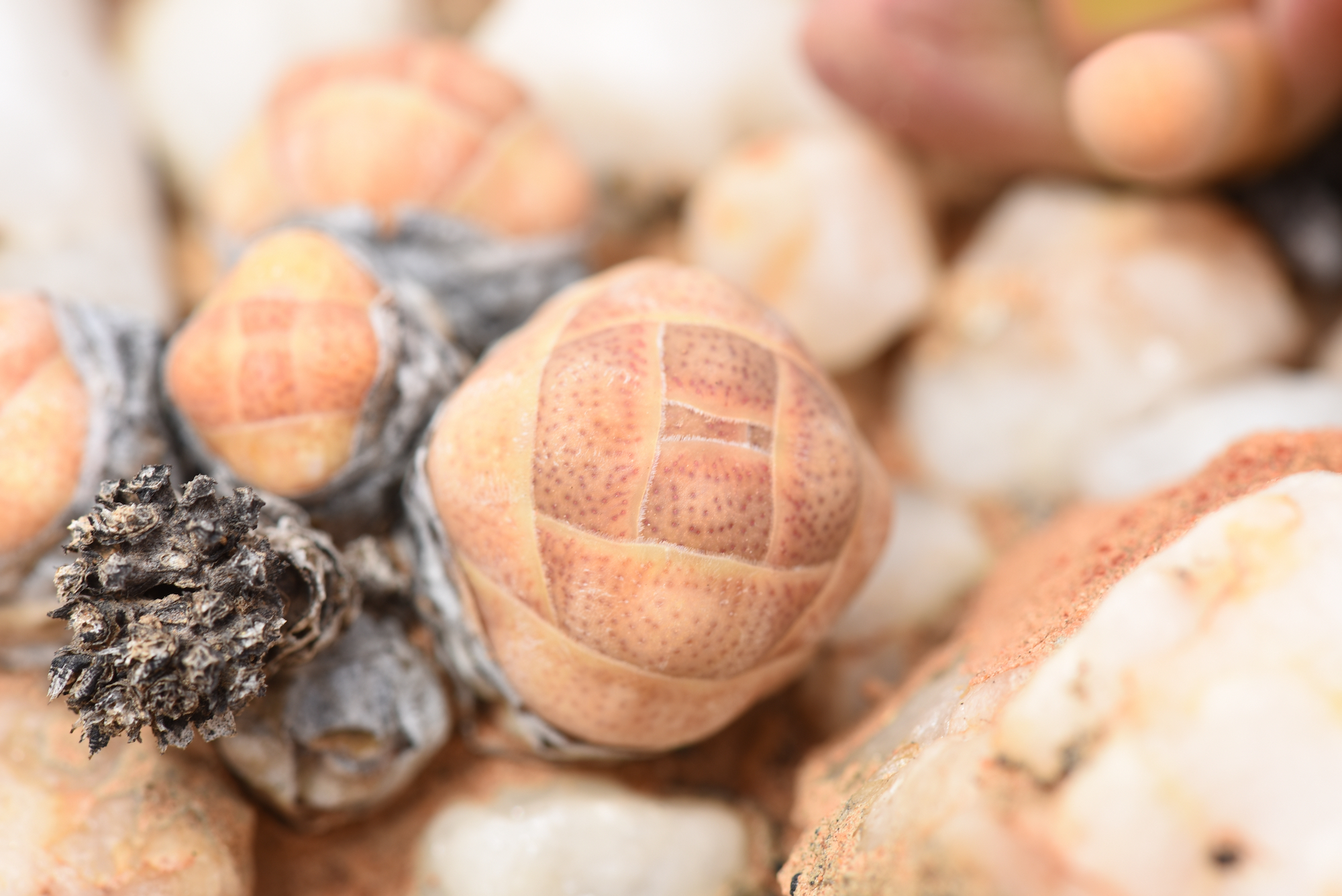
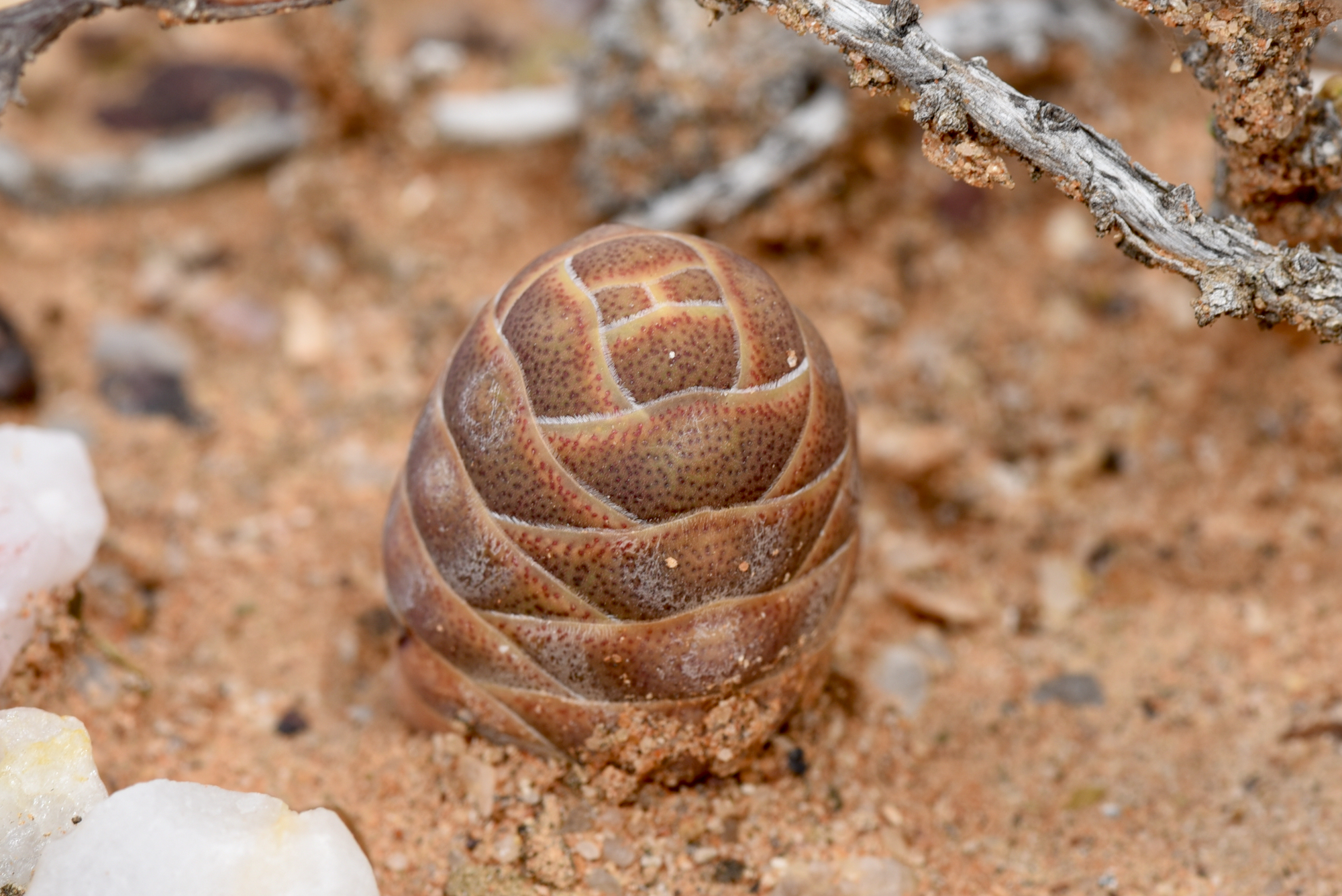
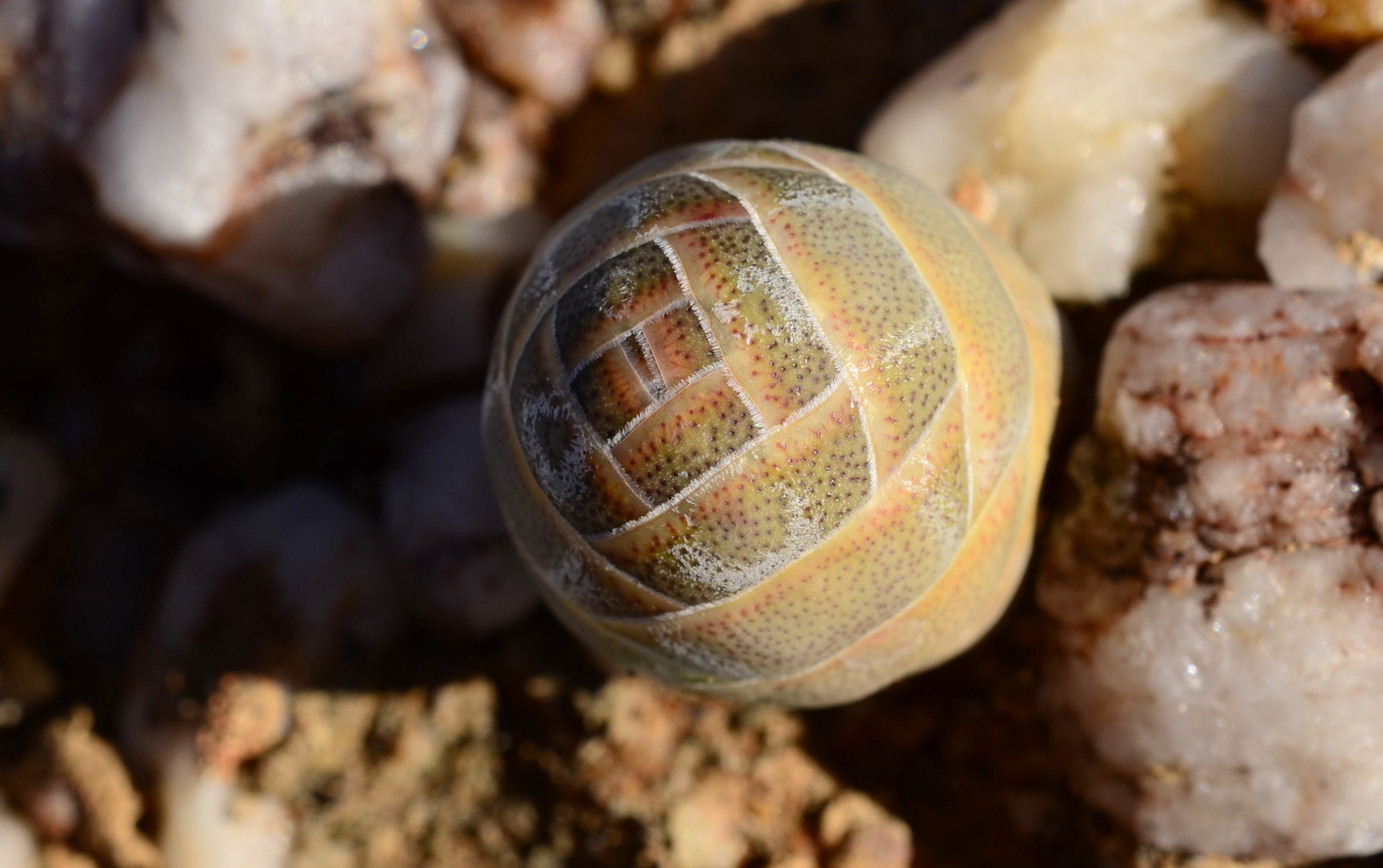
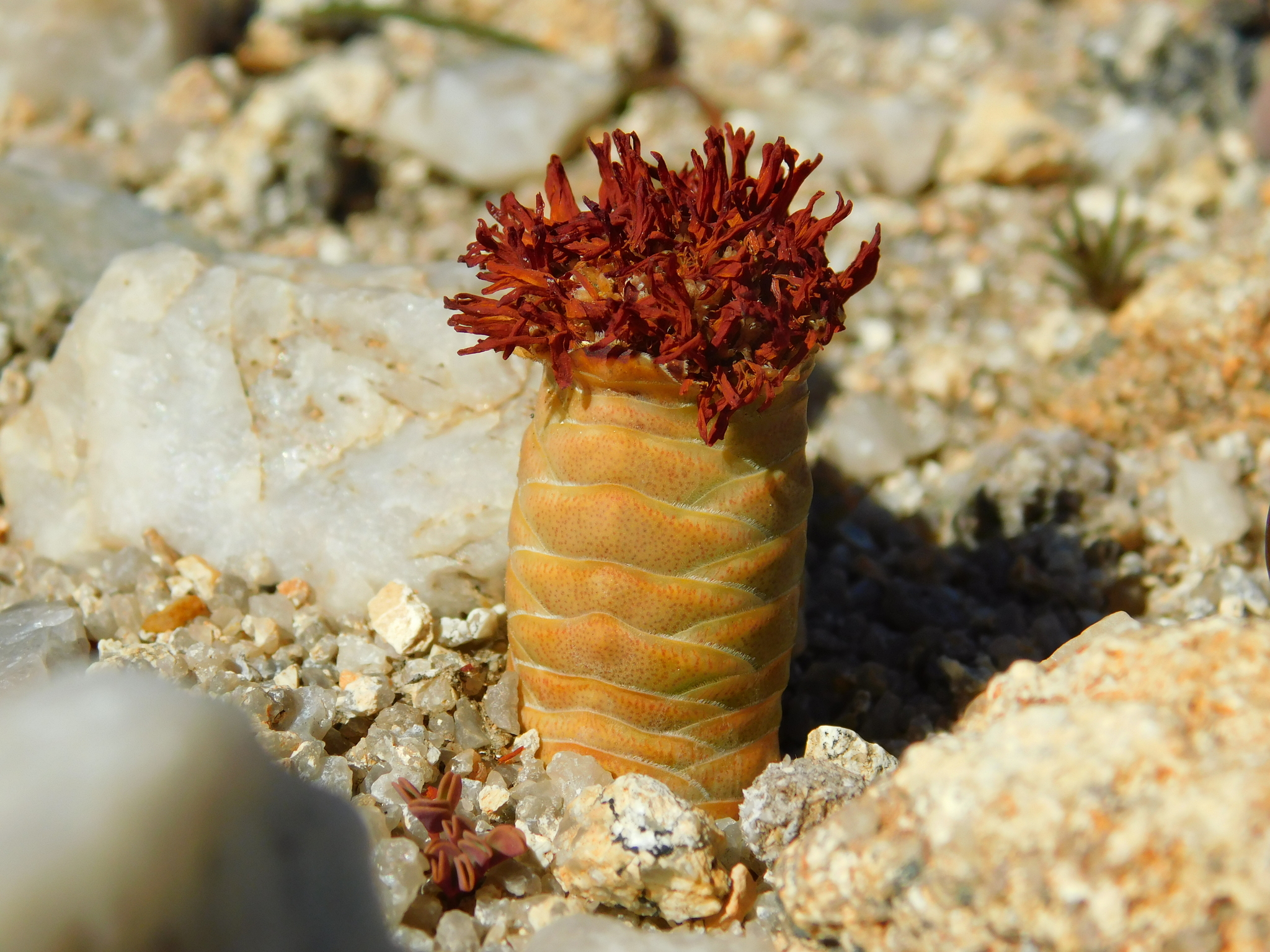
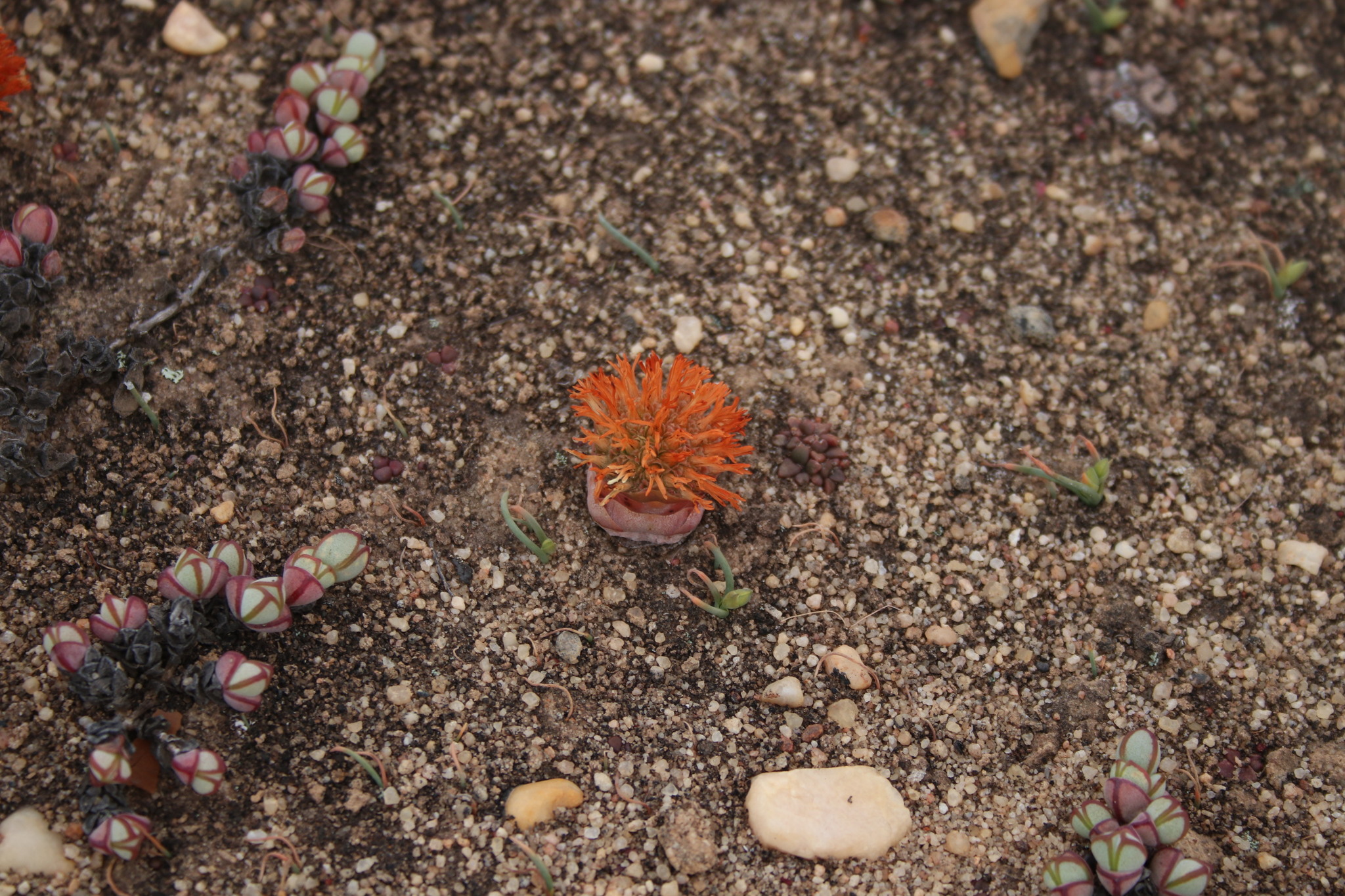
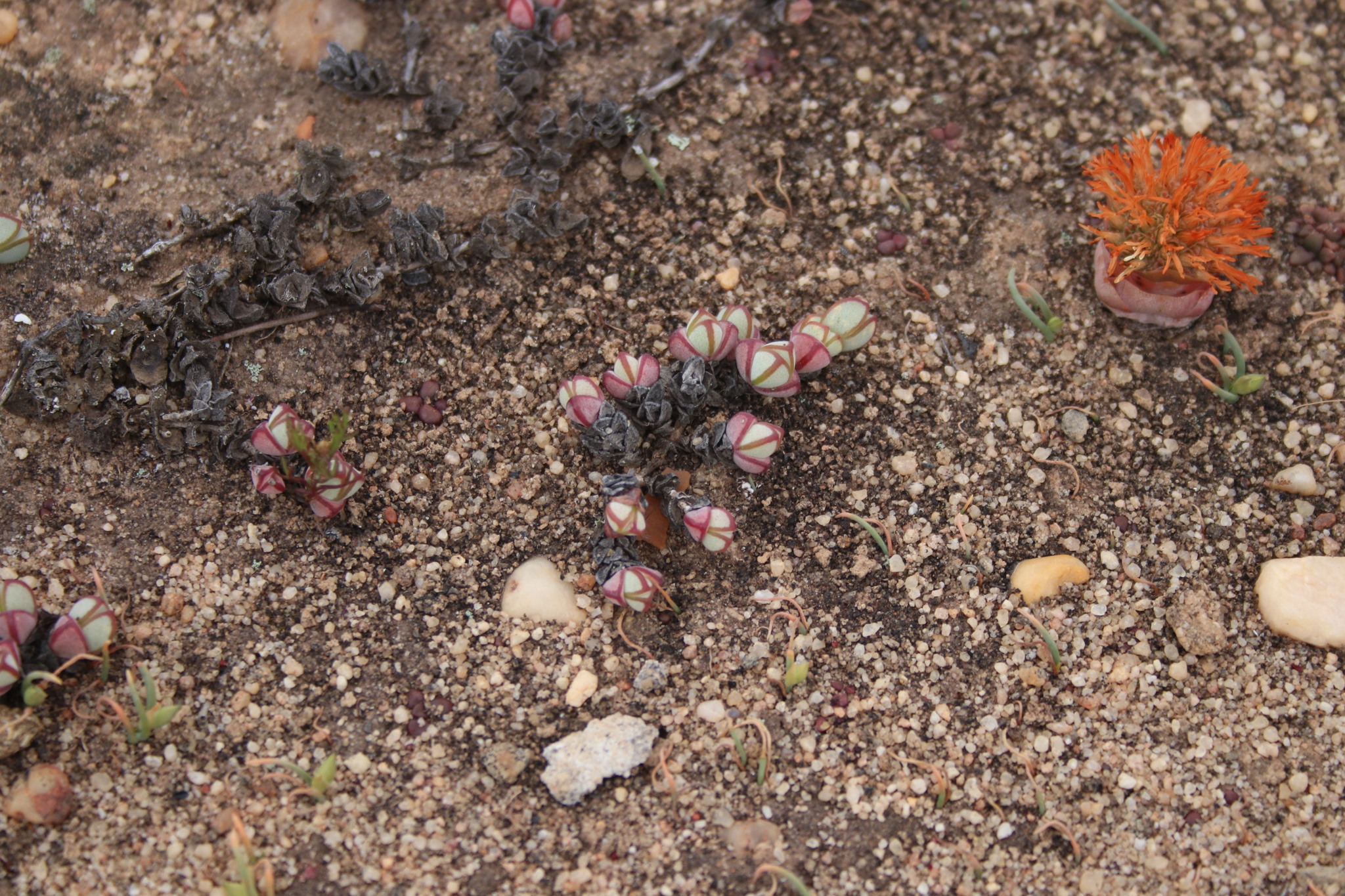
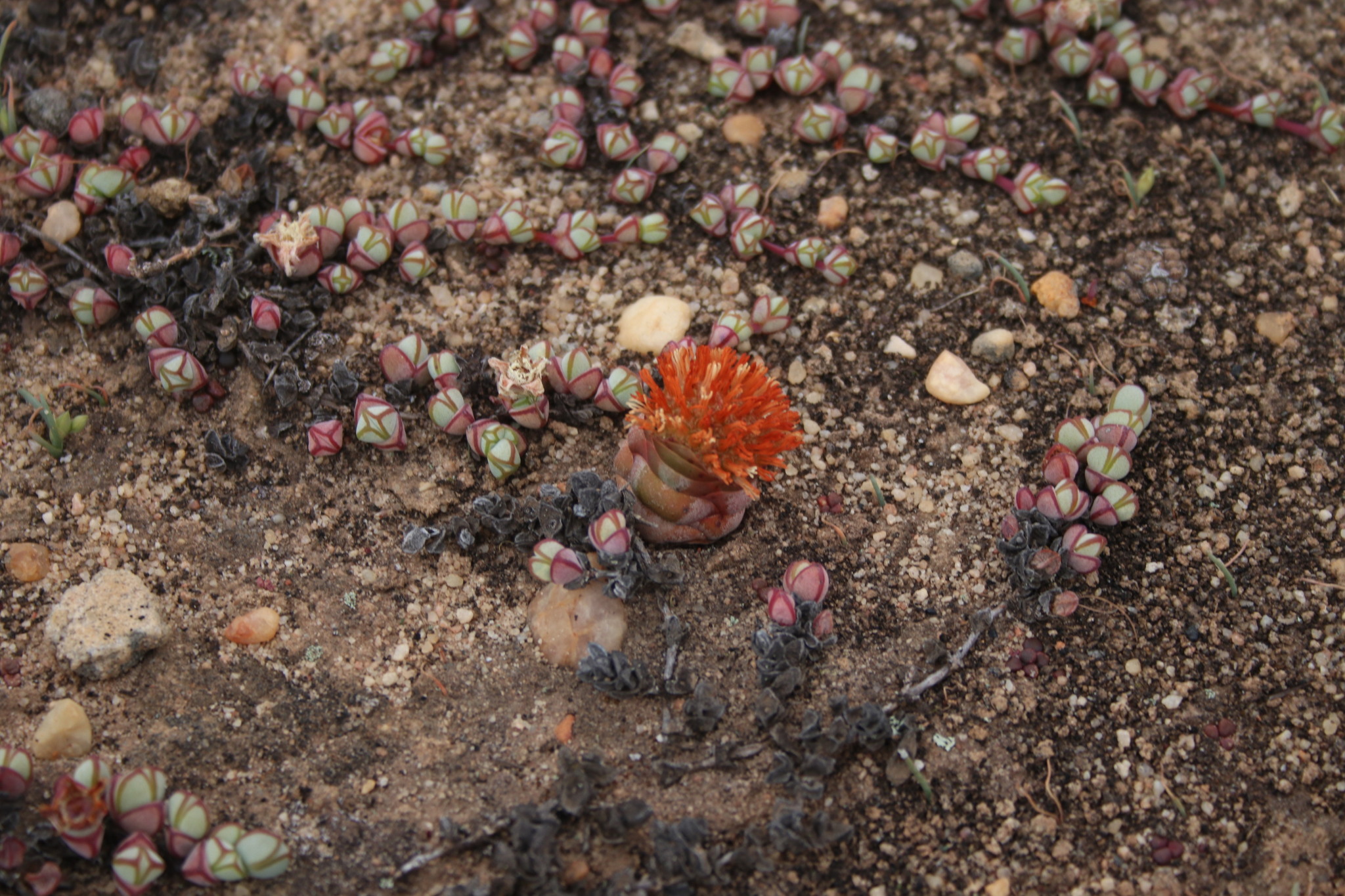
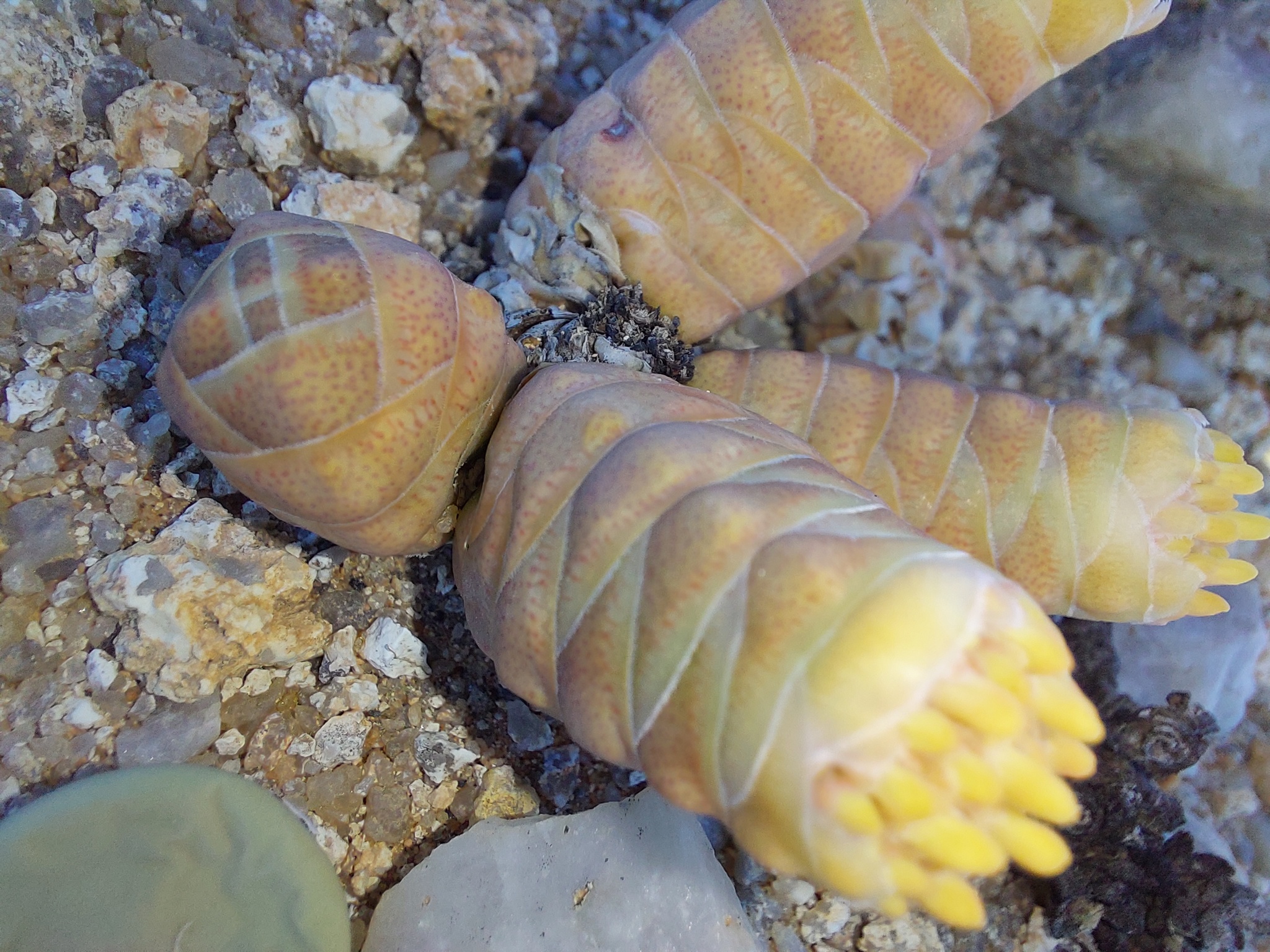
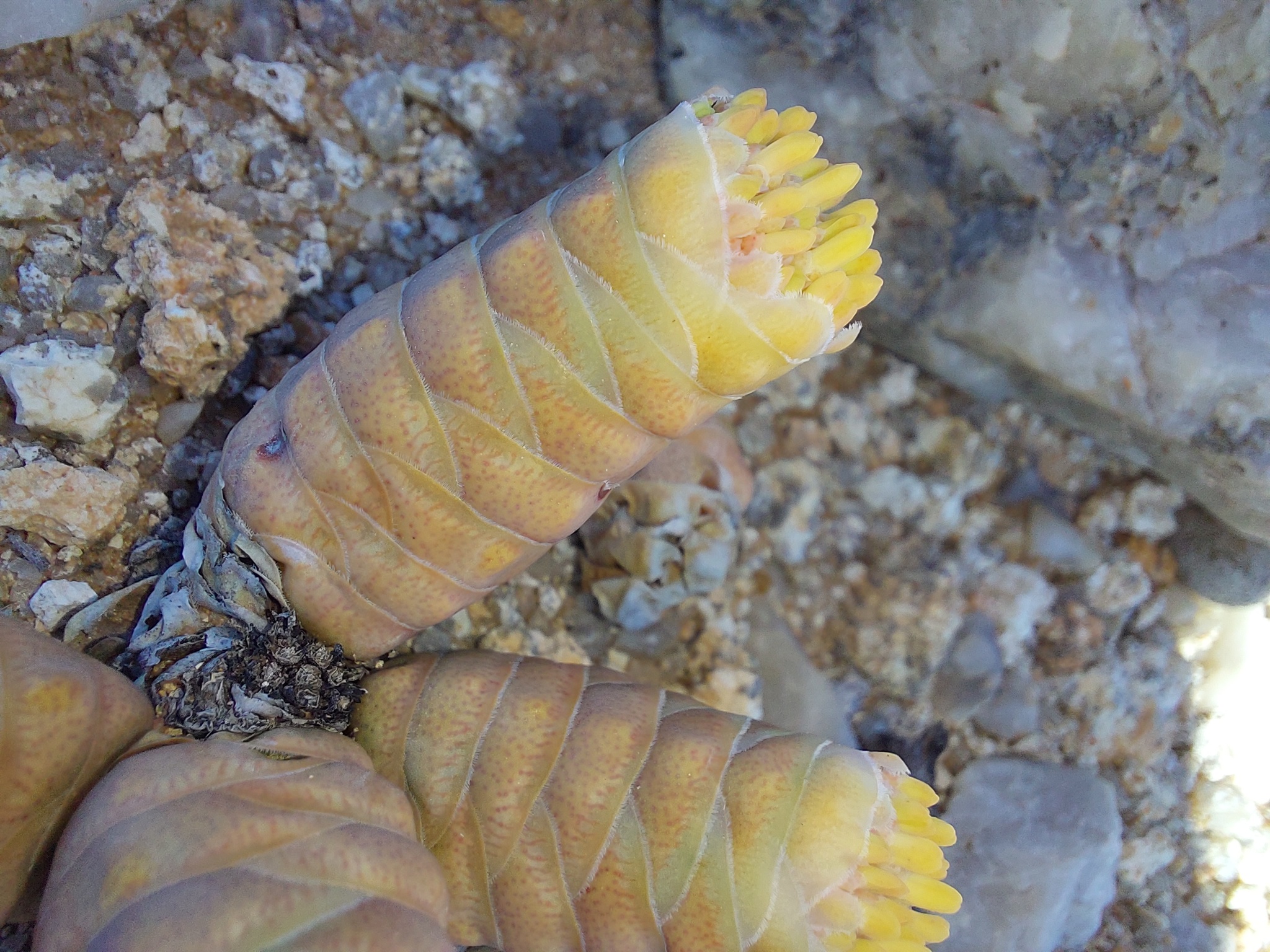
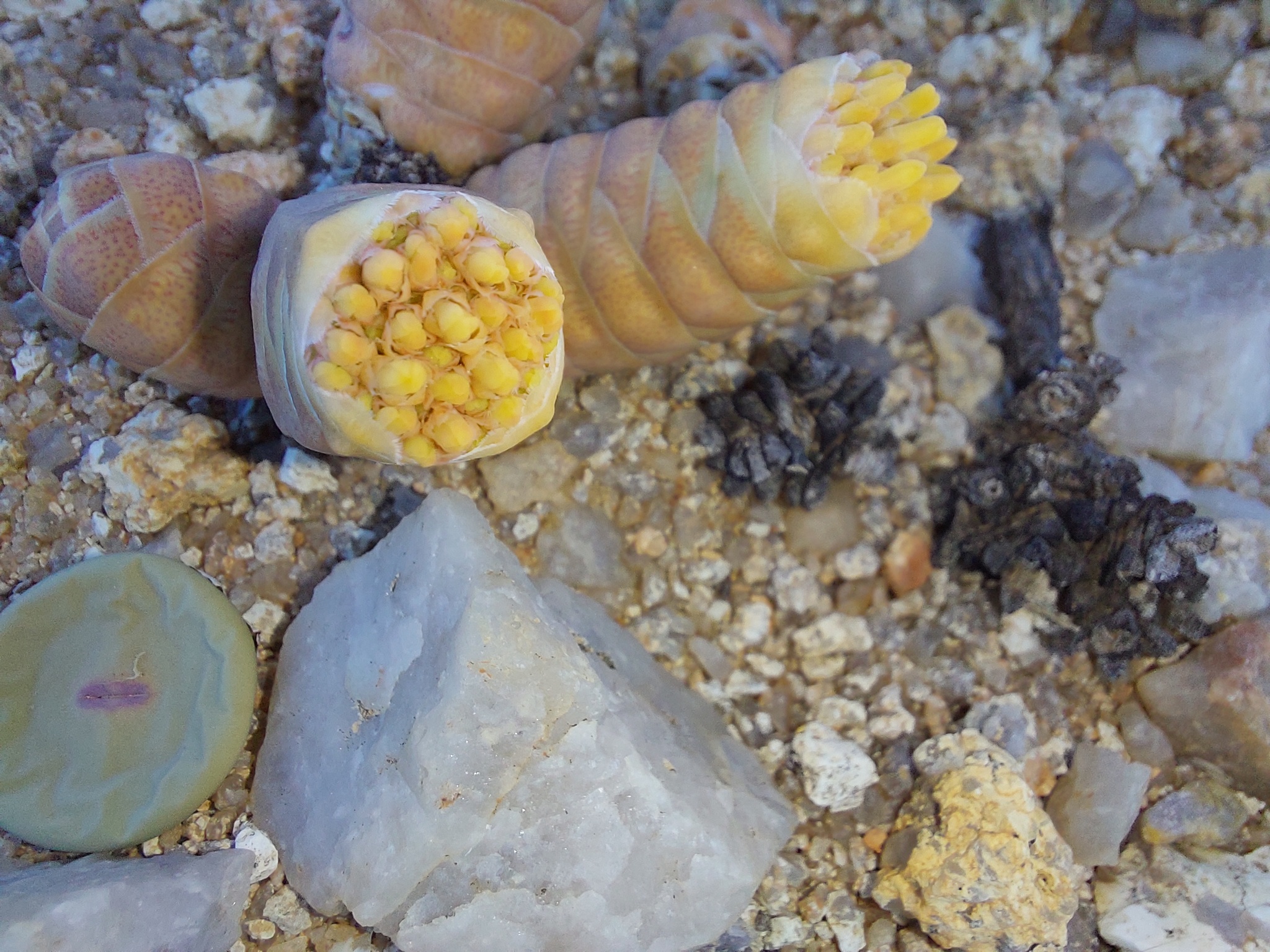
Perennials with erect or rarely decumbent stems 50-90 mm long, branching usually from lower parts of stems. Leaves transversely depressed-ovate, 3-4 x 10-15 mm, patelliform and tightly clasping, with membranous margins (c. 1-2 mm broad) and with a dense fringe of erect, rarely slightly recurved cilia, green to grey-brown. Inflorescence a terminal cymose capitulum partly hidden by leaves below. Calyx: lobes oblong-oblanceolate, 4-5 mm long, rounded and with fine spreading cilia, fleshy and green becoming yellow and membranous below. Corolla slender ampulliform, fused basally for 2-3 mm, cream; lobes narrowly oblong-elliptic, 9-11 mm long, with a blunt beak. Stamens with yellow anthers. Squamae oblong-cuneate, 1-1.2 x 0.3-0.4 mm, truncate to slightly rounded, scarcely fleshy, yellow. From: Toelken, HR. 1985. Crassulaceae. Fl. S. Africa 14: 1-229. [CC BY]
Perennial or biennial, 20-90 mm tall, branching around base. Leaves tightly over-lapping, sessile, broadly ovate and saucer-like, 3-4 x 10-15 mm, with membranous, densely ciliate margins. Flowers in a dense, terminal, rounded head, embedded among leaves, flask-shaped, petals 9-11 mm long, fused in lower 2-3 mm, cream. From: Bruyns, PV. 2013. Crassulaceae. In: DA Snijman (ed.), Plants of the Greater Cape Floristic Region 2: The Extra Cape flora. Strelitzia 30: 350-366. South African National Biodiversity Institute, Pretoria. [CC BY]
Like C. columnaris but much branched at base and leaf margins broadly membranous, with a dense fringe of cilia. From: Manning, JC; Goldblatt, P; Bruyns, PV. 2012. Crassulaceae. In: J Manning & P Goldblatt (eds), Plants of the Greater Cape Floristic Region 1: The Core Cape flora. Strelitzia 29: 468-477. South African National Biodiversity Institute, Pretoria. [CC BY]
The much-branched habit distinguishes C. barklyi from C. columnaris. Single branches of these species can only be distinguished by the leaves which are bulging and have a ridge along the main vein on the exposed surface in C. columnaris. From: Toelken, HR. 1985. Crassulaceae. Fl. S. Africa 14: 1-229. [CC BY]
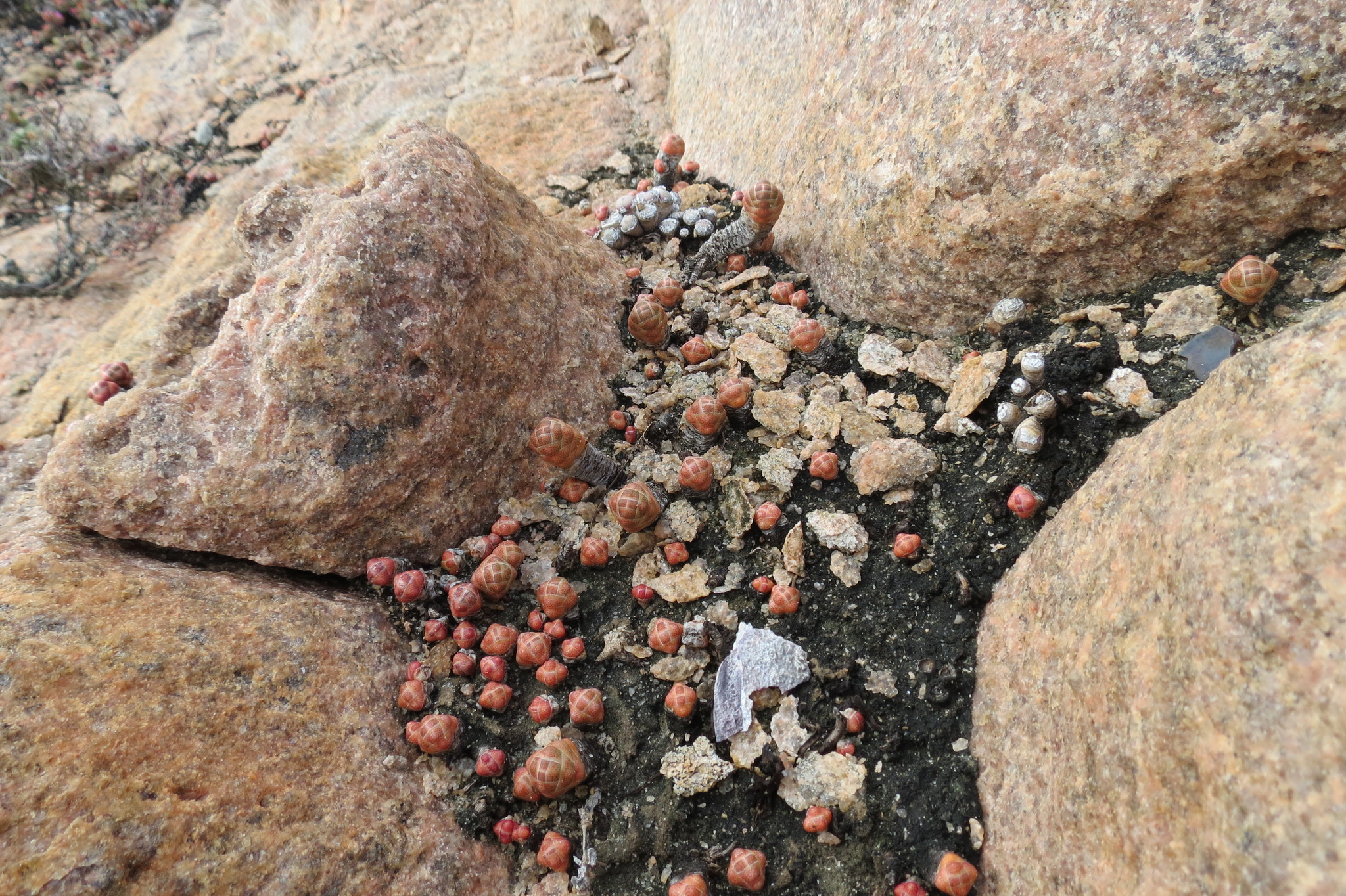
Growing on gentle slopes usually covered with quartzite gravel, rarely associated with larger rocks or in rock outcrops. From: Toelken, HR. 1985. Crassulaceae. Fl. S. Africa 14: 1-229. [CC BY]
Gravelly exposed flats and gentle slopes or shallow flat pans in rocks. From: Bruyns, PV. 2013. Crassulaceae. In: DA Snijman (ed.), Plants of the Greater Cape Floristic Region 2: The Extra Cape flora. Strelitzia 30: 350-366. South African National Biodiversity Institute, Pretoria. [CC BY]
Quartzite gravel or rock outcrops. From: Manning, JC; Goldblatt, P; Bruyns, PV. 2012. Crassulaceae. In: J Manning & P Goldblatt (eds), Plants of the Greater Cape Floristic Region 1: The Core Cape flora. Strelitzia 29: 468-477. South African National Biodiversity Institute, Pretoria. [CC BY]
Occurring in the south-western parts of the northern Cape Province Crom near Port Nolloth to near Van rhynsdorp. From: Toelken, HR. 1985. Crassulaceae. Fl. S. Africa 14: 1-229. [CC BY]
SE of Port Nolloth to Strandfontein and Botterkloof. From: Bruyns, PV. 2013. Crassulaceae. In: DA Snijman (ed.), Plants of the Greater Cape Floristic Region 2: The Extra Cape flora. Strelitzia 30: 350-366. South African National Biodiversity Institute, Pretoria. [CC BY]
Namaqualand to Strandfontein and Botterkloof. From: Manning, JC; Goldblatt, P; Bruyns, PV. 2012. Crassulaceae. In: J Manning & P Goldblatt (eds), Plants of the Greater Cape Floristic Region 1: The Core Cape flora. Strelitzia 29: 468-477. South African National Biodiversity Institute, Pretoria. [CC BY]
June to August
50 to 500 m
This map contains point-based occurrences at different locations
 This is a sensitive species therefore data has been redacted, click here to login.
Occurrence in the Flora of Southern Africa (FSA) countries and South African provinces. Residence status indicates if a taxon is indigenous, endemic, naturalised or invasive in a specific region. This data is based on specimen records and literature
FSA
SA
BOT
NAM
ESW
LES
WC
EC
NC
FS
GA
KZN
LP
MP
NW
Absent
Indigenous
Endemic
Naturalised
Invasive

Names and Sources
Crassula teres Marloth
Classification
KINGDOM Plantae
SUBKINGDOM Phanerogamae
PHYLUM Anthophyta
ORDER Saxifragales
FAMILY Crassulaceae
SUBFAMILY Crassuloideae
GENUS Crassula
SPECIES barklyi
16 results for Crassula barklyi N.E.Br.
Barcode: NBG0205505-0 Collector(s) & number: Bruyns, PV, 9946 | 2004-9-3
General notes: Arid stony, flattish patches with scanty cover high up on slopes of mountain.
Data Resource: BODATSA View record
Barcode: PRE0778680-0 Collector(s) & number: Stirton, CH, 6071 | 1976-9-4
General notes: Dry rocky outcrop overlooking sea. Winter rainfall. Prof. Liebenberg's cytogenetic material No. 10 of 3/6/1983.
Data Resource: BODATSA View record
Barcode: PRE0424897-0 Collector(s) & number: Tolken, HR, 5245 | 1973-12-8
Data Resource: BODATSA View record
Barcode: PRE0424896-0 Collector(s) & number: Herre, AGJ, 6011A | 1949-6-
Data Resource: BODATSA View record
Barcode: PRE0606237-0 Collector(s) & number: Stirton, CH, 6071 | 1976-9-
Data Resource: BODATSA View record
Barcode: PRE0757625-0 Collector(s) & number: Bester, SP, 6972 | 2006-7-30
General notes: Biome: Succulent Karoo. Vegetation type: Strandveld Succulent Karoo. Old flowers brown. Leaves green with orange edges.
Data Resource: BODATSA View record
This map contains point-based occurrences at different locations
This is a sensitive species therefore data has been redacted, click here to login.
2013
SERIES CHAPTER
Crassulaceae Bruyns, PVIn: DA Snijman (ed.), Plants of the Greater Cape Floristic Region 2: The Extra Cape flora. Strelitzia 30: 350-366
South African National Biodiversity Institute, Pretoria
2012
SERIES CHAPTER
Crassulaceae Manning, JC; Goldblatt, P; Bruyns, PVIn: J Manning & P Goldblatt (eds), Plants of the Greater Cape Floristic Region 1: The Core Cape flora. Strelitzia 29: 468-477
South African National Biodiversity Institute, Pretoria
1985
1985
PERIODICAL/JOURNAL
Crassula barklyi N.E.Br. Toelken, HR; Smith, CFlowering Plants of Africa 48: , t.1913A
No results found for Crassula barklyi N.E.Br.
Status and criteria
LC
Assessor(s)
Plantae Coordinator
| Part(s) of plant used | Use(s) | Reference |
|---|
Coming soon...


