
PLANTAE / PHANEROGAMAE / ANTHOPHYTA / LAMIALES / SCROPHULARIACEAE / LIMOSELLEAE / MELANOSPERMUM / ITALAE

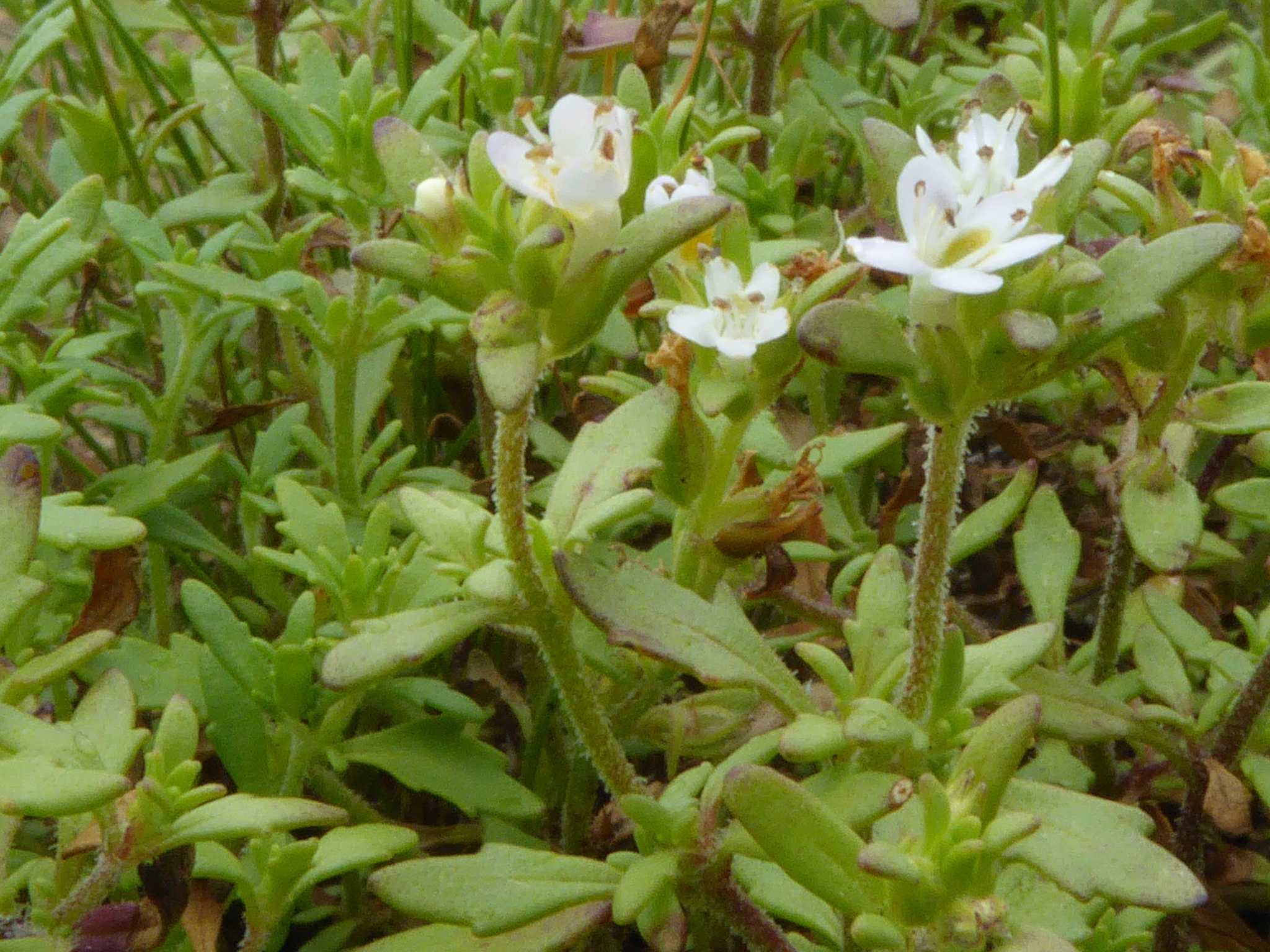
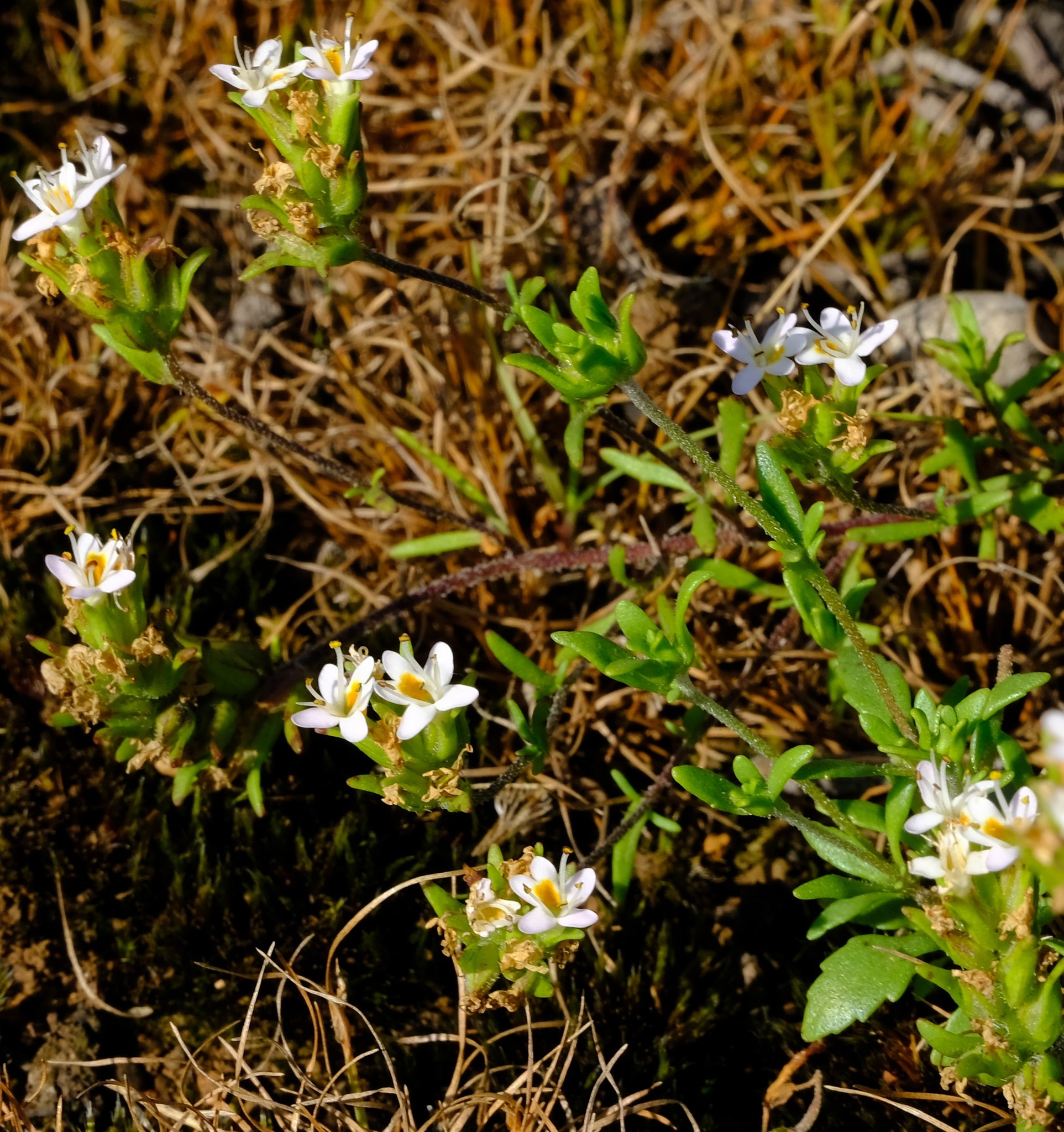
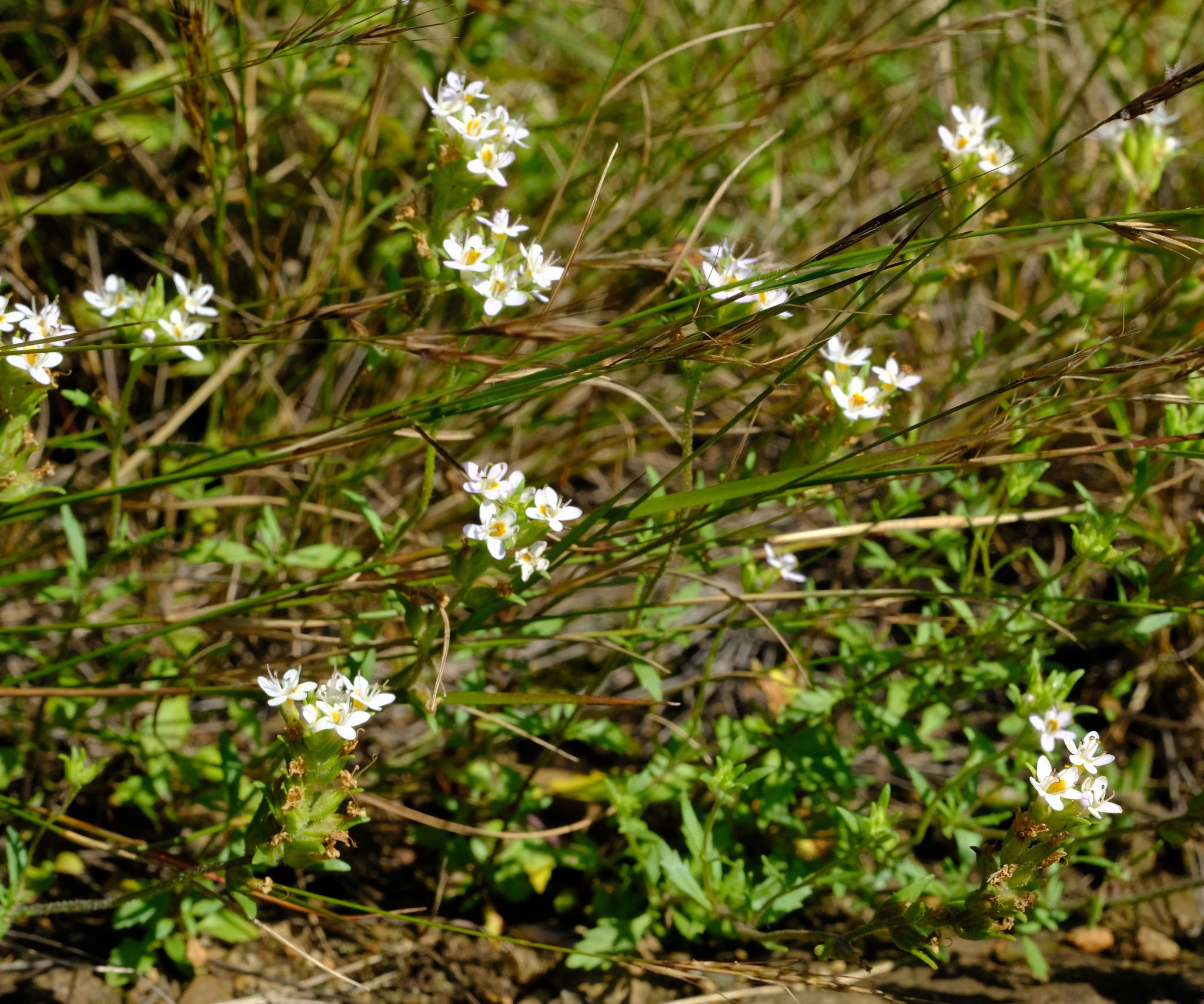
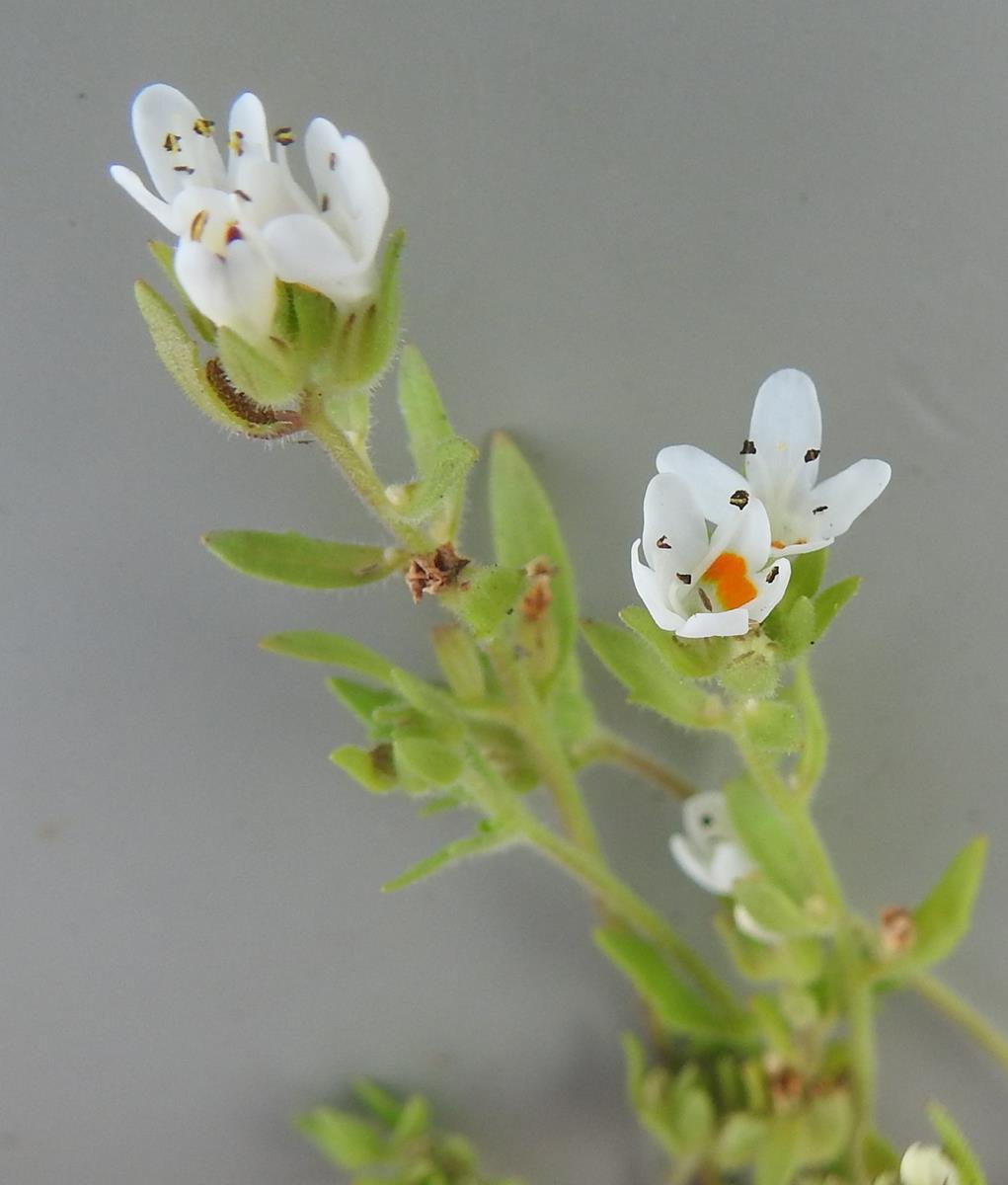
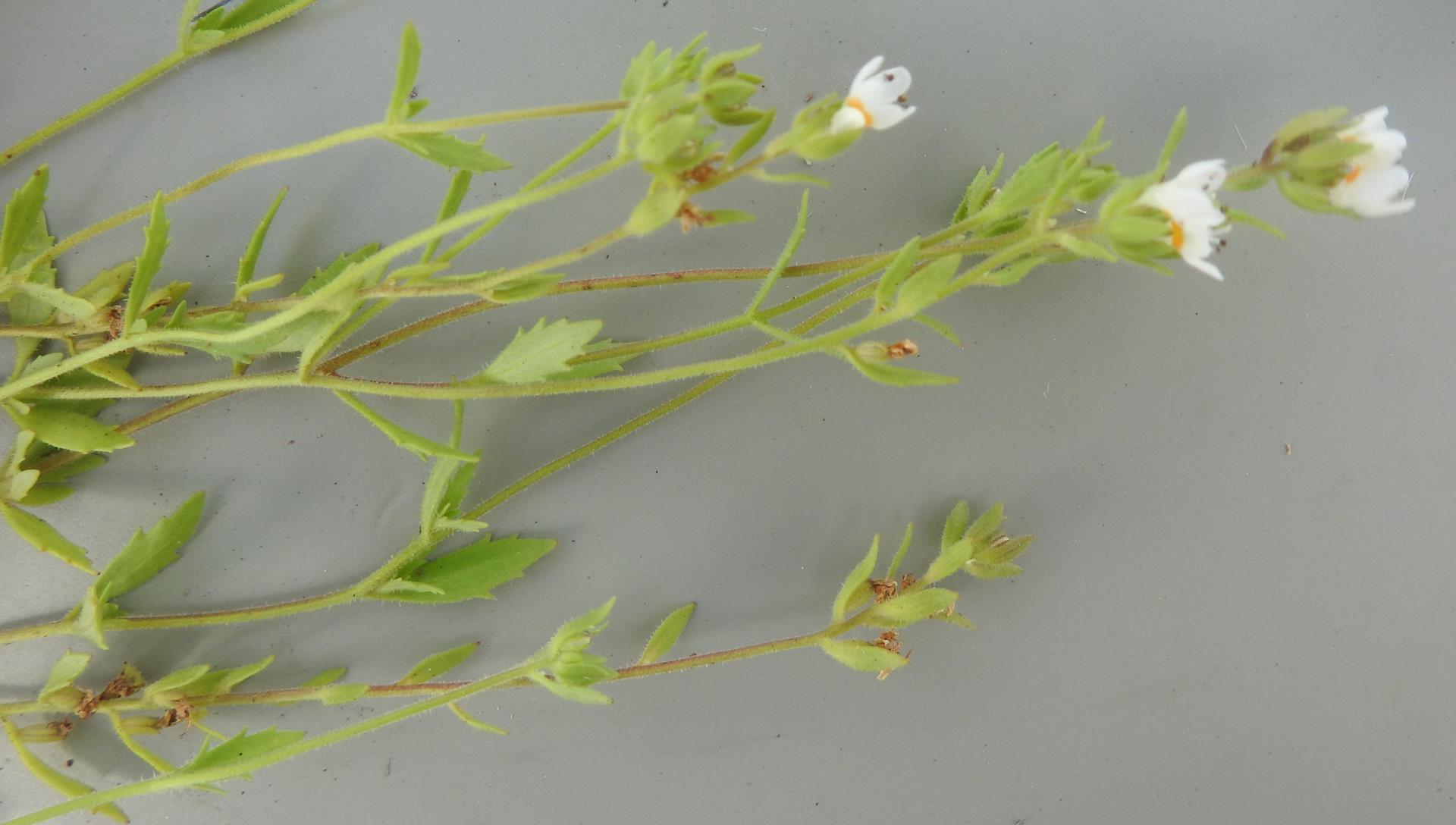
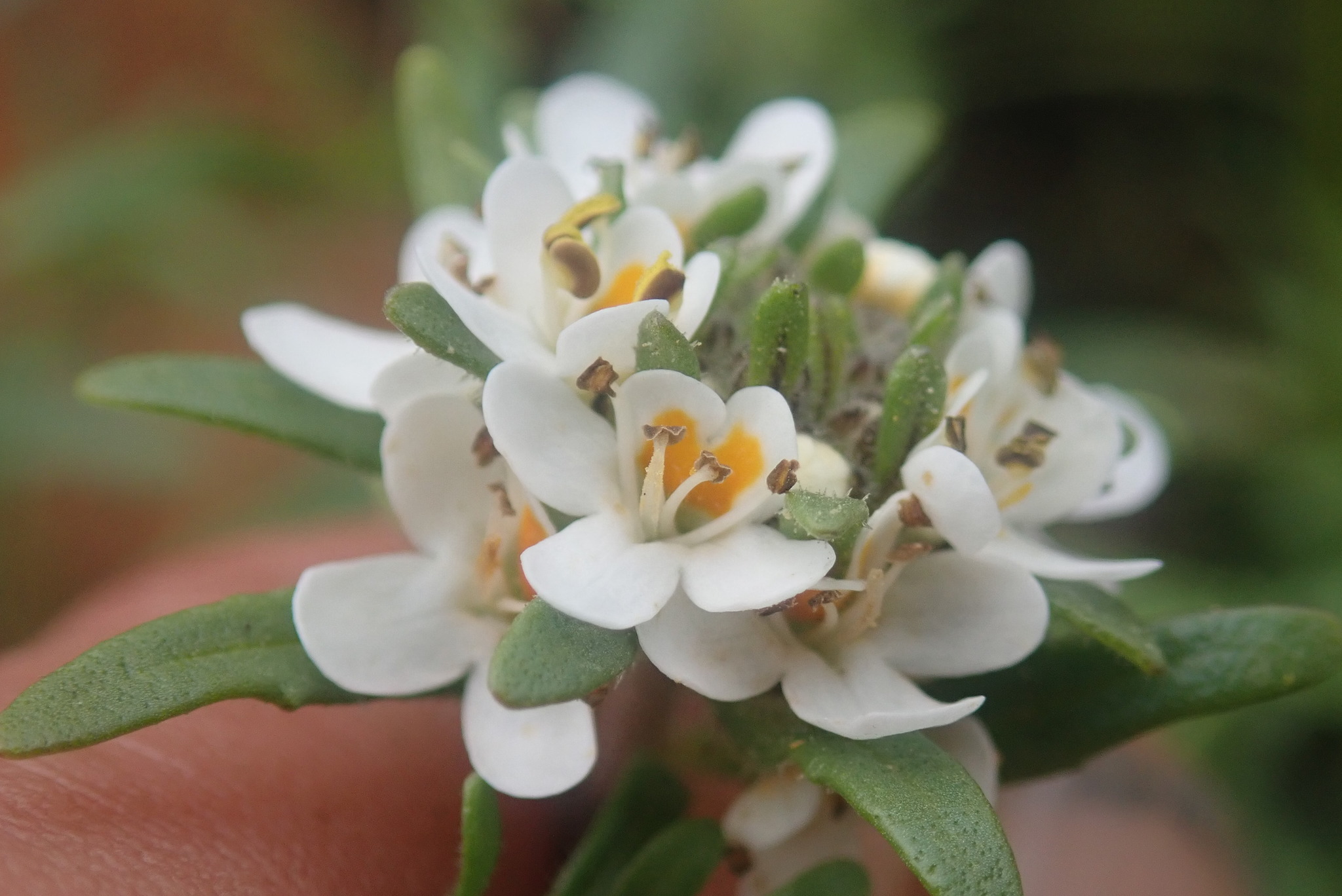
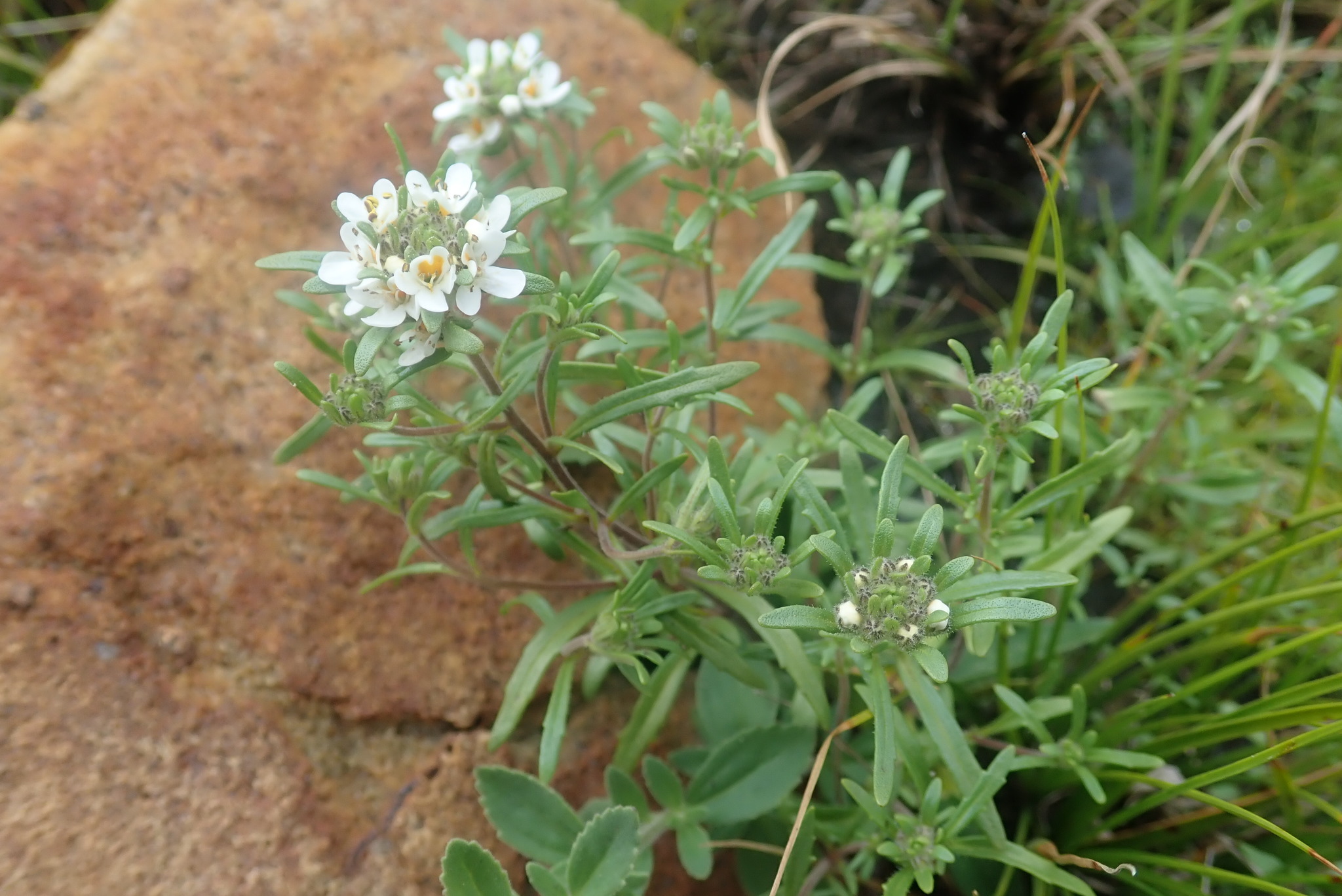
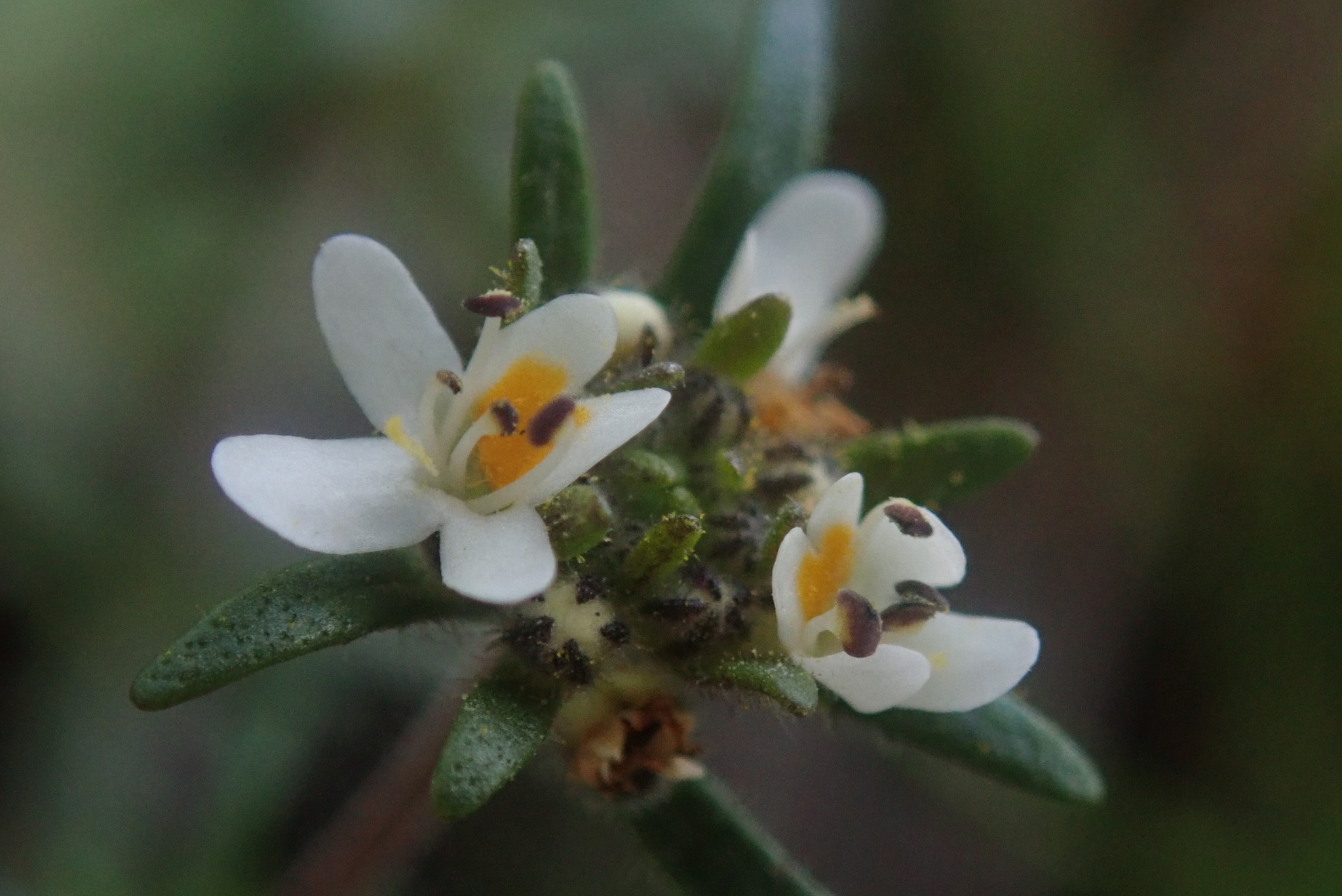
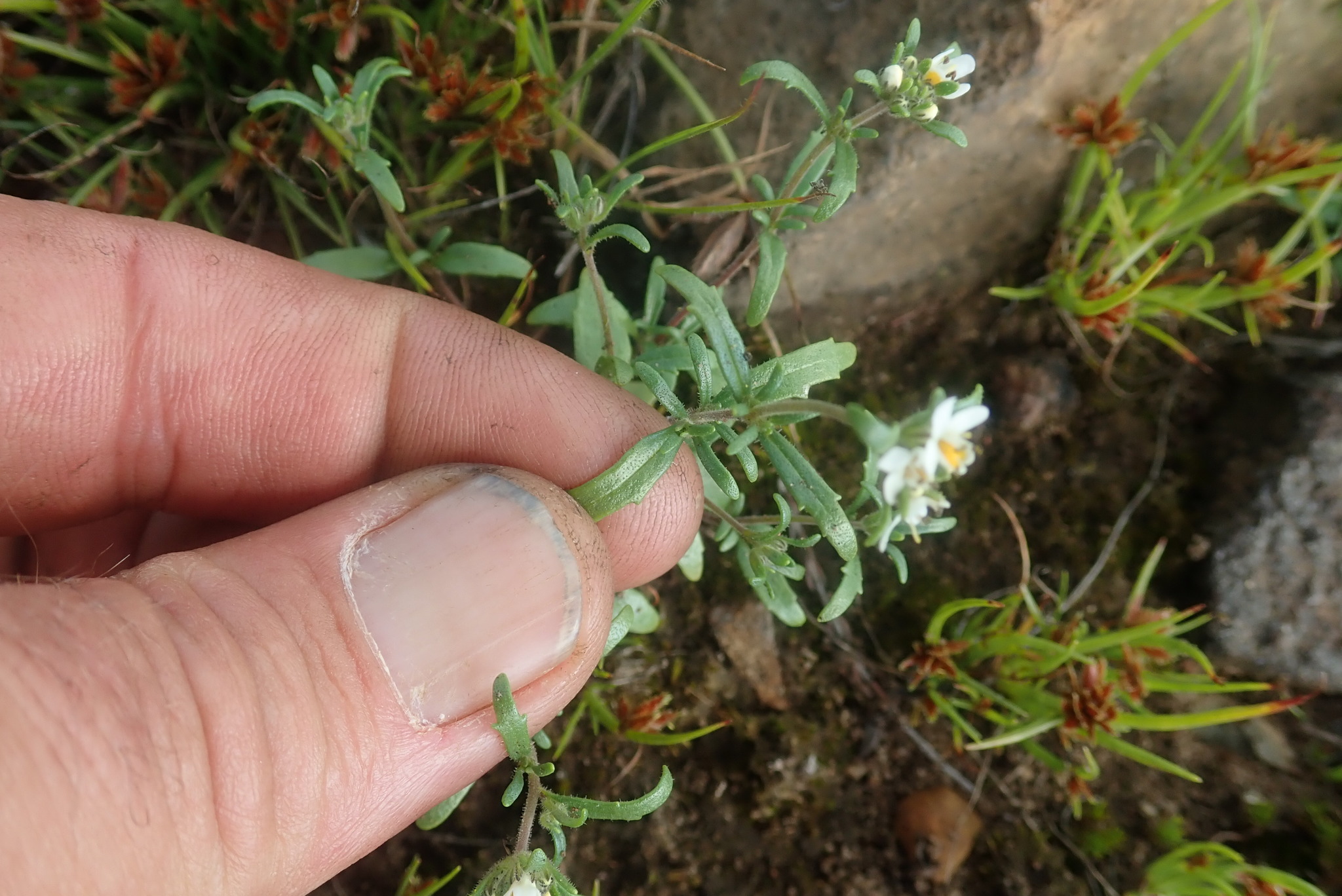
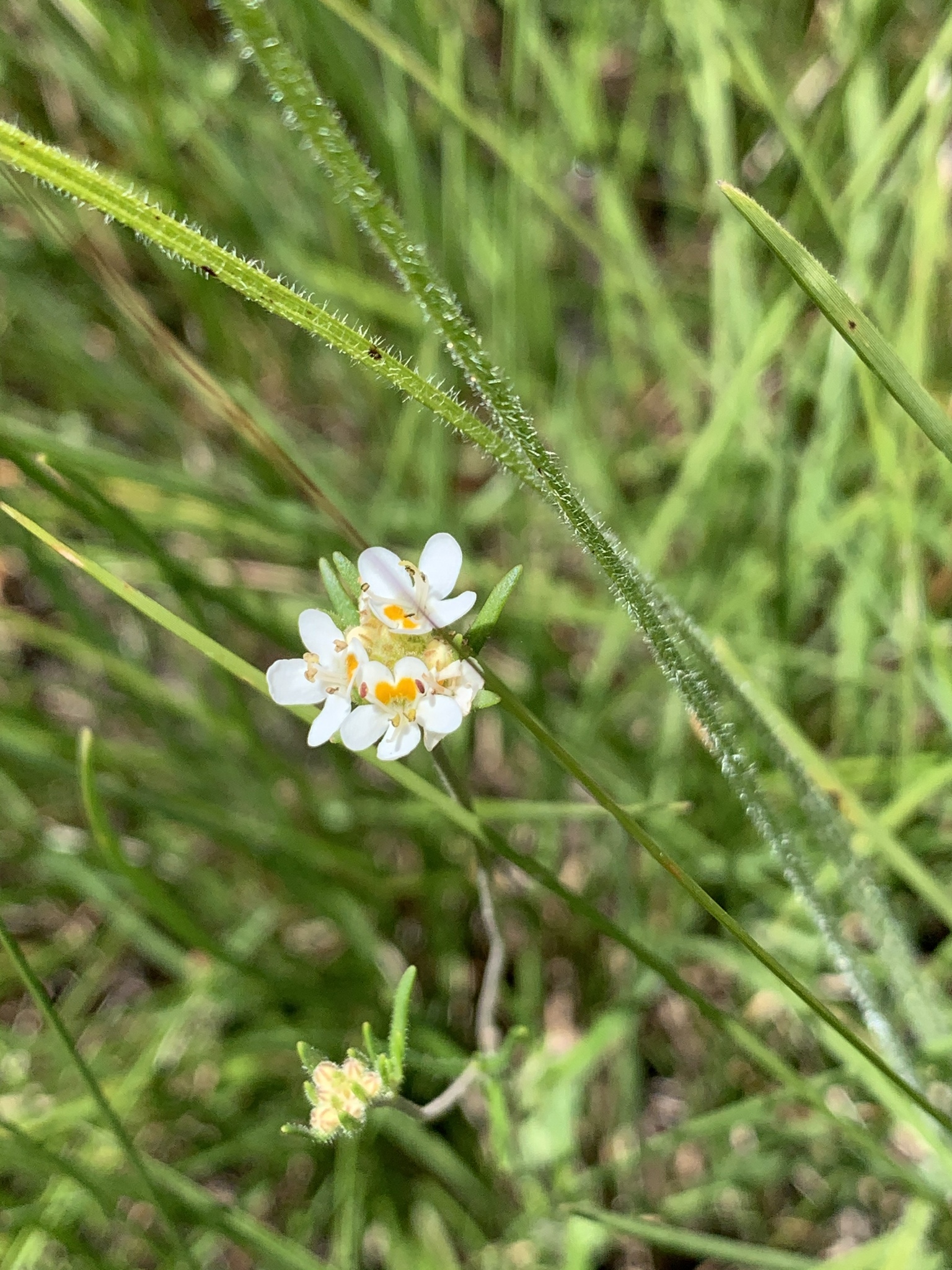
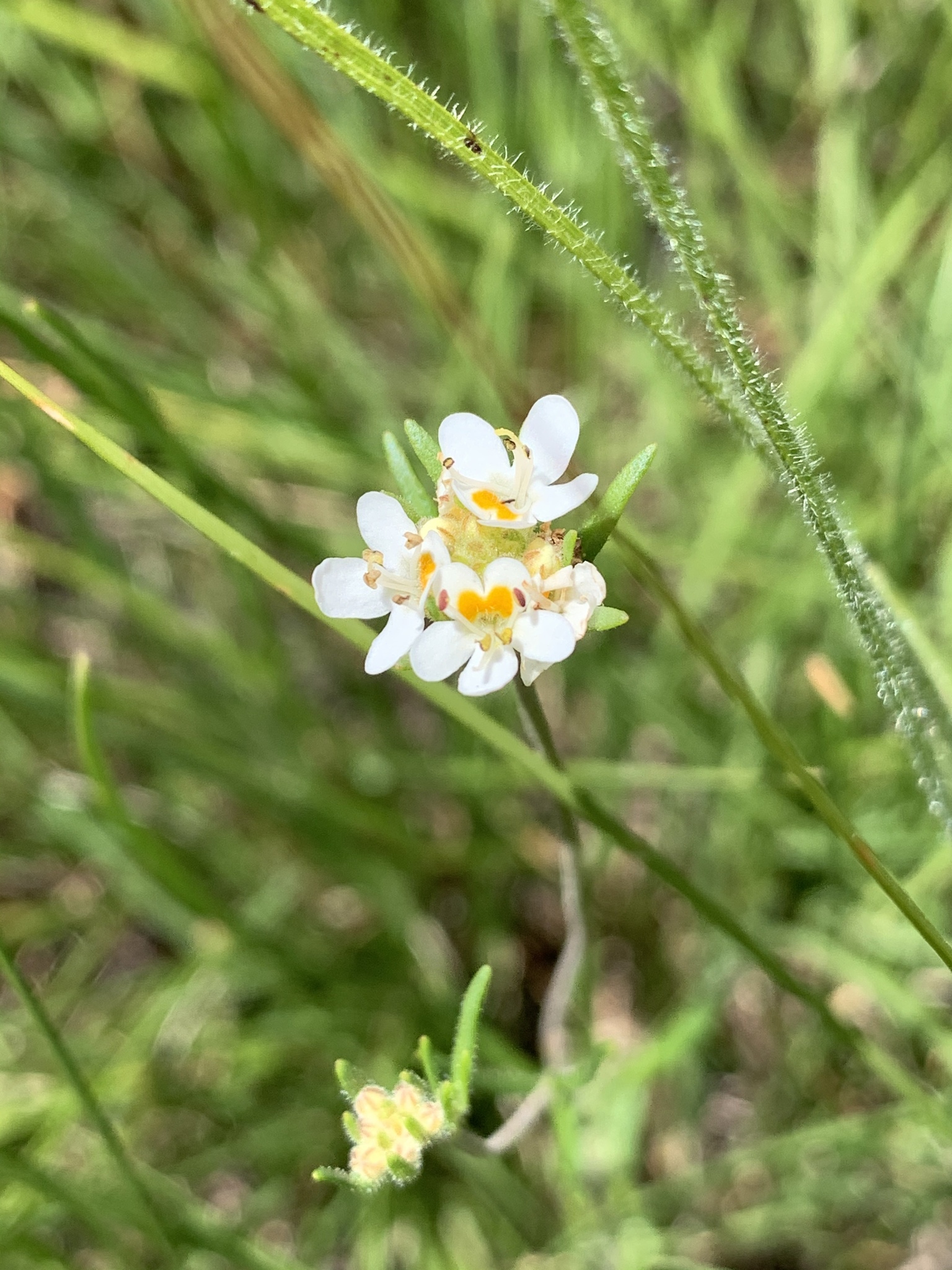
Annual herb, stems c. 40-200 mm long, 1-2 mm diam. at base, simple to well branched from the base and above, erect or the outer branches sometimes decumbent and rooting, leafy with axillary leaf tufts often well developed, pubescent throughout with patent or somewhat retrorse eglandular hairs up to 0.1-0.5 mm long, the apical cell sometimes much bigger than the stalk cells and balloon-like, sometimes very minutely glandular-puberulous as well near the tips of the stems. Leaves opposite, sometimes alternate towards the tips of the stems, blade of main stem leaves (and radical leaves when present) c. 5-13 x 1.5-8 mm, broadly to narrowly elliptic tapering to a flat petiole-like base 1-12 mm long, up to half the length of the blade or occasionally almost equalling it, margins in upper half of leaf with 2-3 pairs of teeth or entire in small leaves, glandular-punctate, nearly glabrous except for eglandular hairs on lower margins, upper surface in lower half of leaf, and sometimes on the midline below, hairs up to 0.4-0.8 mm long, obtuse, apical cell sometimes inflated. Flowers many in crowded head-like racemes soon elongating and sometimes very lax in the lower part. Bracts at base of racemes c. 5.5-8 x 14 mm, lanceolate to elliptic-lanceolate, upper margins sometimes with 1 or 2 teeth, adnate to pedicel and base of calyx, hairy mainly on margins and upper surface near base, hairs mostly 0.3-0.6 mm long, apical cell sometimes inflated. Pedicels 0-1 mm long. Calyx bilabiate, tube 1.5-2 mm long, anticous lobes 2-2.5 x 1 mm, anticous lip split c. 1 mm, posticous lobes narrower and more deeply divided, whole calyx pubescent outside or hairs more or less confined to keels and margins, c. 0.3 mm long, obtuse, apical cell often more or less inflated. Corolla tube 5-5.2 x 1.2-1.5 mm, broadening a little in the throat, limb 4.5-6 mm across the lateral lobes, posticous lobes 1.2-1.6 x 0.75-1.5 mm, anticous lobe 1.6-2.5 x 1-1.5 mm, whole corolla sparsely puberulous outside particularly on back of posticous lip, orange patch at base of posticous lip inside and bearded there, the hairs running down back of tube, corolla lobes either white or white flushed mauve or wholly mauve. Stamens 4, anthers 0.6-0.75 mm long, dark-coloured, all well exserted. Stigma well exserted. Capsules c. 3-3.5 x 2.5 mm, many-seeded. Seeds c. 0.5-0.75 mm long. From: Hilliard, OM. 1994. The Manuleae: a tribe of Scrophulariaceae. Edinburgh University Press, Edinburgh. [All rights reserved]
Herb, up to 150 mm tall. Glandular hairs absent (sometimes covered with tiny, subsessile glands below inflorescence). Lamina 1.5-8.0 mm long. Corolla tube long, 5.0-5.2 mm. Flowers white. From: Retief, E; Herman, PPJ. 1997. Plants of the northern provinces of South Africa: Keys and diagnostic characters. Strelitzia 6: 1-681. National Botanical Institute, Pretoria. [CC BY]
Well-grown plants form small bushy tufts smothered in flowers, and the range of colour variation from white to pale mauve can be seen in separate colonies around the extensive rock outcrops near the Louwsburg gate into the Itala Nature Reserve in northern Natal. The primary cauline leaves in all but the most starved specimens are relatively broad and mostly distinctly petiolate, which at once sets the species apart from its ally, M. transvaalense. They differ too in indumentum: M. italae is almost entirely eglandular (there may be minute almost sessile glands on the upper parts of the stems and inflorescence axes) while M. transvaalense is conspicuously glandular on stems, bracts and calyces, though eglandular hairs are often present as well. Also, the corolla tube in M. Italae is longer than it is in M. transvaalense. The two species occupy similar habits but appear to be allopatric, M. transvaalense occurring west and north of the area of M. Italae. On the other hand, M. Italae is sympatric with M. swazicum, though Prof. Compton (to whom Botany is indebted for his extensive work on the flora of Swaziland) never collected them at the same site, but only in the same general area around Mbabane. Melanospermum swazicum resembles M. italae in its broad, petiolate cauline leaves, but differs in its glandular pubescent, more distinctly serrate leaves without axillary leaf tufts, and flowers in very lax racemes and smaller than those of M. italae (for example, corolla tube c.2.6-3.25 mm long versus 5-5.2 mm and limb c.2-3.5 mm across the lateral lobes versus 4.5-6 mm). From: Hilliard, OM. 1994. The Manuleae: a tribe of Scrophulariaceae. Edinburgh University Press, Edinburgh. [All rights reserved]
The plants grow in sandy or gritty places around or on rock sheets. From: Hilliard, OM. 1994. The Manuleae: a tribe of Scrophulariaceae. Edinburgh University Press, Edinburgh. [All rights reserved]
Shallow, moist soil on rock. From: Retief, E; Herman, PPJ. 1997. Plants of the northern provinces of South Africa: Keys and diagnostic characters. Strelitzia 6: 1-681. National Botanical Institute, Pretoria. [CC BY]
Melanospermum italae is known from Mbabane in Swaziland, a site in south east Transvaal on the Natal border, and another in Natal, just south of the Transvaal border. From: Hilliard, OM. 1994. The Manuleae: a tribe of Scrophulariaceae. Edinburgh University Press, Edinburgh. [All rights reserved]
November to April
1300 to 1750 m
This map contains point-based occurrences at different locations
Occurrence in the Flora of Southern Africa (FSA) countries and South African provinces. Residence status indicates if a taxon is indigenous, endemic, naturalised or invasive in a specific region. This data is based on specimen records and literature
FSA
SA
BOT
NAM
ESW
LES
WC
EC
NC
FS
GA
KZN
LP
MP
NW
Absent
Indigenous
Endemic
Naturalised
Invasive
Names and Sources
Classification
KINGDOM Plantae
SUBKINGDOM Phanerogamae
PHYLUM Anthophyta
ORDER Lamiales
FAMILY Scrophulariaceae
TRIBE Limoselleae
GENUS Melanospermum
SPECIES italae
11 results for Melanospermum italae Hilliard
Barcode: NH0151585-0 Collector(s) & number: Naicker, K, 277 | 2019-1-24
South Africa, KwaZulu-Natal, Zululand; uPhongolo; Ithala Nature Reserve. Horace rall view site; on the right along the fence.
Data Resource: BODATSA View record
Barcode: PRE0746932-0 Collector(s) & number: Hilliard, OM, 17722 | 1984-2-25
South Africa, KwaZulu-Natal, NGOTSHE DIST; ITALA NATURE RESERVE; ON BARE SOIL AROUND DOLERITE OUTCROP
Data Resource: BODATSA View record
Barcode: PRE0534505-0 Collector(s) & number: Kemp, ES, 1517 | 1979-4-4
Eswatini, NGWENYA HILLS
Data Resource: BODATSA View record
Barcode: PRE0701476-0 Collector(s) & number: Compton, RH, 25376 | 1956-1-19
Eswatini, MBABANE DIST.; NDUMA
Data Resource: BODATSA View record
Barcode: PRE0534382-0 Collector(s) & number: Devenish, NJ, 1765 | 1978-11-5
South Africa, Mpumalanga, PIET RETIEF DIST.; MOOI HOEK
Data Resource: BODATSA View record
Barcode: PRE0524965-0 Collector(s) & number: Hilliard, OM, 10025 | 1977-4-4
South Africa, KwaZulu-Natal, NGOTSHE DIST.; ITALA NAT. RES.
Data Resource: BODATSA View record
This map contains point-based occurrences at different locations
1997
SERIES
Plants of the northern provinces of South Africa: Keys and diagnostic characters Retief, E; Herman, PPJStrelitzia 6: 1-681
National Botanical Institute, Pretoria
1994
No results found for Melanospermum italae Hilliard
Status and criteria
NE
Assessor(s)
Plantae Coordinator
JOURNAL ARTICLE
Hammer, S.A. 1988. Conophytum: an annotated checklist: A-C. Bradleya. 6:101-120
JOURNAL ARTICLE
Hammer, S.A. 1989. Conophytum: an annotated checklist (D-K). Bradleya. 7:41-62
JOURNAL ARTICLE
Hammer, S.A. 1990. Conophytum: an annotated checklist (L-R). Bradleya. 8:53-84
JOURNAL ARTICLE
Hammer, S.A. 1991. Conophytum: an annotated checklist (S-Z). Bradleya. 9:105-128
BOOK
Hammer, S.A. 1993. The genus Conophytum: A conograph. Succulent Plant Publications
JOURNAL ARTICLE
Hammer, S.A. 1996. Part 3: Notes on the Conophytum obscurum complex. Piante Grasse. 4:23-24
| Part(s) of plant used | Use(s) | Reference |
|---|
Coming soon...


