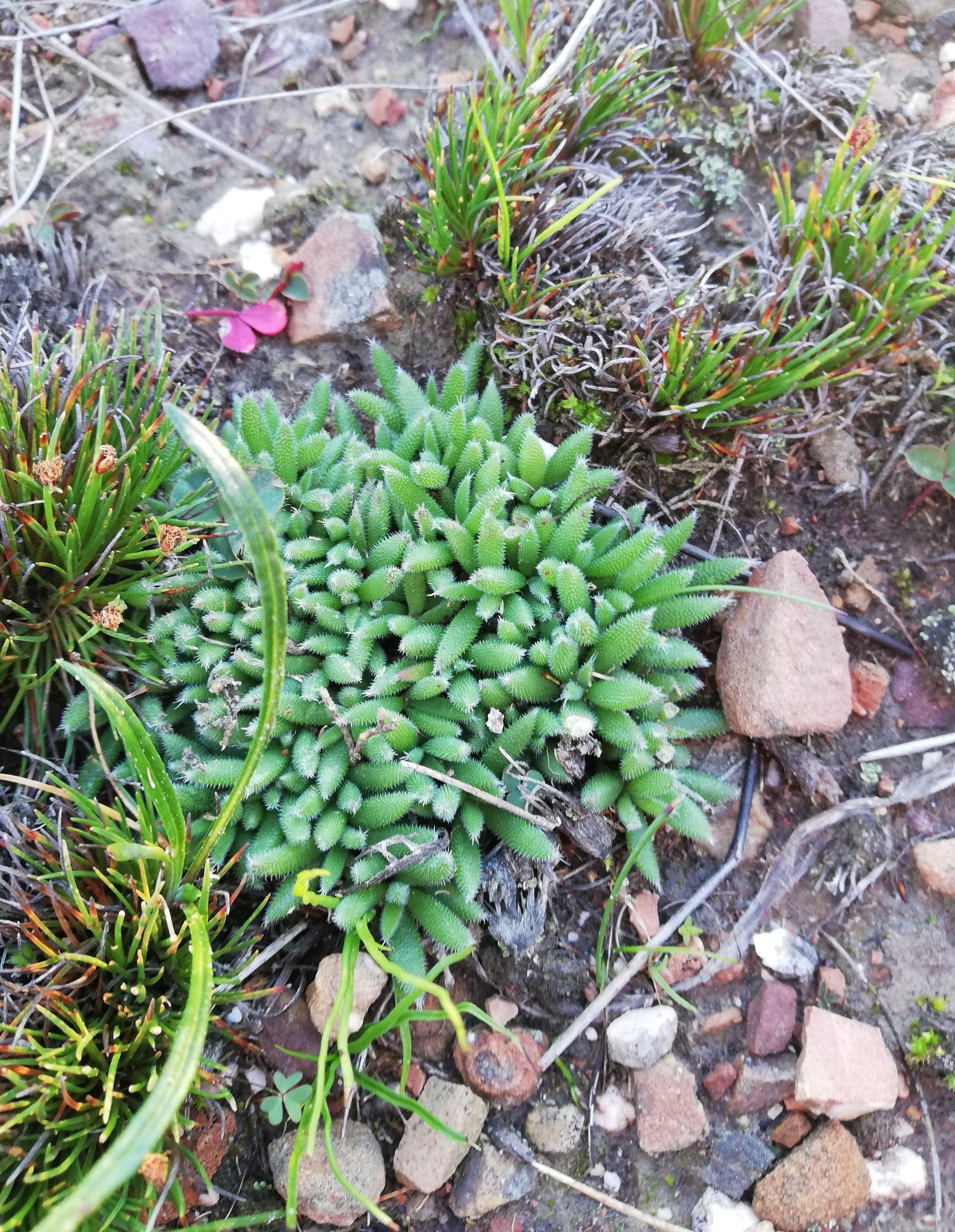
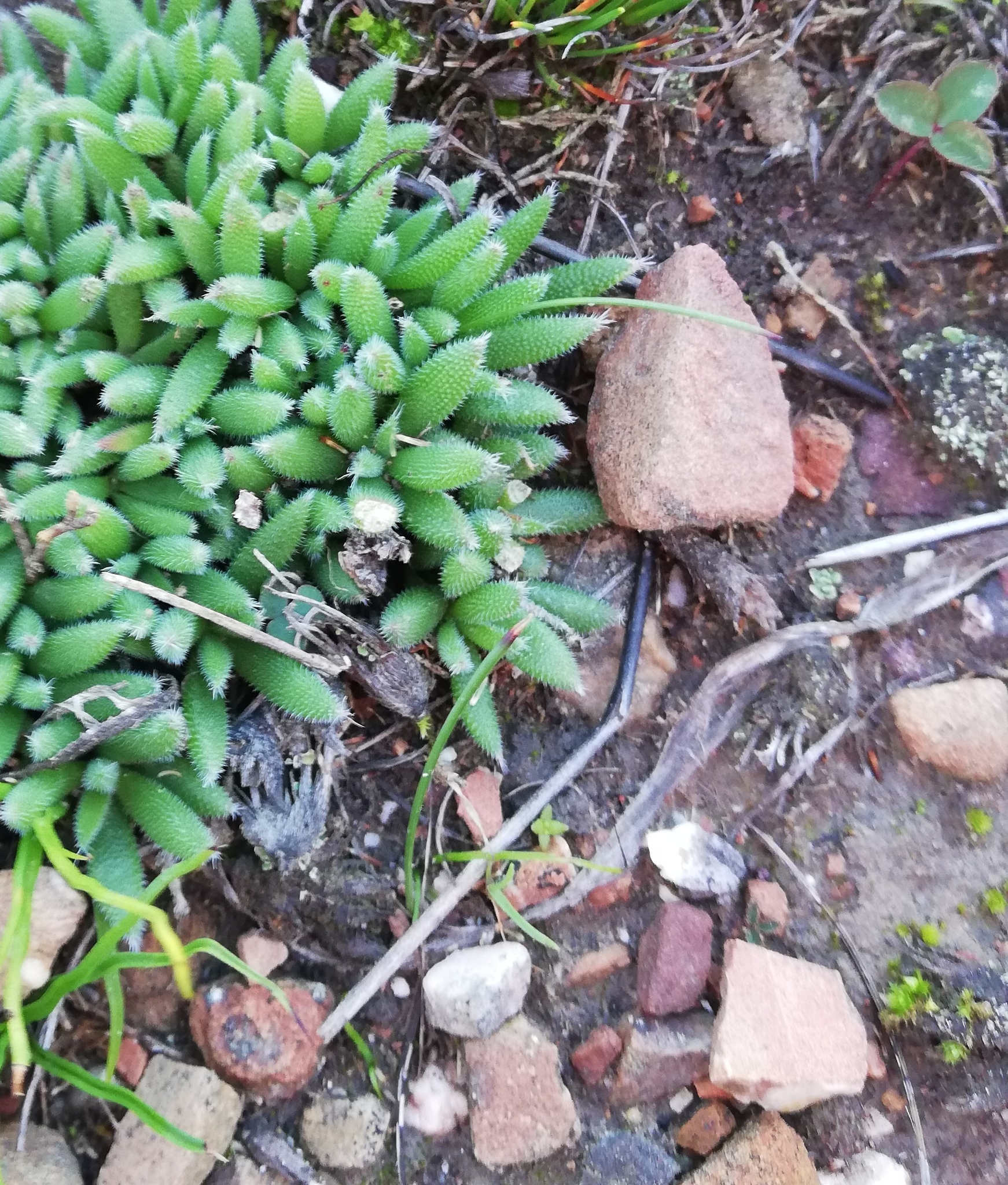
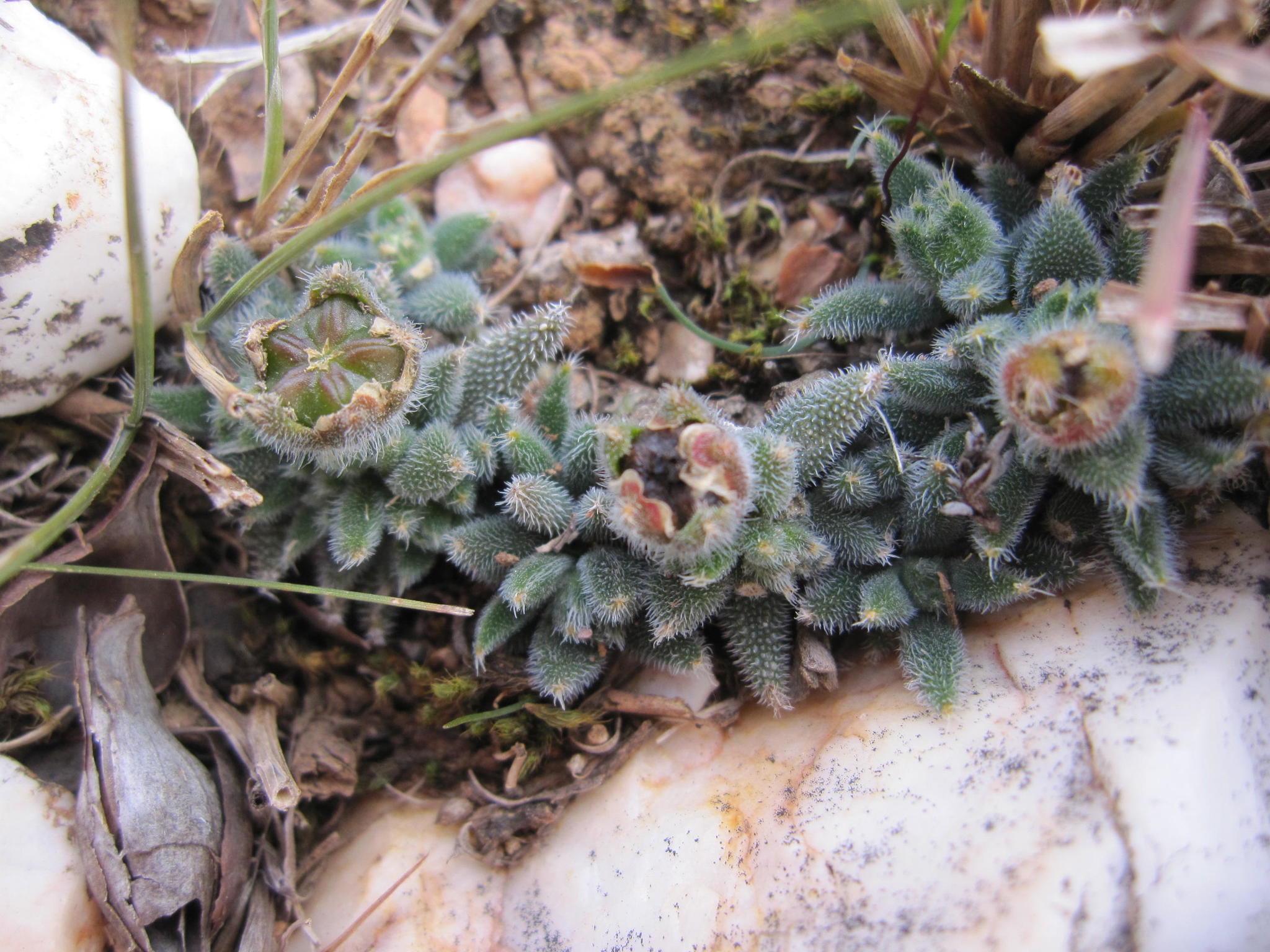
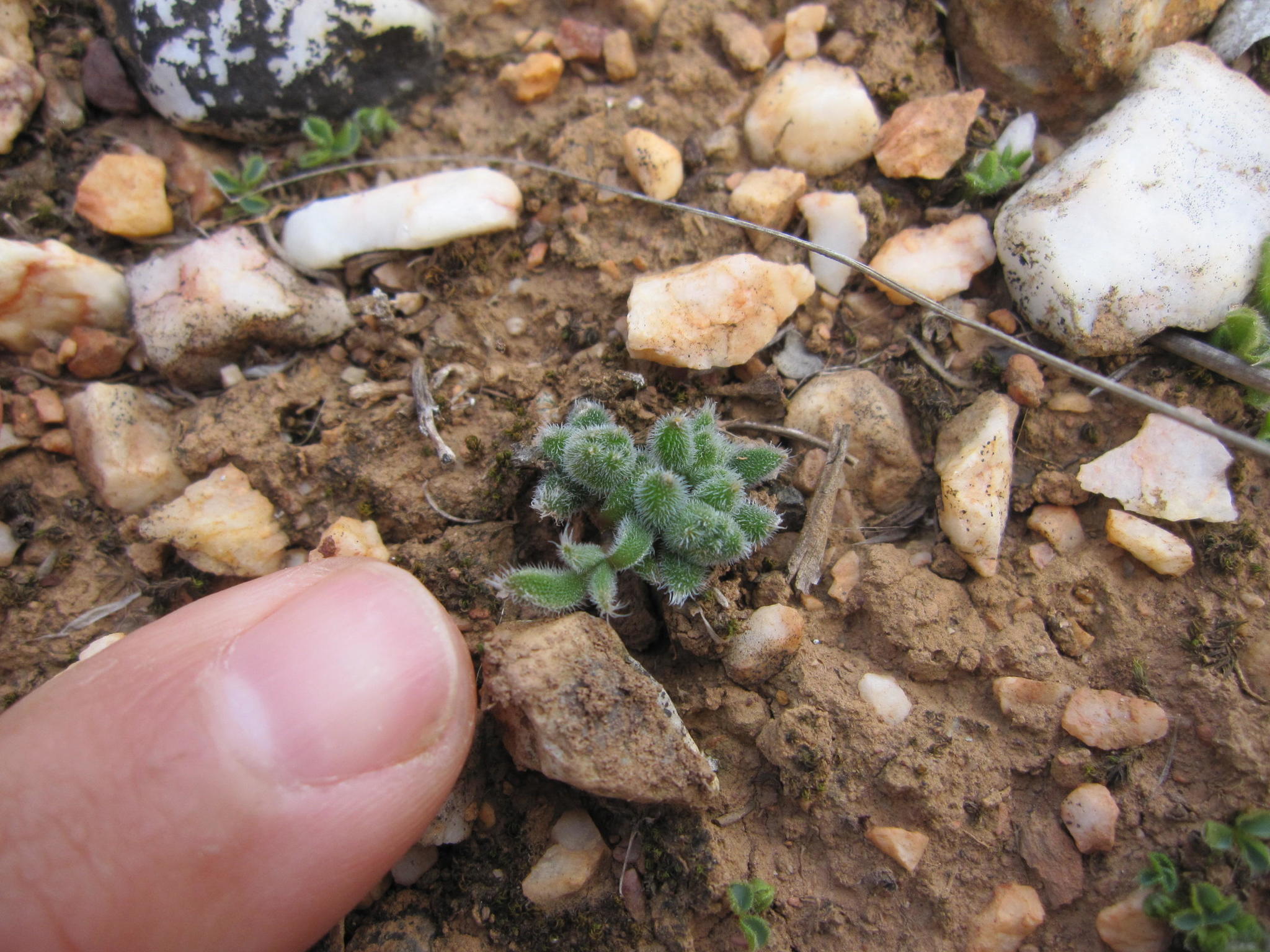
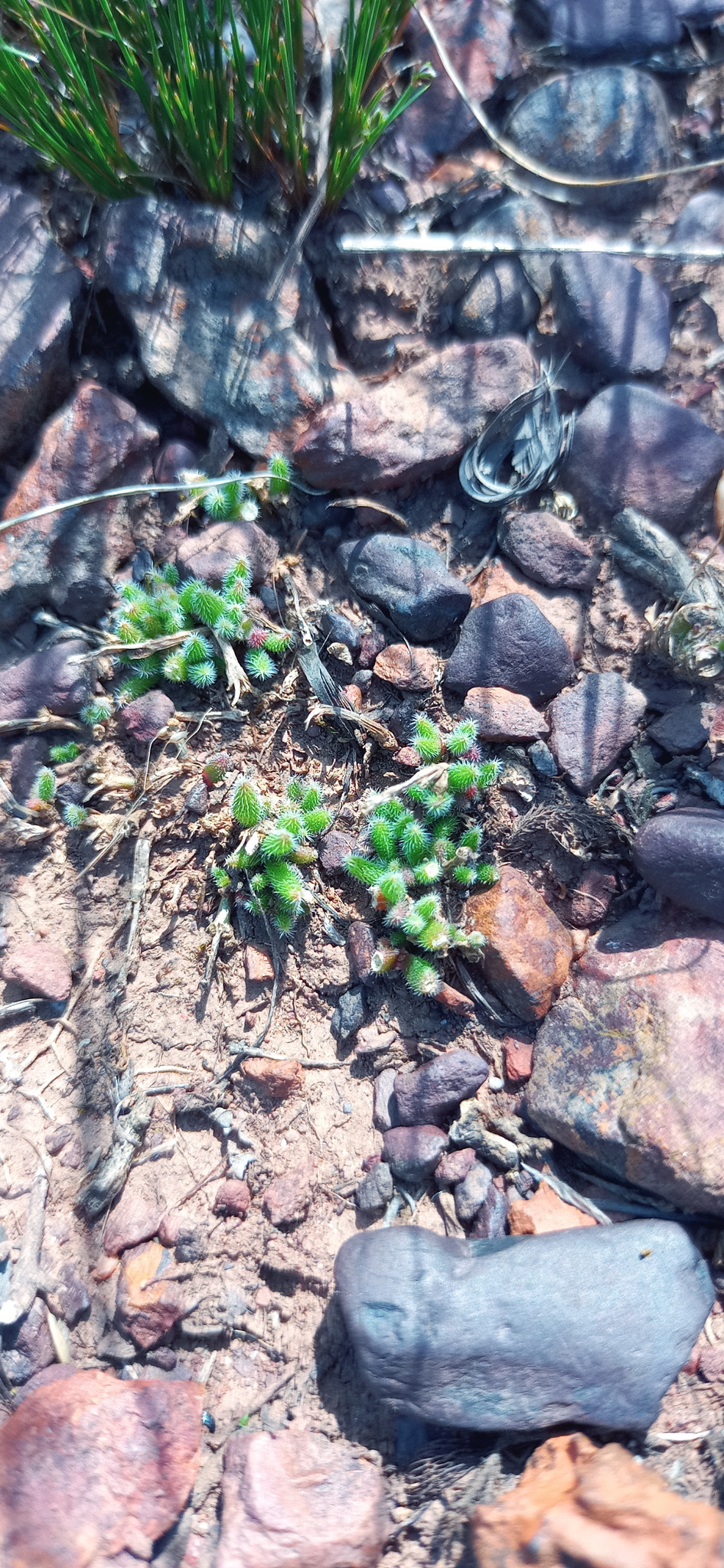
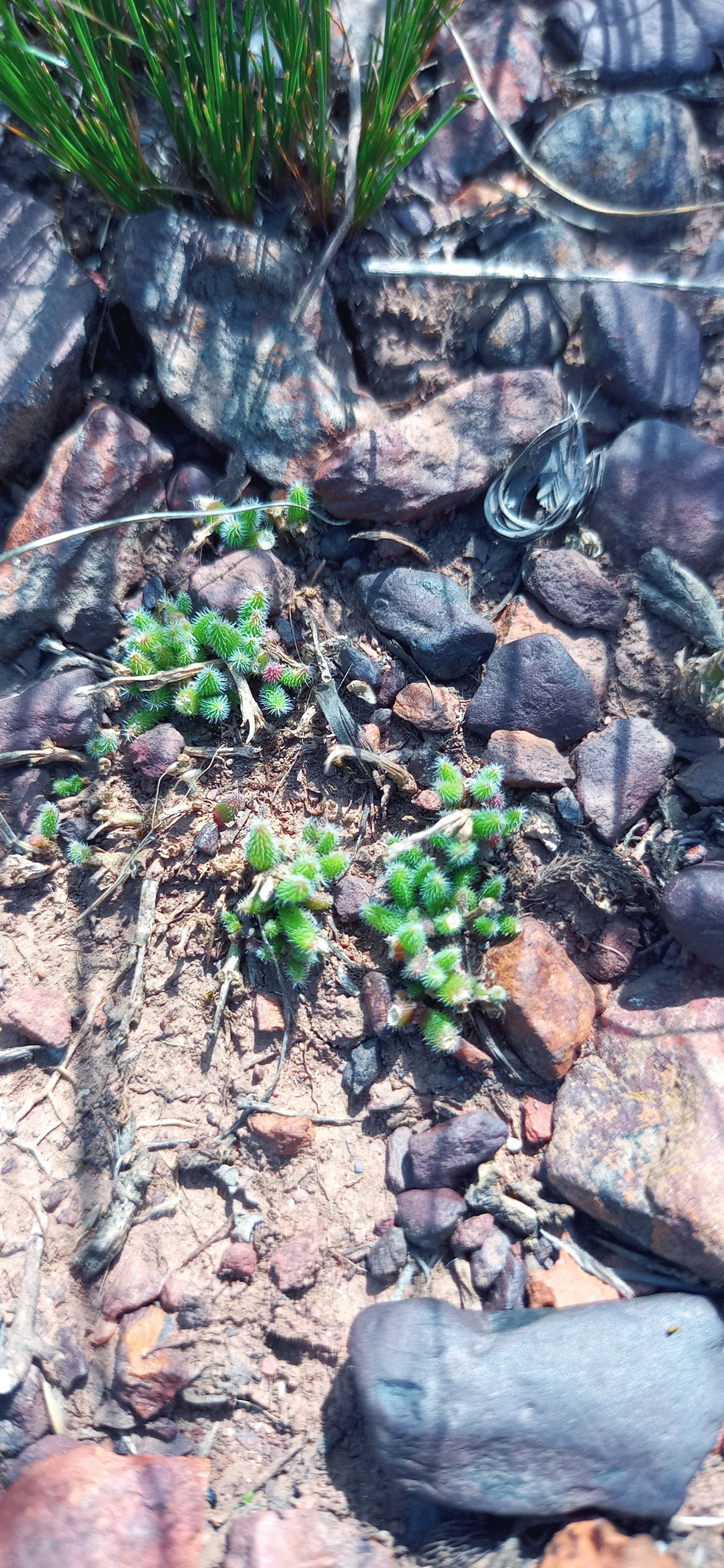
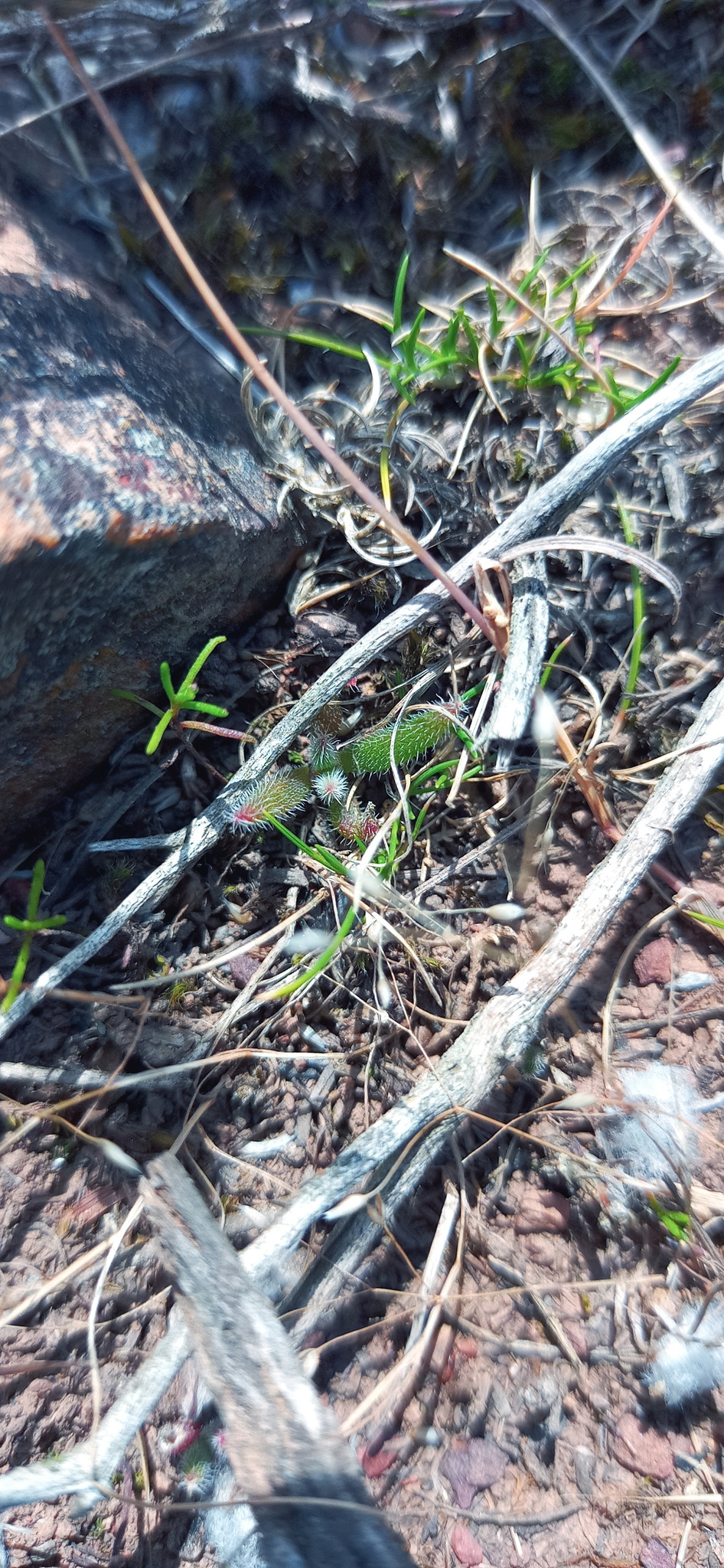
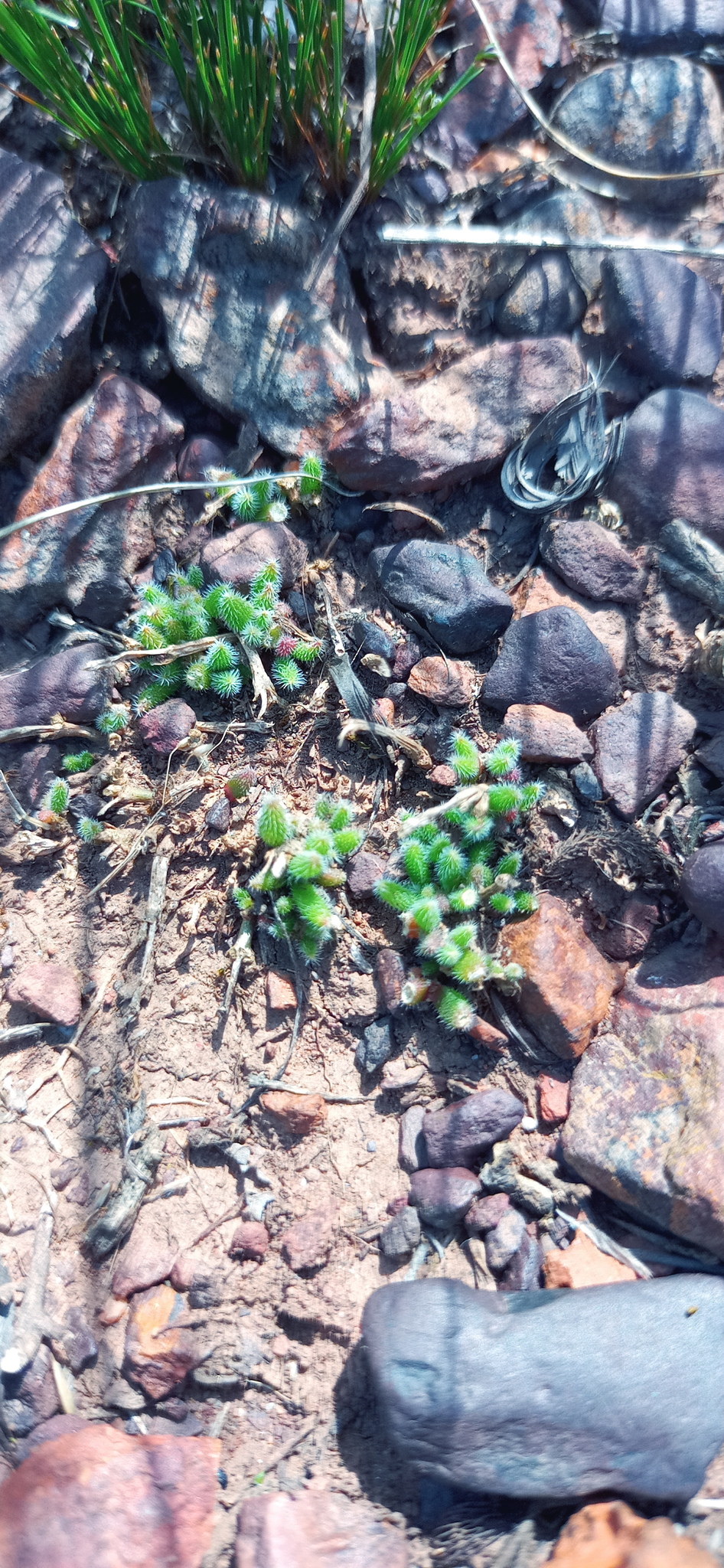
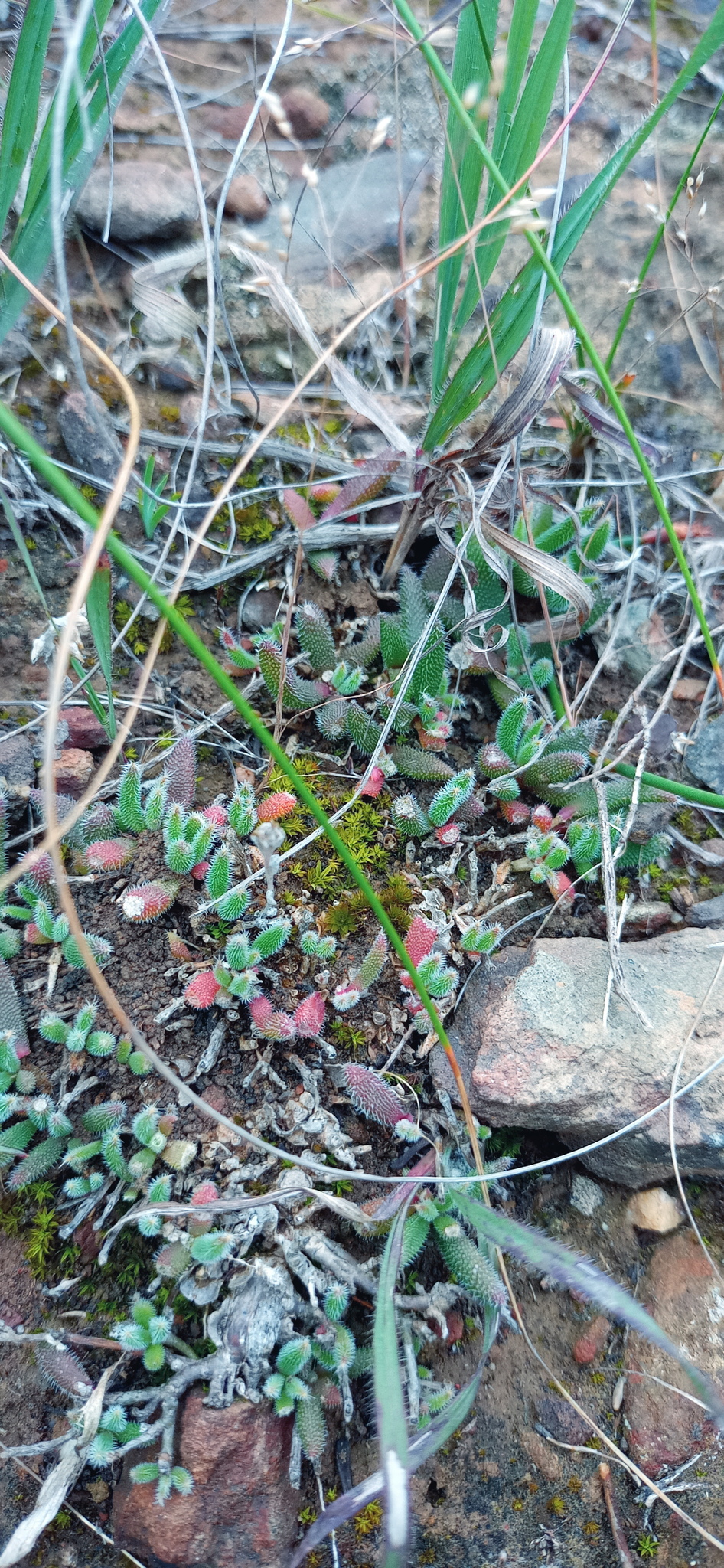
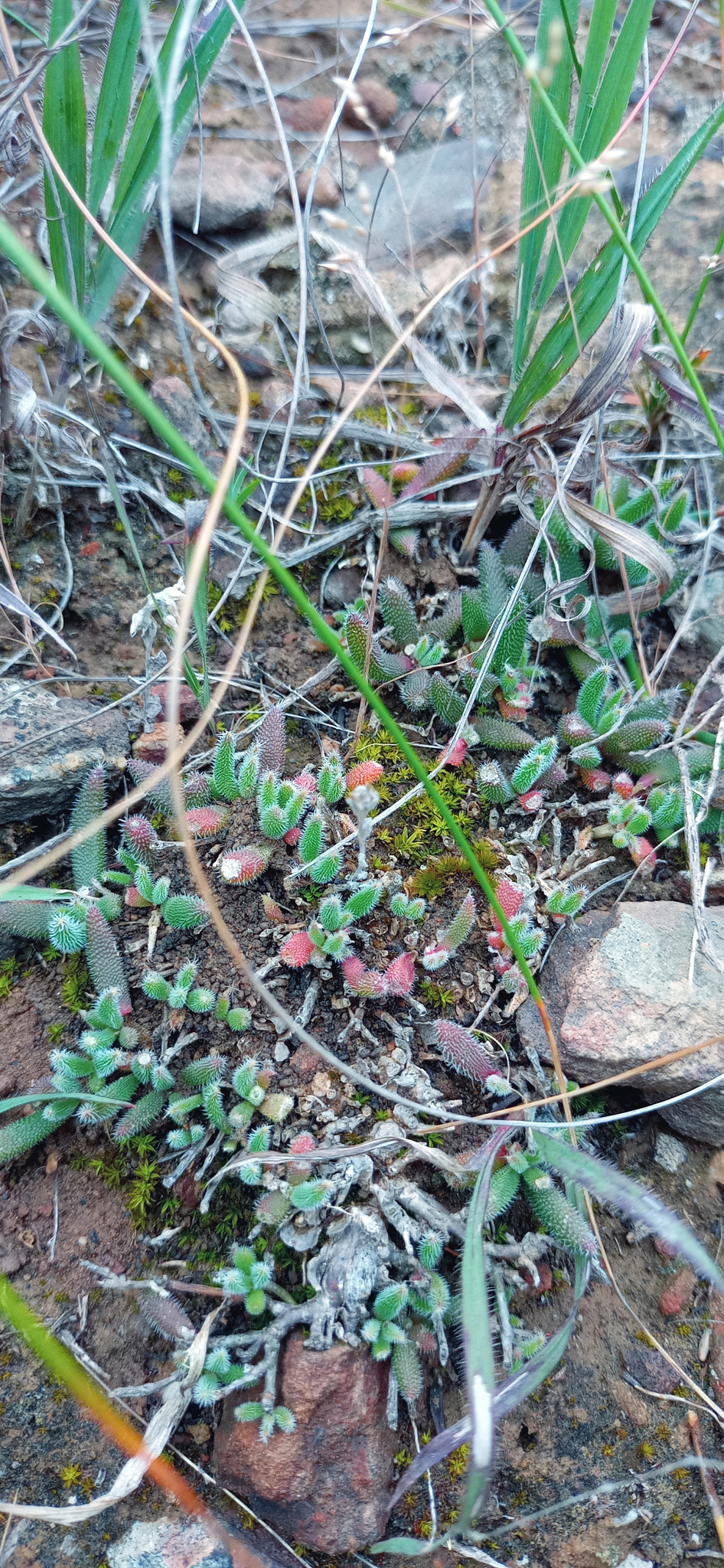
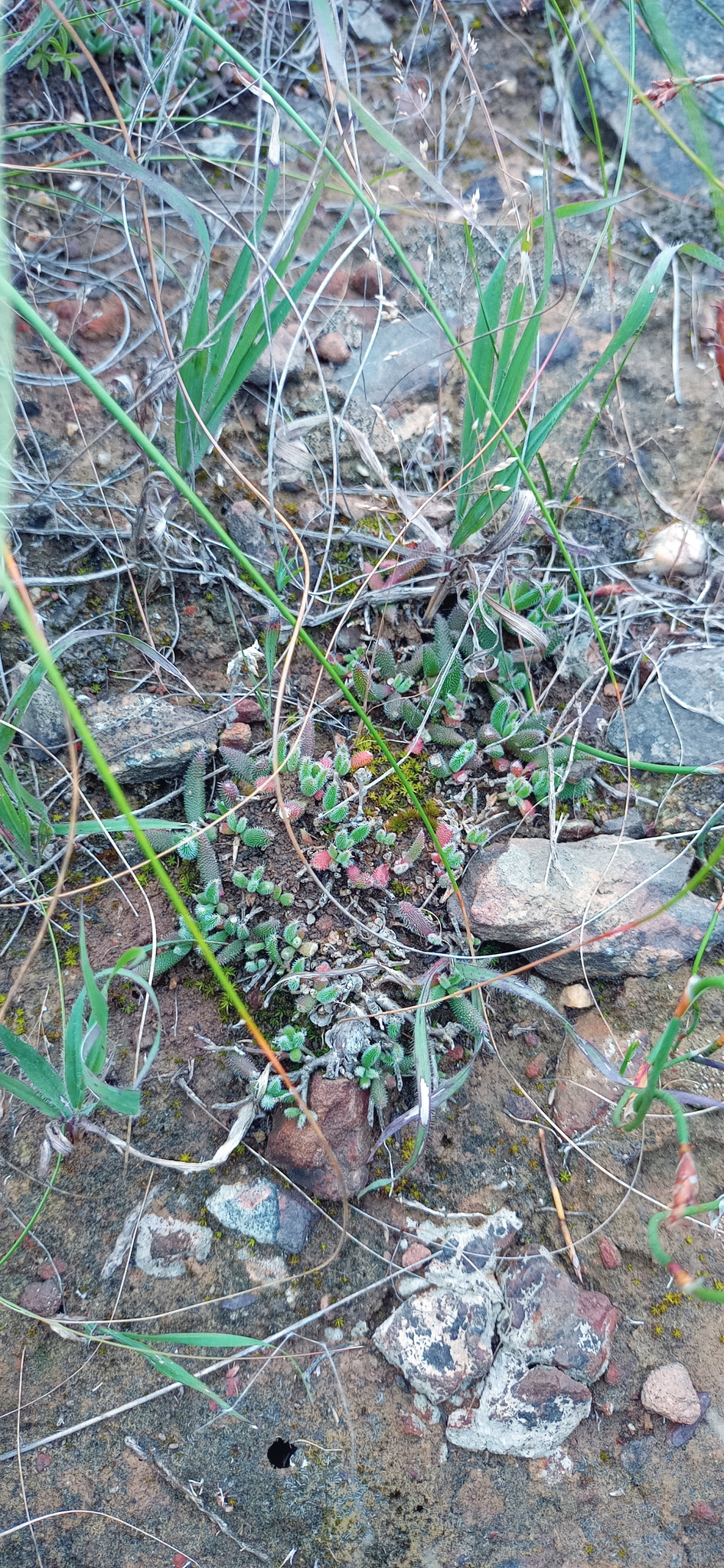
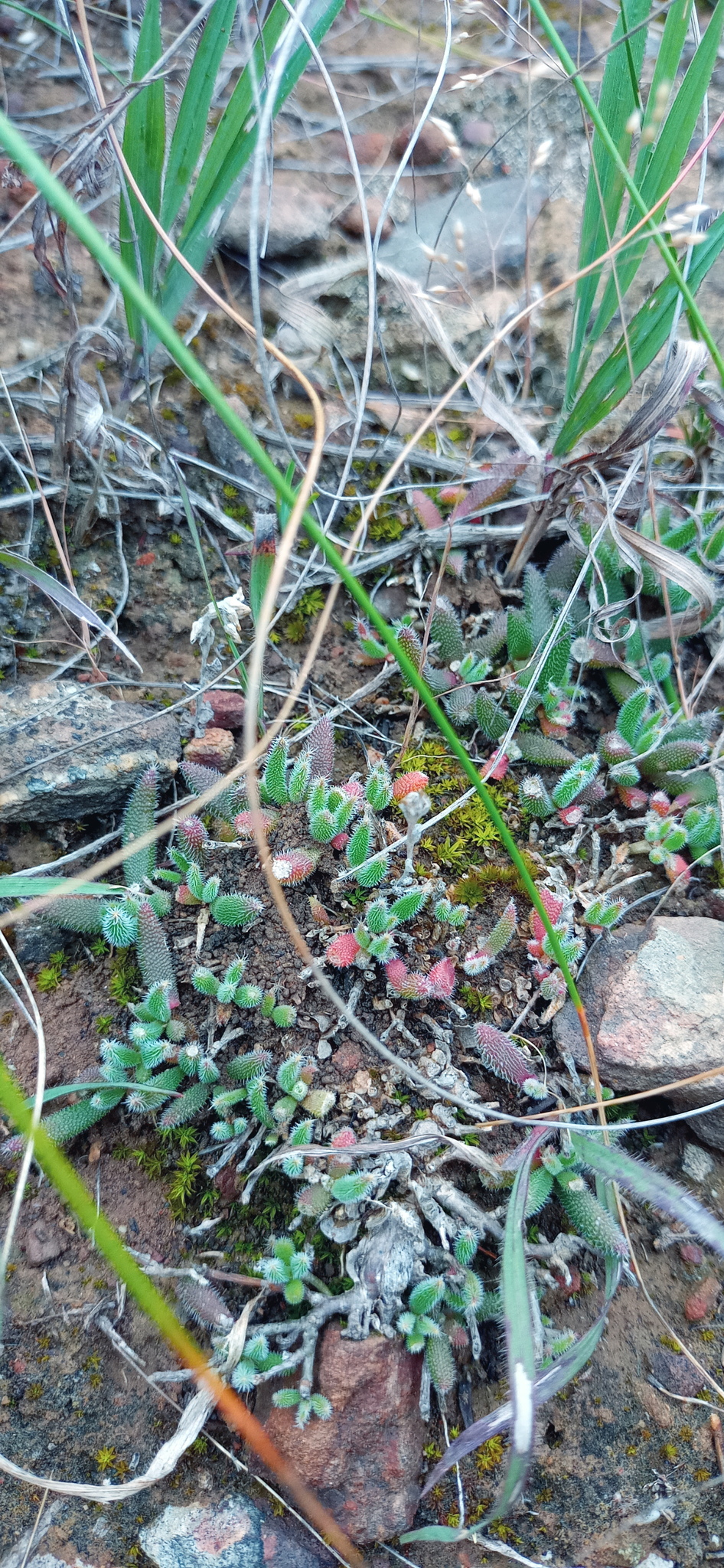
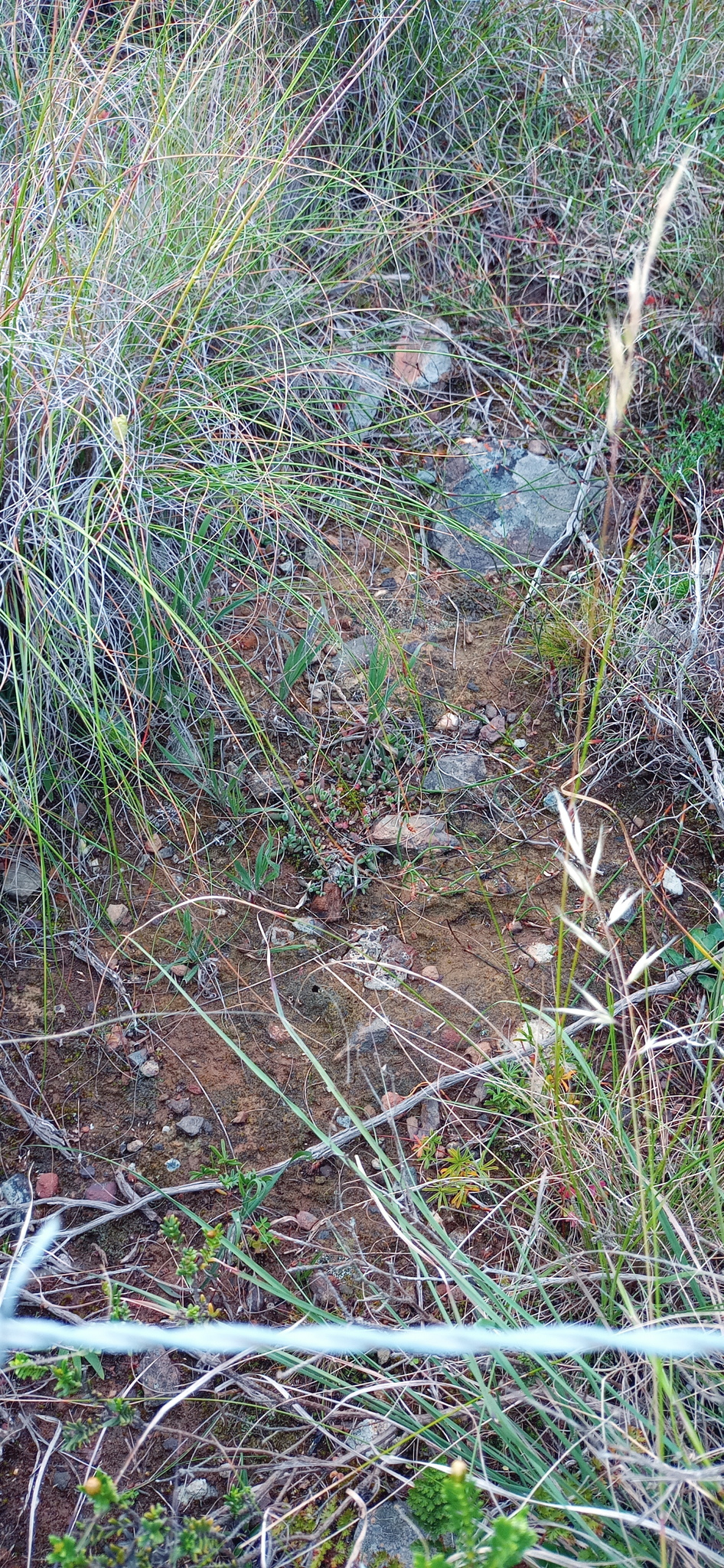
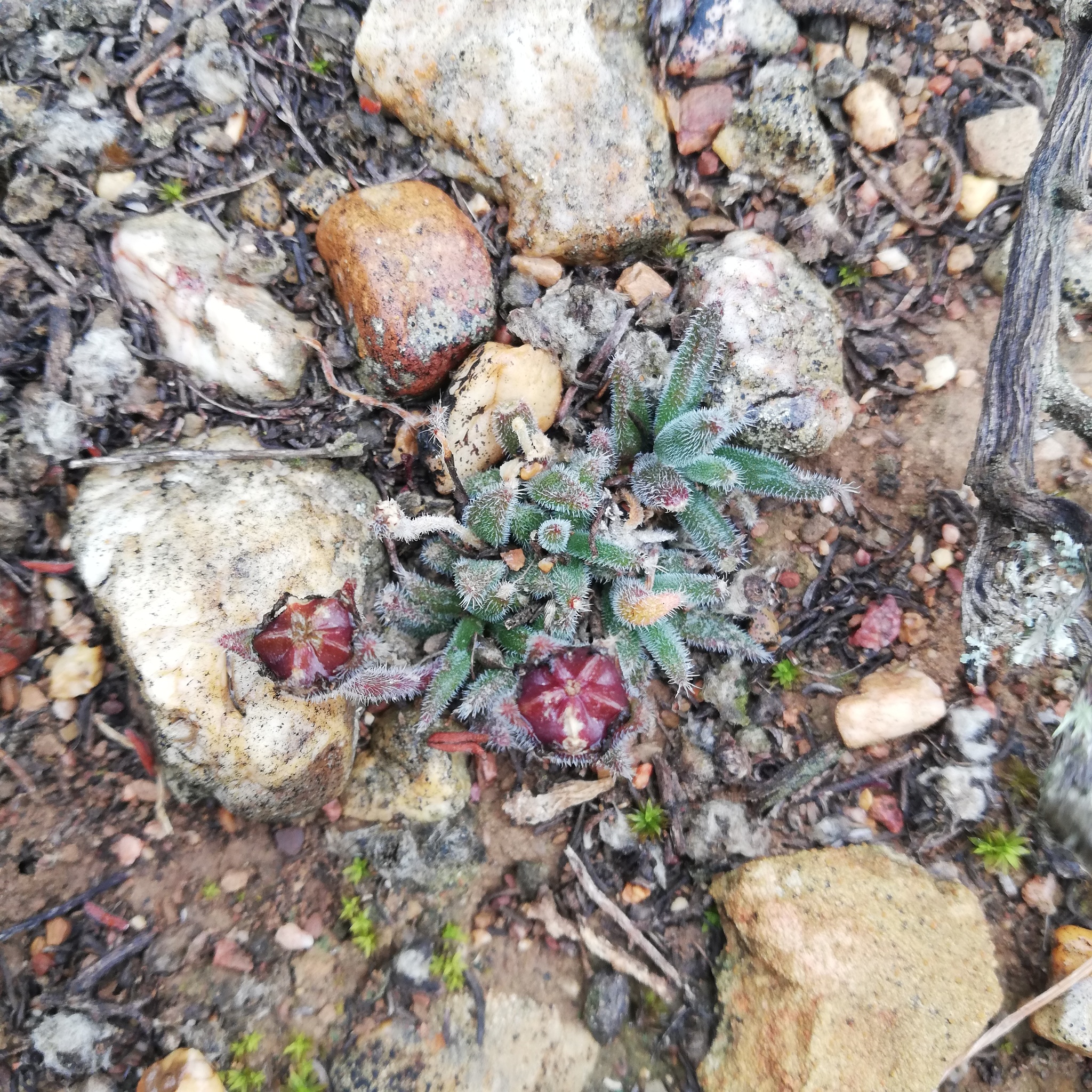
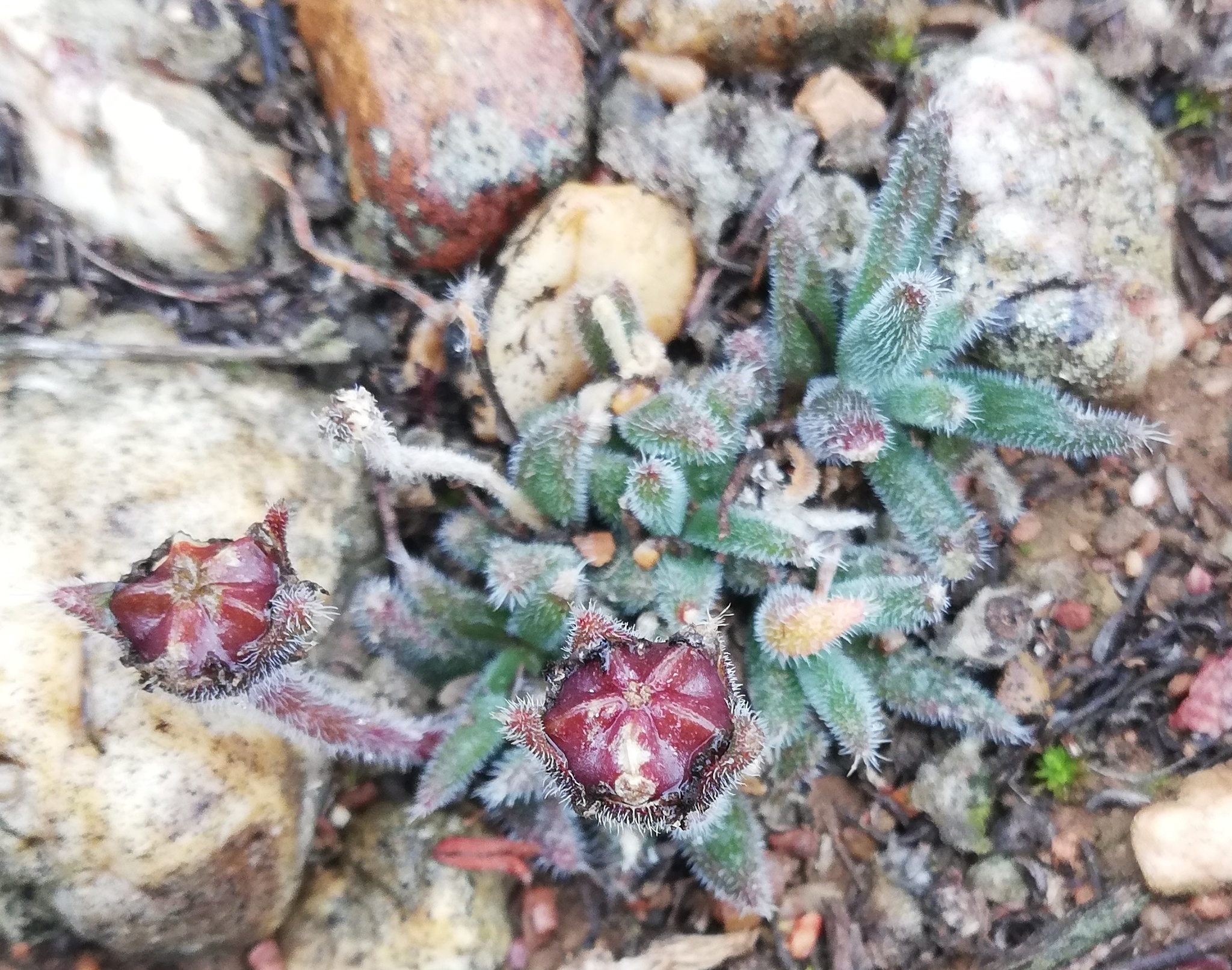
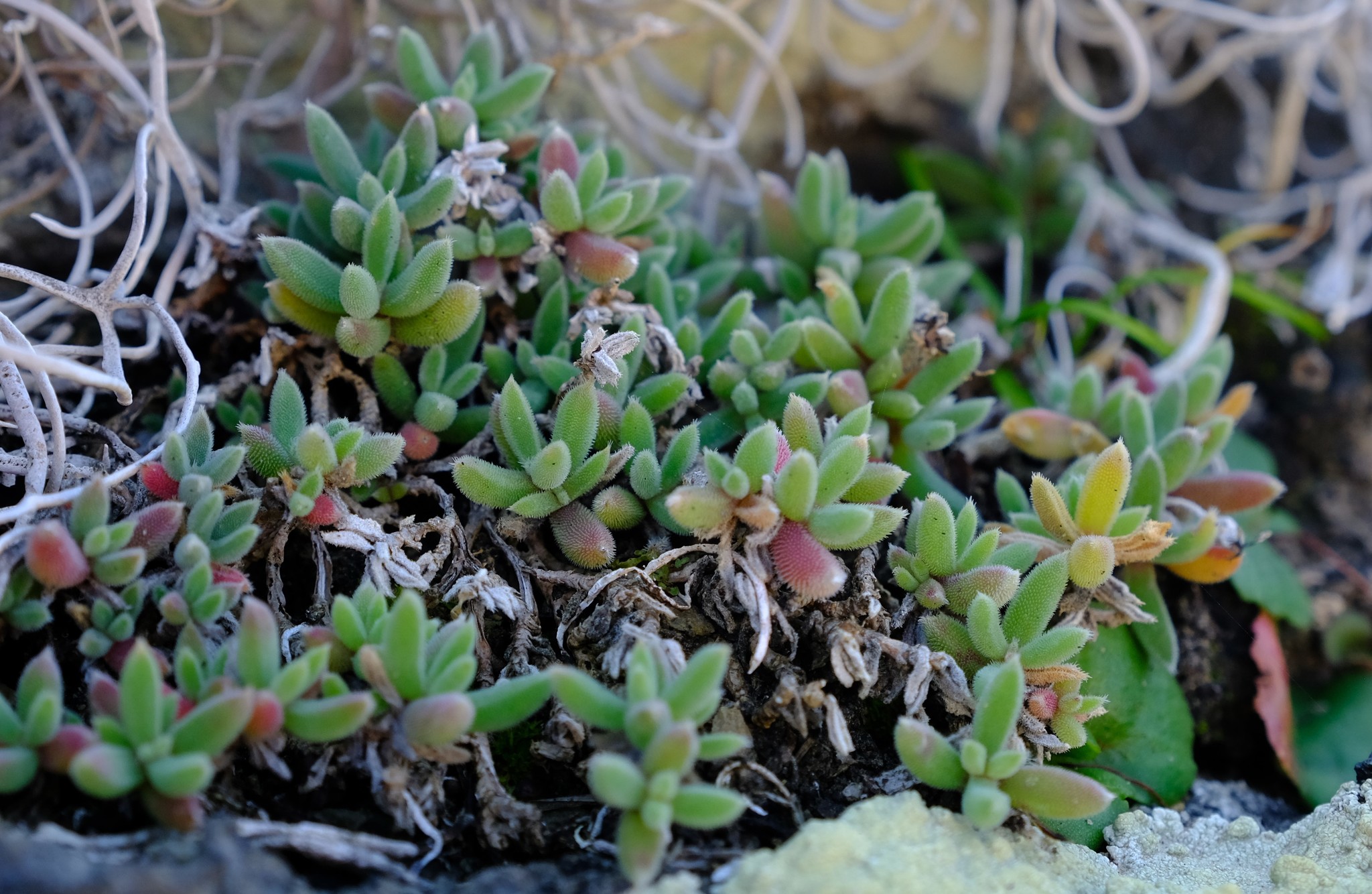
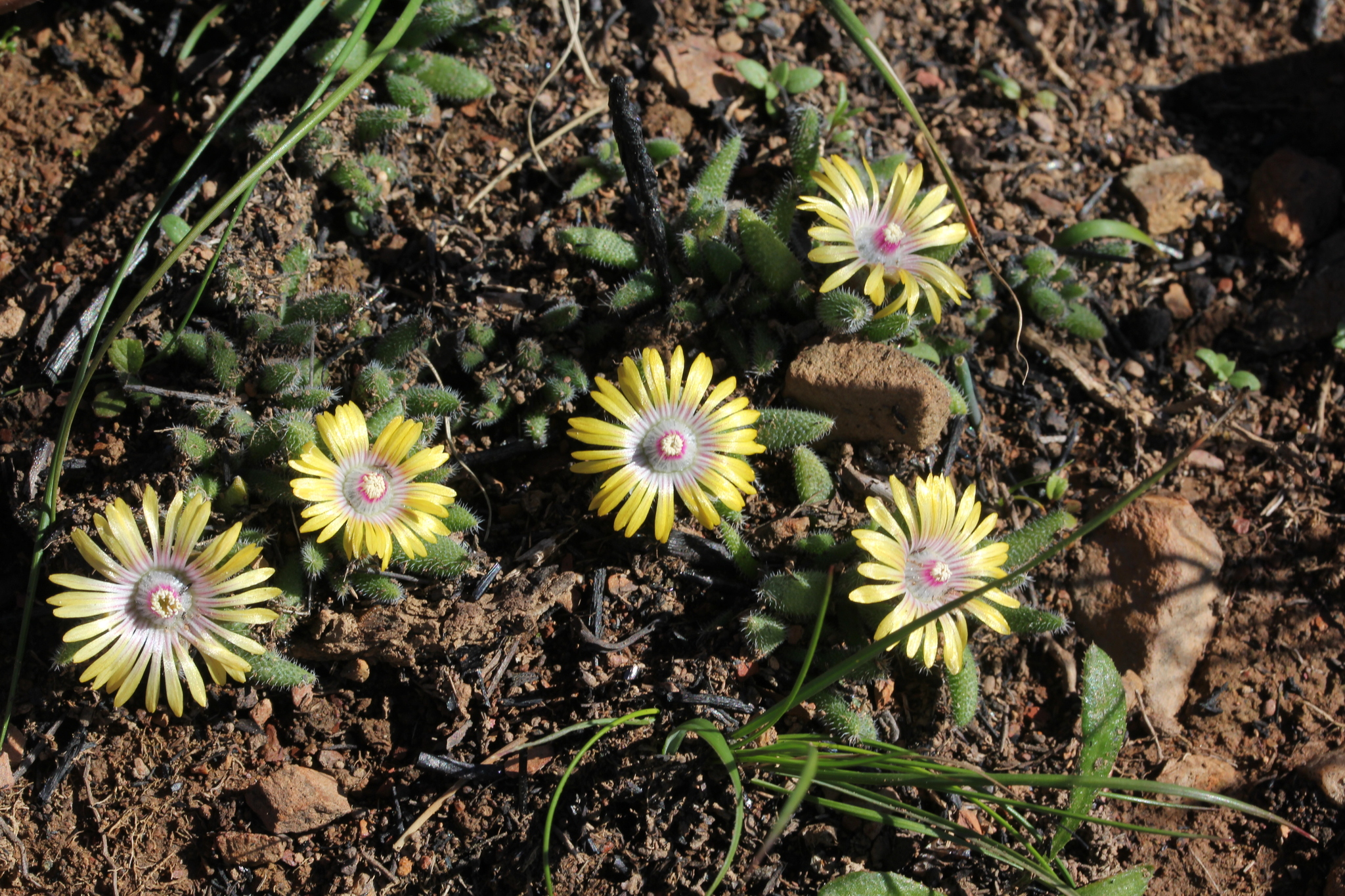
Trichodiadema pygmaeum L.Bolus
EN Indigenous Endemic

Morphological description

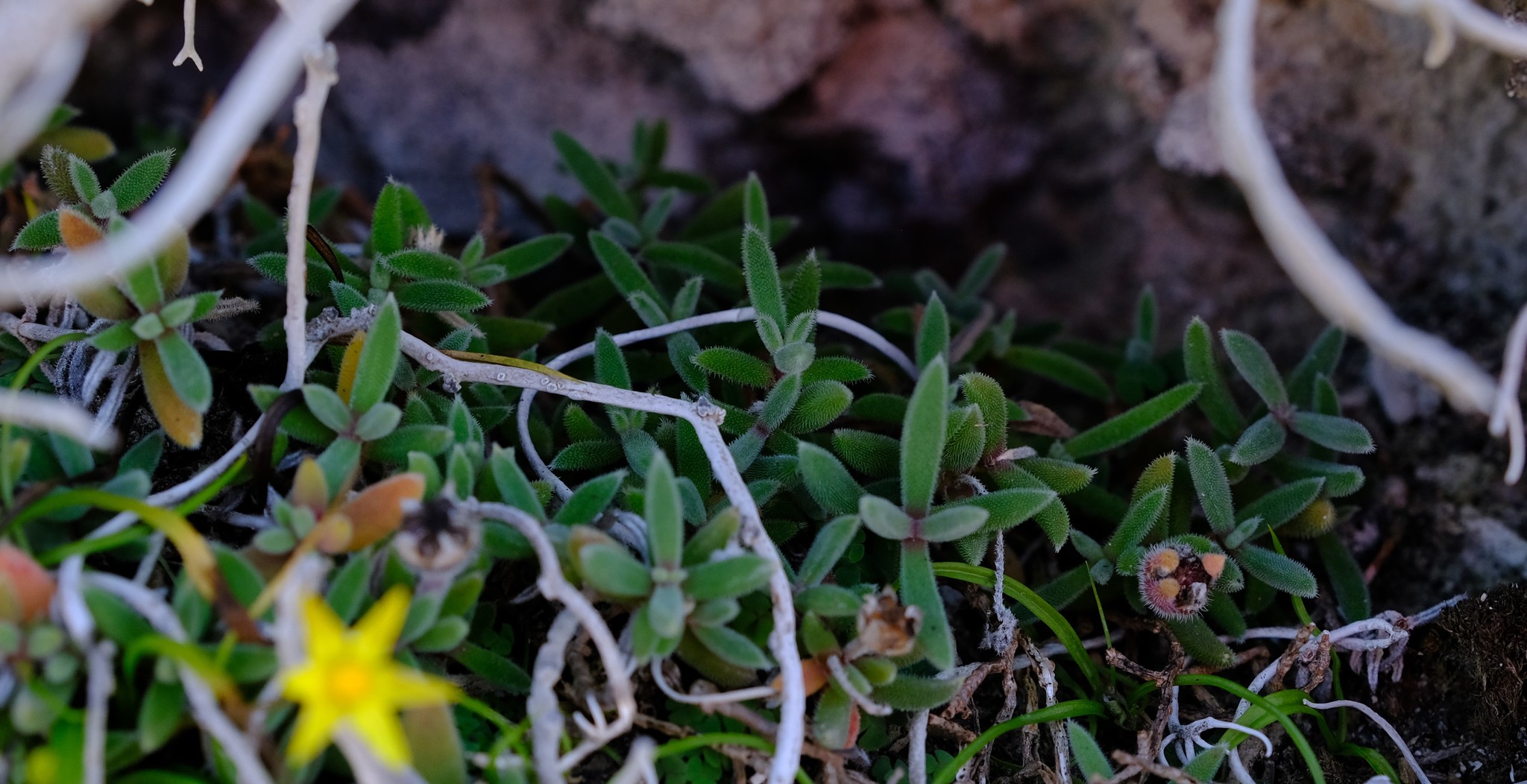
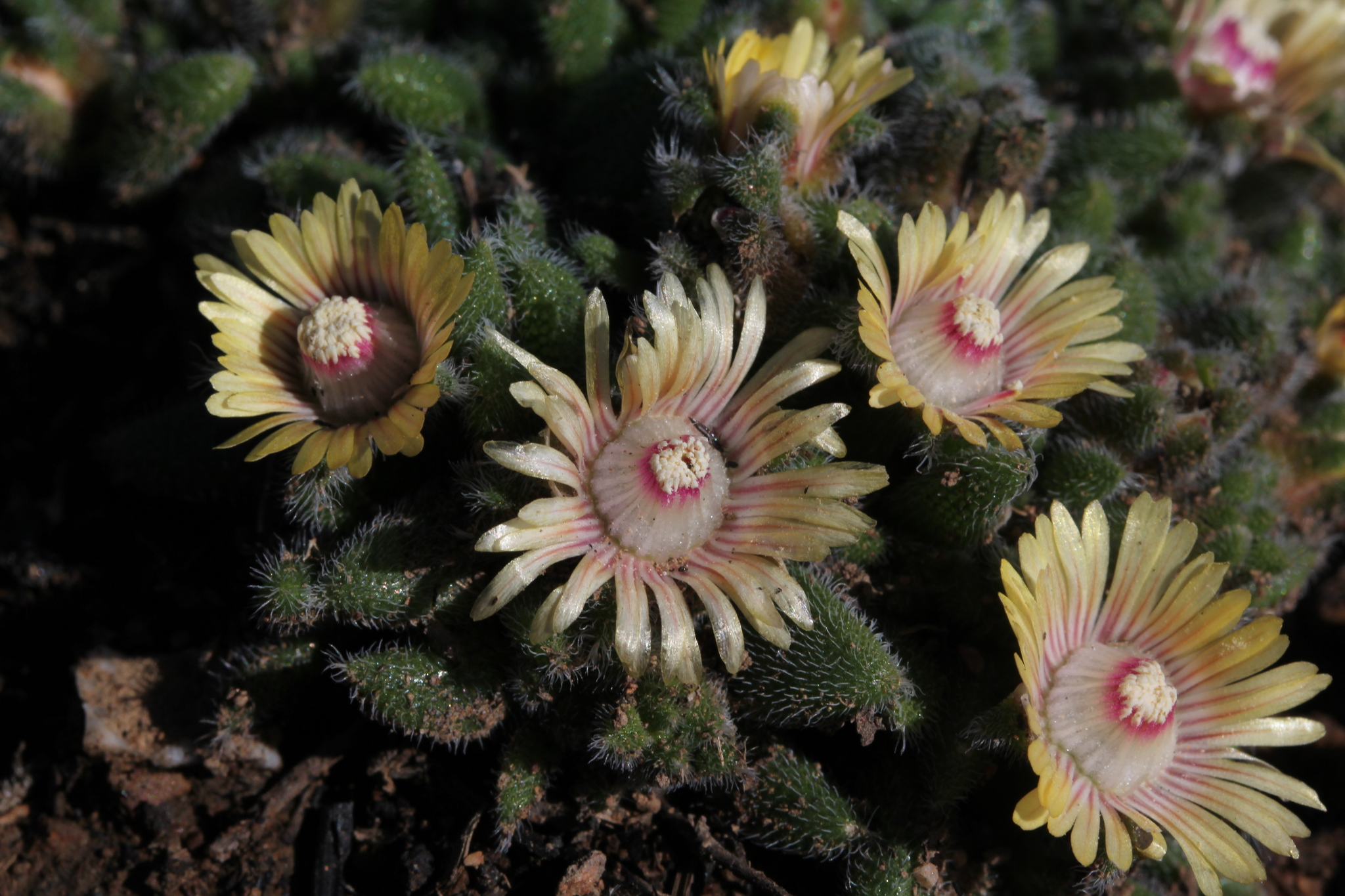
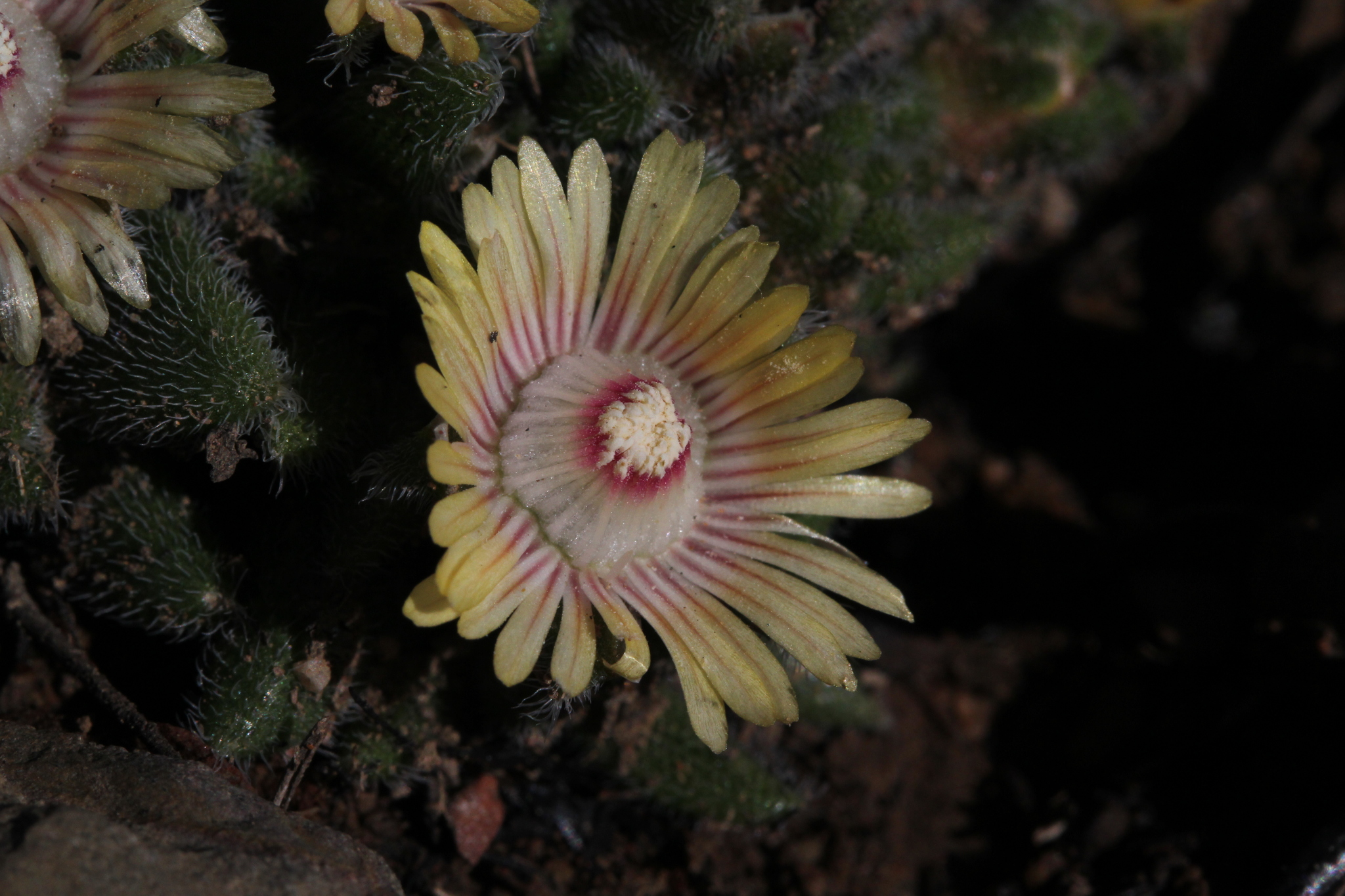
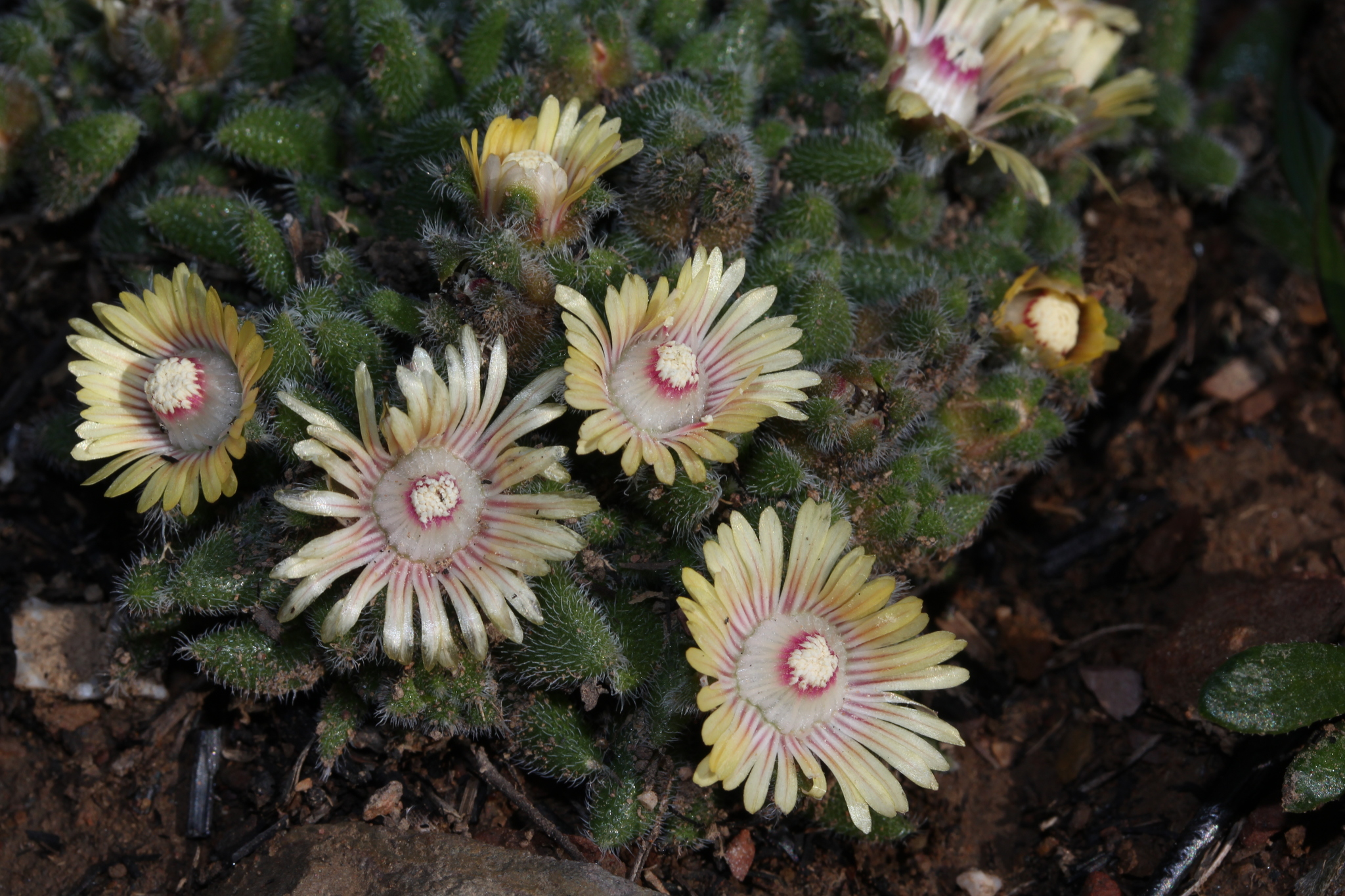
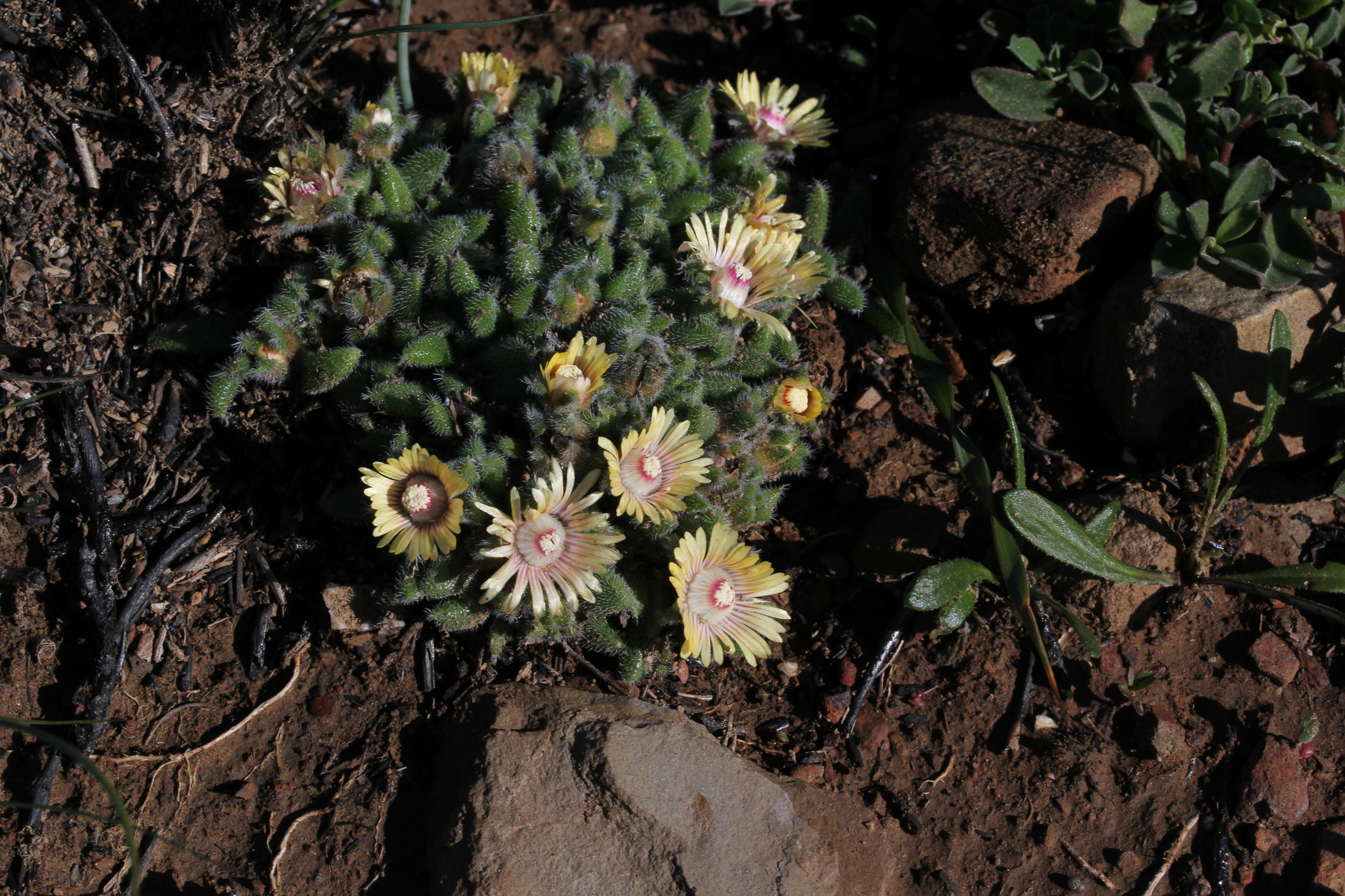
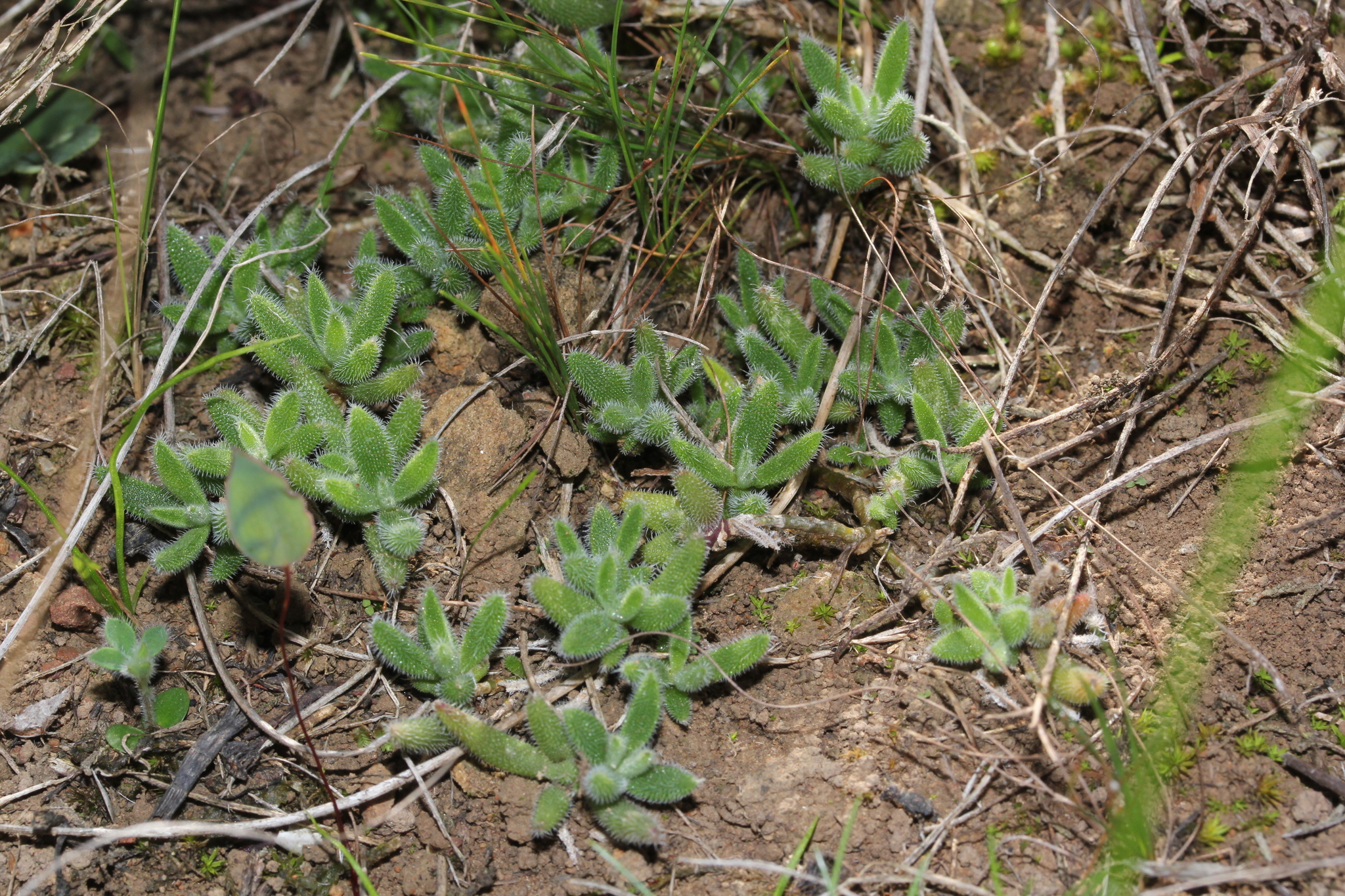
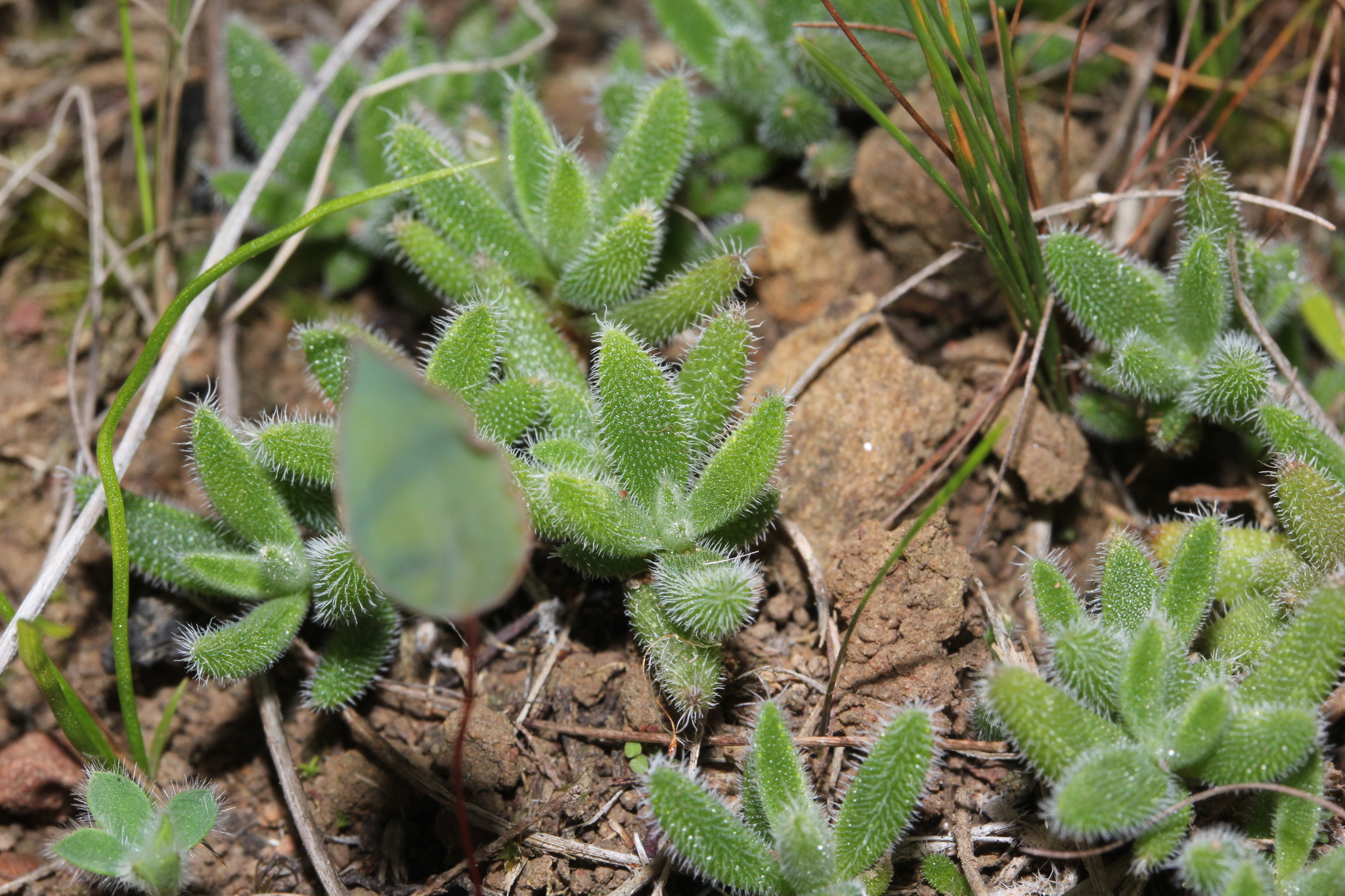
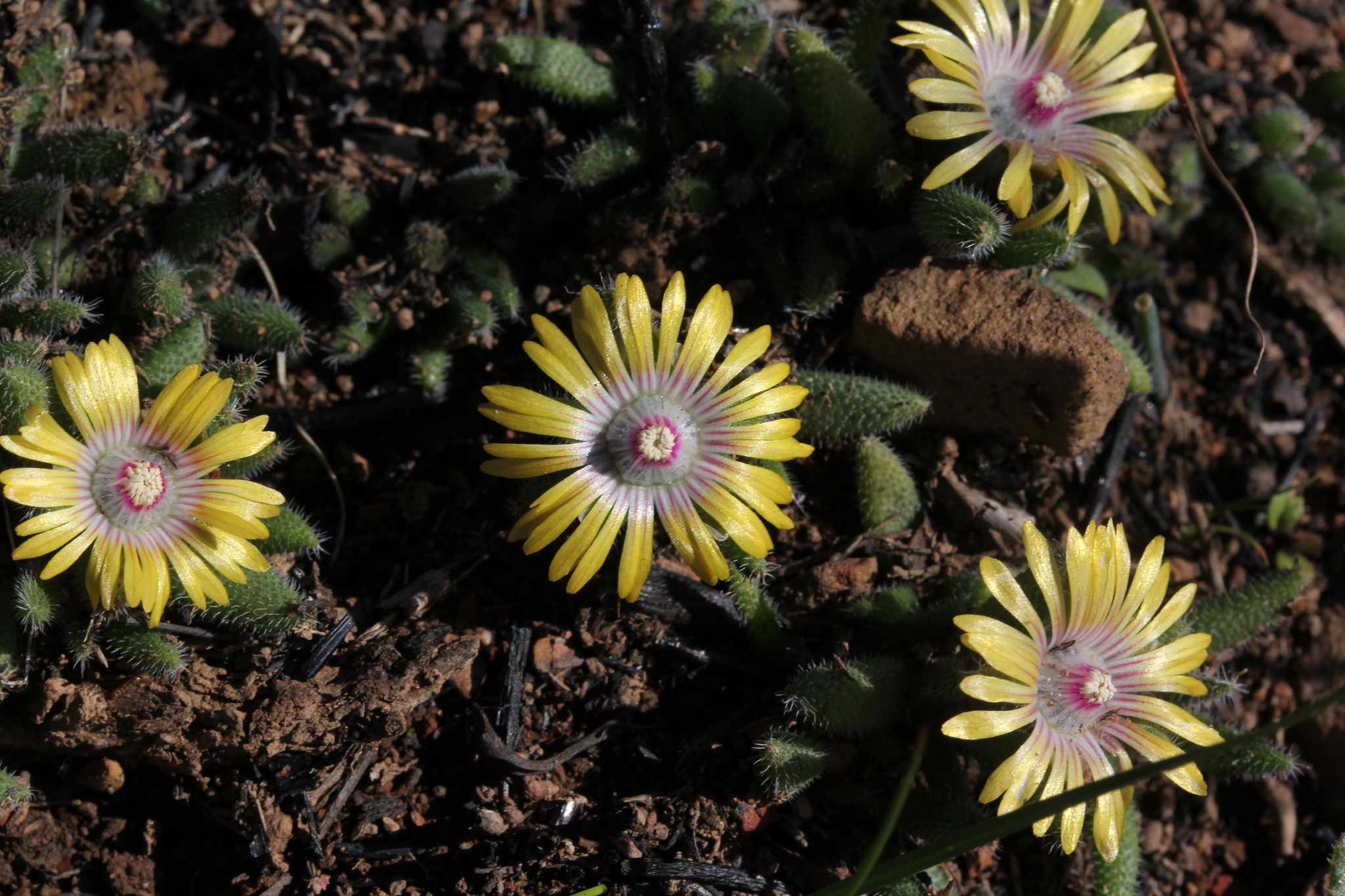
Leaves with apical hairs but no diadem of coloured, sclerotinized bristles. Compact shrublet to 3 cm, with fibrous roots. Leaves imbricate, with apical papillae, to 6 x 3 mm. Flowers subsessile, pink, to 20 mm diam., without filamentous staminodes. Fruits unknown. From: Klak, C. 2012. Aizoaceae: Trichodiadema Schwantes. In: J Manning & P Goldblatt (eds), Plants of the Greater Cape Floristic Region 1: The Core Cape flora. Strelitzia 29: 307-309. South African National Biodiversity Institute, Pretoria. [CC BY]

Habitat

Uncertain. From: Klak, C. 2012. Aizoaceae: Trichodiadema Schwantes. In: J Manning & P Goldblatt (eds), Plants of the Greater Cape Floristic Region 1: The Core Cape flora. Strelitzia 29: 307-309. South African National Biodiversity Institute, Pretoria. [CC BY]

Distribution

Swellendam. From: Klak, C. 2012. Aizoaceae: Trichodiadema Schwantes. In: J Manning & P Goldblatt (eds), Plants of the Greater Cape Floristic Region 1: The Core Cape flora. Strelitzia 29: 307-309. South African National Biodiversity Institute, Pretoria. [CC BY]

Flowering time

July

Altitude

20 to 250 m

Occurrence records map

This map contains point-based occurrences at different locations

iNaturalist: BODATSA: Data partners records:

Residence status

Occurrence in the Flora of Southern Africa (FSA) countries and South African provinces. Residence status indicates if a taxon is indigenous, endemic, naturalised or invasive in a specific region. This data is based on specimen records and literature

FSA

SA

BOT

NAM

ESW

LES

WC

EC

NC

FS

GA

KZN

LP

MP

NW

Absent

Indigenous

Endemic

Naturalised

Invasive

Names and Sources

Accepted name
Trichodiadema pygmaeum L.Bolus

Published in: J. S. African Bot. 32: 335 (1966)

Synonym(s)

Classification

KINGDOM Plantae

SUBKINGDOM Phanerogamae

SUBFAMILY Ruschioideae

SPECIES pygmaeum

17 results for Trichodiadema pygmaeum L.Bolus

Specimen records

Barcode: PRE0397525-0 Collector(s) & number: Muller, DB, 258 | 1968-3-30

South Africa, Free State, BLOEMFONTEIN; WINTERVALLEY; BOT GARDENS OF THE ORANGE FREE STATE

Data Resource: BODATSA View record

Barcode: PRE0398336-0 Collector(s) & number: Acocks, JPH, 2209 | 1937-3-13

South Africa, Northern Cape, PRIESKA DIV.; KRANSFONTEIN

Data Resource: BODATSA View record

Barcode: PRE0605595-0 Collector(s) & number: Burgers, CJ, 2375 | 1980-5-26

South Africa, Western Cape, INFANTA; TOP OF HILL OVERLOOKING SEA AT ST. SEBASTIAN POINT.(AT BEACON 133)

Data Resource: BODATSA View record

Barcode: PRE0397511-0 Collector(s) & number: Brynard, AM, 256 | 1953-6-25

South Africa, Western Cape, BREDASDORP DIST.; BONTEBOK NAT PARK

Data Resource: BODATSA View record

Barcode: PRE0588893-0 Collector(s) & number: Chesselet, P, 200 | 1994-12-27

South Africa, Western Cape, De Hoop. Between Tierkloof and Ouplaas.

Data Resource: BODATSA View record

Barcode: PRE0646887-0 Collector(s) & number: Burgers, CJ, 2375 | 1980-5-26

South Africa, Western Cape, INFANTA; TOP OF HILL OVERLOOKING SEA AT ST. SEBASTIAN POINT (AT BEACON 133)

Data Resource: BODATSA View record

Barcode: PRE0398327-0 Collector(s) & number: Burtt Davy, J, PRE 12679 | 1912-2-28

South Africa, Western Cape, BETWEEN KLAARSTROOM AND TRAKA RIVER ABOUT 27 MI W OF WILLOWMORE

Data Resource: BODATSA View record

Barcode: PRE0398337-0 Collector(s) & number: Bryant, EG, 185 | 1921-2-20

South Africa, Northern Cape, PRIESKA; PRIESKA COMMONAGE

Data Resource: BODATSA View record

Observation records

Date: 7/21/2019 5:17:00 PM

Western Cape

Data Resource: iNaturalist View record

Date: 5/26/2015 12:00:00 AM

Western Cape

Data Resource: iNaturalist View record

Date: 10/24/2021 12:00:00 AM

Western Cape, South Africa

Data Resource: iNaturalist View record

Date: 10/17/2021 12:00:00 AM

Western Cape

Data Resource: iNaturalist View record

Date: 9/5/2019 2:01:00 PM

Western Cape, South Africa

Data Resource: iNaturalist View record

Date: 8/24/2019 9:43:00 AM

Western Cape, South Africa

Data Resource: iNaturalist View record

Date: 7/2/2021 11:47:00 AM

Western Cape

Data Resource: iNaturalist View record

Date: 4/26/2023 11:49:00 AM

Western Cape

Data Resource: iNaturalist View record

Date: 7/2/2021 3:13:00 PM

Western Cape

Data Resource: iNaturalist View record

Plant occurence records per dataset

Plant occurence records per year

Occurrence records map

This map contains point-based occurrences at different locations

iNaturalist: BODATSA: Data partners records:

2012

SERIES CHAPTER

Aizoaceae: Trichodiadema Schwantes Klak, C

In: J Manning & P Goldblatt (eds), Plants of the Greater Cape Floristic Region 1: The Core Cape flora. Strelitzia 29: 307-309

South African National Biodiversity Institute, Pretoria

2001

BOOK

Illustrated handbook of succulent plants: Aizoaceae F-Z Hartmann, HEKO

No results found for Trichodiadema pygmaeum L.Bolus

Status

Global

Status and criteria

EN

Assessment date

2016-05-30

Assessor(s)

Plantae Coordinator

Distribution

Range

This species is endemic to the central Karoo region of South Africa. It is associated with the dense, discontinuous vegetation fringing the seasonal rivers. It is the only indigenous burrowing rabbit in Africa, and is dependent on soft and deep alluvial soils along the river courses for constructing stable breeding stops. Approximately 40-60% of habitat was lost or fragmented during the 1930s to 1970s due to agricultural expansion on the seasonal river flood plains across its distribution range (Robinson 1981b, Duthie <em>et al</em>. 1989, Duthie and Robinson 1990). Historically, this species was known to occur in five localities towards the northwestern portion of its range, along the Vis and Renoster Rivers, as well as their tributaries near Calvinia (Duthie 1989). The lack of sightings data during the last 30 years, suggests that <em>Bunolagus monticularis</em> is now locally extinct in these regions (Collins and Toit 2016). This is likely to be a direct consequence of the extensive agricultural expansion along riverine floodplains (Duthie <em>et al</em>. 1989).<br/><br/>A large number of surveys from 1999-2013 throughout the distribution range has improved our estimates of location and sizes of the various subpopulations, and identified a new southern population in 2004, which now consists of three known subpopulations. The southern population is distributed within three catchments: the Breede, Gouritz and Olifant River systems.<br/><br/>Subpopulations are defined as being made up groups of confirmed sightings along first-, second- or third-order rivers that are within a maximum of 10 km of each other. If the groups of sightings are more than 10 km from each other they are not taken as being from the same subpopulation. Due to limited information about dispersal ability of this species and the fact that known densities where home range studies were carried out showed approximately one Riverine Rabbit for every 400 m of river length, 10 km between confirmed sightings was estimated as a reasonable distance to separate subpopulations. A minimum of six sightings was taken to represent a subpopulation (potentially representing up to three breeding pairs). Where less than six sightings occurred in isolation from survey data, these were assumed to be part of the nearest subpopulation based on connectivity along the rivers.<br/><br/>The approximate ranges of both the northern and southern populations was calculated using Kernel Density home range estimation (buffered by 5 km) and combined to give a total extent of occurrence (EOO), estimated as 54,227 km². To calculate area of occupancy (AOO), all rivers inside the EOO were buffered by 1 km on either side. Similarly, all&#160;sightings points were buffered by a 1 km radius and were used to clip the river buffer providing a total estimate of AOO. A buffer of 1 km was chosen as most of the larger patches of riverine vegetation do not occur more than 1 km from rivers, and by buffering all rivers by 1 km, all known sightings were located within these buffered areas. AOO was thus calculated as 2,943 km².&#160;<em></em>

Habitat and ecology

Major system

Terrestrial

Major habitats

The Riverine Rabbit inhabits dense riparian growth along the seasonal rivers in the central Karoo (Nama-Karoo shrubland). Specifically, it occurs in riverine vegetation on alluvial soils adjacent to seasonal rivers. The habitat is highly fragmented and transformed. Studies show the habitat to be 61% fragmented in certain areas (Duthie 1989). Observations from the more recently discovered southern Cape population include new records spread over thirteen sites (within three subpopulations), of which nine sites are managed as game reserves/nature reserves. The majority of Riverine Rabbit occupancy lies in the Upper Karoo Bioregion (approximately 80%), with about 12% in the Rainshadow Valley Karoo Bioregion, 4% in the Trans-Escarpment Succulent Karoo Bioregion, 3% the in Western Fynbos-Renosterveld Bioregion and 1% in the Lower Karoo Bioregion (Mucina and Rutherford 2006). For the southern population found within the Little Karoo, the presence occurs within the habitat types as described by Vlok and Schutte-Vlok (2010) including Transitional Shrublands Vegetation Type, Arid Renosterveld Habitat Type, Succulent Karoo Vegetation Type, Apronveld Habitat Type and the Randteveld Habitat Type. However, they are not restricted to the alluvial floodplains in the southern Cape (C. Bragg pers. obs. 2014) and can also occur in old lands not associated with riverine vegetation. Further habitat studies are required.<br/><br/>It should be noted that these are broad habitat types whereas subpopulations in the northern part of the distribution are always associated with alluvial floodplains and narrow belts of riverine vegetation adjacent to seasonal rivers on a scale that is unlikely to fit within these broader habitat types. They are thus highly reliant on the critical resource areas of Karoo riparian ecosystems. These descriptions do, however, give an indication of the general vegetation structure and composition within various parts of its range. Home range has been estimated as 12 ha (Duthie 1989). This species is elusive and nocturnal, spending daylight hours in a scrape beneath riparian vegetation. They are solitary, and will only be found in breeding pairs for short periods, or in female-juvenile pairs for rearing purposes (Duthie 1989).<br/><br/>This species is predominantly a browser, but is known to occasionally feed on grasses during the early wet rainy season when short, green grasses become available (Duthie 1989). When browsing, they have been found to show a particular selection for <em>Pteronia erythrochaetha, Kochia pubescens, Salsola glabrescens</em> and species of Aizoacae. They are unable to survive on heavily overgrazed or agriculturally transformed habitats, but have been found feeding on lucerne fields at night.<br/><br/>Ecosystem and cultural services: It is both a flagship species for the Karoo, as well as an indicator species of riparian habitat fringing the rivers of the Nama (Upper and Central Karoo) and the Succulent Karoo where its presence is associated with ecosystem integrity (healthy ecosystem services, such as water infiltration, vegetation cover, and soil health). Its unique habitat is of economic importance to landowners in terms of cultivation and small-stock grazing. Threats to the river ecosystems include overgrazing and anthropogenic land and river &#160;transformation, which leads to the degradation and fragmentation of Riverine Rabbit habitat.

Threats

Both populations face significant threats from ongoing habitat degradation and fragmentation due to detrimental land-use practices and new emerging habitat-transforming land uses, such as climate change and energy development (Ahlmann et al. 2000). Over the last century, ca 40-60% of the fertile alluvial floodplains and riparian habitat has been lost as a result of cultivation (for example, winter wheat production, mostly in the past) and livestock farming (ongoing) (Duthie 1989; Duthie et al. 1989, Duthie and Robinson 1990, Coetzee 1994, Ahlmann et al. 2000). Other threats to the species include hunting (hunted for sport and for bushmeat by farm workers), and accidental mortality in traps set for ‘pest’ animals on farmlands. There is also the potential that the dominance of sheep farming and emerging wildlife ranching for economically valuable species may increase the frequency of both overgrazing (and thus reduction in vital vegetation cover) and predation rates (for example, by higher Black-backed Jackal Canis mesomelas densities). Similarly, habitat degradation through fuel-wood collecting and overgrazing may have led to an increase in predation (Ahlmann et al. 2000).

There are also several emerging threats that could threaten this species. An initial assessment of climate change indicates that a net reduction of 89% in habitat is likely for the northern population (Hughes et al. 2008). Hence further study is urgently required as to potential effects of projected climate change over the entire distribution.

Fracking of the Karoo region is also a major emerging threat to Riverine Rabbit habitat due to ancillary activities associated with fracking, which could lead to increased roadkill mortalities, habitat fragmentation and altered hydrology of Karoo river systems, which in turn impacts on the species’ habitat. Similarly, wind farms are also likely to have a significant impact on the species.

Habitat quantity and quality is declining through overgrazing by livestock, resulting in reduced cover from predators and lack of sufficient forage. Reduction in streamflow owing to the construction of dams upstream has presumably also reduced habitat quality (Ahlmann et al. 2000). High livestock, and in some cases, wildlife, stocking rates have resulted in large areas of the Karoo having reduced vegetation cover and becoming dominated by unpalatable species, which have further reduced vegetation biodiversity and stocking  potential for livestock and game. Additionally, continued rural settlement expansion on the Northern Cape Province, estimated to be 9% from 2000 to 2013 (GeoTerraImage 2015), will presumably increase rates of poaching and predation by dogs. However, stewardship schemes for this species in the Karoo have also been initiated and cover 350,000 ha in the Greater Karoo. Anecdotal evidence suggests improved biodiversity and Riverine Rabbit populations on these farms, as well as greater landowner awareness of the requirements to protect Riverine Rabbits (C. Bragg unpubl. data). Continued biodiversity stewardship expansion will help to mitigate habitat loss and deterioration.

Population

Population trend

Riverine Rabbits have a critically low population size. For example, Duthie<em> et al</em>. (1989) found low densities of the species on the Klipgat farm, Victoria West (0.06-0.17 individuals / ha). However, this sample represented too few home ranges to extrapolate to population level. Duthie <em>et al</em>. (1989) speculated that remaining habitat might potentially support around 1,435 individuals. However, densities may vary widely among river systems. For example, there is remaining natural habitat on the Ongers River but there is no evidence of Riverine Rabbit occupancy (Ahlmann <em>et al</em>. 2000). Thus the population size may be very much lower (Duthie<em> et al</em>. 1989).<br/><br/>There are an estimated 12 subpopulations, three in the southern population and nine in the northern population. Subpopulations are isolated from each other by jackal-proof fencing and severe land transformation through agricultural practices. All these subpopulations are estimated to contain less than 50 mature individuals (8–46 mature individuals, based on independent sightings in each river system). There are also an additional five possible historic subpopulations that are represented by five separate museum specimens collected in the past, but no surveys in the past 30 years have confirmed any sightings in those localities, so those five subpopulations are assumed to be locally extinct. To estimate total population size, we used survey data representing confirmed sightings along rivers to indicate size of individual subpopulations along river systems. For population size estimates, the total number of sightings across all 12 subpopulations was 380 individuals, yielding a total population estimate of 207 mature individuals (assuming 70% adults). The alternative estimate, derived from the average density of sightings per 1 km river buffer for all subpopulations multiplied by the total area (AOO), was 224 individuals in total, or 157 mature individuals (Collins and Toit 2016).<br/><br/>Generation length for this species is two years (Collins <em>et al</em>. 2004). This species has a single litter per year with 1-2 young per litter in a fur- and grass-lined subterranean chamber excavated in stable soils (Duthie 1989). Reproductive periodicity occurs from August through May (Duthie and Robinson 1990). Gestation time is 35-36 days (Duthie 1989). Longevity in captivity is five years (K. Collins unpubl. data).

Bibliography

JOURNAL ARTICLE
Samways, M.J. 2002. A strategy for national red listing invertebrates based on experiences with Odonata in South Africa. African Entomology. 10:43-52

JOURNAL ARTICLE
Samways, M.J. 2007. Honing Red List assessments of lesser known taxa in biodiversity hotspots. Biodiversity and Conservation. 16:2575-2586

JOURNAL ARTICLE
Samways, M.J. 2004. Critical species of Odonata in southern Africa. International Journal of Odonatology. 7:255-262

ELECTRONIC SOURCE
IUCN 2010. IUCN Red List of Threatened Species (ver. 2010.3)

JOURNAL ARTICLE
Samways, M.J. 2006. National Red List of South African Odonata. Odonatologica. 35:341-368

JOURNAL ARTICLE
Samways, M.J. 1999. Diversity and conservation status of South African dragonflies (Odonata). Odonatologica. 28:13-62

BOOK
Tarboton, W. and Tarboton, M. 2005. A fieldguide to the damselflies of South Africa. Privately published by the authors

JOURNAL ARTICLE
Samways, M.J. 2002. A strategy for national red listing invertebrates based on experiences with Odonata in South Africa. African Entomology. 10:43-52

Part(s) of plant used Use(s) Reference

Coming soon...