
PLANTAE / PHANEROGAMAE / ANTHOPHYTA / ASPARAGALES / HYPOXIDACEAE / PAURIDIA / PUSILLA

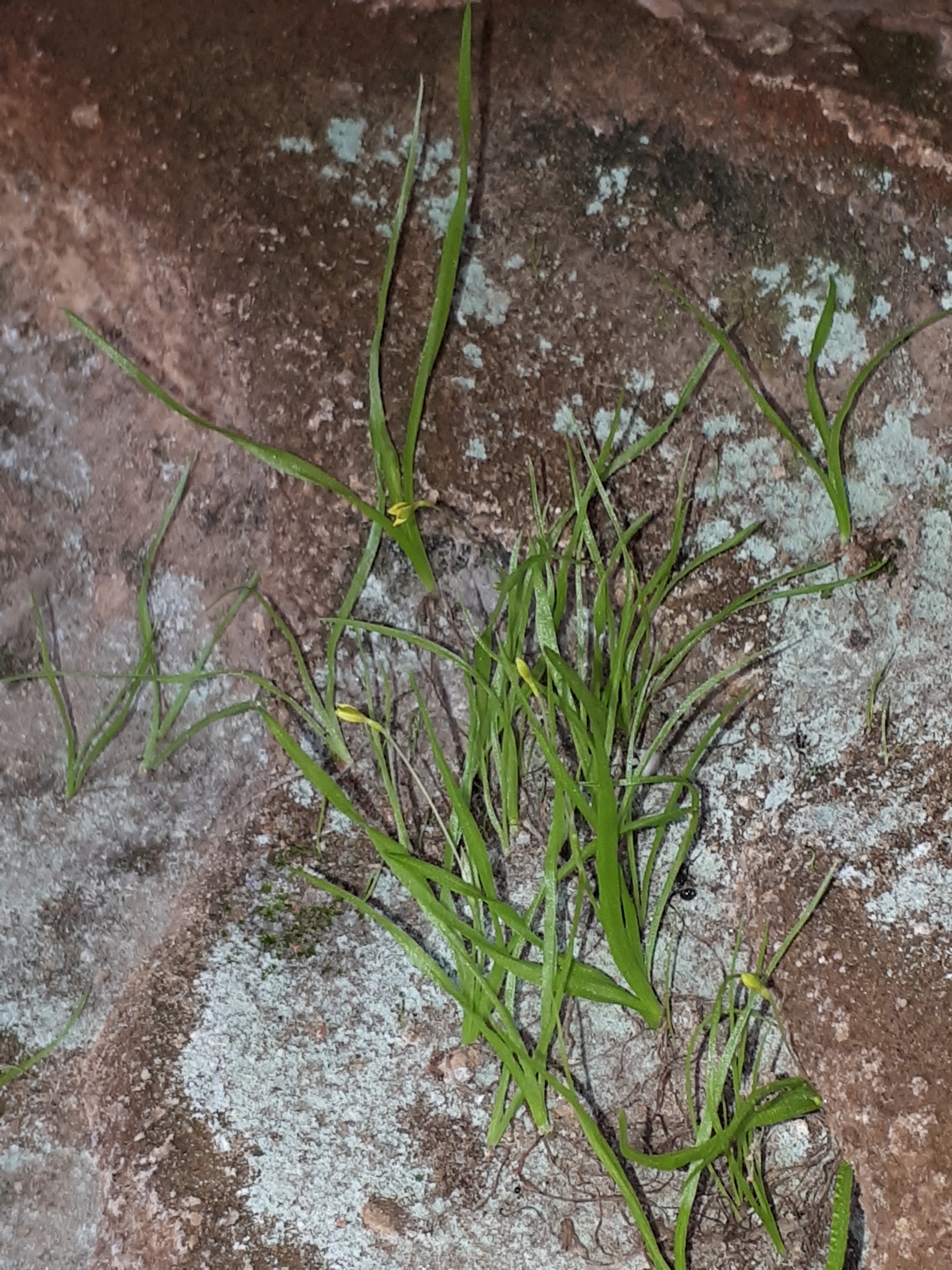
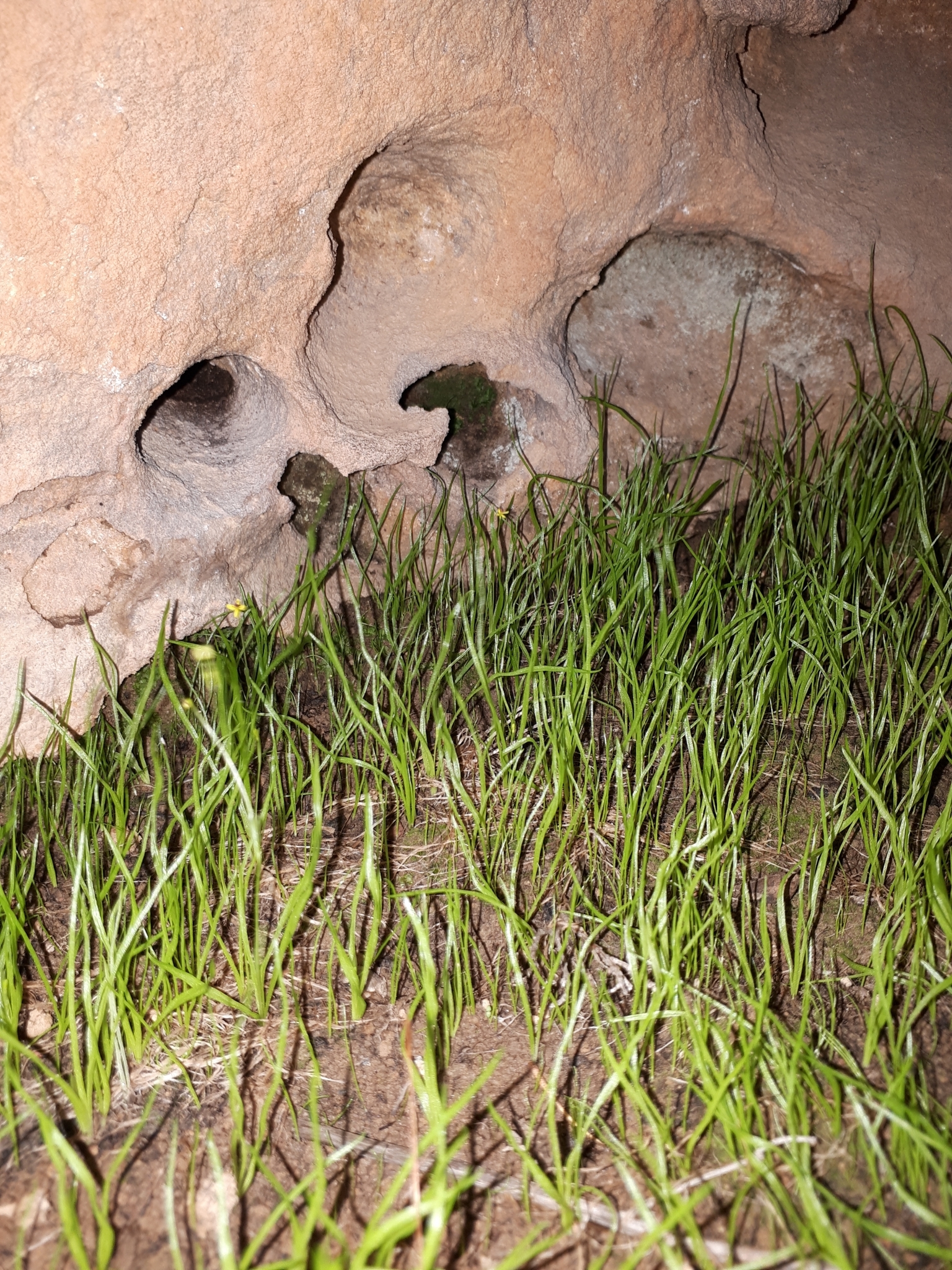
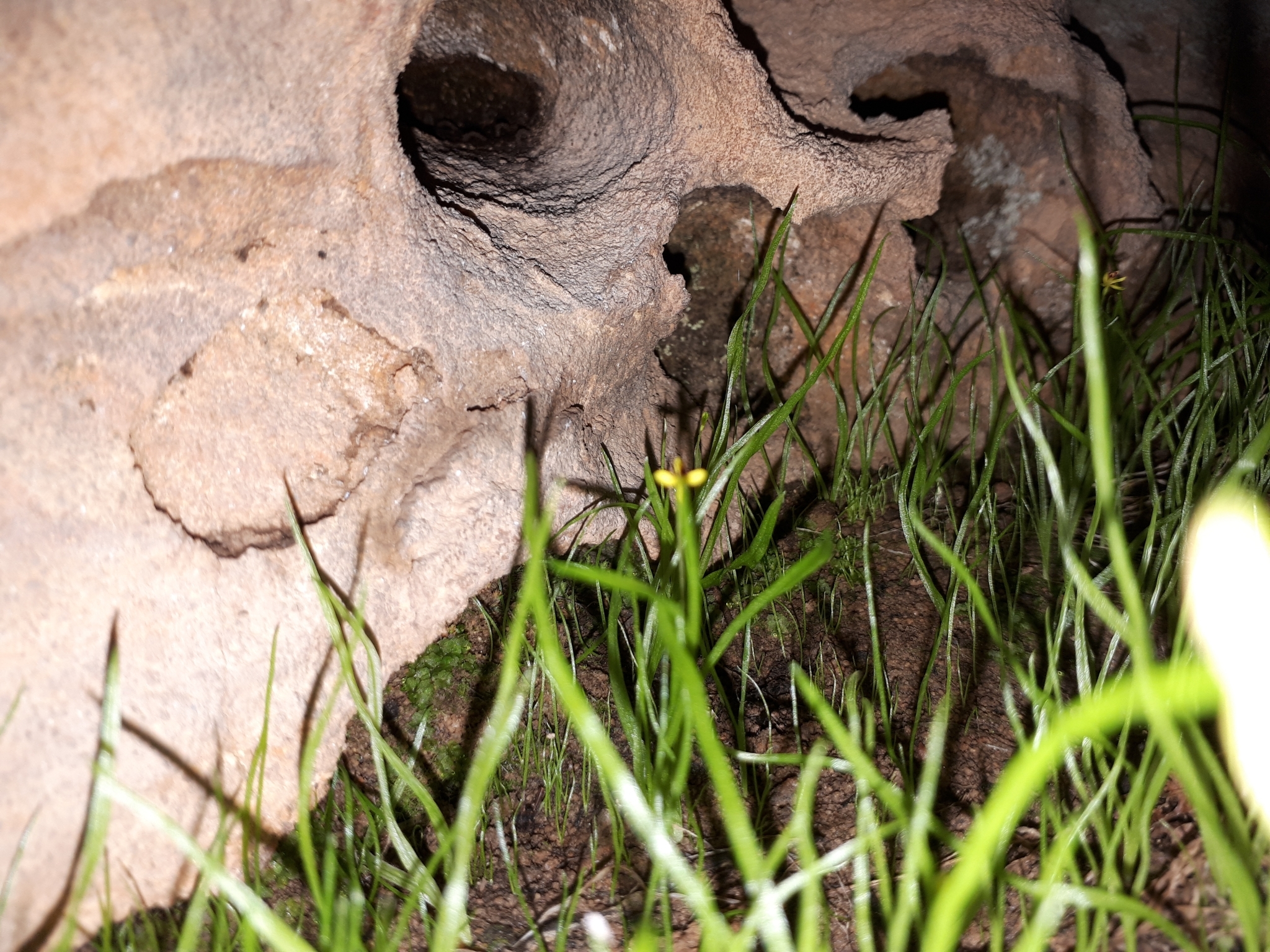
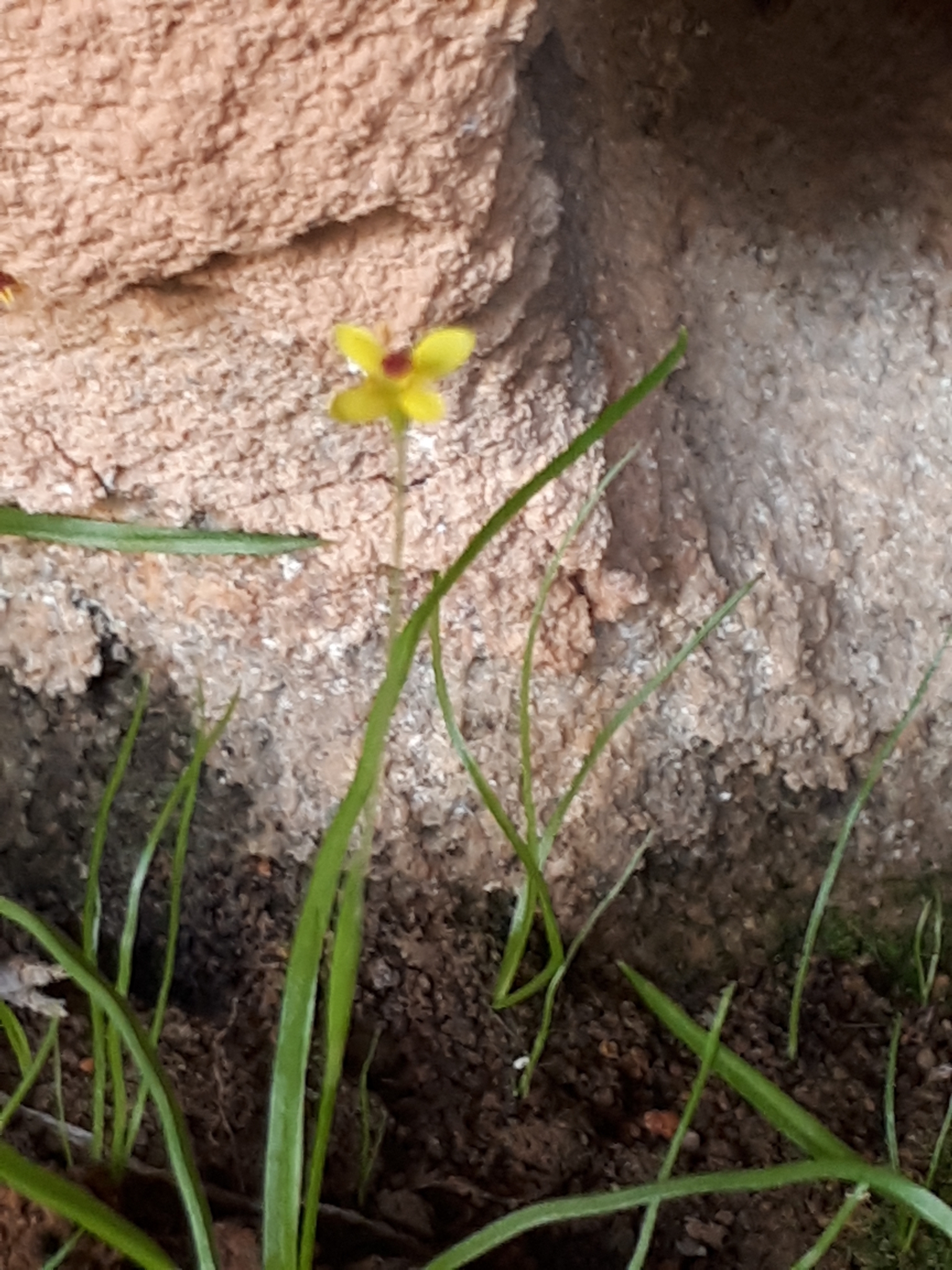
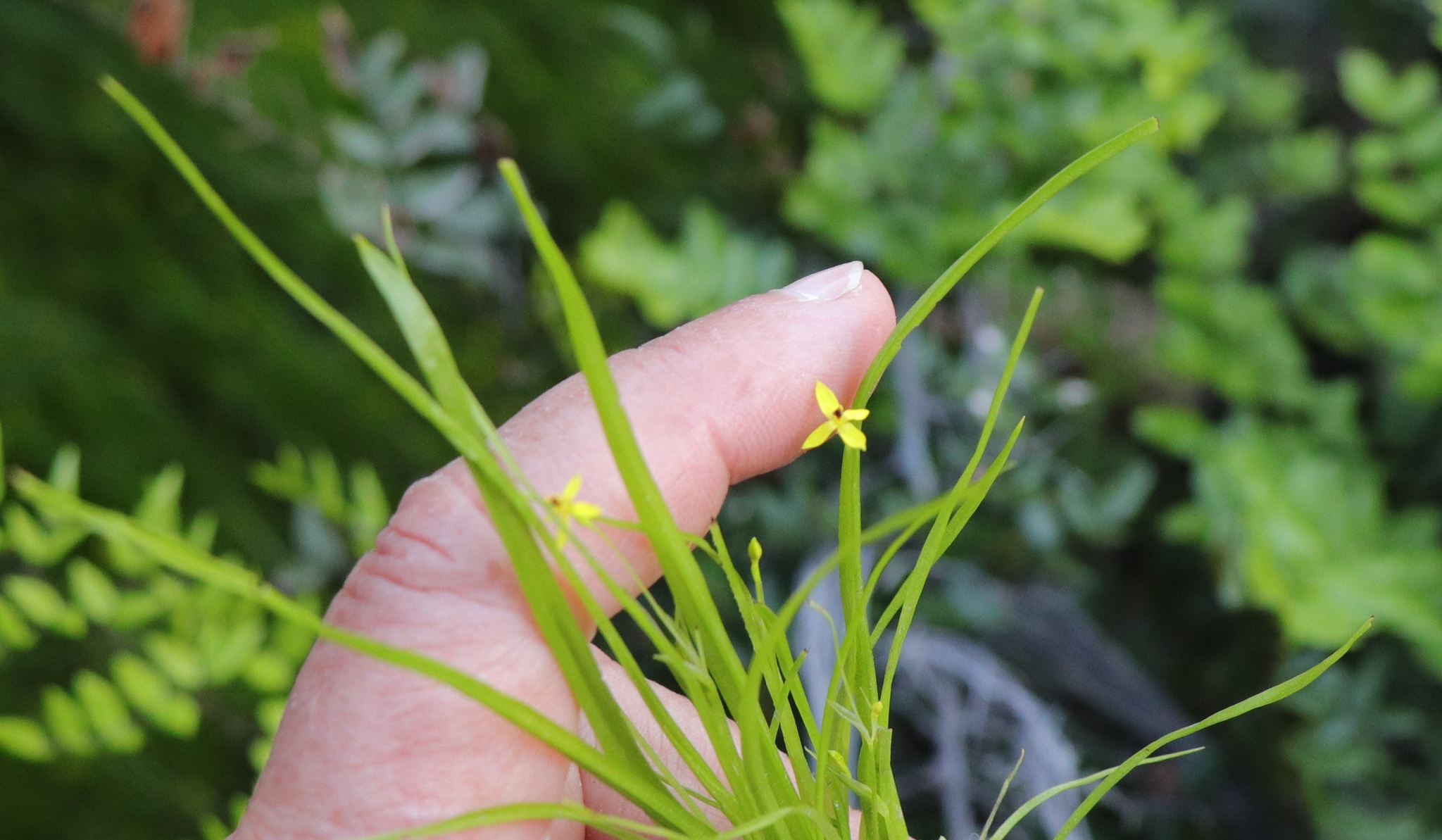
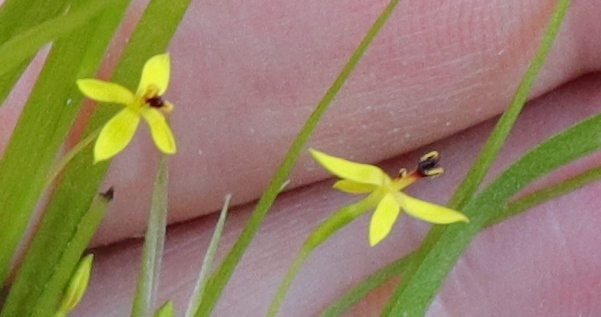
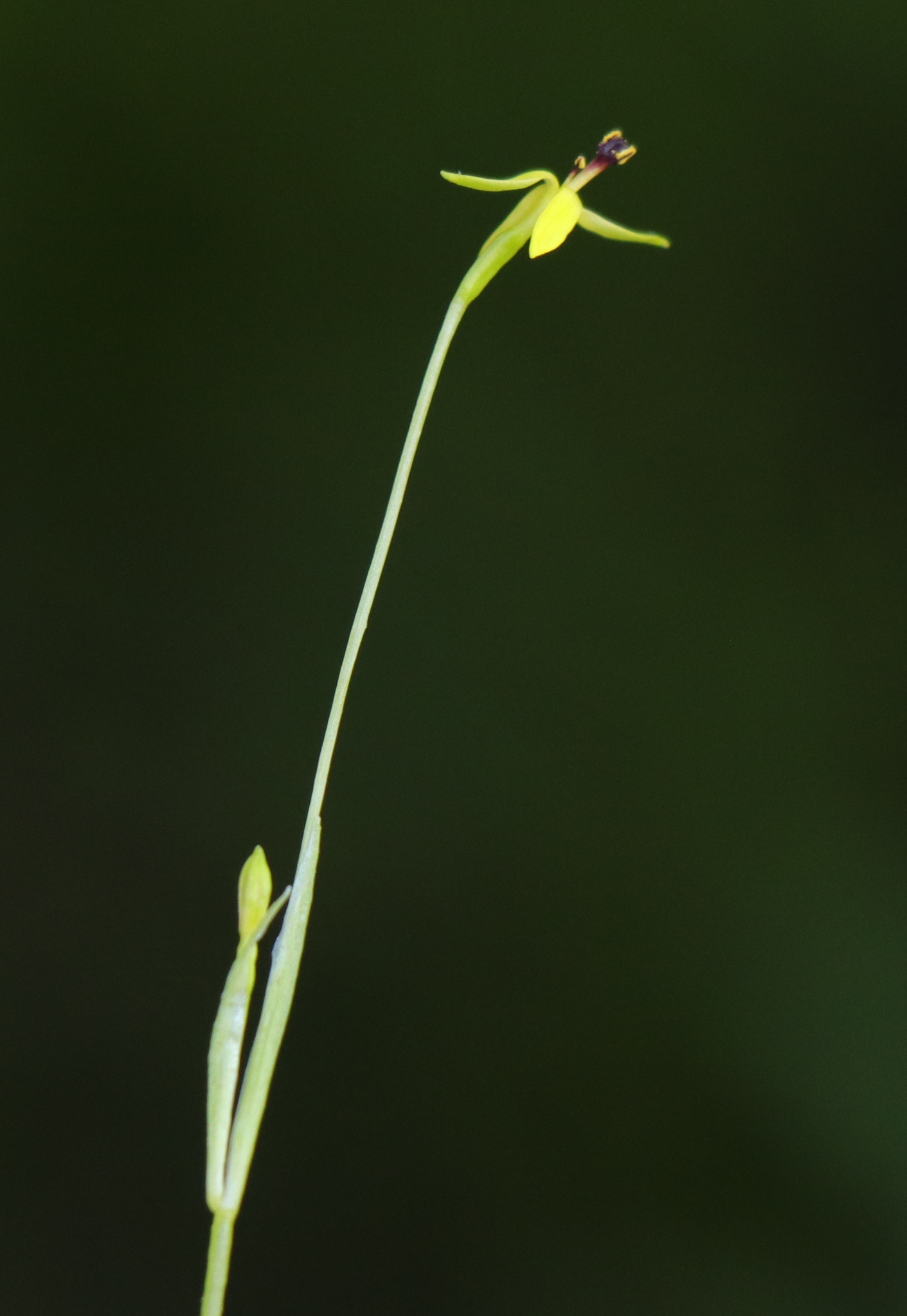
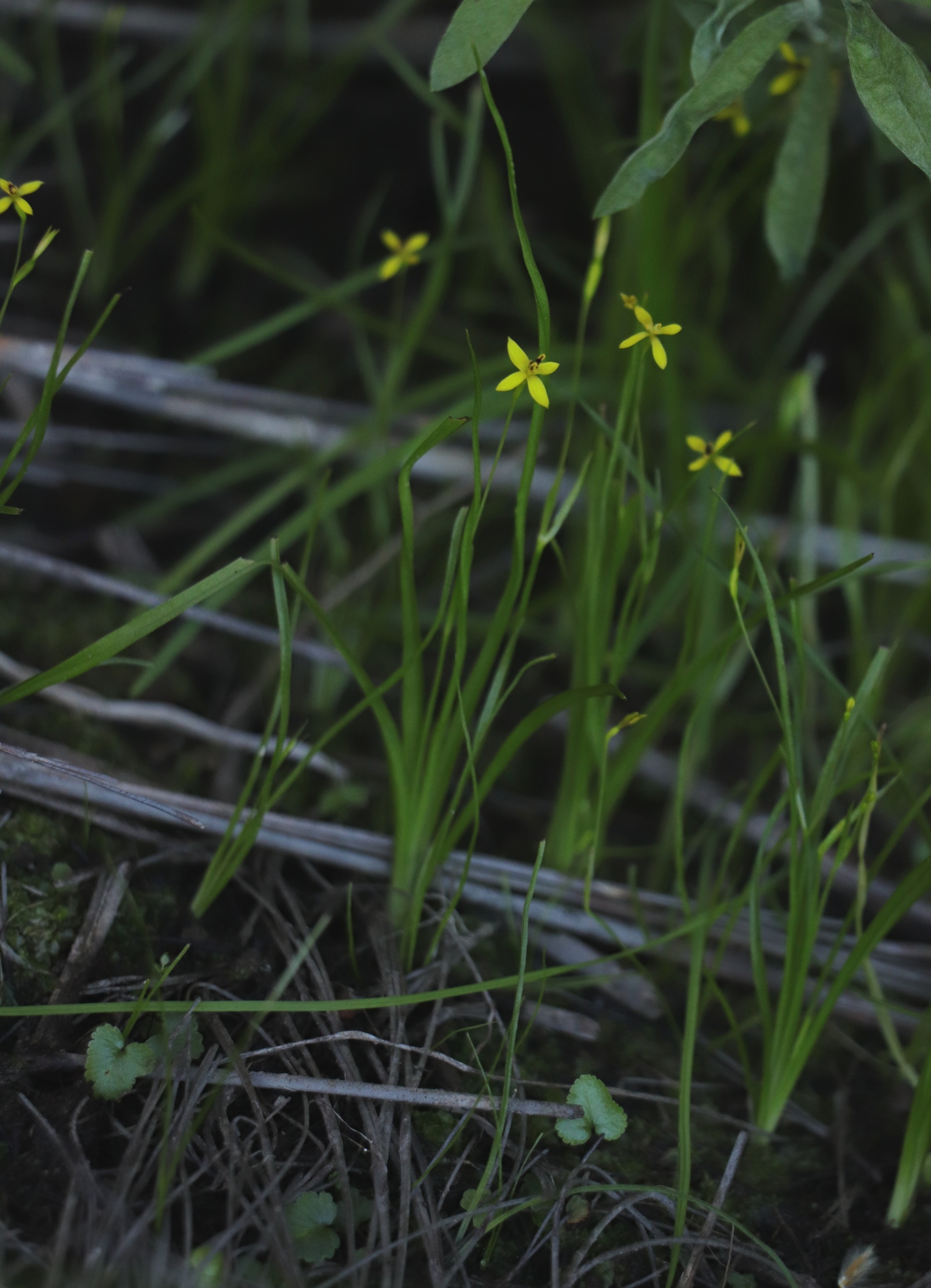
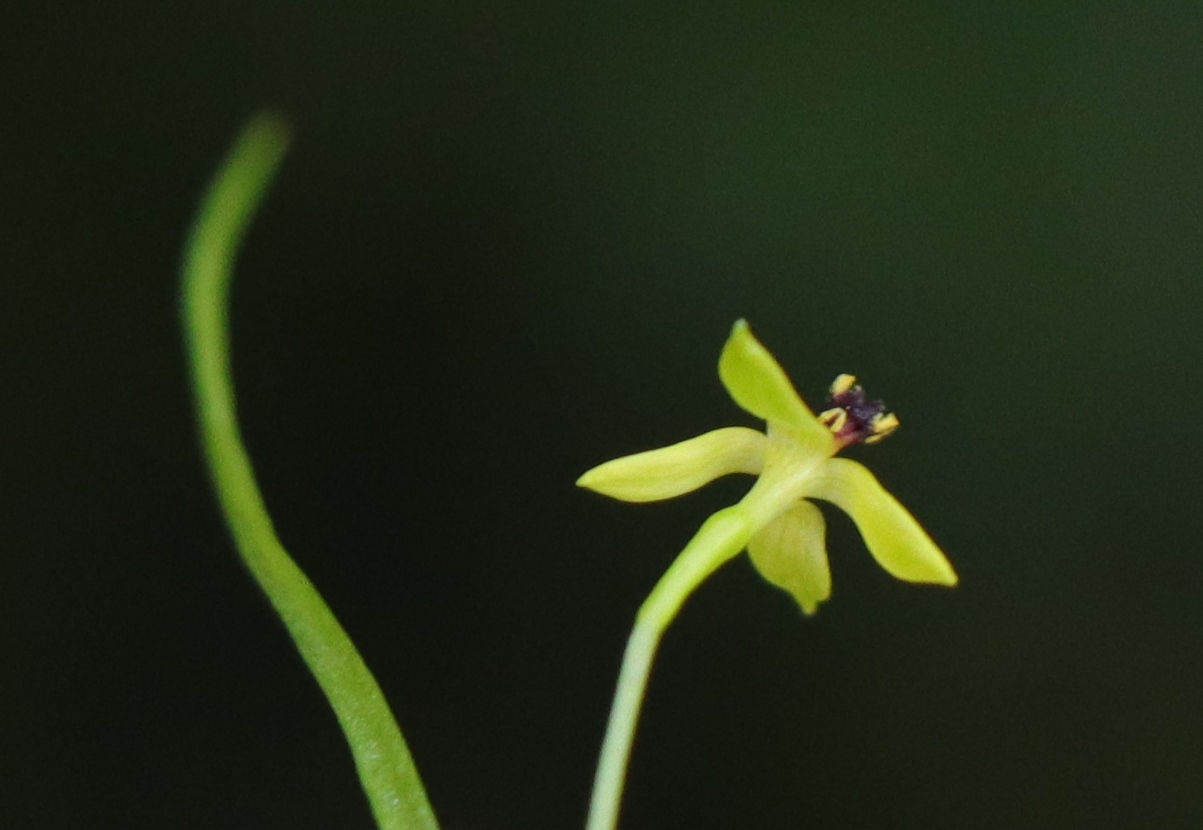
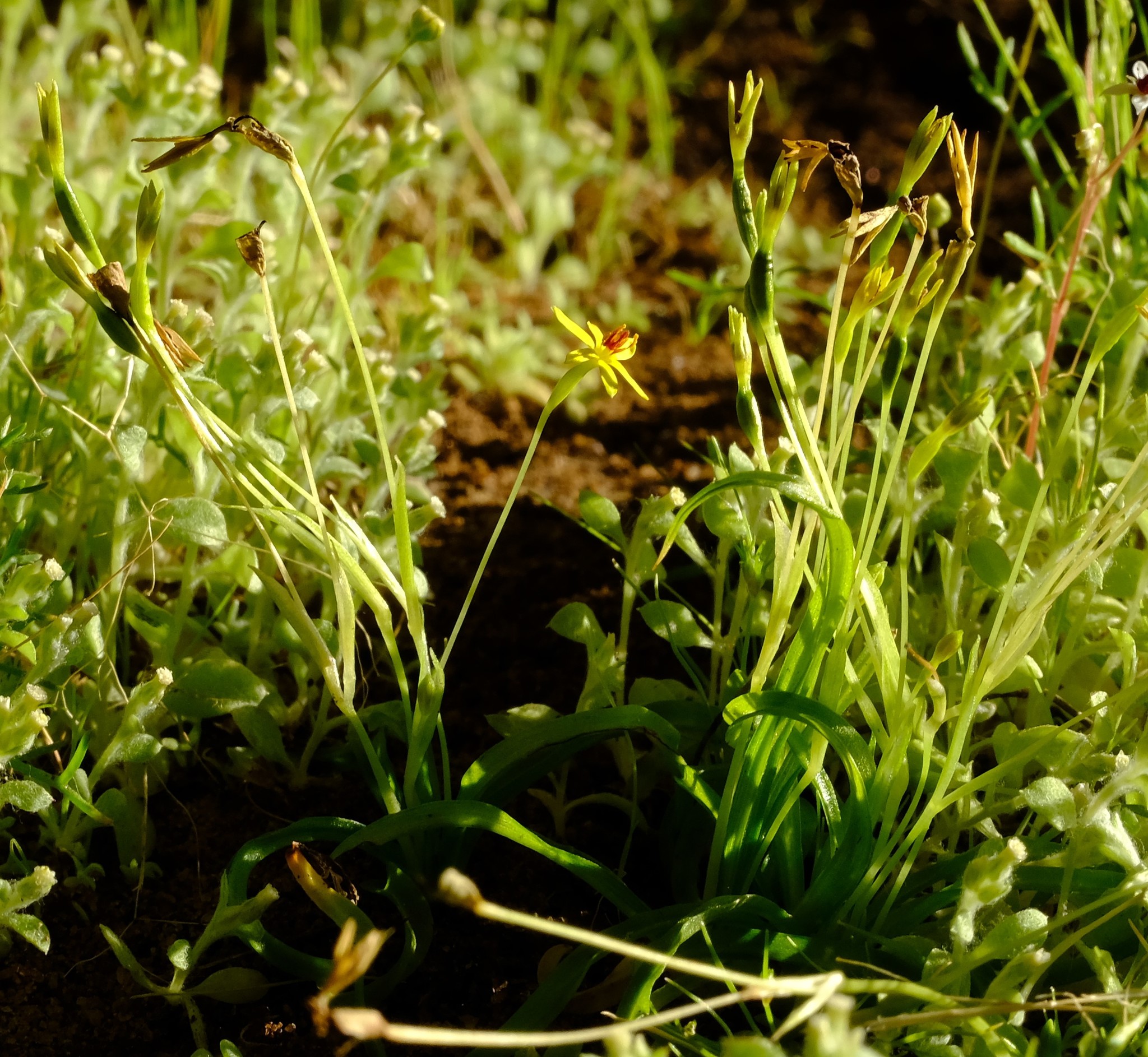
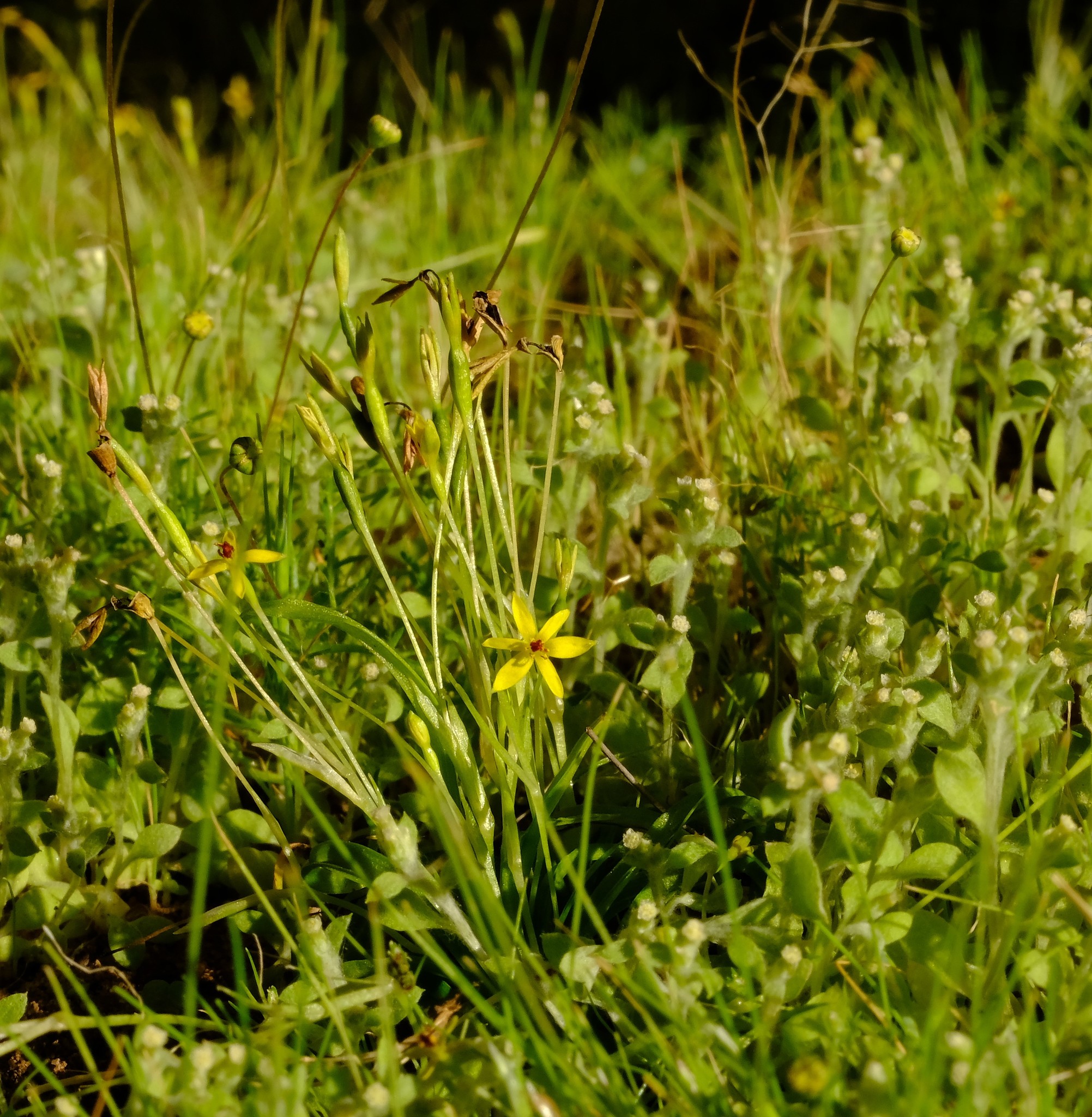
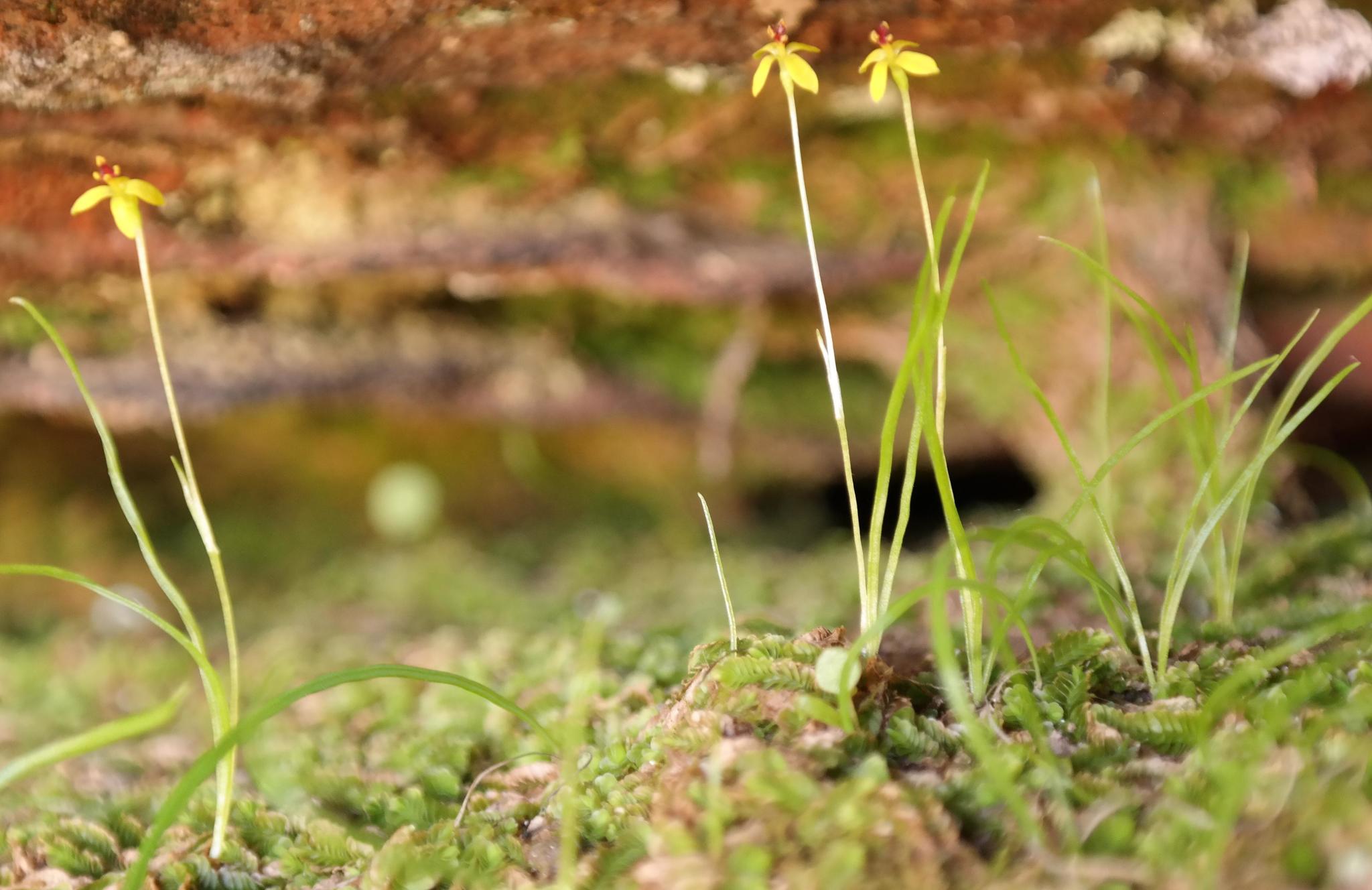
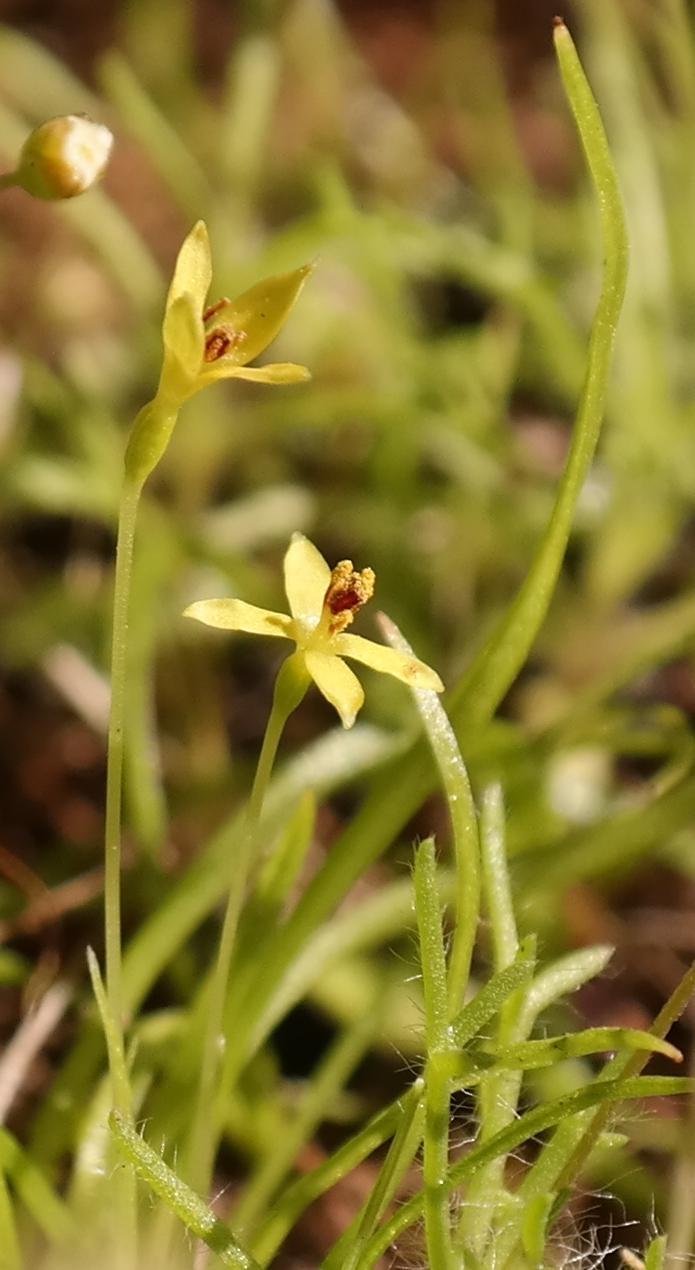
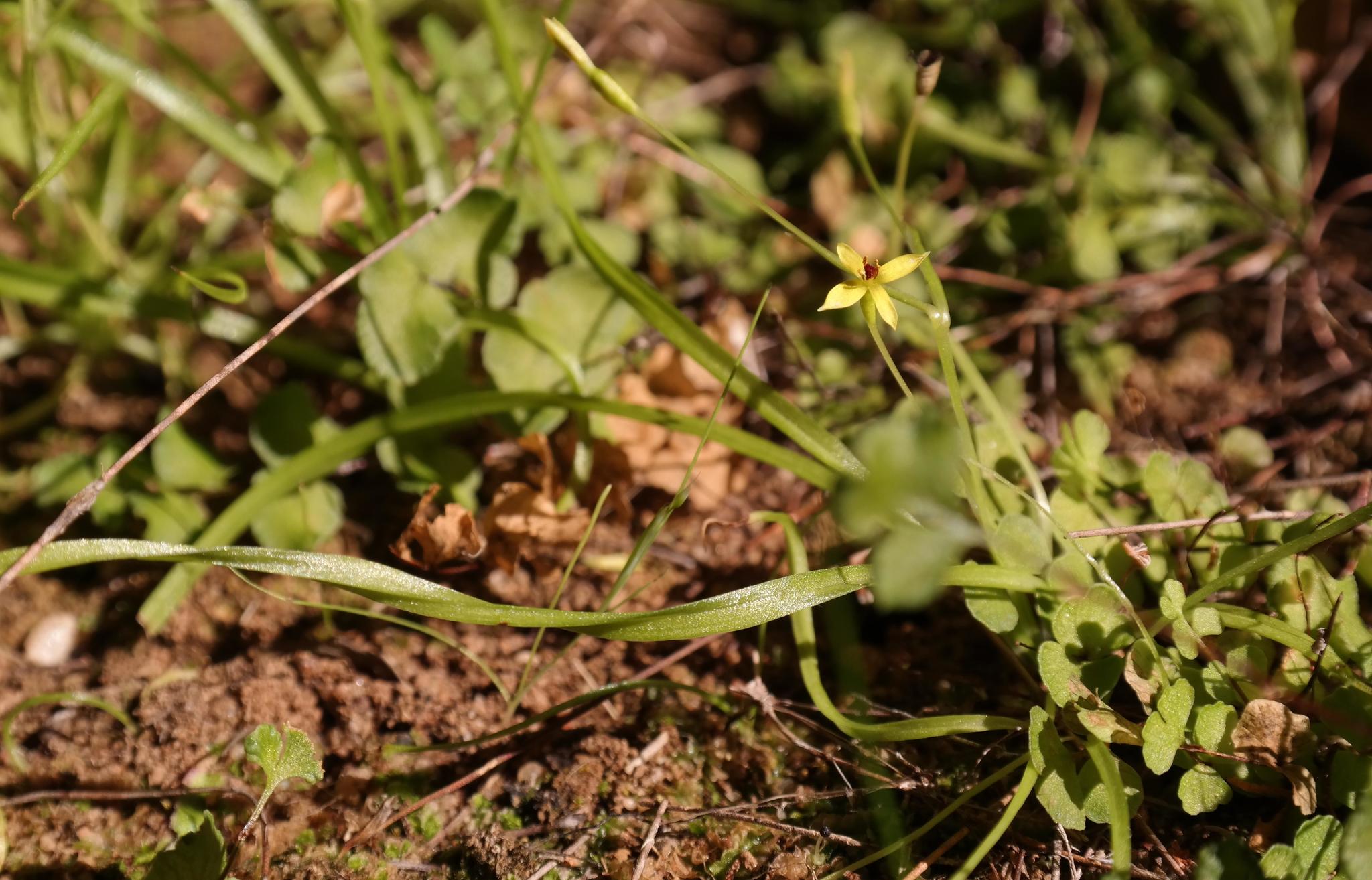
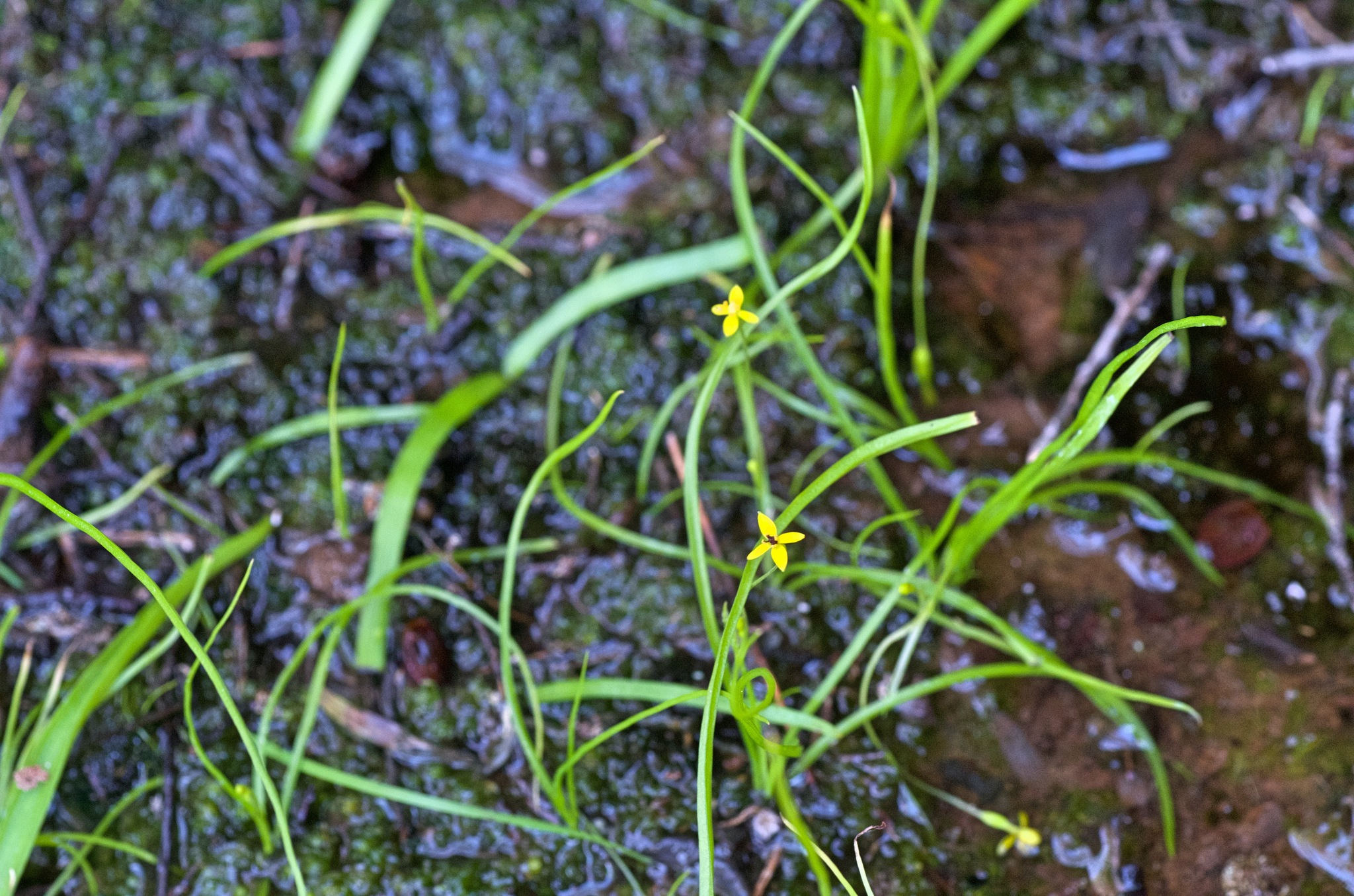
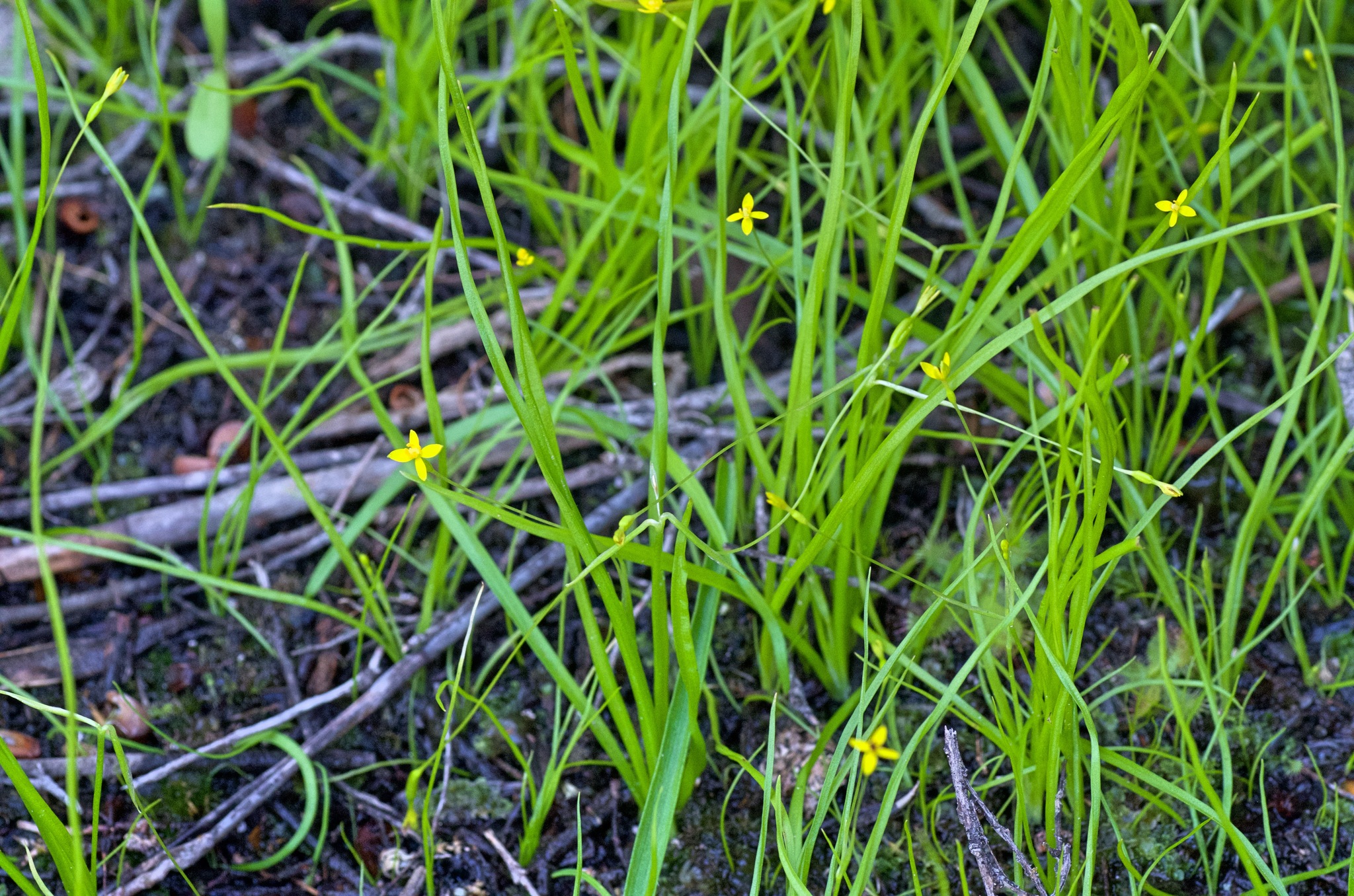
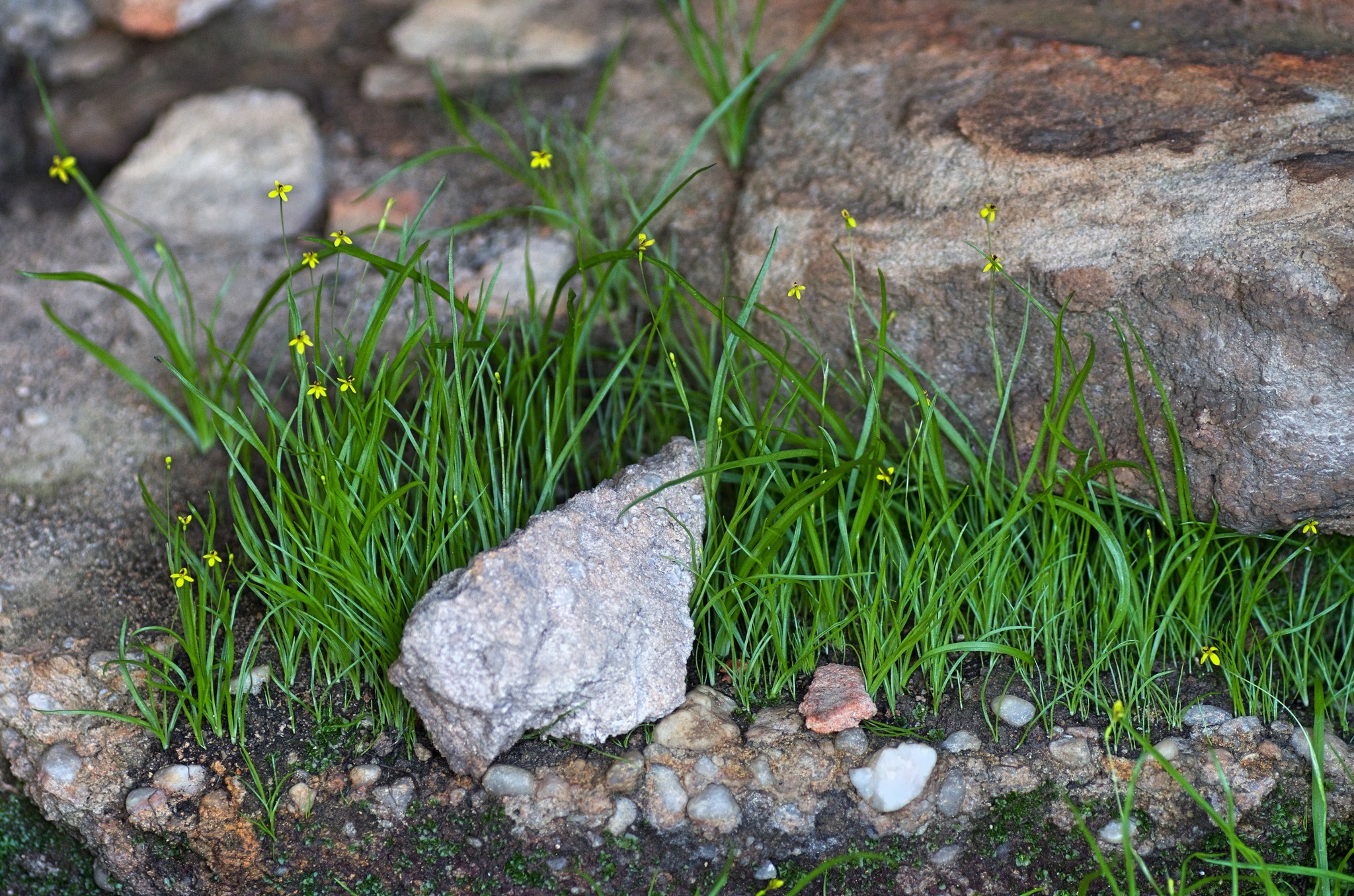
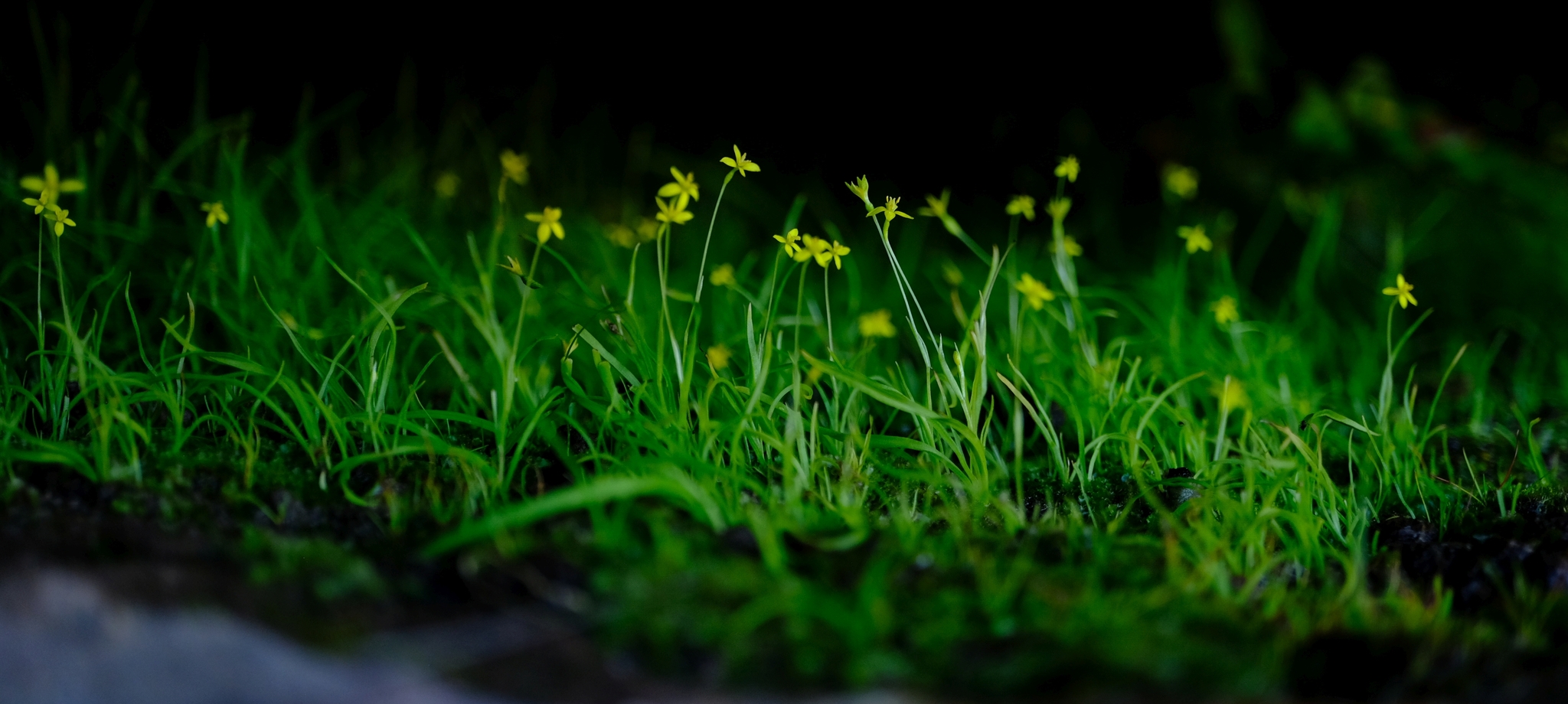
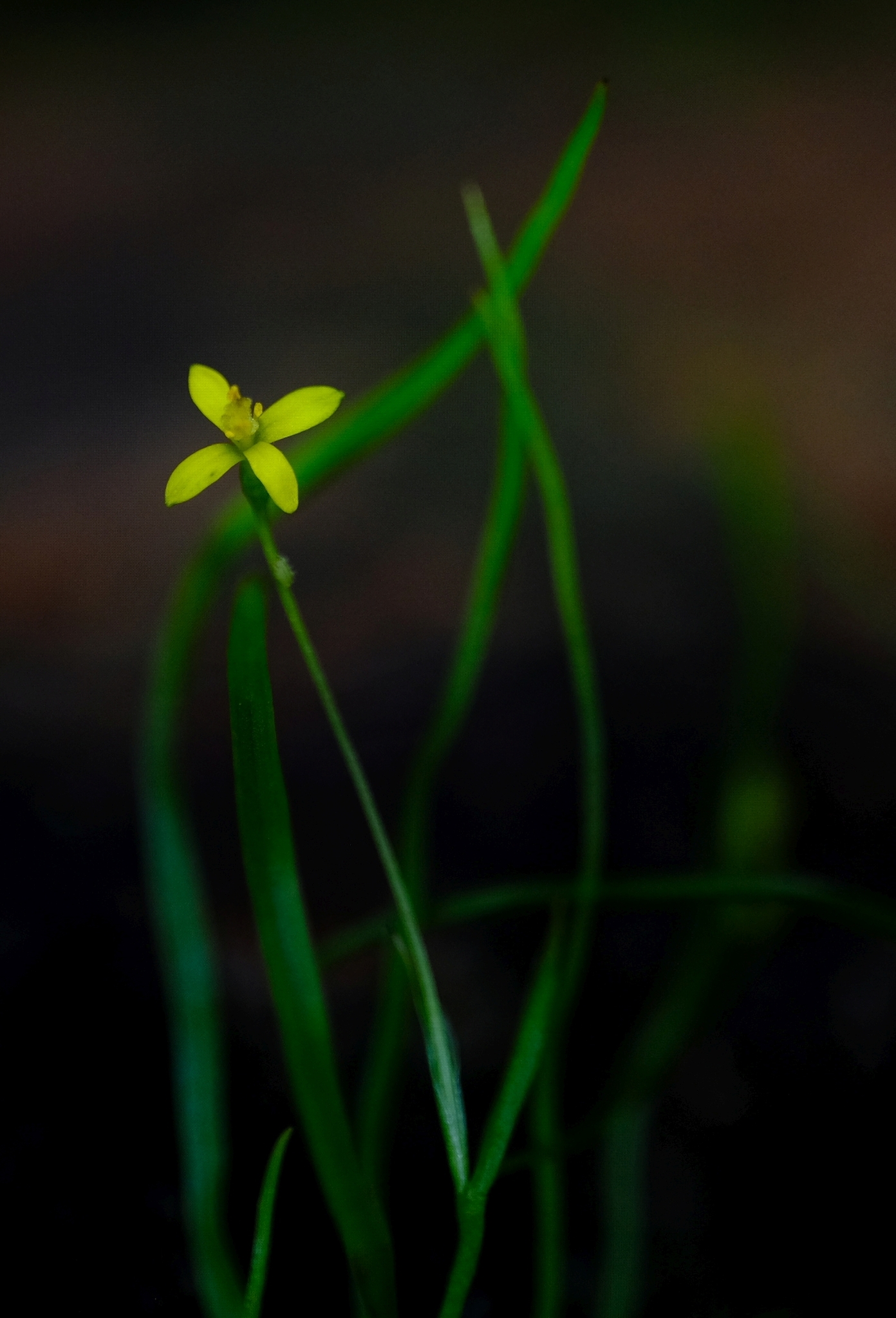
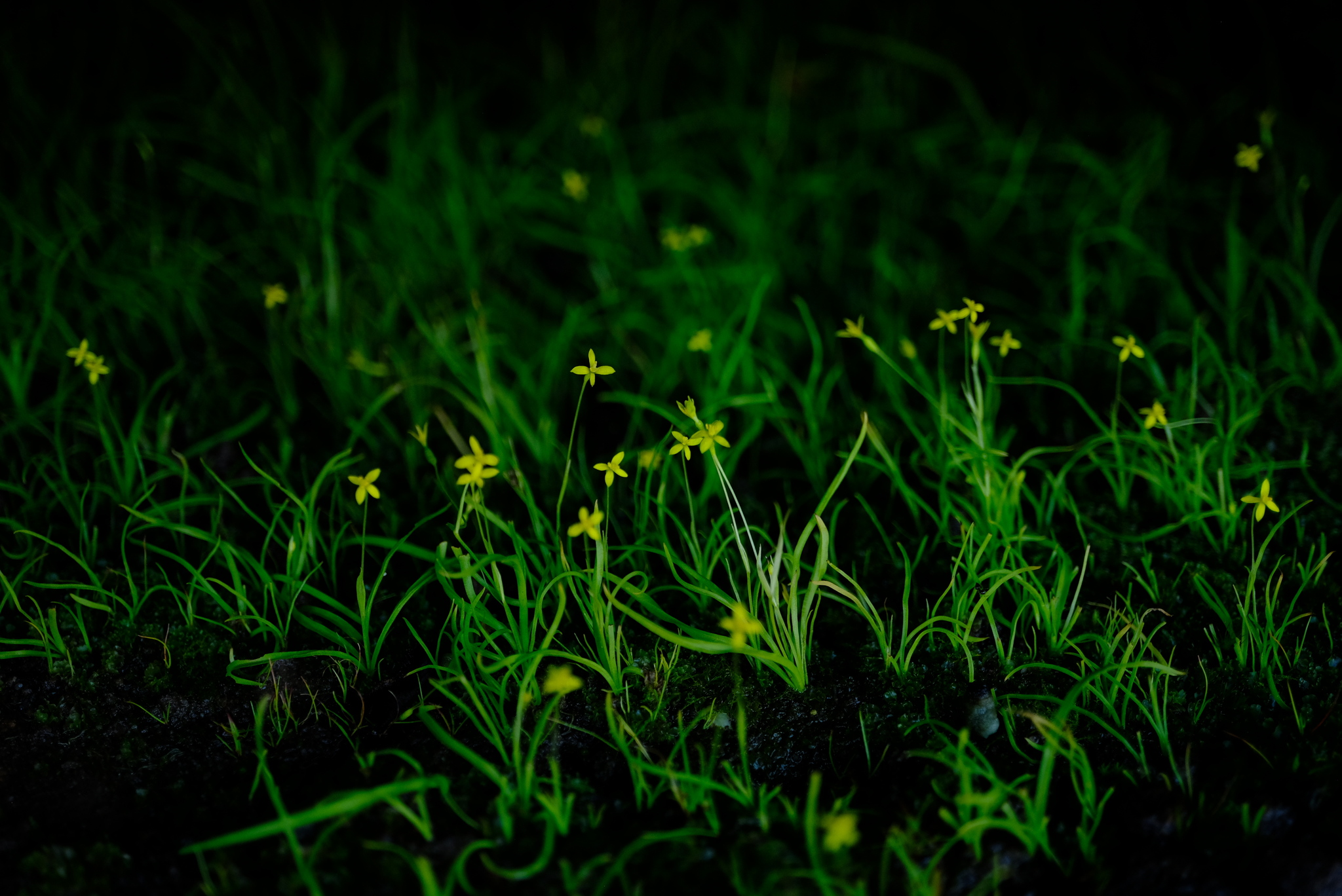
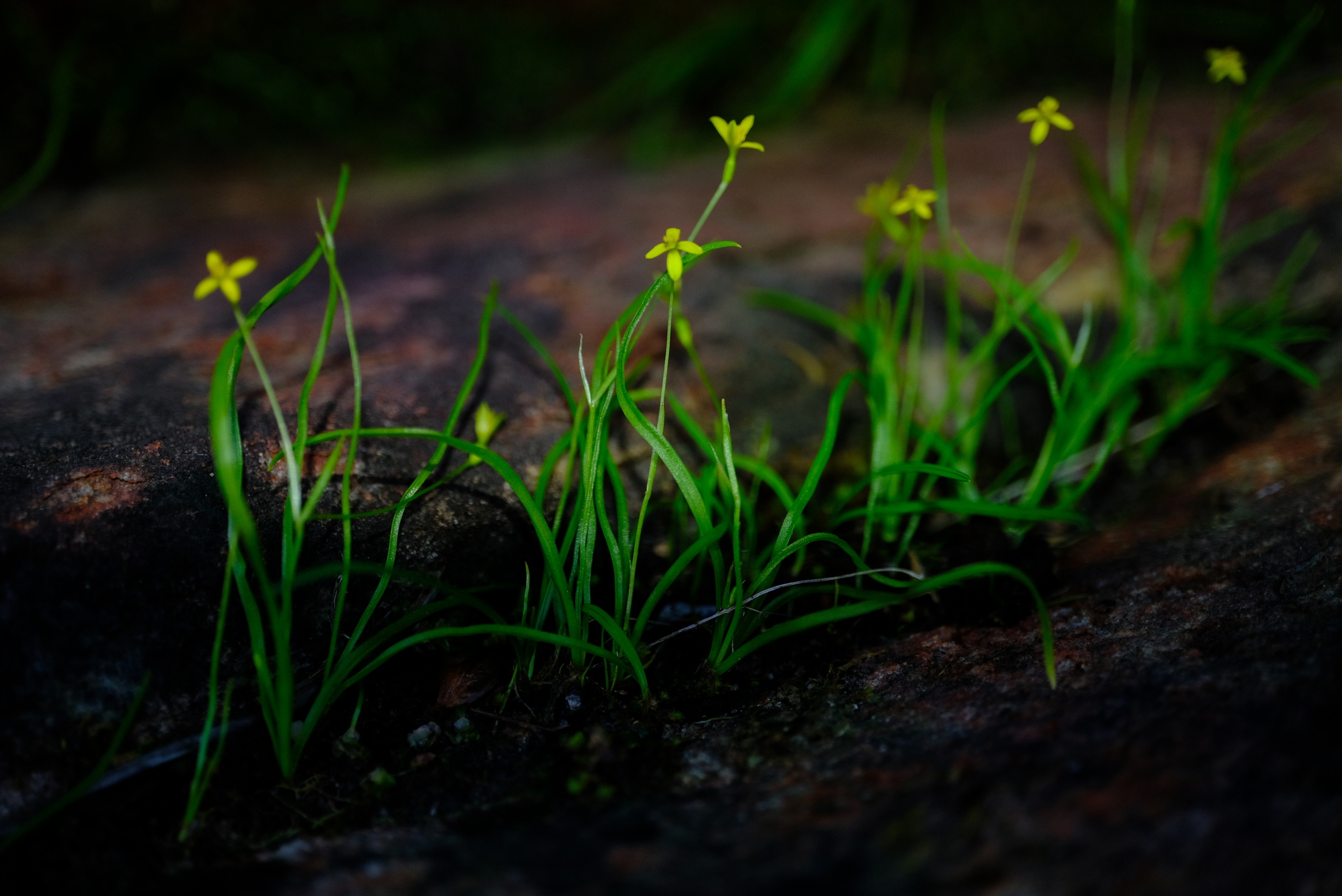
Plants 7-19(-30) cm tall. Corm somewhat globose, 4-7 mm diam., loosely covered by dark brown, softly fibrous tunics; fibres reticulate and free from corm base; roots arising from corm base, slender and spreading, or thick and contractile. Cataphylls membranous, up to 10 mm long. Leaves 2-6, sheathing up to 10 mm above base, suberect to slightly arched, narrowly lanceolate, 45-160(-300) x 1.0-2.5 mm, carinate, pale green, soft and thin-textured, margin entire. Inflorescences 2 or more in flower at a time, 2(3)-flowered, shorter or as long as leaves; scape 20-100 x 0.5-1.5 mm, compressed laterally, sharp-edged, pale green; bracts 2(3), clasping pedicels for at least half their length, lorate, 15-25 x 1-3 mm, foliaceous, shallowly keeled, inconspicuously nerved, pale green, translucent-edged. Flowers pedicellate, stellate, yellow or white, backed with pale green mostly in outer whorl; pedicels suberect in flower and fruit, 20-50(-80) x 0.5 mm, terete, pale green; tepals 4 or 6, rarely 5, reflexed when fully open, narrowly lanceolate, 3-4 mm long, outer 1.5 mm wide and mucronate, inner 1.0-1.2 mm wide. Stamens as many as tepals, suberect proximally to slightly spreading distally, outer somewhat shorter than inner; filaments yellow with maroon tips, outer 1.4-2.5 mm long, adnate to style for up to ca. 0.5 mm, inner 2.2-3.0 mm long, adnate to style for up to ca. 1 mm, all longer than anthers; anthers oblong, latrorse, 1.0-1.4 mm long, apical and basal lobes ca. 0.17 mm long and slightly spreading, thecae yellow, connective dark red; pollen yellow. Ovary narrowly ellipsoid, 2.3-3.0 x 0.8-1.2 mm, 2- or 3-locular, beaked distally for 0.5-1.0 mm, beak lengthening up to 1.5 mm when fruiting; style 1.5 mm long, yellow; stigma branches 2 or 3, erect, 0.9-1.5 mm long, shorter than longest stamens, densely papillose, dark red. Capsules narrowly ellipsoid, 2.5-5.0 x 1.0-1.5 mm, thin-walled, partially topped with withered, persistent ovary beak and perigone, dehiscence irregular from apex downwards; placental ridges remaining contiguous axially; septa disintegrating. Seeds ovoid, ca. 0.5 x 0.4 mm; testa shiny black, of transversally widened cells, forming ca. 12 wide, longitudinal ribs; outer periclinal cell walls with a blunt, raised, central papilla. Flowering period: early September-mid-October. The flowers remain open throughout the day, unlike those of the sun-loving species of Pauridia which open mid-morning and close mid-afternoon. From: Snijman, DA. 2014. A taxonomic revision of the genus Pauridia (Hypoxidaceae) in southern Africa. Phytotaxa 182(1): 1-114. [All rights reserved]
Slender, delicate, cormous geophyte to 30 cm, corm tunics soft, brown. Leaves 2-6, suberect, narrow, thin-textured. Flowers 2(3), stellate, small, yellow or white, tepals usually 4, ± reflexed, ovary beaked, filaments adnate to thickened style, stigma branches dark red, bracts 2(3). From: Snijman, DA. 2012. Hypoxidaceae. In: J Manning & P Goldblatt (eds), Plants of the Greater Cape Floristic Region 1: The Core Cape flora. Strelitzia 29: 115-119. South African National Biodiversity Institute, Pretoria. [CC BY] As: Spiloxene pusilla Snijman
Pauridia pusilla bears a striking resemblance to P. nana in that both are shade-loving plants with delicate, narrow, pale green leaves and small flowers, but several unusual floral characters make the plants of P. pusilla unmistakable. The filaments are fused to the style forming a gynostemium, the anther connectives and stigma branches are reddish and the ovary is topped by a short beak, 0.5-1.0 mm long. Other species having flowers with a gynostemium are P. maximiliani and the more distantly related and well- known P. minuta and P. longituba. P. maximiliani is similar to P. pusilla in having all the filaments adnate to the style, whereas in P. minuta and P. longituba the inner whorl of fertile stamens is inserted in the perigone throat and only the outer whorl of `pseudostigmatic staminodes', as described by Burtt, is fused to the style, thereby suggesting the independent origin of these structures within Pauridia. Variation: Flower colour in Pauridia pusilla varies to some extent throughout its range, although the dark colouring of the anther connectives and stigmatic branches remains constant. The populations on the Matsikamma Mountain and Gifberg invariably have yellow tepals, whereas those in the northern Cederberg have white or cream tepals. Variation in the number of floral parts is also known. Both tetramerous and hexamerous flowers are frequently found within the same population and occasionally on the same plant. Only very rarely have pentamerous flowers been noted. This condition is not unique to the genus, however, and is also known within Hypoxis and Empodium. From: Snijman, DA. 2014. A taxonomic revision of the genus Pauridia (Hypoxidaceae) in southern Africa. Phytotaxa 182(1): 1-114. [All rights reserved]
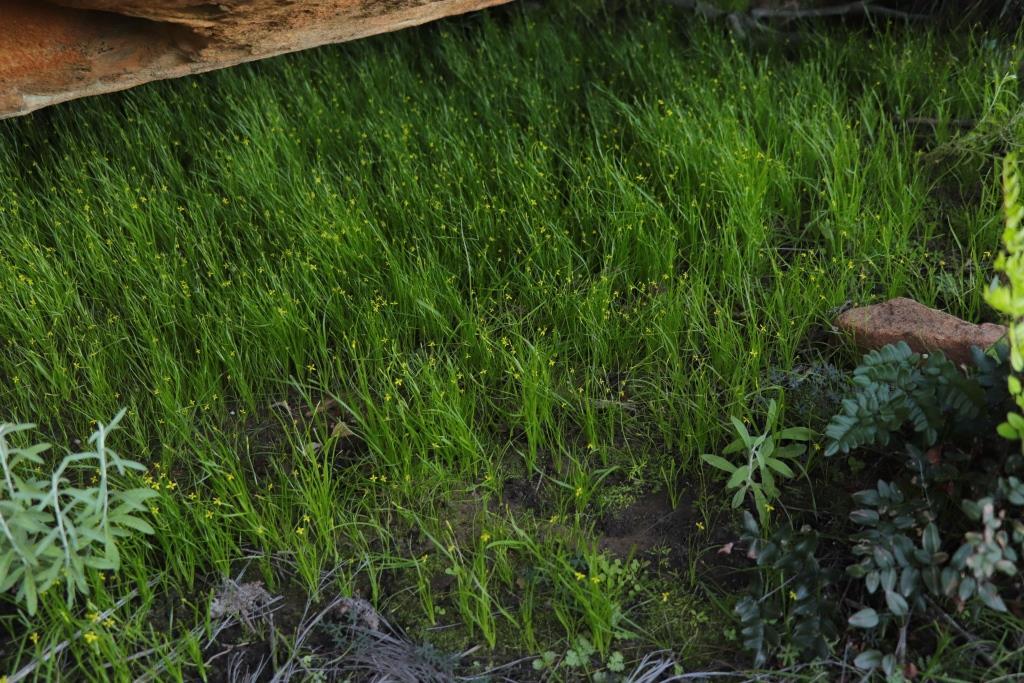
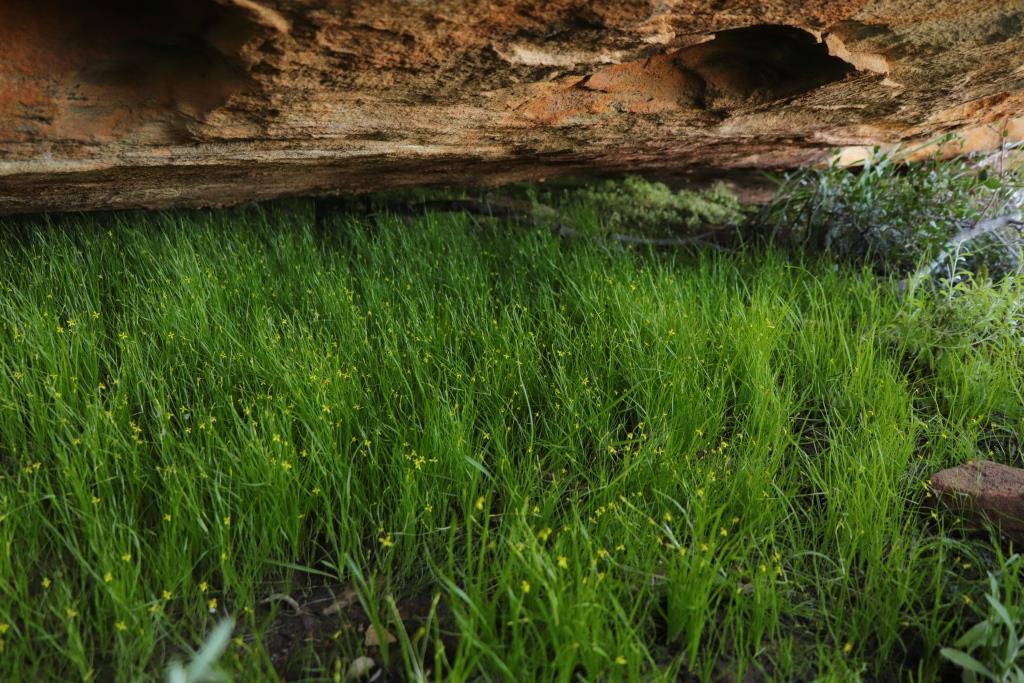
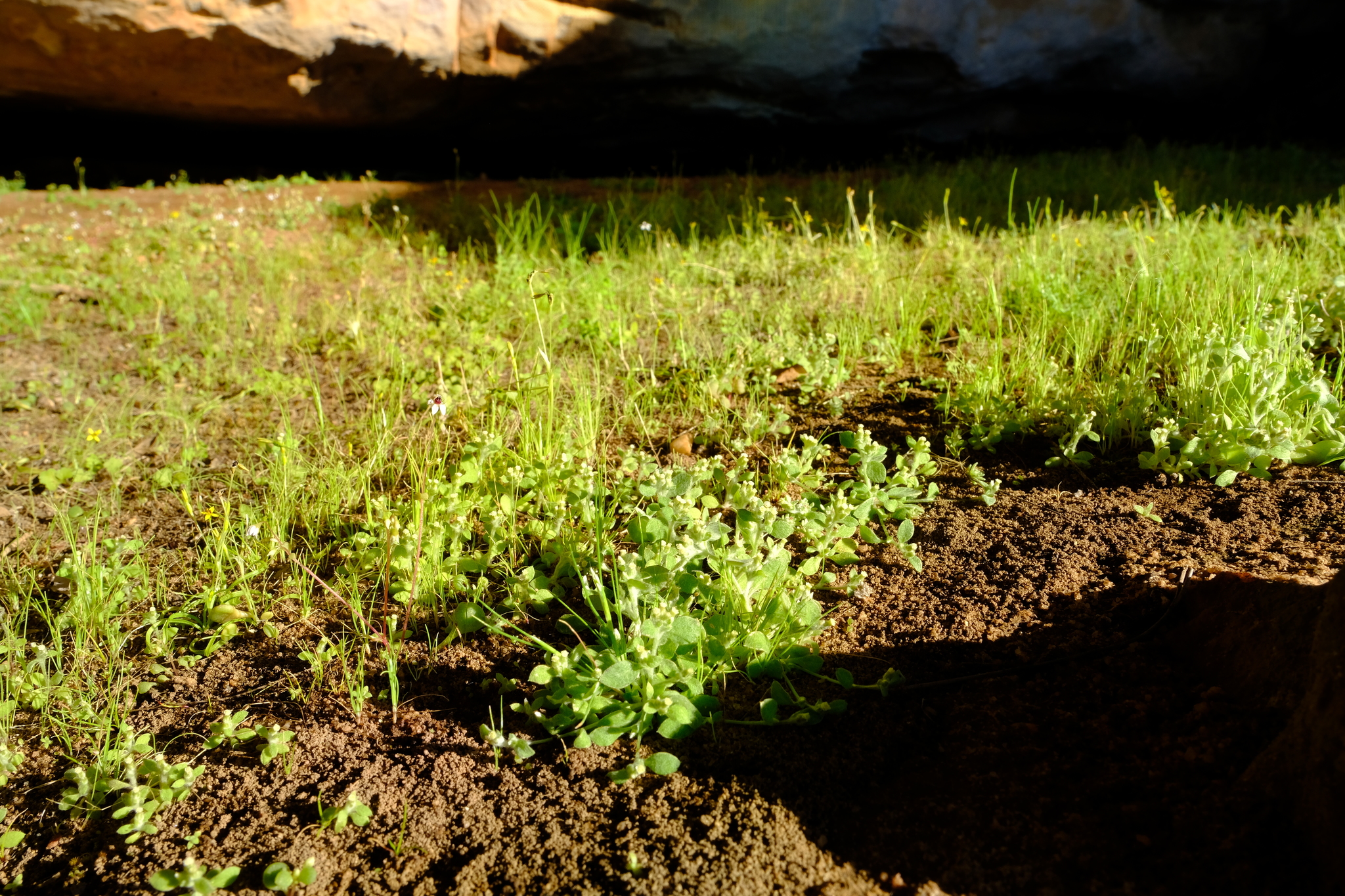
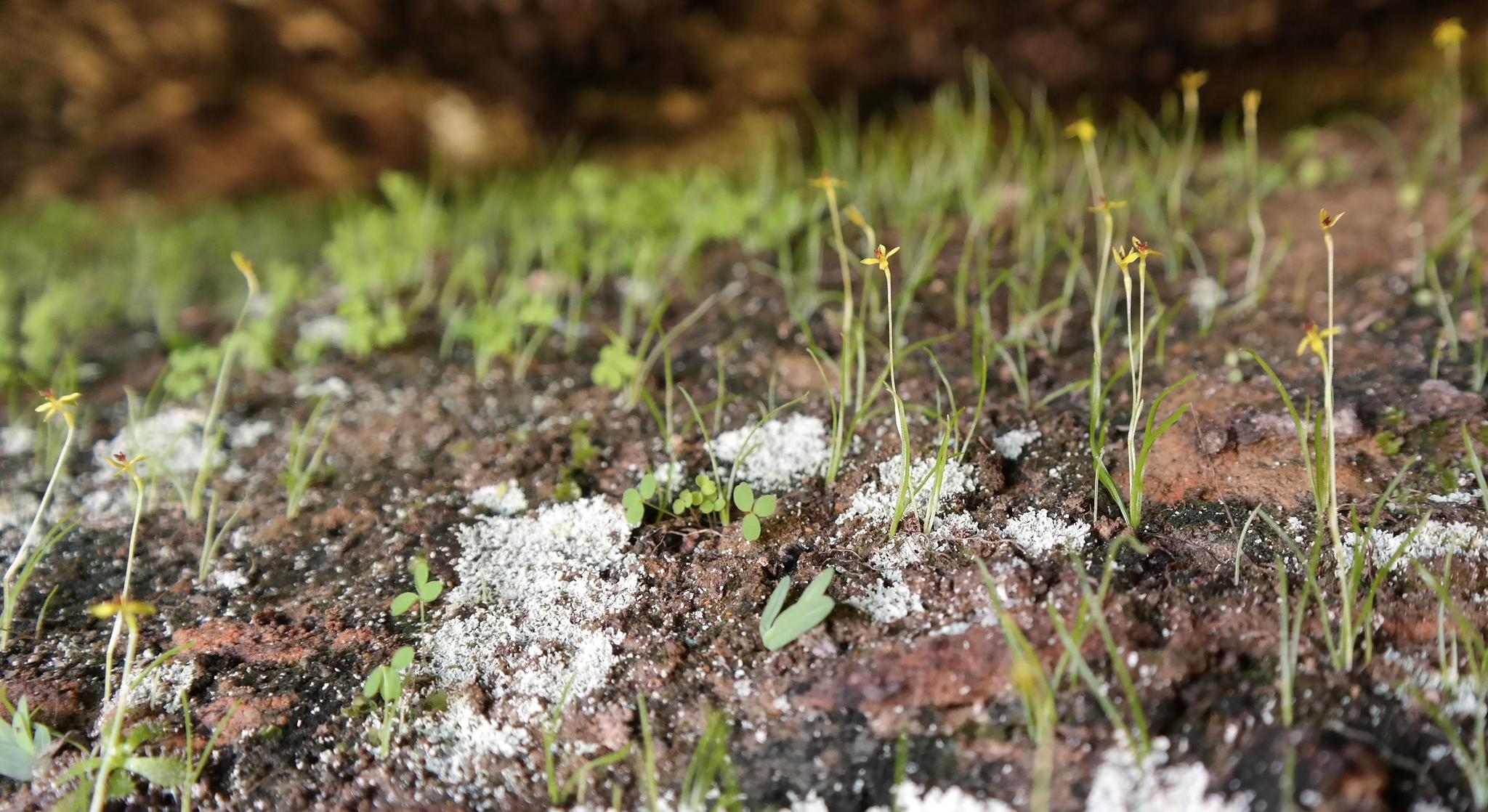
Populations are found under south-facing, overhanging, quartzitic sandstone rocks in shallow, sandy soils that are often waterlogged in winter. The plants are often the sole inhabitants of these cool, secluded places, where they form dense mats with the appearance of soft, pale green turf. From: Snijman, DA. 2014. A taxonomic revision of the genus Pauridia (Hypoxidaceae) in southern Africa. Phytotaxa 182(1): 1-114. [All rights reserved]
Damp, shaded, sandstone pavements. From: Snijman, DA. 2012. Hypoxidaceae. In: J Manning & P Goldblatt (eds), Plants of the Greater Cape Floristic Region 1: The Core Cape flora. Strelitzia 29: 115-119. South African National Biodiversity Institute, Pretoria. [CC BY] As: Spiloxene pusilla Snijman
Pauridia pusilla is restricted to the northwestern Cape Fold Mountains, where populations are found on the relatively moist summit of the Gifberg and Matzikamma massif near Vanrhynsdorp and on the Pakhuis Mountains east of Clanwilliam, at elevations of 460-760 meters in Western Cape. From: Snijman, DA. 2014. A taxonomic revision of the genus Pauridia (Hypoxidaceae) in southern Africa. Phytotaxa 182(1): 1-114. [All rights reserved]
Matsikamma Mtns to Pakhuis Mtns. From: Snijman, DA. 2012. Hypoxidaceae. In: J Manning & P Goldblatt (eds), Plants of the Greater Cape Floristic Region 1: The Core Cape flora. Strelitzia 29: 115-119. South African National Biodiversity Institute, Pretoria. [CC BY] As: Spiloxene pusilla Snijman
September to October
460 to 760 m
This map contains point-based occurrences at different locations
Occurrence in the Flora of Southern Africa (FSA) countries and South African provinces. Residence status indicates if a taxon is indigenous, endemic, naturalised or invasive in a specific region. This data is based on specimen records and literature
FSA
SA
BOT
NAM
ESW
LES
WC
EC
NC
FS
GA
KZN
LP
MP
NW
Absent
Indigenous
Endemic
Naturalised
Invasive
Names and Sources
Published in: Phytotaxa 116(1): 29 (2013)
Type: South Africa. Western Cape, Vanrhynsdorp District, Driekoppen Peak, Gifberg Mountains, 6 September 1964, Esterhuysen 30747 (NBG, holo.; B, BOL, K, MO, PRE, Z, iso.)
Spiloxene pusilla Snijman
Published in: Bothalia 36(2): 135 (2006)
Classification
KINGDOM Plantae
SUBKINGDOM Phanerogamae
PHYLUM Anthophyta
ORDER Asparagales
FAMILY Hypoxidaceae
GENUS Pauridia
SPECIES pusilla
29 results for Pauridia pusilla (Snijman) Snijman & Kocyan
Barcode: NBG0121232-3 Collector(s) & number: Esterhuysen, EE, 22062 | 1953-10-15
South Africa, Western Cape, Van Rhynsdorp Dist. Giftberg Mountains.
General notes: Alt. 2500 ft. In shelter of overhang and on banks of small stream in shady gully. South aspect. In moist loose sand. Perianth yellow. Perianth segments 4 rarely 6.
Data Resource: BODATSA View record
Barcode: PRE0692273-0 Collector(s) & number: Esterhuysen, EE, 21910 | 1953-10-12
South Africa, Western Cape, CEDARBERG N; PAKHUIS; SHELTER FORMED BY OVERHANGING ROCK
Data Resource: BODATSA View record
Barcode: NBG0275426-0 Collector(s) & number: Snijman, DA, 2373 | 2012-9-6
South Africa, Western Cape, Between Gifberg Pass and summit of Matsikamma, just below De Kom, on W side of road.
Data Resource: BODATSA View record
Barcode: NBG0211729-0 Collector(s) & number: Helme, NA, 1358 | 1997-8-14
South Africa, Western Cape, Matsikamma Mountain, Op de Berg 314, Dreyer's Kloof.
Data Resource: BODATSA View record
Barcode: NBG0121232-2 Collector(s) & number: Esterhuysen, EE, 22062 | 1953-10-15
South Africa, Western Cape, Van Rhynsdorp Dist. Giftberg Mountains.
General notes: Alt. 2500 ft. In shelter of overhang and on banks of small stream in shady gully. South aspect. In moist loose sand. Perianth yellow. Perianth segments 4 rarely 6.
Data Resource: BODATSA View record
Barcode: NBG0211732-0 Collector(s) & number: Taylor, HC, 11869 | 1987-10-28
South Africa, Western Cape, North of Cederberg. N of Ribbokberg, Diagonal Kloof.
General notes: Alt. ca 780 m. In shady rock shelter at base of koppie. Soft sand floor and complete shade. Tiny geophyte (whole plant 5 to 7 cm tall). Soft green leaves. Tiny four petalled flowers, Greenish-cream with reddish stamens and glands on the anthers.
Data Resource: BODATSA View record
Barcode: NBG0207267-0 Collector(s) & number: Snijman, DA, 1860 | 2001-9-27
South Africa, Western Cape, Matsikamma, farm Sewefontein.
Data Resource: BODATSA View record
Barcode: NBG0207168-0 Collector(s) & number: Esterhuysen, EE, 30747 | 1964-9-6
South Africa, Western Cape, Vanrhynsdorp district, Driekoppen Peak, Gifberg Mountains, on floor of low overhangs, S aspect, base of small cliffs. Altitude: 1500-2000 ft.
Data Resource: BODATSA View record
Barcode: NBG0232719-0 Collector(s) & number: Helme, NA, 4983 | 2007-10-6
South Africa, Western Cape, Matsikamma Mountain, Elandskloof 313, 1 km N of Sewefontein. 31°43'17.9" S; 18°49'33.7" E.
Data Resource: BODATSA View record
Barcode: NBG0208108-0 Collector(s) & number: Helme, NA, 4189 | 2006-10-7
South Africa, Western Cape, Clanwilliam. ±12 km N of Pakhuis Pass, Verkeerde Vley, Extension 190, NE of Cederhoutkop. 32°04'33.1"S; 18°56'48.1"E.
Data Resource: BODATSA View record
Barcode: NBG0207266-0 Collector(s) & number: Esterhuysen, EE, 21910 | 1953-10-12
South Africa, Western Cape, Clanwilliam Division, Pakhuis, N Cederberg.
General notes: On sandy floor of low shelf-like shelter formed by overhanging rock. Perianth white or greenish-white.
Data Resource: BODATSA View record
Barcode: PRE0692250-0 Collector(s) & number: Esterhuysen, EE, 22062 | 1953-10-15
South Africa, Western Cape, VAN RHYNSDORP DIST.; GIFTBERG
Data Resource: BODATSA View record
Barcode: NBG0077764-0 Collector(s) & number: Compton, RH, 20847 | 1948-9-2
South Africa, Northern Cape, Van Rhynsdorp Dist. Gifberg.
Data Resource: BODATSA View record
Barcode: NBG0121232-1 Collector(s) & number: Esterhuysen, EE, 22062 | 1953-10-15
South Africa, Western Cape, Van Rhynsdorp Dist. Giftberg Mountains.
General notes: Alt. 2500 ft. In shelter of overhang and on banks of small stream in shady gully. South aspect. In moist loose sand. Perianth yellow. Perianth segments 4 rarely 6.
Data Resource: BODATSA View record
Barcode: NBG0127286-0 Collector(s) & number: Esterhuysen, EE, 21910 | 1953-10-12
South Africa, Western Cape, Clanwilliam Dist. North of Cederberg, Pakhuis.
General notes: Alt. 3000 ft. On sandy floor of low shelf like shelter formed by overhanging rock. Perianth white or greenish white.
Data Resource: BODATSA View record
Barcode: NBG0207268-0 Collector(s) & number: Snijman, DA, 1864 | 2001-9-27
South Africa, Western Cape, At summit of Gifberg Pass near De Kom.
General notes: On moist shaded ledge, dripping with water. Flowers yellow with maroon stigma branches. Sympatric with Spiloxene ? schlechteri. Cited in Bothalia 36: 138 (2006).
Data Resource: BODATSA View record
Barcode: NBG0207518-0 Collector(s) & number: Esterhuysen, EE, 30747 | 1964-9-6
South Africa, Western Cape, Vanrhynsdorp Dist. Driekoppen Peak, Gifberg Mountains, on floor of low overhangs, S aspect, base of small cliffs.
General notes: Alt: 1500-2000 ft. Base of small cliffs.
Data Resource: BODATSA View record
Barcode: PRE0996594-0 Collector(s) & number: Snijman, DA, 1623 | 1997-9-26
South Africa, Western Cape, Vanrhynsdorp.Matsikammaberge. Farm Sewefontein.
General notes: (Capsule and seed laid out).
Data Resource: BODATSA View record
Barcode: NBG0207270-0 Collector(s) & number: Esterhuysen, EE, 21722 | 1953-9-7
South Africa, Western Cape, Clanwilliam Division, Pakhuis, N Cederberg.
General notes: In cool shade on sandy floor of low cave formed by boulders. Forming on open turf. Perianth greenish-white.
Data Resource: BODATSA View record
Barcode: NBG0211731-0 Collector(s) & number: Esterhuysen, EE, 21913 | 1953-10-12
South Africa, Western Cape, Clanwilliam Dist. North of Cederberg, Pakhuis.
General notes: In shelter of overhang. South aspect. In moist loose sand. Perianth white or greenish white.
Data Resource: BODATSA View record
Barcode: NBG0207269-0 Collector(s) & number: Snijman, DA, 1623 | 1997-9-26
South Africa, Western Cape, Matsikammaberge, farm Sewefontein.
General notes: In shallow soil overlying rocks on base of SE facing cave. Growing in dense mats. Flowers yellow. Tips of filaments maroon. Stigma wine red. (Capsule & seed laid out). Cited in Bothalia 36: 138 (2008).
Data Resource: BODATSA View record
This map contains point-based occurrences at different locations
2014
PERIODICAL/JOURNAL
A taxonomic revision of the genus Pauridia (Hypoxidaceae) in southern Africa Snijman, DAPhytotaxa 182(1)1-114
2013
PERIODICAL/JOURNAL
The genus Pauridia (Hypoxidaceae) amplified to include Hypoxis sect. Ianthe, Saniella and Spiloxene, Kocyan, A; Snijman, DAPhytotaxa 116(1)19-33
2012
SERIES CHAPTER
Hypoxidaceae Snijman, DAIn: J Manning & P Goldblatt (eds), Plants of the Greater Cape Floristic Region 1: The Core Cape flora. Strelitzia 29: 115-119
South African National Biodiversity Institute, Pretoria
2006
PERIODICAL/JOURNAL
Two new species of Spiloxene (Hypoxidaceae) from the northwestern Cape, South Africa Snijman, DABothalia 36(2)133-138
No results found for Pauridia pusilla (Snijman) Snijman & Kocyan
Status and criteria
LC
Assessor(s)
Plantae Coordinator
THESIS
Ferreira IM 2008. Growth and reproduction in false killer whales (<i>Pseudorca crassidens</i> Owens, 1846). University of Pretoria
REPORT
Forney KA, Kobayashi D 2005. Updated estimates of mortality and injury of cetaceans in the Hawaii-based longline fishery, 1994- 2004. Southwest Fisheries Science Center, National Marine Fisheries Service. La Jolla, CA, USA
REPORT
Forney KA, Kobayashi DR 2007. Updated estimates of mortality and injury of cetaceans in the Hawaii-based longline fishery, 1994- 2005. NOAA Technical Memorandum NMFS. Southwest Fisheries Science Center
JOURNAL ARTICLE
Haraguchi, K., Hisamichi, Y. and Endo, T 2006. Bioaccumulation of naturally occurring mixed halogenated dimethylbipyrroles in whale and dolphin products on the Japanese market. Archives of Environmental Contamination and Toxicology. 51:135-141
ELECTRONIC SOURCE
IUCN (International Union for Conservation of Nature) 2012. <i>Pseudorca crassidens</i>. The IUCN Red List of Threatened Species. Version 3.1.
JOURNAL ARTICLE
Jarman WM, Norstrom RJ, Muir DCG, Rosenberg B, Simon M, Baird RW 1996. Levels of organochlorine compounds, including PCDDS and PCDFS, in the blubber of cetaceans from the west coast of North America. Marine Pollution Bulletin. 32:426-436
REPORT
Kasuya T 1986. False Killer Whales. Edited by Tamura T, Ohsumi S, Arai S. Report of investigation in search of solution for dolphin-fishery conflict in the Iki Island area. Report prepared for the Japan Fisheries Agency. Pp 285. English translation by N. Inagaki
BOOK SECTION
Leatherwood S, McDonald D, Prematunga WP, Girton P, Ilangakoon A, McBrearty D 1991. Records of the “Blackfish” (killer, false killer, pilot, pygmy killer and melonheaded whales) in the Indian Ocean, 1772-1986. Edited by Leatherwood S, Donovan GP. Cetaceans and Cetacean Research in the Indian Ocean Sanctuary. Marine Mammal Technical Report 3. Nairobi-United Nations Environment Programme
| Part(s) of plant used | Use(s) | Reference |
|---|
Coming soon...


